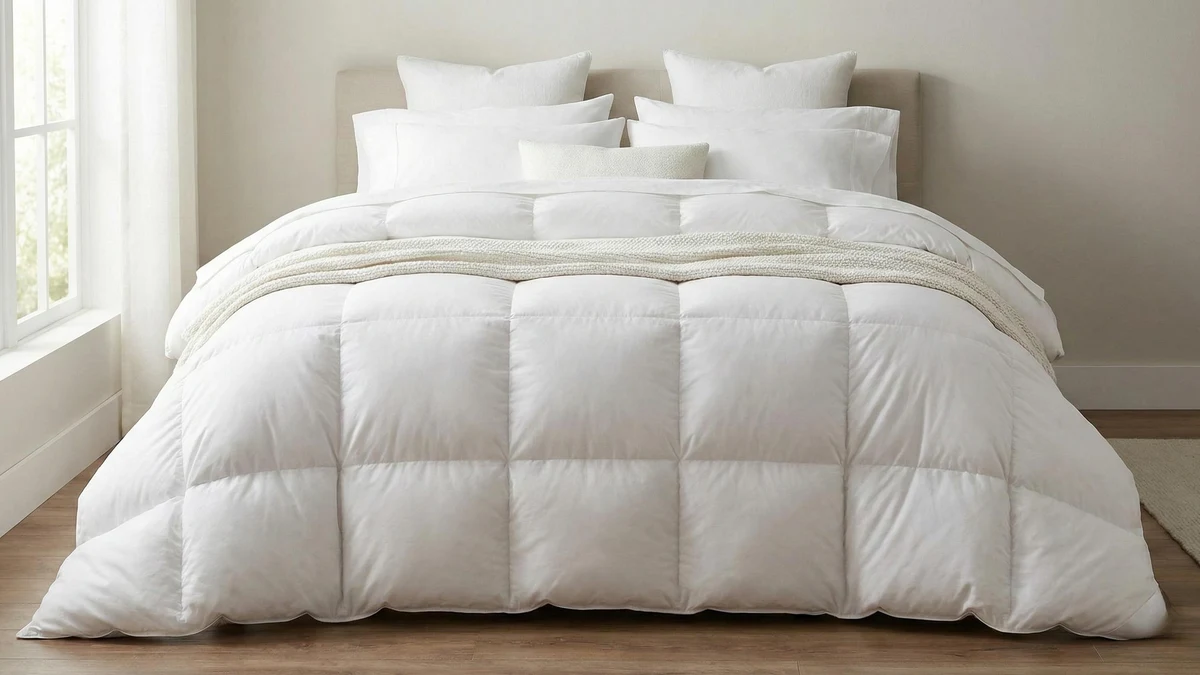
A beautifully made bed can change the entire feeling of a bedroom. Smooth sheets, layered pillows, and a luxurious comforter create a space that feels inviting at the end of a long day and wonderfully calm at the beginning of a new one.
A luxury bedroom comforter is more than a decorative layer. It brings warmth, softness, texture, and visual balance to the room. The right choice can make a minimalist bedroom feel warmer, add quiet sophistication to a neutral interior, or introduce rich color to a more expressive design.
But luxury does not necessarily mean choosing the thickest comforter or the most expensive fabric. Comfort, breathability, filling quality, construction, and ease of care all matter.
Whether you prefer the crisp elegance of a hotel-inspired bed or the relaxed softness of a cozy retreat, understanding these details will help you choose a comforter that looks beautiful and feels wonderful to use.
What Makes a Bedroom Comforter Feel Luxurious?
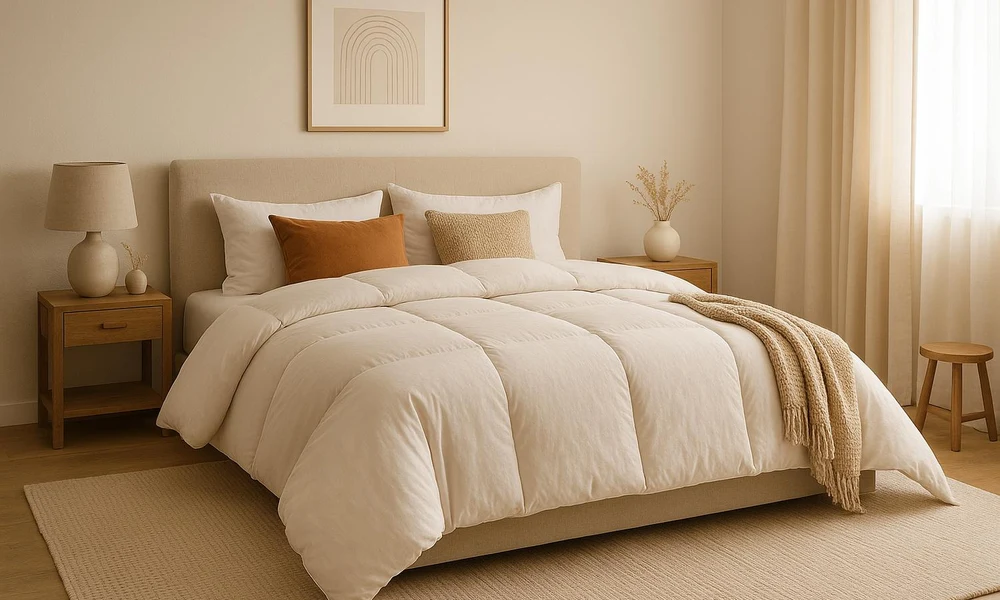
The feeling of luxury comes from the combination of materials, construction, comfort, and appearance. A comforter should look inviting on the bed while providing the right amount of warmth for your sleeping environment.
Several details make a meaningful difference.
Premium Outer Fabric
The outer shell influences how a comforter feels against your skin and how it drapes across the bed. Cotton is a popular choice because it can feel soft and breathable, while cotton sateen offers a smoother surface with a subtle sheen.
Linen brings a relaxed, textured appearance that suits natural and understated interiors. Some microfiber fabrics provide a smooth, plush feel and can be easier to maintain, depending on their construction.
Quality Filling
The filling determines much of a comforter’s warmth, loft, weight, and overall feel. Down can provide substantial warmth with relatively little weight, while down-alternative fillings appeal to people who prefer synthetic materials or have specific care requirements.
The best filling depends on your climate, preferred sleeping temperature, and desired level of softness.
Thoughtful Construction
Stitching and internal compartments help distribute filling throughout the comforter. Box construction, for example, can help maintain more even loft in down-filled designs.
Well-finished edges, secure seams, and consistent filling distribution can improve both appearance and everyday usability.
A Beautiful Drape
A comforter should complement the proportions of your bed. One that is too small may look unfinished, while excessive overhang can make a compact room feel visually crowded.
The ideal design creates a balanced silhouette, whether you prefer a neatly tucked hotel-style bed or a softer, loosely layered arrangement.
The Best Types of Luxury Bedroom Comforters
Different comforters offer different combinations of softness, warmth, texture, and maintenance. Choosing the right type starts with how you want your bed to feel.
1. Down Comforters
Down comforters are filled with the soft clusters found beneath the outer feathers of ducks or geese. They are valued for their loft, insulating ability, and relatively light feel.
A high-quality down comforter can create the cloud-like appearance often associated with luxury hotel bedding. It can also provide warmth without the heavy sensation of some thick comforters.
However, down comforters vary considerably in fill quality, construction, and warmth. Some require specialized cleaning, and they may not suit people with relevant allergies or ethical preferences.
When shopping, look for clear information about filling composition, warmth rating, care requirements, and sourcing standards.
2. Down-Alternative Comforters
Down-alternative comforters generally use synthetic fibers to create a soft, lofty feel. They can be a practical choice for households that prefer to avoid animal-derived filling or want options that are easier to maintain.
Their performance depends on the quality and density of the filling. Some designs feel light and airy, while others offer a heavier, more enveloping sensation.
These comforters are available in a wide range of price points, making it possible to create a polished bedroom without purchasing premium down bedding.
Check the care label before buying, as washing and drying requirements differ between products.
3. Cotton Comforters
Cotton comforters are popular for their familiar feel and versatility. Depending on the shell and filling, they can suit a range of seasons and interior styles.
Cotton percale tends to have a crisp, matte appearance, while cotton sateen usually feels smoother and has a gentle sheen. Both can complement an elegant bedroom.
For warmer climates, pay attention to the overall construction and insulation rather than choosing by fabric name alone. A breathable shell cannot compensate for a filling that is too warm for your needs.
4. Linen Comforters
Linen comforters bring a relaxed, natural elegance to the bedroom. Their textured surface and slightly casual drape work especially well with warm neutrals, timber furniture, natural rugs, and understated decorative pieces.
Linen is often appreciated for its breathability and distinctive texture. It can soften with use and washing, although the exact feel depends on the fabric and finish.
This style is ideal if you prefer an inviting bedroom that feels thoughtfully designed rather than perfectly formal.
5. Lightweight Comforters
A lightweight comforter can be an excellent option for warm weather, air-conditioned rooms, or people who tend to sleep hot.
These designs provide the finished appearance of a made bed without excessive insulation. They also work well as part of a layered bedding arrangement, allowing you to add a blanket when temperatures drop.
Before choosing one, consider whether you want a comforter for year-round use or a dedicated summer option.
How to Choose the Right Comforter for Your Bedroom
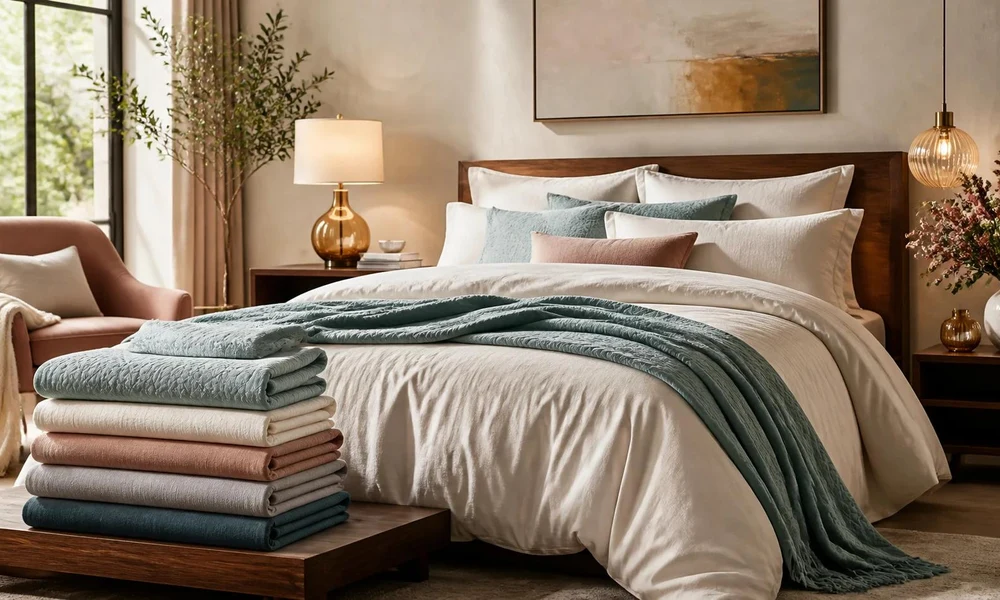
The best luxury comforter is one that matches your sleeping habits and the atmosphere you want to create. A thick, fluffy design may look beautiful, but it will not be comfortable if you regularly wake up feeling too warm.
Consider Your Sleeping Temperature
If you tend to sleep hot, look for a lighter comforter with breathable materials and a suitable warmth level. Cotton shells and lightweight fillings may be good starting points.
If you prefer a warmer bed, consider a higher-loft down or down-alternative comforter. In colder climates, a more insulating design can make bedtime feel especially inviting.
For year-round comfort, choose a moderate-weight option that works with your bedroom temperature, then add a blanket during colder months.
Choose the Right Size
A comforter should cover the mattress and create the appearance you want around the sides of the bed.
Common mattress sizes include twin, full, queen, king, and California king, although exact dimensions vary by country and manufacturer. Comforter dimensions can vary even when the labels are the same.
Measure your mattress depth and consider how far you want the comforter to hang. If you have a thick mattress or a tall bed frame, you may need a larger comforter than expected.
Think About Maintenance
A luxury comforter should fit your lifestyle as well as your bedroom design. Some comforters can be machine-washed, while others require professional or specialized cleaning.
Before buying, check the washing instructions, drying requirements, and whether the comforter will fit comfortably inside your washing machine.
Easy maintenance can be particularly valuable for everyday bedding, family bedrooms, and guest rooms.
The Most Elegant Colors for Luxury Comforters
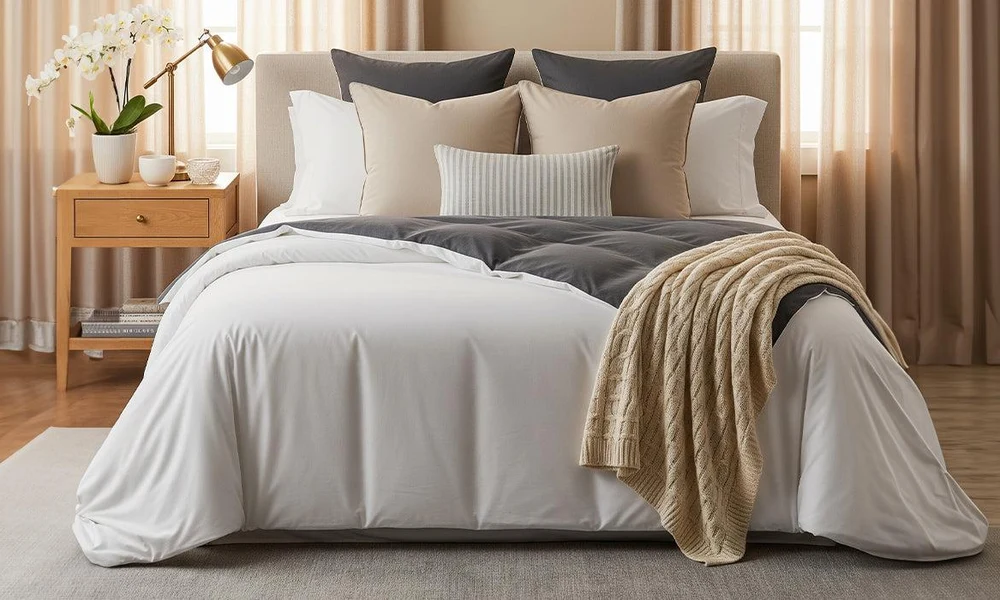
Color has a powerful influence on how a bedroom feels. A carefully chosen comforter can make the room appear brighter, warmer, calmer, or more dramatic.
Ivory and Cream
Ivory and cream comforters create a soft, timeless foundation. They work beautifully with natural wood, upholstered headboards, pale walls, and warm lighting.
These shades are especially effective in hotel-inspired bedrooms because they make layering simple. Add textured cushions, a folded throw, or contrasting sheets to create depth without overwhelming the room.
White
A white comforter creates a crisp, fresh appearance. It pairs easily with almost any interior palette and can make a bedroom feel open and uncluttered.
For a more luxurious effect, look for subtle details such as quilted stitching, a textured cotton shell, or a softly structured finish.
White bedding may require more frequent washing or careful stain management, so consider your daily routine when selecting it.
Taupe and Beige
Taupe and beige bring warmth without the visual weight of darker colors. They complement contemporary, traditional, and organic-inspired interiors.
These shades look particularly appealing with cream sheets, dark wood, brass accents, and soft bedside lighting.
Charcoal and Deep Brown
Darker comforters create a more dramatic, intimate atmosphere. Charcoal, espresso, and deep brown work well in bedrooms with contrasting light walls, warm wood, or restrained metallic accents.
To keep a dark bedding arrangement inviting, combine different textures rather than relying on one flat color throughout the bed.
Sage and Muted Blue
Sage green and muted blue introduce color while maintaining a calm appearance. They work well with natural fabrics, neutral walls, and understated decorative accessories.
These shades are useful if you want something more expressive than white or beige without making the bedroom feel overly busy.
How to Style a Luxury Comforter Like a Five-Star Hotel Bed

The secret to an inviting hotel-style bed is not simply buying expensive bedding. It is creating a balanced combination of layers, textures, and proportions.
Start With Smooth, Well-Fitted Sheets
Begin with clean sheets that feel comfortable against your skin. Cotton percale creates a crisp finish, while cotton sateen offers a smoother surface.
Choose a fitted sheet that suits your mattress depth so that the bed looks neat rather than stretched or loose.
Add the Comforter as the Main Layer
Spread the comforter evenly across the bed and smooth out any major folds. You can tuck the edges for a tailored appearance or let them fall naturally for a more relaxed look.
For a fuller silhouette, select a comforter with enough loft to suit the scale of your mattress and bed frame.
Layer Pillows Thoughtfully
Use sleeping pillows as the foundation, then add a smaller number of decorative cushions if you enjoy the layered look.
Matching every pillow to the comforter is not necessary. A combination of complementary colors and textures often creates a more considered appearance.
Avoid adding so many cushions that making the bed becomes inconvenient.
Finish With a Throw Blanket
A folded throw at the foot of the bed introduces another texture and provides an extra layer when needed.
Knitted, woven, and brushed fabrics can all work beautifully, depending on the season and interior style.
The aim is to make the bed look inviting rather than overly arranged. A little softness and natural variation can make a bedroom feel more personal.
Luxury Comforter Buying Mistakes to Avoid
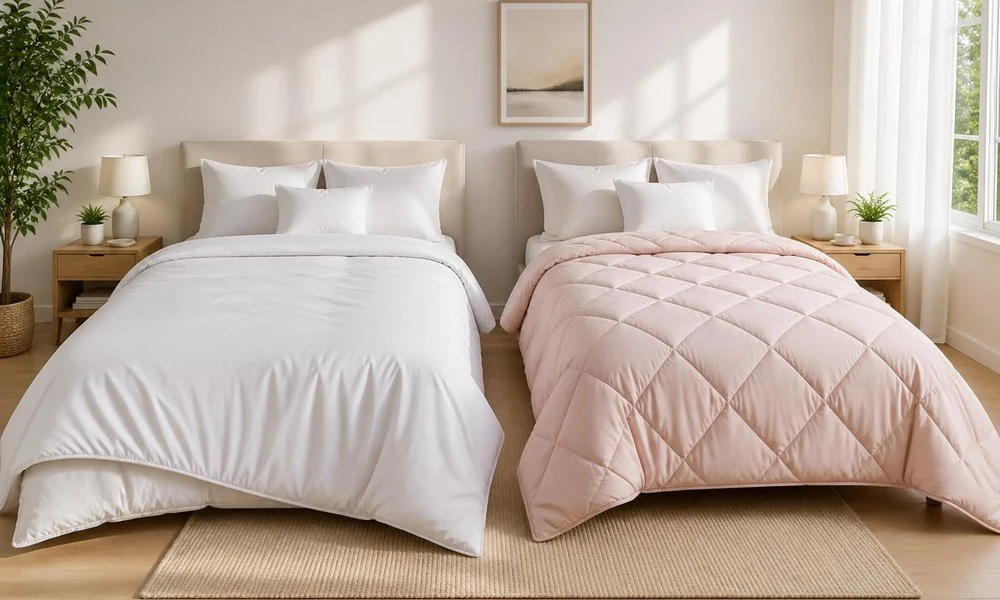
A beautiful product photograph does not always reveal how a comforter will feel in everyday use. Keep these common mistakes in mind before purchasing.
Choosing appearance over comfort. An extremely thick comforter may look luxurious but could be uncomfortable in a warm room.
Ignoring the dimensions. Always compare the actual measurements with your mattress, especially if you have a deep mattress or prefer generous overhang.
Assuming a higher price guarantees quality. Look at the filling, shell material, stitching, construction, and care instructions rather than relying on branding alone.
Overlooking cleaning requirements. A comforter that needs specialized cleaning may not be practical for every household.
Buying a color without considering the room. Think about your walls, flooring, headboard, curtains, and existing bedding before choosing a shade.
Ignoring return policies. Bedding can feel different in person than expected. Review the seller’s return and exchange conditions, particularly when purchasing online.
How to Care for a Luxury Bedroom Comforter
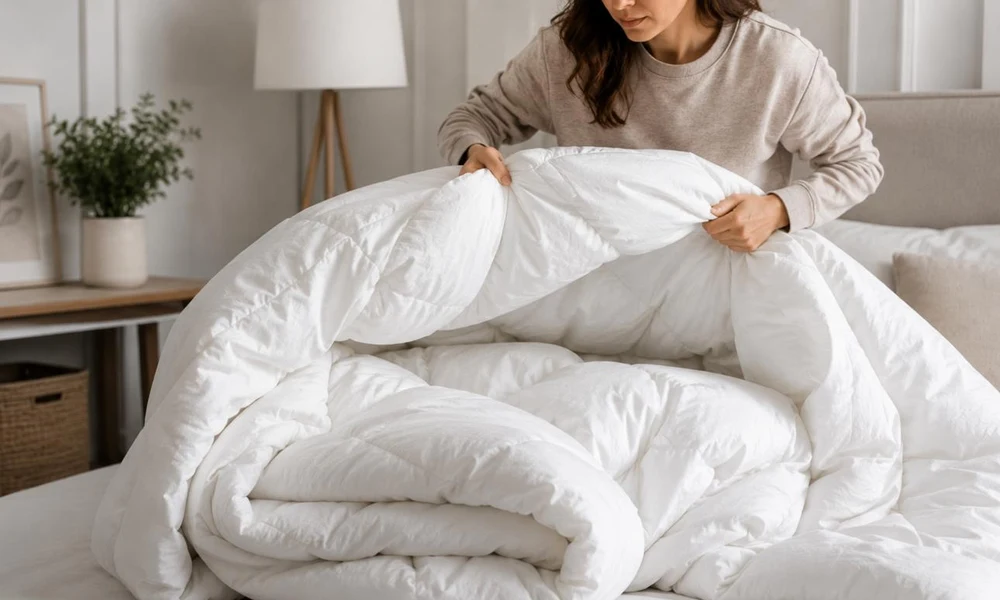
Regular care helps maintain a comforter’s freshness, appearance, and loft.
- Follow the manufacturer’s washing and drying instructions.
- Use a duvet cover if the comforter is designed to accommodate one. A removable cover can help reduce direct contact with body oils and everyday dirt.
- Air the bedding regularly when conditions allow.
- Avoid harsh cleaning products unless the care instructions specifically permit them.
- Make sure the comforter is thoroughly dry before storing it or putting it back on the bed.
- Store seasonal bedding in a clean, dry, breathable container when possible.
Down-filled comforters may need special attention during drying to help prevent clumping. Other fillings may have different temperature or handling requirements, so avoid assuming that every comforter can be treated the same way.
If you are unsure about cleaning an expensive comforter, consult the care label or a professional cleaner experienced with that material.
Frequently Asked Questions
What is the best material for a luxury bedroom comforter?
Cotton, linen, down, and high-quality down-alternative materials can all work well. The best option depends on your preferred texture, sleeping temperature, budget, and maintenance needs.
What comforter do luxury hotels use?
Hotel bedding varies by property, climate, and brand. Many hotel-inspired beds use white or neutral comforters with a clean outer finish and carefully layered sheets and pillows. You can recreate the look without purchasing the exact bedding used by a particular hotel.
Is a down comforter better than a down-alternative comforter?
Neither is automatically better. Down can provide excellent insulation with relatively little weight, while down alternatives offer synthetic filling options that may suit different preferences and care needs. Compare warmth, construction, and maintenance requirements.
Which comforter color looks the most luxurious?
White, ivory, cream, beige, and taupe are popular choices for an understated luxury look. Charcoal, deep brown, sage, and muted blue can also look sophisticated when coordinated with the rest of the room.
How often should you wash a comforter?
The appropriate washing frequency depends on the product’s care instructions, whether you use a duvet cover, and how the bedding is used. A removable cover can be washed more frequently than the comforter itself, helping reduce the need for repeated cleaning of the filling.
What is the difference between a comforter and a duvet?
A comforter is generally a filled bedding layer designed to be used on its own, although a cover may also be used when the design permits. A duvet is commonly paired with a removable duvet cover. The terms and product designs can vary by region and retailer.
How can I make my bed look more luxurious without spending too much?
Start with clean, well-fitting sheets, a comforter in a cohesive color, and two or three complementary textures. A neatly arranged bed, a simple throw, and warm bedside lighting can create a polished atmosphere without requiring a complete bedroom makeover.
Final Thoughts
A luxury bedroom comforter can change the way your entire room looks and feels. The right one brings softness to your evenings, warmth to colder nights, and a sense of thoughtful comfort to your everyday routine.
Focus on the details that matter most: a comfortable filling, a suitable fabric, the correct size, manageable care requirements, and a color that works naturally with your bedroom.
You do not need the most expensive comforter to create a beautiful bed. Choose quality where it makes a genuine difference, layer thoughtfully, and let the room reflect the kind of comfort you want to return to every night.
Disclaimer: This content is for informational and entertainment purposes only and reflects our personal opinions and experiences. We just love to write and share what we observe along the way.