If your silver strands look yellow, dry, or coated with buildup, the right shampoo depends on which problem you want to solve. The best shampoo for grey hair is the one that meets your hair’s current need, not simply one labeled for gray. Brassiness means an unwanted yellow or orange cast that changes the appearance of gray, silver, or transitioning hair.
Toning, cleansing, and adding moisture are separate jobs. A purple formula can help soften yellow tones, but it is not automatically the right everyday shampoo. Your scalp, hair texture, color history, and styling habits all help point to a good fit.
Key Takeaways
- Choose a cleanser for your scalp and hair texture.
- Use purple shampoo only when yellow tones need correction.
- Blue shampoo targets orange tones in fading brunette dye.
- Conditioner and masks can help dry, wiry strands feel softer.
- Color-depositing shampoo changes appearance temporarily, not natural pigment.
A gentle cleansing shampoo can be the routine base, with targeted formulas used only when their specific job is needed.
Why Does Gray Hair Turn Yellow, and Can Shampoo Restore Its Color?
Gray hair develops as follicles produce less melanin, and shampoo cannot switch that pigment production back on. Temporary toning can change how strands look, but it cannot restore natural color lost as hair grays.
Hair-follicle pigment cells produce less melanin as gray hair develops, leaving new strands with less pigment. The 2026 review of hair graying describes the decline in melanin and notes that satisfactory treatments remain lacking. Shampoo acts on the hair shaft, not the follicle’s pigment cells.
Shampoo cannot reactivate follicle melanocytes to restore lost pigment.
The traditional 50/50/50 rule says 50 percent of people have a 50 percent chance of having gray hair by age 50. It is a rule of thumb, not a precise prediction for every person.
Having some gray does not mean being primarily gray. Research estimates that 6 to 23 percent of 50-year-olds have primarily gray hair, a smaller group than those who may have any gray strands.
Yellow or brassy tones are a separate concern from reduced melanin. The strand has less natural pigment, while an unwanted cast changes its visible tone. A color-depositing shampoo is a shampoo that temporarily deposits visible pigment, which may reduce brassiness or add another color.
Its effect lasts only while the deposited pigment remains on the hair. Washing and time can lessen the visible change, so results do not mean the follicle has started making melanin again.
Treat a shampoo’s color effect as temporary toning or deposit, not a reversal of graying.
How to Choose the Best Shampoo for Grey Hair
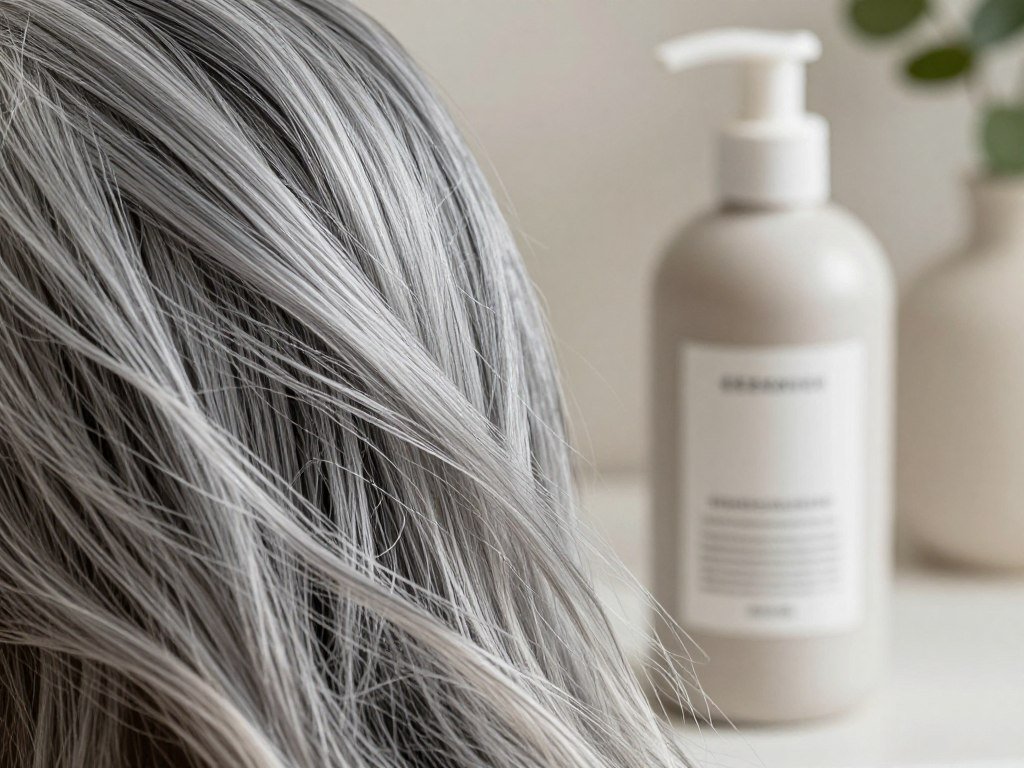
A person with fine, dry silver hair needs a different balance from someone with thick, oily hair. Choose a formula for your texture and scalp, then account for whether your strands are dyed or natural.
Shampoo cleans the scalp and removes oil and residue; conditioner helps soften the lengths. Match cleansing strength to scalp oil, and match moisture to the hair itself. A formula that leaves fine hair flat may not give coarse strands enough softness.
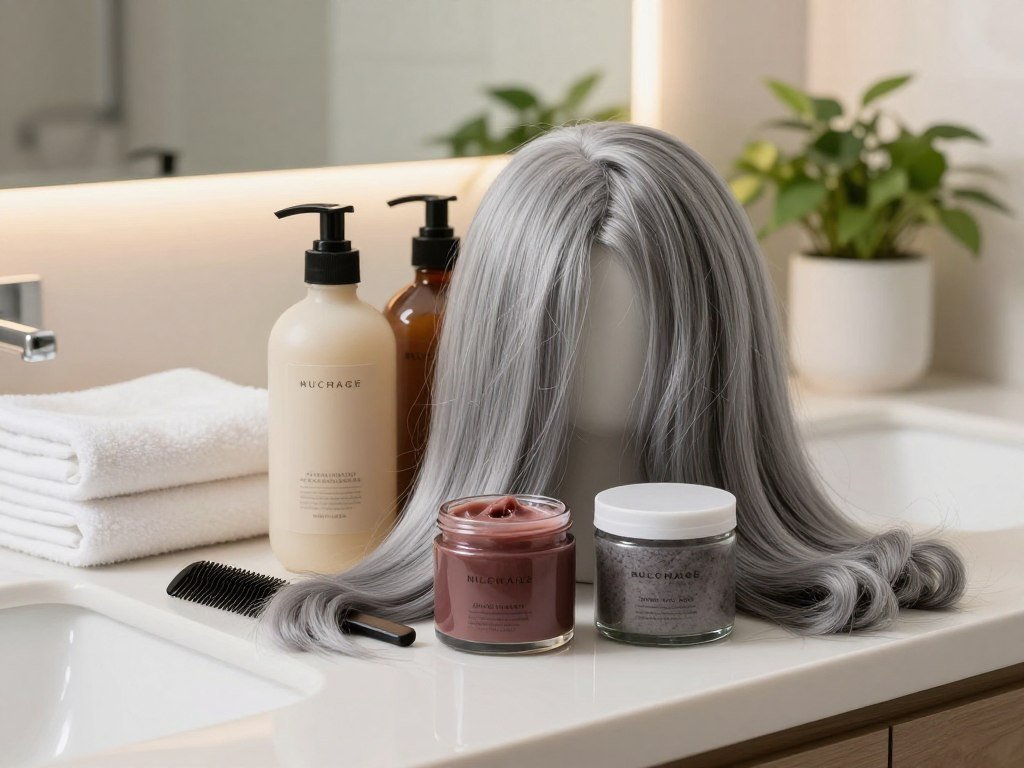
Match the formula to your hair and scalp
Thick or coarse hair may feel rough without enough conditioning, so a moisturizing shampoo can suit it. Fine hair often does better with a lighter formula that cleans without leaving heavy residue.
With an oily scalp, choose a cleanser that removes excess oil without leaving the roots coated. Dry or frizzy hair may need a gentler cleanser and more moisture on the lengths. A guide to choosing shampoo and conditioner can help you weigh scalp needs against hair type.
| Hair or scalp need | Formula choice | What it addresses | Watch for |
|---|---|---|---|
| Thick or coarse hair | Moisturizing shampoo | Rough feel and dryness | Heavy residue |
| Fine hair | Lightweight cleanser | Oil without added weight | Flat roots |
| Oily scalp | Oil-removing cleanser | Greasy roots | Dry lengths |
| Dry or frizzy hair | Gentle, moisturizing formula | Dryness and flyaways | Insufficient cleansing |
Research cited in hair-care guidance suggests products with a pH higher than 5.5 may damage the scalp. Read the label and watch how your scalp responds to regular use.
Choose differently for dyed or salt-and-pepper hair
Dyed hair benefits from a formula made for color-treated hair. Your natural roots and dyed lengths may need different care, especially when the lengths feel drier or hold a different color.
The best shampoo for salt-and-pepper hair should suit both natural and colored strands. The best shampoo for grey hair for men and for women follows the same rule: choose by hair type and scalp needs, not gender.
Can Shampoo Turn Gray Hair Black?
Shampoo for gray hair to black must deposit a dark pigment to make strands look darker. Purple and blue toners target unwanted yellow or orange tones; they are not designed to turn gray black.
Before choosing, check these four details:
- Hair texture
- Scalp oiliness
- Color history
- Whether the goal is toning or darkening
Check the product label for its intended hair type and color-treated compatibility before making it a regular wash.
Which Purple Shampoos Work Best for Natural Gray Hair?
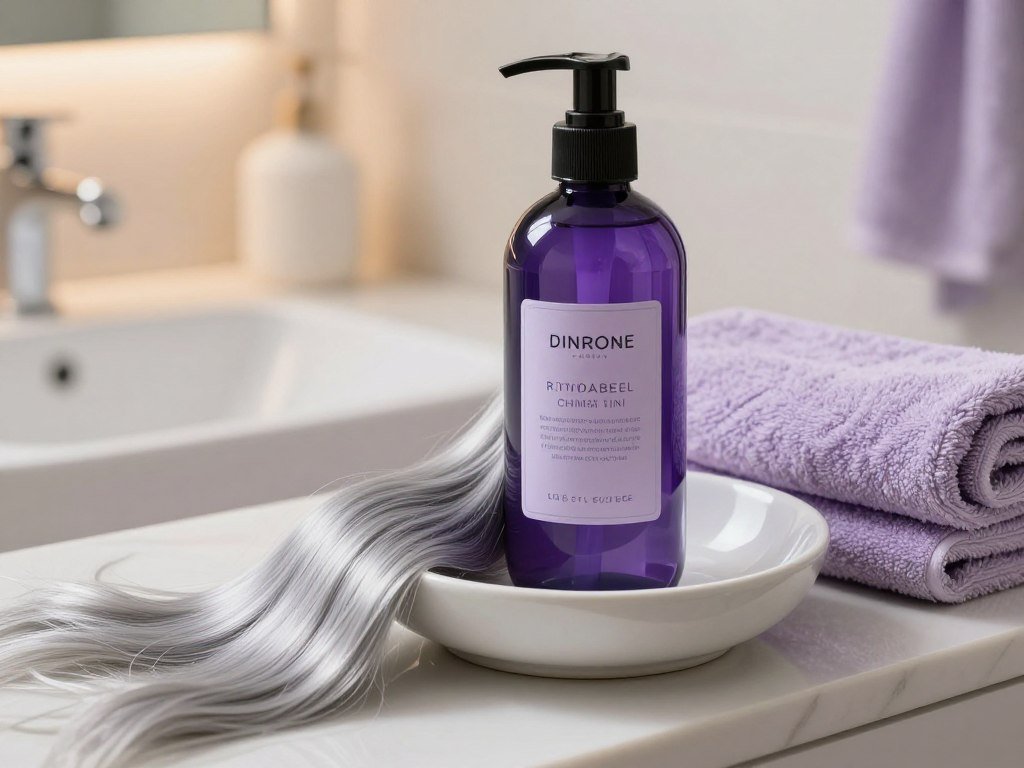
For the strongest toning among these options, choose OWAY Silver Steel Hair Bath; for a color-depositing formula with a less-pigmented matching conditioner, consider Innersense Bright Balance Hairbath. Purple shampoo uses violet pigment to neutralize yellow tones in natural gray or silver hair, but it does not permanently remove yellowing.
Use purple shampoo only when yellow tones bother you. Natural gray hair does not need a toning wash just because it is gray. Violet counters yellow, while the result depends on how much pigment the formula deposits and how your strands take it.
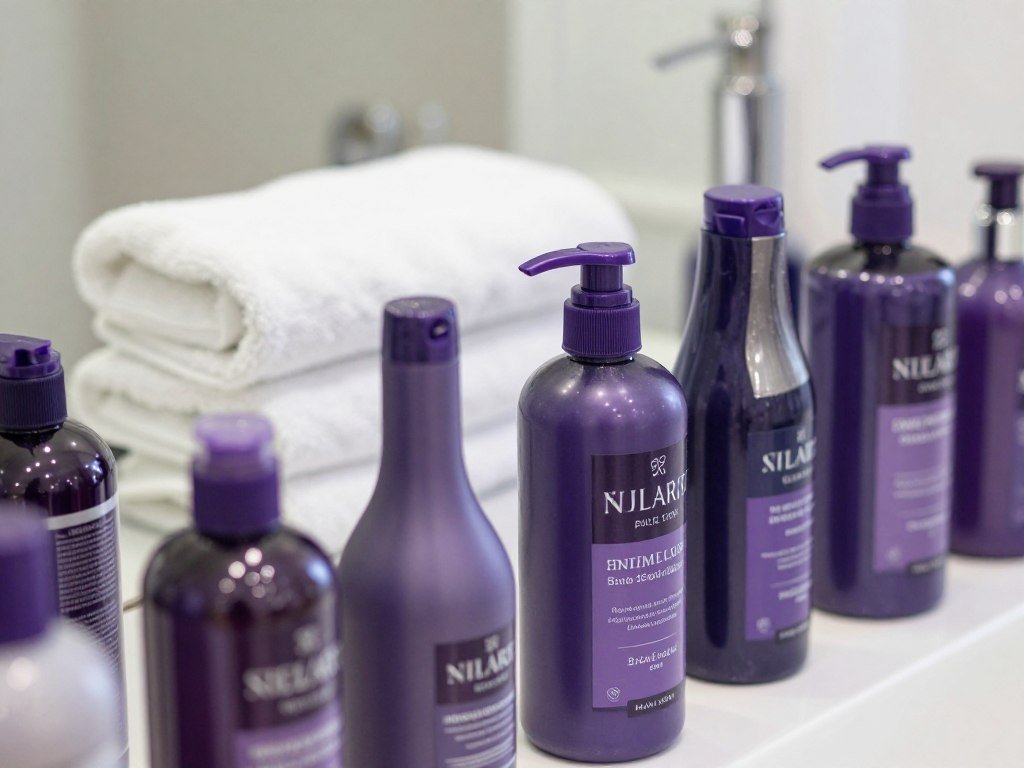
A cosmetology guide to hair color theory explains why violet tones can counter yellow. The products below offer different levels of pigment and other features, so choose based on the cast you want to address.
| Product | Pigment or formula detail | Best fit |
|---|---|---|
| OWAY Silver Steel Hair Bath | Violet 2 | Strongest toning choice |
| Innersense Bright Balance Hairbath | Basic Red and Basic Blue dyes | Color deposit with a less-pigmented matching conditioner |
| Flourish Vibrant + Violet Purple Perfecting Shampoo | Beet, bilberry, and rhubarb extracts | Plant-extract purple hue |
| Dove Love Your Silver Shampoo | Purple shampoo | Budget-friendly option |
| BTW Co. Purple Shampoo | Fragrance-free formula | People seeking a fragrance-free option |
Pick pigment for the tone you see
OWAY Silver Steel Hair Bath is the strongest-toning purple shampoo among these choices. That makes it a targeted option when yellow tones are clear, rather than a default wash for every gray-haired person.
Innersense Bright Balance Hairbath uses Basic Red and Basic Blue dyes. It can stay on for up to five minutes, and its matching purple conditioner is less pigmented than the shampoo.
Flourish Vibrant + Violet Purple Perfecting Shampoo gets its purple hue from beet, bilberry, and rhubarb extracts. EverEscents Organic Berry Blonde Shampoo also uses plant-derived tints, including red sweet potato and blue gardenia, but it is not designed to neutralize brassy gray tones.
Dove Love Your Silver Shampoo is a budget-friendly pick for shoppers seeking a purple shampoo at a lower cost. BTW Co. Purple Shampoo is fragrance-free, which may suit someone who wants to avoid added fragrance.
Use toning as a targeted step
Purple shampoo can also be used on blonde hair when yellow tones are the concern. Still, a product made for blonde hair is not automatically the right choice for every gray or silver strand.
Watch the way your hair looks and feels after toning. If strands seem dull or dry, pause and return to a gentle cleanser until the cast is visible again.
Stop using a toning formula when the unwanted yellow cast is gone rather than applying it automatically to every wash.
What Works on Brassy Brunette-to-Gray Transitions?
If the dyed brunette lengths are fading orange while gray roots grow in, blue shampoo is the targeted toning option. Blue pigment can neutralize orange tones in fading brunette dye during a transition to gray.
Joico Color Balance Blue Shampoo is an option for those orange tones. Blue shampoo is not a general brightener for gray hair. It is useful only on hair that has an orange cast, rather than on silver strands that simply look less bright.
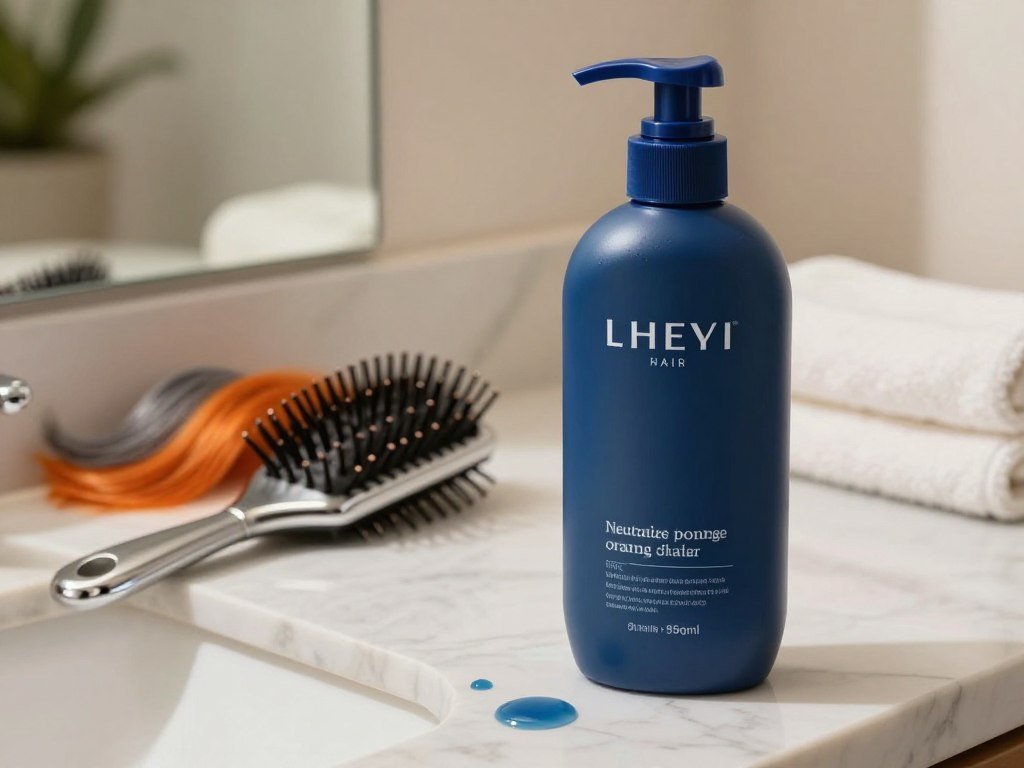
A brunette-to-gray transition can leave more than one color along the hair shaft. Natural gray roots may sit above lengths that still hold old brunette dye, and those areas do not always need the same shampoo.
Check the dyed lengths in natural light before reaching for blue pigment. If the lengths look orange, a targeted blue wash may help soften that cast; if they look brown or gray without orange, blue shampoo has no specific job.
The transition can also change as the dye fades. A formula that made sense for orange lengths may become unnecessary as those strands shift in tone or are cut away.
Use blue pigment only on the orange-toned area or strands that need it, not as a substitute for a gray-hair cleanser.
Which Shampoos Remove Buildup or Hard-Water Deposits?
A coated feeling from styling residue calls for a different tool than mineral buildup from hard water. A clarifying shampoo targets product buildup, while chelating ingredients help remove minerals left by hard water.
Malibu UnDo Goo and Acure Curiously Clarifying Shampoo are clarifying options for product residue. SEEN Shampoo contains chelating ingredients that remove hard-water buildup from hair. Choose the formula that matches the kind of buildup you notice.
Common clues that a wash may need to address buildup include:
- Dull or coated-feeling strands
- Residue left after styling products
- Hard-water exposure
Styling residue may leave strands heavy, dull, or less responsive to products. Minerals from hard water can also make hair feel rough or look discolored, so the cause matters when choosing a shampoo.
Focus a clarifying shampoo on the scalp and rinse it well through the lengths. These stronger cleansers can leave silver hair feeling dry, so follow the wash with a deep conditioner.
For more detail on removing residue without over-drying, see this guide to using clarifying shampoo. It covers the difference between product residue and minerals, along with ways to fit clarifying into a routine.
Keep clarifying to once a week and follow each clarifying wash with a deep conditioner.
How Should You Rotate Toning and Cleansing Shampoos?
A useful starting routine is 1-3 washes a week, with toning added only when the unwanted cast appears. Adjust wash frequency for scalp oiliness, activity, and hair texture.
Purple shampoo is a targeted option for yellow tones, while blue shampoo is only for orange tones. Keep toning separate from regular cleansing so pigment is used for a visible color concern, not by habit.
| Routine step | Starting frequency | Use it when | Follow-up |
|---|---|---|---|
| Regular wash | 1-3 times a week | Scalp needs cleansing | Conditioner |
| Purple shampoo | 1-2 times a week | Yellow tones show | Hydrating conditioner |
| Blue shampoo | Only as needed | Orange tones show | Regular cleanser next wash |
| Conditioner | After washing | Lengths need softness | Rinse as directed |
Start with the least amount of toning that addresses the cast. Purple shampoo is generally used 1-2 times a week, followed by hydrating conditioner.
Activity can make a wash feel useful sooner, while a less oily scalp may need fewer washes. Fine or coarse texture can also affect how often hair feels clean or weighed down.
Keep the routine flexible rather than tying every wash to a toning product. A regular cleanser can handle ordinary scalp care when unwanted tones are not showing.
Reduce pigment-shampoo use if strands start to feel dry or look dull.
How Can You Make Gray Hair Softer and Shinier?
When gray strands feel wiry or frizzy, adding moisture after cleansing is more useful than reaching for a stronger toner. Conditioner after washing and a hair mask when dryness persists can help hair feel softer.
Shampoo alone cannot add enough softness for every dry strand. Use a routine built around gentle cleansing, conditioner, and added moisture when needed.
Condition and mask dry strands
Conditioner helps soften hair, reduce friction, and make detangling easier. If your hair still feels dry, a weekly hair mask can add more conditioning than your usual wash routine.
Joico K-Pak Hydrator Intense Treatment and O Way Moisturizing Hair Mask are examples of deep conditioners. Leave a deep conditioner on for 5-10 minutes or follow the time on its label.
For fine hair, use a lighter amount on the lengths so roots do not feel weighed down. Coarse or curly strands may benefit from richer conditioning, especially when the ends feel rough.
Smooth flyaways with a clear oil
Hair oils can moisturize, add shine, and help tame flyaways. Start with a small amount, since too much can make strands look oily rather than glossy.
Choose a clear oil rather than a colored one. Colored oils can stain gray hair, which may leave an unwanted tint on pale strands.
A guide to shampoo and conditioner choices explains why shampoo selection should focus on the scalp while conditioner supports the lengths. That split can help when roots get oily but the ends stay dry.
Swimming and sun can also leave hair more prone to frizz. A loose braid or low-tension bun can limit friction on pool days, and rinsing after swimming helps clear pool water from strands.
Apply a small amount of clear oil to the lengths and ends, then add more only if the hair still feels dry.
Are Baking Soda and Vinegar Safe for Gray Hair?
Baking soda is a poor DIY shampoo choice for gray hair because its pH is about 9, compared with about 5.5 for skin and scalp. That mismatch can make it harsh on both the scalp and hair fibers.
Baking soda can strip natural oils and may irritate the scalp. Its abrasive crystals may also damage hair fibers, which can contribute to split ends and breakage.
Why baking soda can be harsh
Hair and scalp have a natural balance that a strong DIY mix may disrupt. Baking soda has a much higher pH than the scalp, and its rough crystals add physical friction as you scrub.
Stripping natural oils can leave hair dry and rough. Scrubbing can add wear to the hair fiber, while the mixture may also cause scalp irritation, especially for people with sensitive skin.
What vinegar rinses can and cannot do
Vinegar may act as an acidic rinse, but it is not a proven way to restore gray pigment or permanently remove yellowing. Neither apple cider vinegar nor white vinegar is established as the better treatment for gray hair.
Undiluted vinegar can irritate skin, so it is not a gentle shortcut for every scalp. A rinse that causes burning, itching, or redness should not stay in your routine.
Vinegar does not turn gray hair back to its original shade. It also cannot replace melanin that follicles no longer make, so avoid treating an acidic rinse as a color-restoring product.
Avoid baking soda scrubs and undiluted vinegar rinses, especially if your scalp is sensitive.
How Can You Protect Gray Hair From Heat and Sun?
Heat protection matters because repeated high heat can leave light gray and silver strands looking less clear. UV exposure can also contribute to changes in the hair shaft, so both sun and styling habits matter.
Use adjustable styling tools on the lowest workable setting and apply thermal protectant before heat styling. Make as few passes as possible to limit repeated heat on the same section.
A 2026 review of hair graying describes UV radiation as a source of free radicals and hair-shaft changes. Sun exposure may add to discoloration, so cover your hair when you expect long periods outdoors.
Keep a simple heat check in mind before styling:
- Choose the lowest workable setting.
- Apply thermal protectant.
- Make as few passes as possible.
- Hold the blow dryer about 6 inches from your head.
- Do not linger on a hot tool.
Hold a blow dryer about 6 inches from your head as you work. Limit hot-tool contact to about 10 or 20 seconds at most before moving on or using a cool shot.
Use a straightener only on completely dry hair. This guide to choosing a hair straightener covers tool settings and features that can suit different hair types.
On sunny days, a hat can shade your strands while protecting your scalp. After swimming, rinse your hair and choose a low-tension style to reduce friction.
If styling heat is optional that day, air-dry or choose a heatless style.
Repeated passes and lingering heat can add wear even when the tool is set to a lower temperature. Give each section one careful pass, then move on.
Conclusion
The best routine starts with the problem you want the shampoo to solve. Choose a cleanser for your scalp and hair type, and treat toning as temporary color correction rather than permanent pigment restoration.
Before buying, check your hair texture, color history, and main concern: yellow tones, orange tones, dryness, or buildup. A purple shampoo has a specific job, just as a clarifying formula does.
Check the label against your main concern, then introduce a targeted formula only if you need its specific effect.
FAQ
Does grey hair need different shampoo?
What is the 50/50/50 rule for gray hair?
How can I make my gray hair soft and shiny?
What is the best shampoo for gray hair?
What does vinegar do to gray hair?
What will adding baking soda to gray hair do?
Which is better for your hair, apple cider vinegar or white vinegar?
How often should grey hair be washed?