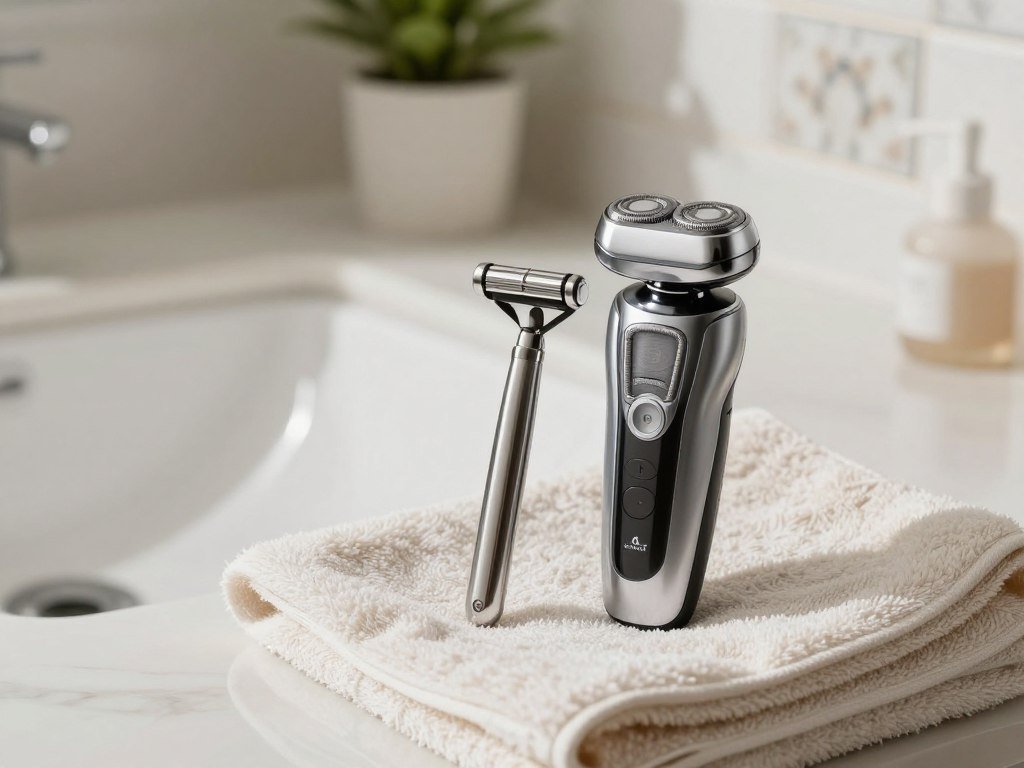
A comfortable shave starts with a tool that suits both the area you’re grooming and your skin’s tolerance for friction. The best female shaving razors are not one-size-fits-all: your routine, desired closeness, and risk of irritation all matter.
You can choose a manual razor for a close shave, an electric shaver for quick touch-ups, or a trimmer to shorten hair without shaving to skin level. Sensitive skin may need a gentler approach, while a wider head can save time on legs. The right choice also depends on whether you shave broad areas, curves, or both. Ingrown hairs and razor bumps can make control and comfort more important than blade count. This roundup compares tools by body area, routine, and upkeep, so you can find a practical fit rather than chase a universal winner.
Readers who are unsure can start with a familiar manual option for broad areas and choose a smaller head or trimmer for delicate curves.
Key Takeaways
- Choose a razor by grooming area, skin response, and preferred closeness.
- A wide foil shaver can cover legs quickly; a small head offers more control on curves.
- A trimmer shortens hair but does not shave it to skin level.
- Blade count alone cannot predict comfort or a good fit.
- Replace blades when they tug, and follow each device’s use instructions.
Best Female Shaving Razors for Common Routines
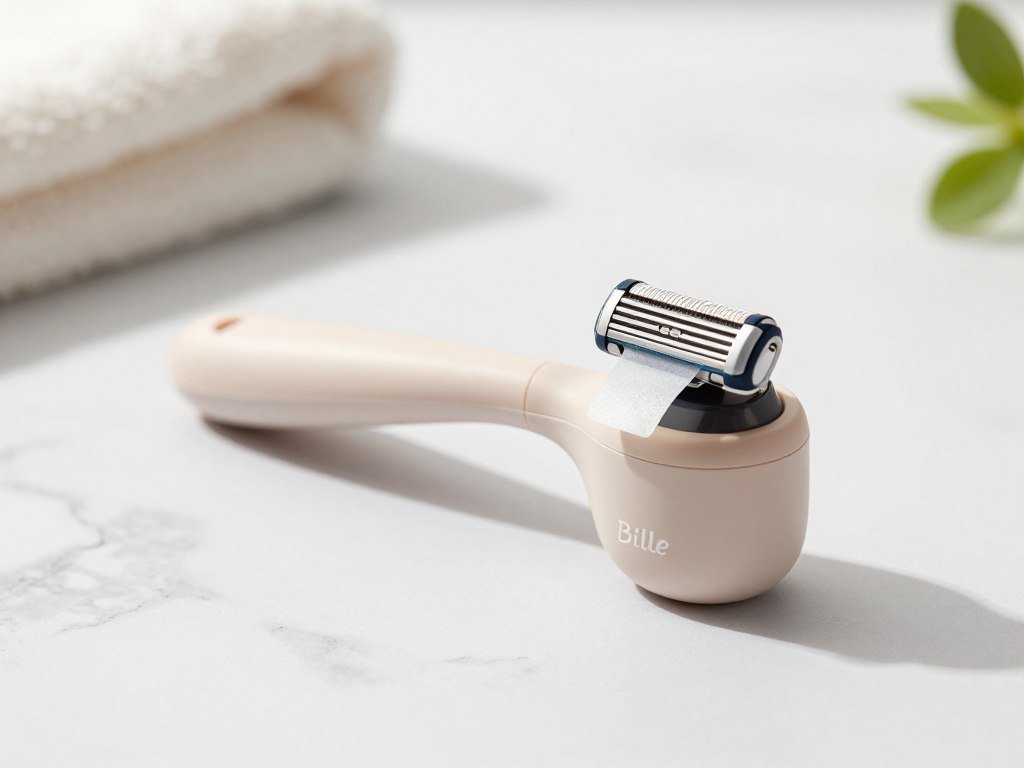
Billie Razor is the strongest default pick for someone who wants one manual razor for regular body shaving. It offers a familiar routine for legs and other broad areas, while the reusable handle keeps replacement focused on the head. For one general-purpose manual tool, Billie is a practical starting point.
Match the razor to the area first, then weigh closeness against comfort and control.
The tradeoff is that a cartridge can feel bulky around small, curved areas. If you want a tool made for intimate grooming, a compact head and protective design may suit you better.
Best all-purpose manual pick: Billie Razor
Billie Razor suits regular body shaving when you want a reusable handle and a close manual shave. Its five-blade cartridge covers broad areas efficiently, and its aloe-edged design adds a glide feature. That does not guarantee that every skin type will find it comfortable.
Choose another category if your routine centers on trimming or electric touch-ups. A trimmer leaves hair longer, while an electric shaver can be easier for quick grooming without shaving as closely.
Best intimate-area pick: Gillette Venus for Pubic Hair & Skin
Gillette Venus for Pubic Hair & Skin is the focused option for pubic hair and the bikini area. Its two-blade design includes a barrier meant to reduce direct skin contact. The smaller format can feel easier to guide where a full-size cartridge head seems wide.
It is still a manual razor, so it aims for a closer result than a trimmer. If your priority is keeping some length or avoiding a skin-level shave, choose a trimming tool instead.
Best electric pick: Philips Beauty Lady Electric Shaver Series 6000
Philips Beauty Lady Electric Shaver Series 6000 suits cordless body grooming and quick touch-ups. It avoids a cord during use and can fit a routine where convenience matters more than the closest possible result.
Choose the electric option if avoiding a cord and making quick touch-ups matter more than the closest possible manual shave.
Which Razor Fits Your Routine at a Glance?
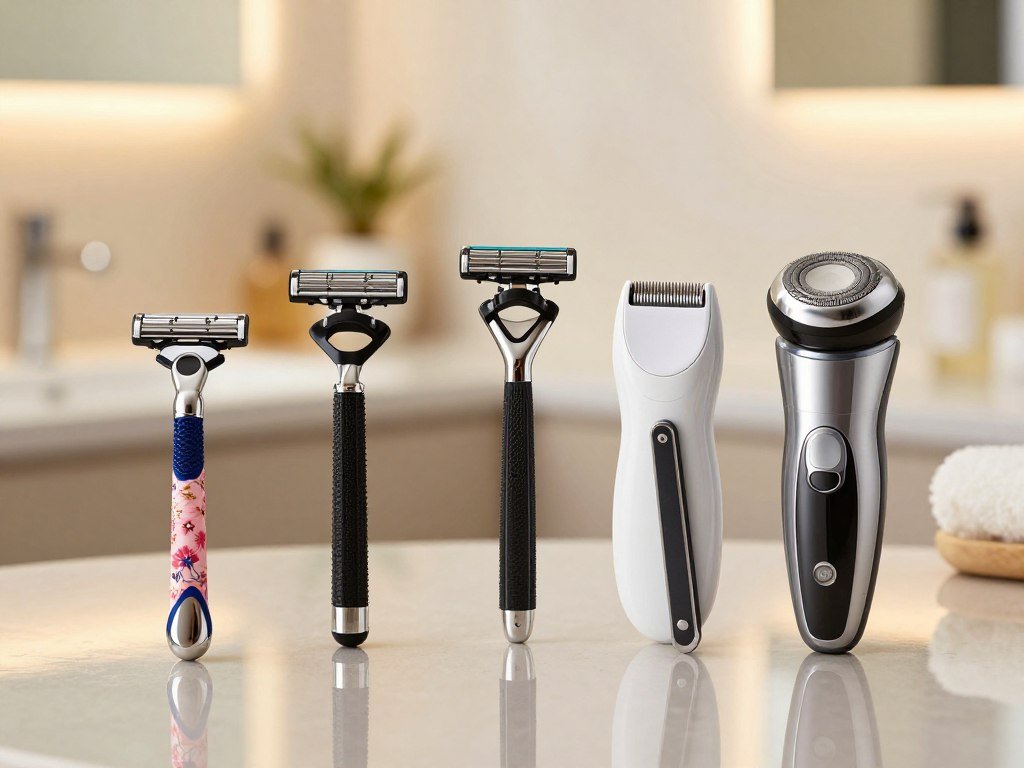
A quick match by grooming area can narrow the list faster than comparing blade counts alone. Start with use, then compare the feature that changes how each razor handles. Consumer Reports tested refillable razors by having two women shave their legs and underarms for one month.
| Model | Razor type | Best-fit use | Distinguishing feature |
|---|---|---|---|
| Billie Razor | Cartridge | General body shaving | Five-blade cartridge |
| Gillette Venus for Pubic Hair & Skin | Cartridge | Pubic hair and bikini area | Two blades with a barrier |
| Philips Beauty Lady Electric Shaver Series 6000 | Electric foil | Cordless body touch-ups | 40 minutes per charge |
| Hanni Weighted Razor | Safety | Single-blade shaving | Double-sided head |
| Schick Hydro Silk Sensitive disposable razor | Disposable | Convenient sensitive-skin option | Aloe-and-chamomile strip |
These options differ in how you hold them, replace their blades, and move across skin. A cartridge keeps a familiar handle and replaceable head. A safety razor uses one blade, while a disposable razor replaces the whole tool.
The Philips model provides 40 minutes of use per charge, a useful detail if you prefer cordless touch-ups. The Schick disposable has a lubricating strip, while the Hanni’s double-sided head holds a single replaceable blade.
Consumer Reports’ refillable-razor test involved two women shaving their legs and underarms for a month. That small test group describes a specific trial, not every routine or skin type. Treat a product rating or a test result as one input, then check whether the tool fits your own routine.
What Are the Main Razor Types, and How Do They Differ?
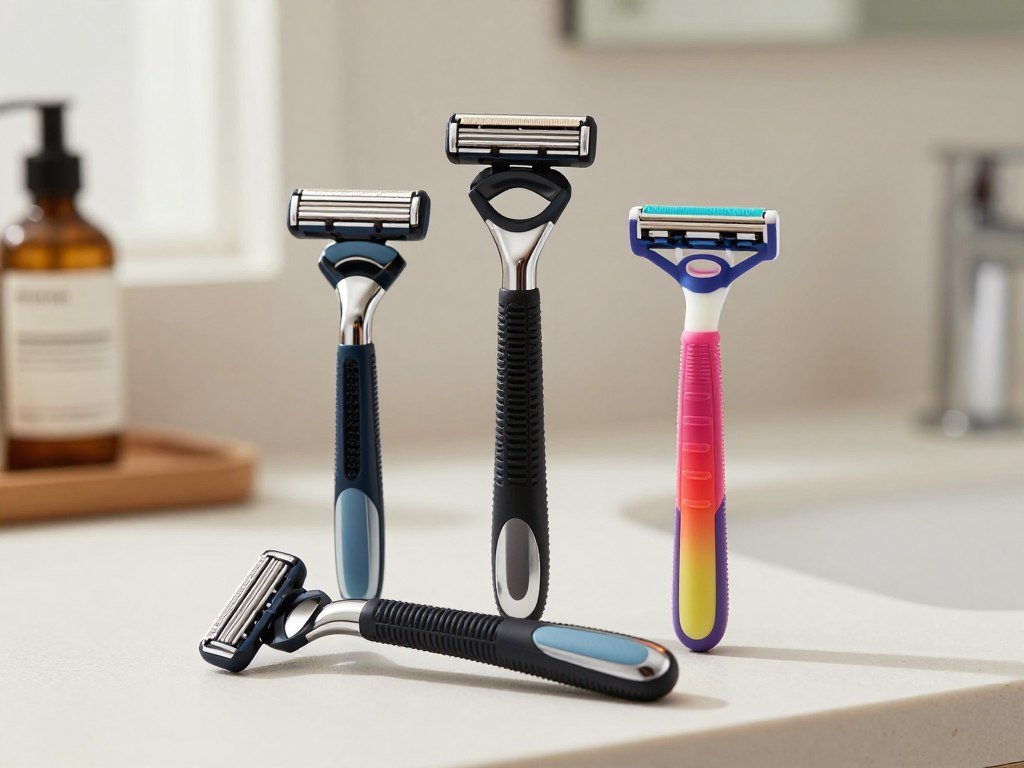
A cartridge razor, a safety razor, and an electric shaver remove hair in different ways, so the right comparison starts with the result you want. A foil shaver is an electric razor whose oscillating blades cut hairs through openings in a thin metal cover. Cartridge razors usually have two to six blades.
| Type | How it removes hair | Suitable use | Main tradeoff |
|---|---|---|---|
| Cartridge | Multiple blades in a replaceable head | Quick manual body shave | Replacement heads add ongoing expense |
| Disposable | Integrated handle and head | Occasional use or travel | Replace the whole tool |
| Safety | One replaceable blade behind a guard | Controlled manual shaving | Requires a learning curve |
| Foil shaver | Oscillating blades under perforated foil | Flatter, larger areas | May not shave as closely as a manual razor |
| Rotary shaver | Spinning round heads | Contoured areas | Head size and comfort vary by model |
A foil shaver can suit larger areas such as legs and arms. A rotary shaver has round, spinning heads that adjust to curves such as underarms, bikini lines, and chins. These are both electric razors, but their head shapes serve different areas.
An epilator is another hair-removal tool, but it pulls hair from the root rather than cutting it at the skin’s surface. That can feel quite different from shaving. A trimmer is different again: it shortens hair without shaving it to skin level.
The head style affects the feel of an electric shave, while a manual razor cuts hair close to the skin. Pick a trimmer when shortening hair is the goal, not a skin-level shave.
Which Shaver Works Best for Legs and the Bikini Line?
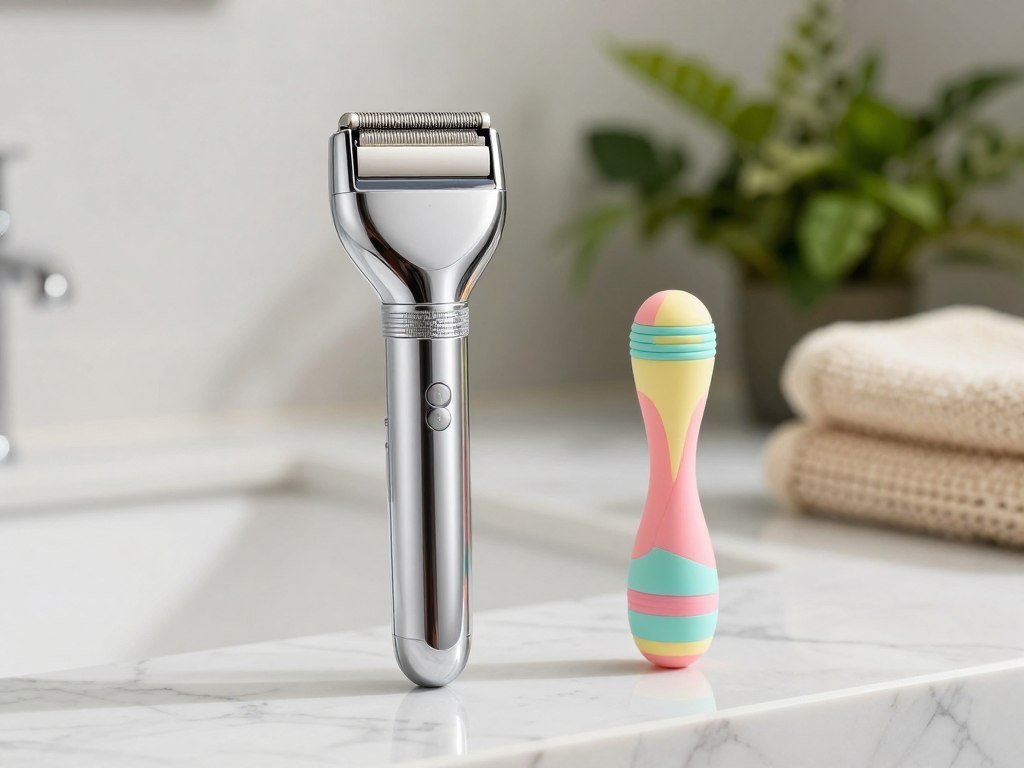
For large leg areas, a wide head can reduce the number of passes, while curves call for a smaller, easier-to-steer tool. Coverage matters on legs, but precision matters near the bikini line. The best tool can change by body area.
- Legs: A wide foil head covers more area with fewer passes.
- Underarms: A contour-following rotary head or compact shaving head can help around curves.
- Bikini line: A smaller head or precision trimmer gives you more control.
- Face: A small precision tool can handle upper-lip or cheek areas.
The best lady shaver for legs and the bikini line may be two tools if you value fast coverage and precise shaping equally. A wide foil shaver can make broad leg grooming feel faster, but its size may be awkward on narrow curves.
Underarms have curves and folds, so a head that follows contours may be easier to move than a large, flat head. For the bikini line, a smaller electric shaving head or precision trimmer can help you shape with care.
Face grooming calls for a tool made for small areas, rather than a large body head. A compact tool gives you room to steer around the upper lip or cheek without bringing a broad blade across the whole area.
Before buying a single tool for every area, check whether its head is small enough to maneuver around the curves you shave.
Are Cartridge Razors a Good Everyday Choice?
A cartridge razor is a convenient choice when you want a familiar manual shave and simple head replacement. For regular use, a reusable handle lets you change the cartridge without replacing the whole razor. Billie Razor and Flamingo 5-Blade Razor both use replaceable cartridges.
Billie Razor has five stainless-steel blades, an aloe-edged cartridge, and a magnetic wall mount. Its package includes three refills, so you have replacement heads ready when the first cartridge wears out.
Flamingo 5-Blade Razor has a flexible hinge and an aloe-and-shea-butter exterior around the blades. A flexible hinge can help the head follow body contours instead of staying fixed as you move over a curve.
Both models pair a reusable handle with a lubricating feature. A handle that feels steady may be useful when shaving broad areas, while a flexible head can better follow a changing surface. The feel of those features can differ from person to person.
A magnetic holder can keep a razor off a wet shower surface, which may help keep the handle in a set place. It does not replace rinsing and drying the head after each use. Rinse the cartridge after use so trapped hair and residue do not build up between the blades.
Which Features Can Help With Sensitive Skin?
For sensitive skin, look for a tool that limits friction and gives you steady control rather than choosing by blade count alone. Less rubbing may help if you are prone to razor burn or ingrown hairs. Protective foils, rounded tips, and guards can help minimize skin friction.
A foil can separate the cutting blades from direct skin contact. Rounded tips and guards can also reduce how much the blade edge meets your skin. Those features may help, but they cannot promise that every shave will avoid irritation.
A lubricating strip is another kind of comfort feature. It adds glide to a manual razor, while a secure handle can help you keep control without gripping too tightly. These design choices work in different ways, so consider how each fits your routine.
Athena Club offers a cartridge system with five blades, a hyaluronic-acid lubricating strip, a silicone-coated aluminum handle, and a magnetic holder. Its refill schedule can be monthly, every two months, or every three months. You can choose the cadence that suits your use.
Persistent or severe irritation is a reason to pause shaving and seek advice from a board-certified dermatologist. For reactive skin, a gentle body wash for sensitive skin may also help keep cleansing simple. If a feature stings or aggravates irritation, stop using that tool instead of trying to shave through the reaction.
What Is the Best Razor for a Woman’s Private Area?
For a close shave, choose a small head you can steer carefully; for shaping, a trimmer leaves more length. The best razor for a woman’s private area depends on whether you want a close shave or simply to trim. Choose by result, not by the tool’s label alone.
For a close shave: Gillette Venus for Pubic Hair & Skin
Gillette Venus for Pubic Hair & Skin has two blades with a barrier between them, designed to reduce skin contact. Its disposable version adds a slim pivoting head and a soft-grip handle designed to resist slipping in the shower.
The compact head may be easier to guide around the bikini area than a wide body cartridge. If you compare ladies razors for private areas, look for a size and grip you can control comfortably. A design feature cannot prevent every case of irritation.
For trimming and shaping: Gillette Venus Pubic Hair & Skin Gentle Trimmer
Gillette Venus Pubic Hair & Skin Gentle Trimmer is made to trim and shape pubic hair, including thick hair. It can be used in or out of the shower, so it fits more than one grooming setting.
A trimmer shortens hair but does not shave it to skin level. That makes it a different choice from a razor, especially if you want to keep some length or shape hair rather than remove it completely.
Decide whether you want a close shave or trimming before you start. The tool’s purpose should be clear before you begin, especially when choosing between trimming and shaving.
Which Electric Shaver Works Best for Legs and Body?
For legs, start with a wide foil head; for curves and quick body grooming, compare a flexible or multi-head option. Leg coverage is often easier with a broad foil surface. A wide foil head can cover more leg area in fewer passes.
Foil electric shavers for larger areas
A wide foil head suits legs because it moves across a larger, flatter area with fewer passes. Philips Beauty Lady Electric Shaver Series 6000 has dual foils in a flexible head, which can follow the shape of your body as you move.
The Philips model provides 40 minutes of cordless use per charge. That suits quick touch-ups without a cord, though an electric shaver may not give the same close shave as a manual razor.
Flexible and multi-head electric options
Skull Shaver Butterfly Kiss PRO has four removable shaving heads and an IPX5 water-resistance rating. It works wet or dry, including in the shower, and includes an exfoliating brush and a one-year manufacturer warranty.
Its removable heads offer a different setup from a standard wide foil shaver. A rotary-style tool can follow contours such as underarms, bikini lines, and chins. Head size and comfort still vary by model, so a multi-head design is not automatically easier for every area.
Keep a shaver separate from a trimmer when choosing by result. The Gillette Venus Pubic Hair & Skin Gentle Trimmer shortens hair rather than shaving to skin level. Check the water-resistance rating and device instructions before using any electric shaver in the shower.
Should You Choose a Safety Razor?
A safety razor can suit someone who wants a reusable handle and replaceable single blades and is willing to learn a slower technique. The learning curve is real, and a guard does not make the blade risk-free. A safety razor uses one replaceable blade behind a protective device.
Single-blade control and ongoing blade changes
Hanni Weighted Razor has a single blade and a double-sided head. Its blade should be changed after four to six uses, depending on hair coarseness. Hanni includes five extra blades, giving you spares with the handle.
Kitsch Safety Razor includes five extra blades and a silicone cap. The cap can cover the head when the razor is stored, while the replaceable-blade format keeps the handle in use across blade changes.
Reusable alternatives for different routines
Leaf Shave is a pivoting alternative for someone who wants a reusable format without the same fixed-head feel. A pivot can move with the surface, but it does not remove the need to learn how the razor handles.
Some readers may also like the weighted brass safety razor set in this guide to practical luxury grooming gifts. The page focuses on gifts, while the same basic format remains a reusable handle with a replaceable blade.
A safety razor cannot go in carry-on luggage because its blade is removable. If you travel with a safety razor, pack it in checked luggage rather than your carry-on.
Which Disposable Razors Are Worth Considering?
A disposable razor is useful when you shave infrequently, need a travel backup, or do not want to keep a separate handle. Convenience is its main appeal, since you replace the whole tool rather than keeping a handle. Schick Hydro Silk Sensitive has an aloe-and-chamomile lubricating strip and a textured rubber handle.
Those features may suit someone who wants a grip and a strip on an occasional-use razor. Online ratings can help you compare listings, but they do not show how a product will feel on your skin or in your hand.
| Amazon listing name | Star rating | Review count |
|---|---|---|
| Gillette Venus Sensitive women’s disposable razors | 4.7 stars | 35,553 |
| BIC Silky Touch women’s disposable razors | 4.6 stars | 26,869 |
| Schick Hydro Silk Sensitive five-blade disposable razors | 4.6 stars | 6,319 |
| BIC Soleil three-blade disposable razors | 4.7 stars | 23,758 |
| Gillette Venus Sensitive disposable razors | 4.7 stars | 18,329 |
Other listings showed Billie five-blade razor refills at 4.8 stars from 10,367 reviews and Gillette Venus ComfortGlide White Tea refills at 4.8 stars from 5,377 reviews. Those are refill listings, not disposable razors, so compare the product type before drawing a conclusion.
Ratings are listing snapshots that can change as reviews and product pages change. A high score does not establish which option suits your skin, grooming area, or grip preference. Compare the rating’s date and product variant before treating it as a useful buying signal.
What Should You Check About Blades, Handles and Heads?
A comfortable handle and a head you can steer matter as much as the number of blades. Control comes first when you are comparing parts that touch or move across your skin. Blade count alone cannot predict comfort.
A cartridge razor can have two to six blades. Blade spacing affects how hair and residue move between edges, while a flexible head can follow body contours. Those details may shape the feel of a shave more than the number of blades alone.
A grippy handle can help you keep control, especially when the shower is wet. Check its shape and weight, since a handle that feels secure in your hand can be easier to guide than one that turns or slips.
A lubricating strip is an optional comfort feature, not a requirement for a good shave. It may add glide, but you can also use a suitable shaving cream or gel with a manual razor.
Head size should match the area. A large, flexible head may feel efficient on legs but awkward around tight curves. A smaller head can be easier to steer in a narrow space, though it may cover less skin per pass.
Hold the handle in a dry hand first to check whether its shape feels secure before using it in the shower.
Do You Need Shaving Cream or Gel?
For a manual razor, shaving cream or gel adds glide, while some cartridge models include a built-in soap layer. A separate lubricant can coat the skin during a manual shave. Use cream or gel with an electric device only when its instructions allow wet shaving.
Schick Intuition Pure Nourishment has built-in soap and four blades. That soap layer differs from a separate shaving cream or gel, which you apply apart from the razor. A built-in layer can make the routine feel simpler if you prefer fewer products.
Gillette Venus Pubic Hair & Skin Smoothing Cleanser and Shave Gel is designed to provide a protective layer of glide during shaving. It can also be used as a daily cleanser, a feature specific to that product.
Electric razors do not all work with water or wet-shave products. Read the device directions before using cream or gel, since some models are designed for dry use only.
- Wet skin with warm water.
- Apply a suitable lubricant for a manual shave.
- Follow the electric tool’s wet-or-dry instructions.
Do not use a wet-shave product with an electric device unless its instructions allow wet use.
How Can You Reduce Razor Burn and Ingrown Hairs?
A gentler shave usually comes from fewer, lighter passes rather than pressing harder to catch every hair. Ease up if your skin is prone to razor burn, razor bumps, or ingrown hairs. Repeated passes over irritated skin can add friction.
- Use light pressure with an electric razor and let it glide over skin.
- Make slow, careful passes around the bikini line.
- Begin with a guard or trimming attachment when available.
- Shave in the direction of hair growth when prone to ingrown hairs.
These adjustments focus on lowering pressure and limiting how often a blade meets the same patch. For the bikini line, a guard or trimming attachment can help you start with less closeness while you get used to the tool.
If you are prone to ingrown hairs, shaving in the direction of hair growth may help reduce the risk. A close shave may not be worth repeated passes over skin that is already irritated.
Inflamed or broken skin needs a break from shaving. Give it time to settle instead of repeatedly shaving across the same irritated patch.
When Should You Change a Blade, and What Aftercare Helps?
Replace a blade or disposable razor after about 5-7 shaves as a practical starting point, and sooner if it tugs. Use the tug as a clear sign that the edge may no longer move smoothly. The American Academy of Dermatology recommends changing blades or discarding disposable razors after five to seven shaves to minimize irritation.
Hair coarseness, skin sensitivity, and how often you shave can affect how long a blade feels comfortable. If the blade tugs or feels dull, change it sooner rather than pushing through an uncomfortable shave.
Gillette Venus Pubic Hair & Skin Daily Ingrown Serum contains lactic acid and aloe. It is designed to moisturize and gently exfoliate after shaving, but it cannot promise to prevent every ingrown hair.
A simple maintenance routine helps keep the tool clean and ready for its next use. Aftercare products are personal, so pay attention to how your skin responds to an ingredient or formula.
- Rinse the head after use.
- Let the head dry between uses.
- Replace a dull or tugging blade.
For tool and skin care ideas, see gentle beauty routine essentials. Stop any aftercare product that stings or worsens irritation.
How Should You Compare Price and Testing Claims?
Compare the handle’s initial cost with what replacement heads or blades will add over time. Ongoing cost can change which razor feels like a good value after repeated use. Disposable and cartridge razors typically cost $5-$15, while safety-razor blades typically cost 10-20 cents each.
Cartridge needs add to the cost of a reusable handle, and refill pack size affects how often you buy more. A low initial price may not tell you the longer-term cost if replacement heads are needed often.
Consumer Reports tested refillable razors with two women shaving their legs and underarms for a month. The test reflects those participants, those areas, and that trial period, rather than every user’s routine.
Glamour’s electric-razor test included 10 models selected from more than 30 researched razors. Testers tried each model at least twice on its intended areas. That gives a useful account of a defined test, not a guarantee of personal fit.
A test result is most useful when its participants, trial areas, and number of uses resemble your routine.
Before choosing, compare the ongoing replacement needs and the terms attached to your purchase. A return policy matters if the handle does not feel secure or the head does not suit your grooming area.
- Initial handle cost
- Refill or replacement-blade cost
- Included refills
- Return or warranty terms
Check the current retailer listing for the price, refill count, return terms, and warranty before ordering.
Conclusion
The right choice is the one you can control comfortably in the area you actually shave. Skin response and head size matter: a tool that works well on legs may feel awkward around a curve or the bikini line.
Control and replacement costs can tell you more than blade count alone. Consider whether you want a close shave, cordless touch-ups, or hair left longer, then choose a tool that fits that goal.
Pick one option that fits your routine, check its current refills and instructions, then try it on a small area before making it your everyday tool.
FAQ
Can shaving make hair grow back thicker?
Can I use the same razor for my legs and pubic area?
How often should I replace a cartridge if I shave only occasionally?
Can I use shaving cream with every electric razor?
Is a five-blade razor always better than a single-blade razor?
Can I take a safety razor in carry-on luggage?