A comfortable base for breakout-prone skin starts with a formula and finish that suit your skin, not the fullest coverage on the shelf. Your best foundation for acne prone skin may look different from someone else’s. Comfort matters when you wear makeup through a full day.
No single finish or coverage level suits everyone. You can choose among options for oily, dry, sensitive, or combination skin, with sheer, medium, or full coverage. Makeup can cover the look of acne, but it does not treat breakouts.
Non-comedogenic means a product is marketed as formulated not to clog pores, though the label cannot guarantee that a product will suit every person. Use it as one clue, not a promise about your own skin.
Start with what you want your complexion to look like, then weigh how the formula feels on your skin. The goal is a base you can wear without making your skin-care routine feel harsher. Choose the amount of coverage you actually want to wear on an ordinary day.
Key Takeaways
- Choose a finish and coverage level that feel comfortable on your skin.
- Non-comedogenic wording is a useful label, not a guarantee.
- Makeup can camouflage blemishes but does not treat acne.
- A skin tint gives lighter coverage than most foundations.
- Foundation with SPF does not replace separate sunscreen.
Which foundations are the strongest starting picks?
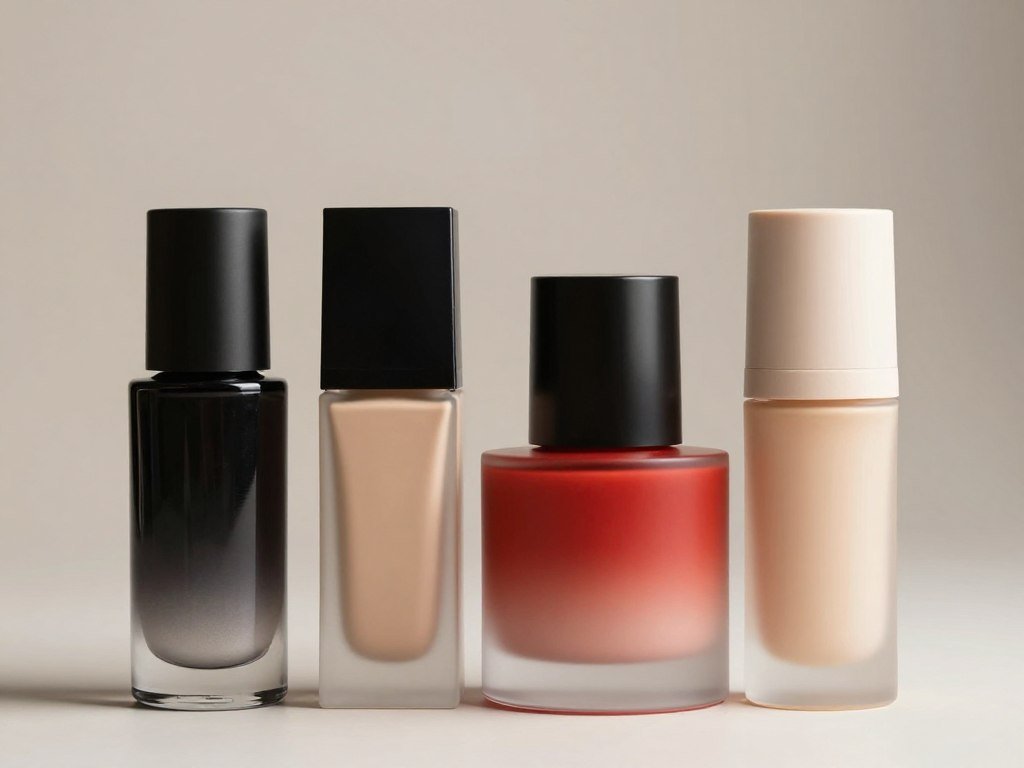
For a broad acne-prone-skin starting point, consider Haus Labs Triclone Foundation; for a drugstore matte option, consider Maybelline Fit Me Matte + Poreless. Haus Labs is the broadest fit in this shortlist for acne-prone and sensitive skin.
Haus Labs is labeled non-comedogenic, but that label cannot predict your individual result. Maybelline Fit Me Matte + Poreless is fragrance-free, has a natural-matte finish, and comes in 40 shades.
| Product | Best fit | Coverage or finish | Distinguishing details |
|---|---|---|---|
| Haus Labs Triclone Foundation | Acne-prone and sensitive skin | Medium-to-full, naturally luminous | 51 shades; non-comedogenic |
| Maybelline Fit Me Matte + Poreless | Normal-to-oily skin | Natural-matte | Fragrance-free; 40 shades |
| Maybelline Plump & Glow | Radiant makeup look | High-pigment coverage that feels light | 24 shades; hyaluronic acid and niacinamide |
| Milani Conceal and Perfect 2-In-1 | Drugstore full coverage | Full coverage | Foundation and concealer |
Fit Me is a drugstore foundation with a natural-matte finish for people who prefer a less dewy look. Its shade range includes 40 options, while Haus Labs offers 51.
Maybelline Plump & Glow pairs a radiant finish with hyaluronic acid and niacinamide. Milani Conceal and Perfect 2-In-1 combines foundation and concealer in one full-coverage product.
A non-comedogenic label is a starting point, not a guarantee that a foundation will suit your skin.
If you want to compare more complexion products, browse these makeup picks for 2026. Let your preferred coverage and finish narrow the shortlist before you compare shades.
What makes a foundation acne-friendly?
Start by checking that your skin care, sunscreen, and makeup are oil-free, then look for a non-comedogenic or “won’t clog pores” label. That wording helps you screen products without treating a label as proof.
Dermatologist guidance for acne-prone skin starts with oil-free products and a gentle routine, while each person’s skin response can differ. A gentle skin-care routine is preferable because irritation can lead to more breakouts.
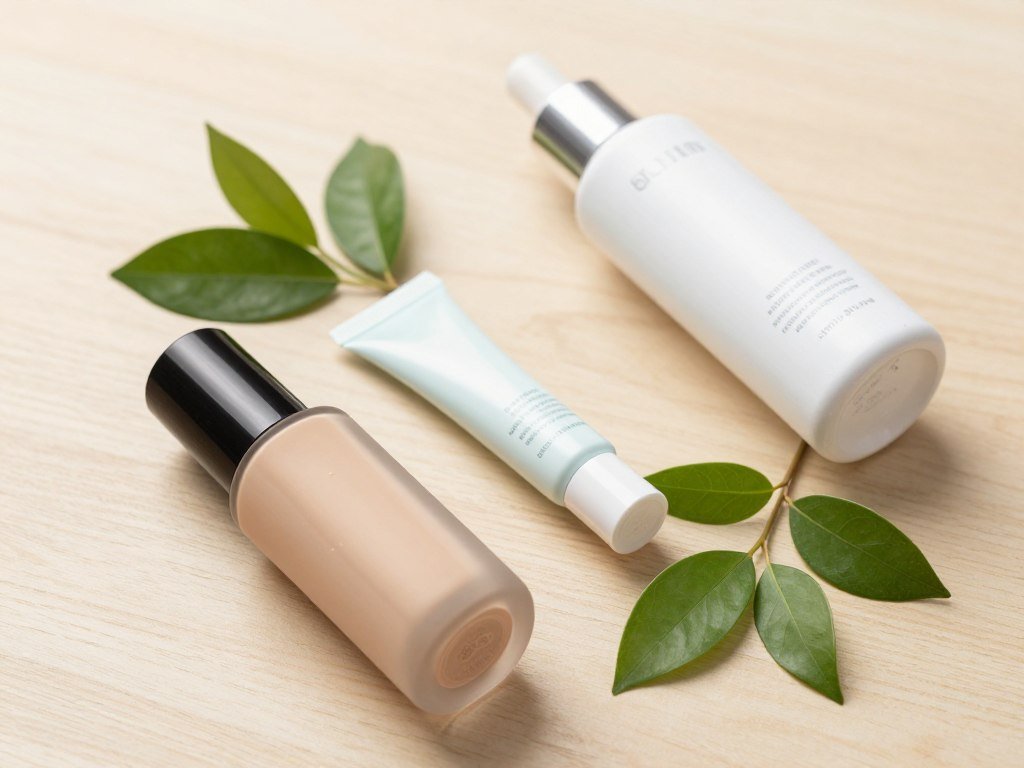
- Choose oil-free skin care, sunscreen, and makeup.
- Look for “non-comedogenic” or “won’t clog pores” on packaging.
- Keep your overall skincare routine gentle.
- Remember that a label cannot guarantee your personal result.
The term non-comedogenic means a product is marketed as formulated not to clog pores. It does not promise that every formula will suit every person.
Ingredients can matter, but one label cannot tell you how your skin will respond to every part of a formula. Pay attention to how the whole routine feels, especially if your skin becomes irritated.
A gentle routine can also help you avoid stacking too many harsh products. If dryness or stinging develops, simplify your routine and consider advice from a skin-care professional.
For dry skin that also breaks out, see this guide to gentle skincare for dry skin. Treat package wording as a useful first screen, not a promise that a formula cannot trigger a reaction.
Best Foundation for Acne Prone Skin by Skin Type
Oily or combination skin often has a natural-matte option in Fenty Beauty Pro Filt’r Fluid Flex, while dry or sensitive skin may prefer a dewier serum formula. Match the finish to the areas that bother you most.
A dewy finish may feel more comfortable as a starting point for dry skin, while oily areas may suit a natural-matte finish. Skin can be dry in one area and oily in another, so your comfort can guide the choice.
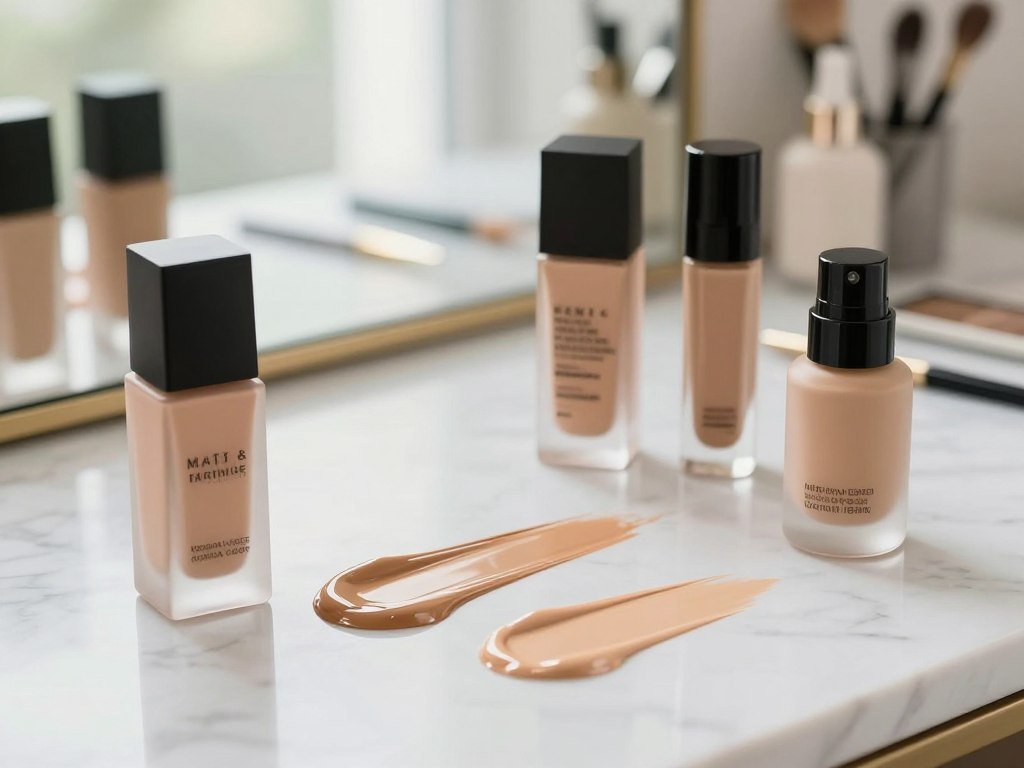
For oily or combination skin
Fenty Beauty Pro Filt’r Fluid Flex offers medium, buildable coverage and a natural-matte finish in 50 shades. Silica supports oil absorption and helps smooth the look of skin.
That finish can suit oily skin or a combination complexion, especially when shine tends to gather in the T-zone. Buildable coverage lets you add more only where you want it.
For dry, sensitive, or mature skin
Neutrogena Sensitive Skin Serum Foundation has sheer, buildable coverage and a dewy finish. It comes in 15 shades, includes provitamin B5, and is described as suitable for sensitive, dry, and combination skin.
L’Oréal Paris Infallible 32H Fresh Wear is lightweight and is described as suitable for acne-prone, dry, and mature skin. It offers up to 32 hours of wear.
Kosas Revealer Skin-Improving Foundation is another named base pick for a routine intended for acne-prone and sensitive skin. Compare its feel with the finish you already find comfortable.
| Product | Coverage or finish | Skin fit or standout feature |
|---|---|---|
| Fenty Beauty Pro Filt’r Fluid Flex | Medium, buildable; natural-matte | Silica supports oil absorption; 50 shades |
| Neutrogena Sensitive Skin Serum Foundation | Sheer, buildable; dewy | Sensitive, dry, and combination skin; provitamin B5 |
| L’Oréal Paris Infallible 32H Fresh Wear | Lightweight; up to 32 hours | Described for acne-prone, dry, and mature skin |
Choose a finish for the skin condition you have, rather than trying to force every area into the same look.
Is a skin tint a good choice for acne-prone skin?
A skin tint can suit acne-prone skin when you want a lighter-feeling layer and do not need full coverage. Fenty Beauty Eaze Drop Blurring Skin Tint is a strong oily-skin starting point, while Live Tinted Hueguard offers more coverage than a sheer tint.
Skin tints generally offer sheer-to-medium coverage and are designed to blend quickly and feel lightweight. They provide cosmetic coverage, not acne treatment, and a lighter texture does not guarantee fewer breakouts.
A sheer, soft-matte option for oily areas
Fenty Beauty Blurring Skin Tint is oil-free, sheer-to-light, and buildable, with a natural finish and 25 shades. Silica and talc help diffuse the look of pores and reduce T-zone shine.
Allure lists Fenty Beauty Eaze Drop Blurring Skin Tint as an option for oily skin. Its light coverage may work when you want to even tone without the feel of a fuller base.
A mineral tint with added sun protection
Live Tinted Hueguard Skin Tint SPF 50 offers buildable light-to-medium coverage in 13 shades. It is non-comedogenic and fragrance-free, with silica, allantoin, and bisabolol among its notable ingredients.
The formula lists 9.5% zinc oxide, and its added SPF can make a tinted base convenient. Still, its coverage is higher than a sheer tint, so it may suit you when you want more evening power.
Consider how much coverage you need before choosing a tint. A sheer formula can leave more natural skin visible, while Hueguard gives you a buildable light-to-medium option.
Choose a tint for the coverage you want, not because “lighter” automatically means breakout-proof.
What coverage works best for active breakouts and acne scars?
Buildable medium coverage is a flexible starting point for redness and scattered blemishes, while full coverage is an option when you want more concealment. Your preferred level depends on how much of your natural skin you want to show.
Foundation can camouflage the appearance of acne scars, but it does not remove or treat them. You can also use color corrector to balance the look of redness or brighten post-blemish marks.
Buildable medium coverage for a skin-like look
Make Up For Ever Ultra HD Invisible Cover Foundation is non-comedogenic and offers buildable medium-to-full coverage with a natural finish. Its flexible coverage can help even the look of redness without requiring a full-coverage base.
Buildable coverage gives you room to keep some skin texture visible. If you prefer a more skin-like look, start with the amount that feels enough rather than aiming for a blank canvas.
Full coverage for more visible marks
Tarte Face Tape Foundation is a concrete full-coverage option for more visible marks. It has a matte finish, is waterproof, and comes in 50 shades.
That makes it a possible choice when you want stronger coverage for acne scars, but no formula suits everyone. A foundation changes their appearance only while you wear it.
Green corrector can visually counter red tones. Peach or orange corrector can brighten the look of post-blemish marks.
For more complexion products, including concealer and color corrector, explore these makeup options for targeted coverage. Keep the goal to evening the appearance of the complexion, not masking every bit of natural skin texture.
How can makeup cover acne without looking cakey?
Cover only the areas you want to even out, then add concealer to the most visible spots. Targeted layers help keep makeup from building into a mask-like coating.
Acne commonly appears on the cheeks, around the mouth, and through the T-zone, so spot concealing may not cover every area you want to even out. A little foundation across the complexion can create a more balanced base.
- Identify the areas you want to cover, including cheeks, mouth, or T-zone.
- Use corrector only where redness or dull post-blemish marks need it.
- Apply foundation across the complexion to even the overall look.
- Tap concealer onto prominent spots, then stipple to blend without sweeping away coverage.
Green corrector can visually balance red tones, while peach or orange can brighten post-blemish marks. Use these shades only where those color concerns show.
Foundation across the whole complexion can help when spots extend beyond one small area. Concealer then adds extra pigment to a few marks without forcing you to layer heavy coverage everywhere.
Use stippling motions over concealer so you blend the edges without lifting away as much pigment.
How do you make foundation last on oily skin?
A long-wearing liquid in a natural or soft-matte finish can manage shine without making the complexion look flat. A thin first layer also helps you avoid adding more product than you need.
Start with a light layer and add coverage only where needed. Estée Lauder Double Wear Stay-in-Place Foundation promises up to 36 hours of wear, a product claim rather than a guarantee for every wearer.
Lauren D’Amelio Ventre recommends beginning with a thin layer and adding coverage only where needed for long-wearing foundation on oily skin. That approach can keep the finish from feeling heavy.
Apply enough to even the areas you want, then pause before adding more. You may need extra coverage in a few spots, not across the whole face.
Powder foundations can be useful for very oily complexions and midday touch-ups. A compact or loose powder can also be handy when shine returns later.
Choose a natural or soft-matte finish if you want some skin-like sheen without a glossy look. A matte finish may also help keep shine less noticeable through the day.
Add coverage only where you need it instead of layering a heavy coat over the whole face.
Can a foundation with SPF replace sunscreen?
A foundation or skin tint with SPF does not replace a separate, adequately applied sunscreen. Makeup SPF is extra protection, since people may apply less tint than standalone sunscreen.
Use a separate broad-spectrum sunscreen rated SPF 30 or higher, then reapply at least every two hours during sun exposure. The American Academy of Dermatology shares this rule in its sunscreen FAQs.
- Apply a separate SPF 30 or higher sunscreen in an adequate amount.
- Apply makeup after sunscreen.
- Reapply sunscreen at least every two hours during sun exposure.
Live Tinted Hueguard Skin Tint SPF 50 lists 9.5% zinc oxide, but people may apply less tint than standalone sunscreen. Its SPF does not change the amount of sunscreen needed.
Sun protection matters for all skin types, including acne-prone skin. Pick a separate sunscreen you can apply generously before your makeup.
Keep reapplication on your sun-exposure schedule even when your makeup includes SPF.
Liquid or powder foundation: which should you choose?
Liquid foundation offers flexible, natural-looking coverage, while powder can be especially useful for very oily skin and touch-ups. Liquid is a good start when you want coverage that you can build.
Powder can cake when it mixes with oil, so it may not suit every oily complexion as an all-over base. Your comfort, coverage preference, and oil level can help guide the format.
| Product | Format or application | Coverage or finish | Distinguishing details |
|---|---|---|---|
| Estée Lauder Double Wear Stay-in-Place Foundation | Liquid | Medium buildable; matte | 70 shades |
| Lancôme Dual Finish Multi-Tasking Powder Foundation | Powder, wet or dry | Sheer-to-full buildable | 35 shades |
| bareMinerals Original Foundation | Loose powder | Lightweight, luminous | Five ingredients; SPF 15 |
Estée Lauder Double Wear offers medium, buildable coverage and a matte finish in 70 shades. Lancôme Dual Finish can be applied wet or dry, giving you a choice of coverage levels.
bareMinerals Original Foundation is a loose powder with five ingredients and lightweight, luminous coverage. Its SPF 15 is not a replacement for separate sunscreen.
Powder can be useful when oily skin needs a quick midday touch-up. Mineral powder may look cakey when it combines with oil, though, so a powder base may not feel right across your whole face.
Pick the format that stays comfortable on your skin rather than assuming powder is automatically lighter.
How long does acne treatment take, and when can acne persist?
Give an acne treatment 6 to 8 weeks of consistent use before expecting visible improvement. Steady use matters, since stopping too soon can make it harder to judge the treatment.
Acne often begins in adolescence but may persist well beyond the teen years. Most teenage boys with acne continue to have breakouts until they are 20 to 25 years old.
Teenage girls can have acne into their 20s or longer. About 5% of women continue to have acne in their 40s.
Those patterns do not mean there is one worst age for everyone. Skin changes over time, and breakouts can continue after the teen years.
A gentle routine is preferable because irritation can lead to more breakouts. Makeup can camouflage blemishes, but it does not replace acne treatment.
For help choosing care for blemishes, see these spot treatments for pimples. If breakouts persist or treatment irritates your skin, ask a dermatologist about options for your individual skin.
How should you match and test a foundation shade?
A shade that looks right indoors can look different in daylight, so check the match along your jawline in natural light. Daylight gives a clearer match than indoor lighting alone.
Try a new formula on a limited area before wearing it across your face. This gives you a chance to notice how the shade looks and how the product feels on your skin.
- Identify whether your skin reads warm, cool, neutral, or olive.
- Compare a small amount at your jawline in natural light.
- Try a new formula on a limited area before applying it across your face.
Haus Labs groups its undertones as golden, peach, neutral, rosy, and olive. Those five families describe that brand’s shade system, not a universal set of categories.
Haus Labs product instructions say to shake the formula and apply it to clean, moisturized skin. Follow those directions when testing that foundation.
Test one new formula at a time so you can tell which product your skin is responding to.
That makes it easier to notice whether a shade, finish, or formula feels comfortable. Test one new formula at a time so you can tell which product your skin is responding to.
Conclusion
The most useful foundation choice is the one that fits your skin’s needs and feels wearable in your routine. Comfort comes first, especially when makeup is part of your everyday life.
Prioritize a finish and coverage level that feel comfortable. Oil-free or non-comedogenic wording can help you screen options, but neither term guarantees a personal result.
Choose two shades in the formula you prefer, then compare them in natural light. Test your preferred formula on a small area before wearing it for the day.
FAQ
What makeup should I use for acne-prone skin?
What is the best skin tint for acne-prone skin?
Which foundation is good for acne skin?
How can I use makeup to cover up acne?
What is the best foundation for covering acne?
What age is acne the worst?
What naturally kills acne?
What is the no. 1 cause of acne?