If your hair feels clean but your roots still feel tight or itchy, the cleanser may be leaving your skin too dry. A hydrating shampoo may suit uncomplicated dry scalp, while dandruff may call for medicated care. A humectant is an ingredient that attracts water to help hydrate the skin or hair.
This guide compares ten shampoos with different price points and ingredient profiles, including one anti-dandruff shampoo. You’ll get practical ways to match a formula to your scalp and hair, without treating every flake as the same problem. The most useful first step is matching the formula to the kind of flaking you have.
Key Takeaways
- Dry scalp and dandruff can cause flakes for different reasons.
- A gentle moisturizing shampoo can suit uncomplicated dryness.
- Medicated anti-dandruff shampoo is designed for dandruff flakes.
- Choose a formula with your scalp and hair needs in mind.
- Persistent redness, scaling, or hair loss calls for professional care.
How Can You Tell Dry Scalp From Dandruff?
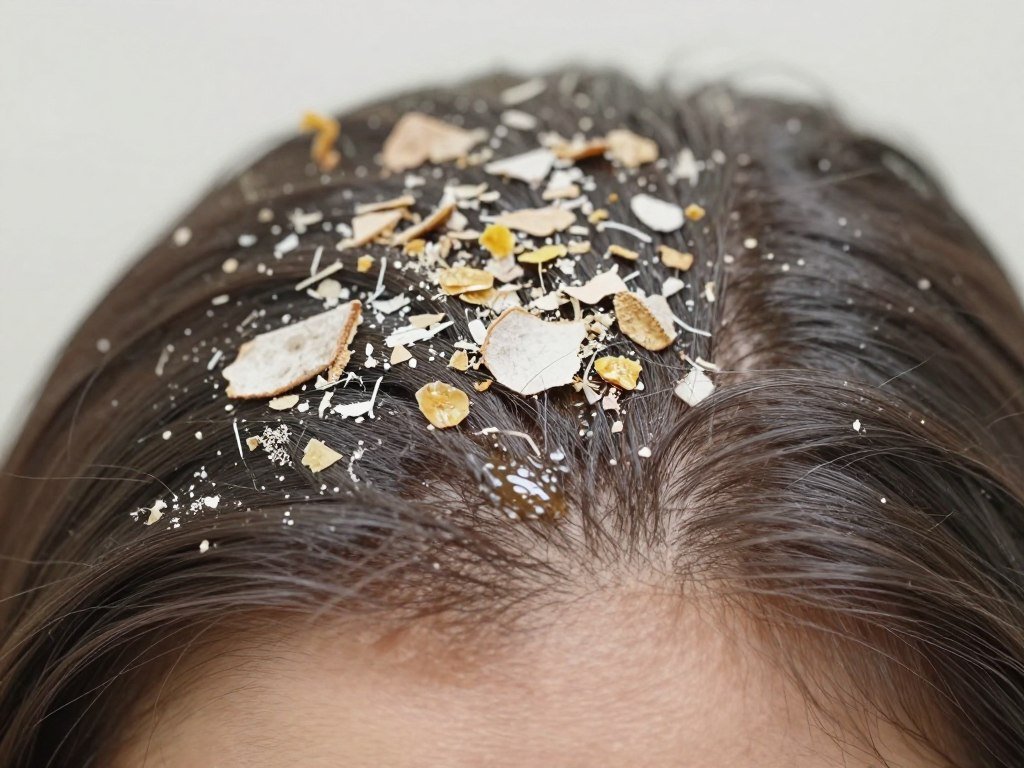
Small, dry flakes with a tight feeling point more toward dryness, while oilier flakes may suggest dandruff. Flakes alone do not tell the whole story, because both concerns can affect the scalp and hair.
Dry scalp is linked to too little moisture or a weakened skin barrier. Dandruff is commonly linked to seborrheic dermatitis, an inflammatory skin condition associated with Malassezia yeast. An oily scalp can still have dandruff, and flakes do not mean poor hygiene.
| Symptom | Likely explanation | Typical flake description | Shampoo direction |
|---|---|---|---|
| Dry scalp | Low moisture or weakened barrier | Small, dry flakes | Gentle moisturizing shampoo |
| Dandruff | Seborrheic dermatitis | Often oily or larger flakes | Anti-dandruff shampoo |
| Other symptoms | Possible skin condition | Thick scale or marked irritation | Professional evaluation |
The dry scalp and dandruff comparison covers how these conditions differ and why they can need different care. A hydrating shampoo may help with moisture-related flakes, but it may not address dandruff.
Dryness and dandruff have different causes, so match shampoo to the likely cause rather than the flakes alone.
Other skin conditions can also cause scalp symptoms, so watch for changes beyond flaking. A change in flaking pattern or persistent irritation deserves more attention than the flakes alone.
What Triggers Dry Scalp and Flaking?
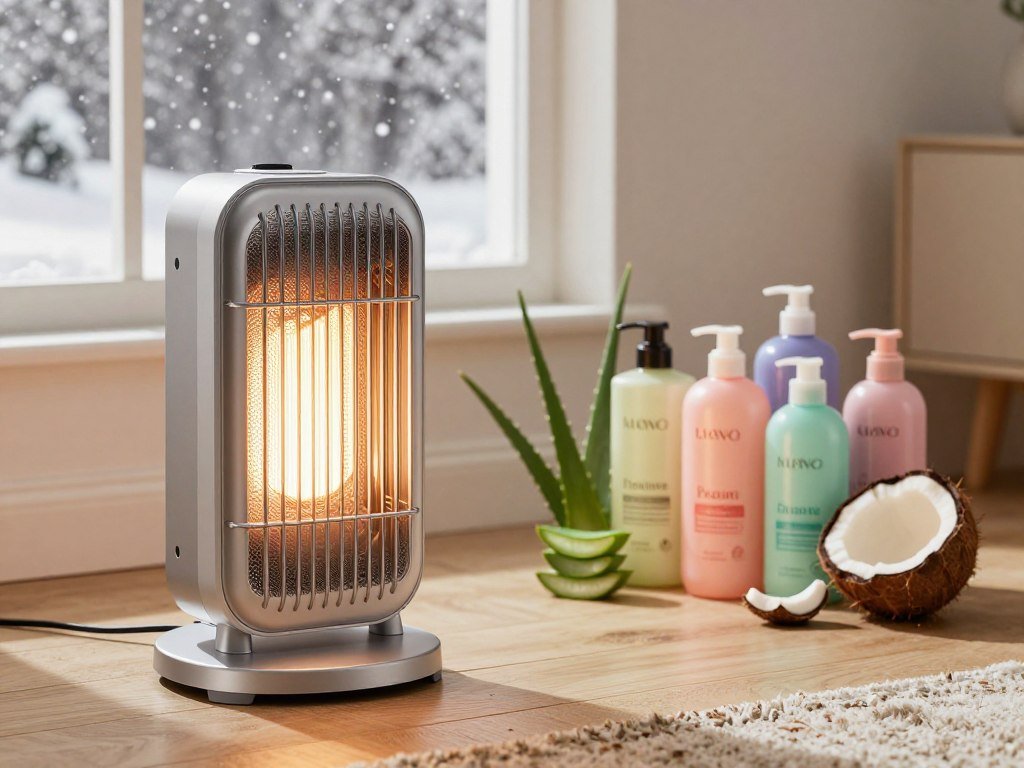
A dry, heated room in winter can leave the scalp feeling tight even when the rest of your routine has not changed. Low humidity and cold weather can reduce moisture and make dry scalp more noticeable.
Indoor heating can dry the air, and harsh cleansers may strip natural oils from the scalp. Frequent cleansing can add to discomfort, especially when the water is hot or the formula feels too strong.
Environmental and cleansing triggers
Dryness may follow a shift in weather, heating use, or a change in hair care. A shampoo that once felt fine may start to leave your scalp tight after a move to a drier climate.
Cold weather, dry air, indoor heat, and strong cleansers are possible triggers, not proof of a single cause. Note when the dryness began and whether your routine or surroundings changed around the same time.
Skin conditions that can look similar
Eczema, psoriasis, and contact dermatitis can resemble ordinary dryness or dandruff. These conditions may need a professional assessment rather than another change to shampoo.
Contact dermatitis can occur when a hair-care product irritates or triggers a reaction in the skin. The hair-care contact dermatitis overview explains how product reactions can resemble other scalp concerns.
If a suspected trigger is a new product, stop using it and see whether irritation settles.
Best Shampoo for Dry Scalp: 10 Top Picks
For uncomplicated tightness and dryness, Act+Acre Daily Hydro Hydrating Shampoo is the most direct match among these five picks. It focuses on moisture, with hyaluronic acid, amino acids, and glycerin listed in its formula.
For dandruff flakes, choose an anti-dandruff formula instead of treating simple dehydration. The listed prices below are product-specific prices, not promises of current store pricing.
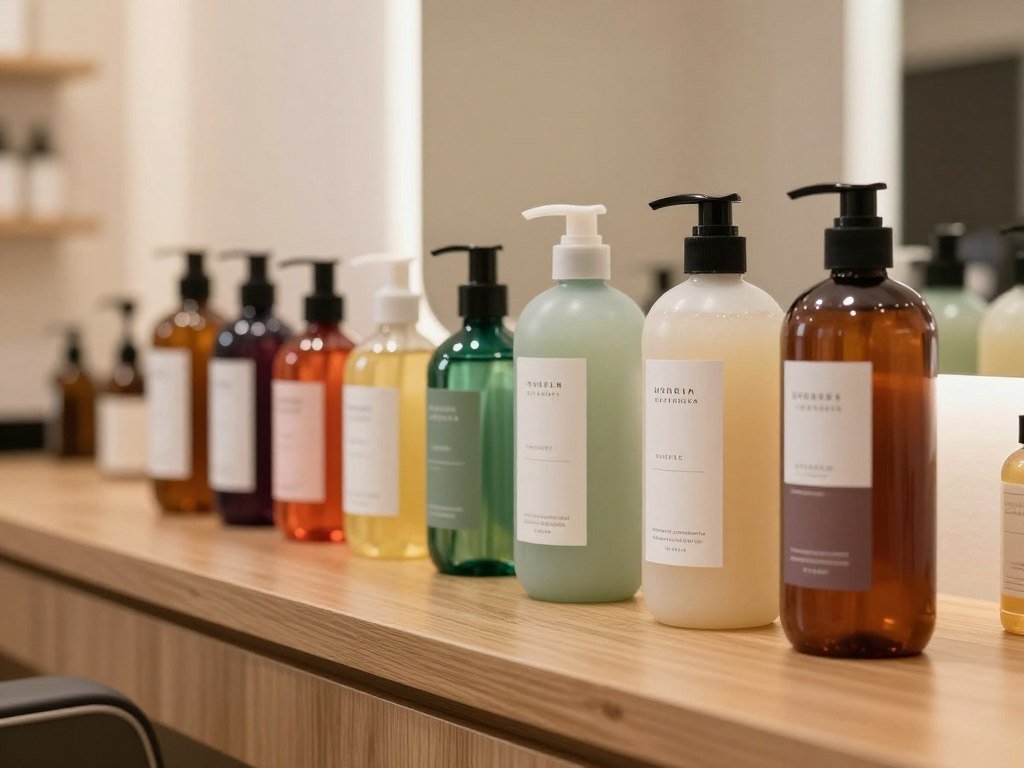
- Act+Acre Daily Hydro Hydrating Shampoo, $38. Hyaluronic acid, amino acids, and glycerin make this the most broadly aligned moisturizing pick for uncomplicated dryness. The formula details offer a clear place to start if tight roots are your main concern.
- Pureology Hydrate Shampoo, $38. The listed ingredients include jojoba oil, green tea, and sage. Pureology lists it for color-treated hair, a useful detail if you want a moisturizing shampoo for dyed strands.
- L’Oréal Paris Elvive Hyaluron Hydrating Shampoo, $7. This drugstore option contains 2% hyaluronic acid. It is the lowest-priced hydrating pick in this group for shoppers seeking an affordable shampoo for dry hair.
- Hask Hydrate + Coconut Oil Shampoo, $9. Coconut oil is the notable listed ingredient. It gives you a lower-cost formula to compare if you like coconut oil in hair care.
- Head & Shoulders Bare Anti-Dandruff Hydration Shampoo, $12. This formula contains 1% zinc pyrithione. It is the pick for dandruff flakes, not simple dehydration.
Among the best shampoo options for dry, frizzy hair, a gentle moisturizing formula can pair well with conditioner suited to your hair lengths. For an affordable pick, L’Oréal Paris offers a drugstore option; a dermatologist may suggest an anti-dandruff active when flakes fit dandruff.
Terms such as best shampoos dry shoppers seek or best shampoo dry scalp products can hide different needs. Ingredient names and product labels give more useful proof of what a bottle contains than a broad marketing name.
Choose the dandruff formula only when flakes point to dandruff rather than dryness.
Which Other Hydrating Shampoos Fit Specific Needs?
Davines Momo Hydrating Shampoo is a reasonable option to compare if yellow melon extract is a feature you want to see on the label. That ingredient sets it apart from the other formulas below, though it does not promise a certain result for every scalp.
Compare these five products by their listed ingredients and your own hair-care preferences. The listed prices are product-specific and may differ from what you see in a store.
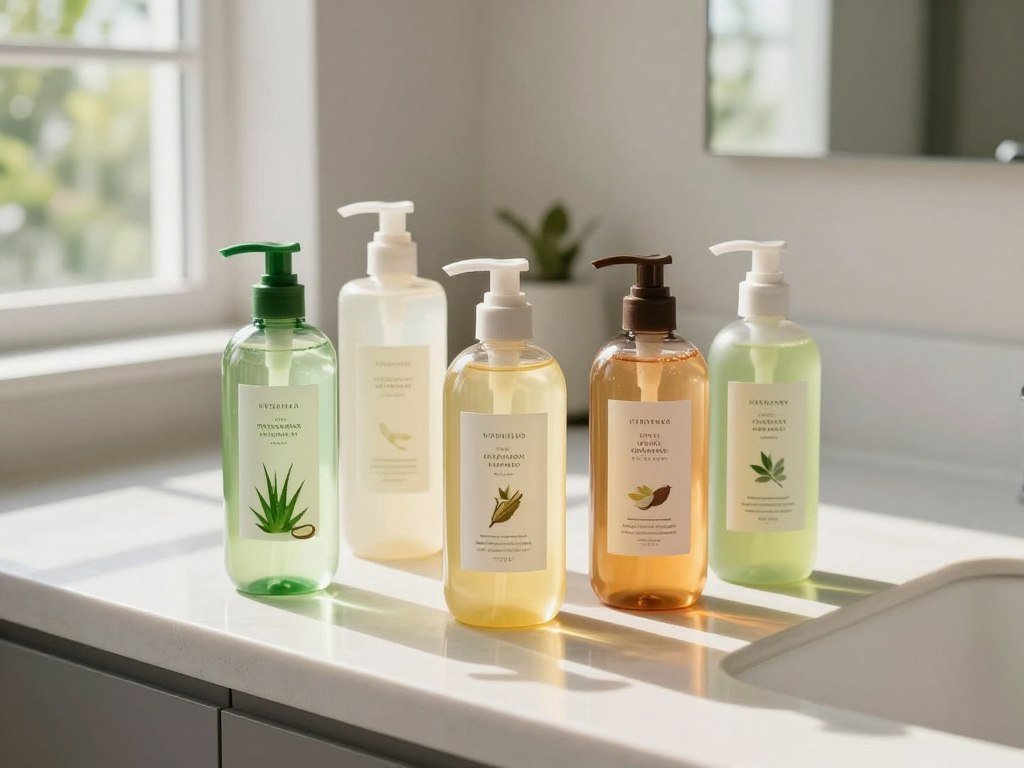
- Davines Momo Hydrating Shampoo, $37. Yellow melon extract appears in its ingredient profile.
- Squigs Beauty Gooseberry Delight Hydrating Shampoo, $28. The listed ingredients include amla, rosemary, ashwagandha, and moringa oil.
- Rōz Foundation Hydrating Shampoo, $39. This formula uses coconut-based surfactants and a ceramide complex.
- Amika Hydro Rush Intense Moisture Shampoo, $28. Its listed ingredients include hyaluronic acid, squalane, and coconut water.
- Moroccanoil Hydrating Shampoo, $30. The ingredient profile includes argan oil, algae, and vitamin A.
These formulas give you different ingredient combinations to compare, from coconut-based surfactants to oils and plant extracts. A hydrating shampoo label describes a product type, not a guarantee that the formula will suit your scalp.
If you are comparing natural oils or coconut oil, check the complete ingredient list rather than relying on a single front-label claim. A formula may contain several ingredients that matter to your hair and scalp.
Compare the complete formula and your scalp’s tolerance, not the marketing name alone.
Which Ingredients Help Rehydrate the Scalp?
Glycerin and hyaluronic acid are practical label clues when the goal is to add moisture rather than treat dandruff. Both are humectants, ingredients that attract water to help hydrate skin or hair.
Panthenol and ceramides can support softness and the skin barrier. These ingredients may make a formula a better match for uncomplicated dryness, though no ingredient suits every scalp.
Humectants and barrier-supporting ingredients
Glycerin and hyaluronic acid attract water, so they often appear in products made to support hydration. Panthenol can help hair feel softer, while ceramides can support the barrier that helps skin retain moisture.
Ingredient lists can guide a comparison, but the product’s full formula matters. If you want a broader look at ingredients used in dry-skin products, keep in mind that facial and body care products are not scalp shampoos.
Emollients and soothing ingredients
Aloe vera can add moisture, and oatmeal or niacinamide may help calm scalp discomfort. These ingredients can be useful formula clues, but they do not promise to cure irritation or another skin condition.
| Ingredient or group | Role | Examples | Useful context |
|---|---|---|---|
| Humectants | Attract water | Glycerin, hyaluronic acid | Moisture-focused formulas |
| Barrier-supporting ingredients | Support softness and barrier | Panthenol, ceramides | May suit dry-feeling skin |
| Emollients | Soften hair and skin | Oils, aloe vera | Can add a richer feel |
| Calming ingredients | May ease discomfort | Oatmeal, niacinamide | Not a cure for a condition |
Treat an ingredient list as a guide to formula fit, not proof that a product will suit every scalp.
Which Ingredients Can Irritate a Sensitive Scalp?
A cooling tingle is not a reliable sign that an itchy scalp is getting healthier. Tea tree, rosemary, and peppermint oils can irritate sensitive scalps, even when a product is labeled natural or refreshing.
Essential oils are not automatically gentle. A reactive scalp may also respond to fragrance, dyes, or alcohol-heavy products, so the full formula matters more than one soothing-sounding ingredient.
Natural oils can work well for some people and feel uncomfortable for others. Coconut oil may soften dry hair, but that does not make every oil-based product suitable for sensitive skin.
Contact reactions can show up along the hairline, neck, or face as well as the scalp. If a product causes burning, redness, or new itching, do not keep using it to see whether the sensation becomes normal.
Patch-test a new formula on a small area and stop if irritation develops.
What Should You Avoid in a Dry-Scalp Shampoo?
If your scalp feels tighter after cleansing, check whether the formula is doing more than removing buildup. Strong cleansing and repeated clarifying can strip natural oils and worsen dry-scalp discomfort.
Frequent use of strong clarifying products can leave a dry scalp less comfortable. Sulfates are not harmful for everyone, though some formulas may feel too drying for your skin or hair.
Harsh cleansing and frequent clarifying
Clarifying shampoo can remove oil, product buildup, and hard-water minerals, but repeated use may leave hair or scalp dry. Use it only when buildup makes it appropriate, rather than treating it as your regular cleanser.
Learn more about using clarifying shampoo in a hair-care routine if buildup is the reason you are considering a stronger wash.
Potential irritants in reactive formulas
Fragrance, dyes, and alcohol-heavy products may trigger discomfort in a reactive scalp. If you are checking a shampoo label, these are the main items to scrutinize or limit:
- Strong clarifying formulas
- Fragrance
- Dyes
- Alcohol-heavy products
One formula may work well for one person and feel too harsh for another. Change one likely irritant at a time so you can tell what your scalp tolerates.
How Often Should You Wash and Use Scalp Treatments?
A useful starting point for a gentle hydrating shampoo is 2 to 3 washes a week, adjusted to how dry your scalp feels. Your usual washing habits matter, too, so you do not need to follow a schedule that makes your hair or scalp uncomfortable.
Medicated shampoos should follow the frequency and contact-time directions on their labels. They are not automatically everyday cleansers just because flakes persist.
| Product type | Frequency or direction | Key condition |
|---|---|---|
| Gentle moisturizing shampoo | 2 to 3 times weekly | Adjust to dryness and habits |
| Medicated shampoo | Follow label frequency and contact time | Do not use as an everyday cleanser |
| Strong clarifying shampoo | Avoid frequent use | Use when buildup makes it appropriate |
Your hair may need washing for reasons beyond scalp dryness, such as sweat or product buildup. A hydrating shampoo can fit into those habits, but frequent use of a strong clarifying formula may strip natural oils.
If your scalp becomes tighter or itchier after changing your schedule, reassess the product and frequency.
How Do You Wash Without Worsening Dryness?
Use fingertip pads to loosen dirt and flakes instead of scraping the skin with your nails. A gentle touch can clean the scalp without adding friction to irritated skin.
Massage shampoo with your fingertips, rinse it well, and use lukewarm water. Very hot water and fingernails can make a dry scalp feel worse.
Cleanse gently at the roots
Wet the hair and scalp before applying shampoo. Work the cleanser over the scalp with fingertip pads, not nails, to loosen oil, flakes, and dead skin cells without scraping.
Shampoo is mainly for the scalp, while conditioner usually serves the lengths and ends. This split can help you clean the roots without coating the scalp in products meant for hair.
Rinse well and handle wet hair carefully
Rinse thoroughly so shampoo does not remain on the skin. Keep the water lukewarm instead of very hot, and apply conditioner mainly to lengths and ends unless its label says it is made for scalp use.
- Wet your hair and scalp.
- Apply shampoo to the scalp.
- Massage with fingertip pads.
- Rinse thoroughly.
- Apply conditioner to lengths and ends when appropriate.
A shampoo and conditioner choice by scalp and hair type can help you keep cleansing focused at the roots and conditioning focused on dry lengths.
If residue is a concern, spend extra time rinsing before adding another product.
What Conditioner or Serum Helps After Shampoo?
A moisturizing conditioner can help dry lengths, while a scalp serum is the more targeted leave-in choice for scalp moisture. Choose based on where you feel dryness, rather than applying every product to the roots.
A gentle moisturizing shampoo plus a conditioner suited to your hair lengths is a practical pairing. Use conditioner on the scalp only when its label says it is designed for that purpose.
Conditioner for lengths and ends
Conditioner can soften and smooth dry hair, especially through the midlengths and ends. If your scalp feels dry, a regular conditioner may not be the right product to place directly on the skin.
Keep the scalp and hair needs separate: your roots may need gentle cleansing while the ends need more conditioning. A rich formula that suits coarse hair may feel heavy on fine strands.
Leave-in moisture for the scalp
A scalp-specific leave-in serum with glycerin, hyaluronic acid, or panthenol can provide an optional moisture step. Check that the product is made for scalp use, and apply it as directed.
For uncomplicated scalp dehydration, a mild moisturizing shampoo followed by a moisturizing conditioner may be appropriate. A scalp serum is an extra option, not a required step in every routine.
Follow the product’s application directions and stop using it if it causes irritation.
When Do Flakes Call for Medicated Shampoo?
Oily or persistent dandruff flakes are a stronger reason to consider an anti-dandruff active than ordinary tightness alone. Medicated formulas target dandruff-related flakes, not simple dehydration.
Ketoconazole, pyrithione zinc, selenium sulfide, and salicylic acid are actives used in dandruff care. Pick a product based on its label and use directions, not on the assumption that stronger means better.
Match the active to dandruff flakes
These active ingredients may be more suitable for flakes related to seborrheic dermatitis than for an uncomplicated dry scalp. Head & Shoulders Classic Clean contains 1% zinc pyrithione.
| Active ingredient | General use | Practical distinction |
|---|---|---|
| Ketoconazole | Dandruff-related flakes | Medicated active |
| Pyrithione zinc | Dandruff care | Head & Shoulders Classic Clean has 1% |
| Selenium sulfide | Dandruff-related flakes | Follow the label |
| Salicylic acid | Dandruff and scale care | Can loosen surface scale |
Use medicated formulas by the label
Follow the product’s frequency and contact-time directions. A medicated shampoo may need to stay on the scalp for a set time before rinsing, so check its label each time.
The American Academy of Dermatology explains treatment for seborrheic dermatitis, including the role of dandruff shampoos. Do not layer several medicated scalp products without professional guidance.
If one properly used active does not help, ask a dermatologist before combining treatments.
How Should Hair Type Shape Your Shampoo Choice?
Fine hair can benefit from moisture without needing a heavy oil-rich formula at the roots. Use lighter formulas or keep richer oils to your midlengths and ends if your hair feels weighed down.
Coconut, jojoba, and argan oils can soften dry hair and reduce moisture loss. They may suit dry or frizzy hair, but scalp comfort and hair density should guide how much richness you use.
For dry, frizzy hair, a gentle hydrating shampoo paired with a conditioner for your lengths is a useful starting point. You can add richer products to the hair rather than the scalp if your roots feel heavy.
Dry, damaged hair may also need a conditioner that helps smooth the lengths. Split ends cannot be repaired by shampoo alone, so trimming them is the practical fix.
Pureology Hydrate Shampoo is listed for color-treated hair and contains jojoba oil. That may suit shoppers comparing formulas for dyed hair, though it is not the only option for color-treated strands.
Let your hair’s density and the scalp’s comfort guide how much richness you use.
What Does a Scalp Treatment Do?
A scalp treatment is a targeted product that supplements cleansing, with its job determined by its ingredients. One formula may add moisture, while another may loosen buildup or deliver an anti-dandruff active.
Scalp treatments are generally used 1-2 times per week, depending on scalp needs. Medicated products must follow their own label directions.
Hydrating leave-in treatments
Leave-in oils and serums may help replenish moisture, especially when they include hyaluronic acid or glycerin. A dry-scalp treatment with these ingredients can be a useful option if cleansing alone leaves the skin feeling tight.
Some products are designed to support the skin barrier, while others are meant to add a soft, conditioned feel. Check whether a formula is made for the scalp before applying it there.
Targeted treatments for flakes or buildup
Other treatments focus on loosening buildup or delivering an active for dandruff. Pyrithione zinc and salicylic acid are used in dandruff treatments, but they serve a different purpose from a basic moisturizing product.
Scalp treatments may be designed to:
- Replenish moisture
- Support the skin barrier
- Loosen buildup
- Target dandruff with an active
Choose a treatment for the specific problem rather than stacking several at once.
When Should You See a Dermatologist?
Persistent redness, thick scaling, or hair loss calls for a dermatologist’s assessment, not another round of trial-and-error shampoo changes. These signs need a closer look, especially when symptoms continue despite over-the-counter care.
Book an examination for lasting redness, thick scaling, hair loss, or symptoms that do not improve with over-the-counter treatment. A dermatologist can examine your scalp and help sort out what may be causing the irritation.
Eczema, psoriasis, and contact dermatitis can resemble ordinary dry scalp or dandruff. Those conditions need different care, so a new shampoo may not solve the problem.
A dermatologist can also review hair products that may be irritating your skin. Bring the product names or ingredient labels if you have changed several items recently.
Seek professional care when symptoms persist despite appropriate over-the-counter treatment.
Can Stress Worsen Flakes or Itch?
Stress may exacerbate dandruff for some people, but it does not explain every case of flakes or itching. It can be one factor, not a diagnosis or a full account of scalp health.
Do not assume that high cortisol directly causes dandruff. Stress can sometimes make symptoms feel worse, but it does not establish the root cause of every itchy scalp.
Stress may worsen dandruff for some people, but persistent flakes still deserve care based on the scalp symptoms.
Anxiety alone does not establish that you have dry scalp. Consider whether products or other changes are affecting your skin, and seek professional advice if irritation persists.
If symptoms continue through periods of lower stress, treat the scalp concern on its own terms.
Conclusion
The best match begins with identifying whether dryness or dandruff is driving the flakes. Uncomplicated dryness calls for gentle moisture, while dandruff-related flakes may need a medicated active.
Check your current shampoo’s ingredient label and match it to your scalp’s symptoms before changing the routine. Make one appropriate change and use it consistently, following the product directions.
FAQ
What’s the difference between dandruff and dry scalp?
Is coconut oil good for dandruff?
What does a scalp treatment do?
Can stress cause dandruff?
Should you scratch dandruff before washing hair?
Can high cortisol cause dandruff?
Can anxiety cause dry scalp?