A natural deodorant can help manage odor, but the right formula depends on your skin, routine, and preferred format. These products focus on odor control, not sweat prevention, so your underarms may still feel damp during the day. The best natural deodorant for you may be a stick for everyday wear, a spray for broader use, or a baking-soda-free option for your skin. Some formulas also aim to reduce clothing transfer, though results can depend on how you apply them and the fabric you wear.
This roundup includes sticks and sprays for different needs, along with options for unscented or scented routines. No formula works the same way for everyone. Your activity level, skin, and body chemistry can all shape how a product feels and performs. Start with the feature that matters most to you, such as a baking-soda-free formula or a spray you can use beyond your underarms.
Key Takeaways
- Deodorant targets odor, while antiperspirant reduces sweat.
- Check ingredients against your known skin triggers.
- Choose a stick, spray, cream, or roll-on that fits your routine.
- Allow wet formulas to dry before dressing.
- Expect results to vary with activity and body chemistry.
Do natural deodorants work as well as antiperspirants?
Natural deodorants can manage odor, but they do not work like antiperspirants that reduce perspiration. An antiperspirant is a product that reduces perspiration by temporarily blocking sweat ducts, commonly with aluminum-based active ingredients. The key difference is that deodorants target odor, while antiperspirants are designed to reduce sweat.
Aluminum-based antiperspirant actives temporarily reduce perspiration at the application site. The FDA lists approved active ingredients and labeling rules in its OTC antiperspirant monograph. Sweating is a normal body function that helps regulate your body temperature.
An aluminum-free deodorant should not be expected to keep you completely dry. It may use ingredients that help control odor, yet it does not necessarily reduce the sweat itself. This practical difference matters if you are choosing between an aluminum-free product and an antiperspirant.
Natural deodorant can help manage odor, but it does not promise less sweat or dry underarms.
So, natural deodorant works when your goal is odor control and the formula suits your needs. The effect can change with the formula, your activity, and your body chemistry. Heat or exercise can make odor control feel less lasting, and one person may respond differently from another.
Some products combine deodorant and antiperspirant functions, so check the active ingredients rather than relying on front-label claims. A label that says aluminum-free signals a formula without aluminum-based antiperspirant actives. For more on how deodorants and antiperspirants differ, focus on whether you want odor control, reduced perspiration, or both. If staying drier is your main goal, check whether the product is an antiperspirant rather than relying on the word natural.
What ingredients and formats should you compare?
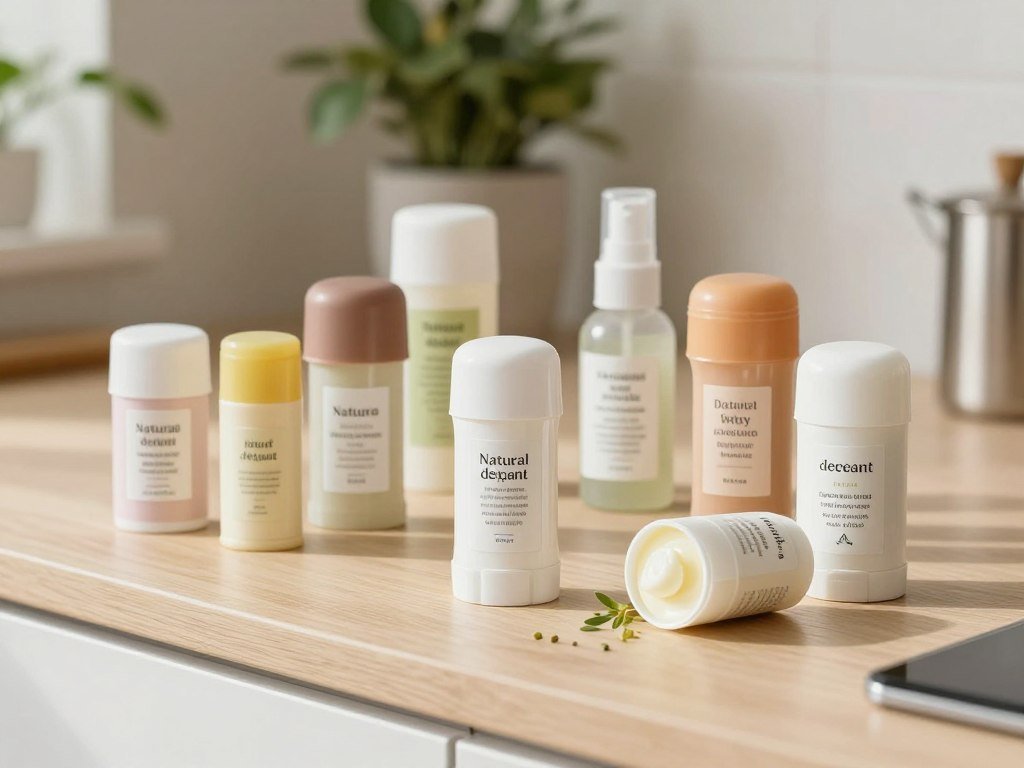
Compare the active ingredients and the way a formula is applied, not just the word natural on its label. Format matters because a stick, spray, cream, or roll-on can feel different during use. “Natural” on a label does not prove that a formula will suit your skin.
| Format | How it applies | Practical advantage | A point to consider |
|---|---|---|---|
| Stick | Glides over underarm skin | Compact and simple to carry | Some formulas can feel waxy |
| Spray | Mists onto the skin | Quick to cover a broad area | Allow the mist to dry |
| Cream | Spreads by hand or applicator | Lets you control the amount | May leave product on your fingers |
| Roll-on | Uses a rolling ball to apply liquid | Applies a thin, even layer | Can feel wet until it dries |
Ingredients that absorb moisture or address odor
Ingredients like baking soda and magnesium can help with odor control. They work differently from powders that absorb moisture. Tapioca starch and arrowroot powder are absorbent ingredients found in some deodorant formulas.
Do not treat moisture-absorbing powder as a sweat blocker. It may help you feel less damp, but an aluminum-free deodorant does not prevent normal perspiration. Read the ingredient list to see which role each ingredient may play.
Formulas and fragrances that may bother reactive skin
Baking soda can irritate some people’s skin, and fragrance can be a concern too. Fragrance includes essential oils, which may not suit every skin type. A product can be plant-based and still cause discomfort for a particular person.
Check these four points on the label before choosing a formula:
- Aluminum, if you want an aluminum-free product.
- Baking soda, if it has bothered your skin before.
- Fragrance, including essential oils and added scent.
- Any ingredient you have reacted to in the past.
A label cannot predict every personal reaction. If your skin tends to feel dry, choose care products with that sensitivity in mind, and compare the body lotion ingredient guidance for more on personal triggers. If a familiar ingredient has caused irritation before, choose a formula that leaves it out rather than testing it on already irritated skin.
Best Natural Deodorant for Everyday Wear
For a daily stick with a clear application and a clothing-residue test behind it, Oars + Alps is the most direct fit among these three. Its clear finish is useful if marks on clothing are a concern. A deodorant without aluminum and parabens can meet those ingredient preferences, but it still does not act as an antiperspirant.
These options have different strengths: a clear application, a formula with coconut oil and shea butter, or an unscented, baking-soda-free stick. None should be treated as a promise of all-day odor control for every person. Choose based on the formula and application details that matter to you.
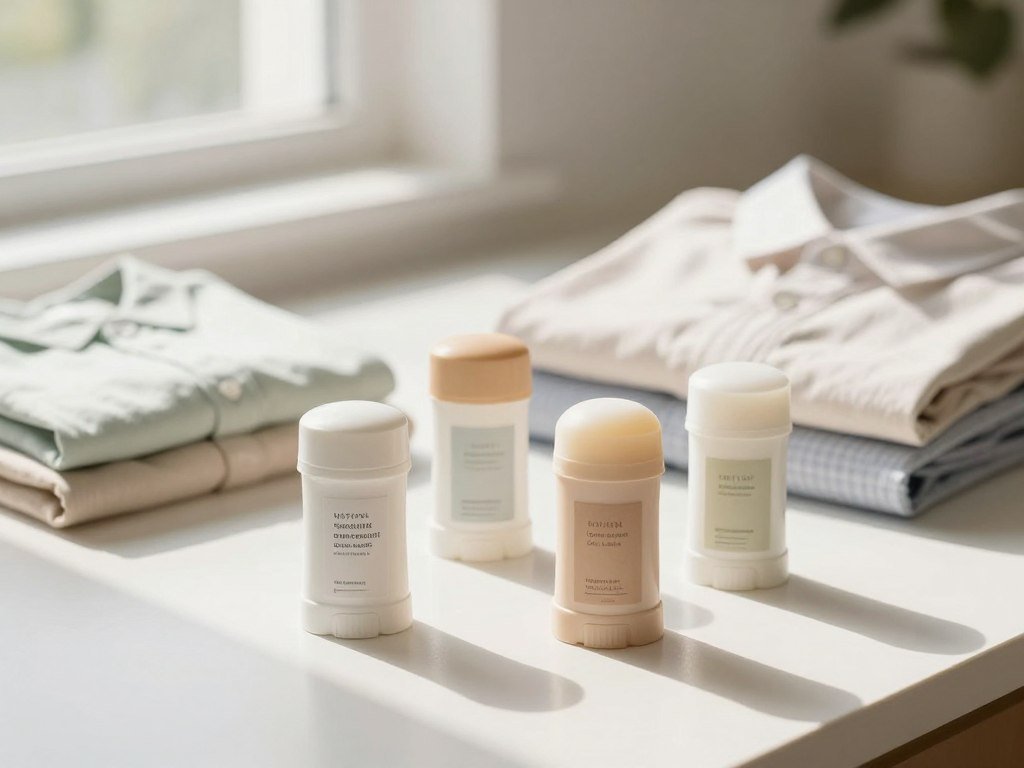
Oars + Alps Aluminum-Free Deodorant
Oars + Alps Aluminum-Free Deodorant is a stick with aloe and corn starch. Its formula is free of aluminum, alcohol, parabens, sulfates, gluten, and phthalates. That list may suit you if you are looking for a deodorant without aluminum and parabens.
In a clothing-residue test, the stick went on clear without leaving clothing residue. That test result is a useful point of comparison, not a guarantee for every fabric or amount. If your priority is a clean-looking application, this is the clearest match in this group.
Native Cucumber Mint Deodorant
Native Cucumber Mint Deodorant is an aluminum- and paraben-free stick with coconut oil and shea butter. Magnesium and tapioca starch also appear in its formula. The ingredient mix gives you a specific alternative if those components fit your preferences.
The cucumber mint scent offers a scented option for daily use. Check the full label if you avoid a certain ingredient, since the product’s headline ingredients are not the complete formula. The stick format also fits a familiar underarm routine.
Bravo Sierra Unscented Deodorant
Bravo Sierra Unscented Deodorant is a baking-soda-free and aluminum-free stick. It contains tapioca starch, diatomaceous earth, and aloe juice. The unscented formula may suit you if you prefer to avoid added scent.
It applies clear, but the oils in the formula may stain clothes if the product has not dried before you dress. That makes drying time a practical part of using this stick. Choose Bravo Sierra only when you can give the oils time to dry before putting on clothes.
Which natural deodorant spray is best for your needs?
Choose Mando for a spray marketed for whole-body use, or Ursa Major Forest Fix for an aluminum- and baking-soda-free spray with a fresh-woods scent. Your priority decides which option makes more sense. A whole-body deodorant offers odor control, not a promise of reduced perspiration.
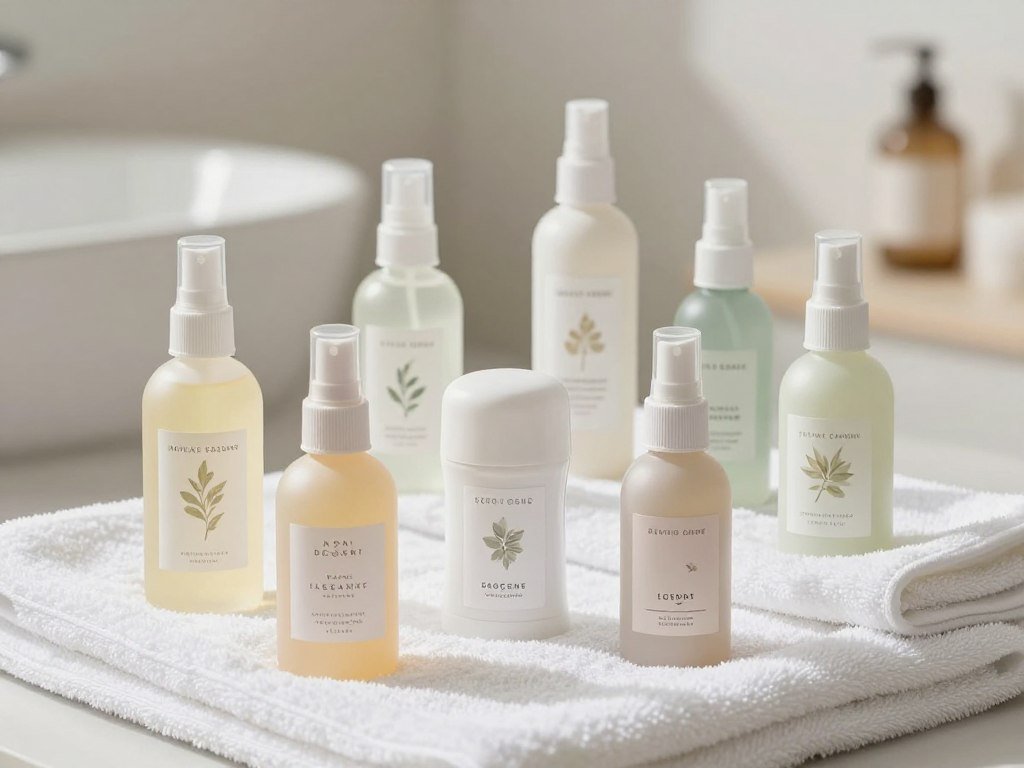
Mando Whole Body Deodorant
Mando Whole Body Deodorant is an aluminum-free spray marketed for use across the body. The brand claims up to 72-hour odor protection, but that wording is a product claim, not a guarantee for each person. It also does not mean the spray blocks sweat.
The formula is free of parabens, dyes, and phthalates. Its whole-body positioning may fit a routine that extends beyond underarms. Follow the product label for where and how to apply it.
Ursa Major Forest Fix
Ursa Major Forest Fix is a spray deodorant that is free of aluminum and baking soda. Its fresh-woods scent sets it apart from an unscented product. The ingredient and scent details may help narrow your choice if you are avoiding baking soda.
The best natural deodorant spray depends on whether broader application or scent and ingredient preferences matter most. Consider how you plan to use the product, then compare its label with your needs. Treat a long-duration odor-protection claim as a product claim, not evidence that a spray prevents sweating.
Which natural deodorant works for sensitive skin?
If baking soda has irritated your skin, start with a baking-soda-free formula and check the rest of the ingredient list too. That first check can help you avoid a known trigger. No deodorant can be promised to prevent irritation or suit every person with sensitive skin.
Kaia Naturals, Just Ingredients, and Primally Pure each offer a baking-soda-free choice in the details described here. Their formulas and scents differ, so your own ingredient history still matters. Sensitive skin can react to more than one ingredient.
Kaia Naturals The Takesumi Detox Deodorant
Kaia Naturals The Takesumi Detox Deodorant is an aluminum- and baking-soda-free stick. It contains activated charcoal, giving the formula a distinct ingredient profile. Consider it if you want a stick without baking soda and prefer a formula with charcoal.
The ingredient detail does not predict how your skin will respond. Check the rest of the label against anything that has caused a past reaction. A new formula can still feel wrong even when it leaves out one known trigger.
Just Ingredients Magnesium Deodorant
Just Ingredients Magnesium Deodorant is free of aluminum and baking soda. It has a vanilla-mint scent, so it is not the unscented option in this group. The scent is a point to consider if you prefer a noticeable fragrance.
Magnesium gives this product a different formula profile from a baking-soda-based deodorant. If baking soda has caused problems, this may be one formula to compare. Your past responses to fragrance and other ingredients should guide that choice.
Primally Pure Unscented Baking Soda-Free Deodorant
Primally Pure offers an unscented baking-soda-free deodorant, making it the unscented choice among these three. The brand also offers a charcoal deodorant with a baking-soda-free formula. Compare the two labels if you want to choose between these options.
Unscented does not mean irritation-proof, because other ingredients may still bother your skin. If you have a history of reactions, introducing one new product at a time can make it easier to spot a trigger. Related skin care advice for dry skin also stresses checking ingredients and watching how your skin responds.
If baking soda has caused a reaction, try a baking-soda-free formula and check fragrance and other personal triggers as well. Stop using a formula that causes a rash or persistent discomfort rather than continuing in the hope that your skin will adjust.
What should you know about Lume deodorant formats?
Lume’s solid stick and cream differ most clearly in format, intended application, and ingredients. The solid stick is the underarm-format choice described by its name, while the cream is marketed for whole-body odor control. Neither format should be read as a sweat-reduction promise.
Lume Solid Deodorant Stick
Lume’s solid deodorant stick is aluminum-free and baking-soda-free. It contains ozokerite, an ingredient in the solid formula. The stick format may suit you if you want an underarm product in a familiar form.
These details describe the formula and format, not a guaranteed level of odor control. Read the label for directions and use the product as stated. The solid stick is the underarm-format option in this comparison.
Lume Cream Deodorant
Lume’s cream deodorant is a whole-body deodorant marketed for up to 72 hours of odor control. That phrase is a marketing claim, not a promise that every person will get the same result. It does not describe sweat reduction.
The cream formula contains tapioca starch and arrowroot powder. Those powders differ from an antiperspirant active ingredient. Choose the cream only if you want a whole-body format, and remember that odor control is not the same as stopping sweat.
How can you choose a natural deodorant that doesn’t stain clothes?
To reduce transfer, use less product than you think you need and let the formula dry before dressing. Drying time matters because a visibly wet product can rub onto fabric. Clear application does not guarantee that a formula cannot transfer.
Marks can show on both cotton and polyester. Their visibility depends on the garment’s color, fabric texture, the amount of product, and whether the formula has dried. A faint mark on a light shirt may look different from the same mark on a dark one.
Reduce transfer before getting dressed
These steps can lower the chance of a mark, though they cannot guarantee stain-free clothing:
- Apply a modest amount rather than layering on extra product.
- Follow the product’s drying instructions.
- Avoid dressing while the formula is visibly wet.
- Try a new product with a garment that can be washed easily.
The fabric and care label shape what you can safely do if a mark appears. Check them before trying a cleaning method, since some fibers and finishes need special care.
| Garment or situation | What to check | Low-risk next step | Important exception |
|---|---|---|---|
| Light cotton top | Look for a pale or oily mark | Blot gently with a clean cloth | Do not use heat before checking the care label |
| Dark cotton top | Check for a light streak or residue | Brush loose residue away gently | Dark dye may fade with harsh treatment |
| Polyester garment | Check texture and care symbols | Use a mild wash if the label allows | Heat may affect some fabric finishes |
| Fresh product mark | Note whether the formula is still wet | Blot without pressing hard | Rubbing can push product deeper |
Respond to a mark without spreading it
Do not scrub a fresh mark across the fabric. Blotting may lift some surface product, while rubbing can move it deeper into the fibers. Test any cleaner on a hidden area first if the care label allows treatment.
Check the garment’s care label before treating a mark, especially when the fabric is delicate or the finish is unusual.
How do you get odor protection through a full day?
A natural deodorant can help manage odor through a normal day, but heavy activity and heat may change how long it feels effective. Odor control varies with application amount, activity level, warmth, and individual body chemistry. An aluminum-free deodorant does not prevent normal perspiration.
Body odor develops when skin bacteria interact with sweat. Sweat itself is not dirty; it is part of how your body regulates temperature. Deodorant targets odor, while perspiration can continue beneath it.
Use these four steps to make a routine more reliable:
- Apply the product to clean, dry skin.
- Use the amount and method stated on its label.
- Allow a wet formula to dry before getting dressed.
- Reapply only as the product label permits if odor returns.
A high-activity day or warm conditions may make odor noticeable sooner. You may need a different formula or an extra application if its directions allow one. Body chemistry also affects how long odor control feels effective, so one person’s routine may not fit another’s.
A long workday in an air-conditioned office can feel different from a warm afternoon outdoors. Plan around the day you have rather than expecting one product to feel identical in every setting. If odor returns, follow the label instead of applying repeatedly beyond its directions.
Some natural deodorants use powders or other odor-control ingredients, but these do not replace an antiperspirant when sweat reduction is your goal. The practical test is how the formula performs during your regular routine. For a long or active day, carry a format you can reapply comfortably rather than relying on a promise of sweat prevention.
What should you expect when switching to natural deodorant?
Switching may feel different at first because an antiperspirant reduces sweat while a natural deodorant mainly targets odor. Your body may feel wetter when you stop using a product designed to reduce perspiration. Some people report changes in sweat or odor during the first 2-4 weeks, but this is not a required detox.
That adjustment period is not a medical process called detox, and not everyone experiences it. Some people notice more sweat or odor at first, while others do not report a clear change. Your experience does not need to match a fixed schedule.
A low-pressure switch can help you tell what is working:
- Change one product at a time.
- Read the full ingredient list before use.
- Track odor and irritation as you try the formula.
- Stop using a product that causes a reaction.
Keeping the change simple makes it easier to connect a new product with a skin response. A brief change in how dry you feel is different from irritation. Do not treat a rash or lasting discomfort as a normal transition to push through.
You can also switch back if the new routine does not meet your needs. Your goal may be odor control, less sweat, or a balance that feels comfortable in daily life. If the new product causes persistent irritation, discontinue it instead of waiting out an adjustment period.
How do you choose a scent without irritating skin?
A scent made from essential oils can still irritate skin, so “natural fragrance” is not a guarantee of gentleness. Natural does not mean scent-free, and a pleasant smell can come from ingredients that reactive skin dislikes. Fragrance ingredients, including essential oils, can trigger contact dermatitis in some people.
If fragrance has bothered your skin before, start with an unscented formula to reduce exposure to added scent ingredients. Unscented does not mean irritation-proof, since other ingredients may still cause a reaction. The best choice depends on your own history with fragrance and other ingredients.
Essential oils count as fragrance ingredients even when they come from plants. The word natural on a label does not show how your skin will respond. Some people enjoy scented products without trouble, while others find that even a mild scent causes discomfort.
A clinical review of deodorant allergy describes fragrance and essential oils as possible causes of allergic contact dermatitis. If you have a known reaction, avoid the ingredient you suspect and seek professional guidance if symptoms continue. A careful patch test on healthy skin can help you watch for a reaction, but it cannot promise a perfect match.
Do not test a new scent on skin that already feels sore or inflamed. An unscented product can still contain ingredients that your skin does not tolerate. If fragrance has triggered a rash before, choose an unscented formula and patch-test cautiously on healthy skin.
Which deodorant packaging is more sustainable?
Packaging with less waste is only useful if you can reuse it or your local recycling program accepts its materials. Local rules matter because paperboard, glass, and metal do not follow the same route everywhere. No package format is universally sustainable.
| Package format | Material | Possible reuse or recycling route | What to check locally |
|---|---|---|---|
| Paperboard tube | Paperboard, sometimes with mixed parts | May enter paper recycling if accepted | Check whether liners or caps need removal |
| Glass jar | Glass with a separate lid | Jar may be reusable or recyclable | Check glass colors and lid rules |
| Metal tin | Metal, sometimes with a mixed-material lid | May be reused or accepted with metal cans | Confirm whether small tins are accepted |
| Glass spray bottle | Glass bottle with a spray top | Bottle may be recyclable after parts are separated | Check local rules for pumps and mixed parts |
A refill system differs from a package that is simply recyclable. A refill lets you keep using a container and replace its contents, while recycling depends on your local program. Reuse also works only if the package suits your routine and you keep using it.
Some packages combine materials that need separating before recycling. A glass bottle may have a plastic pump, and a paperboard tube may include a liner. Check what your local program accepts before placing mixed parts in a bin.
Use the route that exists where you live rather than assuming a material will be recycled everywhere. Check your local recycling rules before treating a package as recyclable.
How do you compare deodorant costs and value?
Compare the amount of product as well as the shelf price, because differently sized sticks are not direct price comparisons. Size changes value when the same price buys different amounts. Product price can change with size, seller, and package configuration.
Listed examples include Humble deodorant at $10.99-$12.99, Primally Pure deodorant at $16, and Native Cucumber Mint at $14.99 for 2.65 ounces. These figures are examples, not fixed or universal prices. Compare a complete product with another complete product before judging the cost.
Use this four-step checklist when comparing value:
- Compare price per ounce when package amounts are available.
- Include the cost of a reusable case if one is required.
- Check refill prices separately from full-product prices.
- Consider whether the application format fits your routine.
The shelf price alone does not show how much product you receive or whether you need a case. A refill and a complete product may have different package costs. Check the current package size and price before buying, especially when comparing a refill with a complete product.
How do men and women choose a natural deodorant?
Men and women can choose the same natural deodorant when its scent, formula, and application suit their preferences. Gendered packaging is a cue, not a rule, and the ingredient label gives more useful details. The best natural deodorant for men can be woodsy or unscented, while the best natural deodorant for women can be any formula that fits the wearer.
| Scent profile | Common note | A reader who may prefer it | What to verify on the label |
|---|---|---|---|
| Woody | Cedar or forest notes | Someone who likes an earthy scent | Check fragrance and essential oils |
| Citrus | Lemon or orange notes | Someone who prefers a bright scent | Check for added scent ingredients |
| Mint | Cool mint notes | Someone who likes a crisp scent | Check fragrance and personal triggers |
| Floral | Flower notes | Someone who prefers a soft scent | Check fragrance and essential oils |
Deodorants are marketed for men, women, and unisex use. Common scent profiles include woody, citrus, mint, and floral notes. The same person may prefer one scent for work and another for exercise or home.
Look at the ingredient panel to see whether a formula contains baking soda, aluminum-based antiperspirant actives, or fragrance. Coconut ingredients or a particular scent may matter to you, but gendered wording does not prove a formula will suit your skin. Choose a format and scent that you will be comfortable using.
A favorite scent can still be a poor fit if an ingredient irritates your skin. If you like unscented products, you do not need to select a formula labeled for a specific gender. Use the ingredient panel and your scent preference as the final checks, not the intended-gender label.
What can help with persistent odor from smelly armpits?
If odor continues despite using a product as directed, first check application and whether the formula is irritating your skin. More product is not always the answer, and repeated washing can also leave skin uncomfortable. Persistent odor with a rash, pain, or swelling calls for medical advice.
Check whether you applied the deodorant as its label directs, then consider trying a different formula. A baking-soda-free option may be worth considering if that ingredient has bothered your skin. Do not keep layering product over an area that feels sore or irritated.
Repeated washing or applying more deodorant may not address the cause of ongoing odor. Strong or persistent body odor can have causes beyond the formula you use. A persistent rash, swelling, or ongoing irritation after deodorant use can also warrant advice from a dermatologist.
For general care on sensitive skin, see this guide to body wash for sensitive skin. Stop using a product if it causes irritation, and seek medical advice for persistent odor with a rash, pain, swelling, or other concerning symptoms.
Seek medical advice for persistent skin symptoms rather than repeatedly layering deodorant over the affected area.
Conclusion
The best match is the formula that fits your ingredient needs, preferred format, and routine. Start with one priority, such as baking-soda-free ingredients, a spray, or a clear-applying stick. Your skin’s response matters as much as a product’s label.
Odor protection does not mean sweat prevention, so choose based on the result you want. Pick one product that meets your top priority, check its current label, and try it consistently according to its directions.
FAQ
What is the downside of lume?
What did humans use before deodorant?
Is all natural deodorant better?
What is the best eco-friendly deodorant?
What is the healthiest deodorant to wear?
What is a natural replacement for deodorant?
What ethnicities don’t need deodorant?
What is the best deodorant brand in the world?