Heat styling, color treatments, and dry, brittle lengths can make a regular wash feel like a tradeoff. You want clean roots without losing softness. Dryness can leave lengths rough, while frizz makes them harder to manage. Breakage can make hair look uneven or feel fragile. The best shampoo for damaged hair depends on what caused the damage and how your hair responds to cleansing. The hair cuticle is the strand’s outer protective layer. When it feels rough, hair may catch, tangle, or look dull. A shampoo cannot reverse every kind of damage, but a well-matched formula can make wash day more comfortable. You’ll find practical picks for different textures and budgets, plus simple ways to weigh their claims. Your scalp and your lengths may need different things, so pay attention to both. The right starting point is a shampoo that cleans your scalp without leaving your lengths feeling stripped.
Key Takeaways
- Pantene Extreme Damage Care is the clearest general label match.
- Choose a formula for your texture, scalp, and main concern.
- Ingredients can guide your choice, but they do not guarantee repair.
- Shampoo can soften the feel of damage, not permanently mend split ends.
- Use price per ounce and post-wash feel to compare products.
Best Shampoo for Damaged Hair: Top Picks at a Glance
For a straightforward damaged-hair label match, start with Pantene Extreme Damage Care Regenerative Oil Blend Shampoo. It comes in a 13.5-ounce size and is marketed for damaged hair. Start here if you want an easy-to-find option with a clear label match.
The formula includes argan oil and jojoba oil, and it is sulfate-free. K18, Wella, and Redken offer different formula details for shoppers with more specific priorities.
Pantene Extreme Damage Care Regenerative Oil Blend Shampoo is a sulfate-free option with argan oil and jojoba oil.
Wella Professionals Ultimate Repair Shampoo includes malic acid, omega-9, squalane, and Metal Purifier technology. It is not sulfate-free. Choose it if those AHA and lipid ingredients matter to you.
K18 Damage Shield pH Protective Shampoo is sulfate-free and contains the brand’s K18 peptide. Redken All Soft Mega Curls Shampoo is sulfate-free and silicone-free, with glycerin, aloe vera, and salicylic acid.
Consumer Reports evaluated 19 shampoos for cleansing, stripping or moisturizing feel, and scent. That kind of comparison matters because a product may clean well yet leave your hair feeling dry or coated.
| Shampoo | Best fit | Supported formula detail |
|---|---|---|
| Pantene Extreme Damage Care Regenerative Oil Blend | General damaged-hair needs | Sulfate-free; argan oil and jojoba oil |
| K18 Damage Shield pH Protective | Peptide formula preference | Sulfate-free; K18 peptide |
| Wella Professionals Ultimate Repair | AHA and lipid ingredients | Malic acid, omega-9, squalane, Metal Purifier technology |
| Redken All Soft Mega Curls | Curly hair | Sulfate-free, silicone-free; glycerin, aloe vera, salicylic acid |
These products are not interchangeable just because each addresses a hair concern. Choose by the concern you want the formula to address, not by the strongest repair claim on the label.
What Should You Look for in a Repair Shampoo?
A good damaged-hair shampoo should clean the scalp while leaving the lengths comfortable, not squeaky or coated. The best fit balances cleansing with a feel your hair can tolerate.
Judge the whole formula by how your scalp and lengths feel, not by one ingredient name. A shampoo and conditioner can serve different needs, since roots may be oily while ends feel dry. See this guide to choosing shampoo and conditioner for more ways to match care to your scalp and hair.
Gentle cleansing that leaves the cuticle comfortable
A useful formula removes oil, sweat, and product buildup without leaving a stripped feel. The right level of cleansing can vary with scalp oil, styling products, and how often you wash.
Abundant lather does not prove a shampoo cleans better. Some shampoos create less foam and still leave the scalp clean. Sulfates are not automatically a problem, either; your own comfort matters more than a blanket rule.
Bond-supporting and conditioning ingredients
Bond-supporting ingredients target links within the hair fiber, while conditioning oils and moisturizing agents help hair feel smoother or softer. A bond-focused shampoo and a moisturizing shampoo do not do the same job.
Vitamin E and coconut oil appear in moisturizing hair-care formulas. Ceramides are also used in hair products. These names offer clues about a formula, not proof that it will repair damage.
Oils can help reduce a dry, rough feel, but a rich formula may feel heavy on some hair. Consider how your hair responds instead of treating a single oil as a guarantee.
Color-treated hair needs a label check
Check the label before using a shampoo on color-treated hair. Then notice how the lengths feel after washing, since softness, dryness, and color care can vary by formula.
One common mistake is choosing a product only because it promises intensive repair. That choice can miss how the shampoo cleanses or feels on your scalp.
When color and cleansing both matter, read the label and make a note of how your hair feels over several washes. Treat ingredient names as clues about a formula, then judge whether your own hair tolerates it.
Which Shampoo Fits Fine, Curly, or Coily Hair?
Fine, curly, and coily hair can need different balances of cleansing and moisture, even when all feel dry or damaged. Texture matters because a rich formula can feel different on fine hair than on curls.
Match the formula to strand width and curl pattern, then watch for flat or coated lengths. The same shampoo may suit one person and feel too heavy or too light on another.
Fine and thin hair
Fine hair describes strand width, while thin hair describes low hair density. You can have fine strands with high density, or thicker strands with lower density.
Odele Volumizing Shampoo is listed as a shampoo for fine hair. Women with fine, thin hair may prefer a lighter-feeling formula that cleans without weighing down the lengths.
Pay attention to whether hair falls flat after washing. A formula that feels comfortable at the scalp but leaves the lengths limp may not be your best match.
Curly hair and frizz
A shampoo for damaged, frizzy hair should cleanse while keeping the lengths comfortable, without weighing them down. Curly hair can feel rough when dry, so a heavy finish is not the only way to seek moisture.
Living Proof No Frizz Shampoo includes Sili-Clone HairTech and jojoba esters, and it is sulfate-free. Redken All Soft Mega Curls Shampoo is sulfate-free and silicone-free, with glycerin, aloe vera, and salicylic acid.
These are distinct formulas, so compare how your curls feel after washing rather than assuming that one ingredient suits every curl pattern. Frizz can also change with weather and styling habits.
Coily hair
Camille Rose Curl Love Shampoo is sulfate-free and formulated for coily hair. Its listed oils include avocado oil, olive oil, and macadamia oil.
Those oils may appeal if your hair tends to feel dry, but the formula’s actual finish still matters. If it leaves your lengths flat or coated, switch to a lighter match rather than adding more product.
| Hair type | Shampoo | Supported fit or formula detail |
|---|---|---|
| Fine hair | Odele Volumizing Shampoo | Listed for fine hair |
| Curly hair and frizz | Living Proof No Frizz Shampoo | Sulfate-free; Sili-Clone HairTech and jojoba esters |
| Coily hair | Camille Rose Curl Love Shampoo | Sulfate-free; avocado, olive, and macadamia oils |
Can Shampoo Repair Severe Damage, Split Ends, and Breakage?
Shampoo can help damaged hair feel cleaner and softer, but it cannot permanently mend a split strand. Physical damage needs more than a wash to change its appearance.
A shampoo for dry, damaged hair with split ends should work alongside conditioning care, not replace it. Conditioner can improve manageability and feel, while a trim removes split ends.
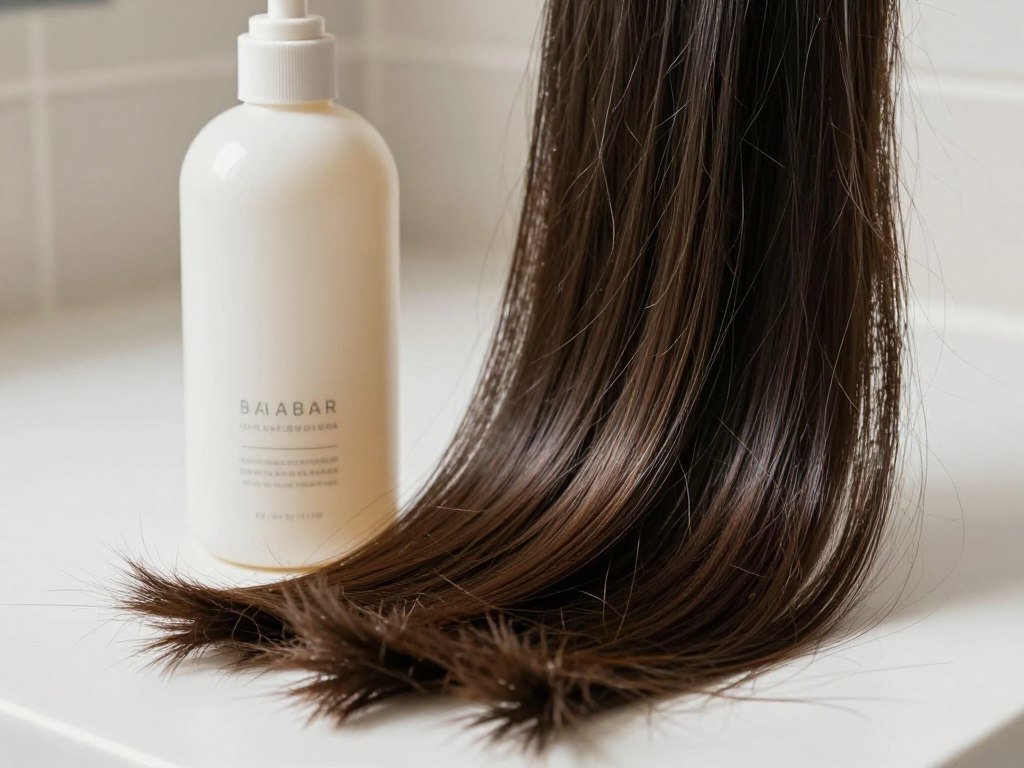
What shampoo can and cannot do for split ends
Split ends are physical splits in the hair shaft. Shampoo may cleanse and improve how damaged hair feels, but it cannot permanently seal or fuse those ends.
Reducing heat and friction can help limit further wear, and a trim can remove split ends. The Glamour guide to split ends also explains why a split strand cannot be rejoined.
For heat styling, use fewer passes and the lowest effective temperature when you do reach for a tool. This hair straightener guide covers choices and use for different hair types.
Breakage is different from shedding
Breakage happens when a strand snaps along its length. Shedding happens when a hair releases from its follicle, the small structure in the skin where hair grows.
Shampoo may help hair feel easier to manage, but it cannot promise to stop hair loss linked to telogen effluvium or traction alopecia. Those conditions need a different response than routine cleansing.
Hair breakage and loss in women can have different causes, so a shampoo claim cannot tell you which one is happening. Discuss sudden or persistent loss with a dermatologist.
Sudden or persistent shedding deserves medical advice rather than a stronger shampoo claim.
How Should You Wash Without Adding More Wear?
A daily wash can work for someone who prefers it, but the shampoo and handling should leave the scalp comfortable and the lengths soft. Gentle handling helps limit extra friction during wash time.
Choose a mild shampoo that suits your scalp oil and hair texture if you wash every day. Set the schedule by how your scalp and lengths feel, not by a fixed rule.
Some people wash hair every other day, while others wash every three or four days. A hair week can include either pattern, depending on comfort and cleanliness.
Before washing, a wide-tooth comb can help loosen tangles. Afterward, blotting with a microfiber towel absorbs moisture without rubbing.
- Detangle with a wide-tooth comb before wetting your hair.
- Massage shampoo gently into wet hair.
- Focus shampoo at oily roots when the lengths feel dry.
- Blot with a microfiber towel instead of rubbing.
If hair feels dull, rough, or heavy after washing, mineral or product buildup may be part of the problem. An occasional clarifying wash may help, but using one too often can add dryness; learn more about using clarifying shampoo.
Protective styles can also reduce tangling and friction around the pool. These poolside hairstyle ideas include options such as braids and low-tension buns.
Adjust the schedule when your scalp feels uncomfortable or your lengths become noticeably drier.
Which Drugstore Shampoo Fits a Damaged-Hair Budget?
A drugstore shampoo can be a sensible choice when its cleansing feel and formula suit your hair. Price alone does not tell you whether a product will feel comfortable after washing.
Compare Pantene Pro-V Daily Moisture Renewal Shampoo and Herbal Essences Hello Hydration Shampoo by label, scalp comfort, and price per ounce. Either can be a practical moisturizing shampoo to consider if its label fits your needs.
Higher-priced options give a different price point. K18 Damage Shield pH Protective Shampoo was listed at $39 on Amazon, and its shampoo-conditioner duo was $62.
Wella Professionals Ultimate Repair Shampoo and Conditioner were listed at $35 each at Ulta Beauty, or $70 for the duo. Redken All Soft Mega Curls Shampoo and Conditioner were listed at $29 each at Ulta Beauty, and $62 for the duo on Amazon.
A higher-priced formula is not automatically a better match if it leaves your hair feeling coated or dry.
Consumer Reports found that some evaluated shampoos cleansed without leaving hair squeaky or moisture-stripped. A best beauty product for your routine is one you can use comfortably, not simply the one with the highest price.
Prices can change, so check the current retailer listing before you buy. Compare the price per ounce and how the product feels after washing before deciding which one is better value.
Conclusion
A useful shampoo choice starts with your main concern and the way your hair responds after washing. Formula fit matters more than a repair promise, and no shampoo can permanently fix split ends.
Pick one formula that suits your scalp and hair texture. Give it a few washes, then notice whether your scalp feels comfortable and your lengths feel soft or dry.
You can change course if the result feels wrong; a high price or a bold label does not guarantee a better fit. Pick the best-fitting formula, then reassess your scalp and lengths after a few washes.
FAQ
How often should I wash dry hair?
How can I repair my severely damaged hair?
Does hard water affect hair?
What is the best shampoo for daily washing?
Which shampoo is healthiest for hair?