A dry, rough feel can come from parched lengths, a sensitive scalp, or both, so the best shampoo and conditioner for dry hair starts with identifying which needs attention. The right pair depends on your texture and scalp, with richer care added only where your hair needs it.
These picks cover fine hair, damage, curls, frizz, and flaky scalps. Dry lengths are different from an itchy or flaky scalp, and one pair may not address both concerns. We’ll help you compare ingredients and build a practical routine without claiming that one formula suits everyone.
Key Takeaways
- Choose shampoo with your scalp in mind and conditioner for your lengths.
- Fine hair may feel weighed down by rich conditioning formulas.
- Glycerin, hyaluronic acid, panthenol, and ceramides attract or help hold water.
- Flakes and itching can have different causes and may need different shampoos.
- Use masks, oils, and leave-in conditioner only when your lengths need them.
Hyaluronic acid and aloe vera appear in moisturizing formulas, while tea tree is used in some scalp-care products. Those ingredients alone cannot promise a certain result. Keep the scalp’s symptoms and the condition of the lengths in mind as you compare formulas.
What Causes Dry Hair, and What Can Shampoo Change?
Color processing and repeated heat styling can leave hair rough, while hard water, chlorine, and cold weather can add to the dry feeling. Product buildup can also make hair feel dull, coated, or dry.
Shampoo can remove residue, while conditioner helps hair feel softer and easier to manage. Neither step can undo every cause of damage. Hair care products can reduce friction and improve combing, as explained in this review of hair cosmetics.
A wash product can improve how hair feels and looks, but it cannot reverse every form of damage.
Gentle cleansing agents remove dirt and buildup without relying on a harsh wash. Conditioning agents coat the hair shaft, which can smooth rough areas and reduce friction during combing. The feel you get depends on your hair and the full formula, not just the word “moisture” on the bottle.
Hard water and chlorine may leave residue that a regular wash does not fully remove. A clarifying shampoo can help with buildup, though frequent use may leave dry hair feeling rougher. Use a clarifying wash as a targeted step, rather than treating it as the answer to every dry-hair concern.
A wash pair can support softness and manageability, but damaged hair may still need gentle handling and less heat. If dryness changes suddenly or comes with persistent scalp symptoms, treat that as a separate concern rather than simply switching conditioners.
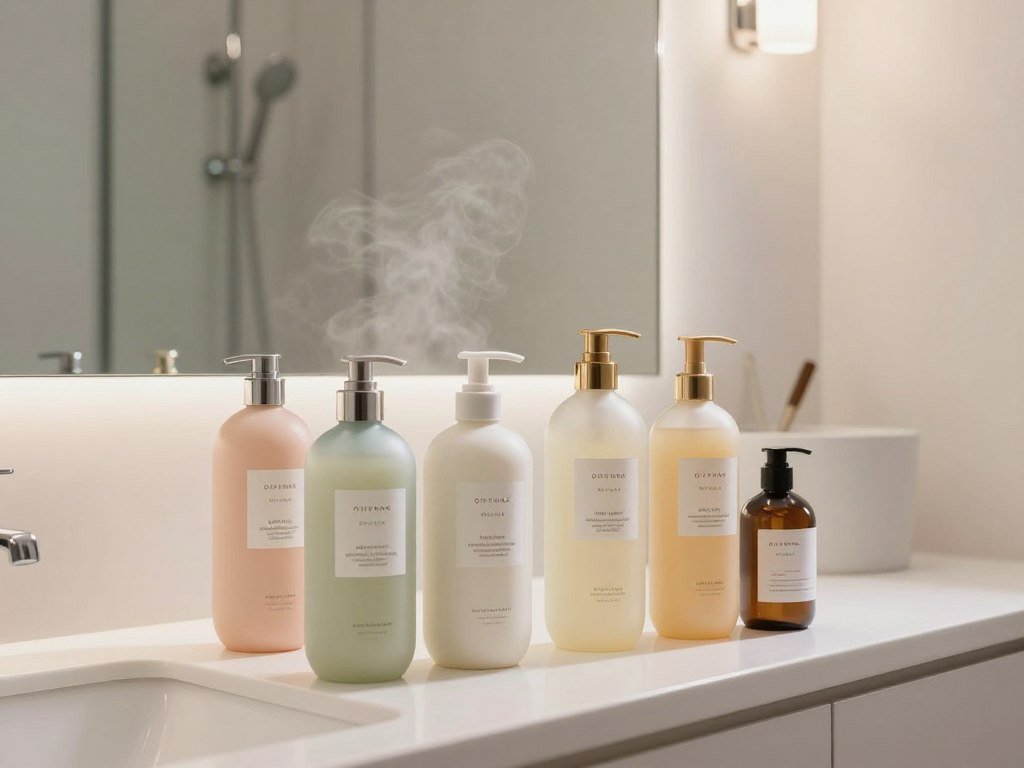
Which Ingredients Add Moisture Without a Heavy Feel?
A useful label check starts with ingredients that attract or help retain water, not just a promise of “intense moisture.” A humectant is an ingredient that attracts and helps hold water.
Look for glycerin, hyaluronic acid, panthenol, and ceramides in moisturizing shampoo and conditioner. These ingredients serve different roles in a formula, so one name does not guarantee that your hair will feel softer.
- Glycerin attracts water and appears in many moisturizing hair products.
- Hyaluronic acid is a humectant used in skin and hair formulas.
- Panthenol is a conditioning ingredient that can support a smoother feel.
- Ceramides are used in hair products to support the hair’s outer surface.
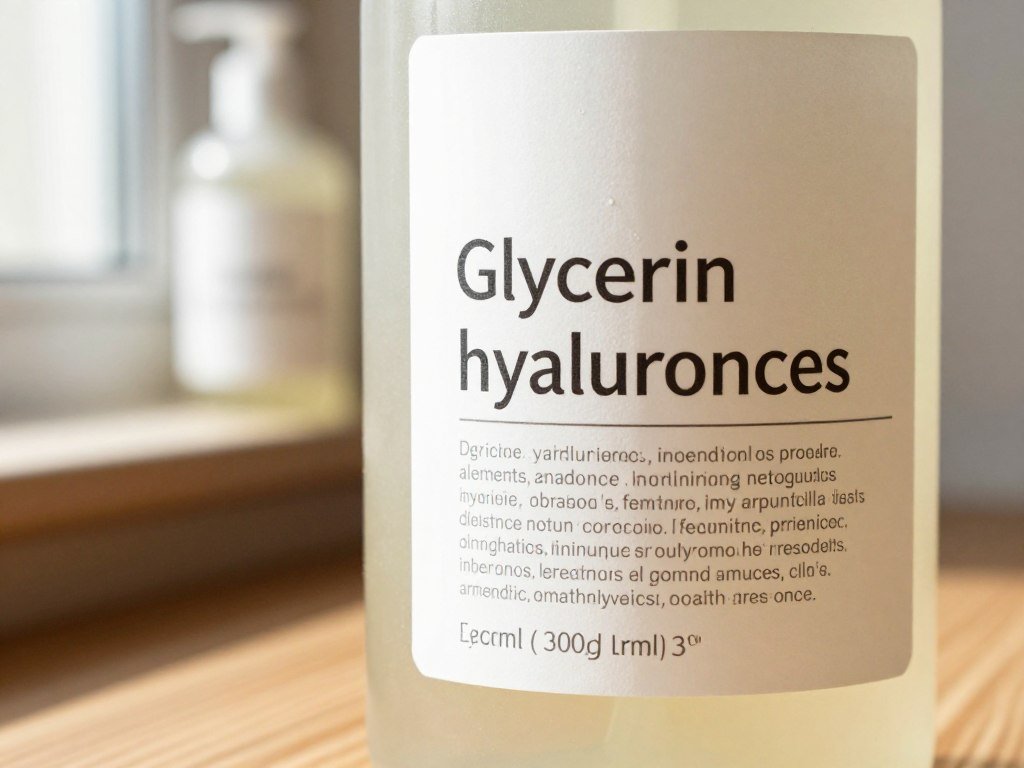
Aloe vera also appears in moisturizing hair formulas. Check whether it sits in a shampoo or conditioner, since those products have different jobs. Shampoo cleans the scalp and hair, while conditioner usually adds more slip to the lengths.
Water-attracting ingredients are not the only part of the formula. Conditioning agents and oils can add a richer feel, which may suit coarse or curly lengths better than fine strands. Your hair’s density and how often you use styling products can also affect what feels comfortable.
Read the full ingredient list and consider where the product is meant to go. A light shampoo with humectants may suit a dry-feeling scalp, while a richer conditioner may work better on dry ends. Compare the whole formula and how your hair responds, rather than choosing on one headline ingredient alone.
How Should You Match a Formula to Your Hair Type?
A fine-haired person who wants softness without losing movement usually needs a lighter conditioning feel than someone with coarse, tightly curled lengths. Texture is a guide, not a strict rule.
Start with a lighter conditioner for fine hair and richer conditioning for coarse or curly lengths. Density and styling habits also affect how much conditioner feels comfortable. This shampoo and conditioner guide explains how scalp needs and hair type can shape your choice.
| Hair type | Shampoo approach | Conditioner approach | Watch for |
|---|---|---|---|
| Fine | Light cleansing | Light, easy-rinse formula | Flat roots or coated strands |
| Coarse | Gentle cleansing | Richer conditioning | Lengths that still feel rough |
| Wavy | Gentle, not overly rich | Moderate slip for detangling | Waves losing their shape |
| Curly | Moisture-minded cleansing | Richer slip for detangling | Dry ends or hard-to-comb curls |
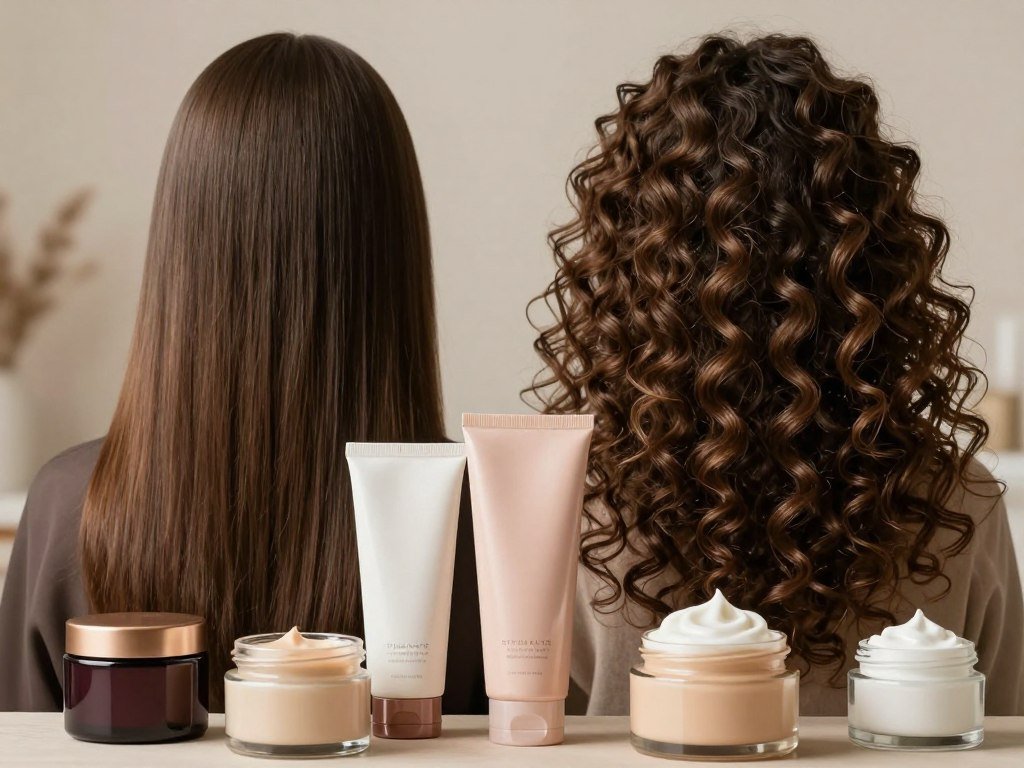
Fine strands and coarse strands
Fine hair can feel limp when a shampoo conditioner pair leaves too much residue. Look for light formulas and see how your roots feel after a full wash. Coarse hair may need richer conditioning to soften the lengths and help with combing.
Curls and waves
Curly hair and waves often benefit from more slip, since detangling can pull on the strands. Still, curl patterns and density vary. A formula that feels rich on loose waves may feel just right on dense curls, so use the table as a starting point.
If your roots flatten before your ends feel soft, use less conditioner near the scalp.
Best Shampoo and Conditioner for Dry Hair: Which Pair Fits?
For the broadest all-around starting point, choose K18 Damage Shield; choose a more targeted pair if fine hair, damage, curls, or frizz is your main concern. K18 is the broadest overall pick in this set.
Each other option suits a more specific need. Use the table to narrow your choice by concern, then check the details against your own scalp and texture.
| Pair | Best fit | Why it made the shortlist |
|---|---|---|
| K18 Damage Shield | Broad, everyday starting point | A shampoo-and-conditioner pair for general dry-hair care |
| Nécessaire The Moisture | Fine hair | A moisture-focused option for people seeking a lighter fit |
| Wella Professionals Ultimate Repair | Damage | A repair-focused wash pair for rough-feeling lengths |
| Redken All Soft Mega Curls | Curls | A curl-focused pair with conditioning ingredients |
| Living Proof No Frizz | Frizz | A formula set positioned around humidity and friction |
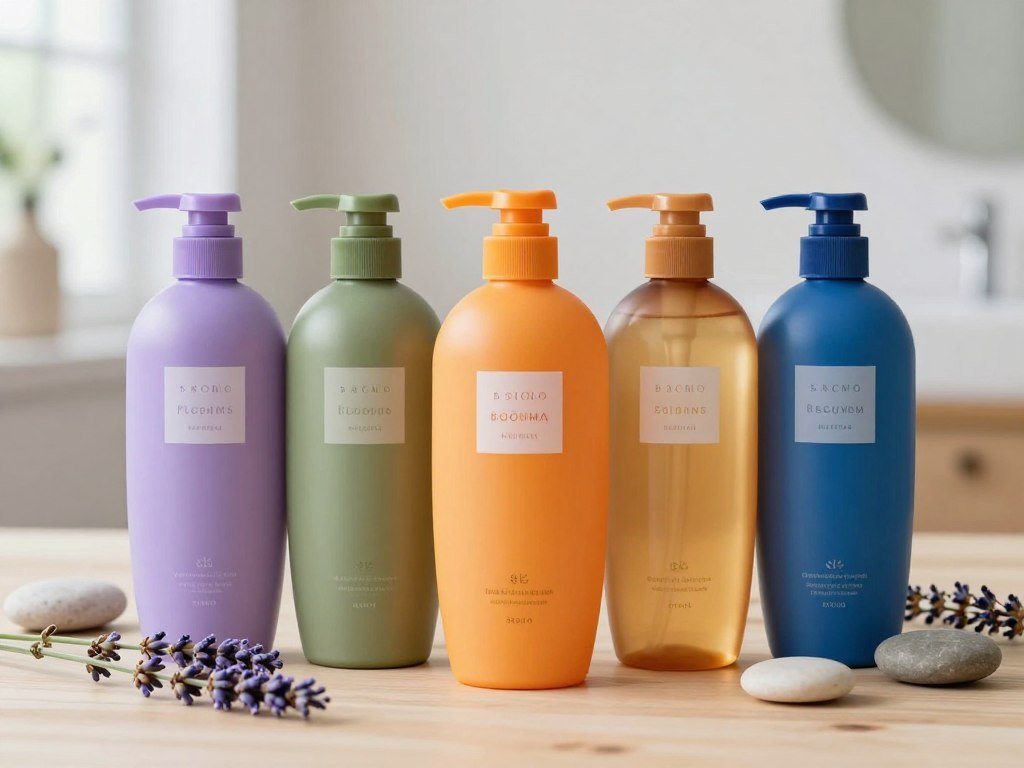
Nécessaire The Moisture is the fine-hair pick, while Wella Professionals Ultimate Repair targets damage. Redken All Soft Mega Curls is the curl option, and Living Proof No Frizz is for readers focused on frizz. These product labels describe intended use, not a promise that every person will see the same change.
For the best shampoos for dry hair, a useful match is one that addresses your main concern without making other needs worse. A rich conditioner may help dry ends but feel too heavy near fine roots. A frizz-focused pair may be less relevant if your main issue is a sensitive scalp.
Use the shortlist to narrow your choice, then check the formula details against your scalp and texture.
Which Pair Suits Damaged or Color-Treated Hair?
If your main concern is weakened, rough-feeling lengths, K18 and Wella offer distinct formula approaches rather than identical repair claims. Choose by formula needs, not by a promise of restored hair.
K18 Damage Shield shampoo and conditioner are sulfate-free; Wella Ultimate Repair shampoo is not. That difference matters if sulfate-free shampoo is a firm preference for your hair care routine.
K18 for a bond-focused formula
K18 Damage Shield pH Protective Shampoo and Conditioner won a 2024 Best of Beauty Award. The K18 peptide is described as supporting bond maintenance and reducing protein loss. Those are stated formula details, not proof that each person will get the same result.
The pair may suit you if you want sulfate-free shampoo and conditioner for damaged-feeling lengths. The products still have separate roles: shampoo cleans, and conditioner supports a smoother, more manageable feel. Split ends and roughness can have more than one cause, so a wash pair cannot guarantee that they will disappear.
Wella for a repair-focused wash
Wella Professionals Ultimate Repair includes malic acid, omega-9, and squalane. Its shampoo offers a different ingredient mix, and it is not sulfate-free. Check that detail before choosing the pair if avoiding sulfates matters to you.
Wella may be a fit if a repair-focused wash is your priority and its cleansing details suit your routine. A product’s stated ingredients and intended use do not promise a specific repair outcome. For color-treated hair, test a new wash pair in your normal routine before relying on it as your only color-care step.
What Helps With Frizz and Shine?
For hair that puffs up in humidity, Living Proof No Frizz is the more directly targeted choice; Kérastase Gloss Absolu is the alternative for a shine-focused wash pair. Their formula goals differ.
Living Proof No Frizz centers on humidity and friction, while Kérastase Gloss Absolu has a shine-focused ingredient mix. Neither description guarantees a particular look or feel for every head of hair.
Living Proof No Frizz formulas use Sili-Clone HairTech, jojoba esters, and sugar-derived humectants. The brand describes Sili-Clone HairTech as helping repel humidity and reduce friction. Those stated features explain the product’s focus, but they do not promise that hair will stay smooth in every setting.
Kérastase Gloss Absolu includes hyaluronic acid, glycolic acid, and wild rose oil. That combination gives it a different position for readers who want a shine-focused wash pair. Check the formula’s weight against your hair texture, since a richer feel may not suit fine strands.
Hydrating hair care can support softness, but a product label cannot predict how every person’s hair will respond. The way you style and the weather around you can also affect frizz. This comparison helps separate a formula’s stated features from your own result.
Kérastase Gloss Absolu shampoo is not sulfate-free. If avoiding sulfates is important to you, factor Kérastase Gloss Absolu shampoo’s sulfate status into the decision.
Which Moisturizing Pair Works for Curls?
For curls that need moisture and easier detangling, Redken All Soft Mega Curls is the most specifically curl-oriented pair in this roundup. Check both bottles, since the shampoo and conditioner have different ingredients.
The pair is sulfate-free and silicone-free, with conditioning ingredients in both steps. Its listed ingredients describe the formula, not a guaranteed result for every curl pattern.
- The shampoo includes glycerin and aloe vera.
- The conditioner includes Inca Inchi oil and hydrolyzed soy protein.
- Both formulas are sulfate-free and silicone-free.
Redken All Soft Mega Curls shampoo also includes salicylic acid. It is part of the listed formula, so check the full label if you have a sensitivity to an ingredient. The conditioner’s richer feel may help when curls need more slip for detangling.
Curly hair can need more moisture than fine, straight hair, but the right amount still depends on density and how the lengths feel. Apply conditioner where detangling is needed, then rinse well. A generous amount is not always better if it leaves curls heavy.
The pair may suit you if you want a curl-focused shampoo conditioner set without sulfates or silicones. If your curls are fine or easily weighed down, begin with less product. Start with a modest amount of conditioner and add more only if your curls still feel difficult to detangle.
What Is a Good Drugstore Shampoo for Dry Hair?
For a drugstore shampoo aimed at brittle, dry, or coarse hair, Pantene Extreme Damage Care Regenerative Oil Blend Shampoo is a concrete option to consider. It is a shampoo pick, not a complete matching set recommendation.
The 13.5-ounce shampoo contains argan and jojoba oils and is sulfate-free. Its intended use includes brittle, dry, or coarse hair, so compare that focus with your own needs.
Argan oil and jojoba oil are listed in the formula. Those ingredients can appeal if your hair feels rough or brittle, while the sulfate-free status may matter if that is one of your filters. The bottle size is 13.5 ounces, giving you a clear size to look for when shopping.
There is no need to choose a conditioner just because its bottle looks like a set. You can pair the shampoo with a conditioner that fits your texture, whether that means a lighter feel for fine hair or richer care for coarse lengths. Check the conditioner’s label and how it feels on your hair.
That approach avoids implying a specific Pantene conditioner pairing when you are choosing a companion product separately. Think about how much conditioning your lengths need and whether your roots get weighed down. Choose the companion conditioner by how much weight your lengths can handle, not just by matching the bottle design.
Which Shampoo Helps a Dry, Itchy, Flaky Scalp?
A dry, itchy scalp can come from dehydration or dandruff, so the most useful first step is choosing a formula for the likely cause. Flakes alone do not identify it.
Dehydration calls for gentle moisture, while dandruff-related flakes may need a shampoo with an active ingredient. Dandruff is commonly linked with seborrheic dermatitis and Malassezia yeast.
Dehydrated scalp without dandruff
If your scalp feels tight or dry without clear dandruff signs, try a gentle moisturizing shampoo. Glycerin, hyaluronic acid, panthenol, and ceramides are ingredients used in formulas for a dehydrated scalp. A gentle wash can clean without adding a strong treatment ingredient your scalp may not need.
The best dermatologist-recommended shampoo for dry scalp depends on the likely cause. A shampoo marketed for a dry, itchy scalp may suit dehydration, while dandruff-related flakes need a different approach. Tea tree appears in some scalp products, but it does not replace a dandruff active ingredient.
Dandruff-related flakes and active ingredients
Ingredients used for dandruff-related flakes include ketoconazole, pyrithione zinc, selenium sulfide, and salicylic acid. Head & Shoulders Classic Clean Dandruff Shampoo contains 1% zinc pyrithione and comes in a 13.5-ounce size. It is intended for flaky or easily irritated scalps.
A shampoo cannot promise hair growth, even when a label suggests a healthy scalp. Persistent irritation or hair loss warrants advice from a dermatologist. If flakes persist despite appropriate use or irritation worsens, ask a dermatologist to assess the scalp.
How Often Should You Wash Dry Hair?
For a dry or dehydrated scalp, a reasonable starting point is washing with a gentle hydrating shampoo 2 to 3 times per week. Use that as a starting point, not a strict schedule.
A hydrating or gentle dry-scalp shampoo can generally be used 2 to 3 times per week. Your scalp’s oil, activity, styling products, and dryness can shift that routine.
Daily washing is not automatically wrong for everyone with dry hair. If you exercise often or use many styling products, you may want to wash more often. If your scalp feels dry and comfortable between washes, you may prefer fewer wash days.
Keep your usual routine in mind, including how quickly oil builds at the roots. Conditioner can help the lengths feel softer, but it does not set the right wash schedule for your scalp. Change the timing in small steps instead of making a large jump in either direction.
A routine should leave your scalp comfortable and your roots clean enough for your needs. Adjust the schedule if your scalp becomes uncomfortable or your roots feel persistently coated.
When Should You Add a Hair Mask or Rinse?
Add a mask when your lengths need a more concentrated conditioning step, not simply because the scalp feels flaky. The mask and rinse have different jobs.
Use a hair mask for dry or damaged lengths, and a post-shampoo rinse for scalp feel. One is not a substitute for the other.
A short-contact mask for damaged lengths
Unove Deep Damage Repair Hair Mask contains 31 bond-building proteins and amino acids. It is designed to stay on for 1 to 3 minutes, making it a short-contact treatment for dry or damaged hair. Follow the product directions and keep the mask on the lengths it is meant to treat.
Adding a hair mask can make sense when regular conditioner does not leave the lengths feeling soft enough. It is an optional step, not a required part of every wash. A richer treatment can also feel heavy if your hair is fine or easily coated.
A post-shampoo rinse for scalp feel
A’pieu Mint Hair Vinegar Rinse is used after shampoo. It is made with mint extract and vinegar, and is aimed at scalp exfoliation, pH balance, and shine. Its scalp-focused role differs from a mask made for dry lengths.
Do not treat a scalp rinse as a replacement for dandruff shampoo or a mask as a treatment for scalp flakes. Keep a scalp rinse away from irritated skin if its exfoliating feel makes discomfort worse.
Does Dry Shampoo Clean the Scalp?
Dry shampoo absorbs oil and odor, but it does not clean the scalp or replace shampooing. Think of it as a styling aid between wash days.
Wash after 1 or 2 dry-shampoo uses instead of relying on it for several days in a row. Powder can sit on the scalp and add to buildup if you keep layering it.
To apply a powder dry shampoo, use a small amount at the roots and wait 5 minutes before styling. This gives the powder time to absorb oil. Brush or style as you normally would after the wait.
Dry shampoo can help oily roots look fresher, but it does not remove sweat, residue, or dirt the way washing does. Use it when you need a brief gap between washes, not as a way to skip cleansing for several days. Dry shampoo is not a scalp treatment.
Treat dry shampoo as a short-term styling aid, not a substitute for cleansing.
How Do You Build a Simple Wash-Day Routine?
A simple routine can stay to four steps: cleanse, condition, add leave-in care if needed, and use a deeper treatment periodically. Keep the order simple.
Start with shampoo and conditioner, then add optional care only when your hair needs it. A leave-in conditioner can add conditioning between washes, while a mask or deep conditioner gives lengths an extra step.
- Shampoo the scalp, then rinse well.
- Condition the lengths and rinse as directed.
- Use a leave-in treatment if your hair needs more conditioning.
- Add a mask or deep conditioner once or twice a week when you want extra conditioning.
The first two steps form the base of the routine. Choose a shampoo for your scalp and conditioner for the lengths, rather than expecting one product to meet every need. A leave-in treatment is optional, especially if your rinse-out conditioner already feels like enough.
Hydrating hair masks and deep conditioners are commonly used once or twice a week. You do not need an extra treatment at every wash. If your hair starts to feel coated, reduce the optional product before changing your shampoo and conditioner together.
If the routine starts to leave hair coated, remove the optional treatment before changing every product at once.
Which Daily Habits Help Keep Dry Hair Soft?
A few small changes in the shower can help keep dry hair and an easily irritated scalp from feeling worse. Gentle handling matters, especially when your scalp already feels tender.
Use comfortably warm water, avoid scratching, and limit strong clarifying treatments. Repeated heat styling can add another source of dryness, so reducing it may help.
- Use comfortably warm water instead of very hot water.
- Avoid scratching your scalp with your fingernails.
- Do not over-wash your hair.
- Limit frequent strong clarifying treatments.
Very hot water can worsen irritation, while fingernails may scratch sensitive skin. Strong clarifying shampoos can remove buildup, but frequent use may leave the scalp feeling drier. If you use one, follow with conditioner on the lengths.
Repeated heat styling and color treatments can also add stress to dry hair. When you do use a hot tool, avoid running it over the same section again and again. This hair straightener guide covers tool choices and ways to limit heat exposure.
Clarifying shampoo can help when residue or hard-water minerals build up. If a clarifying wash is needed for buildup, use it selectively rather than making it the default at every wash.
How Should You Use Oils and Leave-In Conditioner?
Oils and leave-in products can soften dry lengths, but the right amount and placement matter as much as the ingredient. Fine hair often needs less.
Use richer oils mainly on midlengths and ends, especially if fine hair gets weighed down. Coconut, jojoba, and argan oils can help reduce moisture loss and soften dry hair.
| Option | Best use | Where to apply | Fine-hair adjustment |
|---|---|---|---|
| Coconut, jojoba, or argan oil | Softening dry lengths | Midlengths and ends | Use a small amount on ends |
| Cream leave-in conditioner | Richer conditioning between washes | Dry lengths, away from roots | Use sparingly or skip |
| Spray leave-in conditioner | Light conditioning and detangling | Lengths that need slip | Use a light mist |
Oils for softening dry lengths
Natural oils such as coconut oil, jojoba oil, and argan oil can help soften hair and reduce moisture loss. They do not repair every kind of damage. Use them as a finishing step for dry-feeling lengths, rather than treating them as a replacement for conditioner.
Fine strands may respond better to a light touch. Apply a richer oil to the midlengths and ends, where dryness often shows, and keep it away from the roots if they flatten easily. A small amount is easier to build on than a heavy coating.
Leave-in care for lightweight conditioning
Leave-in conditioner is an optional way to add conditioning between washes. Cream formulas often feel richer, while spray formulas may suit people who want a lighter touch. Use the product type and amount that your hair can handle.
Some leave-in formulas may help with detangling, but they do not replace rinse-out conditioner for everyone. If you have fine hair, start with a spray or a small amount of cream. Start with a small amount on the ends and add more only if the hair still feels rough.
Start with less product on fine hair, then add only where the lengths still feel rough.
Conclusion
The best starting point is the pair that addresses your main concern without weighing down your hair or irritating your scalp. Choose for your needs, not for the trendiest label.
Keep scalp symptoms separate from dry lengths, since they may need different care. Check the ingredient list and try one formula change at a time. Choose one targeted change for your next wash and note how your scalp and lengths feel afterward.
FAQ
Should I use shampoo every day?
How does dry shampoo work?
How to reduce hair dryness?
How often should you use dry shampoo?
How do I hydrate my dry hair?
Can I go 7 days without washing my hair?