
On light skin, a small change in color can make a big difference, so a controlled, gradual approach is often the easiest place to start. A first application may feel high-stakes when your complexion is pale, since even a slight shift can stand out. A gradual self-tanner can help you ease into a natural-looking tan without committing to a deep shade right away.
Whether you want a soft glow for everyday beauty or more color for an event, the best self tanning lotion for light skin should fit your comfort level. You deserve practical options for a careful first try and for building a deeper result later. The right starting point is the one that lets you build color without rushing to a deeper shade.
Key Takeaways
- Start with a gradual product if you want a subtle change.
- Choose a lighter color depth for a first application.
- Apply a thin layer and assess the result before adding more.
- Follow the directions for the exact product you choose.
- Self-tanner does not replace sunscreen.
Why Can Self-Tanner Look Orange on Light Skin?
An overly warm result is usually a color-depth or application-amount problem, not a sign that light skin cannot use self-tanner. Light skin can show a strong shift more clearly, especially when a tan develops deeper than expected. DHA, or dihydroxyacetone, is the active ingredient that reacts with amino acids in the outermost skin layer to create temporary color.
The amount of product and the number of layers affect how deep the result looks. A darker formula, a heavy layer, or several coats applied together can create more contrast against a fair complexion. The color also develops over time, so an early look may not show the final depth.
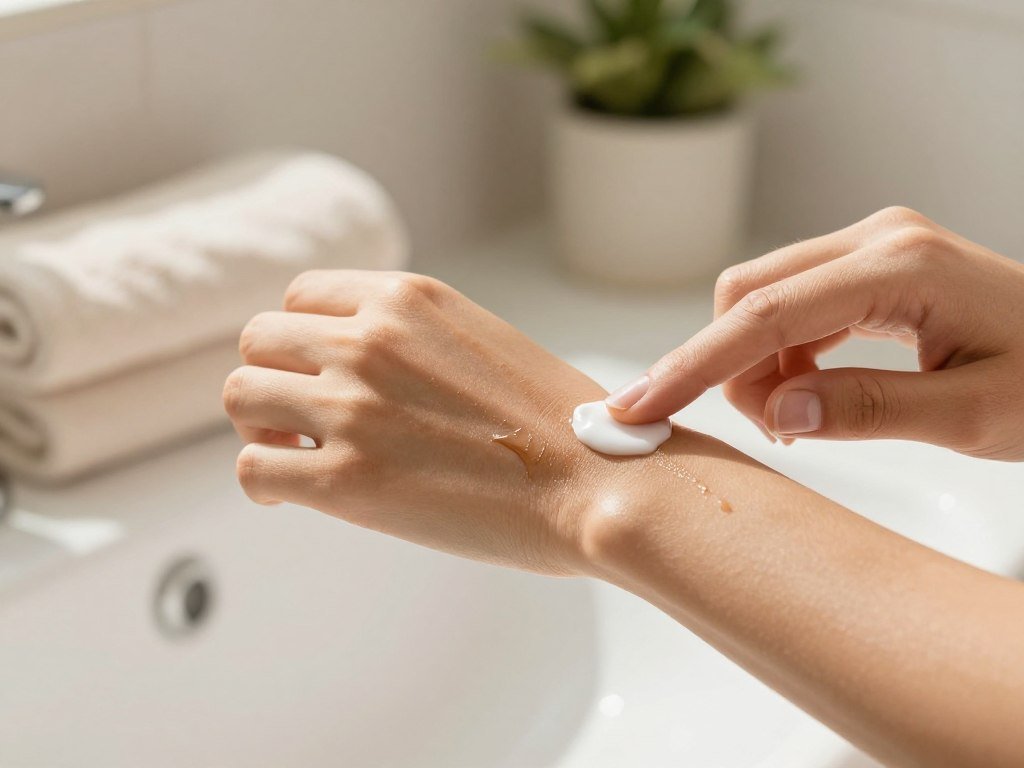
Skin tone alone does not make an orange result inevitable. A shade that suits one person may look too warm on another because the product depth and amount matter. Dry patches can also take up more color than the skin around them, making the tan look uneven.
Let the first thin coat develop fully before deciding whether you want more color.
Four common contributors to an overly warm result are easy to spot:
- A shade that is too deep for your natural complexion.
- Too much product in one application.
- Several coats applied before assessing the first result.
- Heavy application on dry areas, such as elbows or ankles.
Those factors can make the color look more intense or less even, but they do not mean that self-tanning is off limits. Use a gradual product if you prefer a slower change, and read the label before choosing a formula. A spray tan guide can also help you compare at-home color with a salon option.
Keep your first application modest, then give the color time to develop. Your own skin can show you whether the depth looks right before you add more.
Best Self Tanning Lotion for Light Skin: Top Picks
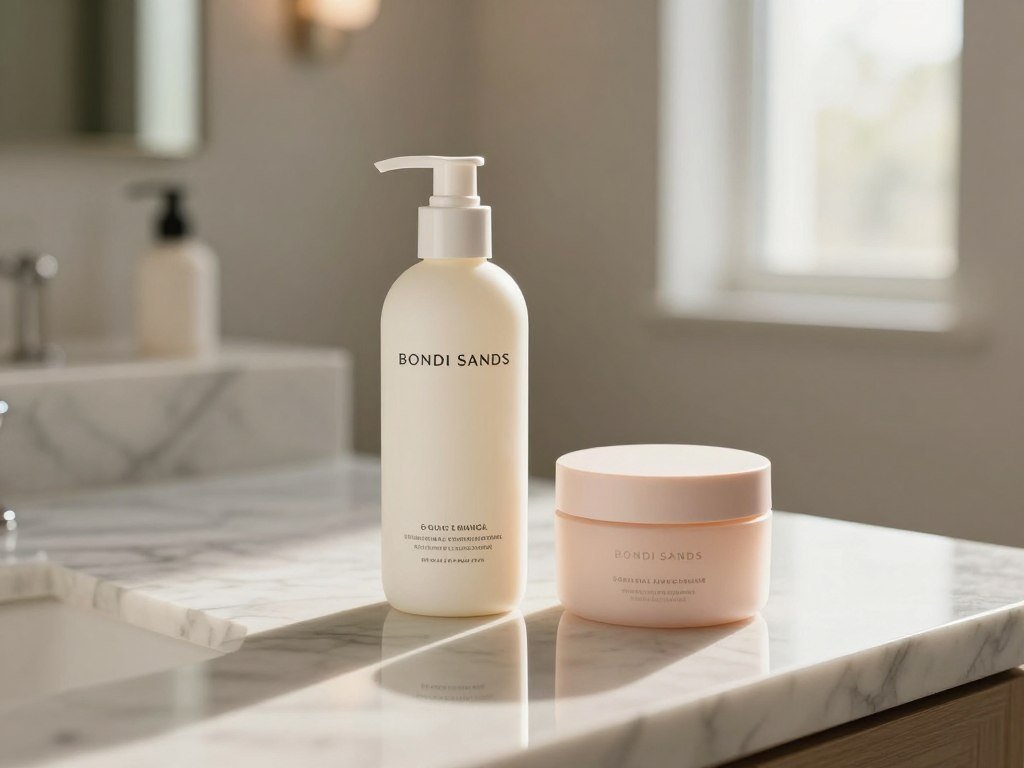
Bondi Sands Gradual Self Tanning Milk is the strongest starting pick here for a beginner who wants to build a soft bronze gradually. Its gradual color approach suits fair pale skin, and the product is intended for beginners or tan maintenance. The natural glow begins to develop after 1-3 applications.
Bondi Sands Everyday Gradual Tanning Milk is the gradual option for maintaining or gradually building a soft bronze, and it is suitable for beginners. The 12.68-fl-oz bottle offers a lotion format for people who want a familiar body-care feel. Check the product’s own label for its exact name and directions.
| Product | Color approach | Best fit |
|---|---|---|
| Bondi Sands Gradual Self Tanning Milk | Soft bronze begins after 1-3 applications | Beginners or tan maintenance |
| Tan-Luxe The Gradual Illuminating Tanning Lotion | Gradual, subtle bronze | Readers who want a mild-looking result |
| Jergens Natural Glow Firming Daily Moisturizer for fair skin | Daily moisturizer format | Fair skin and event preparation |
For the best gradual tanning lotion for fair skin, Bondi Sands is a clear first choice when you want a steady, soft bronze. Tan-Luxe The Gradual Illuminating Tanning Lotion is another gradual self-tanning option for a subtle-looking change. Its mild approach may appeal if you would rather keep the result understated.
Jergens Natural Glow Firming Daily Moisturizer for fair skin combines a moisturizer format with gradual color. The author of Fabulous After 40 uses it for 1-3 nights in a row before a special event. That example offers a routine to consider, but your result will depend on your own skin and the product label.
These products give you different ways to add color without beginning with a dark formula. A lotion can feel familiar if you already use body moisturizer, while a gradual product gives you room to adjust. For a fair complexion, choose the product whose directions and shade guidance match the result you want.
Use the product name and shade details on the package when comparing options. Check the product’s shade guidance and size before choosing the bottle that suits your routine.
Which Self-Tanner Formula Fits Your Routine?
A gradual lotion is the easiest format to control when you want color to build slowly rather than appear all at once. It spreads like a body moisturizer, so you can work it over the body in a familiar way. For pale skin, that gradual build makes lotion a beginner-friendly choice.
The best gradual self-tanning lotion is the one whose texture and directions make even application manageable. A formula that feels easy to spread may suit your routine better than one that promises a fast result. Your preferred format also affects how you handle coverage and blending.
| Format | Application style | Best suited to |
|---|---|---|
| Gradual lotion | Spread like moisturizer | Slow color build and beginners |
| Mousse or foam | Apply with a mitt for visual coverage and blending | Readers who want to work in sections |
| Spray or mist | Apply in sweeping passes | Readers who prefer a lightweight format |
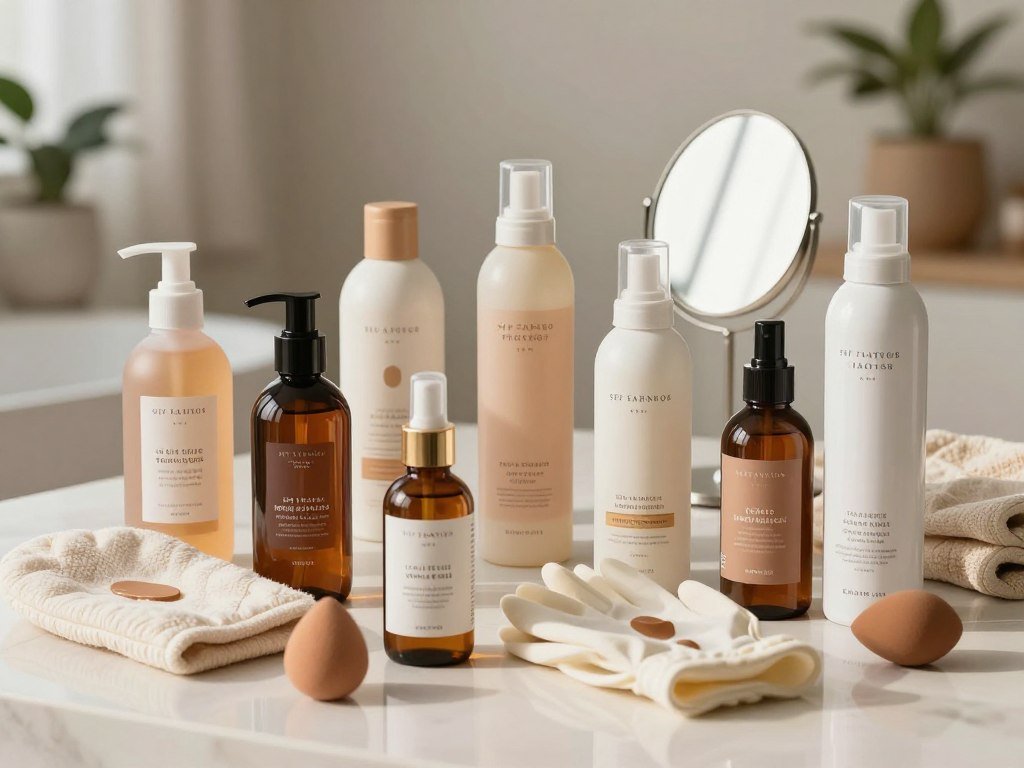
Mousse and foam are often applied with a mitt, which lets you see where the product has gone as you move across the body. This format can suit someone who likes working in small sections. It may feel less familiar than spreading lotion, but the visible coverage can help you track placement.
Sprays and mists use sweeping passes rather than the same spreading motion as lotion. Their lightweight format may appeal if you do not want a rich body lotion feel. Follow the product’s directions for distance and coverage, since the exact method can differ by formula.
Drops offer another route: you mix them into moisturizer before applying the blend. Clear tan water is a lightweight, clear formula option. These formats differ in how you handle them, so read the label before assuming the product works like a lotion.
Self tanners can be lotions, mousse, foam, sprays, drops, or clear water. That range gives you room to pick a product that fits your usual skin-care routine. Keep the goal practical: an even result matters more than a format that sounds quick or effortless.
Think about whether you prefer a cream-like texture, visible coverage, or sweeping motions before choosing. Choose the format you will apply evenly and consistently, not simply the one with the quickest-sounding label.
How Should You Choose a Shade for Pale Skin?
Light or medium shades are the safer starting point when your natural complexion is pale and you want a subtle change. These labels usually signal a more restrained color depth than an ultra-dark option. Start gently if you want your tan to look close to your natural skin tone.
Choose a lighter shade first, then add color only after you can assess the developed result. Labels such as light medium can help narrow the choice, but product names are not a guarantee of how a color will look on every person. Consider your natural skin tone and how noticeable you want the result to be.
Start With a Light or Medium Color Depth
For fair pale skin, a light or medium product can give you more control than beginning with a deep shade. This is especially useful if you have not used self-tanner before. Assess the finished color before deciding whether you want to build it further.
Your preferred result matters, too. A subtle glow may suit daily wear, while a more visible tan may feel right for a particular event. Think about how the shade will look beside your usual skin tone, not only how it appears in the bottle.
What If You Want a Dark Tan Fast?
Tanceuticals CC Self Tanning Body Lotion Ultra Dark is formulated to produce a deep, dark tan and contains DHA. It comes in a 4.2-ounce size and is made in the USA. Its intensity may be too much for a first application on pale skin.
The word “fast” does not guarantee quick color development. A darker formula can give a deeper result, but that does not make it the safest starting choice for every fair complexion. Follow the product label rather than adding extra layers to chase a darker look.
Choose based on the color you want to wear, not just the darkest shade name. If you are unsure about depth, choose the lighter option and build only after seeing the finished color.
How Do You Prep Light Skin Before Self-Tanner?
Smooth, dry skin gives self-tanner a more even surface to develop on. Prep the day before by exfoliating, then give your skin time to settle before applying a product. Rough or dry patches can hold more color than the areas around them.
Pay special attention to knees, elbows, ankles, and feet during prep. They can be drier or rougher than the rest of your skin, which may lead to an uneven-looking result. A gentle routine is enough; avoid scrubbing irritated or freshly shaved skin.
- Exfoliate the day before you plan to apply self-tanner.
- Finish shaving or waxing before your tanning session.
- Make sure your skin is clean and dry on application day.
- Use a small amount of moisturizer on very dry areas, then let it absorb.
- Patch-test Bondi Sands Gradual Self Tanning Milk on your forearm 24 hours before use.
Bondi Sands advises a forearm patch test 24 hours before use. This gives you a chance to check for an unwanted reaction before applying the product more widely. A test cannot promise that irritation will never occur, but it follows the product’s stated guidance.
Use a gentle cleanser if your skin tends to feel dry or reactive. A simple body wash for soft skin can help you avoid a harsh cleanse before tanning. Keep the focus on clean, comfortable skin rather than extra scrubbing.
Moisturizer can help soften dry spots, but a thick layer left on the surface may interfere with an even application. Let the small amount absorb before you begin. Avoid applying immediately after hair removal, when product may collect around freshly opened follicles.
How Do You Apply Self-Tanner Without Streaks?
Even coverage comes from applying a thin, consistent layer and blending each section before moving on. Work steadily with a mitt or clean hands, using long sweeping or circular motions as the formula calls for. Clean, dry skin helps you spread the product without rushing.
Use very little product on dry areas, especially joints, hands, and feet. Bondi Sands says to apply its Gradual Self Tanning Milk evenly to clean, dry skin like a body moisturizer. The brand also advises washing hands thoroughly and getting dressed once the product is touch dry.
Work in Sections on the Body
Divide the body into manageable areas, such as one leg at a time. Spread the formula evenly before moving on, and blend the edges where one section meets another. A mitt can suit mousse or foam, while lotion can be spread with clean hands.
Use long, even motions for products that spread like moisturizer. Circular motions may suit a formula whose label recommends them. The directions for the exact product should guide your technique, since formulas do not all call for the same approach.
After applying Bondi Sands Gradual Self Tanning Milk, wash your hands thoroughly. The product directions say you can dress once it feels touch dry. A general recommendation is to wait at least 10-15 minutes before getting dressed, as the author of Fabulous After 40 advises.
Use Less on Hands, Feet, and Joints
Keep the layer especially light over knuckles, ankles, knees, and elbows. Those areas can gather excess product if you use the same amount as on a larger, smoother area. Blend carefully around the edges so the color does not form a visible line.
Tanceuticals recommends applying its CC Self Tanning Body Lotion Ultra Dark to completely dry skin in a circular motion. It advises using very little product on dry areas and waiting at least 7-8 hours before showering or sweating, with overnight preferred. That wait applies to its Ultra Dark lotion, not every self-tanner.
Some formulas include guide color, a temporary visible tint that helps you see where you spread the product. That tint can rinse away separately from the DHA-developed tan. Do not mistake the guide color washing off for the developed result disappearing.
Follow the directions for your chosen formula when planning your time. Keep the first coat light, since adding another layer before seeing the finished color makes correction harder.
How Long Does a Self-Tan Last, and How Do You Maintain It?
A self-tan fades gradually over several days, while Tanceuticals lists an average of about 6-7 days for its Ultra Dark formula. That time is product-specific, not a promise for every self-tanner. The way color wears can change with skin dryness, showering, and friction.
Tanceuticals recommends using its Ultra Dark lotion once or twice a week to maintain a tan and moisturizing daily. A tan may fade faster where clothing rubs or skin feels dry. Shower habits and friction can also affect how evenly the color wears.
Daily moisturizer can help keep skin comfortable as the color fades. Choose a product that suits your skin and routine, then apply it regularly. If you want more detail on ongoing care, these body-care routine ideas include moisturizers and other basic skin-care steps.
A spray tan has its own aftercare needs and can differ from a lotion in how it wears. A spray tan aftercare guide covers care tips for that format. Use the directions for your own product, since tanning products can have different schedules.
Three simple habits can help you care for the color as it fades:
- Moisturize daily.
- Avoid picking at uneven patches or scrubbing them harshly.
- Follow the chosen product’s reapplication directions.
A gradual fade may look more even than trying to remove a patch by force. If an area looks uneven, avoid picking at it or using a harsh scrub. Let fading guide your next application instead of layering fresh color over patchy areas.
What Should You Know About Self-Tanner Ingredients and Sun Protection?
A self-tan changes the appearance of the skin, but it is not a substitute for sun protection. Color is cosmetic, even when the result looks like a natural tan. The active ingredient DHA creates temporary color in the outermost layer of skin.
Self-tanner does not protect against sunburn, so keep using sunscreen outdoors. Bondi Sands Gradual Self Tanning Milk does not contain sunscreen and does not protect against sunburn. A tan from any self-tanner should not change your sun-care routine.
Which Ingredients Are in Bondi Sands Gradual Self Tanning Milk?
Bondi Sands Gradual Self Tanning Milk contains dihydroxyacetone, erythrulose, aloe barbadensis leaf juice powder, shea butter, and tocopheryl acetate. Read the full ingredient list on the package if you need to check for a particular substance. Ingredient names can help you compare formulas, but they do not predict how every person will react.
People with sensitive skin may prefer fragrance-free formulas and can patch-test unfamiliar products. Reactions depend on both the formula and the person using it. Healthline’s review of self-tanner risks discusses possible reactions and ingredients that may concern some users.
What Should a Dermatologist-Recommended Self-Tanner Prioritize?
A dermatologist-recommended self-tanner should fit your skin needs and avoid ingredients that you know cause a reaction. Look for a clear ingredient list and choose a fragrance-free formula if scent tends to bother your skin. Do not treat a product as dermatologist-recommended unless a real dermatologist has endorsed it.
For sensitive skin, a gentle cleanser and moisturizer can also help keep your routine comfortable. This simple body-care routine covers everyday care choices. If you have a known skin condition or a strong reaction, a clinician can help you weigh your options.
Does Self-Tanner Protect You From the Sun?
No, self-tanner does not protect you from the sun or sunburn. It does not replace sunscreen, shade, or protective clothing. The tan changes skin color, not the need to guard your skin outdoors.
Keep using broad-spectrum sunscreen outdoors, even when your skin looks tan.
For outdoor use, choose broad-spectrum sunscreen with SPF 30 or higher and reapply as directed. A water-resistant label does not mean sunscreen lasts all day. Self-tanner and sunscreen serve different purposes, so keep them as separate parts of your routine.
Conclusion
A believable glow starts with a shade depth that feels comfortable for your natural complexion. Gradual color is a practical first choice for pale skin because it gives you time to judge the result. Read the product directions, since formulas can differ in use and timing.
Your next step is simple: choose a suitable light or gradual option and patch-test it before first use. That small check can help you feel more at ease before a full application. Choose your gradual option, patch-test it, and follow its label for the first application.
FAQ
What is the best self-tanning lotion?
Can gradual self-tanner be used every day?
How long should self-tanner dry before getting dressed?
Can self-tanner irritate sensitive skin?
Should I use a mitt with gradual tanning lotion?