A damp diaper can expose a baby’s skin to urine and stool, so a protective barrier is a practical place to start. A barrier cream is a topical layer that helps shield skin from moisture and irritants. Prolonged contact can weaken the skin barrier and leave the area sore.
For many parents, a fragrance-free formula with a familiar barrier ingredient makes a useful first pick. This roundup compares products by their active ingredients and added formula details, not by brand name alone. The right choice depends on your child’s skin, the rash’s severity, and your diaper routine.
A product that feels easy to spread may be easier to use during busy changes. Your child’s past reactions matter, too, especially if the skin is easily irritated. A fragrance-free product with a familiar barrier ingredient is a sensible first option for most families.
Key Takeaways
- Look for a fragrance-free formula with zinc oxide, petrolatum, or both.
- Check the full ingredient list for known sensitivities.
- Choose a texture you can apply comfortably during routine changes.
- Clean gently and keep the skin dry before adding a barrier.
- Contact the pediatrician if the rash worsens or does not improve.
How to Choose the Best Diaper Rash Cream
For most families, a fragrance-free diaper-rash product based on zinc oxide, petrolatum, or both is the most useful place to begin. The American Academy of Pediatrics and American Academy of Dermatology recommend products with zinc oxide and/or petrolatum as the main active ingredient.
Check the active-ingredient panel first, then compare how the formula feels and spreads. The active ingredient is the ingredient intended to provide the product’s primary protective or treatment effect.
A fragrance-free formula with zinc oxide, petrolatum, or both is a practical starting point for routine diaper-area irritation.
Petrolatum is also commonly labeled as petroleum jelly. Zinc oxide forms a protective coating on the skin, while petrolatum helps limit contact with moisture. Some products combine these ingredients, so you can compare their roles rather than choosing a single type.
Dimethicone is another barrier ingredient used in some skin products. It helps form a protective layer, though diaper-rash products may pair it with other active ingredients. The label tells you what the product is designed to do.
| Active ingredient | Barrier role | Common label wording |
|---|---|---|
| Zinc oxide | Forms a protective layer over irritated skin | Zinc oxide, followed by a percentage |
| Petrolatum | Helps shield skin from moisture and friction | Petrolatum or petroleum jelly |
| Dimethicone | Forms a water-repellent protective layer | Dimethicone, often with a percentage |
A high percentage does not automatically make a product the best fit. A thick paste may stay in place, while a smoother cream may spread more easily during changes.
Texture can affect whether you find a product easy to use. Compare the active ingredient and the formula’s feel rather than choosing by the largest percentage alone.
Which Ingredients Matter on the Label?
Start with the active-ingredient panel, then scan the rest of the label for anything your child has reacted to before. Known triggers matter more than broad claims about what a product contains.
A short, fragrance-free ingredient list can be a practical choice for skin that reacts easily. Zinc oxide and petrolatum are common barrier actives, while fragrance and some preservatives can irritate certain babies.
- Active ingredient: Identify the main barrier ingredient and its label wording.
- Fragrance: Check whether the product lists fragrance or perfume.
- Known allergens: Look for ingredients your child has reacted to before.
- Botanicals or oils: Note added plant extracts and essential oils.
“Natural” does not mean irritation-free. Botanical extracts and essential oils can still bother an individual child, even when a product uses familiar plant ingredients.
Preservatives also vary across formulas, and a specific child may react to one ingredient. A reaction to a product does not mean every ingredient in that category will cause a problem.
For a broader look at skin care ingredients for dry skin, consider how simple formulas can help you spot likely triggers. That general advice does not replace a diaper-area product label.
Make a note of the ingredients in any cream that has caused a reaction. A familiar ingredient list is more useful than a “natural” label when a baby has sensitive skin.
Top Diaper Cream Picks by Formula
If you want a product shortlist, compare the active ingredient and the rest of the formula before deciding which tube to keep on hand. Formula details help you tell these products apart.
Triple Paste combines zinc oxide and petrolatum, while the other picks add different ingredients or use a different zinc oxide amount. Those differences help you choose a formula that suits your preferences.
Triple Paste diaper cream is a zinc-oxide-and-petrolatum combination with oat-kernel extract. The best diaper cream depends on the active ingredient and your child’s skin sensitivities, not on a single feature shared by every family.
Triple Paste Medicated Ointment for a Combination Barrier
Triple Paste Medicated Ointment contains 12.8% zinc oxide, petrolatum, and oat-kernel extract. Its formula combines two familiar barrier ingredients with an added extract.
If you prefer a product with both zinc oxide and petrolatum, this pick offers that combination. Its listed ingredients also give you a clear reason to review the label if your child has known sensitivities.
Rugby Laboratories Zinc Oxide Ointment for a Thick Paste
Rugby Laboratories Zinc Oxide Ointment contains 20% zinc oxide. That percentage is a formula distinction, not a promise that it will suit every child or rash.
Some caregivers prefer a thicker product that leaves a visible coating. Your child’s skin response and your comfort with the texture matter alongside the active ingredient.
Boudreaux’s Butt Paste for an Aloe-Containing Option
Boudreaux’s Butt Paste contains zinc oxide and aloe. The added aloe sets it apart from a formula focused on zinc oxide alone.
Botanical or plant-derived ingredients do not suit every child. If your baby has reacted to aloe or related ingredients, check the full package label before trying it.
Weleda Diaper Rash Cream for a Botanical Formula
Weleda Diaper Rash Cream contains zinc oxide, lanolin, and calendula. Lanolin and calendula are key formula details to consider if your child has known sensitivities.
These four products give you different ingredient combinations, not a universal ranking. Check the exact product label before buying, since formulas can change.
Which Cream Is Best for Newborns?
For a newborn, choose a fragrance-free barrier formula and follow the age directions on its label. A simple formula with zinc oxide or petrolatum is a reasonable starting point.
The newborn period generally covers the first 28 days after birth, when you may want to keep the ingredient list familiar. A special age-specific active ingredient is not usually the main thing to seek.
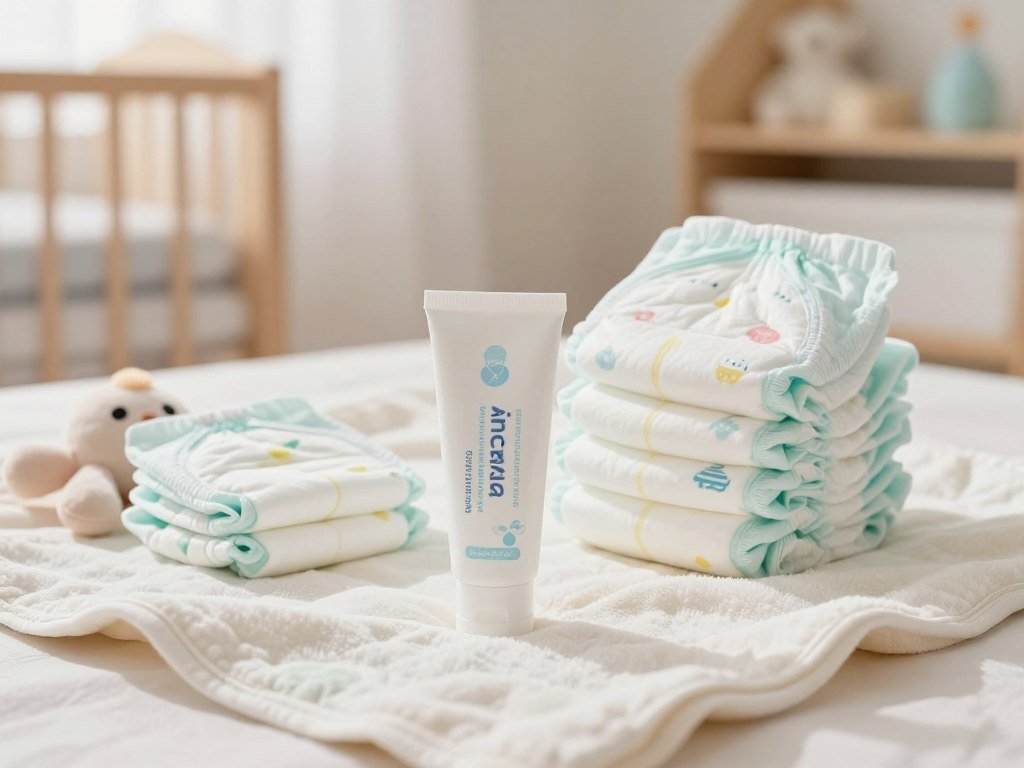
Before choosing, check these three details:
- Fragrance-free label: Look for a formula without added fragrance.
- Known allergens: Review ingredients your baby may not tolerate.
- Age directions: Follow the package instructions for newborn use.
The best diaper rash cream for newborns is not automatically the one with the highest zinc oxide percentage. A product’s texture and the child’s response can matter just as much.
Newborn skin can look delicate, so avoid adding several new products at once. That makes it easier to notice whether a particular cream seems to bother the area.
If you are unsure whether a product suits your newborn, ask the baby’s pediatrician or pharmacist to review the label. If a newborn’s rash is raw, spreading, or worrying, contact the baby’s pediatrician.
What Helps a Severe Diaper Rash?
A thick zinc oxide paste is a reasonable barrier option for a more pronounced irritation, but severe symptoms deserve more than a product swap. Barrier care can protect irritated skin, but it cannot identify every cause.
A rapidly worsening, very painful, or spreading rash needs medical advice, rather than a stronger cream alone. A severe-looking diaper rash may have causes that a barrier product cannot treat.
A generic zinc oxide paste at 40% is one thick-paste option. Its strength and texture may suit some cases of pronounced irritation, but the product cannot diagnose or treat a fungal or bacterial infection.
Surface irritation can appear where skin has contact with moisture and stool. A rash that spreads quickly or causes marked pain is different from a small area of mild redness.
Do not add unprescribed medicated products, such as steroid or antifungal creams, without clinician guidance. Layering treatments can irritate skin or make it harder to tell what is helping.
A clinician can assess whether the rash needs care beyond a barrier. Do not keep trying new creams on a rapidly worsening or very painful rash without medical advice.
Which Cream Works for Toddlers?
A toddler who still wears diapers can use the same basic fragrance-free barrier approach as a younger baby. Ongoing diaper use is what shapes the choice, not the child’s age alone.
A zinc oxide or petrolatum barrier is a practical starting category for toddlers with diaper-area irritation. The product still needs to suit the child’s skin.
Toddler usually refers to a child about 1-3 years old. A child may wear diapers during the day, overnight, or only during potty-training transitions.
Wetness can build during an overnight stretch, while daytime training may bring changes in clothing and bathroom routines. Those shifts can affect when irritation appears.
Change one product at a time if you are trying to find a possible trigger. Changing several creams or wipes at once makes it harder to see which one affected the skin.
Choose a texture you can manage as your routine changes. If a new cream seems to worsen the skin, stop using it and review its ingredients with the child’s clinician.
Can Adults Use Diaper Rash Cream?
Adults can use a diaper-area barrier cream for moisture-related irritation, including skin affected by incontinence. Fragrance-free zinc oxide or petrolatum products are common barrier options.
A barrier cream protects the skin’s surface, but it does not treat an underlying infection or persistent skin condition. Incontinence-associated dermatitis describes irritation related to contact with urine or stool.
Some adults use barrier products when moisture stays against the skin for long periods. The same active ingredients found in diaper-area products can help shield skin from that exposure.
Recurring irritation can have more than one cause. A cream that protects the surface may not resolve a condition that needs a different treatment.
Extensive irritation also deserves a closer look, especially if the area keeps breaking down. A clinician can assess the skin and consider whether another care plan is needed.
Repeatedly switching products may add more ingredients without addressing the reason the skin stays irritated. Persistent irritation in an adult deserves a clinician’s assessment rather than repeated product changes.
Is Aquaphor Diaper Rash Cream a Good Option?
Aquaphor Baby Diaper Rash Cream with Zinc Oxide is an unscented zinc oxide option in a 3.5 oz package. That specific product is labeled 3-in-1.
Its unscented positioning may suit families avoiding added scent, but it does not guarantee that every baby will tolerate the formula. Check the current ingredient panel for your child’s needs.
The label’s 3-in-1 description and the package size help identify this Aquaphor Baby product. It is one zinc oxide option among many, not a better choice for every rash.
A baby can react to ingredients beyond fragrance. If you already know a specific trigger, compare the current package’s full ingredient list before applying the cream.
Package details can change, so rely on the label attached to the product you have. Check the current label for the full ingredient list if your baby has known sensitivities.
Desitin vs A+D: Which Is Better for Diaper Rash?
Desitin is the clearer pick if you want a zinc oxide-centered formula, while A+D combines zinc oxide with dimethicone. The main difference is the active-ingredient mix.
Desitin Daily Defense contains about 13% zinc oxide, while A+D Diaper Rash Treatment Cream combines zinc oxide and dimethicone. These details can help you match a product to your preference.
| Product | Active ingredient or formula detail | Practical distinction |
|---|---|---|
| Desitin Daily Defense | About 13% zinc oxide | Zinc oxide-centered option |
| Desitin Maximum Strength | Walgreens lists this baby diaper rash cream | Check the package for its active ingredient |
| A+D Diaper Rash Treatment Cream | Dimethicone and zinc oxide | Combines two barrier ingredients |
Desitin Maximum Strength appears in Walgreens’ product listing, but a product name alone does not tell you the best choice for every rash. Read the ingredient panel on the exact package.
A+D may appeal if you prefer a formula that pairs zinc oxide with dimethicone. Desitin is the clearer choice when your preference is a zinc oxide product.
Texture can also affect how comfortable each formula feels during changes. Compare the active ingredients on the specific package, not just the brand name.
How Should You Apply Cream at Diaper Changes?
Clean the area gently, pat it dry, and apply a thick layer of fragrance-free barrier cream after the diaper change. Gentle handling helps avoid adding friction to already irritated skin.
The Society for Pediatric Dermatology recommends a thick layer of fragrance-free barrier cream with zinc oxide or petroleum jelly after every diaper change. A clean, dry surface helps prevent extra moisture from being trapped beneath the barrier.
Applying a Barrier to an Active Rash
Use enough product to cover the irritated area with a visible layer. A thin smear may leave parts of the rash exposed to wetness.
You do not need to scrub away every trace of intact barrier at each change. Remove soiled cream as needed, then add a fresh layer to the clean skin.
The review of diaper dermatitis care describes barrier cream as part of skin protection. That approach works alongside gentle cleaning and attention to moisture.
Keeping the Skin Clean and Dry
Use warm water or a soft wipe to clean stool and urine from the area. Avoid harsh rubbing and products with alcohol, which can sting irritated skin.
Pat the skin dry before applying the barrier. Rubbing with a towel can add friction, especially where the skin is already red.
When stool sticks, soften and lift it gently instead of scraping. Avoid rubbing irritated skin while removing stool or leftover product.
How Can You Prevent Diaper Rash Between Changes?
The simplest prevention step is reducing how long a wet or soiled diaper stays against the skin. Less contact time means less exposure to moisture and irritants.
Frequent diaper changes help limit that exposure, while a few diaper-free minutes can let the area air out. Small routine changes can make the skin more comfortable.
- Change wet or soiled diapers promptly.
- Avoid fastening the diaper too tightly.
- Allow brief diaper-free time when practical.
- Use gentle cleaning during changes.
A thick treatment layer is not needed every time the skin is clear. A child who repeatedly becomes irritated may benefit from a consistent barrier routine instead.
Keep an eye on the skin during changes, especially after a change in routine. If you notice repeated redness, consider whether wetness or friction is building up at a certain time.
A comfortable fit matters because a tight diaper can add friction to already sensitive skin.
Does Cloth Diapering Change Your Cream Choice?
Cloth diapers do not wick moisture as quickly as many disposable diapers, so diaper type can matter during a rash. Moisture handling differs between setups.
Thick zinc oxide products may leave residue on cloth, so your diaper maker’s care directions can help guide cream choice. The best setup balances skin comfort with fabric care.
| Diaper setup | Moisture handling | Cream consideration |
|---|---|---|
| Disposable diaper | Often wicks moisture faster than cloth | Can help keep the area drier during a rash |
| Cloth diaper | Usually wicks moisture less quickly | Thick zinc oxide may leave fabric residue |
| Cloth diaper with a disposable liner | Liner adds a disposable layer | Check both liner and diaper care directions |
Many disposable diapers, including Pampers and Huggies products, are described as having absorbent gel liners. That feature can affect how quickly moisture moves away from the skin.
If keeping the area drier is difficult during a rash, disposable diapers can be a temporary option. That switch is not required, though, if your current setup works for your child.
Some families use a disposable liner with cloth diapers to help manage cream residue. If residue is a concern, check the cloth diaper maker’s care directions before choosing a cream.
How Do You Choose a Diaper Cream for Sensitive Skin?
For sensitive skin, choose by the ingredients your child tolerates, not by a “natural” or “hypoallergenic” label alone. Known sensitivities are more useful than broad product claims.
An ingredient analysis considered 19 diaper creams, but that does not mean every formula is safe or unsafe for every child. A reaction depends on the person and the ingredients involved.
Check for known triggers, including fragrance or lanolin when those ingredients matter for your child. A product can be fragrance-free and still contain another ingredient that causes a reaction.
Plant-derived oils and extracts can bother some individuals, even when a formula is marketed as gentle. A botanical ingredient is not automatically a better fit for reactive skin.
Try one new product at a time so a reaction is easier to trace. If several creams change at once, you may not know which formula caused the problem.
For more on choosing body wash for sensitive skin, fragrance and botanical ingredients also deserve a careful look. The same label habit can help you review diaper creams.
If you are weighing textures as well as ingredients, a general body lotion texture guide can explain how creams and ointments feel on skin. Diaper-area products still need their own label check.
Bring the ingredient list of a suspected trigger product to the child’s pediatrician or dermatologist.
When Should a Pediatrician Check a Rash?
Call the child’s pediatrician if the rash is not improving after 2-3 days or is getting worse. Changes over time can matter more than how a rash looks at one moment.
Contact a pediatrician for a rash that does not improve after 2-3 days of appropriate care, bleeds, or comes with a fever. A child who seems unwell also needs prompt medical advice.
- No improvement after 2-3 days of appropriate care.
- Bleeding or open skin in the diaper area.
- Fever or a child who seems unwell.
A rash that worsens or persists may need a diagnosis rather than another over-the-counter cream. Irritation, infection, and other skin problems can look similar to a caregiver.
The American Academy of Pediatrics explains that different diaper rashes may resemble one another, and infections need a doctor’s assessment. Read its guide to common diaper rashes for more clinical context.
Try not to diagnose an infection from appearance alone. A pediatrician can examine the rash and decide whether it needs a different treatment.
A fever, bleeding, or a child who seems unwell is a reason to seek medical advice promptly.
Cream, Paste, or Ointment: Which Form Should You Choose?
Choose the form you can apply comfortably, since the barrier only helps when it is used as directed. Texture matters during routine changes.
A paste is generally thicker and more adherent than a lotion-like cream, while an ointment can feel greasier. Each form has a tradeoff in spreading and coverage.
| Form | Typical texture | Practical tradeoff |
|---|---|---|
| Cream | Smoother and easier to spread | May feel lighter during application |
| Paste | Thick and more adherent | Leaves a more substantial visible coating |
| Ointment | Greasy and often smooth | Can feel slick or harder to remove |
Some caregivers like a cream because it spreads over a wider area with less effort. That can help when you need a product that feels quick to apply.
A paste may leave a more visible layer on the skin. An ointment can feel greasy, which is a comfort issue rather than a measure of how well every product suits your child.
Choose a texture you can manage during ordinary diaper changes, and follow the directions on the package.
Try not to judge a product only by how thick it looks. If a thick paste is difficult to spread, a smoother cream may be easier to use consistently.
Conclusion
A simple fragrance-free barrier formula is a sensible first choice for many diaper-area rashes. Zinc oxide or petrolatum can help shield baby skin, while a child’s sensitivities and rash severity can change the best fit.
Before adding a product to your changing supplies, check the active-ingredient label and review any ingredients your child has reacted to. Keep a note of the product used and the skin’s response to share with the pediatrician if you need follow-up.
FAQ
What is the most effective diaper rash cream?
Which diaper rash cream is best?
What do pediatricians recommend for diaper rash?
What helps a diaper rash go away fast?
Which is better for diaper rash, Desitin or A+D ointment?
Does Desitin actually heal diaper rash?
What works better than Desitin for diaper rash?