
Spring can mean cherry blossoms in a city, snowmelt at a national park, or a warm beach day, depending on where you go. The best places to visit in spring offer different ways to travel, from outdoor adventures to family stays and city breaks.
A shoulder season is a period between a destination’s busiest travel seasons, often with a different mix of weather, crowds, and available activities. Spring weather can bring mild desert and coastal days, while higher elevations may still hold snow.
The 2027 U.S. college spring-break season runs from February 27 through April 4, with March 13-20 as the peak week. Individual schools set their own dates, so nearby destinations may feel busier at different times.
For outdoor trips, check forecasts, road access, and trail conditions before you leave, and pack layers. Check local weather and access conditions again shortly before departure because spring storms can change a route or trail plan.
Key Takeaways
- Match your destination to the spring experience you want most.
- Flower blooms and road openings shift with weather and local conditions.
- Check event dates before booking a city break.
- Allow extra time for road trips and changing outdoor access.
- School spring-break dates vary, which can affect crowds.
Best Places to Visit in Spring for Cherry Blossoms in Washington, DC
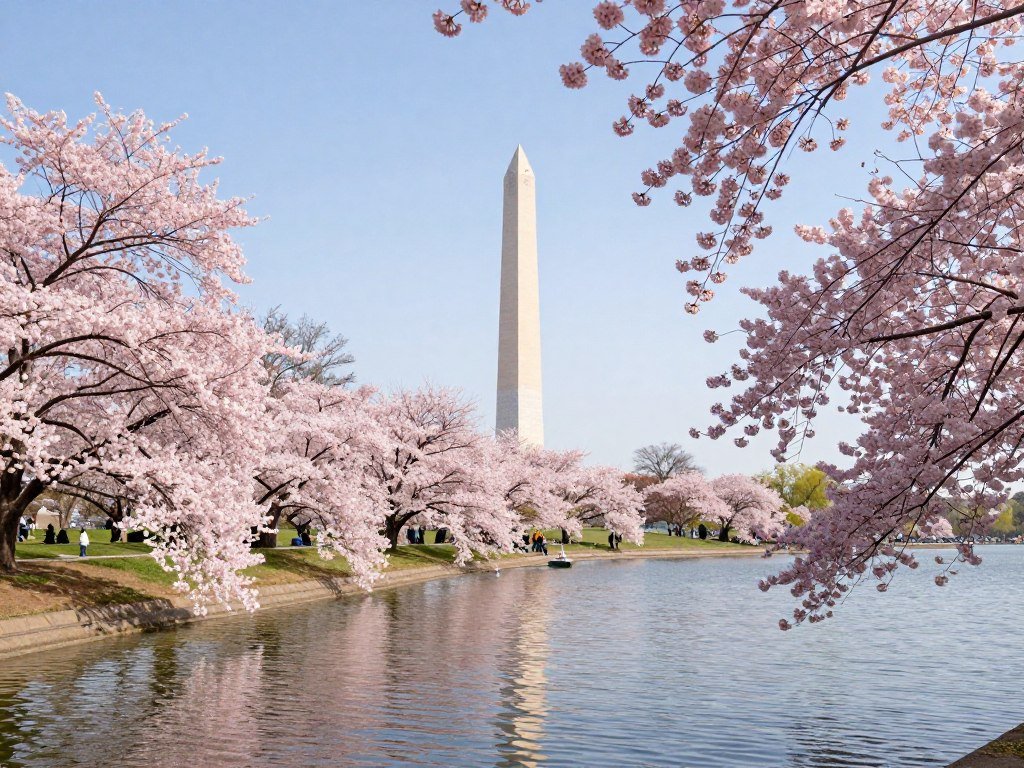
For a spring trip centered on cherry blossoms and landmark walks, Washington, DC is the clearest pick. DC brings flowering trees, historic sites, and museums together in an easy-to-plan city visit.
The roughly 2-mile Tidal Basin path is a walkable way to see the blossoms. The route passes views of the Washington Monument, Thomas Jefferson Memorial, and Martin Luther King Jr. Memorial.
Catching the blossoms around the Tidal Basin
Cherry trees frame the water, making the basin a natural focus for a blossom walk. The display is brief, and weather shifts the bloom, so no exact peak date works every year.
Arrive early for a quieter walk and more room along the path. If you want photos, pause where foot traffic can pass without stepping into flower beds.
| Setting | What you see | Useful planning note |
|---|---|---|
| Tidal Basin | Cherry trees beside the water and memorial views | Walk the roughly 2-mile loop for a close-up visit |
| National Mall | Monuments, museums, and open lawns | Pair landmark walks with indoor museum time |
| East Potomac Park | Waterfront paths and flowering trees | Use it for a longer walk away from the basin loop |
Bloom timing shifts with the weather, so treat peak dates as a guide, not a promise.
Balancing bloom walks with museums and monuments
DC works well when you build the day around more than flowers. The National Mall puts museums and monuments within reach, while East Potomac Park offers another waterfront walk.
Plan a flexible schedule instead of filling every hour with blossom stops. A city itinerary with grouped sights can help you save time between neighborhoods and landmarks.
That mix matters if the bloom arrives earlier or later than expected. Build in a second day for museums or monuments in case the blossoms arrive early or late.
Texas Hill Country for Bluebonnets and Scenic Drives
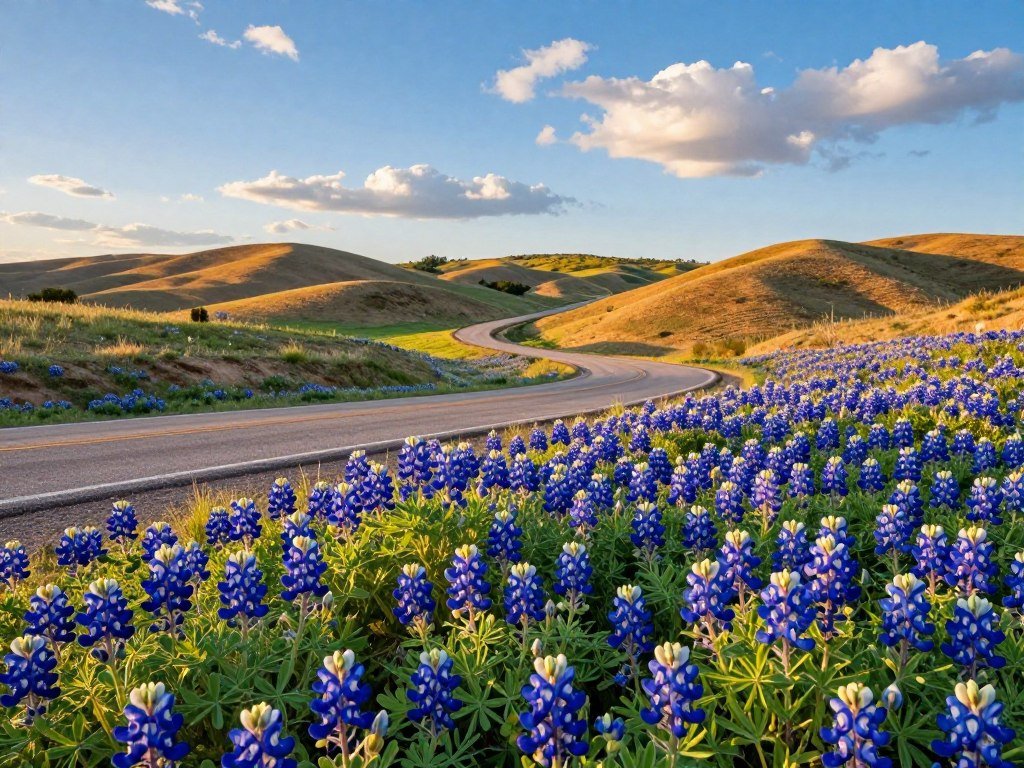
If your ideal spring day is a bluebonnet-lined drive followed by a hike, start in Texas Hill Country. Texas is a practical March or April choice for warm-season scenery and country roads.
Early April is a good time to look for bluebonnets, but the bloom depends on the season. Check current reports before adding a long flower-viewing detour to your trip.
Finding wildflowers on the road
The 13-mile Willow City Loop is a scenic drive through the Hill Country. Treat it as a road, not a photo lane: pull fully off the pavement before taking pictures.
Never trample blooms or walk into traffic for a better view. Wildflowers look best from safe pullouts, where you can enjoy them without damaging the plants.
Adding a hike or swim to the itinerary
Fredericksburg makes a useful stop for a meal or a walk through town. Enchanted Rock State Natural Area offers a separate outdoor option, while spring-fed rivers suit a slower afternoon.
Choose activities around your group’s pace rather than trying to cover every stop in one day. Temperatures can rise quickly during a sunny hike, so start early when you can.
- Drive the Willow City Loop for open-country views.
- Hike at Enchanted Rock State Natural Area.
- Stop in Fredericksburg for food and local shops.
- Plan a river activity for a warm afternoon.
Bluebonnet bloom can vary from one season to the next, even within the same area. Check the current bloom and park conditions before committing to a long detour for flowers.
Austin for Outdoor Days and a 2027 Festival Trip
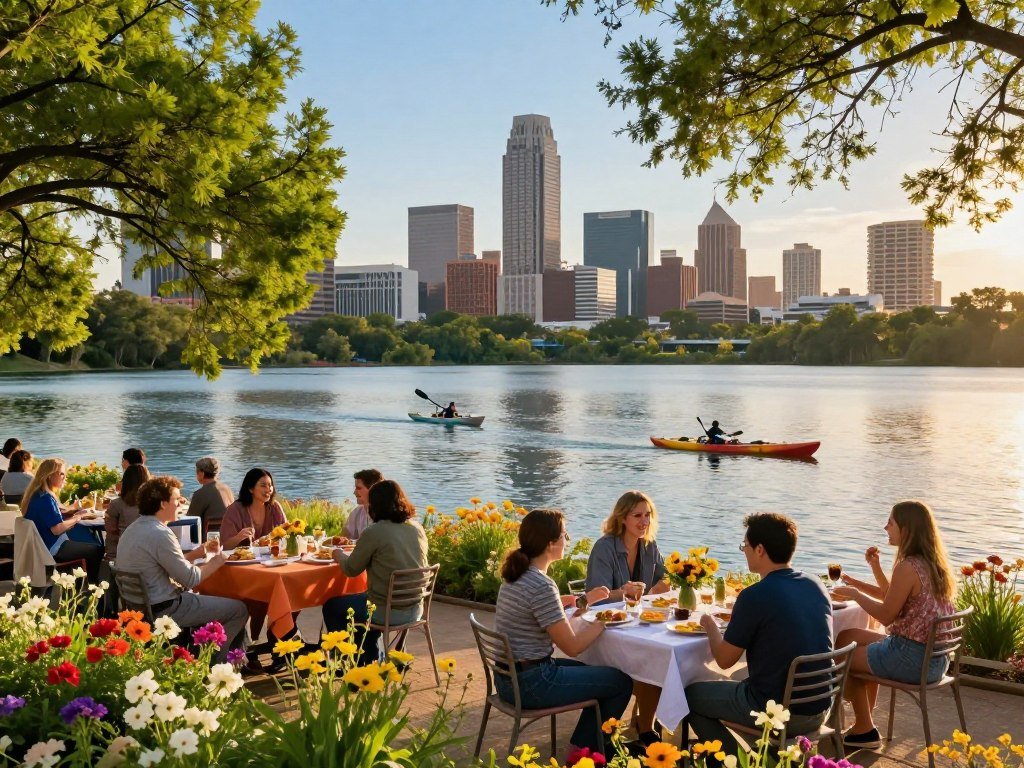
Austin is a good spring city break when you want to mix outdoor time with live events and food. Austin suits travelers who want a city stay with room for fresh air between meals and shows.
SXSW is scheduled for March 15-21, 2027, in Austin. Lady Bird Lake has trails for a walk or run, and nearby Zilker Park gives you more open space.
Build in time for local dining and outdoor seating, especially if you plan to explore more than one part of town. For a short stay, group nearby activities and avoid packing every hour.
For college students planning a spring-break trip, check current event schedules and arrange lodging and transport early. Share your itinerary with a trusted contact, and use well-lit, busy routes at night.
Safety depends on your plans and surroundings, so use practical judgment rather than treating any city as risk-free. Festival crowds can also affect room availability and travel times.
The wider 2027 event calendar offers more choices beyond Austin. ULTRA Music Festival runs March 26-28 at Bayfront Park in Miami; Coachella runs April 9-11 and 16-18 in Indio, California.
Coachella is expected to welcome 125,000 fans each day in 2027. Stagecoach follows in Indio, April 23-25, and the Kentucky Derby takes place May 1 at Churchill Downs in Louisville.
Compare event dates with your preferred travel pace before choosing a week, since a major festival can change the feel of a city stay.
Columbia River Gorge for Waterfalls and Wildflowers
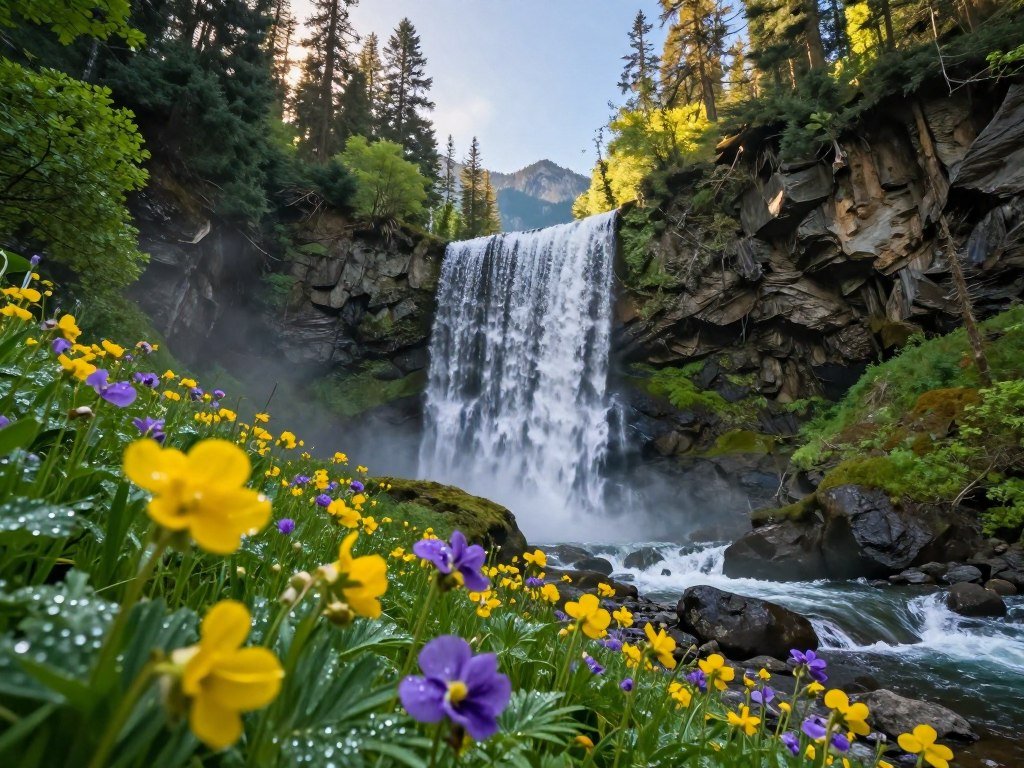
The Columbia River Gorge is a strong spring choice if you want short waterfall hikes and a scenic drive from Portland. Spring snowmelt and rain feed waterfalls, making the Oregon-Washington border region appealing for a day outdoors.
Waterfall season and wildflower season do not peak at the same time. Multnomah Falls and nearby cascades draw visitors earlier, while yellow balsamroot and purple lupine are most likely in late April or early May.
Portland is about an hour away by car, and Seattle is about four hours away. Hood River can serve as a base for outdoor activities and a meal between outings.
For flower hikes, the Washington Trails Association’s Gorge wildflower hike guide covers trails and seasonal options. Check access details before setting out.
- Visit Multnomah Falls and check current access.
- Use Hood River as a base for outdoor activities.
- Review trail status before choosing a hike.
- Check road closures before driving to a trailhead.
Storms, landslides, and wildfires can close roads or trails. Confirm road and trail access on the day of your outing because storms, landslides and fires can disrupt routes.
Yosemite National Park During Waterfall Season
Yosemite is a particularly rewarding spring park visit when snowmelt is feeding the waterfalls. April and May bring strong waterfall viewing and a chance to avoid peak summer crowds.
Tioga Road and Glacier Point Road generally reopen sometime in May. Their opening dates depend on conditions, so a spring plan that relies on either road needs room to change.
Yosemite Valley can support a focused day of waterfall views and walks without those high-elevation roads. If your itinerary depends on Tioga Road or Glacier Point Road, check their status before setting plans.
Spring weather and snow can shape access at higher elevations. A Valley visit and a cross-park driving plan are different trips, so choose the one that fits your time.
Backcountry camping requires a wilderness permit year-round. That rule applies even when you visit outside the busiest summer season.
Plan a day around the places you can reach, then keep other plans flexible. Verify road status before booking activities that require access beyond Yosemite Valley.
Moab for Red Rock Parks and Spring Adventure
Moab makes a practical spring base if you want red-rock scenery and access to both Arches and Canyonlands. April and May are sensible months to plan for milder outdoor conditions.
Rain can raise flash-flood risk in canyons. Check the weather before canyoneering, even if the sky over Moab looks clear.
Hiking, climbing, and canyoneering give you several ways to spend time outside. Arches, Canyonlands, and Dead Horse Point State Park each offer a different kind of view.
| Place | Landscape or viewpoint | Good fit for |
|---|---|---|
| Arches National Park | Natural sandstone arches and rock fins | Seeing sculpted rock formations on hikes |
| Canyonlands National Park | Vast canyon country cut by the Colorado and Green rivers | Wide overlooks and a larger backcountry feel |
| Dead Horse Point State Park | Cliff-edge views over the Colorado River | A shorter visit focused on a major viewpoint |
Use Moab as a home base, but allow enough time to reach each park and walk from parking areas. A single day may suit one main stop better than several long hikes.
Choose a route that matches your experience and the current conditions. Skip canyoneering when rain threatens the route, even if the sky over town looks clear.
Sedona for Red Rocks and Mild-weather Hiking
Choose Sedona in April or May for a better chance of mild days among its red-rock formations. Spring can be a great time for hiking, mountain biking, and stargazing.
Sedona’s spring days can reach the high 70s and 80s, while March nights can fall below freezing. Pack for both parts of the day, not just the afternoon.
Popular short trails can still feel busy, so an early start may make the walk more relaxed. You can also look for a less-visited viewpoint instead of following the same short route as everyone else.
Mountain biking offers a different way to see the red-rock country. For a quieter evening, stay outside town lights and look up after sunset.
Spring temperatures vary by elevation and time of day. Bring an extra layer for an early hike or a long stop at a viewpoint.
Pack a warm layer for after sunset, even when the afternoon feels comfortable.
White Sands National Park for an Otherworldly Desert Visit
White Sands is the pick for a spring desert trip that feels unlike a typical red-rock park. Gypsum dunes make this New Mexico destination stand out; it holds one of only three gypsum sand dune fields in the world.
Spring is a comfortable season to explore the dunes before summer heat. Summer averages 97°F, so an earlier visit can make walking outdoors easier.
Hiking and photography suit the open dune setting, and visitors can sled down the sand. The bright ground can make sun protection important even when the day feels mild.
- Carry water for your time among the dunes.
- Use sun protection during outdoor visits.
- Choose footwear that works in loose sand.
- Check park access before leaving for the dunes.
White Sands has 10 primitive backcountry campsites. Permits are issued in person at the visitor center, and sites are first-come, first-served.
Camping plans need a backup because the sites may fill. Check permit availability and park access before making an overnight stay the center of the trip.
Grand Canyon National Park for Cooler Rim-to-Rim Seasons
For an early spring visit, the South Rim is the more dependable Grand Canyon choice because it stays open year-round. The North Rim is seasonal and opens from May through October.
March through May brings cooler daytime conditions than summer, but weather can still change. The Colorado River runs through more than 277 miles of the Grand Canyon.
The Rim Trail gives you a rim-side walk, while day hikes descend into the canyon. Choose a route that fits your time and hiking experience, rather than judging difficulty by the view from above.
Backcountry trips need more planning than a rim walk. Popular overnight hikes require advance permit planning, so set that part of your itinerary early.
Early spring gives you more flexibility at the South Rim, while a North Rim visit depends on its seasonal opening. Conditions on a trail may differ from those at the overlook.
Choose a hike that matches current trail conditions and your experience rather than judging difficulty by the rim views.
Big Sur for Coastal Views and Spring Wildflowers
Big Sur is a strong spring choice for a coastal road trip with wildflowers, beaches and redwood scenery. March through May can bring grassland blooms, including lilies, poppies, and other flowers.
Treat the roughly 85-mile coastal route as a full-day outing, not a quick stop. Highway 1 access and road conditions can change the drive.
Bixby Bridge is a familiar landmark, but state parks offer other places to stop for hikes and shoreline views. A less crowded pullout can make a better break than waiting for a busy photo spot.
Allow time to walk, look for flowers, and enjoy the coast without racing between stops. Check Highway 1 conditions before setting out, since a closure can change the route.
Spring travel depends on the region and the activities you want. This guide to scenic Canadian destinations offers another example of planning around local seasons.
Keep a flexible turnaround plan in case a road closure breaks the route into separate segments.
Kauai for Lush Trails and a Shoulder-season Island Stay
Kauai is a good spring pick if you want a lush island setting and a mix of beaches and hiking. April through June is a shoulder-season window for exploring before the main summer travel period.
Plan for hiking, snorkeling, and beach time, with room to adjust outdoor plans. Waimea Canyon and the Na Pali Coast are signature areas for seeing the island’s natural scenery.
Mainland visitors may need a connecting flight through Oahu. Factor that connection into your travel day rather than planning an arrival followed by a tightly timed outing.
- Set aside a day for a Waimea Canyon hike.
- Keep one day open for beach time.
- Choose a waterfall stop that fits your route.
- Plan a Na Pali Coast outing around current conditions.
If you are comparing island styles, this guide to luxury island destinations offers ideas beyond Hawaii. Kauai itself works well when you balance active days with time to rest.
Leave breathing room in the itinerary for travel connections and changing outdoor conditions.
St. Pete Beach for a Florida Resort Stay
St. Pete Beach suits families who want a beach stay where many activities are available without planning a separate outing each day. TradeWinds Resort includes Island Grand and RumFish, and guests at either property can use amenities at both.
The two properties provide access to 40 beachfront acres, nine pools, 15 bars and restaurants, and 642 cabanas. That shared setup gives families several choices for time by the water or a meal.
| Shared feature | Combined count | Why it matters for a family stay |
|---|---|---|
| Pools | 9 | Gives families several places to swim |
| Bars and restaurants | 15 | Offers on-site options for meals and drinks |
| Cabanas | 642 | Adds many places to relax near the beach |
What guests can share across Island Grand and RumFish
Staying at one property does not limit guests to its own amenities. You can use shared resort spaces across Island Grand and RumFish during the stay.
The beachfront setting makes it easier to build a day around swimming and family activities. A family water park planning guide may help you compare other kinds of water-focused trips.
Family activities included with the resort amenity fee
A 3-story beach waterslide and a 33,500-gallon aquarium add distinct options for children. The resort amenity fee includes s’mores at firepits, dive-in movies, ziplining, pirate shows, pickleball, shuffleboard, mini golf, and ping-pong.
The amenity fee covers those listed activities, not every possible trip cost. Ask what the current fee includes and review your booking details before choosing dates.
Confirm the current amenity-fee terms and activity schedule directly before booking.
Duck Key for a Family-friendly Florida Keys Escape
Duck Key is a practical spring-break option when your family wants pool time, paddling and on-site kids’ activities. Hawks Cay Resort has a private lagoon, several pools, and daily supervised activities for children.
The resort has five swimming pools, a pirate ship pool, and a splash pad. The lagoon offers a separate place for water play, while the pirate ship pool and splash pad suit a different kind of pool day.
Lagoon, pools and splash-pad time
Families can use complimentary kayaks, stand-up paddleboards, and bike rentals. Equipment availability can affect your plans, so ask what is open during your stay.
The range of water options can help families split up by age or energy level. Set expectations about which activities your children can use before building a full day around them.
Room configurations and supervised kids’ activities
Rooms can accommodate up to eight people, and some have bunk beds. The maximum guest count does not tell you how many separate beds a room has.
- What bed layout does the room have?
- What ages suit the supervised kids’ activities?
- Are kayaks, paddleboards, and bikes available on your dates?
- What activities are scheduled during your stay?
Daily supervised children’s activities may give adults time for other plans, but age fit matters. Check the room’s actual bed layout rather than relying only on its maximum guest capacity.
Boca Grande for an Old Florida Spring Getaway
For couples who want a quieter Florida coast stay, Boca Grande offers an Old Florida feel rather than a packed activity schedule. The Gasparilla Inn is an Old Florida-style inn in Boca Grande.
Pair a relaxed home base with beach walks and local exploration. The town suits travelers who want time to slow down instead of planning a new activity for every hour.
Use the coast for easy walks, then leave open time to explore locally. A slower pace can make a short spring trip feel less rushed without requiring a long list of stops.
Spring weekends and holiday periods can still draw visitors, so check lodging availability before settling on dates. Keep your plans flexible if your travel days fall during a busy period.
The inn’s current booking details and seasonal availability can shape the best dates for your stay. Check those details before setting dates.
Sea Island for Outdoor Family Activities
Sea Island is a good spring choice when your family wants outdoor activities beyond a beach day. Guided experiences such as archery, horseback riding, falconry, and fishing give a stay more than one way to spend time outside.
Choose activities by the kind of experience your family wants, not by trying to fit in everything. Each offers a different focus, from learning a skill to spending time with animals or near the water.
Trying archery and falconry
Archery gives families a chance to practice aim with guidance. Falconry centers on learning about birds of prey and seeing their skills at close range.
Both activities call for attention to instructions and respect for the animals and equipment. Ask about the activity details when planning your stay, rather than assuming schedules or prices.
Choosing horseback riding or fishing
Horseback riding offers a guided way to explore on horseback. Fishing is a good fit for families who prefer time by the water and the patience of waiting for a bite.
| Activity | Kind of experience | A good fit if |
|---|---|---|
| Archery | Guided practice with bow and target | You want to try a hands-on skill |
| Horseback riding | Guided time riding a horse | You enjoy animals and outdoor rides |
| Falconry | Learning about birds of prey | You are curious about raptors |
| Fishing | Time spent fishing near the water | You like a calm, patient activity |
Follow activity leaders’ instructions, respect wildlife, and leave natural areas as you found them.
Choosing a few activities gives your family time to enjoy each one without rushing. Follow activity leaders’ instructions and leave wildlife and natural areas undisturbed.
Conclusion
The best spring trip is the one whose weather, pace and main experience fit the people going. Pick the draw that matters most, then match your dates to local conditions and your tolerance for crowds.
Spring plans can shift when roads, trails, or events change. Check official road, park, or event calendars before booking travel.
Choose a destination and check its current access calendar before you reserve your dates.
FAQ
Where is a good 3 day vacation?
Where is a good place to vacation in the US in April?
Which US state is best to visit in March?
Where to visit in the USA during spring?
Where is the cheapest place to travel in April?
Which state is best to travel in April?
What are good cheap vacation spots?
What is the cheapest US state to visit?