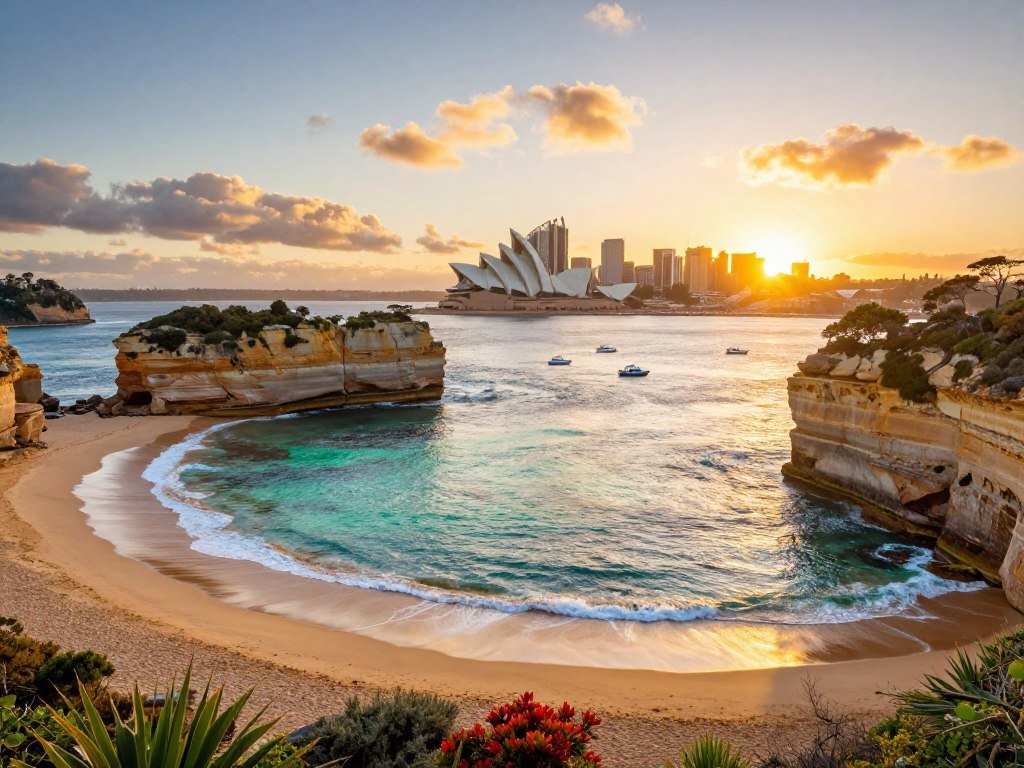
Australia’s beach escapes range from Sydney’s urban shoreline to remote island coves and a freshwater swimming hole. This mix gives you options for a city break, a long coastal drive, or a day spent away from the ocean.
A clear-water mention analysis compares how often travelers mention clear water in reviews; it does not measure water clarity directly. That distinction matters when you use review rankings to plan a swim. Australia’s beach choices include city beaches, island coves, surf coastlines, and an inland swimming spot, so the right trip depends on your route and the day you want.
Key Takeaways
- Tourism Australia’s 2026 ranking places Bate Bay Beaches first.
- Regional picks range from Sydney shores to Queensland islands.
- Ellery Creek Big Hole is an inland swimming place, not a coastal beach.
- Review mentions of clear water are not water-quality tests.
- Check local swimming conditions before entering the water.
These picks can help you shape a beach trip around a favorite region, a city stop, or a remote coast. Use the regional sections to narrow the list to a trip that matches your route and the kind of beach day you want.
How Are the Best Beaches in Australia Ranked in 2026?
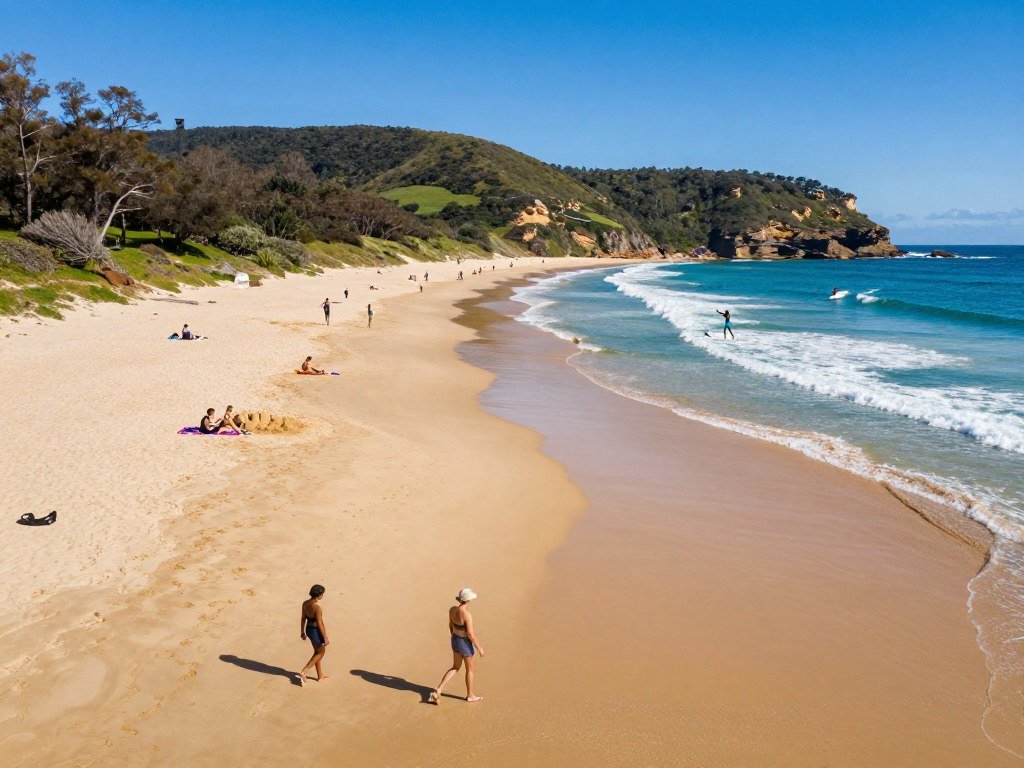
The 2026 national ranking puts Bate Bay Beaches first, followed by Pinky Beach and Beachcomber Cove. Tourism Australia Beach Ambassador Brad Farmer assessed thousands of Australian beaches using a 130-point scale. The score covers more than scenery, so it can help you compare places with different settings.
The top 10 best beaches in Australia include Bate Bay Beaches, Pinky Beach, Beachcomber Cove, Tallow Beach, Hellfire Bay, Godfreys Beach at The Nut, Inskip Point, Mount Martha, Smoky Bay, and Ellery Creek Big Hole. The 130 points cover five categories, not scenery alone. Those categories are natural integrity and aesthetics, safety and hazards, community, facilities and access, and weather and seasons.
| Rank | Beach | State or territory | 2026 position |
|---|---|---|---|
| 1 | Bate Bay Beaches | New South Wales | First |
| 2 | Pinky Beach | Western Australia | Second |
| 3 | Beachcomber Cove | Queensland | Third |
| 4 | Tallow Beach | New South Wales | Fourth |
| 5 | Hellfire Bay | Western Australia | Fifth |
Use the ranking as a starting point, not as a scenery-only score. Its categories also cover safety, community, access, and seasonal conditions.
Each category adds a different view of what makes a beach work for visitors and local communities. That can make a high score useful even when your ideal beach day looks different from someone else’s. Use the ranking as a starting point, then choose a beach by the kind of day you want.
Which New South Wales Beaches Fit a Coastal Trip?
New South Wales gives you three distinct choices, from a string of Sydney-area beaches to a long Byron Bay shore and Jervis Bay’s pale sand. Bate Bay Beaches suit a Sydney-area outing, Tallow Beach offers room for a longer walk, and Hyams Beach makes sense as part of a Jervis Bay trip. These are different scales of getaway, not interchangeable stops.
Hyams Beach is a 2-hour-45-minute drive from Sydney and Canberra, so build that trip around the bay rather than squeezing it into a quick city visit. White sand and national park scenery add to the draw of a longer Jervis Bay stay. The coastal drive also takes planning if you have only a few days.
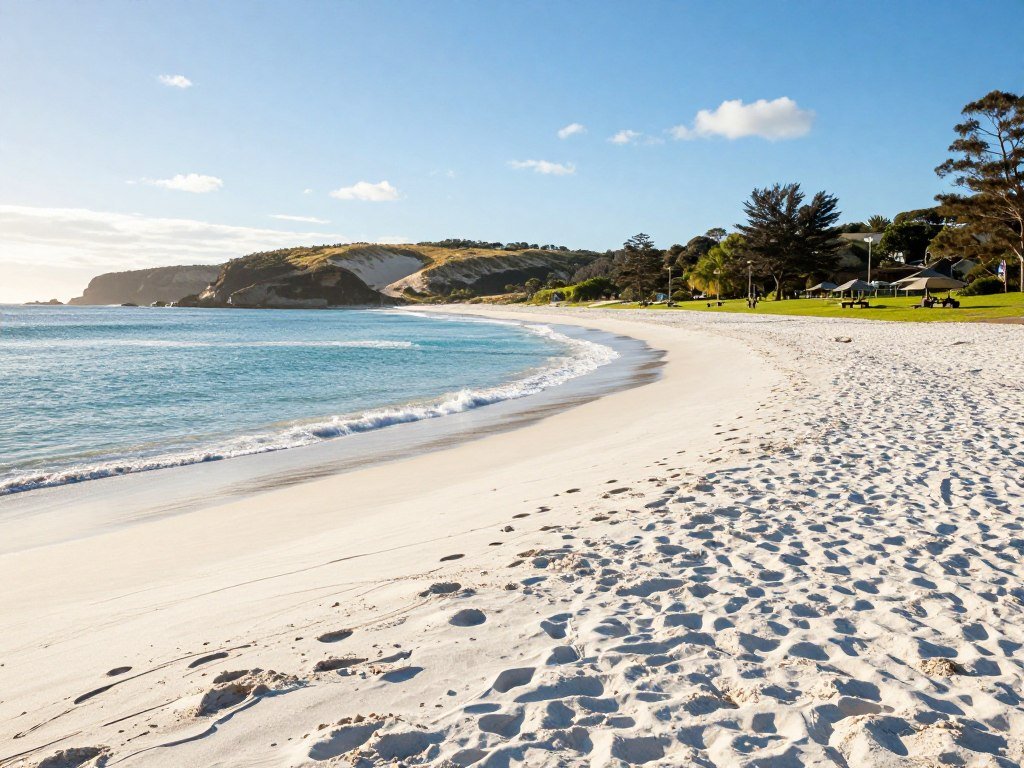
- Bate Bay Beaches: Bate Bay is a string of nine beaches in Sydney’s Sutherland Shire, not one single beach. The group ranked first in Tourism Australia’s 2026 ranking.
- Tallow Beach: This New South Wales shoreline ranked fourth in 2026 and stretches 6.5 km. Its long span suits visitors who want a substantial beach walk.
- Hyams Beach: Set in Jervis Bay, this beach offers a distinct coastal escape south of Sydney. Pair the visit with time to enjoy the wider bay area.
The three options give you different ways to fit beaches into a New South Wales trip. Bate Bay keeps you near Sydney, while Tallow Beach gives you a broad stretch of coast. For a Jervis Bay visit, allow time for the 2-hour-45-minute drive from Sydney or Canberra.
Where to Find Queensland’s Standout Beach Escapes?
Queensland pairs two high-ranking beach picks with Whitehaven Beach, an island escape reached by sea. Beachcomber Cove ranked third and Inskip Point ranked seventh in Tourism Australia’s 2026 ranking. Whitehaven is a different kind of plan, since you cannot drive straight onto the beach.
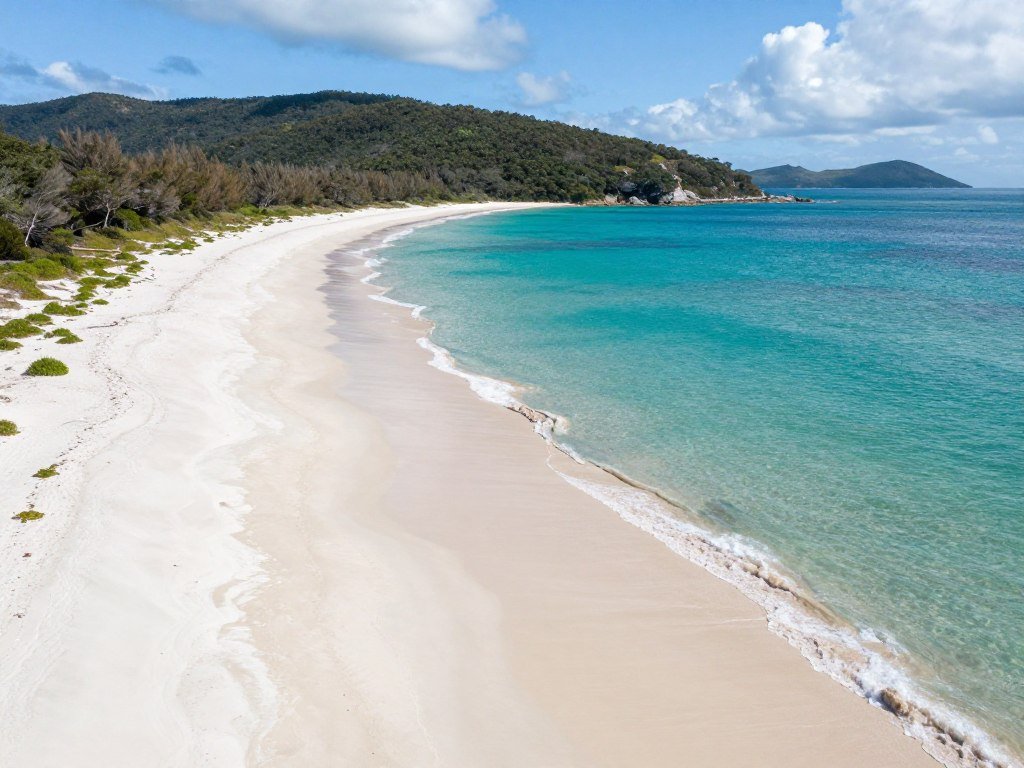
On Whitsunday Island, Whitehaven Beach stretches 7 km, and its sand is 98% silica. Sea-based access makes the boat part of the outing, rather than a final short drive. Allow time for the 20-minute walk from the beach to the Hill Inlet lookout at the beach’s northern end.
- Beachcomber Cove: This Queensland beach ranked third in the 2026 national ranking. It is a strong choice if you want a ranked beach stop.
- Inskip Point: Ranked seventh, Inskip Point gives you another high-ranking Queensland coast to consider. Fit it to a mainland-based beach itinerary.
- Whitehaven Beach: This 7-km beach lies on Whitsunday Island and is accessed by sea. Its silica sand and nearby Hill Inlet add specific sights to plan around.
Whitehaven’s island setting makes a boat trip or another sea-based option part of the route. Hamilton Island can be a useful point to consider when planning a Whitsundays stay, though your exact route depends on the trip. Keep the Hill Inlet lookout walk in mind if you want the familiar view of shifting sand and water.
What Makes Western Australia’s Beaches Worth a Detour?
Western Australia offers both a Rottnest Island beach and a reef-side stop near Ningaloo. Pinky Beach ranked second and Hellfire Bay ranked fifth in Tourism Australia’s 2026 ranking. The trip styles differ: one is an island visit, while the other brings you close to a major reef.
Pinky Beach sits on Rottnest Island and is 250 meters long, making it a compact stop within an island visit. Turquoise Bay lies a few metres from Ningaloo Reef, which makes it a practical choice for travelers focused on snorkelling. Choose Turquoise Bay for close reef access, not for a short Rottnest-style visit.
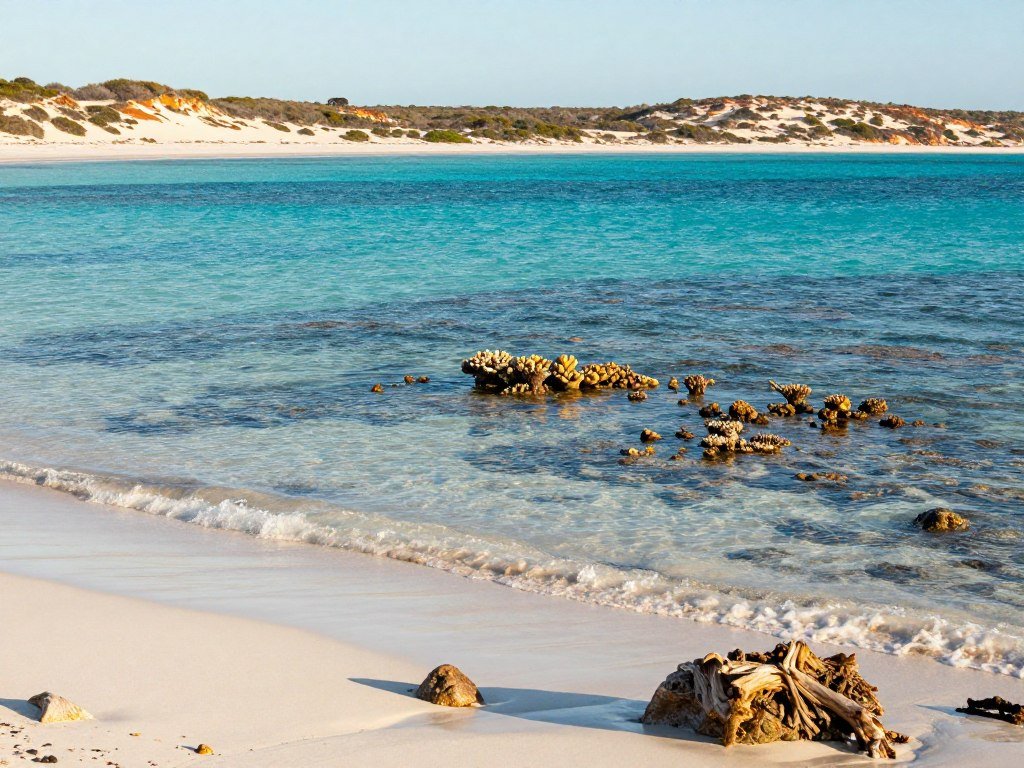
- Pinky Beach: This 250-meter beach on Rottnest Island ranked second in 2026. It suits a short beach stop during an island visit.
- Hellfire Bay: The Western Australian beach ranked fifth in the 2026 national ranking. Consider it if you want a ranked coastal stop.
- Turquoise Bay: Just a few metres from Ningaloo Reef, this beach appeals to visitors who want to snorkel near the reef. It makes more sense as part of a Ningaloo trip than a Rottnest visit.
Rottnest Island and Ningaloo call for separate plans, even though both offer memorable coastal settings. If snorkelling is part of your trip, explore snorkeling destinations worldwide for more ideas and practical tips. Choose Turquoise Bay when reef access and snorkelling matter more than a short island beach visit.
Which Southern and Inland Beaches Deserve a Stop?
These five picks show that a beach-focused Australian trip can include a bay, a national-park cove and an inland swimming hole. Mount Martha, Godfreys Beach at The Nut, Smoky Bay, Ellery Creek Big Hole, and Wineglass Bay span Victoria, Tasmania, South Australia, and the Northern Territory. One stop is inland, so the list is not limited to ocean beaches.
Godfreys Beach at The Nut ranked sixth, Mount Martha eighth, Smoky Bay ninth, and Ellery Creek Big Hole tenth in Tourism Australia’s 2026 ranking. Ellery Creek Big Hole is an inland swimming place, not a coastal beach. That difference matters if your trip depends on ocean surf or a coastal town.
- Mount Martha: This Victoria shoreline ranked eighth in 2026. It offers a coast stop that can fit a trip through the state.
- Godfreys Beach at The Nut: The Tasmanian beach ranked sixth. It gives you a northern Tasmania stop with a distinctive coastal setting.
- Smoky Bay: This South Australian beach ranked ninth. Add it when your route takes you through the state’s coast.
- Ellery Creek Big Hole: The Northern Territory pick ranked tenth and is an inland swimming spot. It offers a change from a saltwater beach day.
- Wineglass Bay: Set in Freycinet National Park, this scenic cove takes a 2-hour-45-minute drive from Hobart. The uphill hike can take up to 3 hours.
Wineglass Bay takes more effort than a roadside beach stop, but the national park setting makes the hike part of the appeal. Plan around the drive and uphill route instead of treating it as a quick swim break. Treat the Wineglass Bay hike as part of the outing, since the climb can take up to 3 hours.
Where Is Australia’s Clearest Water?
Parakeet Bay on Rottnest Island is the highest Australian example named in this clear-water comparison, at second in Oceania. The clear-water mention analysis reviewed more than 2.4 million traveler reviews of 3,117 beaches worldwide. It counts words in reviews, not water clarity measured in a lab.
The comparison looked at the 50 beaches named among Tripadvisor’s Traveller Favourites in each country. Eight of Oceania’s 10 highest clear-water beaches were in Australia. A high position is not proof of a cleanliness or safety certification.
| Clear-water position in Oceania | Beach | Location |
|---|---|---|
| Second | Parakeet Bay | Rottnest Island |
| Third | Hyams Beach | Jervis Bay |
| Fourth | Eli Creek | K’gari |
| Fifth | Emily Bay | Norfolk Island |
| Sixth | Salmon Bay | Perth |
Meelup Beach ranked seventh, Lagoon Beach eighth, and Greens Pool ninth in Oceania. Those places add more Australian options if you are comparing review descriptions of a bay or beach. The results reflect what travelers chose to write, rather than a direct reading of the water itself.
Review wording can help you spot beaches that travelers often describe as clear. Water conditions can still change, and a review cannot tell you whether a particular swim is safe that day. Treat review-language rankings as a clue for choosing a clear-looking swim spot, not a substitute for local water conditions.
Which State Has the Best Beaches for Your Kind of Trip?
For a first Australian beach trip centered on an iconic island escape, choose Queensland; choose another state when its specific trip style fits better. Whitehaven Beach is the representative pick for an island-and-mainland plan. Queensland is the strongest single choice for the common first-time visitor who wants that classic island beach experience.
New South Wales fits a mix of urban beach time and coastal escapes, from Bondi Beach to Jervis Bay. Western Australia offers reef and island variety, with Turquoise Bay and Rottnest Island as useful examples. The best state changes when surfing, snorkelling, or a city break matters more than an island beach.
| State or territory | Best fit | Representative pick | Trip style |
|---|---|---|---|
| Queensland | Island escape | Whitehaven Beach | Island-and-mainland planning |
| New South Wales | City and coast | Bondi Beach | Urban beach day |
| Western Australia | Reef and island | Turquoise Bay | Snorkelling-focused trip |
| Tasmania | National-park scenery | Wineglass Bay | Hike-and-viewpoint outing |
| Victoria | Accessible coast | Mount Martha | Shoreline stop |
Tasmania gives you Wineglass Bay in Freycinet National Park, while Victoria’s Mount Martha suits an accessible coast stop. If you are weighing other beach destinations, compare Greek beaches and their trip styles, from lagoons to coves reached by boat or on foot. The right choice turns on the kind of day you want, not just a state’s name.
Queensland is a clear pick for a visitor who wants a famous island beach, but a surfer may prefer a different coast. Snorkellers can put reef access first, while city-break travelers may value a beach close to urban sights. For a more private island stay, browse luxury beach and island ideas before settling on a trip style.
Australia’s long coast means a state choice can shape the whole trip, including how much time you spend traveling between stops. A gold coast visit, a national park outing, and a reef-focused stay each bring a different pace. Match the state to the experience you most want, rather than trying to cover the whole coastline in one visit.
When Should You Visit Australia’s Beaches?
The best beach season depends on whether your itinerary heads to tropical northern Australia, southeast Queensland or the cooler southern states. Tropical northern Australia’s beach season is May-October, southeast Queensland has a shoulder-season window from September-November, and Victoria and Tasmania are warmest from November-February. Those are typical windows, not promises of warm water or calm surf.
Comfortable swimming seasons differ across Australia because the country spans tropical and cooler southern regions. A beach may suit a walk or a view even when the water feels too cold for a long swim. Check patrol flags, current conditions, and regional hazard notices before entering the water.
Tropical northern Australia
Plan tropical northern beaches between May and October, the usual beach season in that region. This window helps you choose when to put a beach day on the schedule, but it cannot guarantee calm water. A tropical beach can still have local hazards, so read the signs at the shore.
Keep the planned activity in mind when you set your dates. A swim, a shoreline walk, and a boat outing do not need the same conditions. If swimming is central to your trip, leave room to adjust the day around local advice.
Southeast Queensland
September-November is the shoulder-season window for southeast Queensland beach visits. It can suit travelers who want to include a beach day without making the whole trip depend on one exact date. Conditions still vary from beach to beach.
Use the season as a planning guide, then judge the water and surf on arrival. A sunny day does not mean every beach is safe to enter. Follow the posted flags and any hazard notice for that beach.
Victoria and Tasmania
Victoria and Tasmania are warmest for beach visits from November-February. That period can fit a coastal outing or a national park stop, though southern water can still feel cool. Bring plans for both swimming and dry-land views.
Check the local beach notice on the day, because a favorable travel season does not guarantee safe conditions at a particular shoreline.
How Can You Add a Sydney Beach Day to Your Trip?
Bondi and Manly are the clearest choices for a Sydney beach day, with Bondi offering an urban shoreline and Manly a ferry-led outing. Bondi Beach is a 1-km crescent with an ocean-pool and coastal-walk character. Manly feels different from the start, because the ferry ride makes getting there part of the day.
Manly ranked ninth in Tripadvisor’s 2026 Travelers’ Choice world beach ranking. The awards used traveler reviews submitted from November 30, 2024, through December 1, 2025. The ferry from Circular Quay takes 30 minutes, followed by a 10-minute walk up The Corso.
Bondi works well when you want an ocean-side city day with a walk and pool nearby. Manly gives you a harbor crossing before you reach the beach, so the trip has a clear start and finish. They are distinct options, not two stops you need to squeeze into one outing.
For the best beaches in Australia in Sydney, choose Bondi for its ocean-pool and coastal-walk feel, or Manly for the ferry approach and beach day. Both put the coast within a city itinerary, but they suit different plans and moods. Include the 30-minute ferry crossing and walk from The Corso when estimating the time for a Manly visit.
How Can a Map Help Shape a Beach Trip Across Australia?
A map makes the distance between Australia’s beach regions clear and helps keep a short trip focused. The 15 selected beaches span six Australian states and the Northern Territory. Use 15 labeled markers, grouped by state or territory, so nearby places stand apart from far-flung coastal picks.
Useful clusters include Sydney and Jervis Bay in New South Wales, the Whitsundays in Queensland, Rottnest Island and Ningaloo in Western Australia, and Freycinet National Park in Tasmania. Choose one regional cluster for a short visit instead of treating distant coasts as one quick itinerary.
Pair Sydney with Jervis Bay
Sydney and Jervis Bay can work together when you have enough time for the drive and a proper coastal stay. A map helps show that Jervis Bay is a separate destination, rather than a quick add-on to an urban beach day. Mark both places, then build the route around the amount of time you can give the drive.
Keep city beaches and a longer coastal outing in separate parts of the schedule. That leaves room for time on the coast instead of spending the whole day moving between stops. A map also helps you see when a detour adds a useful stop or simply stretches the route.
Plan an island-and-mainland stay
The Whitsundays and Hamilton Island belong in a plan that makes room for sea travel and mainland time. Rottnest Island is another island cluster, while Ningaloo gives you a reef-side visit farther along Western Australia’s coast. Marking these separately helps avoid assuming that island access and mainland travel fit into one short hop.
For island-and-mainland planning, give each part of the trip its own space. The Whitsundays, Rottnest Island, and Ningaloo are distinct regional choices, not stops on one local route. A map can help you pick one instead of filling the itinerary with long transfers.
Keep a road trip within one coastal region
Freycinet National Park in Tasmania is a separate regional cluster from the mainland beach areas. A map makes that distance easy to see before you build a route around several states. For a road trip, choose a coast where the stops connect by drive rather than by a major cross-country leap.
Use the map to group destinations before you book nights or set daily plans. It can show when a route needs more travel time than beach time. For a limited vacation, build the route around one regional cluster and leave the other coastlines for another trip.
A map should help you choose a realistic route, not tempt you to cross the country for every beach on your list. One well-planned region leaves more time for the coast itself.
Conclusion
Australia’s best beach for your trip is the one that fits the experience you want and the time you have. An island escape, an urban shoreline, a reef-side swim, and an inland swimming spot call for different plans. Choose the region that fits your preferred day rather than trying to see every coast.
Before setting out, pick a regional base, check the season, and confirm local swimming conditions. That simple check can help you shape a trip that leaves room for the beach instead of rushing from one distant stop to another. Pick one regional base, check current local conditions, and start planning your beach days around it.
FAQ
What are the top five beaches in Australia?
What is the clearest water in Australia?
What is the cleanest beach in Australia?
Can you reach Whitehaven Beach without a boat?
Are Australian beaches safe for swimming year-round?