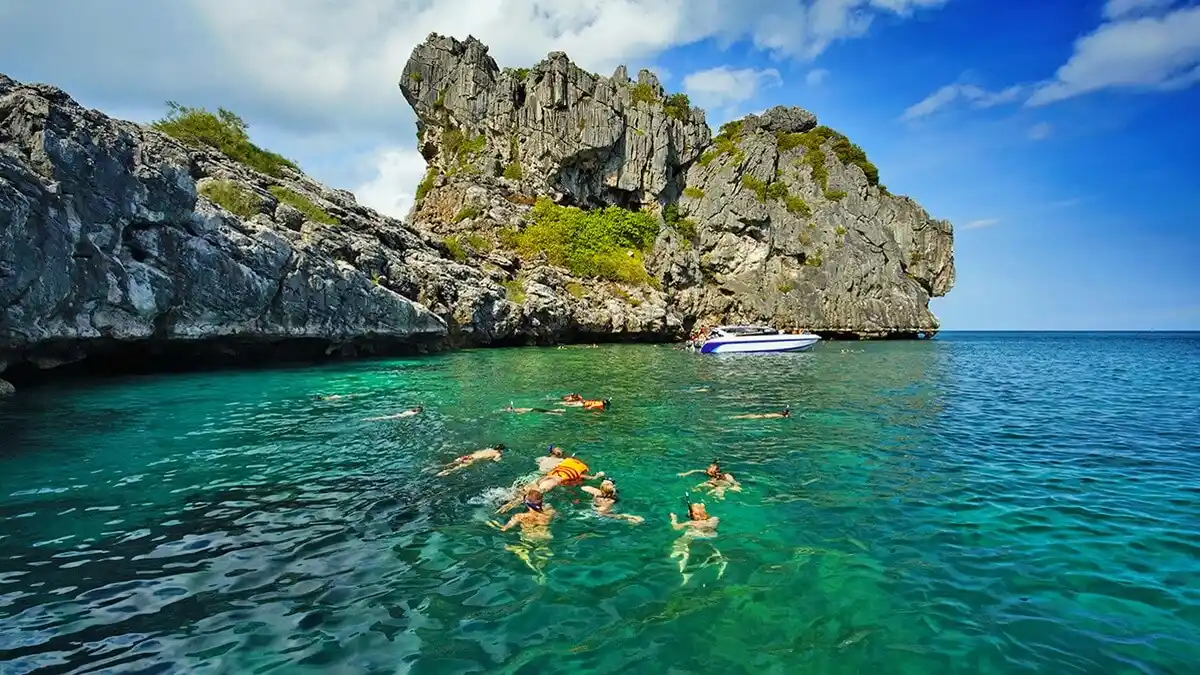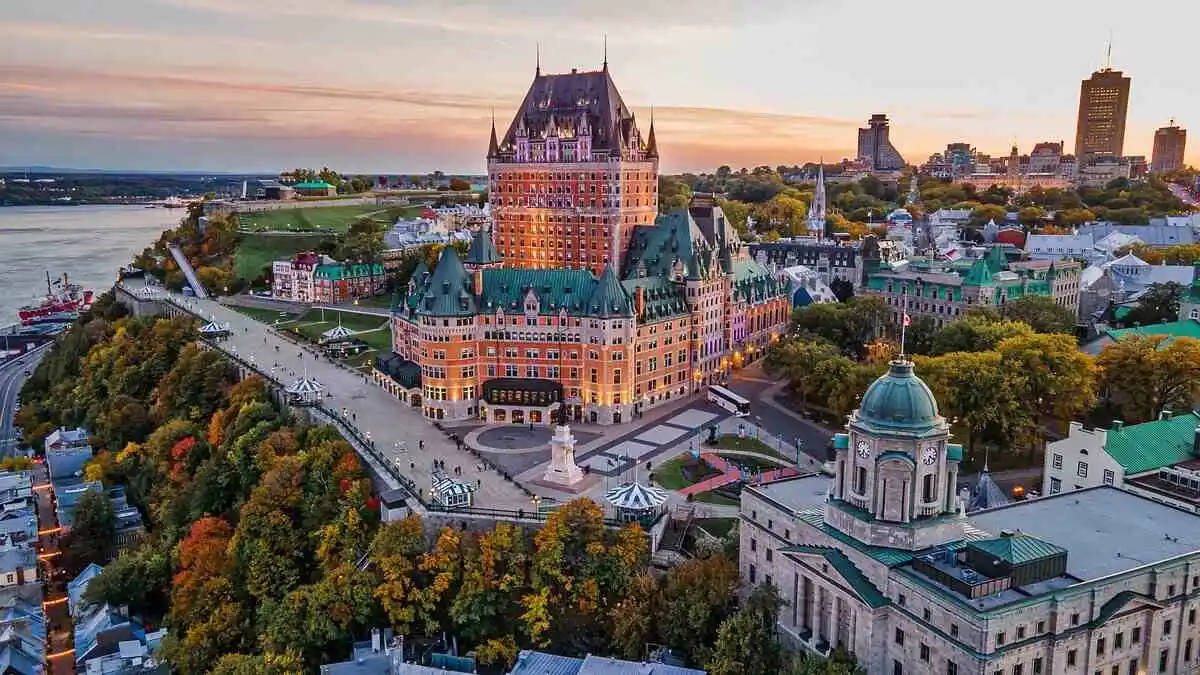
Canada is the kind of country that makes you want to keep looking out the window. One moment, you’re driving past towering mountains and brilliant blue lakes. A few days later, you might find yourself wandering through a historic neighborhood, watching waves roll onto a wild Atlantic beach, or standing beneath a sky filled with stars.
And that’s what makes Canada so special. Its beauty isn’t limited to one famous national park or a handful of postcard views. It stretches from the Pacific coastline to the Atlantic provinces, through lively cities, quiet islands, forested valleys, and remote northern landscapes.
The prettiest places in Canada include Vancouver, Banff National Park, Vancouver Island, Whistler, Jasper, Niagara Falls, Montréal, Québec City, Nova Scotia, Newfoundland and Prince Edward Island. Each offers something different, so the best choice depends on whether you’re dreaming of mountain adventures, coastal road trips, historic streets, or a peaceful escape into nature.
One thing worth remembering before planning your trip: Canada is enormous. Rather than attempting to see everything at once, choose a region, take your time, and leave room for the unexpected.
1. Vancouver, British Columbia: Where Mountains Meet the Sea
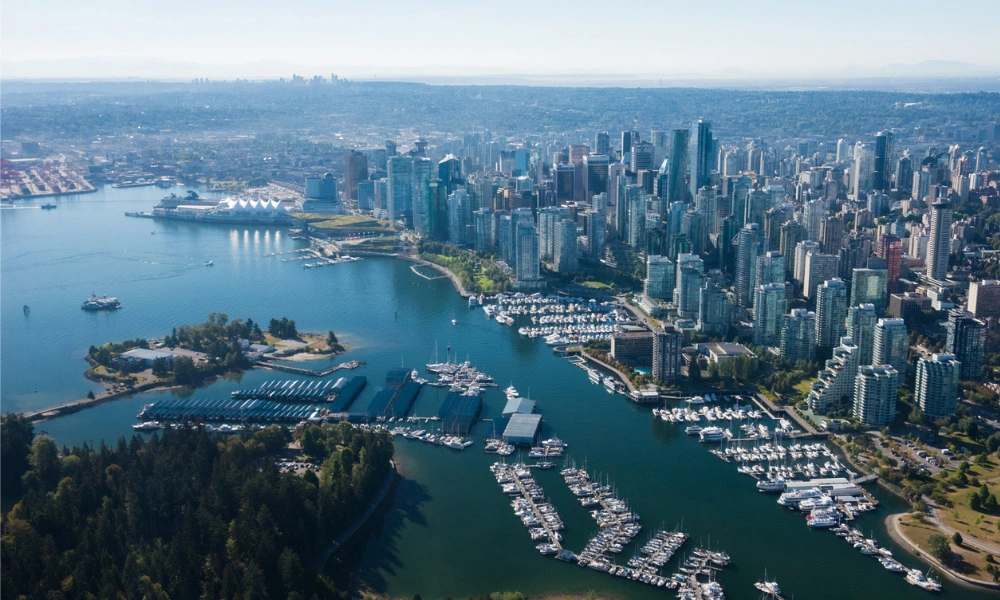
Vancouver has a setting that is difficult to forget. The Pacific Ocean borders the city, mountains rise beyond the skyline, and green spaces provide a welcome break from the energy of downtown.
You can spend the morning walking along the waterfront, stop for lunch at Granville Island Public Market, and finish the afternoon exploring forest trails or watching the sunset over English Bay. Few cities make it so easy to combine urban experiences with time outdoors.
Stanley Park is one of the best places to begin. Its waterfront paths offer beautiful views of the city, ocean, and North Shore Mountains. If you want something more adventurous, Grouse Mountain offers hiking opportunities and elevated views, while Capilano Suspension Bridge Park provides a different perspective on the surrounding forest.
Vancouver can be expensive, but you don’t need an elaborate itinerary to enjoy it. Public parks, neighborhood walks, beaches, and scenic viewpoints provide plenty of memorable experiences.
Best time to visit: June through September for generally favorable conditions for outdoor sightseeing, although rain is possible throughout the year.
Don’t miss: Stanley Park, Granville Island, English Bay, and the mountain views from North Vancouver.
2. Vancouver Island, British Columbia: A Coastal Escape Worth Slowing Down For
If Vancouver feels energetic, Vancouver Island offers a different rhythm. Here, the scenery shifts between rugged coastlines, sandy beaches, dense rainforest, and small communities where the ocean remains part of everyday life.
Victoria, the island’s capital, is a lovely starting point. Its Inner Harbour, historic buildings, gardens, and independent restaurants make it easy to spend a relaxed day exploring on foot. Butchart Gardens is another highlight, particularly for visitors who appreciate beautifully designed outdoor spaces.
Farther west, Tofino offers a wilder coastal atmosphere. Long beaches, rolling Pacific waves, and rainforest trails create a setting that feels far removed from a busy city. Surfing, beach walks, and guided wildlife excursions are popular ways to experience the area.
The island is also a rewarding destination for travelers who enjoy scenic drives. Distances can be longer than they appear, however, so allow enough time for ferries, road travel, and stops along the way.
Best time to visit: Late spring through early autumn for many outdoor activities, with seasonal variation in weather and wildlife viewing.
Don’t miss: Victoria’s Inner Harbour, Butchart Gardens, Tofino, and the island’s coastal walking trails.
3. Banff National Park, Alberta: The Canadian Rockies at Their Best
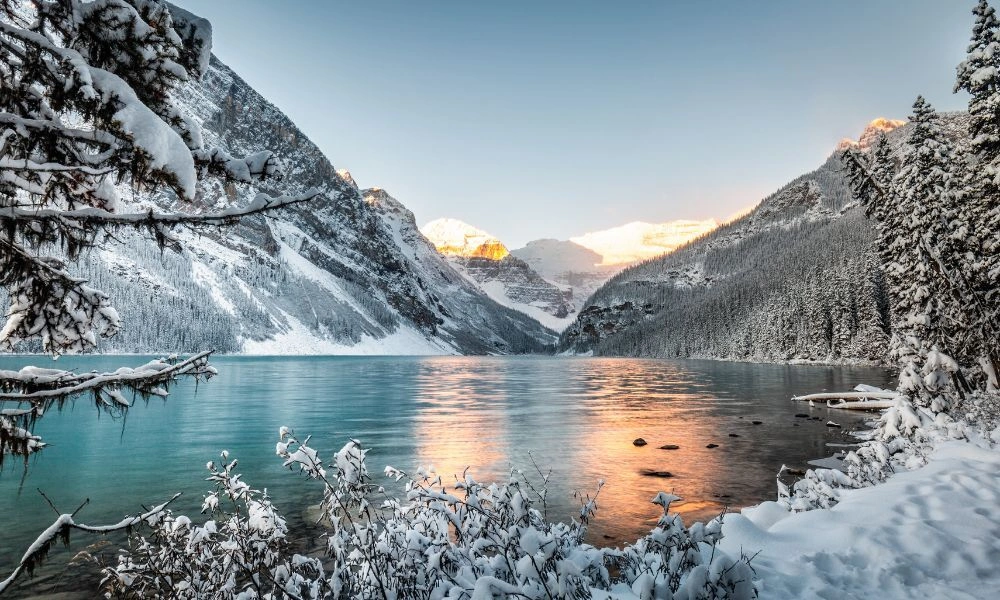
Banff is one of those places that looks almost unreal when you first see it. Towering mountains surround deep valleys, glacial lakes reflect the landscape, and pine forests stretch toward distant peaks.
Lake Louise is among the park’s most famous sights, known for its striking turquoise water and dramatic mountain setting. Moraine Lake is equally celebrated, but access is restricted seasonally and visitors should check current transportation arrangements before traveling.
Beyond the lakes, the town of Banff makes an excellent base for exploring the surrounding region. You’ll find restaurants, cafés, shops, mountain viewpoints, and access to a wide range of outdoor activities.
In summer, hiking trails and scenic drives reveal the Rockies at their most accessible. Winter brings snow-covered landscapes and opportunities for skiing and snowboarding. Either way, it’s worth allowing more than a quick stop to appreciate the area properly.
Banff can become particularly busy in peak summer, so booking accommodation early and planning transport to popular attractions can make a significant difference.
Best time to visit: June through September for many hiking and sightseeing opportunities; winter for snow sports.
Don’t miss: Lake Louise, Moraine Lake when accessible, the Banff Gondola, and the scenic routes through the national park.
4. Whistler, British Columbia: A Mountain Town With Year-Round Appeal
Whistler is best known for skiing, but its appeal extends well beyond the winter season. Surrounded by forested slopes and dramatic peaks, the resort town combines outdoor adventure with comfortable accommodation, restaurants, and a lively village atmosphere.
Winter visitors come for the ski runs and snowboarding terrain at Whistler Blackcomb. During warmer months, hiking, mountain biking, sightseeing, and gondola experiences offer different ways to enjoy the landscape. If skiing is the main goal, see our guide to the best luxury ski resorts to compare Whistler with other top destinations.
The journey from Vancouver is part of the attraction. The Sea-to-Sky Highway passes coastal scenery, mountain viewpoints, and stretches of forest that make the drive feel like an excursion in its own right.
Whistler is particularly appealing if you want an outdoor holiday without sacrificing convenient dining and accommodation. It is also easy to combine with a Vancouver trip, provided you allow enough time for the journey and seasonal traffic.
Best time to visit: December through March for winter sports; summer for hiking and mountain activities.
Don’t miss: Whistler Village, the mountain gondolas when operating, and the Sea-to-Sky Highway.
5. Jasper National Park, Alberta: Space to Breathe and Explore
Jasper offers a quieter-feeling mountain experience, with expansive wilderness, scenic roads, lakes, and opportunities to spend time away from crowded urban environments.
Maligne Lake is known for its beautiful mountain backdrop, while Maligne Canyon offers striking rock formations and walking routes. Pyramid Lake is another popular stop for visitors looking for peaceful scenery and outdoor recreation.
One of the best ways to experience Jasper is to avoid overplanning. Choose a few places you genuinely want to see, leave time for scenic stops, and enjoy the landscape between attractions. The park’s scale makes the journey itself part of the experience.
Jasper is also known for its dark skies, making it appealing for stargazing when conditions are favorable. Wildlife may be seen in the region, but sightings are never guaranteed, and animals should always be observed from a safe distance.
Before visiting, check current park notices, road access, and trail conditions, as local disruptions and weather can affect travel plans.
Best time to visit: June through September for many hiking and sightseeing activities.
Don’t miss: Maligne Lake, Maligne Canyon, Pyramid Lake, and the region’s dark skies.
6. Niagara Falls, Ontario: A Natural Wonder You Have to Experience
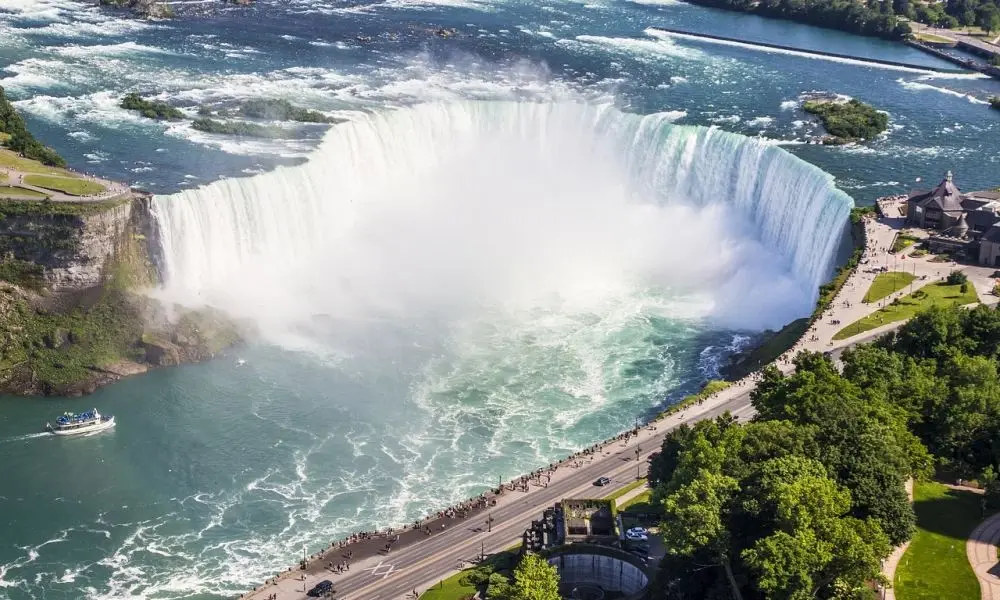
Some landmarks are impressive in photographs but feel different in person. Niagara Falls is one of them.
The enormous volume of water, the rising mist, and the constant sound create a powerful experience that is difficult to capture on a screen. From the Canadian side, visitors can enjoy sweeping viewpoints and seasonal boat excursions that approach the falls.
Once you’ve explored the main attraction, consider spending time in the surrounding Niagara region. Niagara-on-the-Lake offers historic streets, independent shops, gardens, and wineries, providing a gentler contrast to the busy falls area.
A day trip from Toronto is possible, but an overnight stay allows more time to explore without rushing. Spring and autumn can also be appealing alternatives to the busiest summer period, although individual attraction schedules vary.
Best time to visit: Late spring through early autumn for many outdoor experiences and seasonal excursions.
Don’t miss: The Canadian Horseshoe Falls viewpoints, a boat excursion when operating, and Niagara-on-the-Lake.
7. Montréal, Québec: Beautiful Streets, Great Food and Creative Energy
Montréal is a city that rewards curiosity. Historic buildings, lively neighborhoods, independent shops, and cafés create an atmosphere that feels different from Canada’s other major urban destinations.
Start in Old Montréal, where historic architecture and waterfront paths invite a leisurely walk. Then head toward Mount Royal Park for green space and views across the city. The Plateau neighborhood is worth exploring for its cafés, boutiques, colorful residential streets, and creative atmosphere.
Food is one of Montréal’s biggest attractions. Local bagels, smoked meat sandwiches, and poutine are popular starting points, but the city’s dining scene extends far beyond its signature dishes.
Summer is especially lively, with festivals and outdoor terraces. Autumn brings cooler weather and changing foliage, while winter offers a distinctly different experience for travelers prepared for the cold.
Best time to visit: June through September for outdoor dining and festivals; September and October for autumn scenery.
Don’t miss: Old Montréal, Mount Royal Park, the Plateau, and the city’s bakeries and restaurants.
8. Québec City, Québec: A Storybook Setting With Real History
Québec City has a charm that comes from its history as much as its appearance. Fortified walls, cobblestone streets, historic buildings, and French-speaking culture give the old town a distinctive atmosphere.
The historic district of Old Québec is the natural starting point. Wander through Petit-Champlain, explore the small shops, and admire the Château Frontenac overlooking the St. Lawrence River. Take your time rather than moving quickly from one landmark to another; the details are part of the appeal.
Montmorency Falls, just outside the city, provides a memorable nature excursion. Depending on the season, visitors can also enjoy walking tours, outdoor dining, and seasonal events.
Winter gives Québec City a particularly atmospheric character, but cold temperatures and snow require preparation. Summer and early autumn are excellent alternatives for travelers who prefer longer days and milder conditions.
Best time to visit: June through October for comfortable sightseeing; winter for snowy scenery and seasonal festivities.
Don’t miss: Old Québec, Petit-Champlain, Château Frontenac, and Montmorency Falls.
9. Nova Scotia: Coastal Roads, Fishing Villages and Atlantic Views
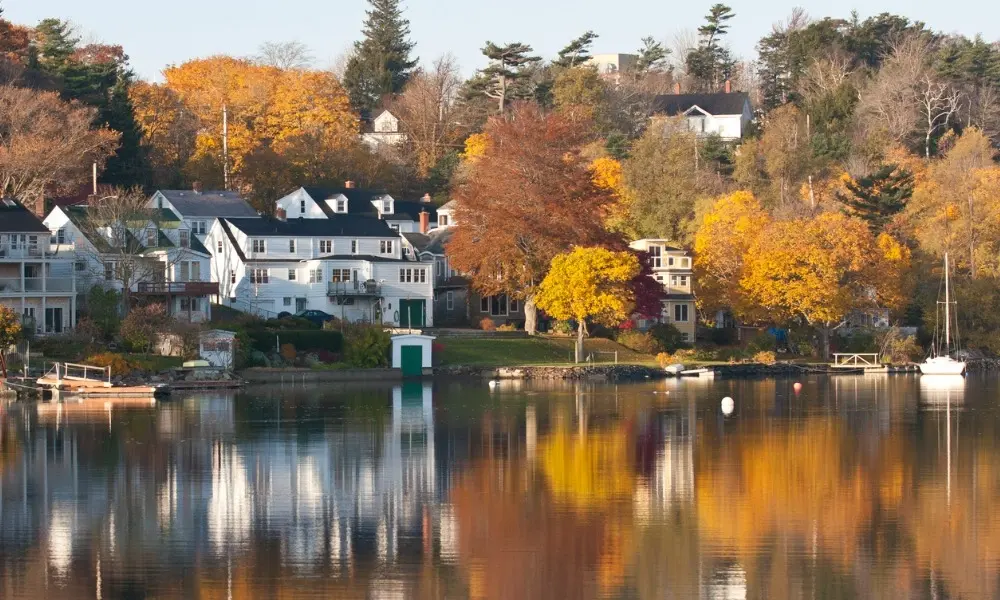
Nova Scotia offers a different kind of beauty from the Canadian Rockies. Instead of towering alpine peaks, expect rugged shorelines, lighthouses, colorful fishing communities, and roads that follow the shape of the Atlantic coast.
Halifax is a useful starting point, with its waterfront boardwalk, historic attractions, museums, restaurants, and lively local atmosphere. From there, a road trip opens up the province’s coastal scenery.
The Cabot Trail on Cape Breton Island is a highlight for travelers who enjoy driving through landscapes that change around every bend. The route passes forested hills, dramatic ocean viewpoints, and access points for hiking in Cape Breton Highlands National Park.
Allow enough time for spontaneous stops. A quiet harbor, a coastal viewpoint, or a small restaurant can become as memorable as the destination you originally planned to visit.
Best time to visit: June through October for many road trips and outdoor activities, with autumn especially appealing for foliage.
Don’t miss: The Cabot Trail, Halifax’s waterfront, and the coastal communities around the province.
10. Newfoundland and Labrador: Rugged Landscapes and a Distinctive Culture
For travelers willing to venture farther east, Newfoundland and Labrador offers dramatic scenery and a strong sense of place. Rocky coastlines, fishing villages, towering cliffs, and vast stretches of open landscape make this region feel different from Canada’s more familiar tourist routes.
Gros Morne National Park is a standout destination. Its distinctive geological features, fjord-like scenery, and hiking opportunities make it particularly appealing to outdoor enthusiasts.
St. John’s offers a colorful urban contrast, with historic sites, waterfront views, and the brightly painted houses that have become a signature of the city. Along the coast, seasonal opportunities to see icebergs, seabirds, and whales depend on location and timing.
This is a destination where planning matters. Distances, weather, and seasonal transportation can influence your itinerary, so allow extra time rather than trying to fit too much into a short visit.
Best time to visit: Late spring through early autumn for many coastal and outdoor experiences, with specific wildlife and iceberg seasons varying by location.
Don’t miss: Gros Morne National Park, St. John’s, Signal Hill, and coastal viewpoints.
11. Prince Edward Island: A Peaceful Island Escape
Prince Edward Island may be smaller than Canada’s major provinces, but its appeal lies in its relaxed pace and beautiful coastal scenery.
Red-sand beaches, green fields, historic lighthouses, and small communities make the island ideal for travelers who prefer scenic drives and unhurried days. Charlottetown offers historic attractions, restaurants, and a convenient base for exploring the island.
Prince Edward Island National Park is a highlight, with beaches, walking trails, and striking coastal views. Green Gables Heritage Place also attracts visitors interested in the setting associated with Anne of Green Gables.
Summer is particularly popular for beach holidays and outdoor activities, so booking accommodation early is wise. If you have time, explore beyond the main attractions and visit smaller communities along the coast.
Best time to visit: June through September for many beach visits and outdoor activities.
Don’t miss: Prince Edward Island National Park, Charlottetown, Green Gables Heritage Place, and the island’s coastal drives.
How to Plan a Beautiful Trip Through Canada
Canada’s size is one of its greatest attractions, but it also makes planning important. Distances between regions can be substantial, and a journey that looks simple on a map may require flights, long drives, or multiple travel days.
Rather than trying to see the whole country, choose a trip that suits your interests.
- For a first visit: Combine Vancouver with Whistler, or Toronto with Niagara Falls.
- For mountain scenery: Focus on Banff and Jasper, allowing time for scenic stops.
- For culture and architecture: Explore Montréal and Québec City, and see our guide to cultural luxury travel for more heritage-focused destinations.
- For coastal beauty: Consider Vancouver Island, Nova Scotia, or Newfoundland.
- For a relaxed summer holiday: Prince Edward Island offers beaches and scenic drives.
- For winter adventure: Whistler and the Canadian Rockies are strong options for snow sports.
Accommodation also shapes the experience. A well-located city hotel can make sightseeing easier, while a mountain lodge or coastal retreat may encourage you to slow down and enjoy the surroundings. Explore our luxury travel guides for destination inspiration, or browse our hotels and resorts guide when considering where to stay.
Before booking, check regional weather, seasonal attraction access, transportation schedules, and park notices. For road trips, allow enough time for scenic detours and unexpected changes in conditions.
When Is the Best Time to Visit Canada?
There is no single best season for the whole country. Canada’s climate varies significantly between coastal British Columbia, the central provinces, Atlantic Canada, and the northern territories.
Summer, from June to August, is popular for national parks, hiking, beaches, and road trips. Many attractions are operating, but accommodation in famous destinations can be expensive and limited.
Autumn, from September to October, can bring beautiful foliage to Québec, Ontario, and parts of Atlantic Canada. The timing of fall colors changes from year to year and by region.
Winter, from December to March, is ideal for skiing, snowboarding, and snowy landscapes. Temperatures can be extremely cold, so pack appropriately and check local conditions.
Spring, from April to May, brings changing weather and fewer visitors in some areas. However, certain mountain roads, trails, and seasonal attractions may remain restricted or closed.
The best approach is to choose your destinations first, then plan your dates around the activities and conditions you want to experience.
Frequently Asked Questions
What are the prettiest places in Canada?
Banff National Park, Vancouver Island, Jasper National Park, Québec City, Nova Scotia, and Newfoundland are among the country’s most visually striking destinations. Each offers a different combination of scenery, culture, and outdoor experiences.
Which part of Canada is best for a first visit?
Western Canada is an excellent choice for travelers interested in mountains and coastal scenery, particularly Vancouver, Whistler, and Banff. Eastern Canada is appealing for historic cities, cultural experiences, and destinations such as Montréal, Québec City, and Niagara Falls.
How many days do you need to explore Canada?
Seven days can be enough for one region or a city combined with a nearby attraction. Two weeks offers more flexibility, but long distances mean you should avoid adding too many distant destinations to one itinerary.
What is the best time to see Canada’s natural beauty?
Summer is ideal for many mountain hikes, lakes, and coastal road trips. Autumn is popular for colorful foliage in several regions, while winter offers snowy landscapes and winter sports. The best season depends on the destination and the experience you want.
Is Canada suitable for a road trip?
Yes. Many regions are excellent for road trips, particularly the Canadian Rockies, coastal Nova Scotia, and Vancouver Island. Check driving distances, seasonal road conditions, and local transportation options before setting out.
How can you enjoy Canada without spending too much?
Choose a smaller region, compare travel dates, book popular accommodation early, and use free parks and walking routes where appropriate. Traveling outside peak periods may offer better value in some destinations, although costs vary by location.
Final Thoughts: Here’s to Your Next Great Adventure
Canada is not just a collection of beautiful places. It is a country of experiences that stay with you: the stillness of a mountain lake, the sound of waves against a rugged coastline, the charm of a historic street, or the simple pleasure of taking the scenic route instead of the fastest one.
You don’t have to see every province to have an unforgettable trip. Choose the landscapes that speak to you, give yourself time to explore, and let the journey unfold at its own pace.
Perhaps your perfect Canadian escape will begin with a sunrise in the Rockies, an afternoon beside the Atlantic, or a cozy evening in an old Québec neighborhood. Wherever you go, may your travels bring beautiful views, unexpected discoveries, wonderful memories, and plenty of reasons to smile.
Thanks for reading, and happy travels!
Disclaimer: This article is intended for informational purposes only.