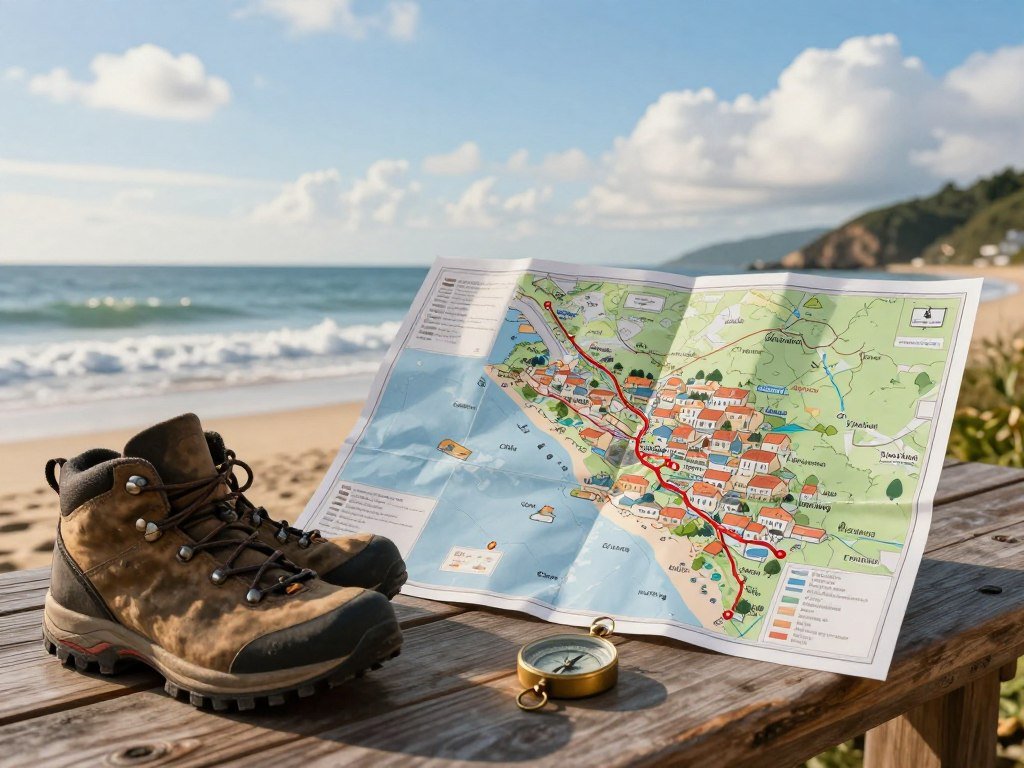
The best places to travel solo in the US range from walkable coastal towns to culture-rich cities and outdoor bases. A solo trip can mean enjoying your own company, meeting people along the way, or switching between both. Your choice can shape how easy it feels to get around, plan each day, and enjoy time away from home.
These 15 destinations offer options for a first solo trip and for travelers with years of independent travel behind them. Some suit a slower pace, while others offer a full calendar of music, museums, food, or outdoor adventure. Think about the experience you want, then choose a place with infrastructure that supports your comfort level.
Safety matters, but no list can make every traveler feel at ease in every setting. You can use the ideas here to find a starting point, then shape the trip around your own interests, plans, and pace.
A satisfying first solo trip is one that fits your comfort level, not a test of how far you can go.
Key Takeaways
- Choose a destination that fits your interests and comfort with independent plans.
- Walkable cities can make a first trip feel easier to manage.
- Outdoor places offer hiking, guided outings, and time in nature.
- A day trip or nearby overnight stay can be a useful first step.
- Check local conditions, routes, and opening hours before you leave.
How to Choose the Best Places to Travel Solo
For a first solo trip, a manageable, walkable city is the easiest starting point for many travelers, while the best choice changes with the kind of experience you want. The best places to travel solo in the USA include city breaks, coastal stays, and outdoor bases, so match the destination to your pace and interests.
The Solo Female Travelers Safety Index is a composite measure that combines travel advisories, peace data, and reported risks to compare countries, not a guarantee of personal safety. Use a country ranking as context, not a promise about your own experience.
The index averages seven variables: U.S. and U.K. travel advisories, the Global Peace Index, and solo travelers’ reported risks of theft, scams, harassment, and attitudes toward women. Its publicly available data updates monthly, so it can help frame a comparison without replacing local details.
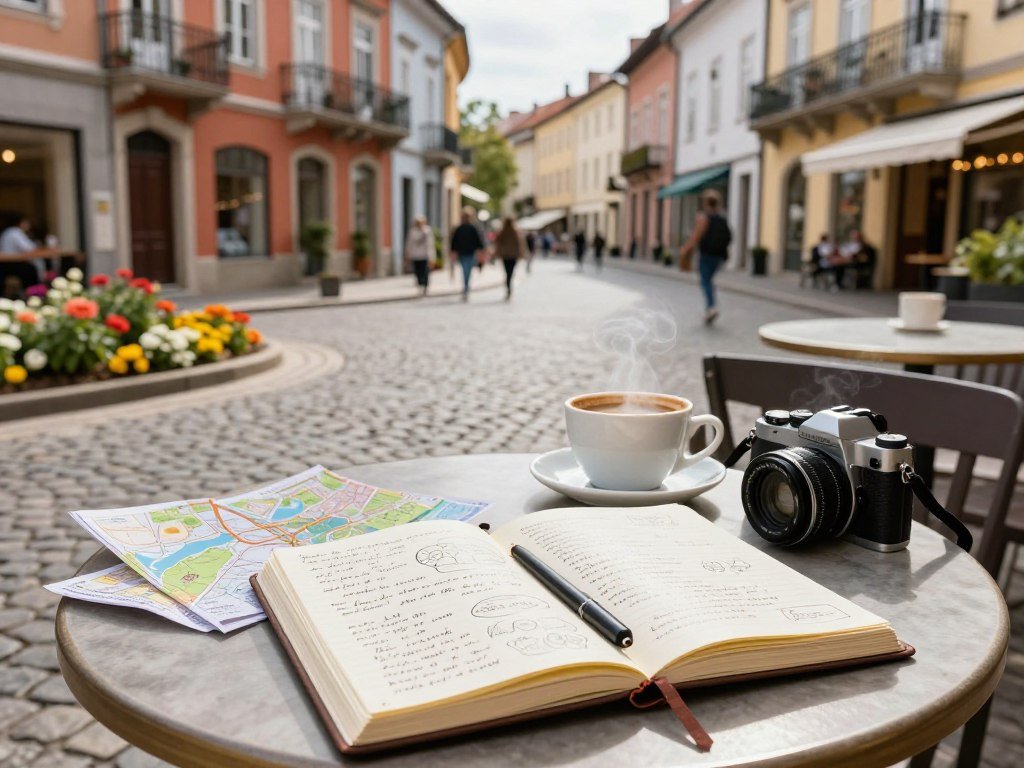
A 2026 first-trip guide pairs Key West with warm weather and walkability, Charleston with history and charm, and Austin with music. It also recommends Denver for mountains and nature access, plus Asheville for an artsy small-city feel.
New Orleans suits travelers drawn to culture and food, while Minneapolis offers lakes and a small-city feel. San Diego is a choice for an ocean-focused West Coast trip.
| Trip preference | Suggested city | Stated appeal |
|---|---|---|
| Warm weather and walkability | Key West | Compact island setting |
| History and charm | Charleston | Historic city character |
| Music | Austin | Live music scene |
| Mountains and nature access | Denver | Mountain access |
| Artsy small-city feel | Asheville | Arts and nearby hikes |
For a typical first-timer, Key West is a familiar-feeling, walkable choice. Denver or Moab fits a nature-first traveler, while NYC suits someone who wants big-city variety.
If you are drawn to an island stay, compare what matters most, such as privacy, culture, or outdoor activities. This guide to island destinations offers a broader view of island settings beyond the United States.
Treat any safety ranking as one input, then check current local guidance and the specific neighborhoods you plan to visit.
Think about how much independent planning feels enjoyable, not just what looks appealing in a photo. A compact downtown can leave more room for spontaneous stops, while a remote setting may call for more planning.
Which Cities Make an Easy First Solo Trip?
Key West is a strong first-trip fit for someone who wants warm weather, a compact layout, and easy solo activities. These three cities offer clear ways to fill a day, from a sunset stop to live music. Choose the setting that makes independent exploring feel simple, not rushed.
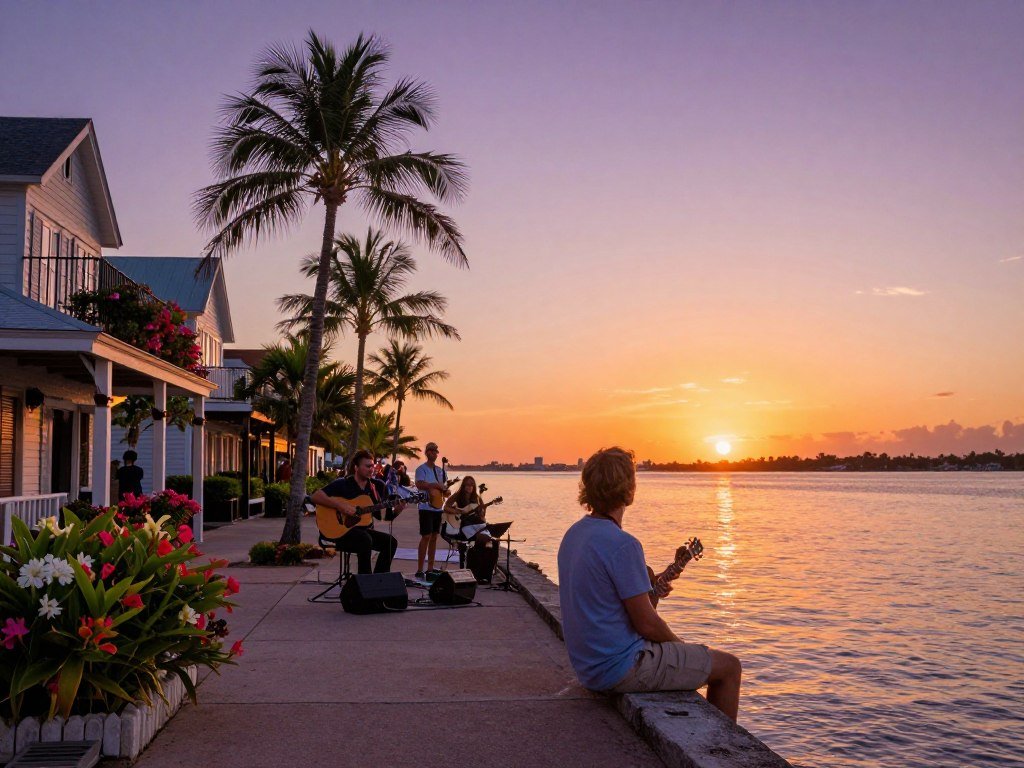
| Destination | Walkable base | Independent activity | Optional transport |
|---|---|---|---|
| Key West | Compact island center | Mallory Square sunset | Day trip to Dry Tortugas |
| Charleston | Historic District | Explore historic streets | Rideshare or rental to Sullivan’s Island |
| Austin | Downtown or South Congress | Live music | Rideshare beyond central areas |
Key West for a Walkable Island Escape
Key West is compact enough to explore on foot, which can make the first day feel less complicated. You can watch the sunset at Mallory Square, then visit the Ernest Hemingway Home and Museum another day.
A day trip to Dry Tortugas National Park adds a more remote outing to a town-based stay. The mix lets you keep most plans close, while making room for a longer adventure when it appeals.
Charleston for History and Coastal Charm
Charleston’s Historic District is walkable and gives you a steady mix of old streets, historic sites, and places to pause. Sullivan’s Island offers a different coastal setting nearby, reached by rideshare or rental car.
Travelers seeking a Pride event and LGBTQ+-welcoming venue can consider Rock Hill, South Carolina, as a separate alternative. Its Pride festival and Hideaway bar offer a different kind of South Carolina visit; the bar has been open since 1989.
Austin for Music and a Lively City Break
Downtown Austin is walkable, with music providing an easy way to shape an evening around your interests. A live show can be a complete solo activity, even if you do not want to make conversation.
Rideshare can help you reach attractions beyond central neighborhoods, but a central base can simplify your plans. In Austin, choosing a central base near downtown or South Congress can reduce the need to plan every ride.
Where Can You Find Culture and Big-City Variety?
New Orleans works well for a solo traveler who wants food, live music, and historic sights close to a central base. Washington, D.C., suits museum and monument days, while NYC offers varied city exploring without a car. Pick the city whose main draw matches how you like to spend your time.
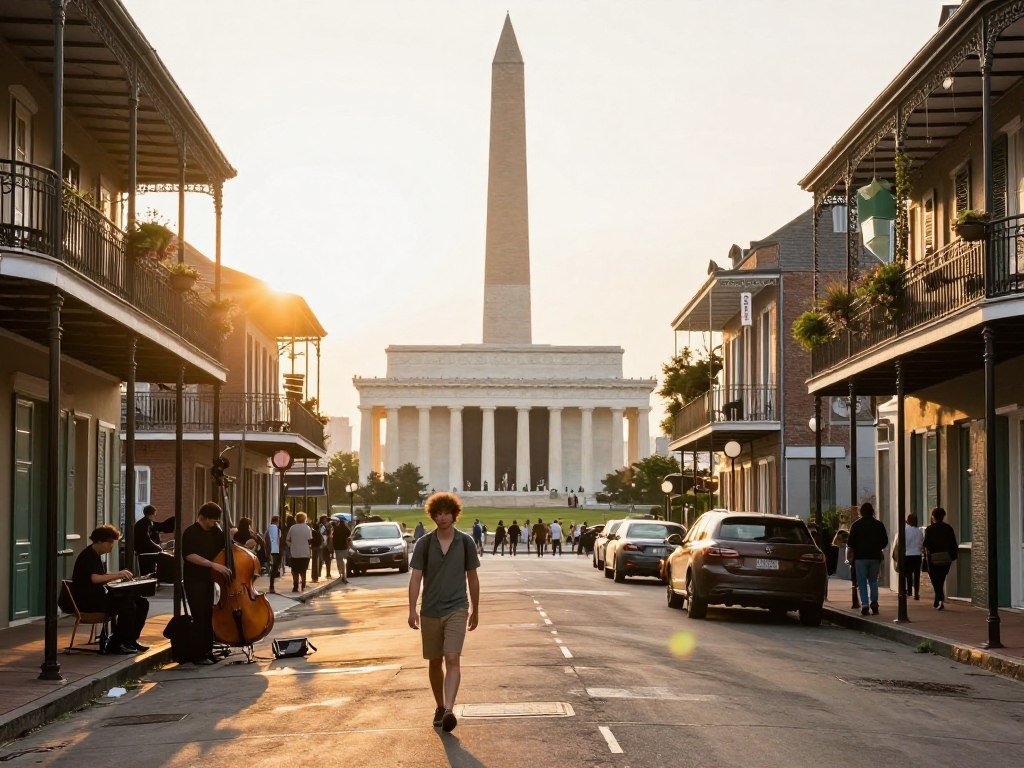
| Destination | Strongest cultural draw | Named place to visit | Seasonal or location detail |
|---|---|---|---|
| New Orleans | Food, music, and history | French Quarter | Warehouse District is nearby |
| Washington, D.C. | Museums and monuments | National Gallery of Art | Blossoms typically mid-March to mid-April |
| NYC | Car-free city variety | Metropolitan Museum of Art | Brooklyn waterfront offers another stop |
New Orleans for Food, Music and History
Staying in the French Quarter or nearby Warehouse District puts restaurants, live music, historic sites, and riverfront views within walking distance. That central base makes it easier to set your own pace, whether you want a full day out or one planned stop.
New Orleans offers many ways to build an evening around food and music without filling every hour. Read a New Orleans destination guide for more ideas on what to see and do in the city.
Washington, D.C., for Museums and Monuments
Washington, D.C., has museums, national monuments, and walking tours for a culture-heavy visit. The National Gallery of Art, the Smithsonian, and the Lincoln Memorial are well-known stops with different ways to spend a day.
Cherry blossom season typically falls from mid-March to mid-April, though the timing changes with the year and season. The usual cherry blossom window is a planning guide, not a fixed date, so check the local forecast before booking.
For a history-focused day trip, Harpers Ferry sits where the Potomac and Shenandoah Rivers meet, at the point where West Virginia, Virginia, and Maryland come together. Harpers Ferry National Historical Park preserves Civil War-era buildings, including the fort tied to John Brown’s last stand.
NYC for Car-Free City Exploring
NYC can be explored without a car, with solo-friendly options ranging from Central Park to the Brooklyn waterfront. The Metropolitan Museum of Art gives you a substantial indoor stop when you want a break from city streets.
For D.C. cherry blossoms, treat mid-March to mid-April as a typical window and check the season’s local forecast before booking.
Which Places Suit Art, Music and Local Character?
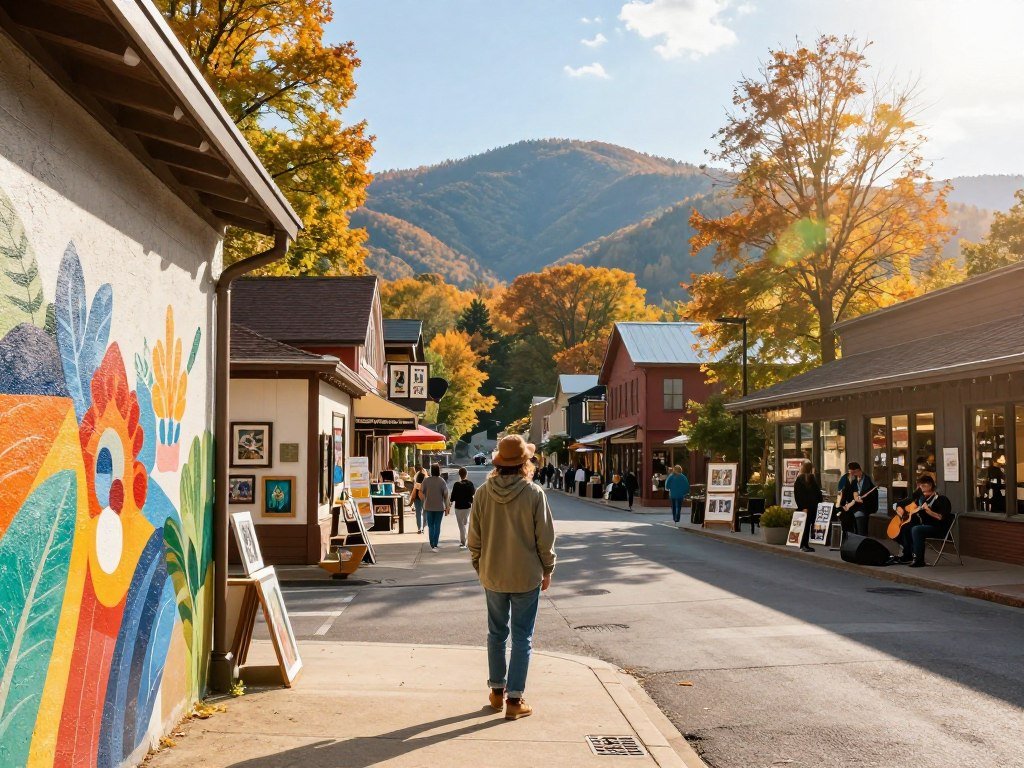
Asheville is a good fit for a solo traveler who wants an artsy small-city feel with both downtown stops and nearby hikes. Nashville works for live music, while Santa Fe offers art and history shaped by Mexican and Native American influences. These places make local culture part of the day, not just a single attraction.
Asheville for Galleries and Mountain Access
Asheville combines downtown art galleries and bookstores with breweries and the Biltmore Estate. You can keep the day close to town, then add a short hike near the city for a change of pace.
The mix works well when you want both a small-city visit and time outdoors without making every day a major expedition. A gallery stop can fill a quiet afternoon, while a nearby trail gives you a reason to start the day early.
Nashville for Live Music and Conversation
Nashville’s live-music venues suit different social moods. You can sit back and listen, or choose a seat at the bar and chat with people if conversation sounds good.
A music venue can be an outing on its own, even when you do not want to socialize. That choice matters on a solo trip: you can enjoy a shared public setting without needing to turn the night into a new-friends mission.
Santa Fe for Distinctive Arts and History
Santa Fe’s cultural attractions reflect Mexican and Native American influences. Those traditions shape the city’s art and history, giving you a distinct setting for a culture-focused visit.
Nearby sites add depth to the trip, including Puye and Bandelier cliff dwellings and Petroglyph National Monument. The archaeological sites offer a different kind of outing from a day spent in town.
The details of Santa Fe’s cultural mix make it a strong choice when you want history and art to guide your plans. For nearby archaeological sites, check the travel time and access details that fit your chosen outing.
In Nashville, choose a seat at the bar when conversation sounds appealing, or settle somewhere quieter when listening is the whole plan.
Where Can Solo Travelers Pair Nature With Easy Outings?
Moab is the clearest pick for a solo traveler whose main goal is hiking near more than one national park. Anchorage pairs mountain trails with city attractions, while Tucson offers desert scenery and a comfortable meal stop. A guided outing can add structure when you would rather not manage a remote activity alone.
| Destination | Outdoor anchor | Guided or independent option | City-based solo activity |
|---|---|---|---|
| Moab | Arches and Canyonlands | Hiking or guided off-road tour | Explore town between outings |
| Anchorage | Chugach State Park | Hiking or seaplane flight | Visit Anchorage Museum |
| Tucson | Saguaro National Park | Independent park visit | Eat at BATA’s counter |
Moab for Two National Parks
Moab sits near Arches and Canyonlands national parks, making it a natural base for a trip built around two major outdoor spots. You can hike independently or book a guided off-road tour for a structured outing.
A guide can take some of the planning burden off a remote activity, while leaving other parts of the trip open. That balance helps if you want adventure but would rather not handle every detail alone.
Anchorage for Trails and Seaplane Views
Chugach State Park has hiking trails, and Rust’s Flying Service offers seaplane flights. A flight gives you a way to see the region from above without making a trail the only outdoor plan.
The Anchorage Museum, which is Smithsonian-affiliated, offers a city-based activity when you want a break from the outdoors. Pairing a museum visit with an outdoor day can give the trip a more varied pace.
Tucson for Desert Parks and Counter Seating
Tucson is near Saguaro National Park, where desert scenery can anchor a nature-focused day. The city also gives you a practical place to return to after time outside.
Restaurants with counter seating can make a solo meal feel simple, and BATA is one local option. In Tucson, a counter seat at BATA gives a solo traveler a simple meal option after time near Saguaro National Park.
Moab’s guided tours, Anchorage’s flight option, and Tucson’s city dining show how an outdoor trip can include more than trail time. Check the nearby outdoor options that match the kind of day you want.
Which Coastal and West Coast Bases Work Well Alone?
San Diego is the most direct fit here for a solo traveler whose priority is an ocean-focused West Coast stay. San Francisco suits a car-free city visit, while Portland offers dining and access to regional day trips. Choose between a coastal city, an urban stay, or a base for longer outings.
San Diego for an Ocean-Focused Trip
San Diego is a strong choice when you want the ocean to shape the trip. A 2026 first-trip guide recommends it for an ocean-focused West Coast visit, giving it a clear place among city options.
Plan the stay around the coast and the amount of city time you want. Ocean activities can add a different pace to a solo trip, especially if you balance them with unplanned time near your base.
If you want ideas for water-based outings, browse these ocean and snorkeling destinations and check local conditions for any activity you consider.
San Francisco for Parks Without a Rental Car
San Francisco offers parks, historic sites, and nature trails, and you can get around the city without renting a car. That makes it a practical option if you want to keep your plans within an urban area.
A park or trail can add open space to a city stay, while historic sites give you a different way to spend the day. A first-time visitor can use this San Francisco destination guide to explore possible stops.
Portland for City Dining and Regional Day Trips
Portland can serve as a base for city dining and outings to the Columbia River Gorge, Cannon Beach, and Willamette Valley wineries. The nearby choices range from dramatic scenery to a coastal visit or winery stop.
Those outings take different amounts of time and planning, so choose the one that matters most before filling your schedule. Portland works best when you leave enough space for a city meal or an unplanned stop between regional plans.
Pāhoa is a separate alternative on the eastern side of Hawaii’s Big Island, with black-sand beaches. For a Portland stay, decide in advance which regional outing matters most so city time and day trips can both fit.
How Should You Choose Between Walking, Transit and a Car?
Choose a walkable base for a short city break, transit for a car-free urban stay, and a rental car only when your plans require it. Walking, public transit, rideshare, and rental cars each solve different problems; no one mode works everywhere.
The best places to travel solo for men and the best places to travel solo for guys are generally the same destinations. Interest, access, and comfort matter more than a separate gender-based list.
Amtrak connects destinations across the United States, while local transit may include buses, subways, or light rail. A city stay can work well without a car when lodging, activities, and local routes fit together.
A rental car can help with plans that reach beyond a central area, while rideshare may cover an occasional gap. For a short visit, a car can also add parking and pickup steps you may not need.
Use these four checks before you book a route or room:
- Where does the lodging sit in relation to the activities you want?
- Does your plan need a car, or can walking and transit cover it?
- How many steps and transfers stand between arrival and lodging?
- Does an outing offer a guided option if you prefer added structure?
A first-day plan with one transfer or fewer is a useful rule of thumb for manageable arrival logistics. That simple limit can help you choose between a direct ride, a transit route, or a different place to stay.
Before booking, map the first trip from your arrival point to your lodging and make sure you can complete it without guesswork.
How Can You Meet People Without Making the Whole Trip Social?
A single planned group activity is enough to make meeting people possible without turning the whole itinerary into a group trip. Solo travel does not require constant solitude or constant socializing. One or two shared activities can give your days a social anchor.
A structured activity gives you a reason to be with others, while leaving plenty of space for your own plans. Try one of these options if you want a natural way to connect:
- Book one group tour focused on food, local history, or an outdoor activity.
- Join a National Park Service ranger-led program at a park you plan to visit.
- Take a guided walking or food tour that gives the group a shared subject.
- Choose a shared meal or activity with an easy conversation point.
A tour works well when you want an expert to lead the route and set the pace. Ranger-led programs can add context to a park visit, while walking tours help you notice details you might otherwise pass.
A shared meal or class gives conversation a natural starting point, such as a dish or a skill. You can join in without treating every new person as a future friend.
Quiet days count as real travel, too. A self-guided museum visit or a solo meal can feel complete when you want space rather than company.
Leave room for the mood to change during the trip. A planned activity can make connection possible, but you remain free to leave the rest of the day open.
Keep at least one unbooked block in the schedule so a new connection stays optional.
What Safety Checks Matter Before You Go?
A comfortable solo trip starts with a clear arrival plan, reliable lodging details, and a way to contact help. The best places to travel solo for women in the US are the same 15 destinations when they fit a traveler’s preferences. Neighborhood, timing, and activity choices shape the practical plan.
Before leaving, make these four checks part of your plans:
- Save your lodging address and transport details where you can reach them.
- Share your itinerary and arrival details with one trusted contact.
- Check local alerts and the operating hours of places you plan to visit.
- Plan your route back after evening activities, including how you will get inside.
Keep your plans clear enough that someone else can understand your main stops and expected arrival. You do not need a minute-by-minute schedule; key details can help a trusted contact know where you intend to be.
In the United States, call 911 for an emergency. The federal 911 requirements cover how providers handle emergency calls and route them to answering points.
Follow instructions from local authorities if an alert or emergency affects your plans. Local guidance can change what is safe or open, so make those directions part of your decisions.
Save the local emergency number and your lodging address offline before leaving home.
When Should You Go, and Can a Solo Day Trip Be Enough?
A solo day trip close to home is a low-commitment way to see how independent travel feels. You can visit a nearby town, museum, park, or guided outing, as long as transport is straightforward and you have a clear return plan. A day trip is a valid first step, not a lesser version of travel.
A first-timer can begin with a day trip or one or two nights, then extend the trip if the format feels comfortable. A short stay gives you time to practice independent meals, navigation, and downtime without making the commitment too large.
Season choice depends on the place and the activities you want. Weather and seasonal access vary by region, so check the National Weather Service forecast for your dates and destination.
Outdoor plans can change when conditions shift, and seasonal access may affect a park or trail. A city visit can be easier to adjust, while a remote outing may depend more on the day’s conditions.
Use a clear return route for day trips, especially when you plan to visit a place outside your home area. Know when the last ride or service runs, and leave enough time to get back without rushing.
A nearby museum or park can make a useful first outing if you want to test your pace. A guided day trip can also add structure when you would rather not plan every stop alone.
Check the regional forecast and any seasonal closures shortly before departure, especially for outdoor plans.
How Can You Plan a Solo-Trip Budget and Choose Lodging?
Start a solo-trip budget with the room, the route to the destination, and the activities you most want to do. Build the total from four parts: lodging, transportation, meals, and activities.
Traveling alone often means paying the full room rate rather than splitting it. Dates and location affect lodging costs, while your choice of route and activities shapes the rest of the total.
Compare at least two lodging options before you commit. A hostel, guesthouse, hotel, or rental can suit different needs for privacy, shared spaces, and time around other people.
Check cancellation terms alongside the room details, since a low nightly rate may not tell you how flexible the booking is. Look at the full stay cost, not just one night.
Transportation can include Amtrak, a rental car, local transit, or a mix of options. Meals range from simple groceries to restaurant stops, so estimate them based on how you want to eat.
Paid activities can include national park entry or a guided outing, and those costs add to the trip total. A city visit can include free public spaces and museums where available.
A smaller room bill does not always mean a lower full trip cost if the location adds travel time or transport needs. Compare the lodging area with the places you want to visit.
For design-led high-end stays, this luxury travel destination guide includes examples such as Amangiri in Southern Utah.
Compare the full stay and transport total, not just the nightly room rate.
How Do You Build a Manageable First Solo Itinerary?
A first solo itinerary works best when it has one anchor activity each day and room to change plans. A nearby first trip can last one or two nights, with a simple three-day structure for anyone who wants more time. The one best itinerary is the one that does not overfill the day.
Use this short sequence to turn a destination choice into a plan:
- Choose one anchor activity that gives each day a clear purpose.
- Book lodging near the main area you want to explore.
- Plan the arrival route and the route home.
- Leave a flexible block for rest or an unplanned stop.
For a three-day trip, use the first day to arrive and settle in. Keep the second day for your main activity, then leave the final day flexible or use it for departure.
That structure allows time for a meal, a rest, or a small change without forcing a new plan. If you have only one or two nights, choose one main area rather than adding several distant stops.
A nearby trip can be enough for a first attempt. You can learn how much activity feels right, how you like to spend meals, and how much downtime you want.
One anchor activity gives the day direction without making every hour a task. Keep nearby options in mind for a change in weather or energy.
Share the final itinerary with a trusted contact and keep the first day light enough to absorb a delay.
Leave at least one flexible block in your first itinerary, so rest or a delay does not force the whole day off course.
Keep your arrival day simple, especially if the route includes a transfer or a late check-in. A short first day can make it easier to settle in before the main activity.
Conclusion
The best solo trip is the one that gives you the experience you want at a pace that feels right. A good destination fits your interests and your comfort with independent logistics, whether you want culture, nature, or a quiet change of scene.
Starting close to home is a valid choice. A nearby day trip or short stay can help you learn what kind of time alone feels rewarding, without locking you into a long plan.
Pick one destination from the list, check its current local conditions and dates, then plan a first day that feels easy to navigate.
FAQ
Where is the best place to go alone?
Is 27 too old to solo travel?
Where can I go for a solo day trip?
What are the top 10 destinations for solo travel?
Do I need a car for a solo trip in the US?