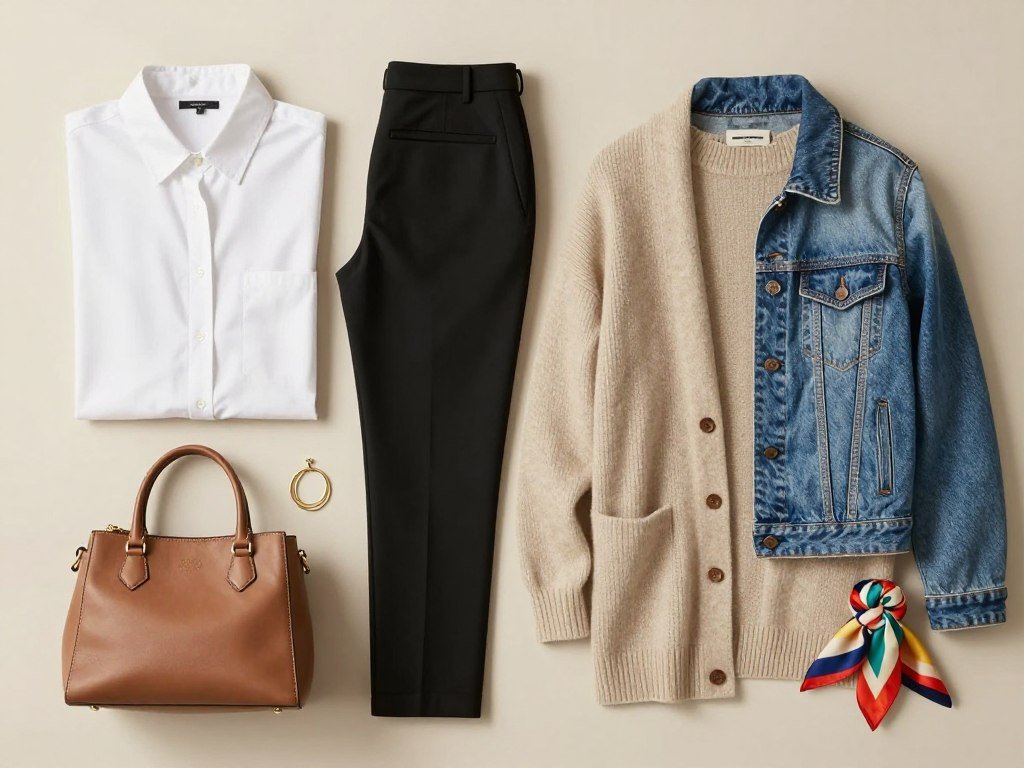
A jacket that feels right for a sunny departure can become the trip’s most important layer when the forecast changes. The best packable travel jackets for women balance warmth, rain cover, and room in your bag. Your destination weather, preferred look, and daily plans all matter.
A light insulated layer can add warmth without taking much space, while a rain shell helps when showers last. No single jacket suits every condition, and some trips call for both. Think about the outfits you plan to wear, too. A jacket that works with your usual clothes may be easier to wear day after day.
Packability is more than a label. A compressed jacket still needs to fit the shape and space available in your bag, and you may want it close by during a travel day. Start with the weather you expect to meet most often, then decide how much space you can give the extra layer.
Key Takeaways
- Match the jacket type to the weather you expect most.
- Down offers compact warmth for dry conditions.
- Synthetic insulation is a practical choice around moisture.
- A rain shell is useful for sustained rain.
- Check packed shape, size range, and fit before your trip.
Best Packable Travel Jackets for Women for Different Trips
For a compact down layer with a documented fill-power rating, the 32 Degrees Women’s Ultra-Light Down Packable Jacket is a clear starting point. It uses 650+ fill power down certified to the Responsible Down Standard and folds into a packable bag. It is a straightforward choice when compact down warmth is the main goal.
The best travel jackets depend on what matters most on your trip. The Mountain Hardwear Ghost Whisperer weighs 10.7 ounces and stuffs into a pocket, making measured weight its strongest appeal. Fill power measures how much space down occupies relative to its weight, and helps compare its loft.
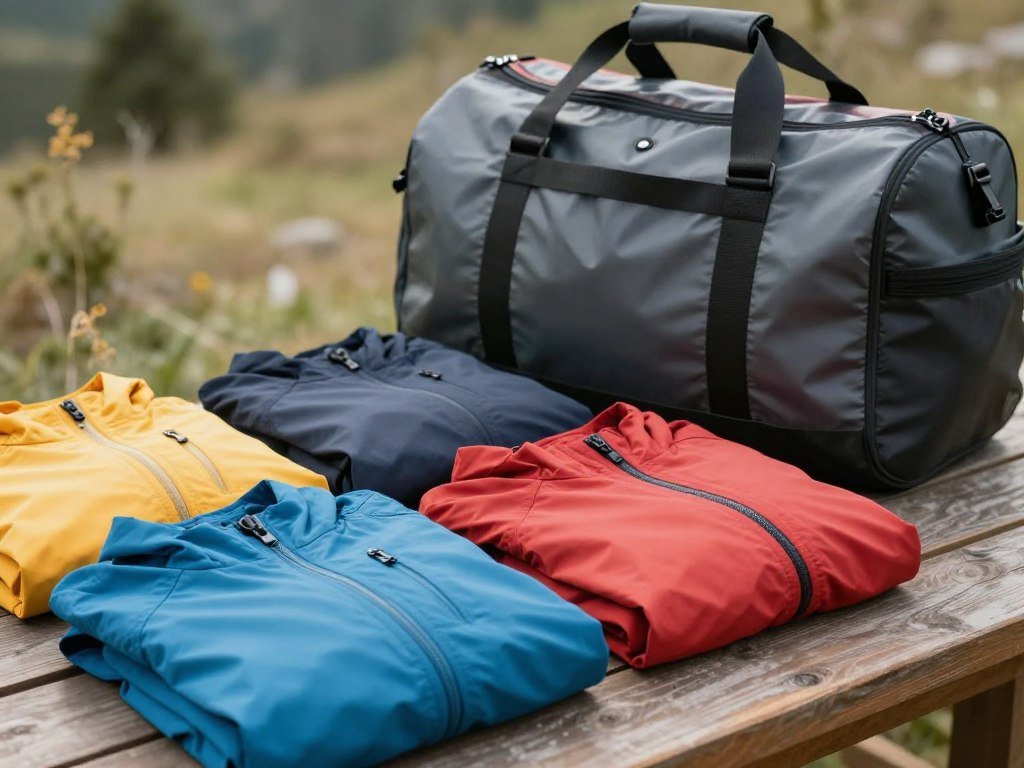
Lightweight warmth for cool, dry days
The Ghost Whisperer uses 800-fill-power down with a 3.0-ounce fill weight. It suits travelers who want a light jacket for cool, dry days. The 32 Degrees option gives you another compact down pick, with a separate packable bag for storage.
Packable options for changing conditions
The Patagonia Micro Puff uses synthetic insulation and has a DWR finish. It stuffs into its chest pocket and suits temperatures around 35-50°F. The Uniqlo Ultra Light Down Jacket mixes synthetic down, real down, and feathers, then packs into a compression pouch.
| Jacket | Insulation | Pack format | Best fit |
|---|---|---|---|
| 32 Degrees Women’s Ultra-Light Down Packable Jacket | 650+ fill power down | Packable bag | Compact down layer |
| Mountain Hardwear Ghost Whisperer | 800-fill-power down, 3.0-ounce fill weight | Stuffs into a pocket | Low measured weight |
| Patagonia Micro Puff | Synthetic insulation | Stuffs into chest pocket | Mild cold, around 35-50°F |
| Uniqlo Ultra Light Down Jacket | Synthetic down, real down, and feathers | Compression pouch | Pouch-based packing |
For a stylish women’s travel jacket, appearance can be a deciding factor. Match the silhouette to the forecast and the outfits you will wear. An insulated layer is not a waterproof shell for sustained rain.
Choose a packable insulated layer only when its weather limits match the forecast you expect to face.
These picks serve different needs, so the best travel option is the one whose insulation and packed form suit your plans. Consider how you will wear the jacket through a full day, not only how it looks in a product photo.
How much warmth does a packable insulated jacket provide?
A higher fill-power rating describes down loft, not the complete warmth of the finished jacket. Fill power measures how much space down occupies relative to its weight, and does not set total warmth by itself. Fill weight, fit, construction, and the layers under the jacket also affect comfort.
The REI 650 Down Jacket 2.0 weighs 10.9 ounces and uses 650-fill-power down. The Patagonia Down Sweater weighs 13 ounces, with 800-fill-power down and a 5.0-ounce fill weight. It stuffs into a pocket.
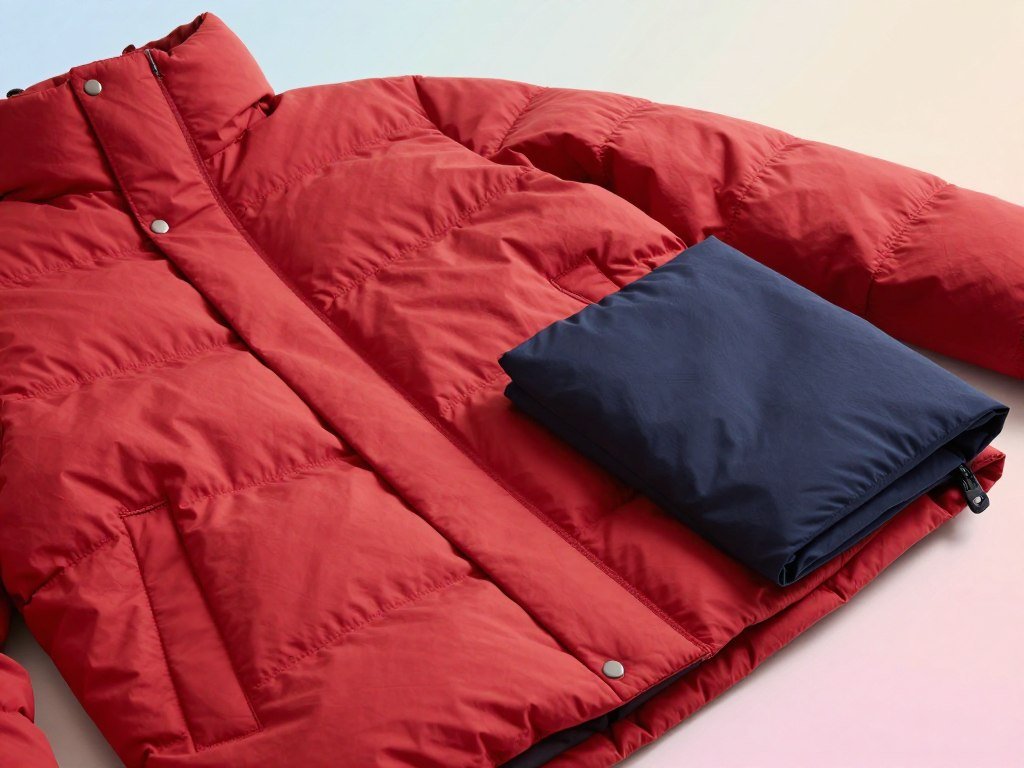
The Montbell Plasma 1000 weighs 4.9 ounces and uses 1000-fill-power down with a 1.6-ounce fill weight. It is the lightest listed example, not proof of the most warmth. The Zpacks Goose Down Jacket weighs 7.4 ounces, uses 950+ fill-power down with a 3.8-ounce fill weight, and stuffs into its chest pocket.
The Black Diamond Deploy Down 0.5 weighs 5.6 ounces and uses 1000+ fill-power down. These numbers describe different parts of a jacket, so compare them alongside its fit and build. The International Down and Feather Bureau’s testing methods cover traits such as fill power.
What fill power can and cannot tell you
Down is usually compressible and offers a strong warmth-to-weight ratio. A higher rating means the down takes up more space for its weight, but a jacket with less fill may still provide less insulation overall.
When to choose down for a trip
A packable insulated jacket for women can be a good source of compact warmth in dry conditions. Synthetic insulation is a practical alternative around moisture because it generally retains warmth when wet and dries faster than down.
An ultra-light packable down jacket for women can keep carried weight low. Among these examples, the Montbell Plasma 1000 is the lightest at 4.9 ounces, but that does not make it the warmest overall. Compare fill weight and overall design alongside fill power before choosing a down layer.
What rain-shell features matter in a travel jacket?
For a lighter rain shell with listed pit vents and a hand-pocket stow, the REI Co-op Rainier is a useful comparison point. It lists for $100 and weighs 10.2 ounces in size small. Pit zips or vents can let heat escape while you move.
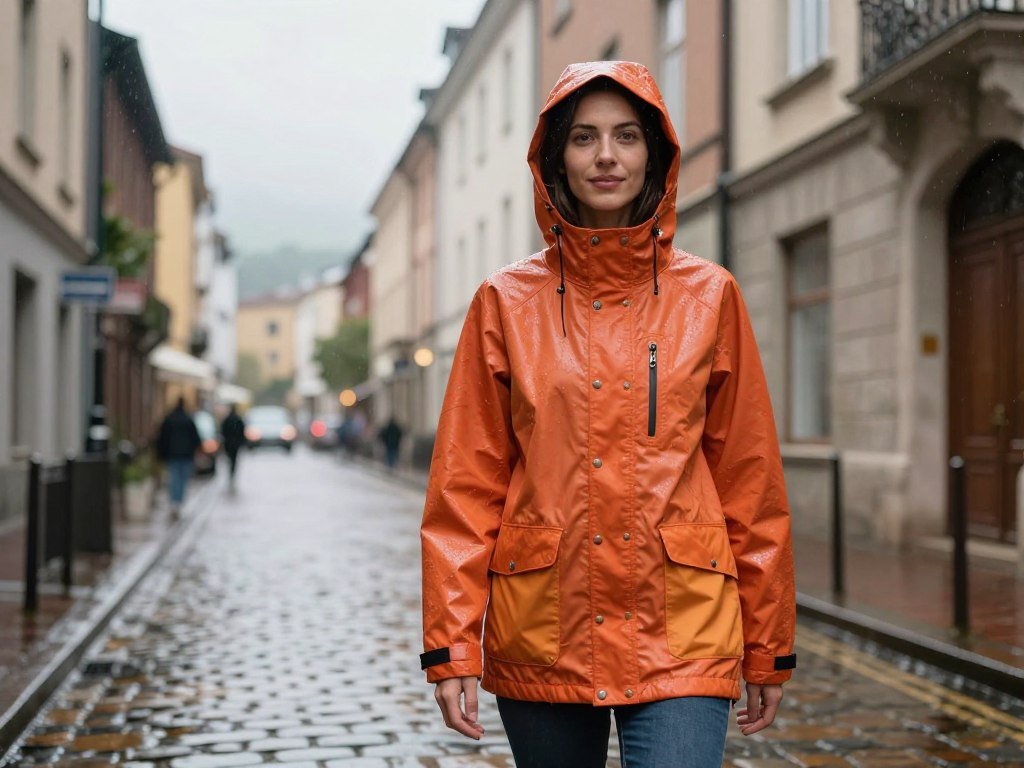
The Patagonia Torrentshell 3L Women’s costs $189 and weighs 11.8 ounces in size small. It uses three-layer 50D H2No Performance Standard ECONYL fabric with a PFC-free DWR finish. It has two zippered hand pockets, pit zips, and stuffs into a pocket.
| Model | List price | Measured weight in size small | Construction | Ventilation and storage |
|---|---|---|---|---|
| Patagonia Torrentshell 3L Women’s | $189 | 11.8 ounces | Three-layer 50D H2No Performance Standard ECONYL; PFC-free DWR finish | Pit zips; two zippered hand pockets; stuffs into a pocket |
| REI Co-op Rainier Women’s | $100 | 10.2 ounces | 2.5-layer HydroWall shell; non-PFC DWR finish | Pit vents; two zippered hand pockets; two interior drop-in pockets; stows into its hand pocket |
| Patagonia Outdoor Everyday Rain Jacket Women’s | $259 | 19.6 ounces | Two-layer construction | No pit vents; two zippered hand pockets; one interior chest pocket; adjustable hood and wrist cuffs |
The REI Co-op Rainier Women’s also has pit vents, two interior drop-in pockets, and stows in its own hand pocket. The Patagonia Outdoor Everyday Rain Jacket Women’s has an oversized fit designed for layers, with an adjustable hood and wrist cuffs. Pocket placement and hood adjustment can shape day-to-day comfort.
An ISO 811:2018 hydrostatic-pressure result measures the tested fabric specimen. It does not prove that every zipper, seam, or opening in a finished jacket is waterproof. For more on the difference between shell types, see these waterproof hiking pants for rainy trails. Treat fabric test results as one piece of evidence, not a guarantee about every opening in a finished shell.
Which travel jacket fits your style and size?
A useful travel fit starts with the size range and length options that are actually available in the style you want. Listed sizes do not show how a particular cut will fit your body. Check garment measurements, and try the jacket over a typical travel layer when possible.
Some jackets offer length options or pockets that make daily wear easier. Color and style matter, but your experience with a brand’s cuts can help you decide where to start. These editor picks offer different size ranges and useful details.
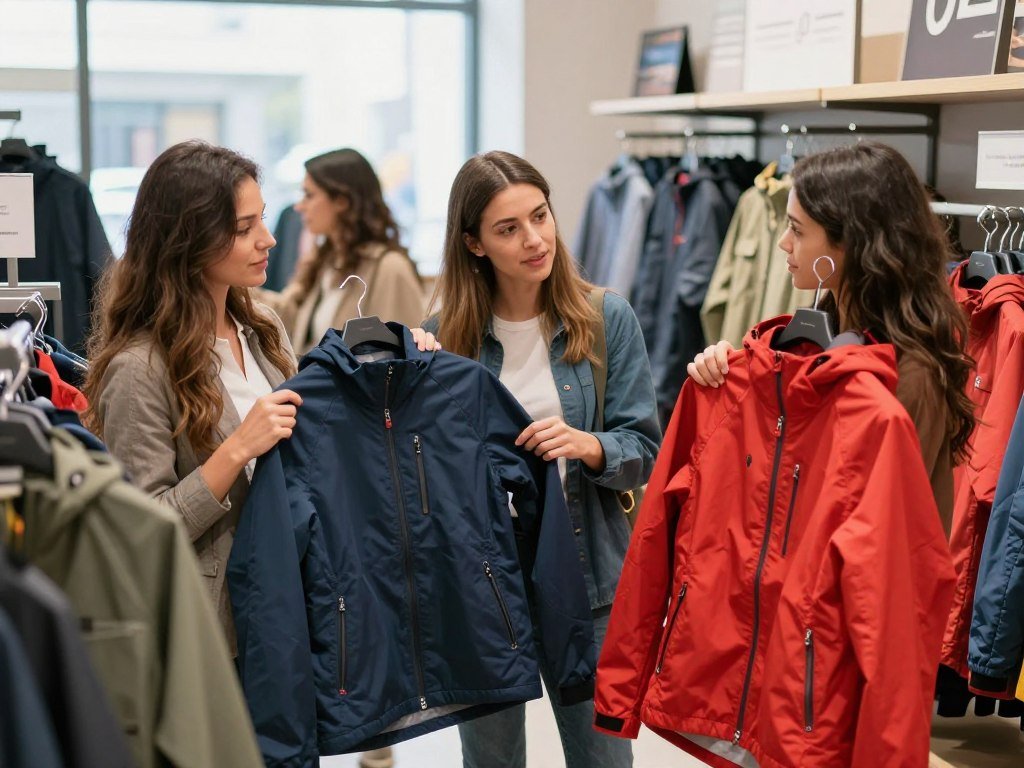
- The North Face Daybreak Hooded Jacket comes in sizes XS-XXL and has a stowable hood.
- The Athleta Jetset Bomber comes in sizes XXS-XXL, with petite and tall sizing and zippered pockets.
- The Lands’ End Squall Packable Waterproof Raincoat comes in regular, petite, tall, and plus sizes 2-26W.
- The KÜHL Women’s Stretch Voyagr Jacket comes in sizes XS-XL and has an interior zip pocket.
- The Lululemon Rain Rebel Jacket comes in sizes 0-20, with interior and exterior zippered pockets.
The North Face Daybreak has a hood that can be stowed when you do not need it. For zippered pockets, the Athleta Jetset Bomber has them, while the Lululemon Rain Rebel adds interior and exterior zippered pockets. Those options can keep small items secure during a busy day.
A travel jacket with hidden pockets can offer a more discreet place for essentials. The KÜHL Voyagr’s interior zip pocket keeps that storage inside the jacket. Read reviews with your own needs in mind, since a pocket’s position may matter more than its count.
Try on your intended size over a travel layer if you can. Check sleeve and hem length with the layers you expect to wear, not just a light base shirt.
How do you pack and store a packable jacket?
A jacket that is quick to compress is useful only if its packed shape fits the space you have. Check its compressed form against your bag before you leave. A packable jacket can still take meaningful room, as the FP Movement Pippa Packable Puffer’s pillow-sized packed form shows.
The Patagonia Nano Puff stuffs into its chest pocket, which gives you a different packed shape. Neither example is automatically the smallest choice for your bag. Test how each shape fits beside the other items you plan to carry.
- Test the packed shape against the space available in your bag.
- Keep the jacket easy to reach in case the forecast changes.
- Use its pocket or supplied pouch when the design allows.
- Unpack the jacket and store it decompressed between trips.
The right pocket or pouch can help keep the jacket contained during travel. Keep it within reach if you expect the day to shift from warm to cool, rather than burying it below items you need less often.
Long-term compression can reduce insulation loft. That matters for jackets you pack away between trips, even if the compressed form fits neatly in a closet or drawer. Once the trip is over, take the jacket out of its packed form rather than leaving it compressed in luggage.
Which jacket should you choose for your trip’s forecast?
For a city itinerary with mixed forecasts, choose the layer that handles the most likely weather and leave room for a second layer when temperatures drop. A light travel jacket is not a winter coat by itself. The best jacket for travel in Europe depends on the forecast and your activities, not the destination name alone.
Water-repellent finishes suit drizzle and light rain. Waterproof construction with a membrane and sealed seams is intended for sustained rain. The Lands’ End Squall Packable Waterproof Raincoat and Columbia Women’s Weekend Adventure II Long Shell are described as fully waterproof options.
In mild cold in the 40s-50s°F, wear a long-sleeve top or light merino layer under a jacket. Below 40°F, add a fleece or packable puffer under a shell. This lets you adjust the layers as a day moves from outdoor walks to heated indoor stops.
A fall trip can bring cool mornings and warmer afternoons, so a layer you can take off may be more useful than a heavy coat. For wet outdoor plans, this guide to waterproof hiking pants also explains waterproof construction and ventilation. Check the forecast for rain and overnight lows shortly before departure, then pack the layer that covers the less forgiving condition.
Water-repellent fabric suits drizzle, while sustained rain calls for a waterproof shell with a membrane and sealed seams.
Use the day’s activities to judge how much protection you need. A short walk between covered stops brings different demands than hours outdoors in wind and rain.
Conclusion
The right travel layer is the one that earns its space in your bag for the weather you are most likely to meet. Choose warmth, rain protection, or a mix based on the trip’s main challenge. A jacket that works with your usual clothes is easier to reach for each day.
Think about the space its packed shape will take, not only its weight or fabric. A jacket that stays comfortable in your bag and on your body is more likely to get used when the forecast shifts.
Before packing, try the jacket over your planned travel layers and confirm it fits comfortably into your bag.
FAQ
How should I wash a packable down jacket?
Should I size up a travel jacket to wear it over layers?
Does a higher fill-power number always mean a warmer jacket?
Can a down jacket work in wet weather?
Is a packable jacket suitable as a winter coat?
How can I tell whether a travel jacket’s hood will stay comfortable?