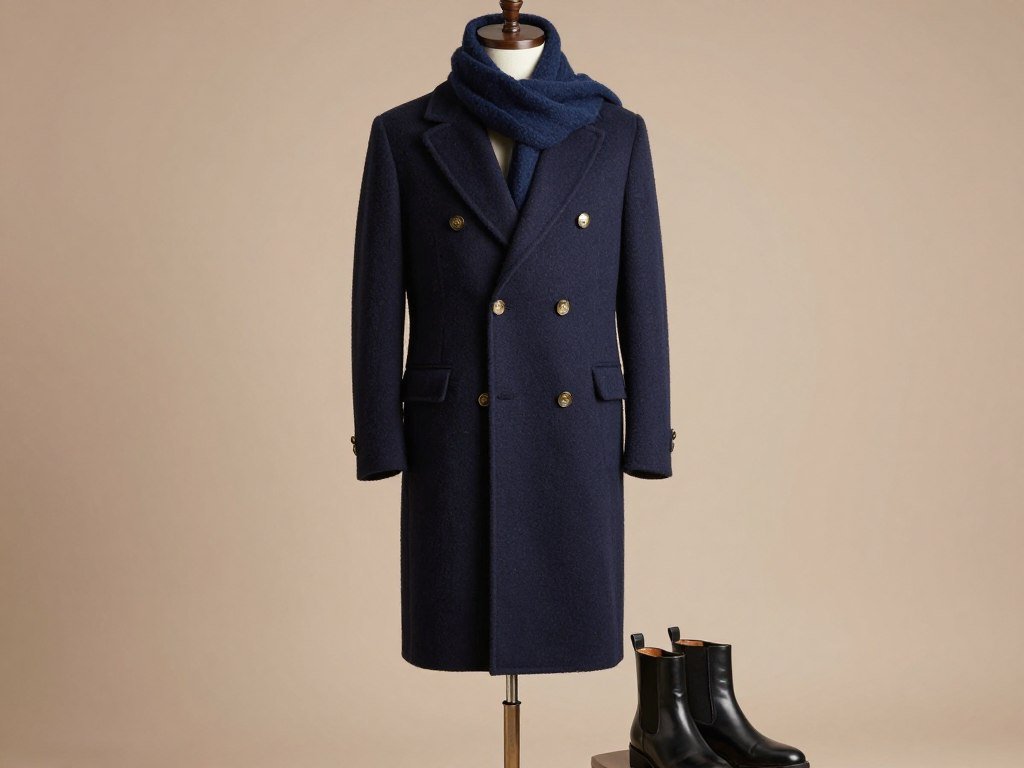
A well-chosen winter layer can make a familiar outfit feel finished while helping you feel prepared for cold days. The Best luxury winter coats for timeless style balance an enduring shape with the warmth and ease you need. Your climate, commute, and usual clothes all matter.
Some coats polish a work outfit, while others handle wet streets or long walks. A good choice should feel like a natural part of your wardrobe, not a special-occasion piece you rarely wear. This guide covers tailored wool, wrap coats, shearling, patterned styles, and technical options.
You will find choices for both polished dressing and practical cold-weather needs. Cost per wear means the purchase price divided by the number of times you wear an item. That simple measure can help you compare a high-priced coat with a lower-cost option.
Start with the weather you face most often, then decide how formal or relaxed you want your everyday look to be.
Key Takeaways
- Choose warmth for your local winter, not just a coat’s appearance.
- Start with a simple shape and color that suit your wardrobe.
- Compare closures, length, and room for layers before buying.
- Use a technical parka for wet or severe cold.
- Judge a luxury coat by likely wear, comfort, and care needs.
How to Choose the Best Luxury Winter Coats for Timeless Style
For the most versatile first purchase, choose a simple silhouette in a color that already works with most of your clothes. A clean line in black, navy, gray, or camel can serve as an easy starting point for a winter wardrobe.
Choose a neutral coat with a lasting shape before adding a statement piece. For women seeking the best luxury winter coats for timeless style, a tailored overcoat or understated wrap coat often suits many settings. Seasonal details can be fun, but they should not outweigh fit, use, and lasting quality.
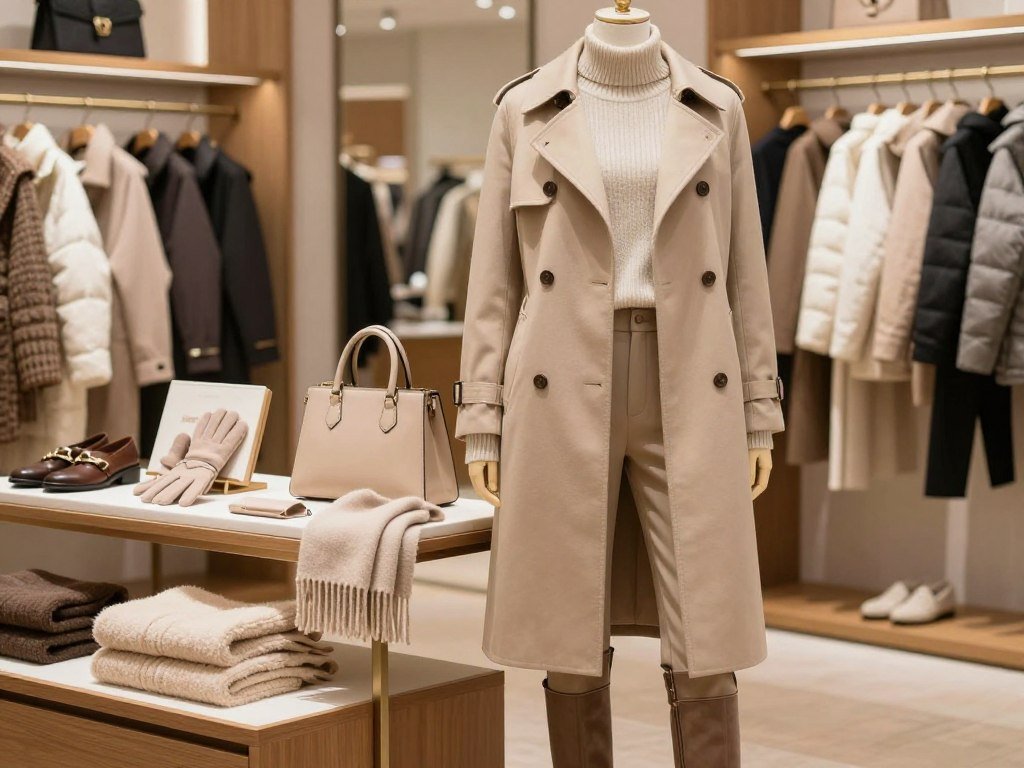
In Fall 2026, outerwear trends included toggle coats, shaped shearling, robe coats, funnel-neck coats, animal prints, fur-trimmed styles, and jacquard coats. These details can freshen a look, while a well-cut silhouette can stay useful after the season ends.
A wardrobe color palette can help you spot neutrals that suit your clothes and complexion. You can also refresh a sound coat with a scarf or gloves instead of replacing it each winter.
Check these four points before choosing:
- Climate: Decide whether you need a dress coat, insulation, or rain protection.
- Routine: Consider commutes, errands, travel, and time spent outdoors.
- Existing colors: Choose a shade that works with your shoes and daily outfits.
- Layering room: Leave space for the sweater or jacket you wear most.
Cost per wear is the purchase price divided by the number of times you expect to wear the coat. A higher price may make sense with frequent use, but cost alone cannot prove value.
Build your first coat choice around a lasting shape and a color your wardrobe already supports. Let a trend detail come second.
A more expressive coat can add personality when your basics feel complete. A trend detail earns wardrobe space when you can name at least three outfits you would wear it with.
Which Coat Materials Suit Your Winter?
Fabric affects not only how warm a coat feels, but also how it drapes and fits over layers. Wool and cashmere suit many tailored looks, while down serves a more direct insulation role in cold weather.
A fiber blend alone cannot tell you whether a coat suits rain or severe cold. Check the full construction, lining, closure, and care needs alongside the material name.
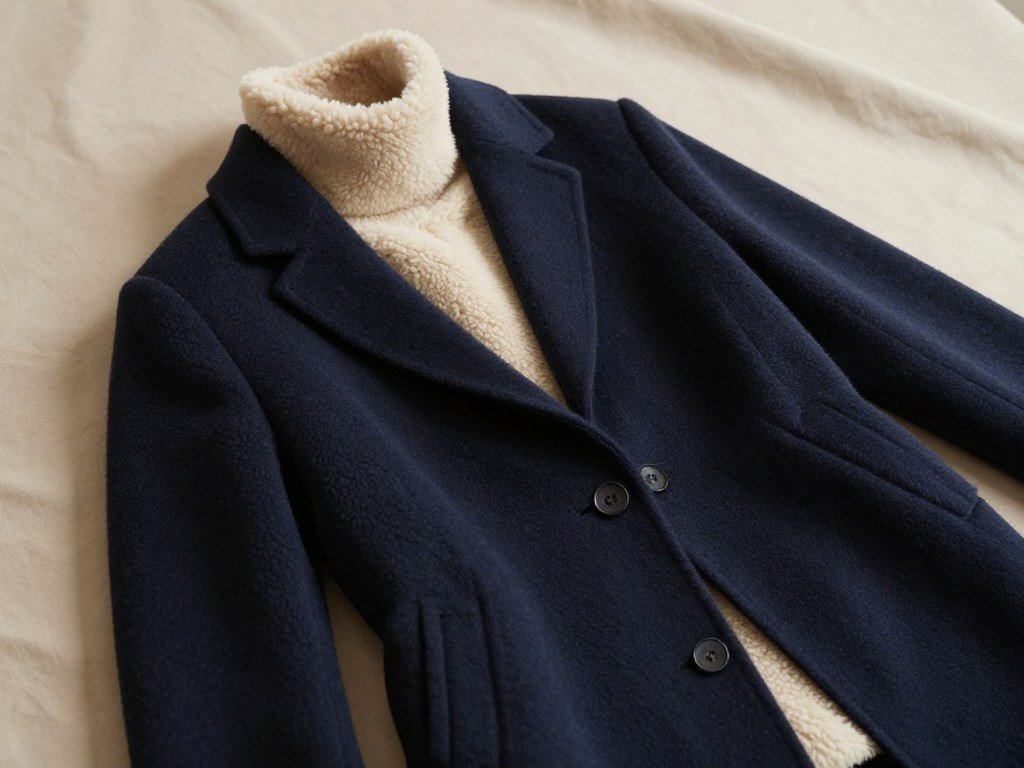
Wool and cashmere for tailored dressing
A wool-cashmere blend can feel softer against the hand, while a pure-wool coat may have a cleaner, firmer look. The Curated Classic Coat is 70% wool and 30% cashmere. Sézane’s Mederick coat is made from 100% wool.
The Pissenlit wrap coat uses 80% virgin wool and 20% cashmere. The CO Wool Blend Cardigan Sweater Coat combines 68% wool, 29% cashmere, and 3% polyamide. Sentaler’s listed coat uses 70% baby alpaca and 30% wool. Those details describe specific coats, not a ranking of quality.
Shearling and down for colder conditions
Shearling has a plush feel and can add visual bulk. Down works as insulation in a more functional cold-weather layer. Fill power measures the loft of down, or how much space it takes up, but it does not guarantee performance in every condition.
| Material | Typical feel | Visual effect | Useful setting |
|---|---|---|---|
| Wool-cashmere | Soft, structured | Polished line | Work and city wear |
| Shearling | Plush, substantial | Textured volume | Cold, dry outings |
| Technical down | Light, padded | Quilted shape | Cold outdoor activity |
A luxurious fiber blend does not by itself make a coat suitable for wet or severe weather. A smooth handfeel may also come with care needs that differ from everyday machine-washable layers.
Check the care label and the full fiber composition before treating a soft handfeel as proof of easy maintenance.
Which Classic Wool and Wrap Coats Work Across Occasions?
A tailored overcoat is the safest starting point when you want one piece to work with both everyday clothes and dressier outfits. Its clean outline sits well over workwear, jeans, or an evening look.
Pick the closure and shape that suit how you move through the day. A wrap coat has an open front that makes layering easy, while a fastening coat can feel more secure in wind.
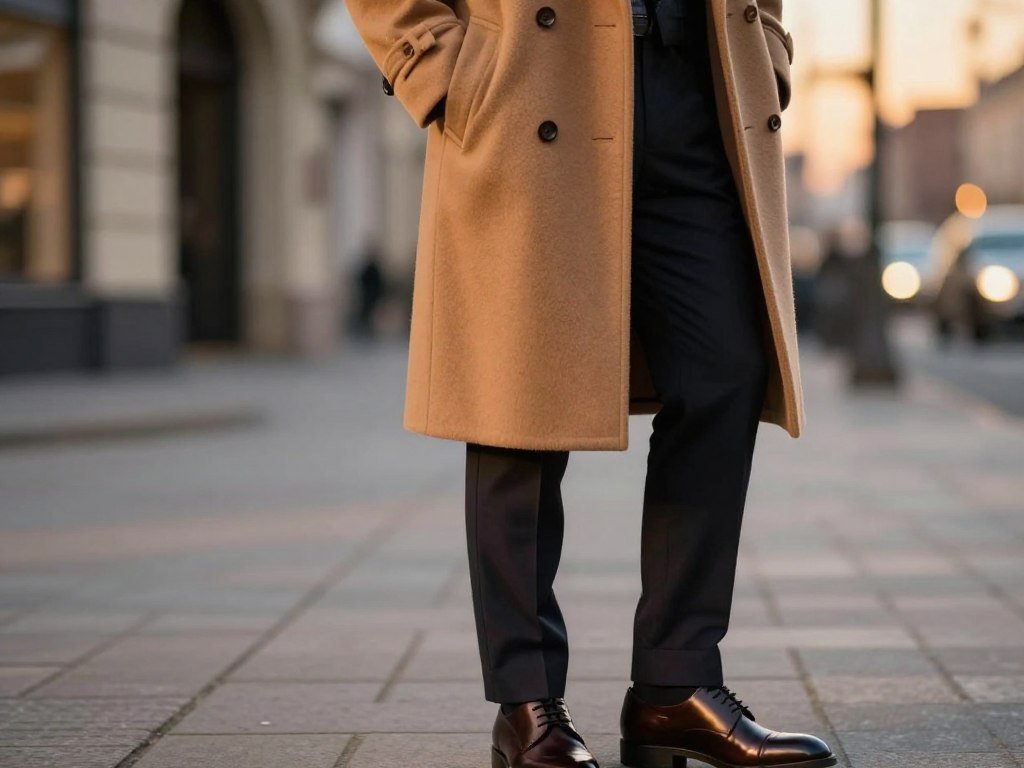
A tailored wool overcoat usually has a straight, structured line. A wrap coat uses a belt and open front for a softer shape. A double-breasted coat brings a formal front with overlapping panels and buttons.
Fall 2026 options include the Burberry Waterloo Heritage coat, Toteme belted wrap coat, and The Row Kosmo coat. These names offer examples of the three classic directions without making assumptions about their fabrics.
For outfit ideas, a long coat can work with denim and boots or a knit dress and tall boots. Simple winter outfit ideas can help you see how a coat changes the balance of familiar clothes.
| Silhouette | Defining line | Typical closure | Best use |
|---|---|---|---|
| Tailored overcoat | Straight, structured | Buttons | Work and dressy plans |
| Wrap coat | Soft, belted | Belt or open front | Easy layering |
| Double-breasted coat | Formal, overlapping | Two button rows | Polished daily wear |
Classic colors can also make a coat easier to pair with your usual clothes. Before choosing a length, check that the hem works with the shoes and trousers you wear most.
Does a Robe Coat Fit Your Everyday Wardrobe?
A robe coat suits someone who wants a relaxed line that can be adjusted with a belt rather than fixed tailoring. Its soft drape can feel polished without making a simple outfit look formal.
An optional belt lets you define the waist or leave the front loose. In Fall 2026, robe coats appeared in draped shapes with belts that could be tied or left off. Toteme’s belted wrap coat is one named option.
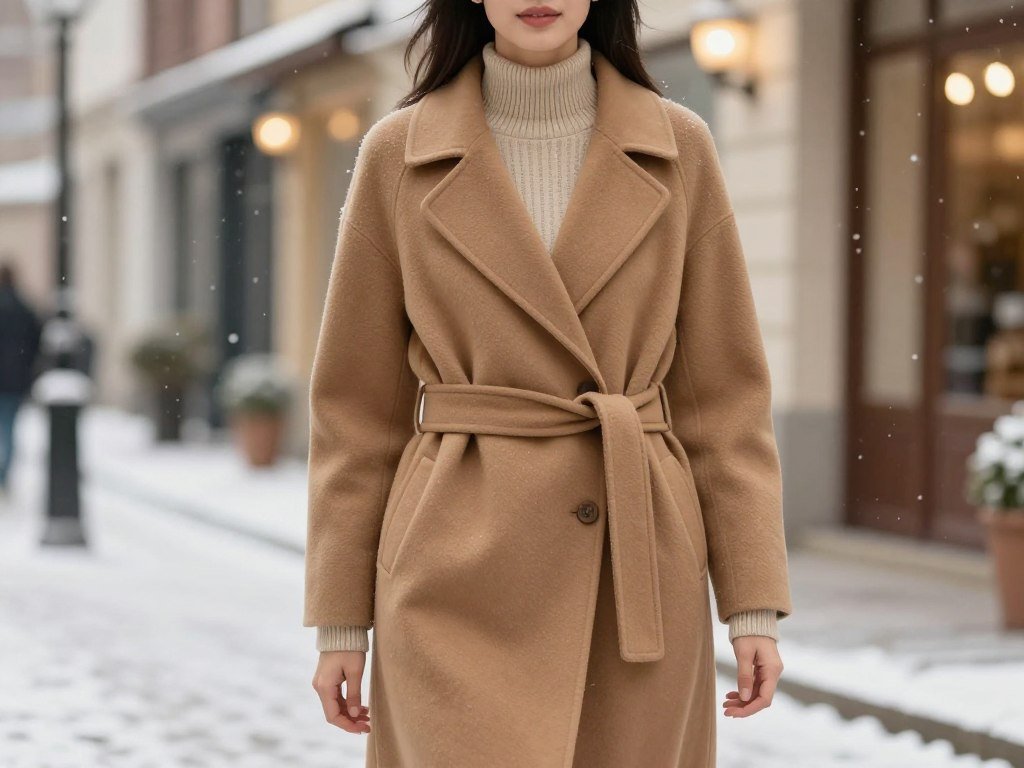
The open front can work well over lighter layers, but it may not stay closed in gusty weather. If your winter brings strong wind, a coat with a secure fastening can be easier to manage.
A robe coat can suit these three everyday moments:
- Layering over a fine knit on a cool morning.
- Dressing up jeans and a simple top for daytime plans.
- Wearing over a dress when an evening plan calls for a polished layer.
A camel wrap coat can connect easily with denim, dark trousers, or a neutral dress. Keep the belt snug enough to shape the line, but not so tight that it bunches your clothes.
If you are planning a full-day outfit, practical winter outfit ideas can help you balance a belted coat with boots, knits, or dresses. The best pairing should feel comfortable once you leave home.
Try sitting and walking with the belt tied, since a comfortable waist is part of the style’s appeal.
Which Structured Shearling Coats Make a Statement?
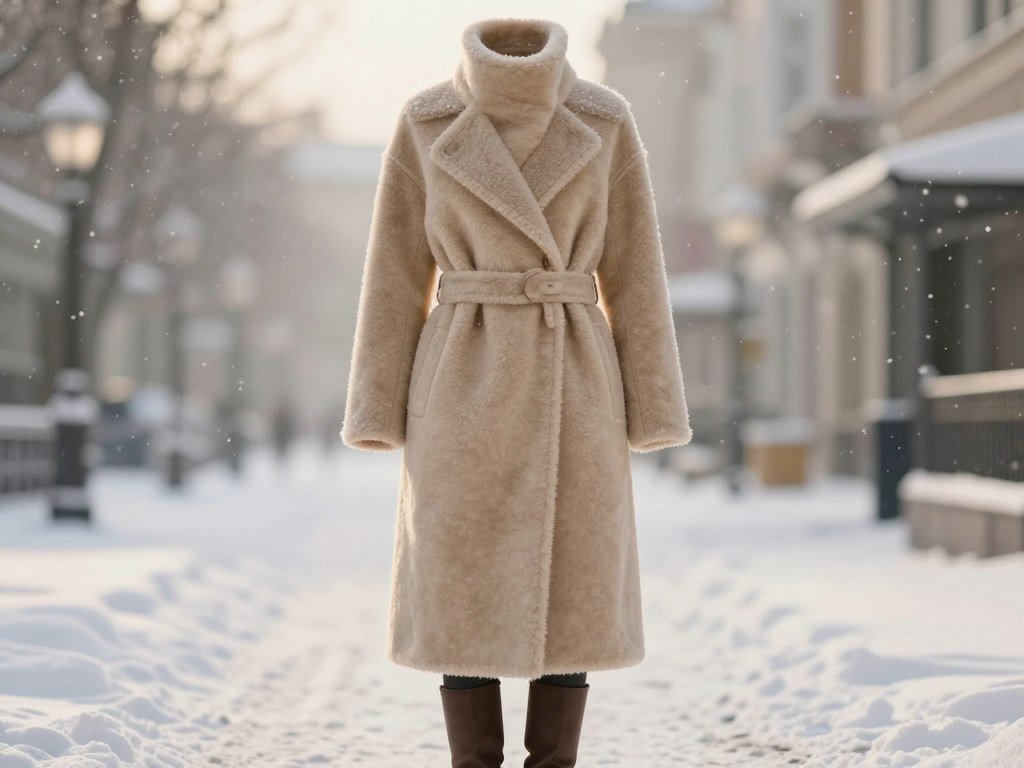
A shaped shearling coat gives a plush winter texture a more deliberate outline. A defined shape can help substantial material look considered rather than oversized.
Choose the cut by how much layering room you need. A close shape can look sharp, while a relaxed coat leaves more space for knitwear.
Contoured shapes for definition
A cinched or contoured waist gives the coat a clear line through its thick texture. In Fall 2026, structured shearling coats included styles shaped at the waist. The Toteme silky shearling coat is one option for this more defined look.
This kind of statement can work over casual trousers or an evening outfit. Its texture feels more distinctive than a plain wool coat, so it may draw attention even when the rest of the outfit stays simple.
Relaxed shearling for easy layering
A relaxed cut gives you more room for a sweater and may feel easier on long, cold days. The Alaïa shearling jacket is a Fall 2026 option for readers drawn to a looser shape.
Before choosing, think about whether you want the coat to look tailored or easygoing. A broad shoulder or wide sleeve may affect how it sits over a bag strap, too.
Shearling can be a tactile statement over jeans, a knit dress, or a simple evening outfit. Its visual weight is part of its appeal, though it may feel bolder than a clean wool coat.
Check shoulder movement with your thickest planned sweater, since a close fit can restrict layering.
What Do Toggle and Duffle Coats Add to a Winter Look?
A duffle coat adds recognizable hardware and a relaxed heritage feel to a cold-weather outfit. Its visible toggles give a coat a distinctive detail without relying on a bold print.
Visible toggles make a coat feel more casual than a minimal overcoat. The Dries Van Noten wool duffle coat and Róhe double-faced duffel coat are Fall 2026 options.
A simple overcoat often has a cleaner front, while toggles become a clear part of the outfit. Consider whether you plan to wear the coat mostly closed or open, since strong fastening details can make an open-front look less simple.
Try these three pairings:
- Denim with boots for a relaxed weekend outfit.
- Tailored trousers with a knit for a neat workday look.
- A simple dress with flat shoes for easy daytime plans.
The toggle shape and placement affect both the look and how easily you fasten the coat. Large loops may be easier to handle with gloves, while small closures can feel less bulky.
Choose the toggle placement and closure you find easiest to use with gloves on.
Is a Teddy Coat a Useful Long-Term Choice?
A teddy coat can make a simple outfit feel cozy and considered, but its volume should suit your routine. The soft texture changes the mood of jeans, knitwear, or a simple dress.
A cozy look is not the same as a verified warmth rating. The Max Mara Teddy1 is a Fall 2026 option for someone who likes a plush, noticeable shape.
The coat can bring warmth to a plain outfit visually, even when the rest of the look stays simple. It may feel right for relaxed plans or a city day when you want texture to do most of the styling work.
Bulk can be less convenient on a crowded commute, especially if you need to carry the coat over your arm indoors. A roomy silhouette may also take more space in a closet or coat check.
Think about how often you wear thick layers beneath outerwear. A bulky sweater under a full teddy coat may feel crowded, while a thin knit can leave room for movement.
Check how easily the coat fits over your usual layers without making your shoulders feel crowded.
How Can Jacquard Coats Work From Day to Evening?
A patterned coat is easiest to wear when the rest of the outfit gives it room to stand out. Keep the other pieces quiet and simple so the coat can set the tone.
Jacquard describes a woven pattern, not a promise of formal wear. The fabric can suit a casual outfit or a dressier one, depending on its colors, scale, and cut.
Patterned coats for daytime outfits
A patterned coat can lift a plain outfit when the other pieces stay restrained. The Marni leopard-jacquard coat is a Fall 2026 option for a daytime look with simple trousers, a knit, and understated shoes.
Keep the outfit’s shape familiar so the coat does not compete with several new details. A neutral bag and plain boots can help a vivid pattern feel easier to wear from errands to lunch.
Rich texture for evening dressing
A richer pattern can sit over a simple dress or tailored separates for an evening plan. The Dries Van Noten Richy art deco coat is a Fall 2026 option for this more decorative direction.
Jacquard can bring depth through its woven design, but a relaxed cut may still feel casual. Look at the garment’s shape and finish along with the pattern before treating it as formal.
A bold coat can also make a plain black outfit feel complete. Check the pattern against the shoes and bag you already use for the occasion.
How Can Animal Print and Fur Trim Stay Wearable?
A strong animal print is most versatile when it is the focal point rather than one of several competing details. Leopard, fawn, and cheetah patterns appeared in Fall 2026 outerwear styles.
Keep the rest of the outfit simple when the coat already has a bold pattern. The Róhe pony-hair coat and Valentino Garavani long wool coat with fur trimmings are examples from the season.
For a wearable outfit, use these three checks:
- Keep other patterns simple or leave them out.
- Repeat one color from the print in a shoe or bag.
- Choose a coat shape that suits the occasion.
Fur trim can mean real fur or a faux-fur detail, so the label matters. Canada Goose announced it would stop purchasing fur by the end of 2022, and its new jackets are sold without real-fur trim.
Canada Goose’s fur policy gives a clear example of how a brand can state its approach. Do not assume that every trim looks or feels the same; check the product details before choosing.
Confirm whether any trim is real or faux before buying, especially if that distinction matters to you.
Are Funnel-Neck and Cape Coats Practical for Cold Days?
A funnel neck offers more coverage around the neck, while a cape favors movement and visual drama. Choose a higher collar for extra neck coverage or a cape for a more open shape.
A cape leaves more exposure than a fully enclosed coat. It can look polished over lighter layers, but it is not the choice for absolute freezing conditions.
Funnel necks for wind protection
A high collar can frame the face and cover the neck, which may help when the wind picks up. Fall 2026 funnel-neck coats came in midi and maxi lengths, giving you options for different outfits.
Some collars stand on their own, while others close more fully around the neck. The shape can add a strong line near the face, so consider whether you prefer a dramatic collar or a softer one.
Capes for milder weather
The Róhe cape trench coat is a Fall 2026 option for a polished, open silhouette. A cape can move easily over a lighter layer, though its open sides leave more of you exposed to cold air.
That extra exposure makes a cape better suited to chilly days than severe cold. It may work for a short walk or a mild commute, but it offers less coverage than a coat with sleeves and a closed front.
Match a cape to chilly rather than severe weather and plan a warmer layer underneath.
Which Technical Parkas Handle Wet, Cold Days?
For extended time outdoors in cold, wet weather, start by comparing shell construction and insulation rather than appearance alone. A technical parka can offer a more useful mix of coverage and weather protection than a dress coat.
A two-layer shell and a water-resistant claim are not interchangeable. The North Face McMurdo Down Parka uses 600-fill-power down and a two-layer Dryvent shell.
The McMurdo was tested in sub-20-degree conditions in New Hampshire during the winter before a November 14, 2025 update. That test offers a concrete cold-weather reference, not a guarantee for every person or setting.
The Fjallraven Nuuk Parka uses 250 grams of polyester insulation and a recycled-polyamide shell. It measures 34.6 inches long and has 13 pockets, useful details for someone who carries small items outdoors.
The Patagonia Stormshadow Parka is another technical option. These listed prices applied to the 2025/2026 winter season.
| Parka | Insulation or construction | Distinguishing feature | Listed price and season |
|---|---|---|---|
| The North Face McMurdo | 600-fill down; two-layer Dryvent | Cold-weather tested | $400, 2025/2026 winter |
| Fjallraven Nuuk | 250g polyester; recycled-polyamide shell | 34.6 inches; 13 pockets | $500, 2025/2026 winter |
| Patagonia Stormshadow | Technical parka construction | Cold-weather option | $900, 2025/2026 winter |
Waterproof gear guidance explains why sustained rain calls for waterproof construction and sealed seams. Check the product’s current care and weather-protection details against the conditions you actually face.
What Are the Best Women’s Winter Coats for Extreme Cold?
In extreme cold, prioritize coverage, a secure hood, and enough room for the layers you will actually wear. The Outdoor Research Coze is a useful longer-coverage pick, while the Rab Neutrino Pro suits active use.
The REI Co-op Stormhenge is a value option for wet winters, but its slimmer fit can limit warmth in extreme cold. Compare length, insulation, and weather protection before choosing.
Longer insulated coats for coverage
The Outdoor Research Coze Down Parka for women uses 700-fill down and weighs two pounds. Its longer hem, oversized hood, neck baffle, and two-way zipper add coverage for cold days.
The Coze also has an adjustable hood and water- and wind-resistant construction. These features make it a practical choice when a short jacket leaves too much of your body exposed.
Lighter down options for active use
The Rab Neutrino Pro for women uses 800-fill-power down and has an athletic, hip-length cut with an oversized adjustable hood. That shorter shape can suit active use when you want more freedom to move.
The REI Co-op Stormhenge Down Hybrid Parka combines 850-fill-power goose down, polyester insulation, and a waterproof-breathable two-layer nylon shell with fully sealed seams. It reaches mid-thigh and has a two-way zipper, but its slimmer silhouette may leave less room for layers.
| Coat | Fill or insulation | Length or fit | Listed price and guide |
|---|---|---|---|
| Outdoor Research Coze | 700-fill down | Longer hem | $500, 2026 winter-jacket guide |
| Rab Neutrino Pro | 800-fill-power down | Athletic, hip-length | $450, 2026 winter-jacket guide |
| REI Co-op Stormhenge | 850-fill goose down; polyester | Mid-thigh, slimmer fit | $299, women’s winter-jacket guide |
The Stormhenge is a value option for wet winters, while the Rab’s shorter cut may suit movement. The OutdoorGearLab winter jacket guide also compares warmth, weather protection, comfort, and packability across jackets.
Make sure the fit leaves space for a warm middle layer without pulling at the zipper or shoulders.
Which Luxury Winter Jacket Brands Balance Warmth and Polish?
A useful brand comparison starts with the kind of winter dressing each label is built to serve. Moncler leans toward sleek luxury styling, while Herno focuses on light fabrics and business-friendly lines.
Compare textile and design priorities, not prestige alone. A shortlist of five popular winter outerwear brands can include Moncler, Herno, Mackage, Canada Goose, and Max Mara, with different roles rather than one ranking.
Moncler down jackets use white goose down, glossy nylon, and sleek silhouettes. Herno downwear uses lightweight fabrics and water-repellent, wind-resistant textiles, with clean designs meant to work with business attire.
Mackage combines high-fill-power goose down with stretch fabrics and leather accents. Canada Goose uses Arctic Tech, a textile made from 85% polyester and 15% cotton, with a durable water-repellent finish.
| Brand | Insulation or textile | Design character | Practical distinction |
|---|---|---|---|
| Moncler | White goose down; glossy nylon | Sleek luxury | Polished, shaped look |
| Herno | Lightweight, water-repellent textiles | Clean business style | Wind-resistant fabrics |
| Mackage | High-fill-power goose down | Stretch and leather accents | More fitted details |
| Canada Goose | 85% polyester, 15% cotton Arctic Tech | Durable, practical | Water-resistant, not waterproof |
Canada Goose Arctic Tech is water-resistant, not fully waterproof, and its stiffer fabric may feel less fluid than a tailored coat. Herno’s lightweight, water-repellent textiles show another way to pair weather-focused fabrics with a clean look.
Luxury performance labels can also help frame the difference between fashion-led and active outerwear. Choose the brand whose fabric and silhouette fit your routine, not just the label you recognize.
How Should You Check Coat Sizing and Layering?
A coat fits well when you can move naturally in it over the layers you plan to wear. A comfortable fit should leave room to move without making the coat look loose or feel insecure.
Test the coat in the same layers you expect to wear outside. Size labels differ across brands, so do not assume that one brand’s size matches another’s.
Try these five checks in a fitting room or at home:
- Reach forward as if holding a steering wheel or bag.
- Cross your arms and notice pressure across the back.
- Sit down and check whether the coat rides up.
- Fasten it over a sweater you wear often.
- Check sleeve and hem proportions with your usual shoes.
Smythe sizing listed in the product details runs from 2-12, while Sentaler runs from XS-XL. Reiss offers regular and petite sizes. Those examples show how size options can differ, not a promise of current stock.
A roomier cut helps only if the coat still feels secure and proportionate. If a coat is too wide at the shoulders or too long at the sleeves, extra space may not solve the fit.
For more ideas on balancing layers, styling luxury pieces for different occasions can help you consider proportion and comfort through a full day.
If you are between sizes, compare the garment measurements and try the coat over your thickest regular layer before deciding.
When Is a Luxury Winter Coat Worth the Investment?
A coat is worth a larger spend when you expect to wear it often and it works with clothes you already own. Frequent use matters more than a striking price tag or a well-known label.
Cost per wear makes sense only when the coat suits your weather and wardrobe. A discount or high price alone does not make a coat a good investment.
Fall 2026 listed prices show a wide range across styles. The Apparis Judie coat was listed at $495, while the Toteme belted wrap coat was listed at $1,680.
| Named coat | Style category | Fall 2026 listed price |
|---|---|---|
| Apparis Judie | Plush statement coat | $495 |
| Toteme belted wrap | Wrap coat | $1,680 |
| Burberry Waterloo Heritage | Classic overcoat | $2,850 |
| Max Mara Teddy1 | Teddy coat | $4,460 |
| Alaïa shearling jacket | Shearling jacket | $8,500 |
Other Fall 2026 listed prices included $4,160 for the Toteme silky shearling coat and $3,150 for the Dries Van Noten wool duffle coat. The Róhe double-faced duffel coat was listed at $1,805 that season.
The Marni leopard-jacquard coat was listed at $4,900 in Fall 2026, and the Róhe pony-hair coat at $3,190. That season, the Valentino Garavani long wool coat with fur trimmings was listed at $9,900.
The Dries Van Noten Richy art deco coat was listed at $2,195 in Fall 2026. The Row Kosmo coat was $8,900, and the Róhe cape trench coat was $1,805 that season.
A coat that works with several outfits may earn its cost better than a special piece you wear once. Affordable designer options can also help you compare price with expected use and care needs.
A higher price does not promise more wear, and a discount cannot fix a coat that fails your needs.
Before committing, ask whether the coat is comfortable, weather-appropriate, and easy to style with several outfits you wear regularly.
Conclusion
The strongest winter wardrobe choice is the one that feels natural to wear, suits your weather, and works with what you already own. A lasting silhouette can serve you for years when its warmth and shape fit your real routine.
Start with a quick audit of your current outerwear. Notice which outfits feel unfinished, which days call for more protection, and what you reach for most often.
A coat should fill a clear need rather than duplicate a piece that already works. Pick one gap in your current outerwear, then try on a coat that fills it before adding another piece.
FAQ
What are luxury winter brands?
What’s in style for winter coats?
Which brand sells the warmest jackets?
What are the top 5 brands of winter jackets?
What’s better than a Canada Goose jacket?
What is more luxury, Canada Goose or Moncler?
What is the American version of Canada Goose?
Is Canada Goose better than North Face?