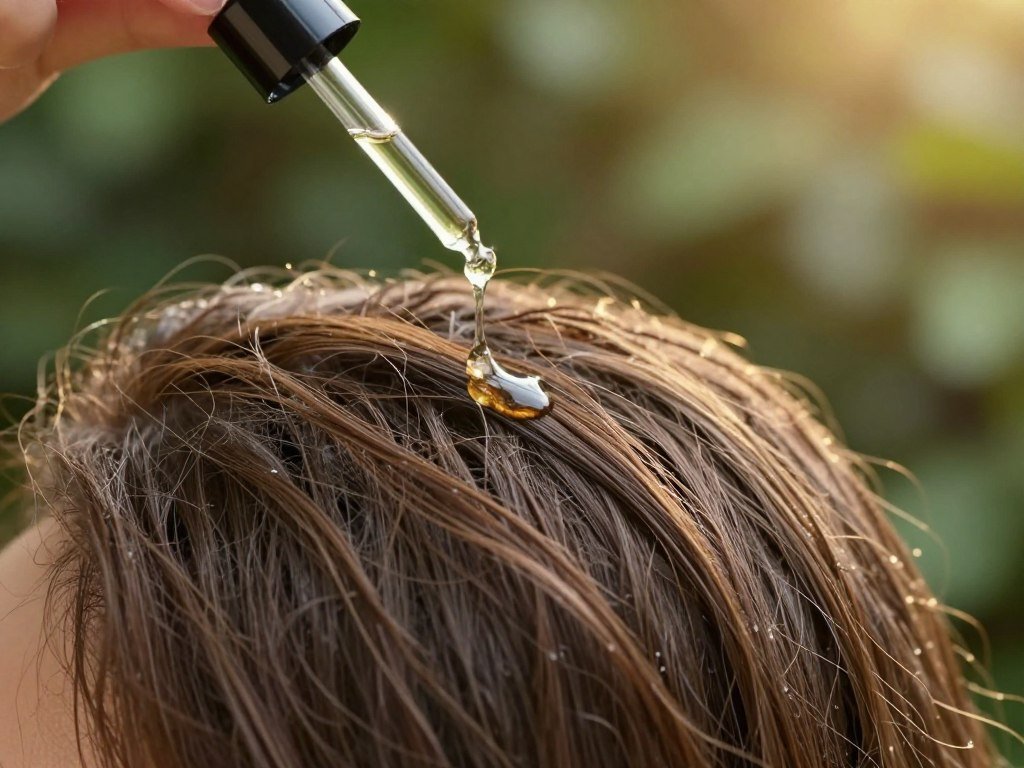
A serum can give a frizz-prone style a smoother finish, but the best match depends on how your strands behave and how you style them. Humidity, heat styling, and hair texture can all affect the result. The hair cuticle is the outer protective layer of a strand, and smoothing products help improve its surface feel and shine.
A light hand matters as much as the formula. Too much product can leave strands flat or greasy, while the right amount can tame flyaways without hiding your natural texture. The ten picks below suit different budgets, hair types, and styling habits, from curls to heat-styled looks.
Use the comparisons to narrow your choice, then consider how you wash, style, and care for your hair. A serum can add shine and help control the look of frizz, but it cannot undo damage or replace care that keeps hair in good shape.
Key Takeaways
- IGK CryBaby is a versatile pick for lightweight smoothing and shine.
- Rōz Milk suits fine or dry-feeling strands, while Curlsmith suits curls.
- e.l.f. Gloss Mode offers a lower-cost option with heat-styling protection.
- Match formula weight to your strand texture and density.
- Start with a small amount and keep serum on lengths and ends.
- Treat a serum as one step in a routine, not a substitute for gentle care.
Which Is the Best Hair Serum for Frizzy Hair?
IGK CryBaby is the most versatile starting pick for readers who want lightweight smoothing and shine. Its oil-serum hybrid helps smooth frizz without a heavy feel, making it a useful everyday choice for many hair types.
For a general-purpose hair serum, start with IGK CryBaby at $32. The other four picks answer specific needs, including curls, heat styling, dry-feeling strands, and price. Compare their best fit before choosing a formula.
| Product | Price | Best fit | Distinguishing feature |
|---|---|---|---|
| IGK CryBaby | $32 | Overall smoothing | Lightweight oil-serum hybrid |
| Rōz Milk | $52 | Fine or dry-feeling strands | Glycerin and panthenol |
| Curlsmith Frizz Rescue | $29 | Curls | Silicone-free, helps keep bounce |
| Davines LOVE Smoothing Perfector | $33 | Heat styling | Protection up to 450°F |
| e.l.f. Gloss Mode | $10 | Budget-minded smoothing | Shine and heat-styling protection |
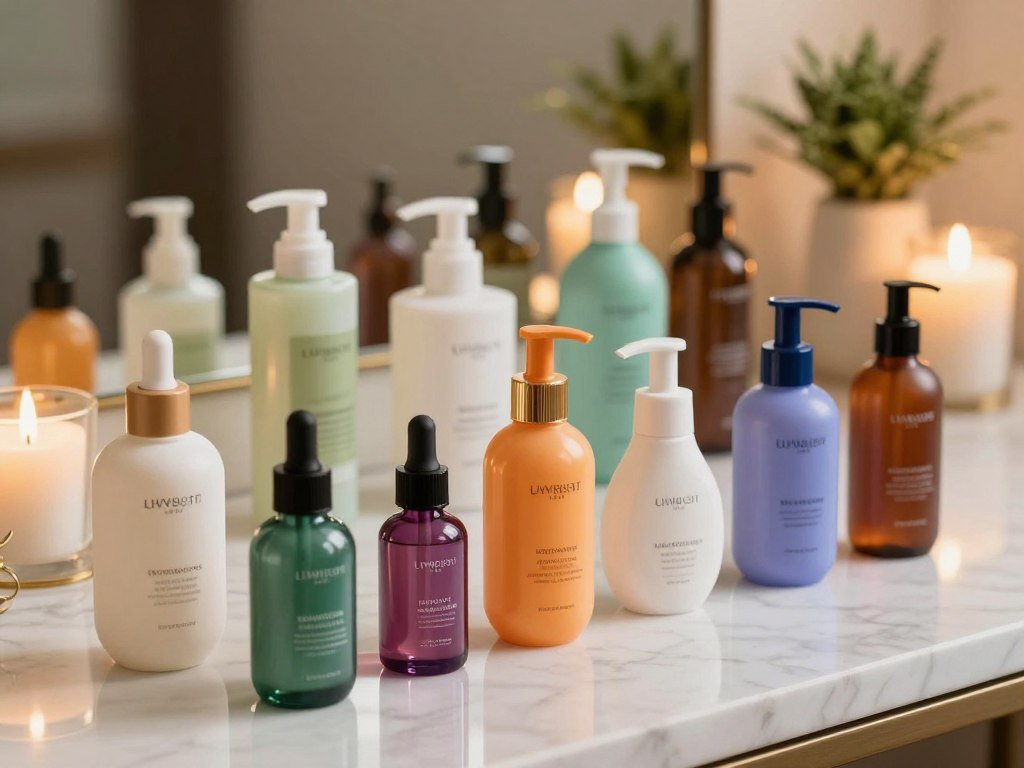
Rōz Milk Hair Serum costs $52 and contains glycerin and panthenol to soften, detangle, and help control frizz. That makes Rōz the fine-hair choice in this group, especially when your strands feel dry but need a light finish. It is also the best hair serum for dry hair among these picks.
Curlsmith Frizz Rescue Finishing Serum costs $29. Its silicone-free formula helps control frizz while keeping curls bouncy, so it suits readers who want definition without a weighed-down look. Silicone-free is a preference, not a rule for every curl type.
Davines LOVE Smoothing Perfector costs $33 and helps control frizz while protecting hair from heat up to 450°F. It is a smoothing cream, not a serum. If you specifically want a serum, choose another option and check the label for heat protection.
At $10, e.l.f. Cosmetics Gloss Mode Treatment Oil is the best drugstore hair serum for frizzy hair among these picks. It smooths frizz, boosts shine, and protects against heat styling. The oil name signals a different texture, so use it sparingly if your strands are fine.
These products meet different needs rather than offering one identical result. Your best match depends on whether you want a light finish, curl control, heat protection, or a lower price. IGK CryBaby’s $32 price sits between the budget pick and the two higher-priced options.
Choose by the result you need rather than the word “serum” on the label.
A serum, oil, and smoothing cream can all help with the look of frizz, yet they feel different on the hair. Read the product type and its directions before buying, especially if you need heat protection. A product’s name alone does not tell you how light or rich it will feel.
Among the best hair serums for everyday use, IGK is the broad-use pick, Rōz serves fine or dry-feeling strands, and Curlsmith is aimed at curls. Davines fits heat styling, while e.l.f. keeps the price low. Choose by the result you need rather than the word “serum” on the label.
Which Serums Help With Specific Concerns?
For split ends or a fragrance-free routine, a concern-specific pick can be more useful than a one-size-fits-all option. Virtue targets the look of split ends, while SEEN Magic Serum is the fragrance-free choice.
Match the product’s stated use to the concern you want to manage. Oribe is positioned for damage repair, and Olaplex N°.9 focuses on bond and heat protection. The table shows how five more products differ.
| Product | Price | Concern | Distinguishing feature |
|---|---|---|---|
| Virtue The Perfect Ending | $42 | Split ends | Split-end serum |
| Oribe Power Drops | $58 | Damage repair | Damage-repair booster |
| SEEN Magic Serum | $36 | Fragrance-free preference | Fragrance-free serum |
| Garnier Fructis Sleek & Shine | $8 | Lower-cost smoothing | Silicone and argan oil formula |
| Olaplex N°.9 | $32 | Damaged hair | Heat- and bond-protection positioning |
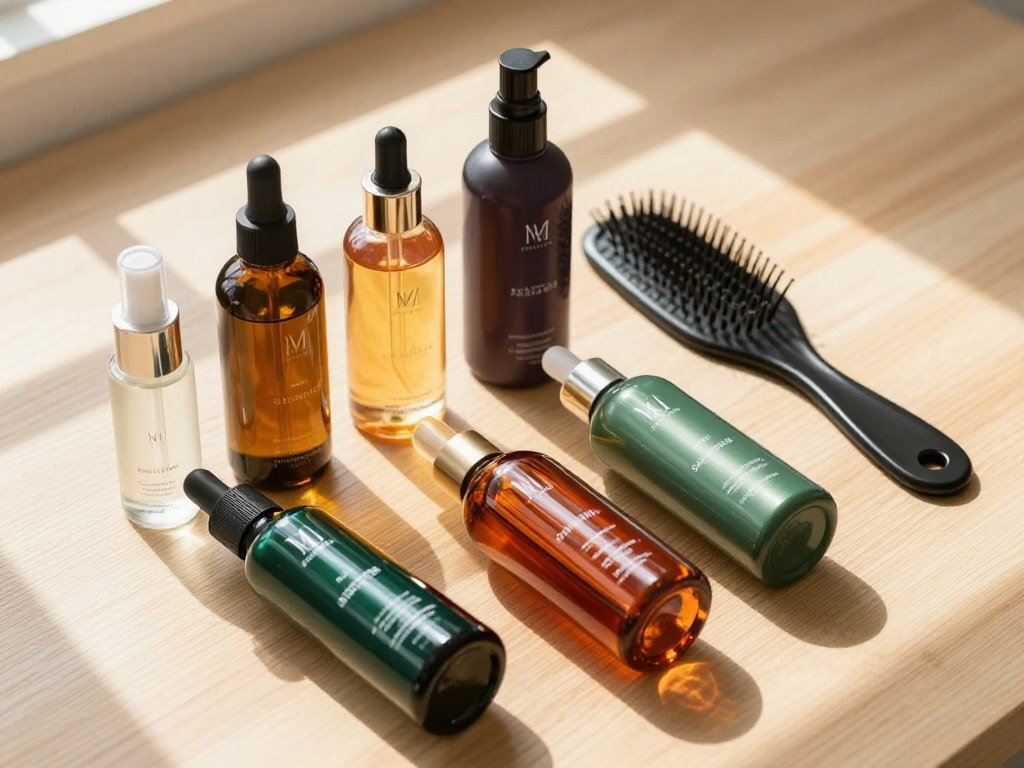
Virtue The Perfect Ending Split End Serum costs $42 and is the split-end pick. A serum can help improve the appearance of ends, but it cannot fuse a split strand back together. Trimming damaged ends may still be needed to remove the split.
Oribe Power Drops Damage Repair Booster costs $58 and is the damage-repair pick. Olaplex N°.9 Bond Protector Hair Serum costs $32 and is positioned for damaged hair with heat and bond protection. The best hair serum for damaged and frizzy hair in this group depends on your main concern: Oribe is the damage-repair option, while Olaplex is heat-protection-oriented.
SEEN Magic Serum costs $36 and is fragrance-free. It suits a fragrance-free preference, though that feature alone does not mean every person with sensitive skin will tolerate it. Check the full ingredient list if you avoid a certain ingredient.
Garnier Fructis Sleek & Shine Anti-Frizz Hair Serum is listed at $8. Its silicone and argan oil formula offers a lower-cost smoothing option. The price makes it easy to consider for a basic styling routine, but fit still depends on how the texture feels on your strands.
The best hair serum for damaged hair is not a replacement for reducing the source of damage. A smoothing product may improve the feel or finish of damaged hair, but it cannot reverse every effect of heat, bleach, or friction. Use the table to narrow your choice by concern, then consider which habits may be adding to the problem.
Products that mention damage can have different roles. One may focus on split ends, another on damage repair, and another on heat protection. Those labels help you compare stated uses, but they do not promise the same result for every hair type.
Garnier offers the lowest listed price in this group, while Oribe is the highest. SEEN is the only fragrance-free option in the table. Those distinctions can help you sort the products before you weigh formula feel and styling needs.
Take care not to treat the word “repair” as a promise that damaged hair will return to its original state. Consider whether you want help with the look of ends, heat protection, or a fragrance-free routine. Pick the product whose stated use matches the problem you want to address.
How Do You Match a Formula to Your Hair Type?
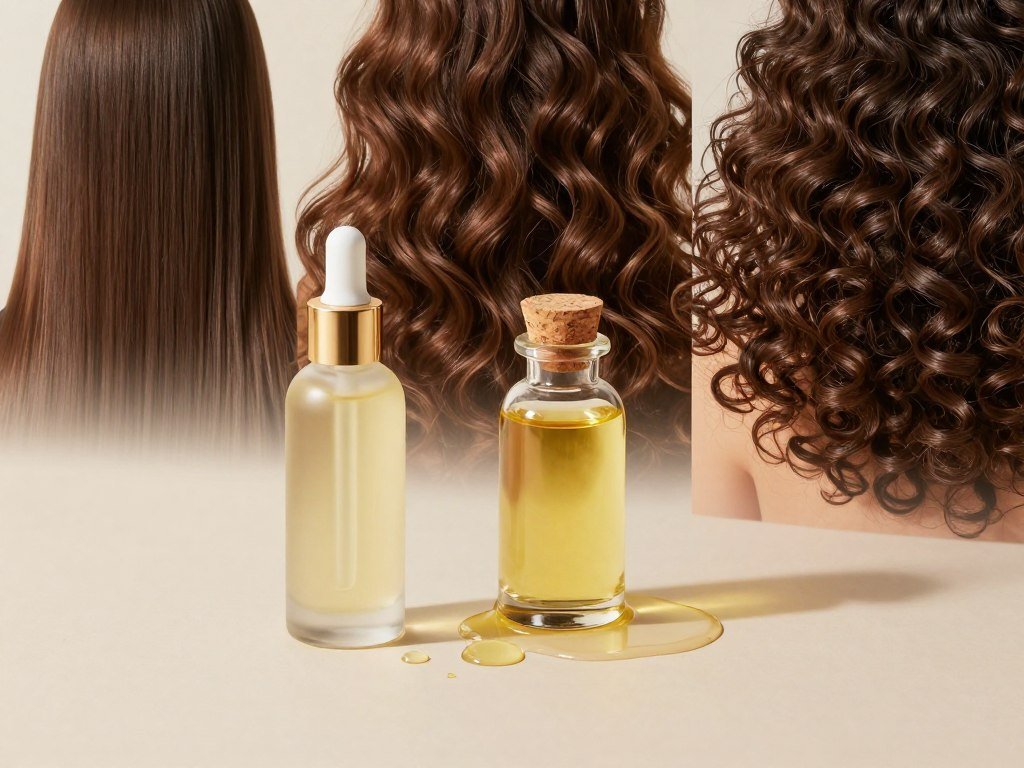
A light formula is usually the safer starting point for fine strands, while thicker or drier strands can often handle a richer texture. The difference comes down to how much weight your hair can carry without losing movement.
Fine strands often do best with a light feel; thick or dry strands may suit richer oils or silicones. The hair cuticle can feel smoother when a product coats the strand, but the finish changes with formula and amount.
Lightweight Water-Based Formulas for Fine Strands
Water-based formulas are generally lighter, so they can suit fine strands that flatten easily. A serum usually gives a light smoothing feel, while an oil often feels more like a surface-conditioning layer. The difference may be clear when hair loses volume after a few drops.
Fine hair can still feel dry, so a light texture does not mean you need to skip moisture. Choose a formula that leaves strands easy to comb without a coated feel. For shampoo and conditioner choices, match the cleanser to your scalp and the conditioner to your lengths with this guide to shampoo and conditioner.
Richer Oils for Thick or Dry Strands
Thicker or drier strands may tolerate richer oils or silicones because they can carry more product without looking flat. ICON India Oil combines moringa oil and argan oil with cyclopentasiloxane and dimethicone. Those ingredients offer one example of a blended formula, not a guarantee that every person will get the same result.
Hair density and strand texture are not the same. Fine strands can be dense, and thick strands can be sparse, so pay attention to how the product feels across your hair. Your own experience with weight and residue can help you decide which texture suits your routine.
When Silicone Helps With Smoothing
Silicones can help smooth the hair’s surface and reduce friction. A review of hair-care ingredients explains how conditioning agents and silicones affect the hair shaft in this review of hair cosmetics. Silicone-free is a preference, not an automatic requirement.
If your hair seems coated, buildup may be affecting the way a formula feels. A clarifying shampoo routine can help address residue, but frequent deep cleansing may leave some hair feeling dry. If a formula leaves strands limp or coated, use less or try a lighter texture.
How Should You Apply Serum After Washing?
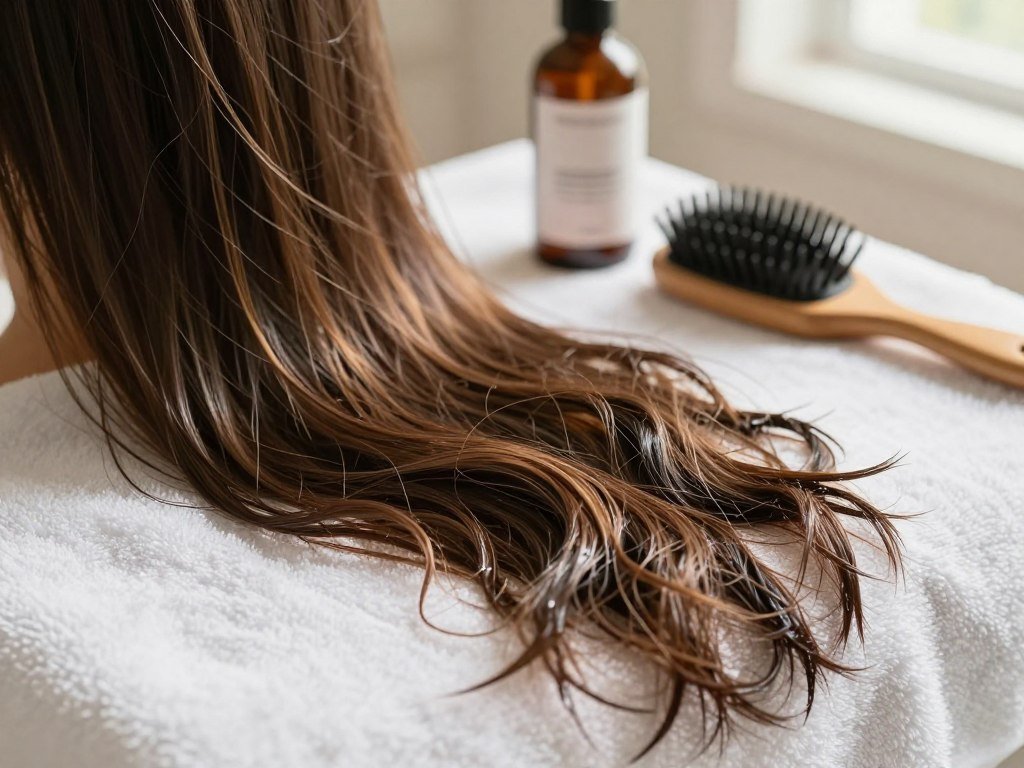
Start with a small amount on damp lengths, then distribute it through the ends before blow-drying. An after-wash hair serum for frizzy hair can go on damp lengths before styling.
Use the smallest amount that smooths the areas you want to manage. Keep it away from the roots when a greasy finish is a concern, since the scalp can make hair look oily sooner.
Apply to Damp Lengths Before Styling
ICON recommends 1-2 drops of India Oil on damp hair before blow-drying. For fine hair, ICON recommends 1 drop per application. Spread the product between your palms, then smooth it over mid-lengths and ends.
Let your texture guide the amount, since long or thick hair may need a different spread than short, fine hair. For tool choices and safe use, see this guide to choosing a hair straightener for your hair type.
Use a Small Amount on Dry Hair to Finish
ICON also recommends a tiny amount on dry hair as a finishing product. Use it to tame flyaways or soften rough-looking ends, rather than coating the whole head. Serum should not be assumed to replace a separate heat-protection product unless its directions specify heat protection.
Keep this quick sequence in mind:
- Start with less than you think you need.
- Distribute it through lengths and ends.
- Assess the finish before adding more.
Use your hands to spread the formula so one section does not get more product than the rest. This matters most when the serum has an oil-rich feel or your hair loses volume easily.
Pay attention to damp dry hair as you work: damp strands can spread product more evenly, while dry hair may need only a finishing touch. Add more only if the first application leaves areas visibly rough or flyaway-prone.
Can Hair Serum Hold Up in Humidity?
Humidity-related frizz often appears when moisture reaches strands and they move back toward their natural texture. A hair serum may smooth the surface and add shine, but it cannot permanently change that texture.
Use 8-12 hours as an assessment window, not a promise of lasting frizz control. ICON’s guide recommends checking humidity resistance over an 8-12-hour period. Your own result can change with weather, hair type, and how you style.
Moisture can disrupt a finished style as it reaches the strands. Naturally wavy or textured hair may frizz or return to its usual pattern, and that does not mean the hair is unhealthy.
Look at the whole style through the day, not just the first few minutes after applying a product. Shine can show right away, while smoothness may shift as the air changes. The effect can also differ between indoor settings and time spent outside.
A serum may help the surface look neater without stopping every strand from responding to damp air. For warm days around water, low-tension styles can limit tangles; these poolside hairstyle ideas include options such as buns and braids.
Judge a product by how your style looks through the weather you actually encounter, not by shine immediately after application.
What Else Helps Protect Dry, Damaged Hair?
Conditioning after each shampoo is a simple care step that can improve the look and feel of damaged hair. The American Academy of Dermatology advises conditioning after shampooing to improve shine, static, strength, and UV protection.
Gentle washing, less heat, and careful detangling help limit added breakage. These habits support damaged strands in ways a smoothing product cannot.
Keep Washing and Conditioning Gentle
Massage shampoo into your scalp and let it run down the lengths instead of scrubbing the hair. This can help reduce breakage. Apply conditioner after every shampoo to improve softness and manageability.
Conditioners can help hair feel smoother, but they do not permanently repair split ends. Choose a formula that fits your hair type, since dry or damaged lengths may need richer conditioning than fine hair. A 2022 study found that conditioners containing argan oil helped strengthen bleached hair, but that does not mean every oil product repairs damage.
Reduce Heat Exposure
Use the lowest practical heat setting and limit how long a hot tool touches each section. The American Academy of Dermatology recommends a leave-in heat-protection spray or cream before heat styling. Keep a separate heat-protection product in your routine if your serum does not state that it offers this protection.
Limit Friction While Detangling
Detangle with a wide-toothed comb or a brush that helps reduce breakage and frizz. Work gently through knots rather than pulling hard on strands. A low-tension braid or bun can also help limit tangling during pool time, when wet hair may snag more easily.
Use this compact checklist for your care routine:
- Condition after every shampoo.
- Massage shampoo into the scalp, then let it run down the lengths.
- Choose the lowest practical heat setting and brief tool contact.
- Apply leave-in heat protection before heat styling.
- Detangle with a wide-toothed comb or brush.
These practices focus on everyday handling, not a quick cosmetic fix. If heat tools are part of the routine, use a separate heat-protection product before styling.
What Causes Frizz Besides a Styling Product?
Frizz can reflect humidity, damage, or friction, not simply a need for more product. Harsh styling and chemical treatments can dry or damage hair, leaving it more fragile and prone to splitting, snapping, and frizz.
Dry hair by itself does not identify one illness. Sudden or persistent changes, especially with other symptoms, deserve a clinician’s assessment.
Friction from towel drying or backcombing can roughen the hair shaft. Some nutritional deficiencies can also contribute to dry hair or hair loss, which may make strands more prone to frizz.
Common contributors include:
- Chemical processing
- Repeated harsh styling
- Towel drying or backcombing friction
- Possible nutritional deficiency
Changes in hair can have more than one cause, so your experience alone may not point to a single answer. Take note of when the change began and whether other symptoms appeared at the same time.
Do not start supplements for hair concerns without discussing a suspected deficiency with a healthcare professional.
Share persistent or sudden changes with a clinician, especially when they come with other health concerns. Do not start supplements for hair concerns without discussing a suspected deficiency with a healthcare professional.
How Often Should You Use Hair Serum?
Daily use can be reasonable when a small amount leaves strands light and manageable. You do not need to apply serum every day if your hair stays smooth between applications.
Reduce the amount or frequency when hair feels limp, greasy, or coated. Wash-day use may call for less product, especially if conditioner or other styling products already leave residue.
Your routine should follow the way your hair feels and moves, not a fixed schedule. Some people may want a finishing touch on styling days, while others may need serum only after washing.
Notice whether strands keep their movement and feel clean between washes. Residue or a greasy feel can mean you used too much, or that the formula does not suit your hair type.
A daily schedule is useful only when hair stays light; coated strands are asking for less.
If you reduce use and the heavy feeling remains, consider whether other products are adding buildup. A lighter formula may also feel better on fine strands. Let the finish guide the schedule, and cut back when the hair starts to feel coated.
Conclusion
The right smoothing product controls the finish you want without making strands feel heavy. Match the formula to your hair density and styling habits, then use only a small amount on the lengths.
Serum can improve the look of frizz and add shine, but it is not a cure for damage. Choose the pick that fits your main concern, then try a small amount on one wash day and assess the finish.
Start with one small application and keep the routine that leaves your hair feeling manageable.
FAQ
What is the best for hair frizz?
How often should you use hair serum?
What is the best hair serum for dry and frizzy hair?
How do I hydrate my dry frizzy hair?
How to fix frizzy old lady hair?
What deficiency causes dry, frizzy hair?
What to eat when hair is dry?
What vitamin is good for frizzy hair?