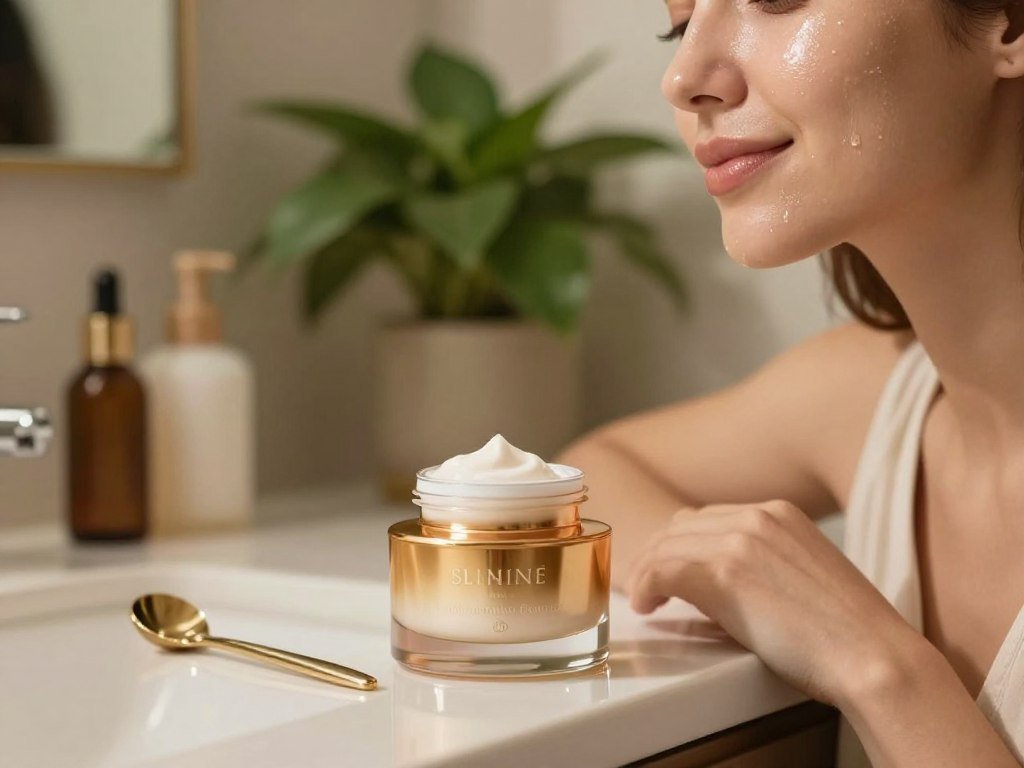
A comfortable, hydrated face in the morning starts with choosing an evening moisturizer that suits your skin, not simply the richest jar. The best night cream depends on your skin type, sensitivity, and the concern you want to address. The skin barrier is the outer protective layer that helps retain moisture and shield skin from irritants.
These 10 picks serve different needs, from basic barrier support and hydration to formulas with targeted actives. A cream that feels soothing to one person may feel too heavy or irritating to someone else. Skin care works best when it fits your actual routine and feels comfortable to use.
Key Takeaways
- Match your choice to your skin type and main concern.
- Fragrance-free formulas can be a useful starting point for reactive skin.
- Introduce active ingredients with care, especially if your skin is sensitive.
- Moisturizer can soften the look of fine lines, but cannot lift sagging skin.
- Start by matching the formula to your skin’s current needs rather than your age or a trend.
Which Best Night Cream Fits Your Skin Goals?
For a dependable all-around option, start with Medik8 Advanced Pro-Collagen+ Peptide Cream, then compare the other picks by the concern you want to address. One formula cannot suit everyone, so check what each cream offers before choosing.
Some of these night creams focus on moisture, while others add peptides or exfoliating ingredients. A dermatologist-recommended best night cream should match your skin’s needs, not a universal brand ranking.
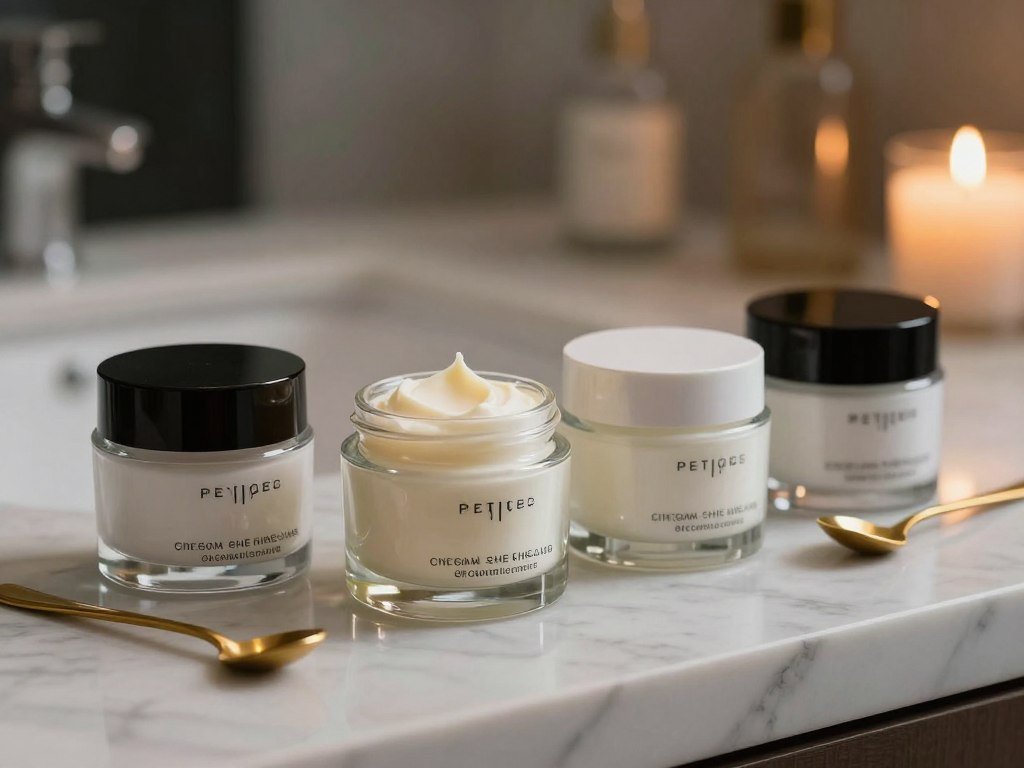
Five formulas for barrier-first moisture
| Product | Best fit | Formula details |
|---|---|---|
| Medik8 Advanced Pro-Collagen+ Peptide Cream | Broad all-around pick | Fragrance-free; squalane, shea butter, ceramides, cholesterol, polyglutamic acid, sodium hyaluronate |
| Eucerin Skin Balance Night Cream | Dry or sensitive skin | Fragrance-free formula positioned for dry, sensitive skin |
| SkinCeuticals Triple Lipid Restore 2:4:2 | Lipid-focused barrier support | 2% ceramides, 4% cholesterol, 2% fatty acids |
| La Mer The Rejuvenating Night Cream | Rich peptide and vitamin C derivative option | Peptides, shea butter, sodium hyaluronate, vitamin C derivative; contains fragrance |
| L’Oréal Paris Revitalift Triple Power Rich Night Moisturizer | Uneven tone and exfoliation | 10% blend of glycolic acid, salicylic acid, and gluconolactone |
Medik8’s formula pairs barrier-supporting lipids with water-binding ingredients. Its listed ingredients include ceramides, cholesterol, and sodium hyaluronate, with no fragrance.
Choose a dermatologist’s recommendation for your own skin, not as a ranking that applies to everyone.
Women do not need a different cream solely because of gender. The best night cream for women is the one that fits their skin goals and comfort. For glowing skin, a dermatologist may suggest hydration or an active based on the person’s needs, rather than a set brand.
Five options for targeted concerns and lighter textures
- CeraVe Skin Renewing Night Cream: fragrance-free hydration and barrier support with three ceramides, glycerin, sodium hyaluronate, shea butter, dimethicone, and peptides.
- Tatcha Indigo Overnight Repair: a soothing, barrier-focused formula with Japanese indigo, ceramides, linoleic acid, glycerin, and sodium hyaluronate.
- The Outset Restorative Niacinamide Night Cream: niacinamide, bakuchiol, and the brand’s Hyaluroset moisturizing complex.
- Avène RetrinAL 0.1 Intensive Cream: a retinal option with 0.1% retinaldehyde, niacinamide, squalane, shea butter, and sodium hyaluronate.
- Youth To The People Superfood Air-Whip Moisture Cream: a lightweight texture with hyaluronic acid.
These picks range from simple hydration to targeted actives, so their ingredients serve different goals. Other skin care products also vary in texture and active ingredients.
Check the fragrance status and active ingredients before choosing if your skin is reactive.
How Do You Match a Night Cream to Your Skin Type?
If your face feels tight after cleansing, prioritize hydration and barrier-supporting ingredients over a heavy texture alone. Different ingredients do different jobs: humectants draw water to skin, barrier lipids help support the skin barrier, and emollients or occlusives soften skin or reduce water loss.
Glycerin and hyaluronic acid are humectants. Ceramides, cholesterol, and fatty acids are barrier lipids. Squalane and shea butter are emollients, and richer formulas may help limit overnight moisture loss.
| Ingredient role | Examples | What it does |
|---|---|---|
| Humectants | Glycerin, hyaluronic acid | Attract water to skin |
| Barrier lipids | Ceramides, cholesterol, fatty acids | Support the skin barrier |
| Emollients or occlusives | Squalane, shea butter | Soften skin or help reduce water loss |
Dry or sensitive skin
A simple, fragrance-free night cream is a sensible starting point for dry skin or sensitive skin. It can reduce exposure to an ingredient some people find irritating, but fragrance-free does not mean every formula will suit every person.
For more guidance on choosing products for dry skin, compare how they feel and how your skin responds.
Oily or combination skin
Oily or acne-prone skin can still need hydration. A water-based, noncomedogenic moisturizer is the recommended direction, since oil-based moisturizers may contribute to acne.
Use these three checks to narrow your choice:
- Notice how your skin feels after cleansing.
- Consider whether rich textures feel uncomfortable.
- Introduce one new formula at a time.
Let your skin’s comfort after application guide whether the texture is light enough or nourishing enough.
Which Ingredients Help With Fine Lines and Dark Spots?
For fine lines, look for a mix of line-focused actives and hydration, while dark spots call for pigment-targeting ingredients. “Whitening” means fading spots, not changing your natural skin color. Azelaic acid, glycolic acid, kojic acid, retinoids, and vitamin C can help fade hyperpigmentation.
These ingredients may also slow melanin production in some cases. A spot a few shades darker than your natural skin color usually takes 6 to 12 months to fade. The American Academy of Dermatology describes options in its dark spot guidance.
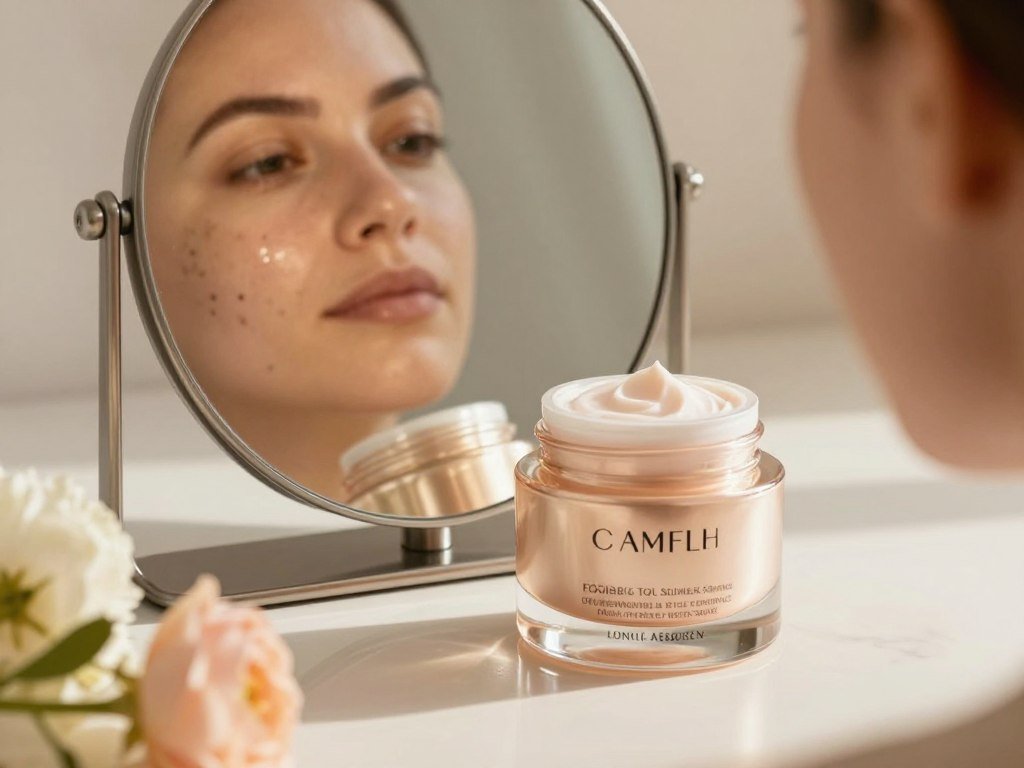
For fine lines, retinoids, including retinol, target signs aging can bring. Peptides and antioxidants such as vitamins C and E are other options. Hyaluronic acid draws water to skin, which can make lines look less noticeable.
A moisturizer does not remove deep wrinkles. Formulas combining hydration with suitable actives are the more relevant choice for anti-aging and glowing skin, including concerns about fine lines and uneven tone.
Give a dark spot time to fade, and seek medical advice if a spot changes or concerns you.
What Is the Right Order for a Nighttime Skin Care Routine?
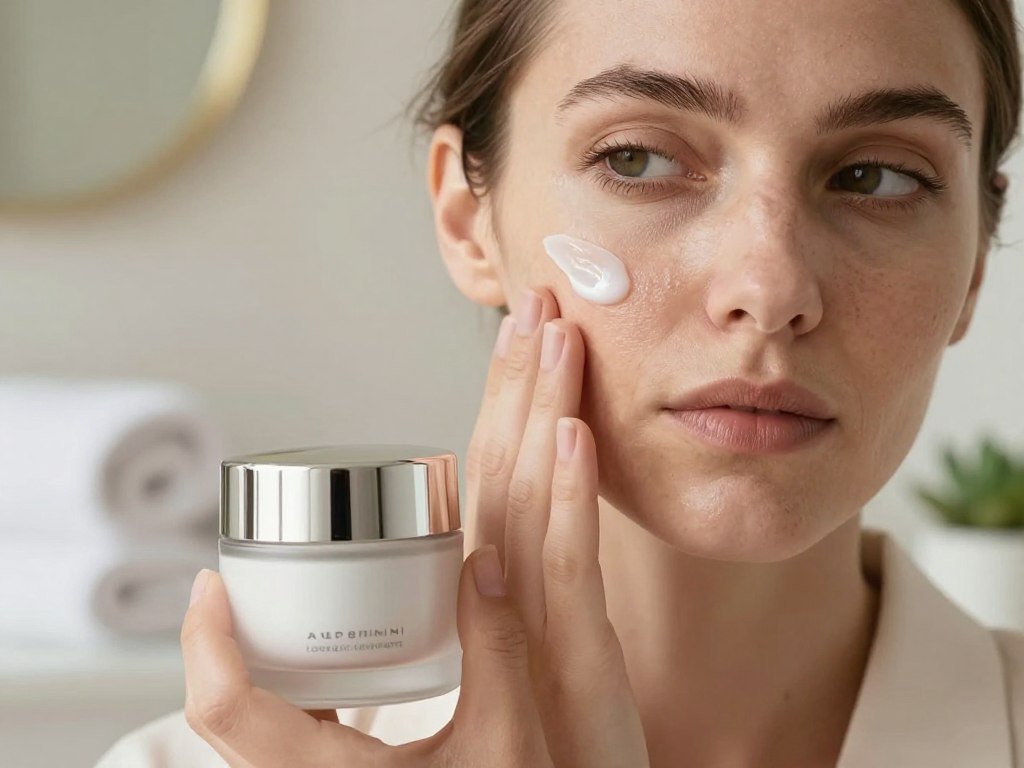
A simple nighttime routine can be as short as cleansing, applying a targeted treatment if needed, and moisturizing. The order is straightforward: night cream goes on after cleansing and any serums or treatments. Use a nickel- to quarter-size amount for your face.
This order also works for mature skin. The treatment step can be left out if you are not using a serum or other targeted product. A basic routine still gives you a clear way to care for your face without adding steps you do not need.
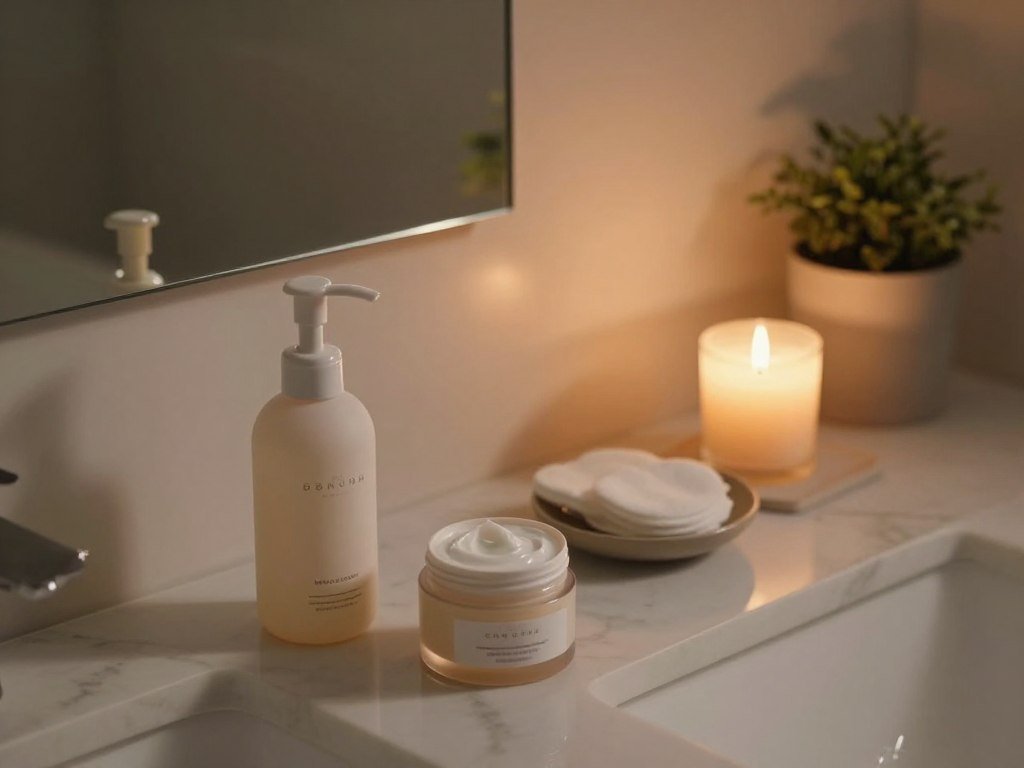
- Cleanse your face to remove makeup, sunscreen, and daily buildup.
- Apply any serum or targeted treatment you use.
- Smooth on night cream as the final skin care step.
- Include your neck and chest when applying the cream.
If you are deciding between products for a dry-skin routine, a gentle cleanser and moisturizer can keep the evening plan simple.
Use gentle, upward strokes on the neck and chest rather than tugging at the skin.
How Often Should You Use Retinol and Exfoliating Acids?
If you are new to retinol or an exfoliating acid, start with fewer treatment nights rather than layering several strong actives. Build tolerance slowly, especially with sensitive skin. Start retinol- or AHA-containing night creams 2 to 3 nights weekly.
For most skin types, starting acid strengths are 5 to 10% glycolic or lactic acid, or 1 to 2% salicylic acid. Sensitive skin should begin glycolic or lactic acid once weekly, then increase to 2 or 3 times weekly only if comfortable.
- Start retinol- or AHA-containing night creams 2 to 3 nights weekly.
- For sensitive skin, start glycolic or lactic acid once weekly and increase only as tolerated.
- Do not use exfoliating acids on the same night as retinol or other strong actives.
- Avoid retinal during pregnancy and breastfeeding, and pair it with daily sunscreen.
Retinal needs one conversion step to become retinoic acid; retinol needs two. Medik8 Crystal Retinal is sold in strengths from 0.01% to 0.24% retinaldehyde, with glycerin and hyaluronic acid.
Hyaluronic acid with retinol may help ease dryness linked with retinol use. The American Academy of Dermatology also advises avoiding retinoids during pregnancy, as explained in its pregnancy skin care guidance.
If persistent irritation develops, stop the active and ask a dermatologist how to adjust your routine.
Can You Use Day Cream at Night, and Do You Still Need Sunscreen?
A daytime moisturizer can usually serve at night if its texture and ingredients work for your skin. The label is not a strict rule; day creams often feel lighter under sunscreen and makeup, while night creams may be richer or contain nighttime actives.
A day cream does not replace sunscreen. Broad-spectrum sunscreen with SPF 30 or higher helps protect against dark spots. Your daytime moisturizer can add hydration, but it does not provide the same sun protection unless it includes sunscreen.
Visible light may worsen melasma. A tinted sunscreen with iron oxide can help block some visible light, making it a useful choice for people managing melasma.
Choose a daytime moisturizer at night only if its formula suits your skin and does not contain an active you are avoiding. A simple texture you already tolerate may be easier to use than a richer cream.
For melasma concerns, choose a tinted sunscreen with iron oxide as well as broad-spectrum SPF 30 or higher.
What Can a Night Cream Realistically Do for Signs of Aging?
A moisturizer can make fine lines look softer for a while by helping skin hold water, but it cannot lift sagging tissue. That surface effect is temporary, and a cream cannot erase deep creases. Hydration changes how skin looks, not the structure beneath it.
People in their 30s and 40s do not need a formula chosen by age alone. Dryness, sensitivity, and the main concern matter more than a label aimed at a decade.
A smoother-looking surface is not the same as a lasting change to deep lines or sagging skin.
Hydration may plump the skin’s surface while the cream remains in use. That can soften the look of fine lines, but it does not promise long-term change or reverse every sign of aging.
Choose a formula for the concern you can see and tolerate, not a promise to reverse every sign of aging.
Conclusion
The most useful night cream is the one that fits your skin’s needs and feels comfortable enough to use consistently. Your skin type, comfort, and main concern matter more than an age label or a popular trend.
Active formulas deserve a cautious start, especially when your skin is sensitive. Begin with one choice and give your skin time to show how it responds.
Choose one formula that matches your main concern, then add it to your evening routine without changing several products at once.
FAQ
What is the best overnight hydrating moisturizer?
Can I use day cream at night?
What is the best skin care at night?
Which night cream is best for skin whitening?
What is the best night cream for aging skin?
Which night cream is best according to a dermatologist?
What’s the best night cream on the market?
What is the No. 1 brand recommended by dermatologists?