A restrained outfit can feel complete with just one carefully chosen finishing piece. If your wardrobe already has useful basics, the right accessory can make them feel more personal and polished. The best choices work across outfits, feel comfortable in daily life, and earn repeat wear through every season.
Luxury spending deserves a clear reason. A piece should suit your actual routine, not just a trend or one special day. That matters in summer, at work, and on the errands that fill an ordinary day. Start with the gap you notice most in your everyday outfits, not with a shopping list.
Key Takeaways
- Choose accessories that work with clothes you already own.
- A neutral bag and simple belt can finish many outfits.
- Comfort and repeat wear matter more than a trend.
- Build a small collection around your own daily routine.
- Check materials, fit, and care needs before spending more.
How Do You Choose the Best Luxury Accessories for a Minimalist Wardrobe?
For most people building a small collection, a neutral bag and an uncomplicated belt cover more outfits than a trend-led statement piece. Those two pieces handle daily needs, while a scarf or jewelry can add a personal touch. The same accessory categories work for women and men, though shape, scale, and comfort are personal.
Use a four-question filter before you shop: what job must the accessory do, which outfits will it suit, does it feel comfortable, and will you reach for it often? Cost per wear means the purchase price divided by the number of times you wear an item. A special-occasion piece can still earn its place, even without daily use.
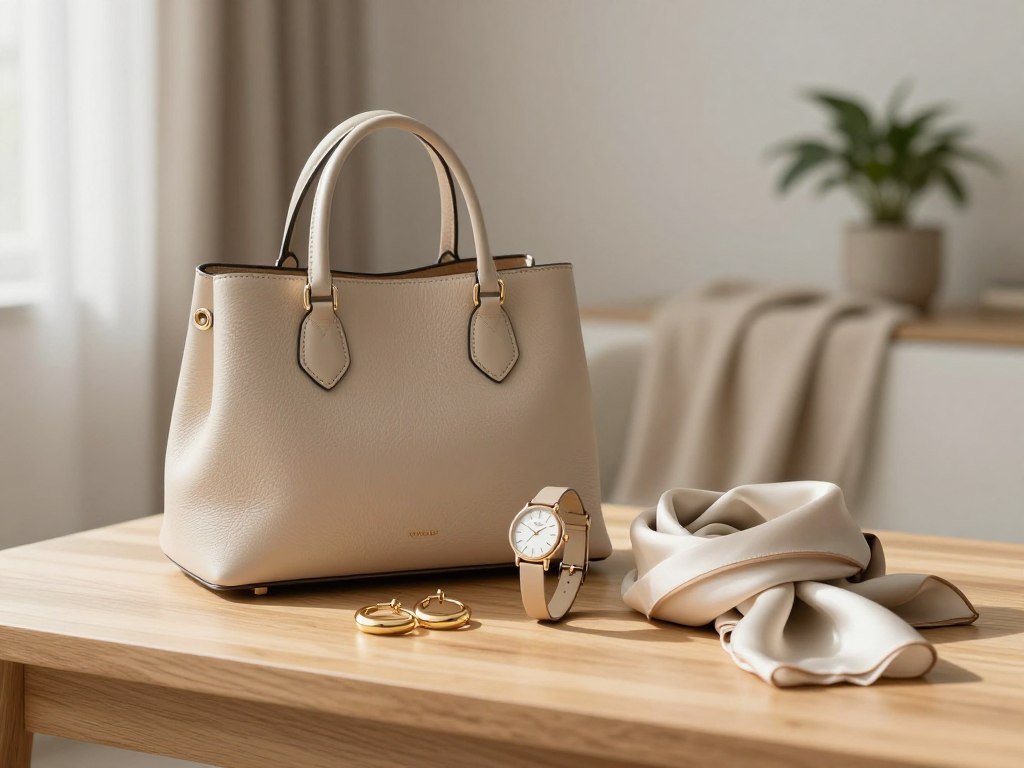
Choose the piece that solves a real wardrobe need before choosing one that follows a trend.
Start with the job the accessory needs to do
A leather bag can carry daily essentials, a belt can bring shape to trousers, and a scarf can add warmth or color. A three-accessory rule of thumb keeps a look edited: start with one useful bag, one simple belt, and one choice that reflects your taste.
Use this table to compare the basic jobs. The best luxury accessories for a minimalist wardrobe are the ones that fit your real schedule, not a made-up ideal week.
| Accessory | Main job | Versatile neutral approach | Best use case |
|---|---|---|---|
| Leather bag | Carry daily items | Black, brown, or cognac | Work, errands, or travel |
| Belt | Secure and finish an outfit | Black or brown leather | Trousers or denim |
| Scarf | Add texture or warmth | Soft neutral tones | Layering or a light accent |
Match material, color and wearability
Black, brown, and cognac are easy neutral choices for bags and belts because they work with many common wardrobe colors. Think about how a material feels against your skin and how much care it asks from you. For simple ways to balance accessories with clothes, explore these luxury accessory styling ideas.
Shape matters as much as color. A compact bag may suit a short commute, while a larger one may fit a long day away from home. The same design can feel comfortable on one person and awkward on another, so check how it sits and moves.
Keep only options that feel comfortable enough to reach for on an ordinary day.
Which Leather Belt Adds the Most Polish?
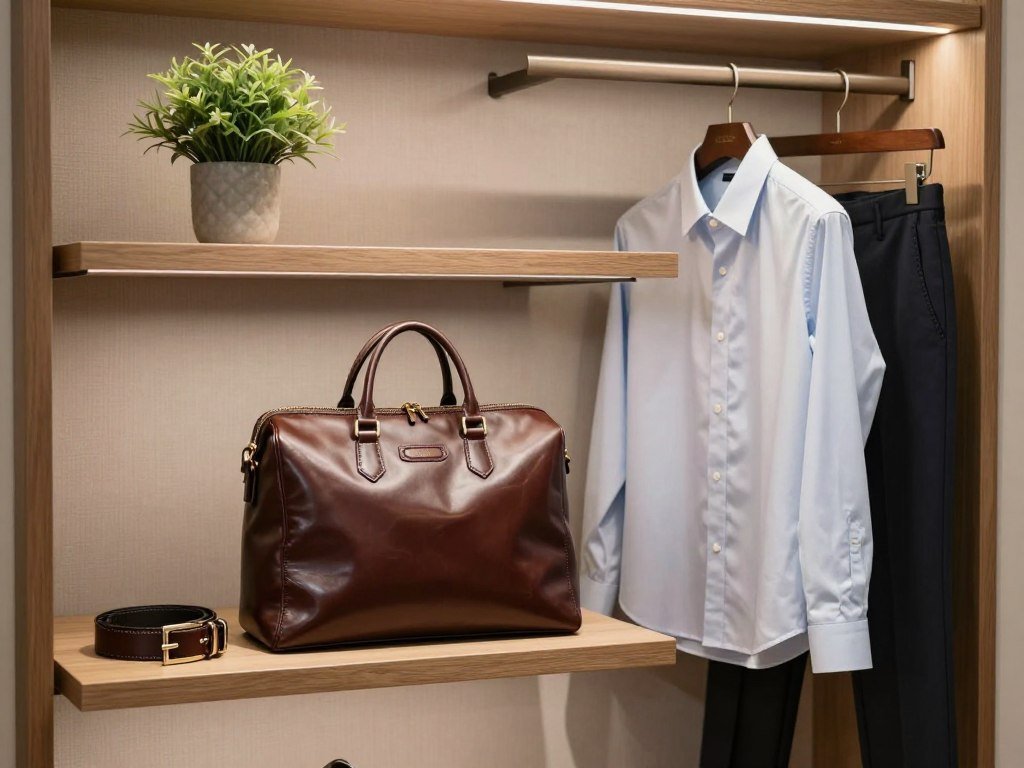
A clean leather belt is the most useful first choice if you want one accessory to sharpen both denim and tailored trousers. A plain design works across more outfits, while a noticeable buckle gives you a focal detail. Choose the width based on the clothes you wear most.
A slim belt suits trouser loops, while a medium-width belt often feels at home with denim. Black and brown are the easiest tones to coordinate with a minimalist wardrobe. A clean design can add polish without taking over the outfit.
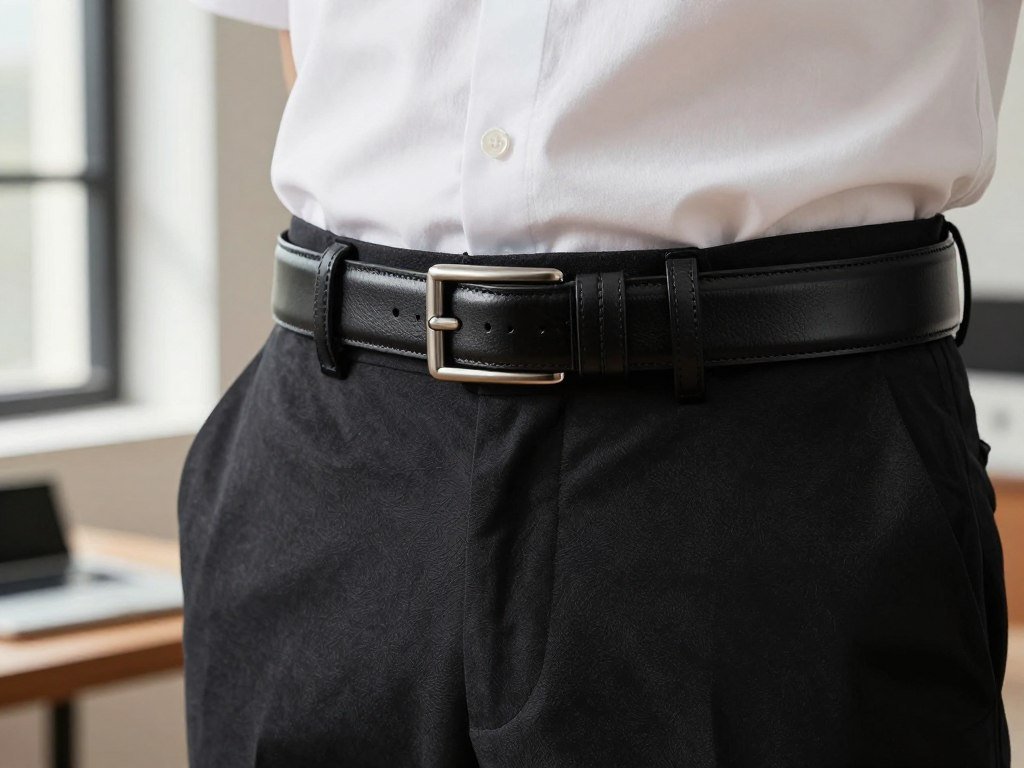
In 2026, the Déhanche Mini Juergen belt is listed at $390, while Anderson’s textured-leather belt is listed at $285. Madewell, Aureum, B-Low, Celine, and Dehanche also offer minimalist leather belt options in 2026. Gucci leather belts use double-G hardware, a clear logo detail rather than a logo-free choice.
Before choosing a design, check these four details:
- Leather feel against your hand and waist.
- Buckle scale beside your other accessories.
- Clean stitching along the strap and edges.
- Fit at the waist and through your usual loops.
A large buckle can compete with earrings, necklaces, or a watch, so keep the whole outfit in mind. The most useful belt is one you can wear with several regular looks, not only one planned outfit. Check that the belt sits comfortably in the loops of the trousers you wear most.
What Kind of Bag Works Hardest in a Minimalist Wardrobe?
If you carry only daily essentials, a compact shoulder bag is usually easier to wear across errands and dinner than a large tote. For most routines, a structured neutral shoulder bag or tote balances useful space with a polished look. Choose a chain bag if hands-free shoulder or crossbody wear matters more.
Start with the size of your usual carry, not the size that looks best on a shelf. A small shoulder bag can hold essentials, while a carryall leaves room for a water bottle, book, or work items. The smallest bag will not suit every reader or every day.
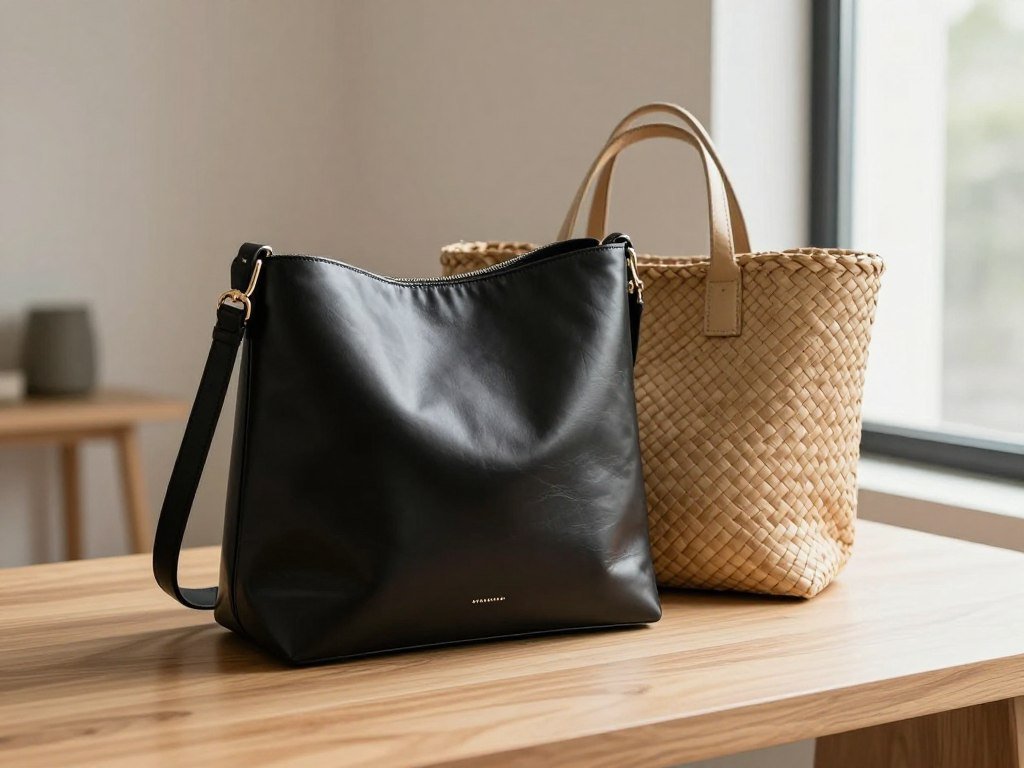
Choose a shape around your daily carry
The DeMellier Stockholm is a black bag listed at $670 in 2026. Other examples include the DeMellier Tokyo in black smooth leather at £345, the NEOUS Phoenix Baguette leather shoulder bag at £720, and the SAVETTE Symmetry Mini textured-leather shoulder bag at £800.
A compact shape can move from daytime errands to dinner, while a tote suits days that call for more room. For help matching bag size to your carry, see this guide to choosing a crossbody bag.
| Bag | Color or material | Listed price | Carry format |
|---|---|---|---|
| DeMellier Stockholm | Black | $670 | Shoulder bag |
| DeMellier Tokyo | Black smooth leather | £345 | Shoulder bag |
| NEOUS Phoenix Baguette | Leather | £720 | Shoulder bag |
Decide between quiet leather and woven texture
A woven tote can add texture through materials such as elephant grass, raffia, or Moroccan palm leaf, often with bridle-leather straps. It may feel less suited to a polished, compact work bag than smooth leather. Choose texture when you want the bag to add interest to simple clothes.
Saint Laurent chain bags have a strap that can be worn on the shoulder or crossbody. They can hold a phone, wallet, keys, and lipstick, and their 2026 prices range from $2,000-$3,000. That compact carry works for some routines, but not for every workday.
Before choosing a shape, check that your usual phone, wallet and keys fit without forcing the closure.
When Is a Scarf the Right Finishing Piece?
A light linen scarf is the better choice when you want texture without adding a warm layer on a summer day. For colder days, cashmere or wool offers more warmth than linen. Think of a summer wrap as a light layer, not a substitute for a winter scarf.
Choose scarf weight to match the weather and the way you plan to wear it. Raw linen can sit loosely over the shoulders or loop once around the neck. Flax, unbleached cream, soft taupe, and espresso keep the colors calm.
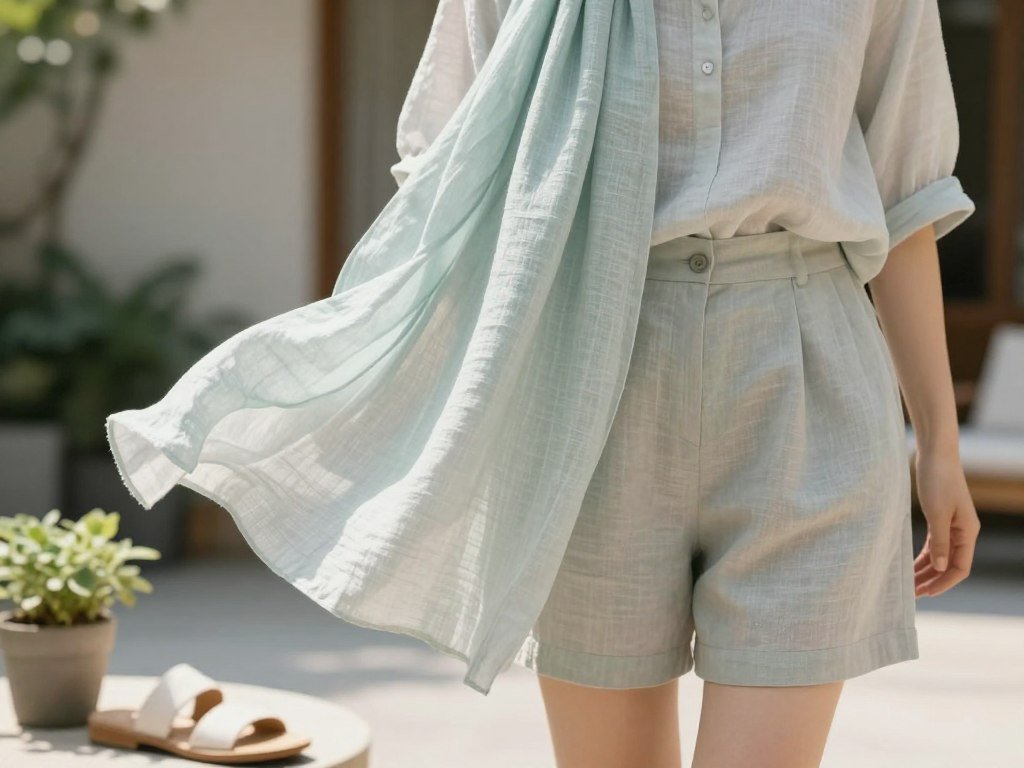
Raw, fringed edges give linen a relaxed finish, while smooth silk reads as more polished. Cashmere offers a soft feel when you want warmth, but it can be too heavy for warm weather. A scarf can feel impractical in heat if its fabric holds too much warmth.
Think about texture beside the rest of your outfit. A simple shirt or dress can welcome a soft scarf, while a busy print may already bring enough detail. Your accessories should make getting dressed easier, not create another item to manage.
Keep the scarf palette close to the colors already in your closet so it works with more than one outfit.
What Jewelry Looks Polished Without Feeling Overdone?
If jewelry tends to catch on your hair or feel distracting at work, start with one small piece rather than a full set. A comfortable choice might be small hoops, a fine chain, a plain bangle, or a sculptural ring. Jewelry is optional, and it should never get in the way of work or comfort.
One everyday piece and one statement piece make an adaptable starting point. Simple hoop earrings come in 1-inch sizes, a restrained choice for formal or business-casual settings. Gold, silver, and rose gold offer different tones, while gold-filled and gold-vermeil are distinct material choices.
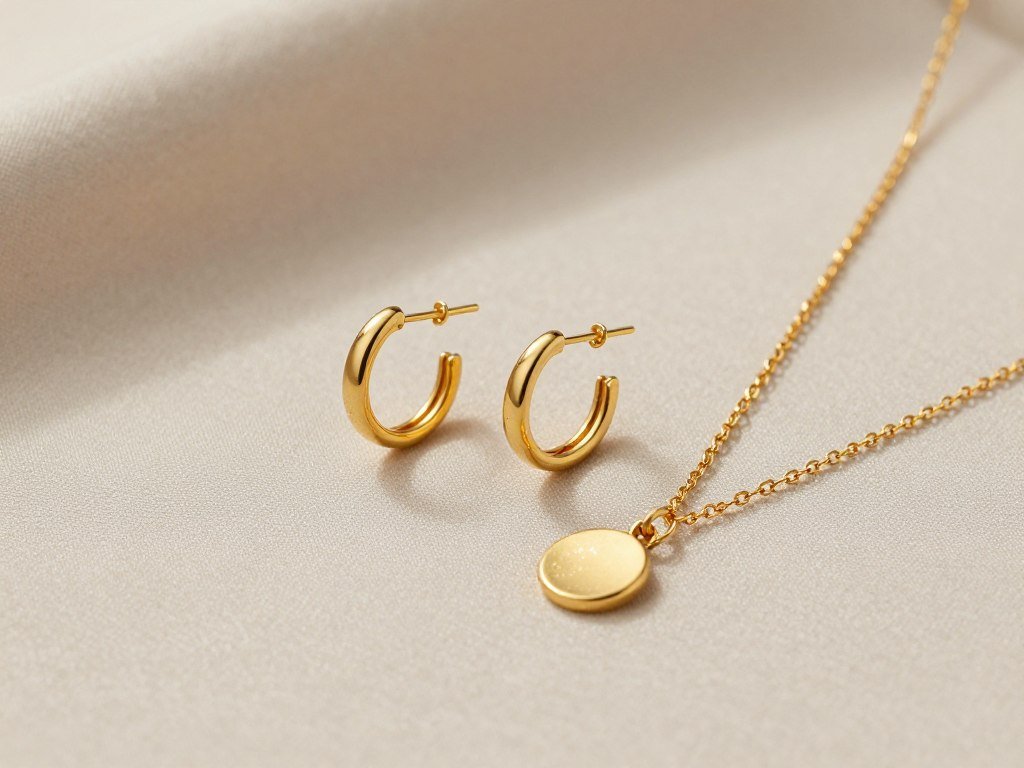
A fine chain can sit alone or bring a quiet detail to an open neckline. A plain bangle or sculptural ring offers a different feel without requiring a full matching set. Pick the metal and shape you enjoy seeing on yourself.
If you combine a statement earring with a necklace or bracelets, let one piece lead and keep the rest quiet. That gives the outfit a clear point of focus without making every detail compete. A bold piece can still feel wearable when the clothes stay simple.
Wear the piece you will leave on comfortably, not the one that needs constant adjusting.
Are Minimalist Sneakers or Loafers More Versatile?
A clean sneaker wins for a mostly casual routine, while a leather loafer is the more polished pick for smart-casual outfits. Your dress code decides which pair will earn more wear. A Chelsea boot adds coverage and a neat shape for cooler days.
The lower-profile shoe is not automatically more comfortable if it fits poorly. White leather sneakers work with jeans and some tailored outfits, while loafers give trousers a dressier finish. Brogues offer a similar polished option, and Chelsea boots suit outfits that need a closed, easy-to-style shoe.
In 2026, the Veronica Beard Riviera Sneaker is listed at $295, and Common Projects is a source for sleek white sneakers. Loafer examples include Prada Brushed Leather Loafers at £920, M&S Collection Leather Loafers at £55, and Jimmy Choo Ellis Loafer F at £750.
When trying shoes, check toe room and heel slip, then walk around to feel for pressure. The American Podiatric Medical Association shares walking shoe fit advice, including room for the toes and a snug heel. A shoe that rubs during a short try-on is unlikely to improve during a long day.
Walk around in the shoes before buying and check for rubbing at the heel.
Which Sunglasses Shape Works With a Minimalist Closet?
Tortoiseshell is a versatile starting point if you want a softer alternative to black frames. Choose a shape you will wear often, such as a soft square, subtle cat-eye, aviator, wayfarer, or round frame. Black gives a sharper finish, while tortoiseshell can soften a high-contrast look.
Fit and UV protection matter as much as the frame’s style. Sunglasses sit directly on your face, so the arms and bridge should feel comfortable. Check the UV-protection label before buying, rather than judging a pair by its tint alone.
Aviator, wayfarer, and round frames have stayed popular across many styles. A neutral acetate frame can work with a range of outfits, while a trend-led shape may feel less useful after the first few wears. A frame that pinches or slips will likely stay in its case.
Frame scale changes the mood of an outfit, even when the clothes are simple. You can compare more shapes in these sunglasses style ideas, but let comfort guide your choice. Try a pair for more than a quick glance in the mirror.
Choose a pair that stays in place when you look down without pressing uncomfortably at the temples.
Is a Classic Watch Worth a Place in a Minimalist Wardrobe?
A watch earns its place when you enjoy wearing it often, not simply because it looks like an investment piece. If you like watches, a simple, versatile design can suit daily outfits. If you do not enjoy wearing one, leaving it out is a practical choice.
A comfortable strap and readable dial matter more than a high price. A leather strap often feels softer and less formal, while a metal strap can add shine and structure. A simple dial blends easily with outfits, while a decorative design draws more attention.
Examples span several price points: the Cartier Panthère de Cartier 27mm Medium 18-Karat Gold Watch is listed at £25,400, the Gucci G-Flat Watch, 24mm, at £1,840, and the Longines Conquest at £2,900.
Those prices do not tell you which design will work best for your day. Consider whether you want a light strap, a more noticeable metal band, or a face that stays easy to read. A watch should feel like part of your routine rather than a task to remember.
Pick a strap and dial that sit comfortably with the clothes you already wear most.
How Do You Build a Small Accessory Capsule?
Begin your capsule checklist by writing down the accessories you reach for in a typical week. Use your real routine as the guide, rather than shopping for an ideal version of your life. A structured bag, simple jewelry, and versatile shoes make a useful three-piece start.
A capsule wardrobe checklist is an inventory of what you use, not a shopping mandate. Note what is missing, what feels uncomfortable, and what already works with several outfits. This method also helps you see whether a new item fills a gap or repeats something you own.
Check these five categories against your current wardrobe:
- A daily bag that fits what you carry.
- A belt that works with your regular trousers.
- Comfortable shoes for your common activities.
- One jewelry choice you enjoy wearing.
- A slim wallet suited to your cards and cash.
A card case is enough if you carry only a few cards. A bifold suits someone who also carries cash, with more room for folded bills. The Bottega Veneta Cassette Small Bi-Fold Wallet is listed at £500, the Saint Laurent Cassandre Matelassé Card Case at £260, and the Miu Miu Matelassé Nappa Leather Card Holder at £310.
A slim wallet is designed for cards and a few banknotes, so it can take up less space than a full wallet. Look at your current contents before choosing a format. Add a new piece only when it fills a gap the existing set cannot.
Which Materials Keep a Minimalist Accessory Useful?
Choose the material for the job you need it to do, then decide whether its texture suits your wardrobe. Leather works well for structured everyday pieces, linen adds light seasonal texture, cashmere brings soft warmth, and recycled nylon suits a lightweight bag.
Materials with similar colors can feel and wear very differently. Leather holds a structured shape, while linen feels airy and relaxed. Cashmere is soft and warm, and recycled nylon can make a bag light without the feel of a heavy hide.
Compare leather, linen and cashmere
Leather is a common choice for bags and belts that need shape. Linen suits warm days and adds a loose, natural texture. Cashmere works best when softness and warmth matter more than a crisp structure.
Natural materials may need more care than a wipe-clean synthetic. That does not make one choice right for everyone; it means the care routine should fit your habits. If an accessory will face daily wear, think about how much upkeep you will actually do.
Understand recycled and precious materials
Re-Nylon is regenerated nylon made from recycled plastics, fishing nets, and textile waste. Prada Re-Edition bags use Re-Nylon in 2026. It offers a lightweight bag option for someone who values a practical, easy-moving material.
Precious-metal jewelry, gold-filled pieces, and gold vermeil are different choices, not interchangeable labels. Gold-filled jewelry has a layer of gold bonded to a base metal, while gold vermeil uses a gold layer over sterling silver. Product details help you understand what sits beneath the finish.
Read the material label before treating two similarly colored pieces as equivalent.
How Can You Pair Accessories With Everyday Outfits?
A white shirt and tailored trousers look more finished with a belt and a structured bag than with several competing statement pieces. Keep the base simple, then choose accessories that suit the setting. The same bag can work across a workday, a weekend, and a simple dress.
A useful outfit formula lets each accessory complement more than one base outfit. These examples answer the question of how to build a basic wardrobe for women, but the pieces can suit any closet. Treat them as adaptable ideas, not a required uniform.
A simple workday combination
A neutral bag can carry through the workday and still look at home with weekend clothes. A belt adds a clear line at the waist, while simple shoes keep the outfit easy to move in. Keep the palette close enough that each piece has more than one job.
A relaxed weekend combination
Use this table as a set of capsule wardrobe examples. Change the shoe or bag to fit your plans and the clothes you already own.
| Outfit base | Accessories | Finished effect |
|---|---|---|
| White shirt with tailored trousers | Leather belt, structured bag, loafers | Polished and work-ready |
| Jeans with a tee | Neutral bag, leather belt, sneakers | Relaxed with a clean finish |
| Simple dress | Small bag, fine jewelry, loafers | Easy and softly dressed up |
For another set of work, casual, and evening combinations, browse these everyday luxury styling tips. The best formula is one you can adjust without buying a separate accessory for each setting. Keep the accessory palette consistent enough that your pieces can move between work and weekend outfits.
How Should a Minimalist Accessory Set Change With the Seasons?
A summer set can stay light with linen, while a cool evening calls for a warmer layer. Plan for the weather where you live and the hours you spend outside. Cashmere or wool can help with colder conditions, while linen suits a warm daytime look.
A small collection built around local weather and your routine is easier to tailor than a ready-made box. A capsule wardrobe in a box can be convenient, but fixed sets may not suit every climate or schedule. Keep only the pieces you will reach for in your own seasons.
Use these three situations to plan the materials and roles that make sense for you:
| Situation | Useful material | Accessory role | Outfit pairing |
|---|---|---|---|
| Warm daytime | Linen | Light texture | Shirt and trousers |
| Cool evening | Light cashmere or wool | Extra warmth | Dress or jeans and tee |
| Cold-weather layering | Cashmere or wool | Warmth under outerwear | Coat and everyday shoes |
Weather can change within one day, especially when you move between indoor and outdoor settings. A light piece may work for the warm part of the day, while a soft layer helps after sunset. Choose accessories that fit the conditions you face most often.
Store seasonal pieces where you can reach them when the weather changes.
What Should You Consider Before Spending More?
Set a spending limit around how often you expect to use the piece, then compare its construction and materials. Luxury does not guarantee better value for every wardrobe. A well-made design earns more when it suits your routine and feels good to wear.
Price can reflect material, construction, hardware, brand positioning, and retail channel. Those factors can explain a higher cost, but they do not prove an accessory is right for you. Look at the design and likely use beside the price tag.
A three-tier approach can make spending choices clearer. Entry purchases meet a basic need at a lower commitment. Considered purchases ask for more thought about fit and finish, while investment purchases deserve a strong reason and a long-term role.
Cost per wear can help compare items you expect to use often. An occasional statement piece may still be worth buying even if its cost per wear is higher. You may value its look or the way it marks a special event.
Before you commit, read the return terms and check that the item is genuine. Keep the choice tied to the need it fills, not the feeling that a designer label must be better. If the purchase would crowd out a more useful everyday need, wait before committing.
How Do You Care for Leather, Cashmere and Jewelry?
The safest care routine starts by identifying the material and checking its care instructions. Different surfaces need different care, so leather, suede, cashmere, and jewelry should not share one cleaning method. Their finish and structure affect what is safe.
Follow the item’s care label before cleaning or storing it. Leather and suede are different surfaces, cashmere is a knit, and jewelry may have gold-filled or gold-vermeil finishes. Each needs a routine that suits its material.
Use these four care checks for the pieces you own:
- Read the care label and follow its directions.
- Keep leather and suede dry, and use suitable care products.
- Store cashmere folded to help it keep its shape.
- Separate jewelry to reduce tangling and scratches.
Test any care product on an inconspicuous area first. A small test can show whether a product changes the surface before you apply it more widely. Keep the product matched to the material.
Delicate finishes may need professional care instead of aggressive polishing. A strong rub can damage a thin metal finish or mark a soft surface. Do not use the same cleaner on suede, smooth leather and jewelry.
What Mistakes Make Minimalist Accessories Harder to Wear?
The most common mistake is buying an accessory for its image before checking how it fits into real daily outfits. Looks alone cannot tell you whether a piece feels right, suits your clothes, or works for your routine. A neutral bag and belt often serve broad daily needs, while scarves, jewelry, or sunglasses may suit your taste better.
Check the material label, construction, comfort, and outfit compatibility before buying. Inspect stitching and closures, test the fit, and name at least two outfits that would work with the piece. The Federal Trade Commission provides guidance on counterfeit goods, which can help you spot common warning signs.
Do not buy several near-identical pieces when one well-chosen option would serve the same outfits.
Buying several similar bags, belts, or scarves can add clutter instead of real versatility. Conspicuous branding is a matter of taste, not an automatic flaw, though it may feel less adaptable if you want a quiet look. A bold accessory can still be your most versatile choice when the rest of your wardrobe is simple.
Before deciding, ask four direct questions:
- Does the material label match what you expect?
- Do the stitching and closure feel sound?
- Can you wear it comfortably for your usual day?
- Does it work with at least two existing outfits?
These checks help you see the difference between a striking accessory and one that earns regular use. A piece can be bold and still suit your wardrobe, as long as the clothes give it room. Pause if you cannot name two outfits you would wear the piece with.
Conclusion
A well-chosen accessory earns its place by making the clothes you already wear feel more complete. Regular use and outfit compatibility matter more than owning every category or collecting designer labels. Your next choice can be modest if it solves a real daily problem.
Look in your closet for the outfit you repeat most often. Notice what feels unfinished, then identify the one accessory that would improve it. Choose one gap in your everyday wardrobe and decide what would fill it before you shop.
FAQ
How many accessories should a minimalist wardrobe have?
Can luxury accessories work with affordable clothes?
Is a leather bag or a chain bag better for everyday use?
What is the difference between gold-filled and gold-vermeil jewelry?
Are white sneakers appropriate for a smart-casual outfit?
How can you tell whether a luxury accessory is worth the price?