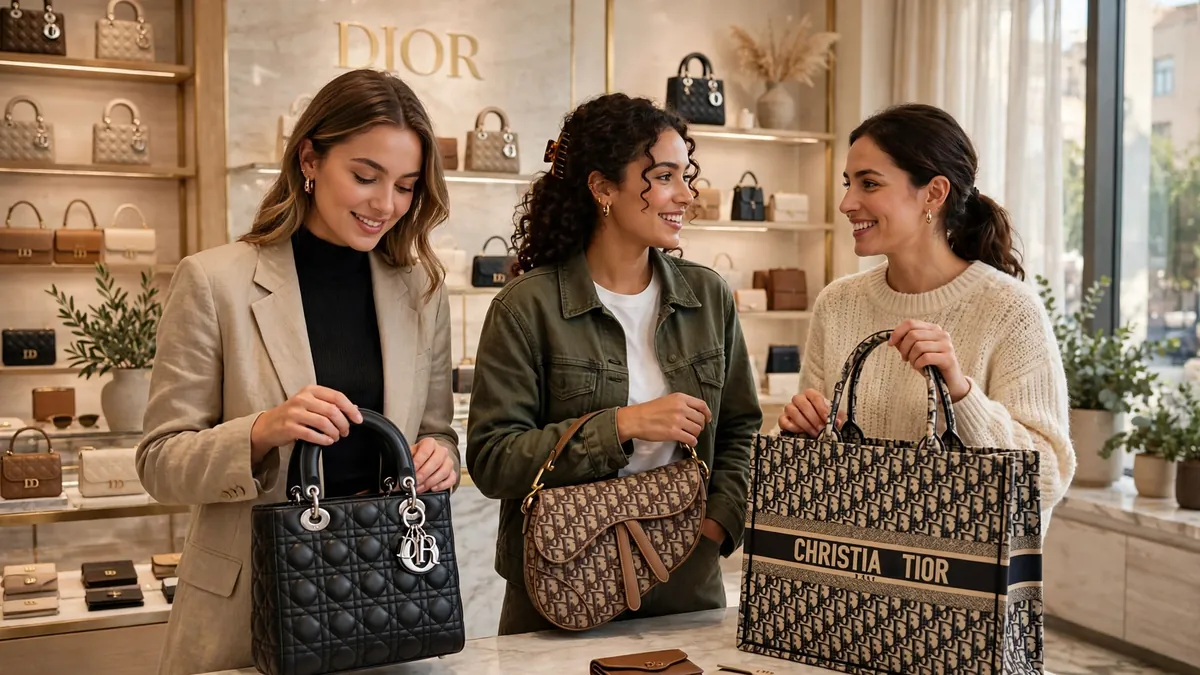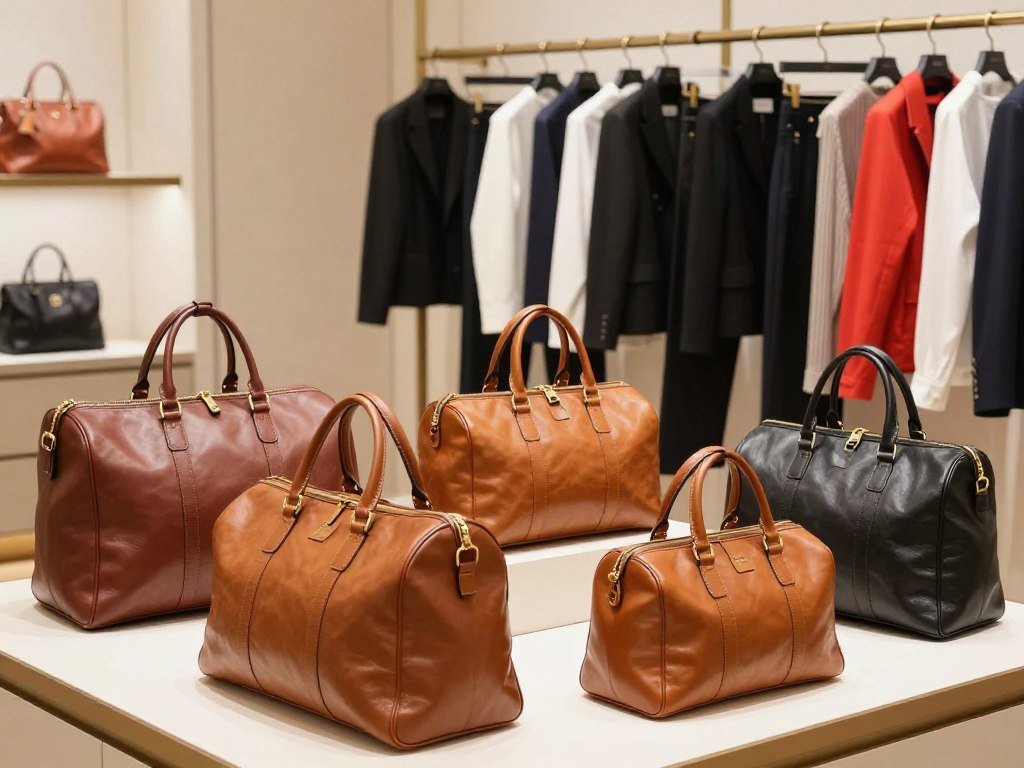
French luxury runs from century-old leather-goods houses to modern labels built around a sharper, more casual wardrobe. If you are choosing a distinctive wardrobe, the Best French luxury fashion brands offer different ways to bring French design into daily life. Prêt-à-porter means clothing made in standard sizes for purchase and wear, rather than made to measure.
This list spans travel bags, hand-finished leather goods, couture, jewelry, and contemporary clothing. “Best” reflects editorial fit and design identity, not sales or popularity. You will find options for women and men, plus practical ways to compare each house before you shop.
Key Takeaways
- Louis Vuitton, Hermès, Chanel, Dior, and Saint Laurent lead the heritage group.
- Chloé, Celine, Jacquemus, and A.P.C. offer distinct clothing and accessory styles.
- Cartier is the standout choice for jewelry and timepieces, not a full clothing wardrobe.
- Men’s options include AMI Paris, Officine Générale, Arpenteur, and Vilebrequin.
- Choose by the pieces you will wear, not by rank or name alone.
Start with the kind of piece you will wear most, then choose the house whose design language feels natural to you.
How Are the Best French Luxury Fashion Brands Ranked?
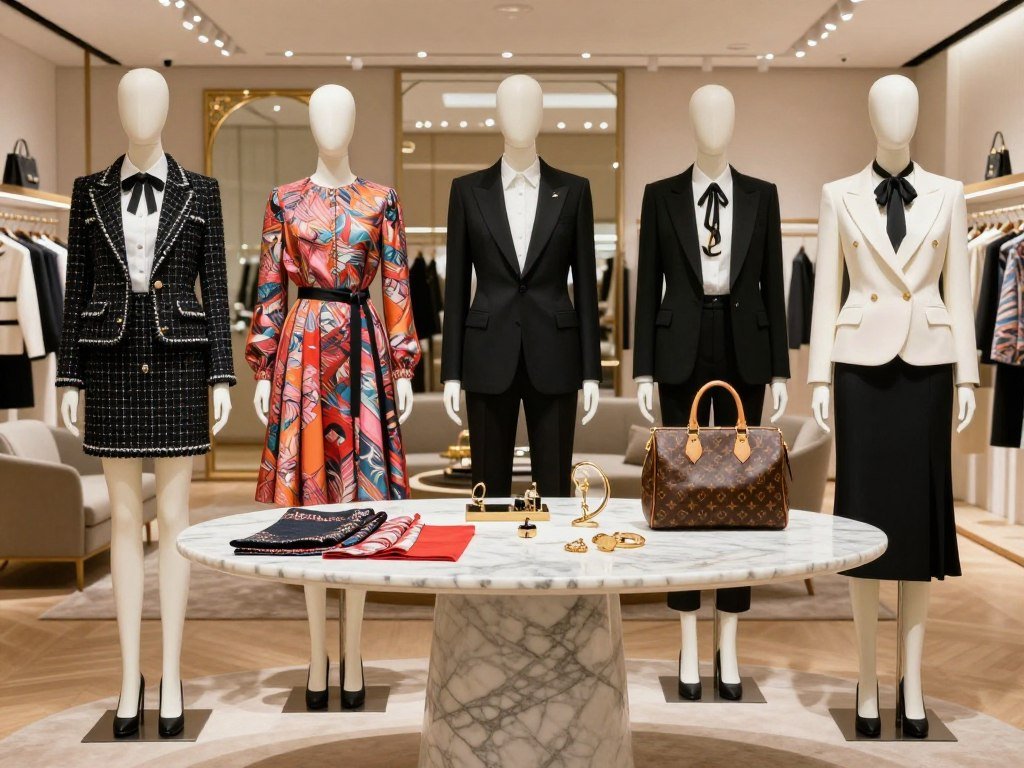
For a heritage-first luxury wardrobe, Louis Vuitton, Hermès, Chanel, Dior, and Saint Laurent are the strongest starting points. These French fashion houses offer clear design identities across bags, clothing, and accessories, with different strengths in craft and wardrobe use.
This top 10 is a curated luxury list, not a claim about the ten biggest companies by revenue. The ranking uses editorial criteria to compare each house, rather than sales figures or popularity. Haute couture is made to measure; prêt-à-porter is ready-to-wear clothing made in standard sizes.
| Rank | House | Strongest category | Signature character |
|---|---|---|---|
| 1 | Louis Vuitton | Leather goods and travel | Recognizable travel design |
| 2 | Hermès | Artisanal leather goods | Hand-finished craft |
| 3 | Chanel | Polished classics | Distinctive Parisian codes |
| 4 | Dior | Couture and clothing | Feminine structure |
| 5 | Saint Laurent | Sharp tailoring | Sleek, confident lines |
Rank is a guide to design fit, not a measure of what you should buy. Choose the house whose pieces make sense in your own wardrobe.
Four editorial criteria shape the order:
- Design identity: can you recognize the house’s point of view?
- Heritage: does its history still inform the pieces it makes?
- Craftsmanship: does the work suit the item’s intended use?
- Wardrobe use: can the pieces work beyond one special occasion?
These points help you compare luxury brands from France without treating every name as the same kind of designer. A couture house, a leather-goods specialist, and a clothing label serve different needs. For a broader look at value and revenue, read this fashion brand ranking by company value.
Use the table as a quick way to narrow your shortlist, then read each profile for the trade-offs. The leading names offer wide recognition, but recognition alone does not make a piece right for your routine. Treat rank as a guide to design fit, not as a substitute for deciding what you will actually wear.
1. Why Is Louis Vuitton a Leading Choice for Luxury Bags?
Louis Vuitton is the clearest choice when your luxury purchase should carry the house’s travel heritage into everyday use. The brand began in 1854 as a trunk maker, and travel remains central to its leather goods.
The LV monogram arrived in 1896. Today, the Speedy and Neverfull suit everyday use, while the Keepall is built around travel. Their shapes and recognizable canvas connect the bags to the house’s early focus on luggage.
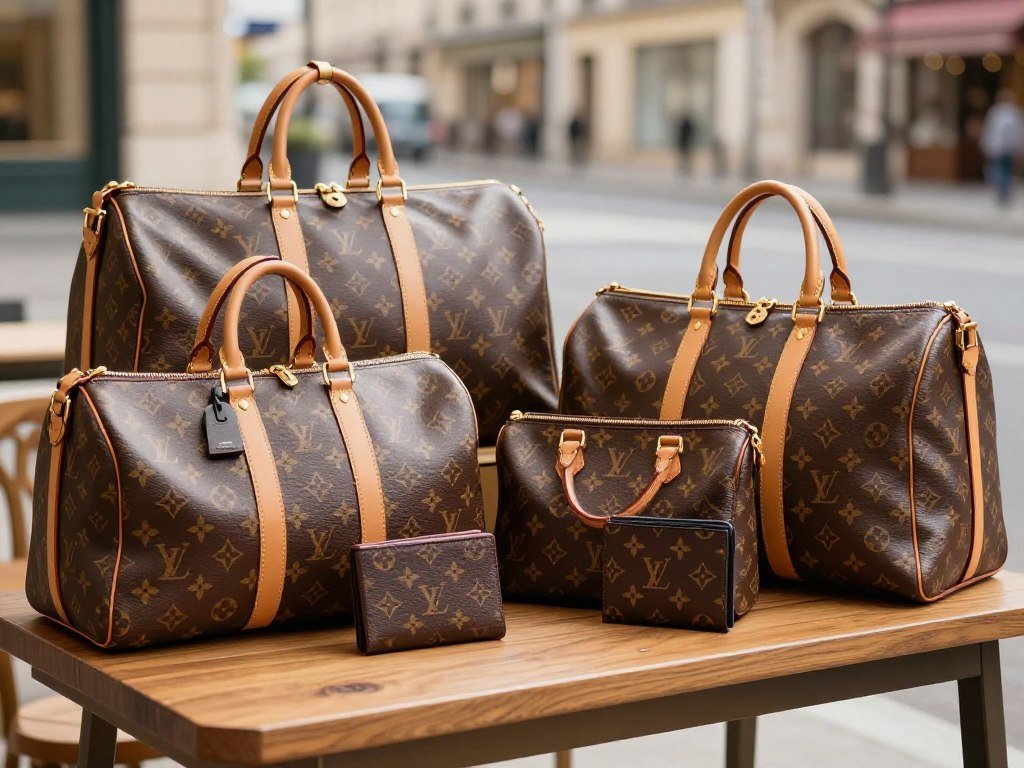
Louis Vuitton has since expanded into accessories and prêt-à-porter, so you can find more than bags under the name. That range makes the house a strong option if you want travel pieces to sit alongside clothing and smaller goods.
Still, a visible logo is part of the appeal for many buyers, not a detail everyone wants. A prominent monogram may feel too loud if you prefer discreet branding. The design can also make a bag a stronger visual focus than the rest of an outfit.
Compare the size and shape of a bag with what you carry each day. The Neverfull has an open tote form, while the Speedy reads as a compact handbag; the Keepall better suits travel. Those differences matter more than picking the most famous name.
Louis Vuitton is a sensible starting point when you want a recognizable leather bag with a clear link to travel. If you want a subtler look, compare the house’s less logo-forward pieces before choosing a monogram canvas bag.
2. What Makes Hermès a Standout for Craft and Leather Goods?
Hermès is the strongest pick for a reader who values leather craft above trend-led clothing. The house began in 1837 with harnesses and saddlery for horse-drawn carriages, and that leather tradition still shapes its best-known goods.
The Birkin and Kelly are its signature bag names. A Birkin takes 18-25 hours to make by hand, with one craftsperson working on each bag. That single-maker process gives the bag’s construction a personal, hands-on quality.
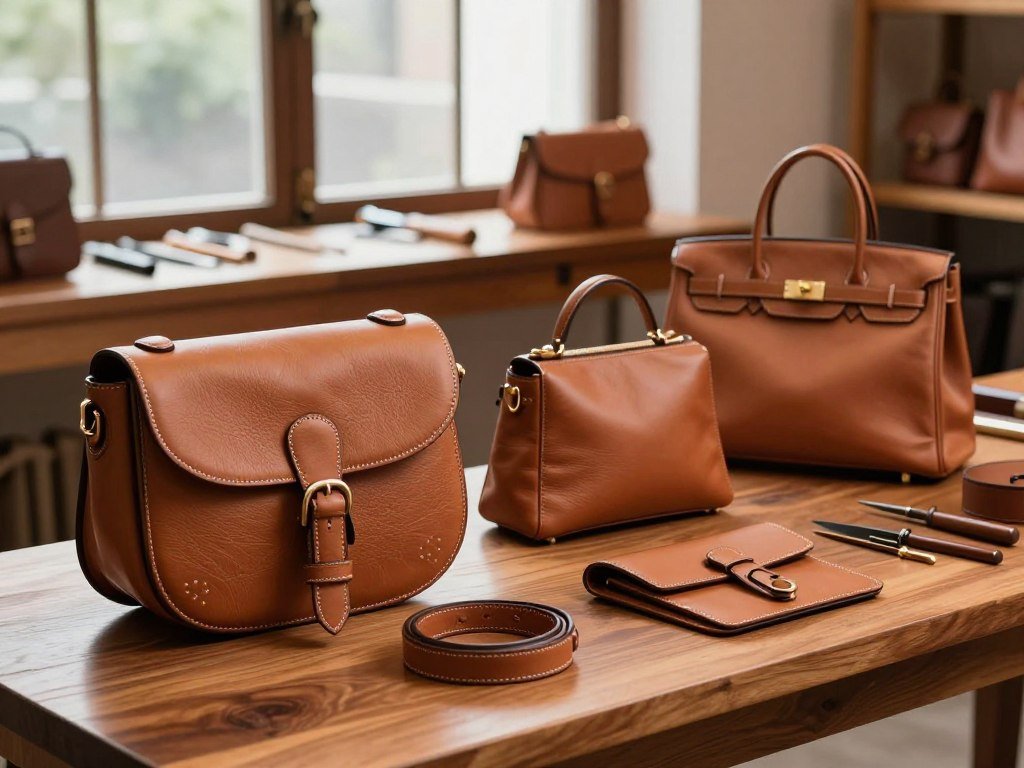
Hermès is a natural match when you want a bag to be the focus of a luxury purchase. Its saddlery past links the house to practical leather work, while its famous bags now signal careful craft and lasting design.
That focus is also a limit. Hermès is not the obvious choice if your first priority is casual, low-key clothing. Its appeal centers more on leather goods and accessories than on a relaxed wardrobe built around everyday basics.
Consider how often you will use a bag and what role you want it to play. A craft-focused piece may be a long-term object, while a versatile everyday bag needs to fit your daily routine. Those aims can overlap, but they are not always the same.
Consider whether you want a bag as a long-term craft object or a versatile everyday wardrobe piece before choosing.
3. Is Chanel the Best House for Timeless Parisian Style?
Chanel is the best match in this ranking for someone who wants classic Parisian polish with unmistakable design codes. Gabrielle “Coco” Chanel founded the house in 1910, beginning with hats, and its recognizable signatures now span clothing and accessories.
The little black dress offers a simple silhouette that can work for many occasions. Chanel also built lasting recognition around the 2.55 bag, Chanel No. 5, and two-tone shoes. The house designed its slingbacks in 1957.
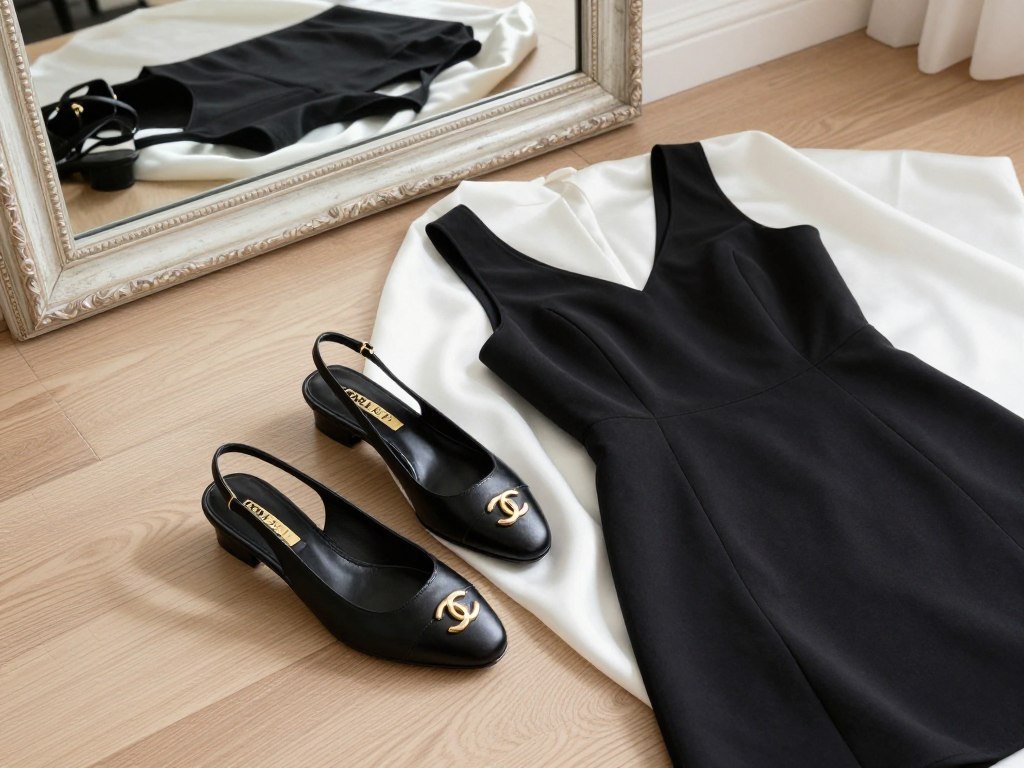
Yes, Chanel suits a reader seeking timeless Parisian style, especially if house signatures appeal to you. Its appeal comes from familiar shapes and details that can make a classic outfit feel clearly tied to one label.
That recognition is not a substitute for fit or use. A signature bag may be a poor choice if its scale does not suit what you carry, while an elegant shoe is only useful if you can walk comfortably in it.
The little black dress is versatile because its shape can work with different shoes, jackets, and accessories. It does not need to be ornate to feel dressed up. A clean silhouette can also make it easier to wear beyond a single event.
Choose the pieces whose shape and details work with your existing wardrobe, rather than buying a signature item for its name alone.
4. Why Does Dior Remain a Major French Couture House?
Dior is the strongest couture-led choice for readers who like a defined, romantic silhouette. Founded in Paris in 1946, the house presented its first collection, the “New Look,” in 1947, and its shape remains a key part of Dior’s identity.
The New Look brought a postwar outline with full skirts and cinched waists. That strong contrast between a narrow waist and a wider skirt still helps explain why Dior appeals to readers who like clothes with clear structure.
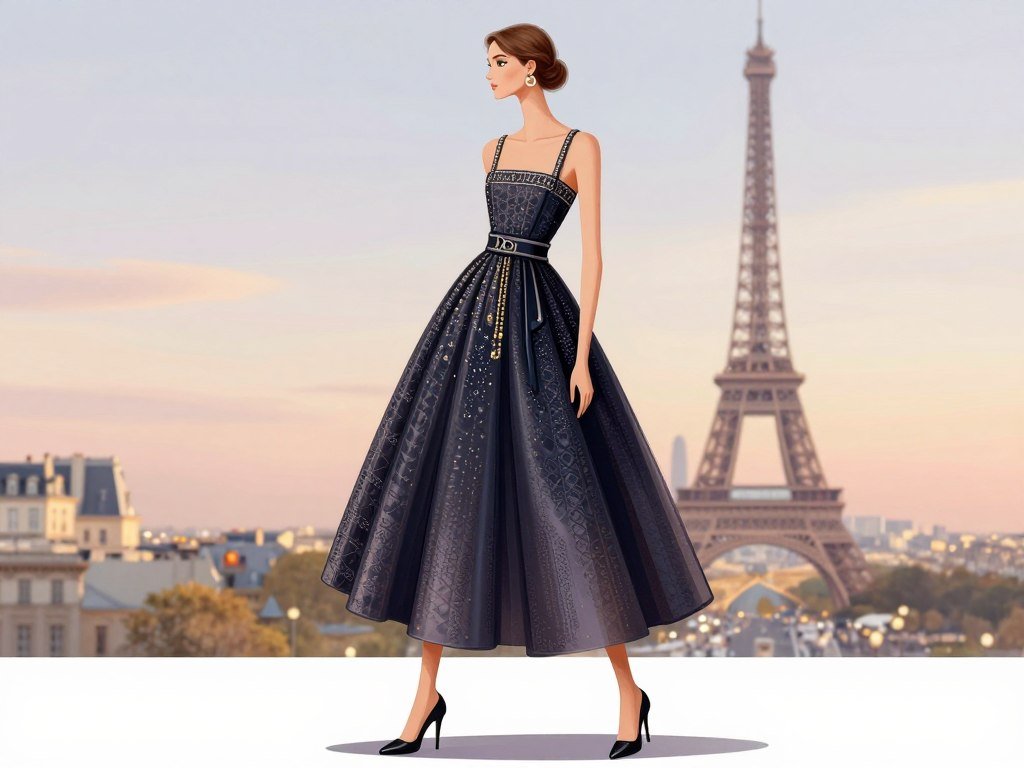
Dior spans haute couture and prêt-à-porter. Couture offers made-to-measure work, while ready-to-wear brings the house’s design language to standard-size clothing. Both sit within a larger collection of dresses, accessories, and other luxury pieces.
Dior is a strong choice if you like feminine structure and a clear house identity. It is less suited to someone seeking a closet of minimalist basics, since the shape itself often takes center stage.
When you look at a Dior dress or coat, pay attention to its outline, not just its color or surface details. A full skirt or shaped waist can change how the whole garment feels and moves. That is where the New Look legacy is most visible.
Look closely at shape and proportion, since the New Look legacy is most visible in the outline of a garment.
5. Is Saint Laurent the Right Choice for Sharp, Modern Dressing?
Saint Laurent is the strongest choice here for a wardrobe built around razor-sharp tailoring and a confident edge. Yves Saint Laurent and Pierre Bergé founded the house in Paris in 1961, and Le Smoking made its mark on women’s eveningwear.
Introduced in 1966, Le Smoking brought the lines of a tuxedo into women’s dress. Its sharp jacket and trouser form offered a new option for eveningwear. The Metropolitan Museum of Art describes how Le Smoking challenged clothing expectations.
The house remains linked to tailoring, leather, and a rock-influenced mood. That mix can make a simple outfit feel more direct and evening-ready, especially when you prefer clean lines to softer shapes.
Among the five heritage picks, Saint Laurent is the best fit for sleek evening pieces rather than romantic dressing. Its mood can carry from tailored jackets to leather clothing, but it may feel too dramatic if you want quiet everyday basics.
One jacket can be enough to test the look. A tailored piece might work with jeans or trousers you already own, without requiring a full head-to-toe statement outfit.
Try a tailored jacket with pieces you already own before investing in a full statement look.
6. What Sets Chloé Apart in Luxury Womenswear?
Chloé suits a reader who wants luxury to feel relaxed, feminine, and easy to wear. Its bohemian style favors floaty dresses, suede belts, leather accessories, and bags, with softer shapes than Saint Laurent’s sharp tailoring.
Gabriela Hearst led the house from 2020 to 2023. During her time as creative director, Chloé became the first luxury fashion house in Europe to achieve B Corp status. That status does not mean every product is sustainable.
The label’s softer design can make it a good fit for a wardrobe built around movement and texture. A floaty dress has a different feel from a sharply cut jacket, while a suede belt or leather bag can add detail without taking over.
That ease does not mean every piece is low-maintenance. Suede and leather need care, and their feel can change with use. Check the materials and care instructions for the item you plan to wear most often.
Chloé works best when you want a more relaxed take on luxury womenswear, rather than strict tailoring or a dramatic formal silhouette. Its bohemian signature gives the collection a clear direction, even when pieces vary in shape.
Check the materials and care instructions of the specific piece, especially for suede and leather.
7. Why Choose Cartier for Jewelry and Timepieces?
Cartier is the best choice in this list when jewelry or a timepiece, rather than clothing, is the main purchase. Louis-François Cartier founded the house in 1847, and jewelry and watches are its signature fashion categories.
Cartier broadens this list beyond prêt-à-porter and clothing labels. Its jewelry, timepieces, and accessories can give you a way to add a designer name without buying a full wardrobe from one house.
A watch or piece of jewelry can become a regular part of how you dress. These items may suit someone who wants a lasting accessory, or a gift with a clear design identity, more than another jacket or dress.
Cartier is not the pick for someone shopping primarily for everyday clothing. It does not fill the same role as a label with a broad clothing collection, so its strength depends on what you need from a designer name.
Decide first whether you need a wearable accessory or a full wardrobe label. That simple distinction can keep a strong jewelry choice from being mistaken for an all-purpose fashion house.
Decide first whether you need a wearable accessory or a full wardrobe label, because Cartier’s strength is the former.
8. Is Celine a Good Fit for Minimalist Luxury?
Celine is a strong match for someone who wants clean lines and a polished, minimalist finish. The label began in 1945 as a children’s shoe business, then moved into prêt-à-porter and leather goods, with the Triomphe and Ava among its recognizable bags.
The Triomphe and Ava offer different bag shapes under the same label. Celine’s clothing and accessories can suit a complete luxury wardrobe, while the bags give the house a clear entry point for shoppers focused on leather.
Celine is more luxury-focused than the straightforward wardrobe basics associated with A.P.C. Its cleaner lines may appeal if you want a polished look, but it is not the same kind of pick as a label built around simple daily staples.
Minimalist does not have to mean plain. Small changes in a bag’s scale, handle, or shape can shift how it works with a coat or daily outfit. The right silhouette depends on what you carry and how you wear it.
Before choosing a bag, consider its size beside the items you bring every day. A compact shape may look neat but leave little room, while a larger bag changes the balance of an outfit.
Compare the scale and shape of a bag with what you carry every day before settling on a silhouette.
9. What Makes Jacquemus a Modern French Designer Label?
Jacquemus is the most expressive contemporary choice in this ranking. The label launched in 2009 and added menswear in 2019, with sculptural shapes and bold color at the center of its style.
Its playful proportions can make a dress or bag feel like the main event. That visual impact is the appeal, especially if you want a piece that stands apart from a quiet, uniform wardrobe.
A statement piece is different from a wardrobe basic. A sculptural bag may draw the eye, while a simple everyday bag can disappear into a routine. Jacquemus is better suited to the first role than to someone seeking only quiet essentials.
The label’s expressive style can work across clothing and accessories, but not every piece will feel right for daily use. Consider where you will wear it and whether its shape or color works with items you already own.
For a modern French designer label, Jacquemus brings a stronger visual point of view than a restrained basics brand. That makes it a clear choice when you want a distinct piece, not the safest place to start a uniform wardrobe.
Balance one sculptural or colorful piece with simpler items so it stays wearable beyond a single occasion.
10. Is A.P.C. the Best French Label for Everyday Basics?
A.P.C. is the best pick in this top 10 for understated pieces that can anchor a daily wardrobe. Jean Touitou founded the Parisian label in the 1980s, and its focus is pared-back staples such as denim and knitwear.
A.P.C. is a contemporary designer label, not a couture maison. Straightforward clothing is its strength: denim, knitwear, and other pieces that can work through a regular week without a dramatic design statement.
That quiet approach makes the label a useful counterpart to more expressive names. A simple pair of jeans or a knit can sit under different jackets and coats, making it easier to repeat the piece without repeating a whole look.
A.P.C. may not satisfy you if you want visible logos or dramatic eveningwear. Its understated design does not aim to make every garment the focal point, and the label is not a stand-in for a couture house.
Start with the piece you wear most often, then see whether the fabric, cut, and care needs fit your routine. A dependable item earns its place through use, not just its label.
Start with one dependable denim or knitwear piece, then see how often it earns a place in your weekly rotation.
Which French Labels Fit Different Wardrobes and Spending Levels?
If you want an affordable family retailer, Kiabi is a closer comparison than a luxury house; for elevated everyday style, look at Sandro, Maje, and Sézane. Accessible premium and luxury are different price and design tiers, so compare the garment as well as the label.
A French equivalent of Zara is not a one-to-one match. Kiabi is closer in mass-market family positioning, while Sandro and Maje sit at a more elevated price and design level. Sézane offers wardrobe staples for shoppers seeking an intermediate option.
For Contemporary, Accessible Wardrobe Staples
Sandro was founded in 1984 and Maje in 1998. Both offer accessible-premium clothing, though their pieces have a more elevated feel than a mass-market retailer. Sézane is another option for staples, while Kiabi remains an affordable family clothing retailer, not a luxury equivalent.
Majestic Filatures gives you a useful example of how fabric affects feel. Its Soft Touch long-sleeve crewneck T-shirt is 94 percent viscose and 6 percent elastane, a blend with stretch. That composition may suit you if you want a soft, flexible top.
For Clothing, Accessories, and a Specific Signature Piece
Start with the job you need a garment to do, then compare its fabric, shape, and cost. A label’s overall position gives you context, but a specific piece still has to work in your closet.
| Label | Positioning | Useful wardrobe category | Notable detail |
|---|---|---|---|
| Sandro | Accessible premium | Clothing | Founded in 1984 |
| Maje | Accessible premium | Clothing | Founded in 1998 |
| Kiabi | Affordable family retailer | Family clothing | Founded in 1978 |
| Sézane | Contemporary wardrobe staples | Everyday clothing | Parisian label |
| Majestic Filatures | Premium basics | Soft-touch tops | 94% viscose, 6% elastane |
Use these four checks before you shop:
- Intended use: is it for work, daily wear, or a special event?
- Fabric: will the material feel right against your skin?
- Design longevity: can you see yourself wearing the piece next year?
- Budget: does the label’s price tier fit what you plan to spend?
Treat a label’s positioning as a starting point, then judge the particular garment by fabric, cut, and how often you expect to wear it.
Which French Luxury Brands Suit Men’s Style?
For everyday understated menswear, start with A.P.C. or Officine Générale; choose Arpenteur for workwear and Vilebrequin for resortwear. The best pick depends on whether you need city basics, a work jacket, or holiday clothes.
AMI Paris launched in 2011 and brings a contemporary Parisian streetwear feel. A.P.C. offers pared-back staples, while Officine Générale brings an elevated take on everyday essentials and tailoring.
Tailored and Minimal Everyday Clothing
For a quiet daily wardrobe, A.P.C. or Officine Générale is the strongest pick. A.P.C. suits you if you want simple pieces with little fuss; Officine Générale is a good fit when you want considered tailoring and elevated essentials.
Officine Générale was founded in Paris in 2012. Its appeal lies in clothing that feels polished without demanding a full formal outfit. AMI Paris has a more streetwear-led mood, so it may suit you if you prefer a more current, casual look.
Workwear and Resortwear
Arpenteur is based in Lyon and makes clothing locally, including cotton-twill worker jackets and smocks. Its workwear roots make it the strongest pick here for sturdy outerwear with a practical feel.
Vilebrequin is the holiday option. Its resortwear includes swim shorts and Cuban-collar shirts, giving you pieces for warm weather rather than daily city dressing. Arpenteur wins for workwear, while Vilebrequin fits holidays.
| Label | Best for | Signature category | Style character |
|---|---|---|---|
| AMI Paris | Casual city wear | Contemporary clothing | Parisian streetwear |
| Officine Générale | Everyday tailoring | Elevated essentials | Considered and polished |
| Arpenteur | Workwear | Worker jackets and smocks | Locally made utility |
| Vilebrequin | Holidays | Swim shorts and shirts | Resortwear |
Four useful starting points can help you narrow your first purchase:
- Knitwear for a simple layer in a city wardrobe.
- Denim for repeat wear and easy pairing.
- A worker jacket for practical outerwear.
- Resortwear for beach trips and warm-weather travel.
Build around one jacket or knit that works with clothes already in your closet, rather than buying a complete label head to toe.
How Do You Build a French-Inspired Wardrobe for 2026?
A French-inspired outfit can be as simple as well-fitting trousers, a considered layer, and one detail that feels personal. French style is a mix of useful basics and individual choices, not a fixed uniform.
Everyday wardrobes in France vary, so no single set of clothes represents everyone. The same advice works for a 60-year-old woman: choose a hemline, fit, and shoe that feel comfortable to you, rather than following age rules.
Everyday Pieces That Work Across Ages
Start with clothes you can wear in more than one setting. A well-cut pair of trousers, a useful jacket, and comfortable shoes can make a steady base without looking like a costume or copying a strict national look.
Fit matters more than a number on a tag. Choose a shape that lets you move and sits well on your body. A personal detail, such as a favorite bag or an unusual scarf, can make familiar basics feel like your own.
Autumn 2026 Outfit Combinations
For autumn 2026, try a suede jacket with satin trousers and loafers. A roll-neck jumper, mini skirt, and boots offer a sharper mix, while a tailored coat with balloon trousers and ballet flats gives you another proportion to play with.
Suede trousers and frog-fastening jackets are additional trend cues for early autumn. The Row’s Alma bag is associated with the baguette-bag style for the season. These details can refresh a look without requiring a full change of wardrobe.
Build an outfit from these five choices:
- Tailored outerwear to give a clear shape.
- Knitwear for warmth and an easy layer.
- Well-fitting denim or trousers for everyday use.
- Comfortable flats or loafers for walking.
- One expressive accessory to make the look personal.
Try one new proportion at a time, such as a shorter skirt with boots or wider trousers with a neat jacket. That keeps a trend from overpowering the clothes you already wear.
Use the 2026 combinations as ideas, then adapt the proportions and footwear to the weather and your comfort.
What French Fashion Labels Are Worth Knowing Beyond the Top 10?
The French fashion scene extends well beyond couture, from recycled-material labels to Breton tops and locally made workwear. A top 100 French brands list is much broader than a luxury-fashion ranking, so it can include sportswear, basics, and specialist makers.
A useful French fashion brands list beyond the ten ranked names includes labels with different aims. Marine Serre, Balzac Paris, and Veja have distinct material or production approaches, while makers such as Le Laboureur focus on workwear.
Sustainable Materials and Production
Marine Serre founded her label in 2017. About 50 percent of its shows are composed of upcycled products; the other half uses innovative fibers, including biodegradable yarns and recycled fibers.
Balzac Paris was co-founded in 2014 by Chrysoline de Gastines, Charles Fourmaux, and Victorien de Gastines. The label produces 92 percent of its products in the EU and sources 98 percent of its cotton from organic or recycled materials.
Balzac Paris reported a 16 percent reduction in its carbon footprint compared with 2022 and a B Corp score of 96.6. Veja launched in 2004; its sneakers use organic cotton, wild Amazonian rubber, and recycled plastic bottles.
Veja works with nearly 350 organic cotton farming families organized into five cooperatives. Since 2004, the brand has bought wild rubber directly from seringueiro communities and preserved 120,000 hectares of Amazon forest.
| Label | Material or production approach | Reported figure | What the figure describes |
|---|---|---|---|
| Marine Serre | Upcycled goods and newer fibers | About 50% | Shows use of upcycled products |
| Balzac Paris | EU production and organic or recycled cotton | 92%; 98% | Products made in EU; cotton sourcing |
| Veja | Organic cotton, wild rubber, and recycled plastic | Nearly 350 families | Organic cotton farming cooperatives |
| Le Laboureur | Heavy cotton twill work jackets | Made in France | Workwear production |
Check a label’s specific material and production details when sustainability matters. A broad claim about a brand cannot tell you how every single product is made.
Workwear, Breton Tops, and Other Everyday Labels
Lacoste, founded in 1933, is known for its piqué-cotton polo. Armor-Lux began as an underwear label in 1938 and is now known for Breton tops. Maison Kitsuné began as a Parisian record label in 2002, and its apparel carries a tricolor fox logo.
Le Laboureur has made work jackets in Burgundy since 1956, using heavy cotton twill made in France. Vetra is another French workwear label, known for work jackets and outerwear. For specialist leather goods, Goyard and Joseph Duclos are additional names to know.
These names show why a top 100 list covers more than luxury fashion. It can include heritage casual clothing, locally made workwear, footwear, and niche leather goods without claiming that each label competes in the same market.
For a short list of further names, consider:
- Sézane for contemporary wardrobe staples.
- Isabel Marant for a distinct designer style.
- Maison Kitsuné for apparel with a tricolor fox logo.
- Armor-Lux for Breton tops.
- Vetra for work jackets and outerwear.
Check a label’s specific material and production details when sustainability is a deciding factor, rather than relying on a broad brand description.
Conclusion
The right French label is the one whose signature pieces fit your real wardrobe, not just your mood board. Choose by the item you will use most and the design language you want to see in your closet.
Treat the ranking as a shortlist, not a rule. A famous house may suit your taste, while a quieter label may offer the piece you reach for every week.
Pick one category, such as a bag, jacket, knit, or pair of shoes, and compare that category across two labels before shopping. Choose one category, compare two houses, and try the silhouette that best fits how you dress.
FAQ
What are some of the major luxury fashion brands in France?
Is Majestic filatures a good brand?
What are the top 5 high-end clothing brands?
What is the French equivalent of Zara?
What is the most popular clothing brand in France?
How do I dress like a French woman?
What are the trendy French styles for 2026?
How to dress like a 60 year old French woman?