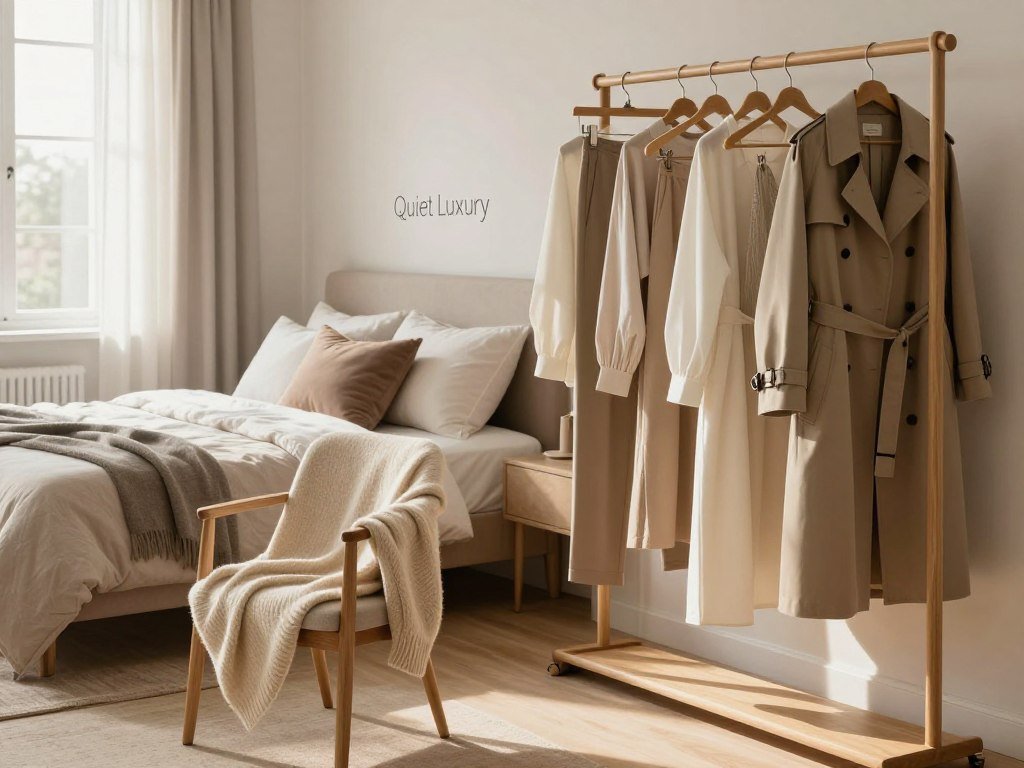
You can build a quiet-luxury look without replacing everything in your closet or relying on visible logos. A quiet luxury capsule wardrobe starts with clothes you already wear and adds only what your real days need. The five steps focus on personal use, coordination, fit, and gradual buying, not designer labels or a fixed shopping list.
That approach can save money and make getting dressed easier, even as fashion trends change. You will shape a style that suits your work, weekends, climate, and taste. You do not need a perfect closet before you begin. The best starting point is the clothing you already reach for.
Key Takeaways
- Start with the clothes you wear most.
- Pick a small neutral palette you enjoy.
- Choose pieces that fit and work in several outfits.
- Buy gradually, based on real gaps.
- Care for useful clothes before replacing them.
What Makes an Outfit Read as Quiet Luxury?
A polished outfit can feel understated when its shape and finish do the work instead of a prominent logo. Quiet luxury comes through in considered choices, from clean silhouettes to neat seams and balanced proportions. The label matters less than the way each piece fits and works with the rest.
A blazer, fine-gauge knit, dark denim, and structured leather bag can look refined without matching brands. A blazer with a clear shoulder line gives denim more shape. A fine knit softens that structure, while the bag adds a firm outline. Small choices like these bring polish to ordinary clothes.
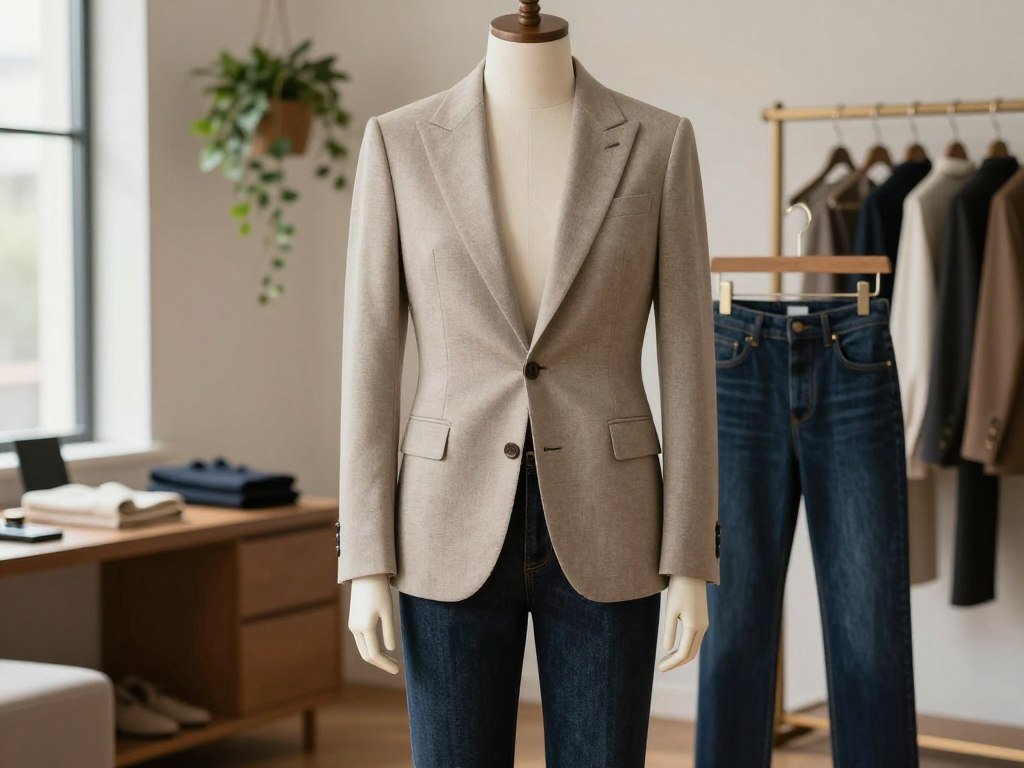
Refined choices without prominent logos
Quiet luxury favors quality materials, timeless silhouettes, understated details, and discreet branding. A logo can still appear, but it should not be the outfit’s main feature. For more ideas on shapes and discreet accessories, explore quiet luxury fashion.
Useful wardrobe roles include foundation pieces, structure, soft tailoring, anchors, and a refinement layer. Foundation pieces cover your basic needs, such as a shirt or trousers. Structure comes from a blazer or coat. A belt, shoes, or bag can act as an anchor, while a fine knit adds a final layer.
| Design choice | Quiet-luxury direction | Less useful for a restrained look |
|---|---|---|
| Branding | Small or discreet mark | Large logo across the chest |
| Silhouette | Clean shape with room to move | Extreme volume or tight fit |
| Detail | Neat seams and simple buttons | Several bold trims at once |
Structure, softness, and subtle detail
Silhouettes feel balanced when one piece adds shape and another brings ease. Pair a neat blazer with relaxed jeans, or wear a soft knit with straight trousers. The contrast keeps an outfit from looking stiff or too casual.
Let the garment’s cut and finish speak first. Add another detail only when the outfit needs it.
A pressed collar, smooth hem, or simple button can change the feel of an outfit. These details work best when they suit the garment’s purpose. Check whether each detail contributes to the outfit before adding another.
Step 1: Audit Your Closet Before Buying Anything
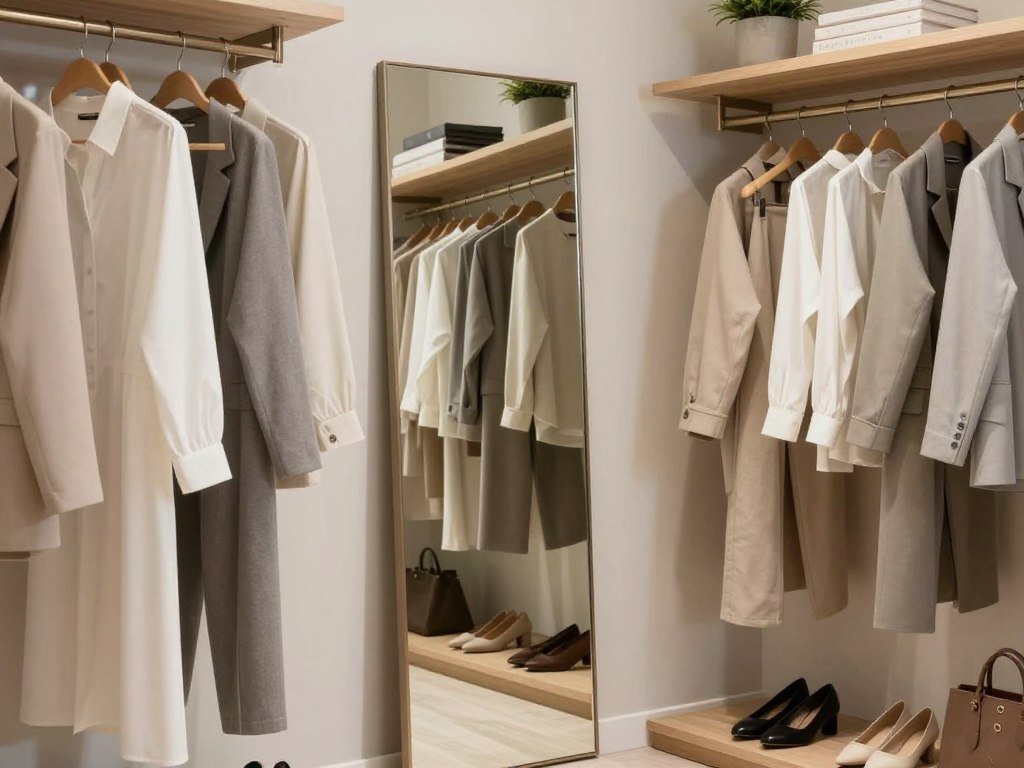
Start by looking at the clothes you wore most often over the last few weeks, not by making a shopping list. Your wardrobe already shows which pieces suit your daily life. Keep the audit focused on use, comfort, and real gaps.
- What clothes do you wear most often?
- Which pieces fit comfortably through a full day?
- What works with several items you already own?
- What stays unused, and why?
Look for patterns in your answers. If one shirt feels good but clashes with most of your bottoms, note that. If jeans suit work and weekends, they may deserve more use than a special-occasion piece.
Your job, weekends, travel, climate, and laundry habits all affect what you need. Someone who walks to work may need comfortable shoes and layers. Frequent travelers may favor clothes that pack easily, while a hot climate calls for breathable everyday pieces.
A capsule wardrobe has no required count. Adaptable staples can include cotton tees, button-downs, lightweight jackets, chinos, refined denim, and soft pull-on pants. You do not need every category, or a new version of each item.
For a practical approach to editing clothes and choosing versatile basics, read this guide to building a wardrobe on a budget. Mark a genuine gap only when it affects outfits you regularly need.
Step 2: Choose a Neutral Palette You Will Wear
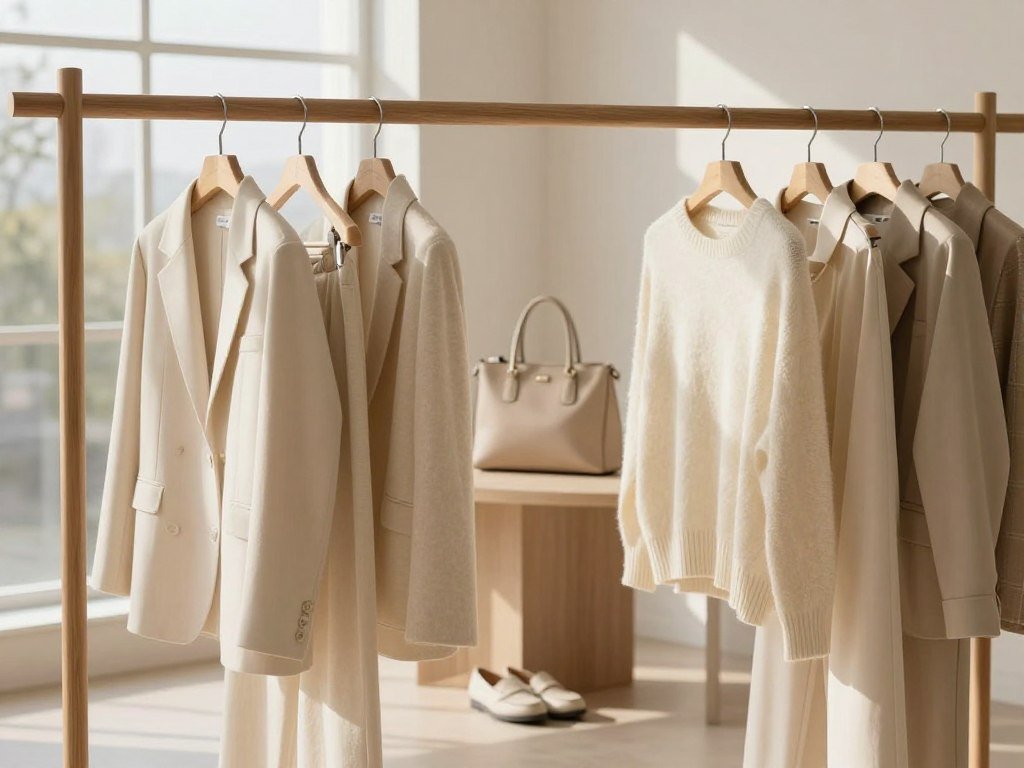
Choose colors you already enjoy wearing, then make sure each new shade works with more than one item you own. Two or three core neutrals can make tops, bottoms, and layers easier to combine. Build from colors already present in your closet, not a trend chart.
Black, white, and gray can anchor a coordinating palette. Cream, navy, chocolate brown, and soft beige offer other useful options. Pick the tones that suit your clothes and the settings where you wear them.
Pick a small set of core neutrals
A small base helps you create outfits without matching every shade exactly. Try cream with beige for a soft tonal look, or charcoal with black for more depth. A light shirt beside darker trousers adds contrast while keeping the outfit calm.
Tonal dressing means using close shades of one color family. Mix different depths, such as soft beige with chocolate brown, so the outfit does not look flat. A cream sweater can also sit well with white or tan bottoms.
A neutral palette does not need to mean all black or all beige. Choose two or three colors that suit your taste and existing pieces. For a warm, restrained room-inspired palette, see these warm neutral color ideas.
Add color through repeatable accents
A muted accent can bring personality without making the rest of the wardrobe harder to use. Dusty blue, muted green, or a soft burgundy may work if the shade already appears in several pieces. Use it in a shirt, scarf, or knit that fits your daily routine.
Check how the accent sits beside each core neutral. A muted blue might pair with navy, gray, and cream, while a warm green could work with beige and brown. One accent color can show up in more than one outfit without taking over.
Keep the colors you wear in every season, then adjust the weight of the clothes around them. A light cream shirt works in warm weather and under a darker layer later. Keep a new accent only if it makes several existing combinations easier.
How to Build a Quiet Luxury Capsule Wardrobe Around Repeatable Staples
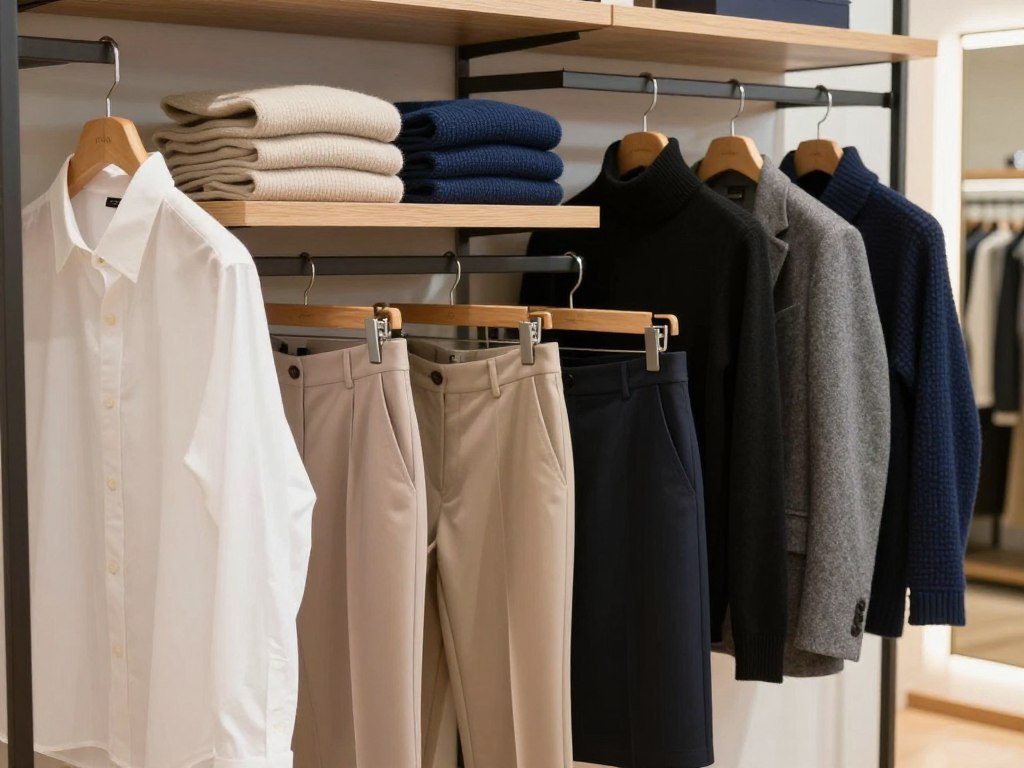
A useful capsule has a few pieces that do more than one job, rather than a separate outfit for every occasion. Build around roles that fit your routine, then choose the pieces that fill them. A staple earns its place when it works in several combinations.
- A clean top, such as a simple shirt or tee.
- A tailored bottom, such as trousers or refined denim.
- A knit or layering piece for extra warmth.
- A structured layer, such as a blazer or jacket.
- An anchor item, such as everyday shoes or a bag.
These roles can be filled by clothes you own. A clean top can work with trousers, skirts, or jeans. A blazer can dress up denim, then add shape to a simple dress. The right choice depends on what you wear most often.
A dress may fill more than one role if it suits work and weekends. Everyday shoes can anchor several outfits, while a light jacket may cover changing weather. There is no need to buy each category at once.
For more staple ideas, see this timeless wardrobe guide. Choose the role that would improve the most outfits you already wear.
Step 3: Choose Fabrics and Fit That Hold Up
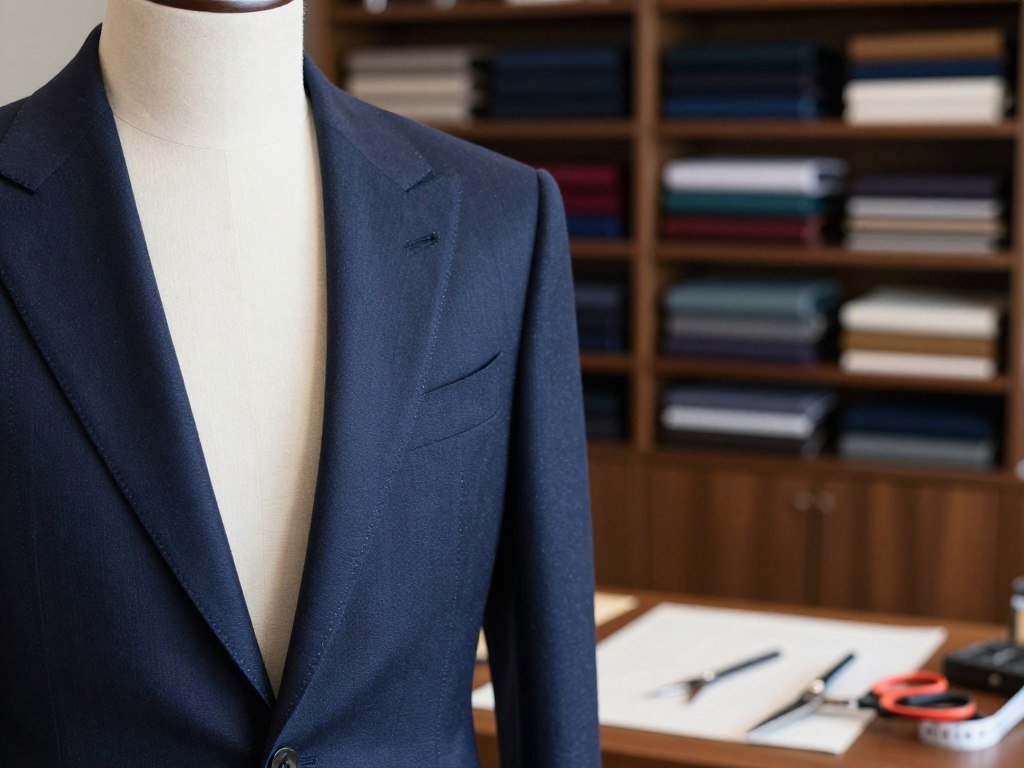
A fabric can look elevated without being expensive when it hangs well, feels substantial enough for its purpose, and has an even finish. Drape is the way a fabric falls and moves when you wear it. Judge the cloth in motion, not just on a hanger.
Weight affects how a garment holds its shape. An even texture and weave look more finished, while subtle sheen tends to feel calmer than a high shine. The right choice depends on the garment and how you plan to wear it.
Read fabric by drape, weight, and finish
These fabric types can help you compare structure and feel. The best option is the one that suits the garment’s job and your comfort.
| Fabric | Structure or feel | Useful garment |
|---|---|---|
| Ponte | Thick double knit, smooth, holds shape | Trousers or a fitted dress |
| Twill | Durable diagonal weave, subtle texture | Chinos or a jacket |
| Linen blend | More drape, fewer creases than pure linen | Warm-weather trousers |
| Lyocell | Smooth drape, breathable, manages moisture | Blouse or easy dress |
| Modal | Smooth finish, holds color well | Soft top or knit layer |
Lyocell, also called Tencel, is a wood-pulp-derived fiber. Viscose can wrinkle, but its soft look and matte finish can suit blouses, dresses, and tailored clothes. Tightly woven polyester with weight and fluidity can look more refined than thin, shiny polyester.
Match fabric and fit to how you will wear it
Natural fibers offer different strengths. Wool breathes, helps regulate temperature, and resists odors and wrinkles. It works well in coats, blazers, pullovers, and winter essentials. Cashmere is light and insulating, but proper care helps it last.
Linen breathes, wicks moisture, and softens with washing. Linen blends can hang better and crease less than pure linen. High-quality cotton is breathable and durable for everyday wear, including shirts and tees.
Fit should support ordinary movement. A blazer needs room through the shoulders and arms, while trousers should skim rather than cling. Check how a garment feels and moves while sitting, walking, and reaching.
For a deeper look at cloth and construction, explore this guide to lasting wardrobe choices. Actually, duplicate URL prohibited, can’t use. Need remove this paragraph entirely or link different internal link? URL used in section 5 already. Keep section 6 no link. source link on S2 fact. Need include source fact link here. Add link in first table intro? source linking at fact sentence. Could make lyocell phrase anchor href=””. Modify paragraph with link. Link anchors source, not actual URL but required. Let’s do direct in final. Also internal link section5 was timeless URL. Good.
Which Everyday Tees Earn a Place?
For a familiar cotton crewneck at a lower listed price, J.Crew’s $25 tee is the clearest starting point among the options compared here. Fit and feel still matter more than the price alone.
In 2026, J.Crew’s Vintage Jersey Classic-Fit Crewneck T-Shirt costs $25, uses 100% cotton, and comes in sizes XXS-3X. Its standard fit runs true to size.
| T-shirt | 2026 price | Fiber | Available sizes |
|---|---|---|---|
| J.Crew Vintage Jersey Classic-Fit Crewneck T-Shirt | $25 | 100% cotton | XXS-3X |
| LESET Margo Tee | $78 | 100% cotton | XS-XL |
| Reformation Max Slim Tee | $48 | 60% organically grown cotton, 40% Refibra lyocell | XS-XL |
| Le Bop Dylan Tee | $58 | 100% cotton | XS-XXL |
LESET’s Margo Tee runs small, so its fit differs from J.Crew’s true-to-size standard cut. Reformation’s Max Slim Tee blends cotton with Refibra lyocell. Le Bop’s Dylan Tee uses cotton, too.
Other listed options include Plain Jane New York’s Shortie Sleeve Tee, made of 100% Supima cotton in sizes XXS-4XL. Hanes’ Perfect T-Shirt lists at $10, reduced from $12. COS’s Clean Cut T-Shirt lists at $45, Madewell’s Perfect Crewneck T-Shirt at $42, and Aritzia’s InterLock Cotton Pegasus T-Shirt at $40.
DONNI’s Baby Rib Boat Neck costs $118 and uses 47% modal, 47% cotton, and 6% spandex. It comes in sizes XXS-XXL. LESET also sells structured basics, including its Margo tee and Barb wide-leg pants.
A product comparison is a starting point, not a stand-in for your own fit. Check the size range and fit notes before choosing a tee for repeated wear.
Step 4: Add Layers for Your Real Seasons
A useful layer earns its place on the days when the weather changes but your plans do not. Choose jackets and knits for the temperature shifts you face in a normal week. Each layer should work with several base outfits.
A lightweight jacket over a dress can help with a cool morning or indoor air conditioning. A thin knit with jeans suits a cooler day, while a chunky knit over a skirt adds warmth and texture. Choose shapes that sit comfortably over your usual clothes.
Jenni Kayne designs collections to coordinate across seasons, and its Cooper Cardigan is made of cashmere. TOTEME offers structured blazers and classic-cut jeans without distressing. DONNI sells linen pants and layering knits, including a sweater rib cardigan.
These labels are examples of coordinating cardigans, structured blazers, and layering knits, not a required shopping list. You can use the same logic with clothes already in your closet. A thin cardigan may cover more outfits than a statement jacket.
Choose the layer for your actual climate and settings. In a mild place, a light jacket may be enough for much of the year. In a cold climate, a warm coat and indoor knit may matter more than several thin layers.
Season changes can also alter how you wear familiar pieces. A dress may work alone in warm weather, then take a knit or jacket when temperatures fall. Try each layer over at least two outfits before treating it as a capsule staple.
Which Shoes, Bags, and Accessories Finish the Outfit?
A pair of comfortable, simple shoes and one practical bag can make several outfits feel finished. Start with shapes that suit your daily settings and clothing. Accessories should support the outfit, not compete with it.
- Jeans with loafers and a structured bag.
- Tailored trousers with simple flats and a slim belt.
- A dress with understated sandals and minimal jewelry.
- A knit-and-denim outfit with a clean leather shoulder bag.
Loafers and ballet flats can work for a polished day, while simple sneakers suit casual plans. Sandals fit warm weather, and a leather or suede bag can add a firm shape. Pick the pair and bag you can wear often.
Delicate gold jewelry adds a small point of light without taking over. A slim belt can define the waist or finish trousers, but neither is required. Match metal tones only when it looks natural with the rest of your outfit.
Try one anchor at a time, such as a bag with a clear shape or a simple gold chain. For more ideas on balancing accessories, see ways to style understated accessories.
A small set of useful options can serve work, errands, and social plans. Choose an anchor accessory that feels natural with your most-worn outfit, not just your most formal one.
Step 5: Set a Shopping Plan That Fits Your Budget
A calm shopping plan begins with a personal spending limit, not a rule that every staple must be designer. Decide what you can spend without making clothing a strain. Buy the most useful gap first, then give yourself time between purchases.
Set your cap for a month, season, or year, based on your own budget. Then compare the item’s fit, finish, and use with what you already own. New and secondhand pieces can both serve the same role.
Decide what deserves a larger share of your budget
Spend more only when a piece gets frequent use and suits several settings. You might give a larger share to a coat or shoes worn most days. A special-event top may need less, especially if it rarely leaves the closet.
Quince offers capsule basics such as cashmere knitwear, washable silk, simple trousers, and everyday layers. COS sells clean trousers, restrained knitwear, and architectural layers. J.Crew carries classic trousers, structured shirts, knitwear, and easy layers.
Shop across brands and secondhand options
Madewell focuses on denim and relaxed casual layers. Toteme offers outerwear, knitwear, trousers, shoes, and bags. The Row focuses on upgrading staples through fabric, proportion, and restrained design. These brands cover different categories and price levels, not endorsements.
Compare new options with resale pieces, then check fabric, seams, wear, and fit. A secondhand item may offer a better match than a new piece, especially when its shape suits your closet. Buy gradually, rather than trying to finish the wardrobe in one trip.
- Set a personal spending cap.
- Choose one wardrobe gap.
- Compare quality and fit.
- Wait before buying.
A paid Fall 2026 casual capsule guide offers one prebuilt plan. It includes 8 tops, 6 bottoms, 3 layers, and 4 pairs of shoes across 55 pages, with 100 outfit ideas, for $19.99. A guide can give you combinations, but your own routine should shape the final choices.
For ideas on making daily choices feel considered without overspending, read about affordable luxury habits. Buy the next piece only when you can name the outfits it will improve.
How Do You Keep the Capsule Useful Over Time?
A capsule stays useful when you care for the clothes you own and notice which combinations keep earning their place. Follow each garment’s care label, since needs differ by fiber and construction. Routine maintenance is different from buying something new.
Set aside damaged pieces for repair or alteration instead of letting them disappear at the back of a drawer. A loose button, open seam, or hem that drags may be easy to fix. Some garments need a skilled tailor or a special cleaning method.
Care depends on how the garment was made as well as its fiber. A lined blazer may need different handling from a cotton tee. Read the label before washing, drying, or storing a piece.
As seasons change, notice what you actually wear and what stays untouched. You may use a coat daily in winter but rarely reach for a heavier knit. Keep the clothing that serves your life, and store seasonal pieces where they stay clean and easy to find.
Repairing a useful garment can keep a good outfit in rotation. Replace it only when care or alteration cannot restore its use.
Regular care can help clothes remain comfortable and presentable, but it does not mean every item needs special treatment. Some pieces need a wash after each wear, while others need less frequent cleaning. Before replacing a worn item, check whether a repair or alteration would restore its use.
Conclusion
A quieter, more polished wardrobe can start with one change that makes clothes you already own work better. Quiet luxury comes from considered, wearable combinations, not a label or a particular closet size. A good outfit should fit your day and feel like you.
You do not need to chase every trend or buy several new pieces at once. One useful adjustment can make a familiar look feel more complete, such as a better fit or a cleaner color pairing. Choose one outfit you wear often and make one practical improvement to its fit, finish, or coordination.
FAQ
How many pieces should I start with for a capsule wardrobe?
Can I wear color in a quiet-luxury wardrobe?
Can affordable clothes still look refined?
Is quiet luxury only for designer brands?
How can I stop buying basics that do not work together?
Do I need a separate bag for every outfit?
What should I do if a favorite piece stops fitting well?