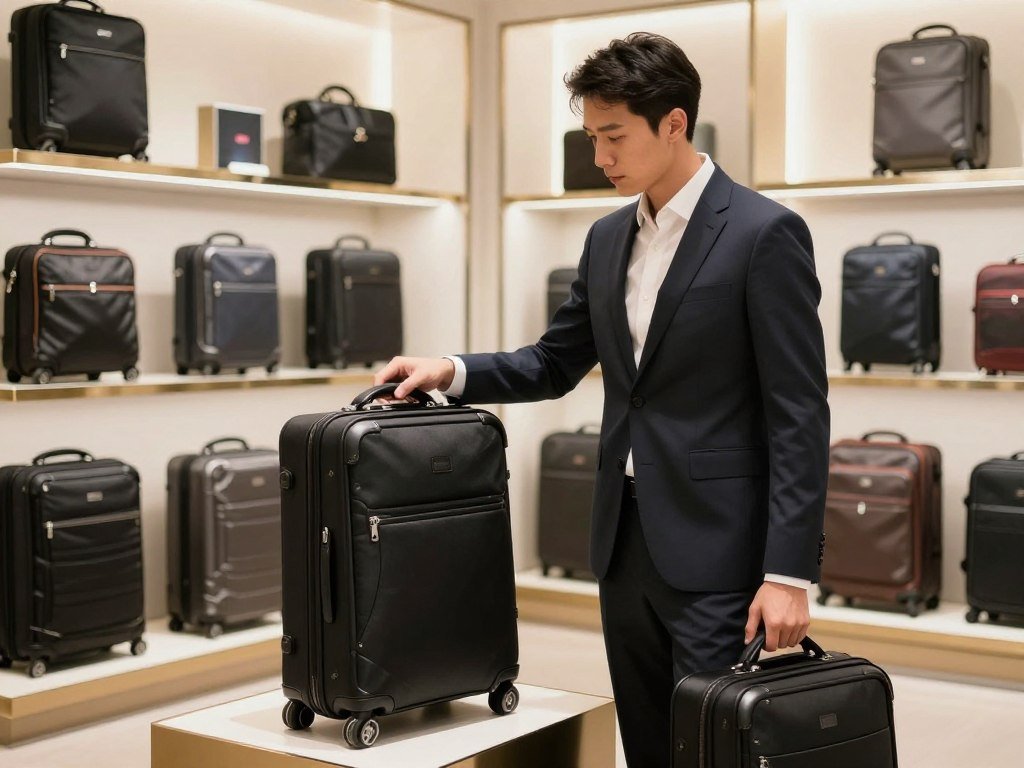
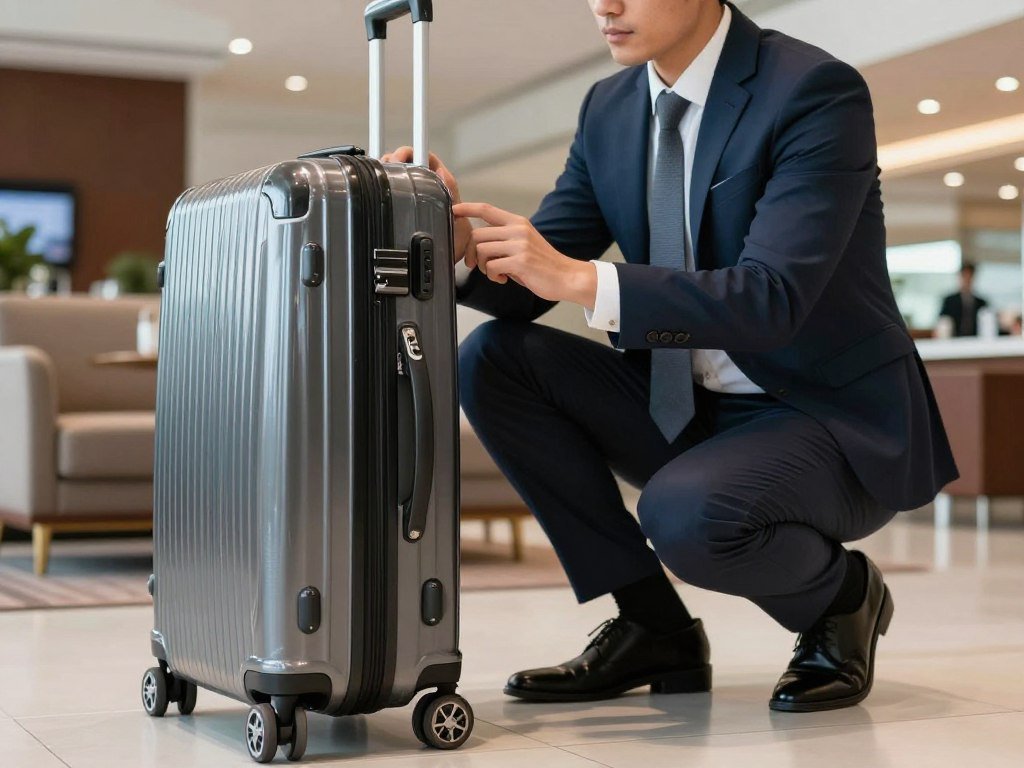
Frequent flyers notice the difference between luggage that merely looks polished and a case that works smoothly trip after trip. Business travel can mean quick airport transfers, tight connections, and repeated packing, so comfort and easy access matter. Your trip length, packing habits, airline limits, and preferred materials all shape the right choice. This comparison offers carry-on and checked-bag options for different routines, without assuming one brand suits every traveler. It also considers how a case handles regular use, so you can weigh style against practical needs. A well-chosen suitcase should fit the way you travel, not just look right in a lobby. The best starting point is to decide which travel problem you most want your next case to solve.
Key Takeaways
- Match the case to your usual trip length and packing style.
- Rimowa suits travelers who want an aluminum carry-on.
- Briggs & Riley offers a large-case splurge and repair support.
- Bellroy, Monos, and Osprey meet different carry-on priorities.
- Check full outside dimensions and model-specific features before buying.
What Should Frequent Travelers Prioritize?
A dependable frequent-travel case should make moving, packing, and retrieving essentials easier, not just look refined. Prioritize daily comfort and a layout you can use without unpacking the whole suitcase. A sturdy case should roll straight, stand securely, and stay easy to steer when crowded airport paths get tight.
Choose features you will use on nearly every trip, rather than paying for extra volume alone. Ballistic nylon is a tightly woven synthetic fabric designed to resist abrasion and tearing. Comfort also depends on handle height, grip shape, and whether the handle rattles when extended.
Daily Handling and Durability
Test the wheels on more than one surface, if you can. Smooth wheels should turn without scraping, pulling, or wobbling under a packed load. Check that the suitcase stands upright when you pause and that its handles feel secure when lifted.
Frequent lifting can make a small handle flaw feel large. A padded grip may help when you carry a case up stairs or lift it into a car. Inspect seams, corners, and wheel mounts, since those areas take regular knocks.
For a real-world example, Parade’s Briggs & Riley carry-on test describes its CX expansion-compression system. The system expands for packing, then compresses to close without an expansion zipper.
Packing Organization and Mobility
Look for packing access that suits your routine. A split interior can keep clothes apart, while a wide opening may help you reach items quickly. Compartments should hold useful things in place, not add pockets you never touch.
Good organization also makes small essentials easier to find while moving. For other ways to keep travel papers and cards handy, see these travel wallet options. Extra capacity can tempt you to pack more, so a clear layout matters as much as volume.
Before you compare models, check handling comfort, useful organization, repair access, and a size suited to your typical trips.
Use this four-point checklist when you try a suitcase:
- Handling comfort: grip the handles and roll the case.
- Useful organization: check access to the items you pack most.
- Repair access: learn where you can get help with a damaged part.
- Typical-trip size: choose capacity for the journeys you take most.
Before comparing models, decide which two features would save you the most friction on a typical trip.
Best Luxury Luggage Brands for Frequent Travelers
For most frequent travelers, the strongest shortlist balances everyday usability with the kind of durability and organization they will actually use. Start with Rimowa for an aluminum cabin case, Briggs & Riley for a splurge, Bellroy for lightweight luggage, Monos for value, and Osprey for soft luggage. Each brand fits a different need, not every trip.
The best choice depends on whether you value style, service, low weight, or price most. Notable premium and luxury luggage brands include Rimowa, Briggs & Riley, TUMI, Carl Friedrik, Bric’s, Sterling Pacific, Bellroy, Monos, July, and Osprey.
That gives frequent flyers a direct shortlist, while high-end brand shoppers can compare design and practical details. For wider context on luxury accessories brands, consider how craftsmanship and personal style fit your daily needs. Rimowa is known for its aluminum look, while other luggage brands focus on softside use, lighter builds, or service.
| Travel need | Brand and model | Why it fits |
|---|---|---|
| Aluminum cabin style | Rimowa Classic Cabin | Distinct aluminum design |
| Splurge | Briggs & Riley TORQ Extra Large Trunk Spinner | Large checked-case format |
| Lightweight carry-on | Bellroy Transit Carry-On | Lightweight international option |
| Value | Monos Carry-On | Premium features at a value-focused price |
| Soft luggage | Osprey Transporter Wheeled Carry-On 38 | Wheeled fabric alternative |
Pack Hacker named the Briggs & Riley TORQ Extra Large Trunk Spinner its best-splurge pick for international travel. The Bellroy Transit Carry-On was its lightweight pick, while the Monos Carry-On was its value pick.
Pack Hacker also named the Osprey Transporter Wheeled Carry-On 38 its best soft-luggage pick. TUMI offers FXT Ballistic Nylon and its TUMI Tracer program. Bric’s Bellagio pairs polycarbonate with Tuscan leather.
These top luggage brands do not form a universal ranking. Your best luggage depends on your travel habits, preferred design, service needs, and budget. Treat the shortlist as a set of different strengths, not a universal ranking of every brand.
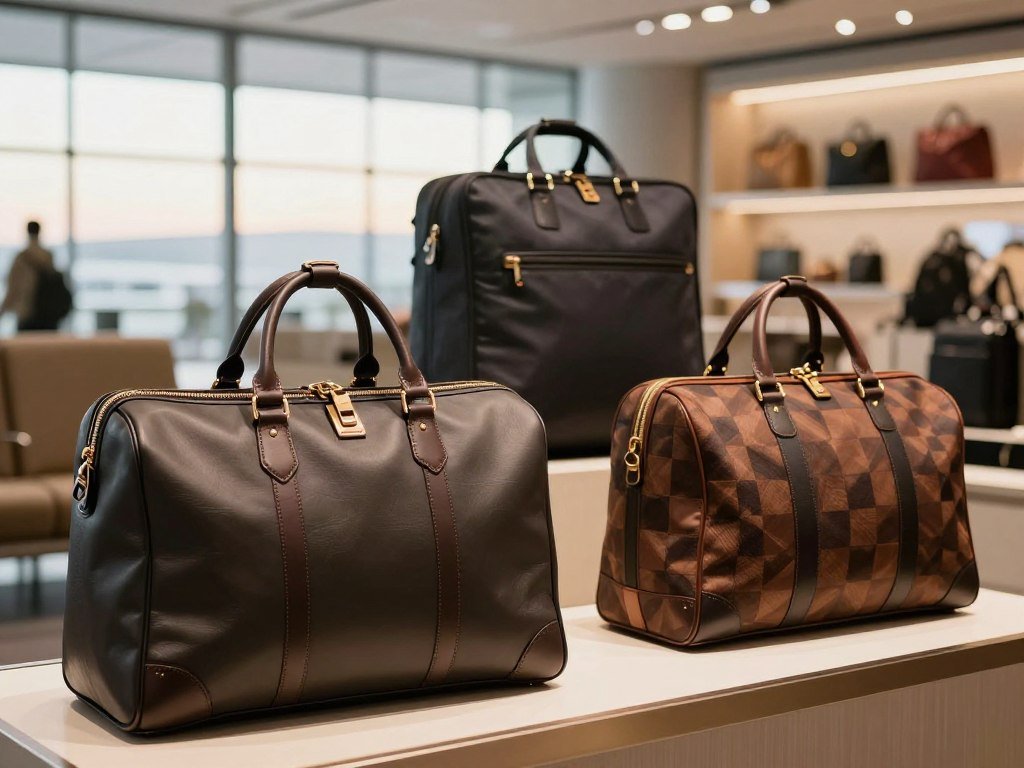
Which Luxury Luggage Material Fits Your Travel Style?
The material is a useful first filter because it affects a case’s weight, feel, appearance, and response to rough handling. Choose by travel habit: aluminum offers a rigid shell, polycarbonate balances weight and flexibility, and softside luggage gives easier access. Leather can add a classic finish that changes with age.
The best material depends on whether protection, weight, softside access, or an aging appearance matters most. Rimowa introduced the first aluminum trunk in 1937. Each option brings a different mix of style and durability.
Aluminum for a Rigid, Distinctive Case
Aluminum makes a firm shell that can protect packed items from pressure. It also shows dents and marks, which some travelers accept as signs of use. Pick this material if a rigid case and a clear design statement matter more than keeping the finish pristine.
Aluminum suitcases often suit travelers who like a structured shape and do not mind visible wear. The material’s look may appeal to shoppers who value a case as an investment in personal style. It is less suited to someone seeking the lightest bag.
Polycarbonate for a Lighter Hardside
Polycarbonate is a plastic that can flex under impact rather than crack. That gives it a balance of low weight and flexibility for a hard-sided suitcase. A polycarbonate shell can be a sensible fit when lifting and handling feel more important than an all-metal look.
Shell shape and design still vary by case. The material alone does not tell you how the wheels move, how compartments work, or how the suitcase feels when full. Try those features separately when you compare a hardside case.
Ballistic Nylon and Leather for Softside Travel
Ballistic nylon is a dense synthetic weave that resists abrasion. It suits travelers who want a softside suitcase with a fabric exterior and practical access. Leather brings a classic appearance, and it can develop a patina with age.
Leather needs care to help protect its surface and appearance. For more on how leather changes over time, read about leather-covered luxury journals. Trim can be a small detail, yet it may need different care from the rest of the case.
Use this quick guide to match materials with travel style:
- Aluminum: a rigid case with a distinctive, marked-in-use finish.
- Polycarbonate: a lighter hardside with a shell that can flex.
- Ballistic nylon: a softside case for regular handling and abrasion.
- Leather: a classic look for travelers who will care for the trim.
Choose the material that fits the way you travel, rather than treating one finish as automatically more durable.
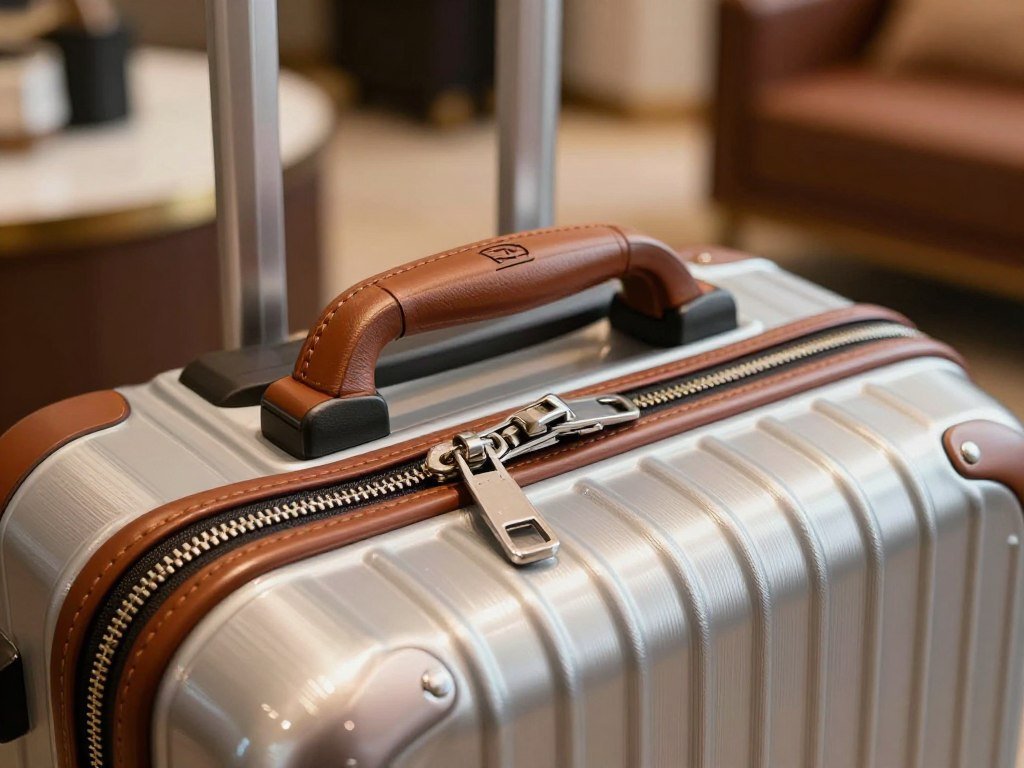
Rimowa Classic Cabin or Sterling Pacific 40L?
The clearest trade-off is that Sterling Pacific offers more interior capacity, while the Rimowa Classic Cabin weighs less and is wider but shorter. The 40L Sterling Pacific suits capacity-focused packing, while Rimowa offers flexible dividers and a handle that locks at any height.
Check full outside dimensions against your airline’s actual allowance, since every airline measures the whole case. Rimowa’s listed size is 22 × 14 × 9.1 inches, so a small difference from an airline limit can matter.
| Attribute | Rimowa Classic Cabin | Sterling Pacific 40L |
|---|---|---|
| Dimensions | 22 × 14 × 9.1 inches | Slightly taller; almost 2 inches narrower |
| Capacity | 36L | 40L |
| Relative weight | About 2.5 lb lighter | About 2.5 lb heavier |
| Interior organization | Flexible, removable dividers | Zippered compartment on one side |
| Handle detail | Telescoping handle locks at any height | No listed locking-height detail |
Sterling Pacific is slightly taller, while Rimowa is almost 2 inches wider and about 1 inch shorter. The extra capacity may help if you pack bulky items or need more room for a longer trip.
Rimowa’s removable dividers let you adjust the inside to suit different packing loads. Its telescoping handle can lock at any height, which gives you more control while rolling. Sterling Pacific has a zippered compartment on one side.
Compare the loaded bag’s outside fit and empty weight against your own packing habits before choosing either case.
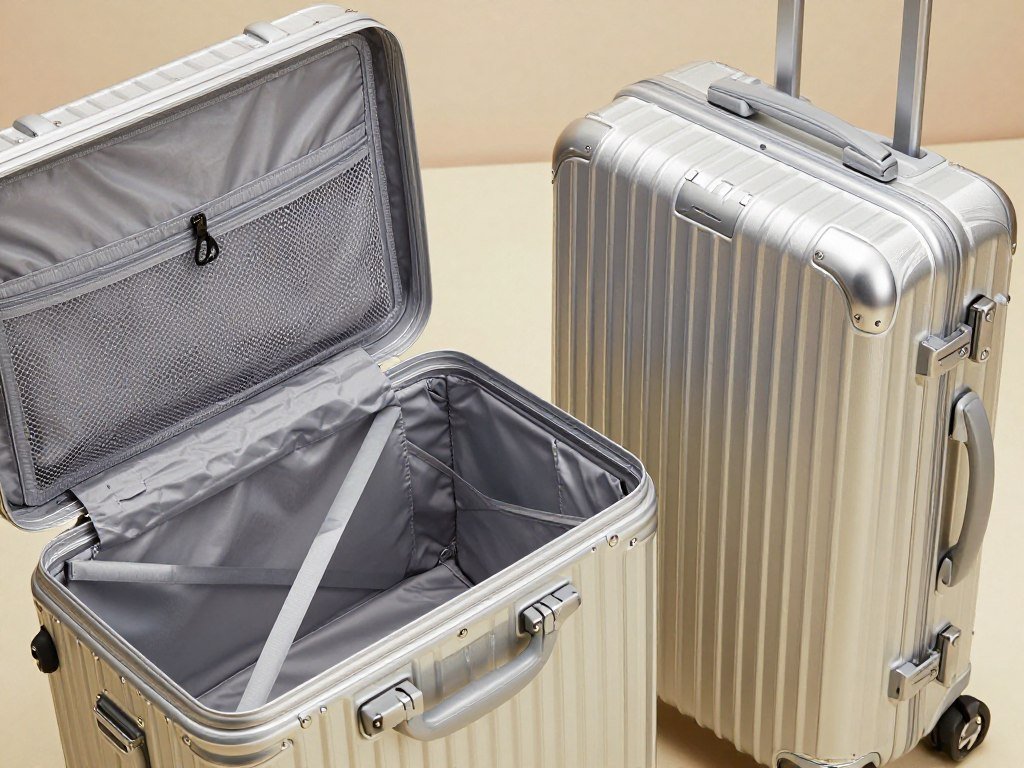
Is Briggs & Riley the Best Splurge for International Trips?
Briggs & Riley is a strong splurge candidate when a long international trip calls for a substantial, organized checked case. The TORQ Extra Large Trunk Spinner is the splurge pick for that trip type, while the Baseline Large offers a softside option.
A large case works best when you need its shape and space, not simply because a trip crosses a border. The Baseline Large has a ballistic nylon exterior, a tri-fold garment envelope, and an expansion-compression system.
A garment envelope can keep delicate clothing together and reduce loose items shifting around. It may help you pack business clothes in one place, then unpack them with less sorting. The Baseline Large suits travelers who want a fabric case with a garment-focused layout.
The TORQ trunk format gives you a different packing shape from a standard suitcase. Pack Hacker named it the best-splurge pick for international travel. That makes it a useful model to consider if your trips often call for a large checked bag.
Briggs & Riley also has options for travelers who want an organized checked case without choosing the trunk shape. A structured travel backpack can suit a different carrying routine, especially when you want hands-free movement and organized pockets.
A larger case is not automatically right for a short trip or for a traveler who wants to pack light. More space can lead to heavier bags and more items to manage at each stop. Choose the trunk format only if its shape and capacity suit what you routinely pack.
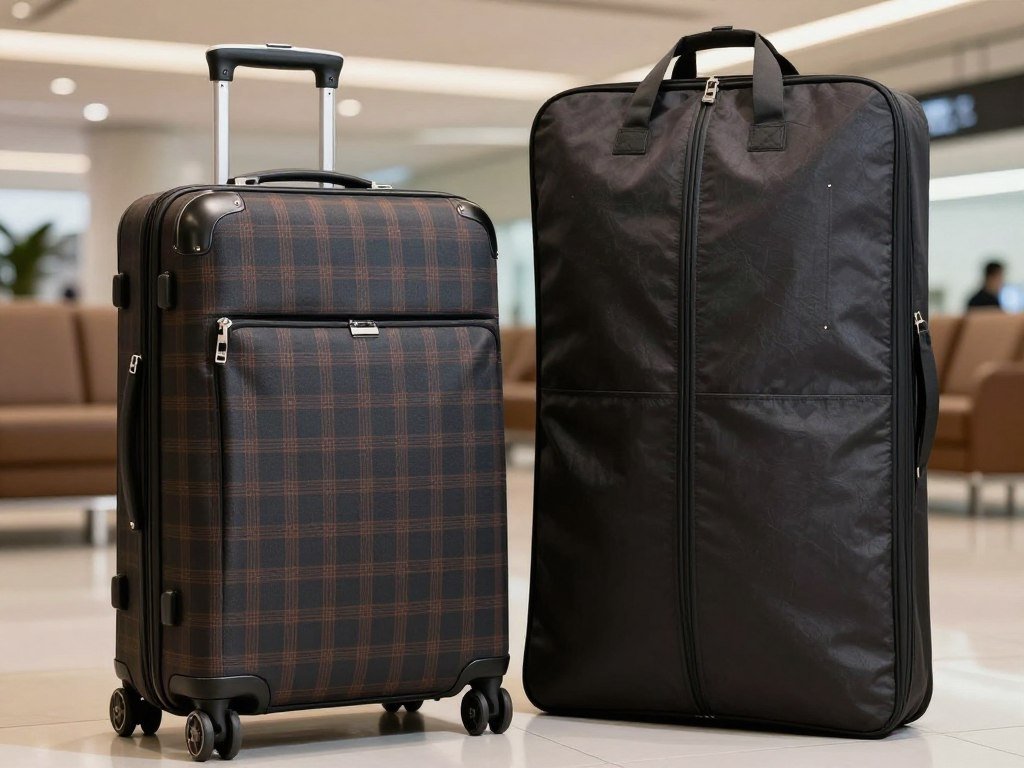
Does Bellroy Make the Best Lightweight Carry-On?
Bellroy is the clearest pick in this shortlist for travelers who want a lightweight international carry-on. Pack Hacker named the Transit Carry-On its lightweight luggage pick, making it a strong option for frequent handling.
A lighter case can make lifting and moving through an airport easier. Bellroy pairs a clean design with organized compartments, which can help you separate clothes and travel items without adding clutter.
Bellroy luggage shells use 80% recycled polycarbonate. That detail describes the shell material, but it does not mean every case weighs less or lasts longer than another model. Check the specific construction and layout you are considering.
Thoughtful packing features can matter just as much as a low empty weight. A tidy interior can save time when you need to find a charger or change of clothes during a trip. Look at the opening, pockets, and space available for your usual load.
Bellroy’s design may suit travelers who prefer a simple look over a loud pattern. Still, a brand’s overall reputation does not replace checking the exact case. Check the specific carry-on’s empty weight alongside its exterior dimensions before buying.
Is Monos Carry-On the Best-Value Pick?
Monos is the value pick for shoppers who want a polished carry-on without making the choice on appearance alone. Pack Hacker named the Monos Carry-On its best-value pick for international travel.
Value means useful organization, a suitable size, and a return option, not just a low starting price. Monos offers a 100-day return policy for unused items, giving you time to inspect an unopened or unused case at home.
The Monos Carry-On suits travelers who want a streamlined suitcase and a straightforward layout. Its appeal is strongest when its features match your packing routine, rather than simply matching your preferred color or finish.
Check the interior and exterior details against the things you normally bring. A useful layout should make your common items easy to reach and keep the rest in place. Capacity matters most when it fits your trip length without encouraging extra packing.
Return terms can depend on how the item has been handled. A case that has been used may not qualify under an unused-item policy. Read the return conditions for the exact model before opening or using it.
Is Osprey’s Wheeled Carry-On Right for Soft-Luggage Travelers?
Osprey is the soft-luggage choice for travelers who prefer a wheeled fabric case to a rigid shell. The Transporter Wheeled Carry-On 38 is a soft-luggage pick for people who want a flexible exterior.
Choose softside luggage when a less rigid shape fits your packing and handling needs. A fabric case can feel different from a structured hardside suitcase, especially when you need access to its pockets or want a softer profile.
Pack Hacker named the Osprey Transporter Wheeled Carry-On 38 its best soft-luggage pick for international travel. That makes it a notable option in a different category, not a claim that it beats every hardside model.
Softside bags may suit travelers who value exterior access or prefer a fabric feel. The exact layout varies by model, so check where the compartments sit and how easily you can reach them while traveling.
A wheeled bag still needs to match your own routine. Consider how you will carry it when rolling is not possible, and whether its compartments suit your usual items. Compare the bag’s actual exterior measurements with your airline’s allowance before packing it full.
What Does July Add to a Carry-On?
July’s strongest point is the way some models add practical features to a colorful, travel-ready design. Those model-specific extras can make a carry-on easier to use, but they do not appear across every case.
Confirm each feature on the exact case you plan to buy. July’s lineup includes these useful additions:
- July Carry On battery bank: a 10,000 mAh bank can power compatible devices on the go.
- Capsule Carry-On Pro top opening: this gives you access from the top of the case.
- Capsule Carry-On Pro wheel lock: this can help keep the case from rolling away.
- Built-in tracking on some July models: this may help you locate a tracked case.
The top opening can help when you want to reach an item without opening the whole suitcase flat. A wheel lock may be useful on a slope or while you pause in a busy area. These features matter only if they fit the way you travel.
July’s colorful designs offer a more visible look than plain luggage. Still, features can vary by model and collection, so do not assume one case has the same extras as another. Confirm the feature list for the exact July model instead of assuming every case includes every extra.
How Do Pack Hacker’s Carry-On Scores Compare?
The available scores put Monos Carry-On ahead of the two models that each scored 6.7, but that does not rank every suitcase from those brands. Monos earned a 7.05 weighted average in Pack Hacker’s testing.
A model score helps compare tested cases, not label an entire brand best or worst. Travelpro Maxlite 5 and Aer Carry-On Small both received 6.7 out of 10.
| Model | Weighted average | What the result can tell you |
|---|---|---|
| Monos Carry-On | 7.05 | Scored above the other two models listed |
| Travelpro Maxlite 5 21-inch Carry-On Expandable Spinner | 6.7 out of 10 | Equal to Aer in this comparison |
| Aer Carry-On Small | 6.7 out of 10 | Equal to Travelpro in this comparison |
The equal scores show why a single number cannot settle every buying choice. A score may reflect the way a specific model performed against set test criteria. Your own needs could put more weight on wheel movement, layout, or ease of lifting.
That is also why “best and worst luggage brands” is too broad a way to read model results. A brand may make cases with different shapes, features, and uses. Compare the test criteria as well as the overall score before using it to make a purchase decision.
How Do You Choose a Carry-On Size for US Airlines?
For 2026, Delta, United, and American list a maximum carry-on size of 22 × 14 × 9 inches, measured across the full outside of the bag. That is the listed limit for all three airlines.
Wheels, handles, and external pockets count in full outside measurements. A case that fits before you pack it may bulge once its pockets hold items, so check the packed shape.
| Airline | 2026 maximum carry-on size | What to measure |
|---|---|---|
| Delta | 56 × 35 × 23 cm (22 × 14 × 9 in) | Full exterior, including wheels and handles |
| United | 56 × 35 × 23 cm (22 × 14 × 9 in) | Full exterior, including wheels and handles |
| American | 56 × 35 × 23 cm (22 × 14 × 9 in) | Full exterior, including wheels and handles |
Delta’s carry-on baggage rules also count handles and wheels in its size limit. US airlines generally do not set a carry-on weight limit in 2026, but their size rules and airport checks still matter.
Rules can change, and airport staff may check a bag that looks oversized. A softside case can bulge, while a hardside case keeps a more fixed outline. Measure the packed case at its widest points, including its wheels and any exterior pockets.
What Can Go Through TSA in Carry-On Baggage?
TSA permits carry-on liquids in containers no larger than 3.4 ounces or 100 milliliters in 2026. Keep that container limit in mind while packing toiletries and other liquids.
Devices containing lithium metal or lithium-ion batteries should go in carry-on baggage. That guidance applies to devices with those batteries, not every battery-related item in the same way.
- Liquids: use containers of 3.4 oz or 100 ml or less.
- Battery-powered devices: carry devices with lithium metal or lithium-ion batteries in your carry-on baggage.
- Unusual items: TSA officers make the final decision at the checkpoint.
Pack small liquids where you can reach them without emptying the whole case. A separate pouch can keep containers together and make them easier to present when needed.
Battery rules can vary by item, so the device guidance does not answer every question about loose batteries or other equipment. Check the current TSA guidance for an unusual item and allow the checkpoint officer to make the final call.
How Should You Compare Luggage Warranties?
A lifetime warranty can mean very different things depending on which parts and types of damage it covers. Compare the repair terms, not just the word “lifetime,” before you rely on coverage.
Check whether the warranty covers functional damage, wear, or both. Antler offers lifetime warranties for purchases made after May 2023. Monos’ lifetime warranty covers wheels, locks, and handles.
What the Warranty Actually Covers
Briggs & Riley’s lifetime guarantee covers functional repairs, including damage caused by an airline. That is a specific promise about repair needs, not a rule that applies to every luggage brand.
Carl Friedrik cases come with a lifetime guarantee and a 100-day trial period. Antler, Monos, Briggs & Riley, and Carl Friedrik each set their own terms, so compare the exact model’s coverage.
How to Check Restrictions and Repairs
Read the exclusions and airline-damage rules before you buy. Some terms may depend on proof of purchase, the country where you bought the bag, or how damage happened.
Find out where repairs take place and whether you must ship the case. A nearby repair option can matter if you travel often and need your suitcase back quickly.
Check whether a trial period applies to used items. A trial may help you judge size and handling at home, but it does not replace repair coverage over time.
Read the warranty for the exact model and country before treating it as long-term repair protection.
How Much Should You Invest in a Premium Suitcase?
In the US comparison, the Rimowa Classic Cabin cost $1,525 plus tax and the Sterling Pacific 40L cost $2,150 plus tax. Those two comparison prices show what those models cost in that comparison, not a market-wide price range.
Your budget should reflect how often you use the case and which features earn their cost. A frequent flyer may value easy handling and repair support more than a traveler who takes one trip a year.
Think about the kind of wear your suitcase will face. A case that goes through many airports may justify a larger budget if its features solve a real problem. A high price alone does not prove a case suits your routine.
Useful organization can save time when you pack and unpack. A comfortable handle or a layout that keeps business clothes neat may matter more to you than a striking finish. Set priorities before comparing price tags.
Repair coverage can also shape confidence in a long-term purchase. Consider how the terms fit your travel pattern and how easy it would be to get a functional part repaired. Set a maximum budget before shopping, then decide which features justify spending within it.
How Can You Keep a Luxury Case Travel-Ready?
A few minutes of routine care can make a well-used case easier to handle and ready for the next departure. Focus on small checks that help keep its surface, wheels, and moving parts in good shape.
Hard-shell finishes can pick up visible scuffs, which are cosmetic unless they affect function. Monos hard-shell suitcases can scuff in use, and July suitcases scuffed easily in testing.
Use this simple care routine:
- Wipe the exterior with a soft, damp cloth, then dry it.
- Clear grit and debris from around the wheels.
- Check handles and zippers before each trip.
- Follow the care instructions for leather trim.
Small bits of grit can collect near wheels after a trip. Clearing them can help the wheels turn freely and keep debris from spreading inside a closet or storage area.
Handles and zippers deserve a quick check before you leave. A loose pull or sticking zip may be easier to address before you pack than at the airport.
Scuffs are usually cosmetic, but damage to a functional part may be a separate warranty issue.
Leather trim may need different care from the rest of the case. Use the maker’s care instructions rather than applying a general cleaner to every material. Before storing a case, make sure it is clean and dry and that its wheels are free of grit.
Conclusion
The best premium case is the one that makes your usual travel routine easier without asking you to pay for features you will not use. Your most frequent trip should guide the size, layout, and style you choose.
Write down your typical trip length and the two features that would make travel easier. Use that short list when you compare suitcases, then narrow your choices by how each model fits your routine.
Before choosing a model, match your most common trip to the two features you value most.
FAQ
Which brand is considered the best for premium suitcases?
What is better than Rimowa?
What are the top 10 best luggage brands?
What suitcase do flight attendants say not to use?
What did TSA just ban from carry-on luggage?