The best pick is the one that cleans your scalp without leaving your hair too dry, greasy, or weighed down. Men can wash every day and still need different formulas, depending on oil, texture, and scalp comfort.
This guide weighs cleansing, scalp health, hair texture, and common concerns such as dryness, oiliness, dandruff, or thinning. A bottle’s label and price alone cannot show whether it will suit you. A good match can help you build a routine that feels comfortable, without adding steps you do not need.
Consider what happens after you wash: does your scalp feel calm, and do your lengths stay soft and manageable? Irritation, tightness, or heavy roots may signal that the formula or routine needs a change.
Key Takeaways
- Choose for your scalp first, then your hair texture and desired finish.
- Use a dandruff shampoo with an active ingredient that fits your symptoms.
- Thickening products can change appearance without proving new hair growth.
- Oily roots and dry ends may need different care.
- Persistent, sudden, or painful changes deserve professional advice.
Start by identifying whether your main concern is scalp comfort, hair texture, or visible thinning.
How Do You Choose the Best Mens Shampoo for Your Hair and Scalp?
For a straightforward all-around option, start with Living Proof Perfect Hair Day Shampoo, then check whether its formula suits your scalp and strands. The best shampoo for men without a major concern is a gentle formula that cleans without stripping.
Choose by scalp condition first, then strand needs, then the finish you want. A scalp condition means oiliness, dryness, or discomfort at the roots. Hair texture describes straight, wavy, curly, or coily patterns, while density describes how full your hair looks.

Give a specific scalp condition or hair texture more weight than a general-use winner.
That simple order can narrow down the many shampoos made for men hair. If your scalp feels comfortable and your main goal is basic cleansing, begin with a mild daily-use formula. If you have a clear concern, such as persistent flakes or very dry lengths, choose around that need instead.
Then consider how you want your hair to look and feel. A lightweight finish may suit fine strands, while damaged lengths may feel better with more conditioning. A formula should rinse clean and leave your scalp comfortable, not coated or tight.
The right shampoo can change how clean or soft your hair feels, but it cannot solve every scalp or hair concern. Notice how your scalp responds over several washes, rather than judging the formula by its label alone.
If your scalp is persistently itchy, painful, or inflamed, get professional advice rather than relying on a general-use formula.
How Can You Identify Your Hair Type and Scalp Needs?
A simple no-styling-products observation can reveal whether your roots turn oily quickly or your scalp feels dry. Watch the roots and skin, because those clues can point to different needs than your hair lengths.
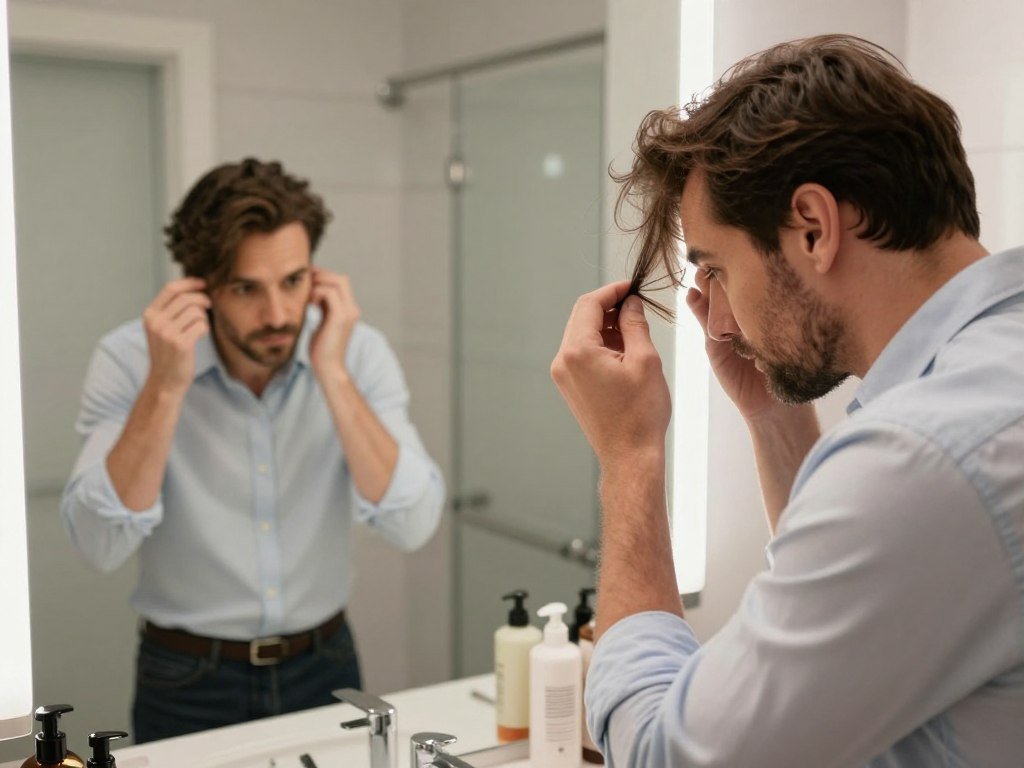
Check texture, strand thickness, and density as separate traits. Curl pattern, the feel of each strand, and visible fullness are not the same measure. Straight, wavy, curly, and coily describe texture; fine and thick describe strand thickness.
Check texture, strand thickness, and density
Density means how much hair you see across your scalp. Thinning hair can occur with any curl pattern or strand thickness, so do not use texture as a stand-in for fullness.
Look at your hair when it is clean and dry. Fine strands may lie flat, while thick strands can feel more substantial between your fingers. Damage and heat styling can also change how strands feel; heat-styling habits for your hair type matter when lengths feel brittle.
Notice oil, dryness, and scalp discomfort
For a 48-hour observation, wash with a basic shampoo, then skip styling products and conditioner. Check your roots and scalp after 24 and 48 hours.
- Greasy roots that appear soon after washing.
- Tight or itchy skin around the scalp.
- Dull or brittle lengths that lack softness.
- Visible changes in density, such as a wider part.
Oily roots with dry ends call for a balanced approach, not one label for your whole head. For more help separating scalp needs from hair condition, read this guide to shampoo and conditioner choices.
Treat sudden or unexplained hair loss as a health concern to discuss with a clinician, not just a reason to switch shampoo.
Which Shampoo Ingredients Match Your Main Hair Goal?
Match ingredients to the problem they are meant to address, rather than choosing a bottle because its label promises “growth” or “strength.” A surfactant is a cleansing ingredient that helps oil and dirt mix with water so they can rinse away.
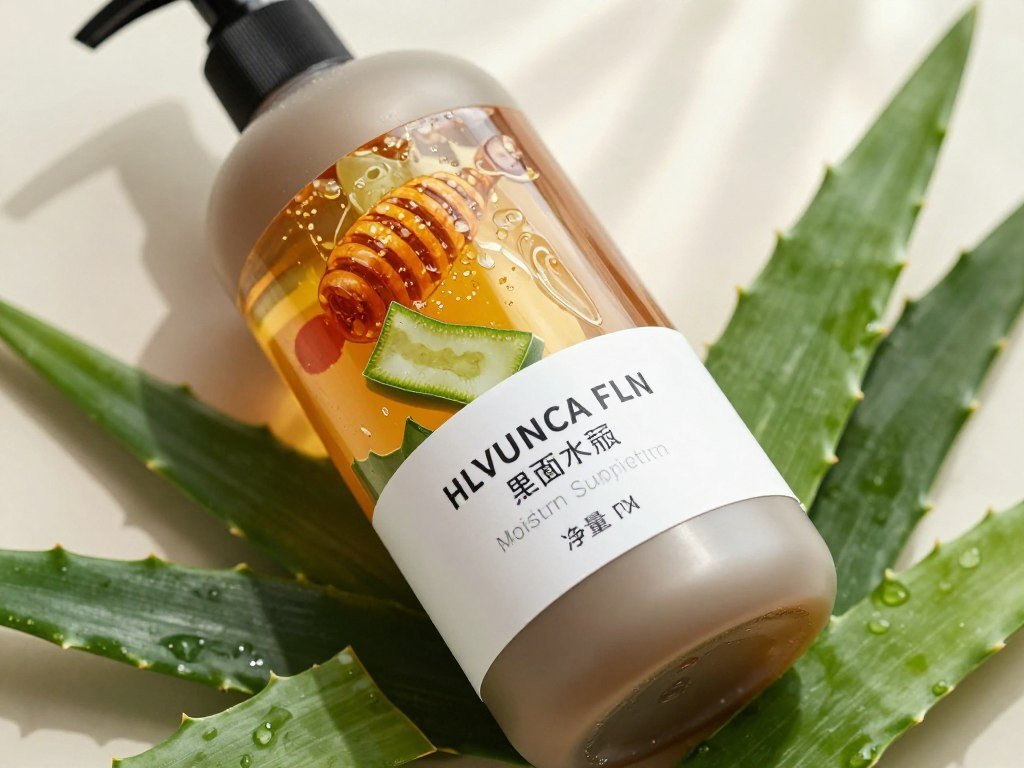
Choose the cleanser and added ingredients for your scalp and hair, not a single headline claim. Gentler cleansers and moisture-supporting ingredients may suit dry or sensitive-feeling hair. Oily roots and buildup still need effective cleansing.
Cleansers and moisture-supporting ingredients
Glycerin and panthenol are common moisture-supporting ingredients. They may help hair feel softer, while the cleanser base determines how the shampoo removes oil and residue.
Sulfates are effective cleansers, though some people find them drying. A mild cleanser may feel more comfortable on dry lengths, but a formula that leaves oil or product behind may not suit an oily scalp.
Strengthening and cosmetic volume ingredients
Keratin and hydrolyzed proteins appear in hair products for conditioning and strand strength. Glycerin and panthenol support moisture, while caffeine appears in some formulas aimed at hair care.
Biotin is not a proven shampoo-based hair-regrowth guarantee. A cosmetic effect, such as softer-feeling or fuller-looking strands, is different from new growth or a change in hair density.
Check these three label details before choosing:
- The cleanser base and how it may feel on your scalp.
- Ingredients that address your main concern.
- Fragrance or allergy triggers you already know.
More lather does not mean better cleansing, and a familiar ingredient can still bother sensitive skin. For a related guide to mild cleansing and irritation, see tips for choosing a body wash for sensitive skin.
Patch-test a new formula if you have a history of reactions to hair-care products.
Which Shampoo Is Best for Dandruff?
For persistent flakes, choose an active ingredient that addresses the scalp problem, not just a shampoo that promises a deep clean. The active ingredient matters, because flaking can have different causes.
Leave dandruff shampoo on your scalp for 3 to 5 minutes before rinsing. Follow the product label if it gives a different contact time.
Antifungal actives for persistent flakes
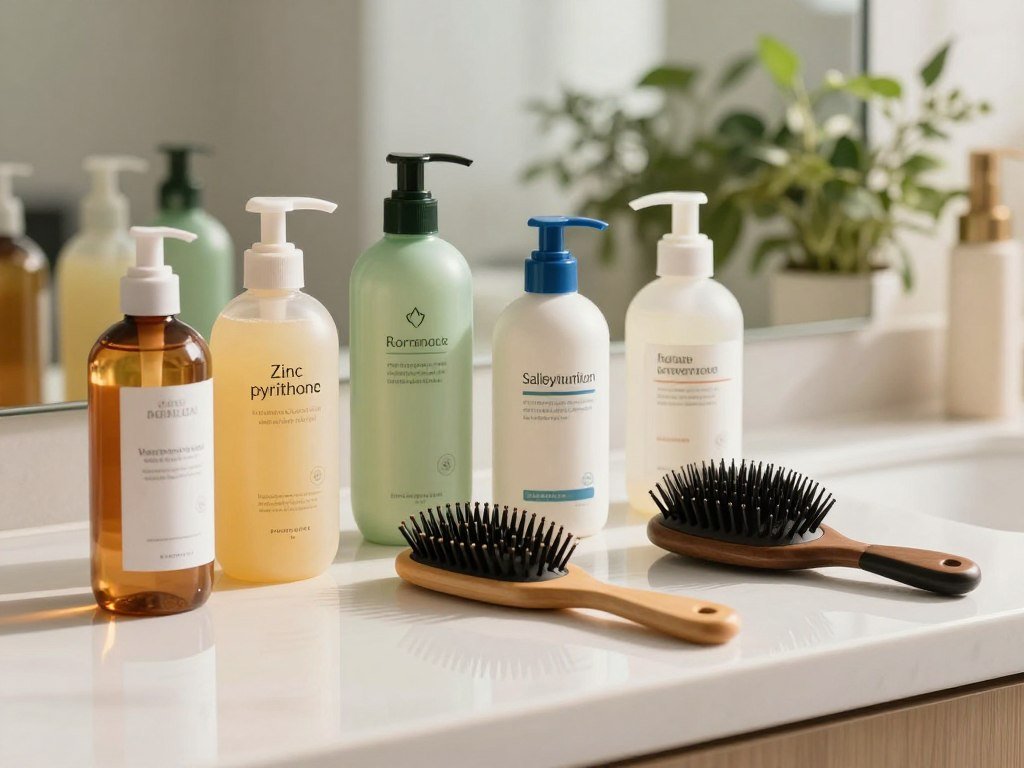
Pyrithione zinc is an antifungal and antibacterial active for moderate to severe flaking. It can dry the hair shaft, so lengths may need separate care.
Ketoconazole at 1% or 2% is a potent antifungal option for stubborn cases. Selenium sulfide reduces Malassezia and cell turnover, but it can discolor chemically treated hair.
Exfoliants and options for other scaling conditions
Salicylic acid loosens and exfoliates dead skin cells; it does not address yeast. Coal tar can help with psoriasis-related flaking, though it may stain light hair and have a strong odor.
| Active | Primary role | Best fit | Caution |
|---|---|---|---|
| Pyrithione zinc | Antifungal, antibacterial | Moderate to severe flakes | May dry hair shaft |
| Ketoconazole | Antifungal | Stubborn flakes | Available at 1% or 2% |
| Salicylic acid | Exfoliates dead cells | Scaling buildup | Does not target yeast |
| Coal tar | Slows scaling | Psoriasis-related flakes | May stain light hair; strong odor |
| Selenium sulfide | Reduces yeast and cell turnover | Flaking linked to Malassezia | May discolor treated hair |
Persistent or severe scalp symptoms may need a clinician’s assessment. A dandruff shampoo works on the scalp, so the active needs time there before you rinse.
Follow the directions on the specific product label if they differ from a general contact-time recommendation.
What Helps Men With Thinning Hair Without Promising Regrowth?
A thickening shampoo may make strands look fuller, but that cosmetic effect is not proof of regrowth. Appearance is not treatment, and shampoo alone should not be presented as a proven hair growth treatment.
Sudden or ongoing hair loss deserves professional assessment. Gradual thinning and sudden or patchy loss can have different causes, so a shampoo change may not address the reason.
Fuller-looking strands from cosmetic formulas
Ulo Thickening Shampoo is a volume-focused option for thinning hair, listed at $29. A formula can change the appearance or feel of strands without showing that it reverses hair loss.
A 2025 study examined shampoo containing 1% caffeine and 1% sodium dimethylglycinate. Researchers took scalp photographs at baseline and after 3 and 6 months of use.
Those photographs alone do not establish a result beyond the study’s stated observation points. Caffeine in shampoo should not be treated as a guarantee of hair growth.
When shedding needs medical evaluation
Track a change rather than guessing from one day’s shed hair. These steps can make the pattern clearer:
- Note when the change began.
- Track whether density continues to change.
- Consult a clinician if loss is sudden or ongoing.
For male-pattern hair loss, Harvard Health explains that topical minoxidil and oral finasteride are FDA-approved treatments. Those options differ from cosmetic shampoo and may carry their own risks and limits.
For progressive shedding, seek a clinician’s assessment before treating shampoo as the solution.
Which Products Make a Strong Shortlist for Different Hair Types?
Fine, damaged, thick, and straight hair can call for different formulas even when the scalp is healthy. Start with your strands, then check that the cleanser also feels comfortable on your scalp.
A product’s stated hair-type fit is a starting point, not a promise of results. The formulas below address different strand needs without replacing care for a specific scalp concern.
| Product | Best fit | Relevant formula detail | What to consider |
|---|---|---|---|
| Verb Ghost Shampoo | Fine hair | Includes moringa oil | Check whether the finish feels light |
| Davines NOUNOU Shampoo | Damaged hair | Glycerin and hydrolyzed wheat protein | Consider the condition of your lengths |
| Ouai Thick Hair Shampoo | Thick hair | Shea butter and avocado oil | See if the formula feels too rich |
| Oribe Serene Scalp Densifying Shampoo | Straight hair | Pea sprout extract, red clover, peptides | Match it to your scalp tolerance |
Verb Ghost Shampoo is positioned for fine hair, while Davines NOUNOU Shampoo is aimed at damaged hair. Their listed ingredients give you a way to compare formulas, not a reason to expect the same feel on every head.
Ouai Thick Hair Shampoo is positioned for thick hair and includes shea butter and avocado oil. Oribe Serene Scalp Densifying Shampoo is positioned for straight hair, with pea sprout extract, red clover, and peptides.
Consider how your strands respond after several washes. Fine hair may feel weighed down by a rich formula, while damaged lengths may need more conditioning than a basic cleanser provides.
Use the listed hair-type fit as a starting point, then check the ingredient label against your scalp’s tolerance.
What Is a Good Shampoo for Curly or Coily Hair?
Curly and coily hair often benefits from a cleanser that removes scalp buildup without leaving the lengths feeling stripped. Aveda Be Curly Advanced Shampoo is the curly-hair pick, and it includes kokum seed butter.
Favor gentle cleansing and condition the lengths as needed. Curls and coils can be more prone to dryness, so a harsh wash or rough handling may leave them feeling rough.
Frederick Benjamin Invigorating Cleanser Shampoo is another option for textured and coily hair. A formula made for curls can help you focus on scalp cleansing without treating all lengths as if they had the same needs.
Heavy scrubbing can rough up curls. Use your fingertips with a gentle touch, and let water carry the suds through your hair rather than rubbing the lengths together.
A conditioner can help with detangling after the wash. The American Academy of Dermatology shares dermatologist tips for curly and tightly coiled hair, including moisturizing shampoo and conditioner.
Wet detangling can also help limit breakage for curly hair. Choose a conditioner that gives enough slip for your strands, and avoid brushing curls when they are dry.
Work shampoo gently over the scalp and let the rinse carry suds through the lengths.
What Is a Good Clarifying Shampoo?
A clarifying shampoo is useful when residue builds up, not simply because a shampoo bottle says it cleans. Sachajuan Clarifying Shampoo is the clarifying pick, with citric acid and glycerin in its formula.
Use clarifying shampoo as an occasional reset, not an automatic daily wash. It is intended to remove styling residue, minerals, and grime that a regular cleanser may leave behind.
Citric acid and glycerin are listed in Sachajuan’s formula. A clarifying cleanser can help when your hair feels coated or your usual products no longer rinse away cleanly.
People who use little styling product and notice no buildup may not need a separate clarifying shampoo. A deeper cleanse is not a required step for every hair-care routine.
Use it with care if your lengths are dry or your scalp feels sensitive. A clarifying formula can remove residue, but frequent use may leave hair feeling less comfortable.
For more details on buildup and occasional use, read about how clarifying shampoo fits into a routine.
Stop using a clarifying formula if it leaves your scalp uncomfortable or your lengths noticeably dry.
What Is the Best Hydrating Shampoo for Dry Hair?
For dry-feeling hair, Act+Acre Daily Hydro Hydrating Shampoo is a targeted option with moisture-supporting ingredients. Its key ingredients include hyaluronic acid, tilicine, aloe vera, and amino acids.
A hydrating formula should still rinse clean and suit your scalp. Dry-feeling lengths may need gentler cleansing and conditioning, while oily roots can still need a cleanser that removes excess oil.
Dry lengths and an oily scalp can appear together. Choose a formula that cleans the roots without leaving the ends rough, and use conditioner where your hair needs it.
Ingredients like hyaluronic acid and aloe vera can support a moisture-focused formula, but the whole product matters. Pay attention to how your scalp feels after rinsing, not just the ingredient list.
A hydrating shampoo should not leave a heavy film at the roots. If your hair feels coated or your scalp feels greasy sooner, the formula may be too rich for your routine.
Conditioning can add softness without putting extra weight near the scalp. Keep the amount and placement suited to your hair’s feel.
If your roots are oily but the ends feel dry, focus conditioning on the lengths rather than adding heavy product at the roots.
Is a Shampoo-and-Conditioner Combo Right for You?
A 2-in-1 can simplify a routine, while separate products make it easier to tune cleansing and conditioning independently. Convenience can work when your scalp and lengths have similar needs.
Choose a format based on how much control your hair needs. A combined shampoo and conditioner, or 2-in-1, cleans and conditions in one step.
When a 2-in-1 suits a simple routine
Native Cashmere & Rain 2N1 Shampoo & Conditioner Set is a convenience option for a short, low-maintenance routine. It may suit you if your hair is short and you do not need different products for roots and lengths.
A combo can reduce the number of bottles and steps. It is not inherently harmful or ineffective, but one formula may not suit every scalp and strand combination.
When separate products give more control
Nutrafol 2-in-1 Shampoo & Conditioner is another combo option. Separate shampoo and conditioner let you change cleansing or conditioning without changing both at once.
That choice can help when roots need a thorough wash but lengths need more moisture. You can also use a lighter conditioner on the areas that become weighed down more easily.
Pay attention to how the scalp and lengths feel after rinsing. If one part feels clean while another stays dry, separate products may give you more control.
Choose the format you can use consistently without leaving your scalp or lengths uncomfortable.
How Often Should Men Shampoo?
Oily roots may need more frequent washing than dry or curly lengths. Let oil and dryness guide you, rather than forcing every hair type into the same schedule.
Oily hair may need daily or alternate-day cleansing, while dry or curly hair often does well with 2-3 washes per week. Sweat, activity, and product buildup can change what feels comfortable.
Adjust frequency to oil and dryness
If your roots feel greasy soon after washing, a more frequent routine may suit you. Dry or curly hair can often be washed less often to help limit dryness.
Change the schedule when you exercise, sweat more, or use styling products that collect at the roots. Your scalp’s comfort is a useful sign that the routine needs adjustment.
Use a scalp-first washing technique
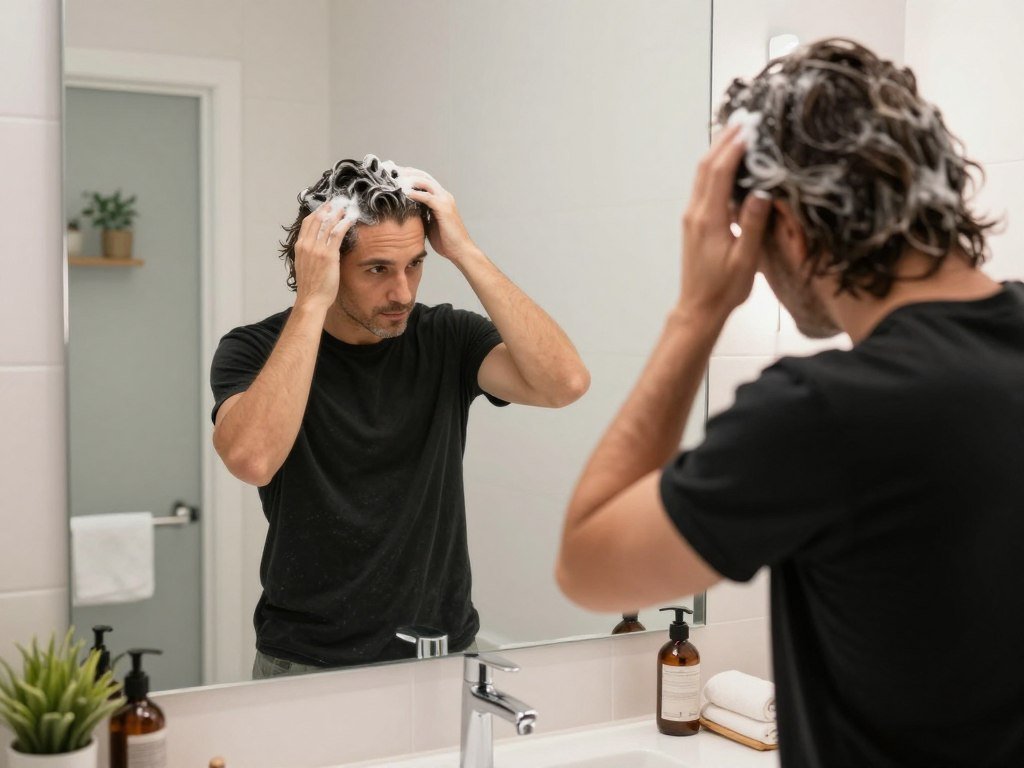
Use lukewarm water and apply shampoo mainly to the scalp. Massage with your fingertips, not your nails, then rinse thoroughly to clear residue.
Use this simple routine:
- Wet your hair fully.
- Use a modest amount of shampoo.
- Massage the scalp gently.
- Rinse until no residue remains.
Rinsing well matters because leftover product can make roots feel coated. Keep the massage gentle, especially if your scalp already feels sore or irritated.
Reduce frequency or switch to a gentler cleanser if washing leaves your scalp tight or your hair brittle.
Are Natural or Sulfate-Free Shampoos Healthier?
“Natural” on a label does not guarantee a formula will suit a sensitive scalp. Familiar names are not a safety test, and synthetic or hybrid formulas are not automatically harsh.
Choose by cleanser type and your scalp’s response, not by a natural label alone. Brickell Daily Strengthening Shampoo lists hydrolyzed wheat protein, amino acids, vitamin E, peppermint oil, and tea tree oil.
Wonder Valley Sandalwood Yuzu Shampoo lists botanical oils and glycerin. These examples show how a formula can include recognizable ingredients without proving it is safer or more effective for everyone.
Sulfate-free formulas can suit some people, while other shoppers may prefer a cleanser that removes oil more strongly. Tea tree oil and other essential oils can still irritate some people.
Use this short checklist when comparing shampoos:
- Look for the cleanser type.
- Check fragrance and known allergens.
- Choose based on your scalp’s response.
Fragrance can bother reactive skin, even when a product uses plant-based oils. A simple formula may be a useful starting point if you already know certain scents cause irritation.
Choose a formula by how your scalp tolerates it, not by whether its ingredients sound familiar.
Which Men’s Shampoo Brands and Walmart Picks Should You Compare?
Walmart’s listed hair-care options include Native Curl Care, OGX Renewing + Argan Oil of Morocco, and Frederick Benjamin Invigorating Cleanser. Compare their stated fit with your texture and routine, rather than treating a store’s list as a ranking.
These Walmart examples are general hair-care picks, not proven hair-loss treatments. A shampoo for hair loss in men at Walmart should not be presented as a medical treatment just because it appears on a retail shelf.
Native is identified as a clean-ingredient shampoo option at Walmart, and Native Curl Care Shampoo and OGX Renewing + Argan Oil of Morocco Moisturizing Shampoo are listed picks.
| Product | Walmart shopping context | Stated fit |
|---|---|---|
| Native Curl Care Shampoo | Native clean-ingredient option | Curl care |
| OGX Renewing + Argan Oil of Morocco Moisturizing Shampoo | Listed Walmart shampoo pick | Moisturizing hair care |
| Frederick Benjamin Invigorating Cleanser Shampoo | Sold at Walmart | Textured and coily hair |
Frederick Benjamin Invigorating Cleanser Shampoo is a textured and coily hair option sold at Walmart. That makes it one example to compare if your hair texture matches its stated fit.
For this Walmart shopping context, Native and OGX listed picks are examples, not a universal best-to-worst order. Product assortments and labels can differ by store.
Check the current package label and retailer listing before buying, especially if you need a medicated active.
Is Expensive Shampoo Really Better, and What Is a Good Lower-Cost Option?
A higher price is not proof that a shampoo will suit your hair better. Fit matters more than the cost alone, along with scalp tolerance and how much shampoo you use per wash.
Frederick Benjamin Invigorating Cleanser Shampoo is the lower-cost example among these options, listed at $12. The right value depends on whether a formula addresses a real concern and feels comfortable to use.
| Product | Best-fit category | Listed price |
|---|---|---|
| Frederick Benjamin Invigorating Cleanser Shampoo | Textured and coily hair | $12 |
| Verb Ghost Shampoo | Fine hair | $22 |
| Living Proof Perfect Hair Day Shampoo | General-use starting point | $33 |
| Davines NOUNOU Shampoo | Damaged hair | $38 |
| Oribe Serene Scalp Densifying Shampoo | Straight hair | $52 |
Listed prices range from $12 to $52 across these five products. The amounts reflect different product choices, not a scale that proves higher-priced shampoos work better.
Compare the formula’s fit and your scalp’s response before treating a high price as proof of better performance.
How much product you need per wash also affects value. A bottle that costs less may not last as long if you use more each time.
Compare the amount used per wash as well as the bottle price when deciding what offers value.
Conclusion
The most useful choice is the one that fits your scalp and hair, not the one with the boldest promise. Your hair type, scalp health, and main concern matter more than a high price or a claim about growth.
A comfortable routine can make hair care easier to keep up with. If your scalp feels irritated or your hair changes suddenly, a new shampoo may not be the only answer.
Choose one formula that matches your main need, use it as directed, and reassess how your scalp and hair feel. Pick one suitable formula and give your routine a fair, consistent trial before making another change.
FAQ
What is a good clarifying shampoo?
What is the best hydrating shampoo?
Which is the no. 1 best shampoo in the world?
Is expensive shampoo really better?
What’s a good shampoo that’s not expensive?
What shampoo do high-end salons use?