A fluoride toothpaste with zinc or stannous fluoride is a practical starting choice when breath odor is the concern. That choice is only one part of care: brushing well, cleaning your tongue, and finding the cause matter too. A minty taste alone does not prove a formula treats odor. If you are choosing the best toothpaste for bad breath, look beyond flavor and consider your oral health needs.
Toothpaste can help manage odor, but it cannot fix every reason breath smells unpleasant. Consistent oral hygiene gives you a better starting point than switching between strong mint flavors. If the odor persists despite consistent care, treat it as a reason to look for an underlying cause, not just another flavor to try.
Key Takeaways
- Choose fluoride toothpaste with zinc or stannous fluoride as a practical starting point.
- A minty taste does not show that a formula addresses odor.
- Brushing, tongue cleaning, and finding the cause all matter.
- Persistent odor calls for attention to its cause, not just a new flavor.
- Keep your choice tied to your oral health needs.
What causes bad breath even after brushing?
Most halitosis starts inside the mouth, where bacteria can produce odor as they break down debris. The main gases, volatile sulfur compounds (VSCs), are sulfur-containing gases made by oral bacteria that contribute to breath odor. Brushing may miss places where bacteria and food particles remain.
More than 85% of halitosis cases are linked to conditions inside the mouth. Tongue coating, poor oral hygiene, gum disease, cavities, dental appliances that trap food, and dry mouth can all contribute. Reduced saliva flow leaves less moisture to wash away debris, which can promote bacterial breakdown.
Oral bacteria, tongue coating, and gum disease
The back of the tongue can hold a coating where odor-producing bacteria thrive. Gum pockets and spaces around cavities or dental work can also retain debris. Hydrogen sulfide and methyl mercaptan are two VSCs linked with halitosis.
A 2021-2022 study of 104 adults found halitosis in 39.5% of people with gingivitis and 42.9% with periodontitis. It appeared in 3% of healthy controls. The study of gum disease and VSC levels also found higher total VSC levels in the gingivitis group.
In that study, periodontal disease was linked with 3.607 times the probability of halitosis. The confidence interval was 1.023-12.718, and p = 0.046. This was a cross-sectional study of Korean adults, so it shows an association, not proof that gum disease causes odor in every case.
Dry mouth and causes outside the mouth
Dry mouth can follow low saliva flow and make it easier for bacteria to break down food debris. Some causes of dry mouth include medicines or health conditions, but odor alone cannot identify which one applies. A clinician can help assess the full picture.
Causes outside the mouth account for 5%-10% of halitosis cases. They may involve the nose, throat, or other parts of the body, but persistent breath odor does not confirm a specific problem. No single vitamin deficiency can be assumed to cause an individual’s bad breath.
Persistent odor has several possible causes, so its pattern alone cannot identify a disease.
A review of 106 papers describes how tongue coating and gum pockets can host bacteria that make VSCs. It also notes that halitosis and periodontitis are closely related, though neither condition causes or worsens the other in every person.
Best Toothpaste for Bad Breath: Which Formula Should You Choose?
For a general adult starting point, choose fluoride toothpaste with zinc or stannous fluoride and an ADA Seal. That combination gives you cavity protection plus an ingredient that can target odor or bacteria. A dentist-recommended toothpaste for cavities should put fluoride and the ADA Seal ahead of a bold breath-freshening claim.
For most adults, start with fluoride, an odor-focused active ingredient, and the ADA Seal of Acceptance. The seal shows that a product meets the American Dental Association’s requirements for safety and effectiveness. It does not mean every sealed toothpaste treats bad breath in the same way.
What toothpaste do dentists recommend?
For cavity care, dentists commonly favor a fluoride formula with the ADA Seal. Colgate Cavity Protection Fluoride Toothpaste has the seal and is described as protecting against cavities while freshening breath. It is a useful basic option if your main goal is routine cavity protection.
Choose an additional active ingredient based on your breath goals and the rest of your oral health needs. Zinc compounds can bind odor compounds, while stannous fluoride has antibacterial and decay-protection roles. A dentist can help narrow the choice if you have gum concerns or a high risk of cavities.
How do you compare the top toothpaste picks worldwide?
A useful top 10 best toothpastes in the world comparison should reflect your needs and the current product labels. There is no meaningful global ranking based on product names alone. Brands and formulas vary by country, and the same name may not promise the same ingredients everywhere.
Compare the stated focus with the label’s active ingredients and seal. The options below are not a universal ranking; each has a focus named in its listing. Check the package you plan to buy for fluoride and the ADA Seal.
| Product | Stated focus or verified feature | What to check on the current label |
|---|---|---|
| Colgate Cavity Protection Fluoride Toothpaste | ADA Seal, cavity protection, and freshening | Confirm the current package has the ADA Seal |
| Crest Clean Breath Toothpaste | Clean breath focus in product name | Check fluoride and the ADA Seal |
| Sensodyne Pronamel Clinical Enamel Strength Toothpaste Fresh Breath | Enamel strength and fresh breath in name | Check fluoride and the ADA Seal |
| PARODONTAX Active Gum Repair Toothpaste Breath Freshener | Gum care and breath freshening in name | Check fluoride and the ADA Seal |
| TheraBreath Adult Gum Health Toothpaste Clean Mint | Adult gum health and clean mint in name | Check fluoride and the ADA Seal |
Which toothpaste options are available in the United States?
U.S. shoppers can compare Colgate Total, Crest Pro-Health, Sensodyne Repair & Protect, Tom’s of Maine, and Pronamel. These brands offer different formulas and are not interchangeable by name alone. Look for an ADA Seal when cavity protection is a priority.
Crest Clean Breath, Sensodyne Pronamel Clinical Enamel Strength Fresh Breath, PARODONTAX Active Gum Repair Breath Freshener, and TheraBreath Adult Gum Health Clean Mint are also listed options. Read the current ingredient panel and seal rather than choosing by a product name alone.
How do you choose fluoride strength and active ingredients?
For cavity prevention, fluoride strength and the ADA Seal matter more than a toothpaste’s breath-freshening name. Most adults should choose toothpaste with 1000-1450 ppm fluoride. Fluoride labels help you compare cavity protection, while the seal shows that a product meets ADA standards.
Choose fluoride for decay protection, then match other active ingredients to your needs. A best toothpaste in the U.S. should fit cavity protection and your specific needs, not just offer a mint flavor. Natural or specialty labels do not replace checking the active ingredients.
Which toothpaste is best for cavities?
Fluoride toothpaste with the ADA Seal is a strong everyday choice for cavity protection. Sodium fluoride primarily protects against decay, while stannous fluoride helps protect against decay and has antibacterial effects. Zinc compounds can bind odor compounds, which makes them relevant to breath care.
| Ingredient | Primary oral-care role | Breath relevance |
|---|---|---|
| Zinc compounds | Bind odor compounds | Can reduce odor from VSCs |
| Stannous fluoride | Antibacterial and decay protection | Can help address odor-producing bacteria |
| Sodium fluoride | Protects against tooth decay | Primarily supports cavity care |
| Cetylpyridinium chloride (CPC) | Antibacterial ingredient, more common in rinses | May target bacteria |
| Baking soda | Mildly raises mouth pH | May support a less acidic mouth |
How much fluoride should toothpaste contain?
Most adults are advised to use toothpaste with 1000-1450 ppm fluoride. Children need less toothpaste by volume: the ADA recommends a rice-sized smear from the first tooth through age 3, then a pea-sized amount from ages 3 through 6. ADA toothpaste guidance also says caregivers should supervise children so they spit rather than swallow.
Prevident 5000 is a prescription-only high-fluoride toothpaste for patients at high cavity risk. It is not an everyday pick for everyone. The ADA Seal and fluoride level help you judge regular products, while a dentist can decide if prescription care fits your risk.
Charcoal can be abrasive and may wear enamel, the tooth-protective mineral. That makes charcoal a poor choice as a breath treatment, especially when a fluoride formula can protect teeth. Do not use prescription-strength toothpaste unless a dental professional recommends it.
What should a daily routine add beyond toothpaste?
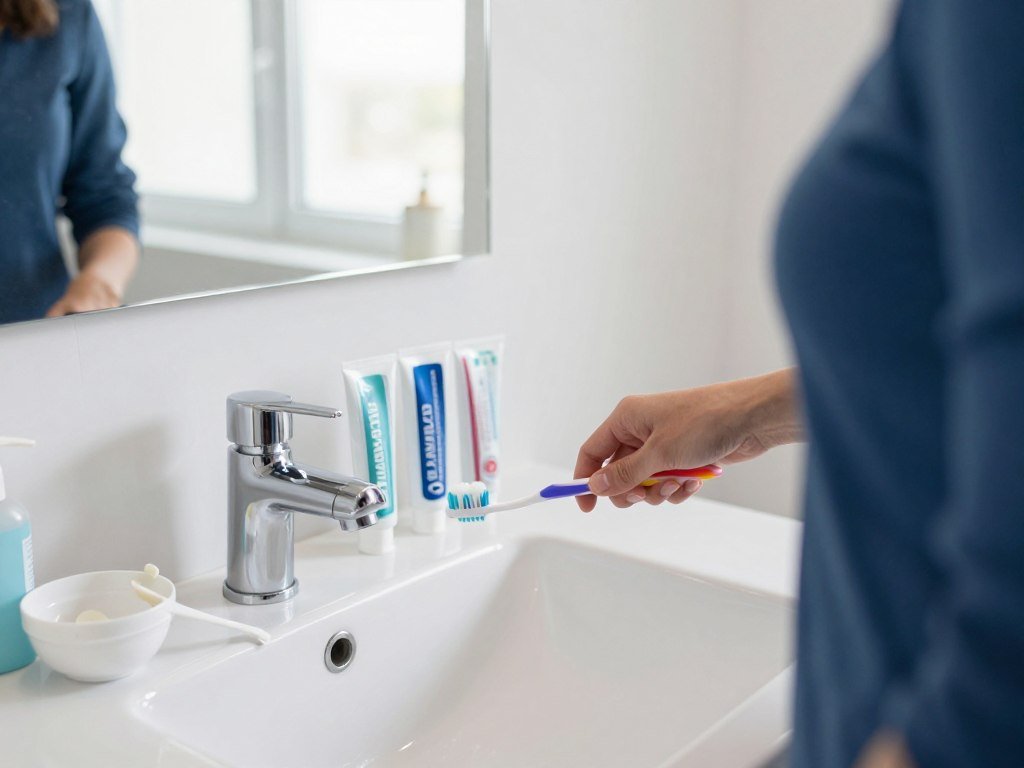
A consistent routine removes more odor-producing debris than switching mint flavors. Toothpaste works best alongside cleaning between teeth and gently clearing the tongue. A toothbrush does not clean the tight spaces between teeth well.
Brush for two minutes twice a day and clean between your teeth daily. Those habits help remove food particles and bacterial buildup that can remain after brushing. Add a mouthwash only if it suits your needs; it does not replace brushing or interdental cleaning.
- Brush for 2 minutes, twice daily.
- Clean between teeth daily with floss or an appropriate interdental cleaner.
- Gently clean your tongue, especially the back where coating can collect.
- Consider mouthwash as an optional addition, not a replacement for brushing or interdental cleaning.
The best toothpaste and mouthwash combination can mix brands. Choose each product for its active ingredients and your oral-health needs, rather than matching logos. A rinse may add a step, but it cannot remove debris from every spot on its own.
A strong mint flavor can mask odor for 30-60 minutes. That short-lived fresh taste does not show that the cause has been treated. If you want a rinse, choose one that fits your needs and follow its label.
Daily cleaning between your teeth is easy to skip when time is tight. Keep floss or an interdental cleaner where you will see it, such as beside your toothbrush. Make daily cleaning between the teeth the habit you protect even on rushed days.
When should persistent bad breath prompt a dental visit?
Persistent odor after consistent oral care is a sensible reason to schedule a dental assessment. A dentist can look for gum, tooth, and restoration issues that a toothpaste change cannot fix. One or more of these clues can help you decide when to book:
Make an appointment when odor continues or comes with a lasting change in your mouth. The signs below do not diagnose a disease, but they give your dentist useful details. Note how long the issue has lasted and whether it seems limited to one area.
- Odor continues despite consistent brushing and cleaning between teeth.
- Your gums bleed during brushing or flossing.
- A persistent bad taste remains.
- The smell seems tied to one area.
Clues that a toothpaste change is not enough
Bleeding gums or a bad taste may point to a problem that needs an exam, not another flavor. A smell tied to one area can help the dentist focus the check. These clues do not tell you the cause on their own.
If you need help finding a practice, use this guide to choose a dentist near you. Recent reviews, clinic hours, services, and clear fees can help you compare offices. Ask about after-hours care if urgent needs are a concern.
What a dentist can check
A dental assessment can include periodontal probing to measure gum pockets, plus checks for cavities and food-retaining restorations. The dentist can also review tongue coating and medicines that may cause dry mouth. A review of research on oral bacteria and periodontitis describes why gum pockets can matter during an assessment.
If the dentist does not find an oral cause, a physician may be appropriate. Bring a list of medicines and any recent changes in your mouth or general health. Seek prompt care for new pain, swelling, or bleeding rather than trying another flavor first.
Which toothpaste fits dry mouth, sensitivity, or whitening needs?
If your mouth feels dry or irritated, prioritize comfort and cavity protection over a stronger mint flavor. A gentler formula may make daily brushing easier to maintain. Dry-mouth toothpaste may contain lubricating ingredients that help your mouth feel more comfortable.
Pick a formula that protects teeth without adding an ingredient that bothers your mouth. Some users find sodium lauryl sulfate (SLS) irritating or drying. If that applies to you, check the label and consider a gentler option.
Formulas for dry mouth and sensitive mouths
Dry-mouth formulas may include ingredients that help lubricate the mouth. Saliva supports comfort, so a product that feels gentle may be easier to use every day. Ask a dental professional for advice if dryness continues or makes eating and speaking harder.
TheraBreath may suit someone who prefers its product range, but check the specific toothpaste for fluoride and active ingredients. The brand says all its products are gluten-free. That brand claim does not tell you whether each formula has the cavity protection you want.
Whitening and natural toothpaste trade-offs
Whitening toothpaste can remove surface stains, but it does not fix the cause of bad breath. It may appeal if coffee, tea, or other foods have left stains on your teeth. For more ways to compare cosmetic options, see these at-home teeth whitening kits.
Natural toothpaste can still support oral health, but some natural formulas may lack fluoride. Check the active ingredients rather than assuming that “natural” means better for your teeth. If sensitivity or gum irritation appears with whitening products, follow the label and stop if discomfort persists.
Check the exact product label for fluoride and any ingredient that has bothered your mouth before.
A familiar brand can sell several formulas with different active ingredients. Read the label on the specific tube, especially when you switch between a dry-mouth, whitening, or natural product.
Conclusion
A well-chosen toothpaste supports fresh breath, but it cannot replace a complete oral-care routine. Choose fluoride toothpaste with an ADA Seal and an active ingredient suited to your breath goals. Use it consistently as part of daily care, rather than expecting a mint flavor to solve every problem.
If the odor continues, a dental evaluation can help find the cause. When choosing a practice, compare its services, hours, and fees with this advice on finding a dentist near you. If consistent care does not resolve the odor, book a dental evaluation to identify its cause.
FAQ
Is it okay to swallow toothpaste?
Is Therabreath toothpaste good?
What toothpaste has the most fluoride?
What kills bad breath bacteria?
What stops bad breath instantly?
What is the #1 cause of bad breath?
How do I heal my gut to stop bad breath?
What supplements actually work for bad breath?