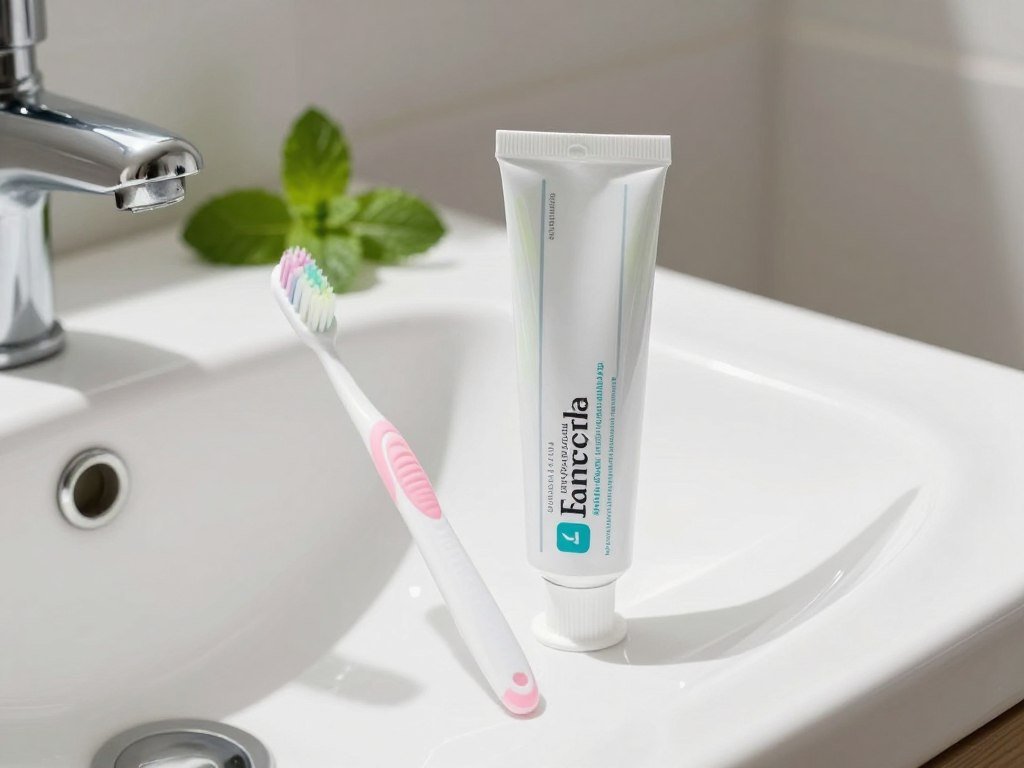
A stannous fluoride toothpaste is a sensible first choice for many people with bleeding gums, while sensitivity calls for a formula designed to address both concerns. Plaque biofilm is a sticky layer of bacteria that forms on teeth and can irritate the gumline. The right toothpaste can support oral health by helping control plaque while protecting enamel and preventing cavities.
Toothpaste is one part of home care, not a fix for every gum problem. It cannot remove hardened plaque, called tartar, or replace dental care. Below, you’ll find options that match common needs, from bleeding to sensitivity, plus practical guidance on using them. Good daily cleaning matters as much as your choice of toothpaste.
Key Takeaways
- Stannous fluoride is a practical starting point for many people with early gum inflammation.
- Choose a dual-purpose formula when sensitivity also bothers you.
- Toothpaste supports plaque control but cannot remove tartar.
- Brushing and flossing help clean areas toothpaste cannot reach alone.
- Ongoing symptoms call for professional evaluation.
The right product can support a daily routine, but consistent cleaning and professional care still matter.
How does gingivitis differ from periodontitis?
Gingivitis is the early stage, when plaque-related irritation can often improve with better cleaning and dental care. Gingivitis causes inflammation along the gumline, often with redness, swelling, or bleeding. Consistent plaque removal can help early gum inflammation improve.
Plaque biofilm builds up when teeth and the gumline are not cleaned well. If it hardens into tartar, brushing cannot remove it. A dental professional can clean areas you cannot reach at home.
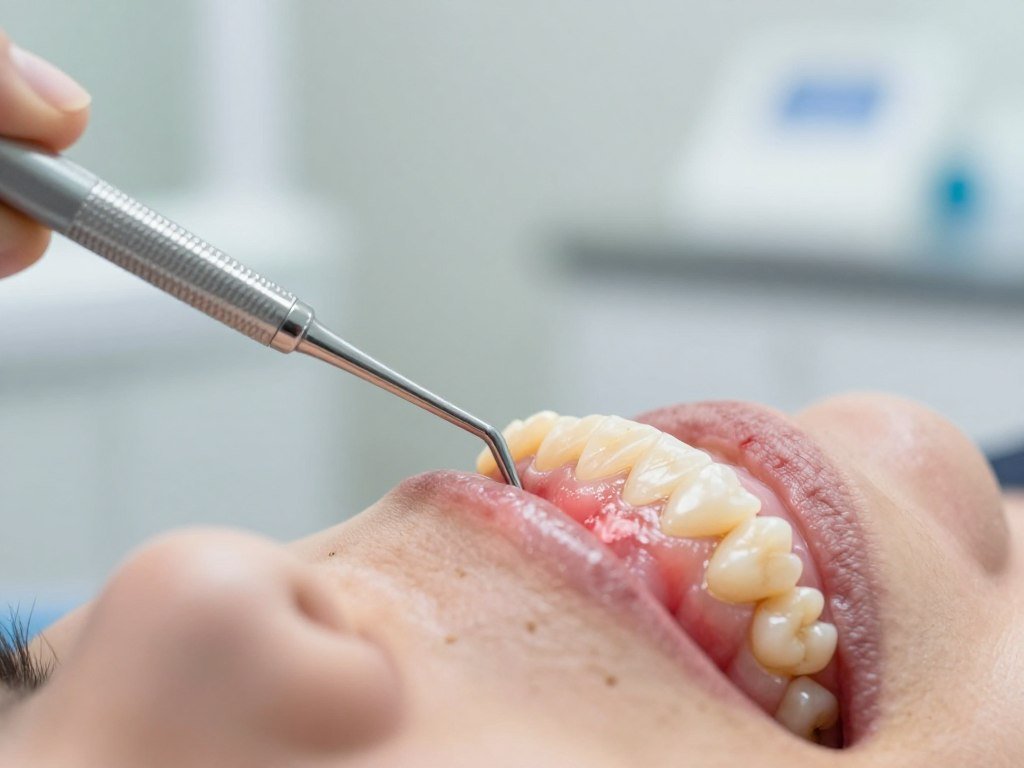
Gingivitis is the early, reversible stage
Gingivitis affects the gums but has not yet damaged the tissues that hold teeth in place. Redness, puffiness, and bleeding during brushing or flossing are common symptoms. With steady plaque control and professional cleaning, the inflammation can improve.
Brush twice a day for two minutes as a common home-care routine. A fluoride toothpaste can help protect teeth while your brushing removes plaque. Toothpaste alone cannot lift tartar from teeth.
Periodontitis affects the tissues supporting teeth
Periodontitis is disease that damages the tissues supporting teeth. It may cause gum recession or bone loss, and it needs professional care. Toothpaste may support daily plaque control, but it cannot reverse established damage.
The NIDCR overview of periodontal disease explains how plaque can harden into tartar and contribute to damage. A dental exam can distinguish gum inflammation from deeper disease.
Toothpaste cannot remove tartar or restore tissue and bone already lost to periodontitis.
Once supporting tissues have been damaged, a toothpaste change cannot restore them.
Which ingredients support gum health?
Check the active ingredient before choosing by flavor, whitening claim, or packaging. Stannous fluoride can offer cavity protection and antibacterial support in some formulas. Ingredients have different jobs, so match the label to your main need.
Fluoride helps protect enamel from cavities, but not every fluoride type has the same gum-health role. Stannous fluoride appears in formulas that claim plaque or gingivitis support. Sodium fluoride is mainly used for cavity protection.
Stannous fluoride and other fluoride options
Stannous fluoride combines fluoride protection with antibacterial support in some toothpastes. It may help control plaque bacteria and support gum health when used as directed. Sodium fluoride also protects against cavities, but its main role is not gum treatment.
Potassium nitrate targets tooth sensitivity by helping reduce nerve response. It does not serve as a dedicated gum treatment. If you have both concerns, look for a formula designed to address both.
Antimicrobial ingredients and product labels
Cetylpyridinium chloride, often shortened to CPC, is an antimicrobial used in some oral-care products. Zinc citrate also appears in some formulas, but its use and limits differ from fluoride. Chlorhexidine is dentist-directed, not a casual everyday substitute.
The ADA Seal of Acceptance applies to an individual product and the claims evaluated for that product. A brand’s other toothpaste does not automatically share the same seal or evaluated claims.
| Ingredient | Main role | Relevant need | Caution or limit |
|---|---|---|---|
| Stannous fluoride | Cavity protection and antibacterial support | Plaque and gingivitis support | Formula claims differ |
| Sodium fluoride | Cavity protection | Enamel and cavity care | Not mainly a gum ingredient |
| Potassium nitrate | Reduces tooth nerve sensitivity | Sensitive teeth | Not dedicated gum treatment |
| CPC | Antimicrobial support | Some oral-care products | Use depends on product label |
Look for an ADA Seal on the specific product, not simply on another item from the same brand.
Best Toothpaste for Gingivitis: Five Top Picks
For bleeding associated with early gingivitis, Parodontax is the most directly targeted pick in this shortlist. Its gum-focused formula lists stannous fluoride for anticavity and antigingivitis use. Check the current package because formulas and labels can change.
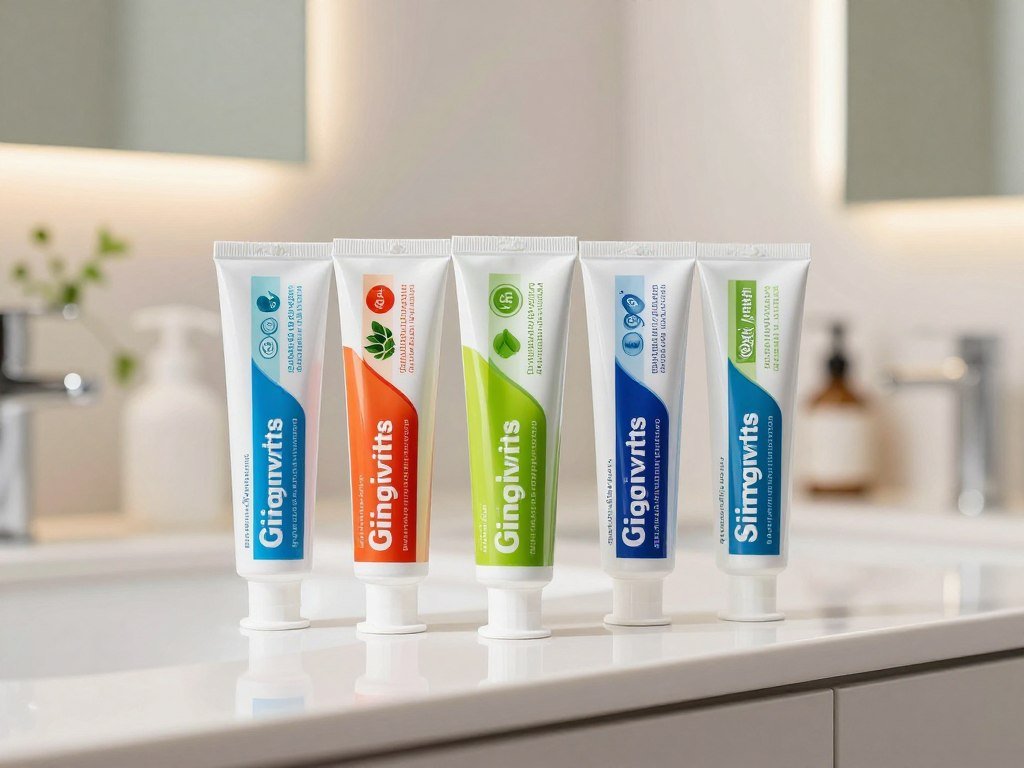
These five toothpastes address different needs, including bleeding, sensitivity, plaque control, and routine cavity protection. Their listed features describe the products, not a guaranteed result for every person.
| Product | Active ingredient or formula feature | Best-fit concern | Key qualification |
|---|---|---|---|
| Parodontax Active Gum Repair Whitening | 0.454% stannous fluoride | Bleeding and early gingivitis | Lists anticavity and antigingivitis use |
| Crest Pro-Health Sensitive and Gum | Stannous fluoride | Sensitivity with gum concerns | Check the current package label |
| Colgate Total Active Prevention Plaque Cleanse Whitening | 0.454% stannous fluoride | Plaque and daily cavity care | Claims depend on current formula |
| Sensodyne Complete Protection | Stannous fluoride | Sensitivity with plaque control | Described as supporting gingivitis prevention |
| TheraBreath Healthy Gums | Stannous fluoride | Gum-focused daily cleaning | Review the current label for claims |
Parodontax Active Gum Repair Whitening lists 0.454% stannous fluoride, with anticavity and antigingivitis use on its label. That makes it a practical place to start when bleeding is your main concern.
Consider how each formula fits your routine
Crest Pro-Health Sensitive and Gum combines stannous fluoride with a focus on sensitivity and gums. It may suit you when discomfort and gum concerns happen together. Colgate Total Active Prevention Plaque Cleanse Whitening also lists 0.454% stannous fluoride.
Sensodyne Complete Protection contains stannous fluoride and is described as supporting plaque control and gingivitis prevention. TheraBreath Healthy Gums is another stannous fluoride toothpaste. The label is the best guide to its current claims.
Whitening claims do not replace gum care, and a product name cannot tell you whether every ingredient suits your mouth. Your symptoms, sensitivity, and cavity risk help narrow the choice.
Use the package as your final check
Brands may change product names, formulas, or label claims. Read the active ingredients and directions on the package you buy, especially when comparing older product information with a current tube.
Match the current label to your main concern rather than choosing by brand name alone.
Which toothpaste fits bleeding gums, plaque, or sensitivity?
Choose for the problem you most want to address first, then check whether the formula covers your other needs. For bleeding or plaque, a stannous fluoride gum formula is a reasonable fit. Toothpaste can support gum health, but it cannot regrow tissue or remove tartar.
Think of the choice as a balance: gum support, sensitivity relief, and cavity prevention may matter at the same time. A fluoride toothpaste is useful when cavity prevention is part of your goal.

- Bleeding or plaque: Choose a stannous fluoride formula with gum-health support.
- Sensitivity with gum concerns: Sensodyne Sensitivity and Gum is designed for both.
- Gum concerns with cavity prevention: Pick fluoride toothpaste with appropriate gum-health support.
Choose a gum-focused formula for bleeding and plaque
A product aimed at gingivitis and plaque can support cleaning where plaque collects near the gumline. Toothpaste alone cannot treat deeper gum disease or remove hardened tartar. Keep the label’s claims in view rather than assuming every formula works the same way.
The best toothpaste for gingivitis and plaque is one that pairs fluoride protection with a gum-focused formula. Daily cleaning still does the work of removing plaque from tooth surfaces.
Add sensitivity relief when teeth are also uncomfortable
Sensodyne Sensitivity and Gum contains stannous fluoride and is designed for sensitivity alongside gum concerns. Other Sensodyne options, including Essential Care and Clinical White, contain potassium nitrate for tooth sensitivity. Potassium nitrate formulas target sensitivity, not dedicated gum treatment.
Sensodyne Rapid Relief and Repair and Protect are also listed among the brand’s stannous fluoride toothpastes for sensitivity relief. These choices may suit sensitive teeth, but the current label helps you compare their intended uses.
The best toothpaste for gingivitis and sensitive teeth addresses both needs on its label. The best toothpaste for gum repair can support gum health, but no paste can replace lost tissue.
Toothpaste for gum disease and tooth decay should include fluoride and suitable gum-health support. If sensitivity is severe or persistent, ask a dental professional to check for recession or another cause.
What do clinical studies show about gum-health toothpastes?
Clinical results can show what a formula did in a defined study, but they do not guarantee the same result for every person. Study conditions matter, including who took part, how long they used a product, and what it was compared with. Each result applies to its measured group and outcome.
Researchers measure specific changes, such as bleeding, plaque, or pocket depth. Those measures can inform product choices, but they do not prove that toothpaste cures gum disease.
Parodontax results in gingivitis and plaque studies
In a three-week localized-gingivitis study, participants used Parodontax twice daily or sodium fluoride toothpaste. The Parodontax group had a 60% reduction in gingival bleeding from baseline, while the sodium fluoride group had a 6% increase.
Bleeding sites fell 58% with Parodontax and rose 7% with sodium fluoride toothpaste in that study. Also, 90% of Parodontax participants improved on all four measured indices. These findings describe that study’s participants and setting.
TheraBreath Healthy Gums results over 14 days
In a double-blind, randomized 14-day study, TheraBreath Healthy Gums stannous fluoride toothpaste had 65% less whole-mouth plaque after day one and 32% less after day 14 than regular sodium fluoride toothpaste.
In hard-to-reach areas, plaque reductions versus sodium fluoride toothpaste ranged from 61-78% on day one and 23-53% on day 14. Those numbers apply to the study’s time points and comparison product.
LivFresh Dental Gel in periodontal maintenance
A six-month randomized, double-blind study compared LivFresh Dental Gel with an over-the-counter FDA-approved anti-plaque, anti-gingivitis toothpaste. Participants had early-to-moderate periodontitis and were in maintenance care.
More than 80% of diseased sites improved in pocket depth with LivFresh Dental Gel. The LivFresh group also had 2.5 times less gum inflammation and 1.9 times less gum bleeding than the control group.
| Product | Study duration and participants | Measured outcome | Comparison |
|---|---|---|---|
| Parodontax | 3 weeks, localized gingivitis | Bleeding down 60%; sites down 58%; 90% improved on four indices | Sodium fluoride group: bleeding up 6%; sites up 7% |
| Parodontax | 12 weeks, plaque study | 9 times greater plaque reduction in hard-to-reach areas | Sodium fluoride toothpaste |
| TheraBreath Healthy Gums | 14 days, double-blind randomized study | Whole-mouth plaque down 65% day one, 32% day 14; hard-to-reach reductions 61-78% and 23-53% | Regular sodium fluoride toothpaste |
| LivFresh Dental Gel | 6 months, maintenance care for early-to-moderate periodontitis | Over 80% of diseased sites improved; 2.5 times less inflammation and 1.9 times less bleeding | OTC FDA-approved anti-plaque, anti-gingivitis toothpaste |
In a separate 12-week comparison, Parodontax produced 9 times greater plaque reduction in hard-to-reach areas than sodium fluoride toothpaste. Results may differ outside that study’s conditions.
For the six-month LivFresh study, more than 80% of diseased sites improved in pocket depth during maintenance care. The group also showed lower inflammation and bleeding than its control group.
Treat study percentages as evidence for the measured setting, not as a substitute for an individual dental assessment.
How should you brush and floss for gum health?
A well-chosen toothpaste works best when the brush reaches the gumline without scrubbing hard. Use gentle pressure and a soft-bristled toothbrush. Brush for two minutes twice daily, then floss once each day.
Angle the bristles toward the gumline and use small, gentle movements. Hard scrubbing can irritate gums rather than clean them better. Toothpaste cannot clean between teeth by itself.
Brush gently along the gumline
Divide your mouth into sections so you give each area attention. Move the brush over the outer, inner, and chewing surfaces of your teeth. Take care along the gumline, where plaque can collect.
Clean between teeth every day
Floss once daily to clear food and plaque from the tight spaces between teeth. Slide it gently along each tooth instead of snapping it into the gum. This step reaches places the toothbrush may miss.
- Brush gently for two minutes, twice a day, with a soft-bristled brush.
- Floss once daily to clean between teeth.
- Follow your toothpaste’s label for its directions and use.
A steady routine can help remove plaque before it hardens into tartar. If a brush feels rough or its bristles bend outward, it may no longer clean well.
Replace a worn brush so its bristles can keep cleaning effectively.
What are the signs of gingivitis and gum disease?
Bleeding during brushing or flossing is a common early warning sign, not a reason to simply switch toothpaste and wait. Early gingivitis often brings red or swollen gums. Ongoing symptoms deserve attention rather than guesswork.
Changes may start mildly, but recession or loose teeth can point to damage beyond early inflammation. Watch for these signs as you brush and floss.
- Bleeding during brushing or flossing
- Red or swollen gums
- Persistent bad breath
- Gums pulling away from teeth
Bleeding and swelling commonly occur with gingivitis. Persistent bad breath can have more than one cause, so it does not confirm gum disease by itself.
Gums pulling away from teeth may show recession, while loose teeth can signal more advanced gum disease. Periodontitis may also involve bone loss or tooth loss.
Do not ignore symptoms that continue, even if they seem mild or come and go. A dental professional can check what is causing the change and whether disease has progressed.
Persistent bleeding, swelling or recession deserves a dental evaluation.
When does gum disease need professional treatment?
Hardened tartar cannot be brushed away at home, so a toothpaste change cannot replace professional cleaning. A hygienist can remove tartar that brushing and flossing leave behind. Periodontitis may need care below the gumline.
Professional care can include scaling and root planing, a deep cleaning that removes plaque and tartar below the gumline. Periodontal maintenance may follow to help manage the disease over time.
Toothpaste can help reduce plaque, swelling, and bleeding, but it cannot remove tartar or repair damaged support tissues. Advanced gum disease needs assessment because care depends on how much damage has occurred.
Chlorhexidine is used only as directed for selected situations. It is dentist-directed, and prolonged use may cause staining. Do not treat it as an unsupervised long-term replacement for brushing or flossing.
For severe disease that leads to tooth loss, a dentist can discuss suitable options, including full-arch dental implants when appropriate. A local practice can also help you plan ongoing care; use this guide to find a dentist near you.
Arrange an evaluation when symptoms persist or when a dentist has identified deeper periodontal pockets.
Can gum-health toothpaste cause staining or irritation?
A formula that suits one person may leave another noticing an unusual taste or surface staining. Stannous fluoride formulas support cavity protection and gum health, but some may be linked with surface stains. Taste and comfort can differ by product and person.
Some toothpastes also contain sodium lauryl sulfate. A reaction may relate to one ingredient or the full formula, so do not assume every product will feel the same.
Read the current label if you notice a change in taste or comfort. Whitening products can also cause temporary sensitivity or gum irritation, especially when used incorrectly. Follow the product directions and avoid applying extra gel.
If irritation or staining continues, ask a dentist or pharmacist about the reaction. They can help you consider whether the formula, another oral-care product, or a different cause needs attention.
Seek professional advice for persistent irritation rather than repeatedly switching products without checking the cause.
Conclusion
Choose a formula that matches your main concern and use it consistently as part of a complete routine. A stannous fluoride toothpaste is a sensible starting point for many people with early gingivitis. Sensitivity may call for a formula made to address both concerns.
Toothpaste supports plaque control, but careful brushing and daily flossing remain part of gum care. If bleeding or swelling continues, book a dental evaluation instead of relying on toothpaste alone.
FAQ
Does stannous fluoride stain teeth?
Can I kiss my boyfriend with gingivitis?
What are the differences between Parodontax and Sensodyne toothpaste?
Does parodontax toothpaste really repair gums?
Which is better, Parodontax or Colgate Total?
Is parodontax good for gingivitis?
What are the side effects of parodontax toothpaste?
Which parodontax toothpaste is best for gum disease?