Sparse arches or thin tails can be frustrating, especially when pencils only cover the gaps for a day. A brow serum can condition existing hairs and support a fuller-looking appearance, but it cannot explain why hair is falling out. Your best fit depends on the ingredients, comfort near your eyes, and a routine you can keep.
The active growing phase of a hair cycle is called the anagen phase. Cosmetic formulas may help brow hairs look healthier, but sudden or persistent loss may have a medical cause. This roundup compares formulas, use directions, and costs so you can make a clear choice for your skin and beauty routine.
A good first choice is one whose directions and ingredient profile you can follow consistently.
Key Takeaways
- Cosmetic serums may condition existing hairs and improve their appearance.
- Sudden, patchy, or lasting loss calls for medical assessment.
- Ingredient preferences and eye sensitivity can narrow your choices.
- Prices and listed use schedules differ widely among products.
- Give a formula regular use before judging its visible effect.
Why do eyebrows thin, and when should you see a dermatologist?
A gradual thinning tail after years of plucking is different from new bald patches that appear over a short time. The pattern matters: slow changes can follow age, genetics, or grooming, while sudden loss may point to a health issue.
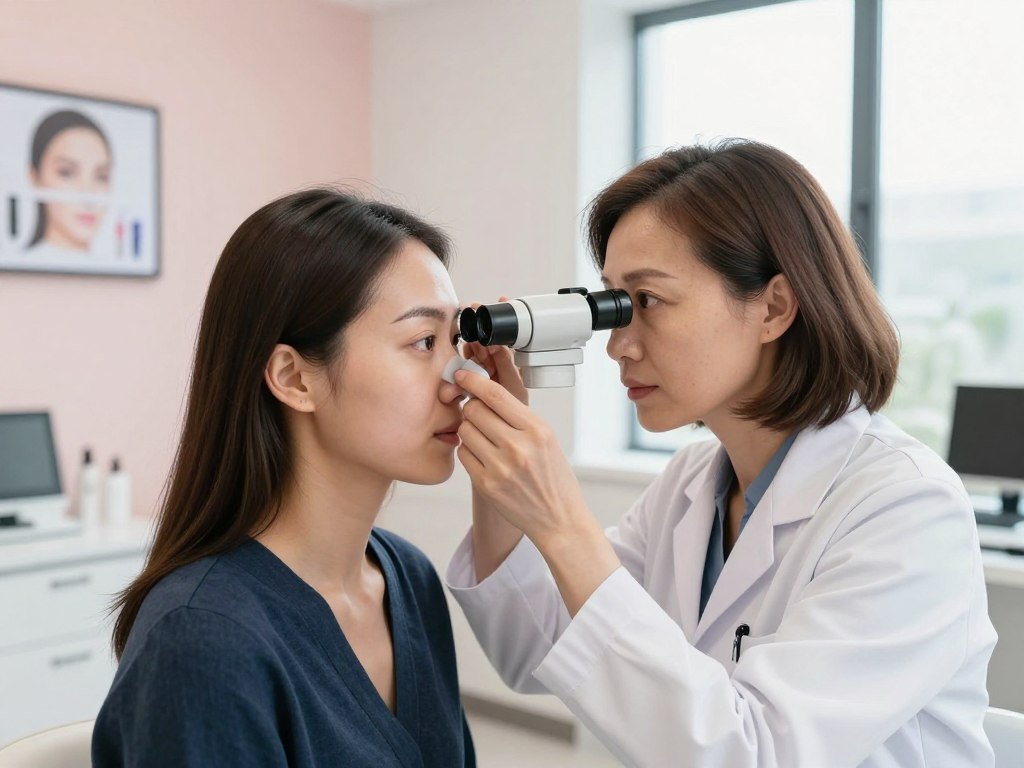
Sudden, patchy, progressing, or symptom-linked eyebrow loss deserves medical assessment. A dermatologist can examine your skin and hair, and a dermatoscope can help inspect affected areas closely.
Common causes of eyebrow thinning
Some people notice fewer hairs with age or have naturally fine brows. Repeated plucking or waxing can also weaken follicles, the small structures that grow hair. These changes often develop gradually rather than appearing as clear bald spots.
New or uneven loss can accompany skin problems, hormonal changes, low iron or other nutritional issues, and autoimmune conditions such as alopecia areata. Hypothyroidism may thin the eyebrow tail, and sparse brows can remain after thyroid hormone levels are optimized. Visible regrowth after a thyroid medication adjustment may take 3-12 months.
Signs that call for a medical assessment
A dermatologist can ask when the change began, examine the skin and hair, and consider blood tests for thyroid disease, iron, and vitamin levels. The American Academy of Dermatology’s hair-loss diagnosis guidance describes how timing and an exam can help narrow down causes.
- A sudden change in brow density
- Bald patches or areas that keep getting larger
- Eyebrow loss along with scalp hair loss
- Persistent irritation, redness, or scaling
Book a medical assessment when eyebrow loss is sudden, patchy, progressing, or paired with other symptoms.
Bring a medication and symptom history to the appointment, since the timing can help narrow down a cause.
Do eyebrow growth serums actually work?
Some brow serums can improve the appearance of existing hairs, but the strength of evidence varies by formula and study design. Results depend on the cause of thinning and whether follicles remain active.
Brand-reported outcomes do not equal controlled clinical proof. The measures, study groups, and time periods differ, so percentages cannot be compared as if products faced the same test.
| Product | Reported outcome | Participants | Duration |
|---|---|---|---|
| SOWN Root 2 | 92% noticed thicker, healthier-looking brows | 32 people | 12 weeks |
| Vegamour GRO Brow | Fuller-looking brows reported | 30 people | 60 days |
| RevitaBrow | 94% described brows as revitalized and more beautiful | 139 people | 8 weeks |
SOWN Root 2’s result came from a 12-week study, while Vegamour’s claim followed twice-daily use for 60 days. The full controlled reports for both brand studies were not reviewed. RevitaBrow’s result came from an eight-week survey, which asked people how their brows looked.
Olaplex Browbond reported that 90% of 30 participants saw increased brow density. The report did not state how large that increase was. A registered pilot trial compared once-daily bimatoprost 0.03% solution with placebo for 36 weeks. Its trial excluded several causes of thinning, including over-plucking, trichotillomania, chemotherapy, and other hair-loss conditions or treatments.
That exclusion limits how far the pilot’s results apply to thinning from over-plucking or medical causes. A cosmetic product may make existing hairs look fuller without creating new follicles or treating the reason for loss.
Treat a percentage from a small product study as a reported outcome, not a guarantee of your own results.
Which ingredients matter, and what are the safety trade-offs?
A label that lists a prostaglandin analogue calls for a different safety conversation from a peptide-and-botanical formula. Check the full formula, since similar-looking brow products can use different ingredient families.
Prostaglandin analogues can carry eye-area risks that simple conditioning ingredients do not share. The right choice depends on your comfort with those risks and your personal health needs.
Prostaglandin analogues and eye-area risks
Some cosmetic brow formulas contain prostaglandin analogues such as isopropyl cloprostenate. These are not the same as the approved use of Latisse, whose FDA-approved indication is eyelash hypotrichosis, not eyebrow growth.
Latisse’s label warns that eyelid skin and eyelashes may darken. It says increased iris pigmentation is likely to be permanent. In clinical trials, eye itching, conjunctival redness, and skin hyperpigmentation each occurred in about 3%-4% of users.
Repeated skin contact with the solution can also cause hair growth outside the treatment area. Ask a clinician about growth-active formulas if you have an eye condition, are pregnant, or are breastfeeding.
Peptides, amino acids and conditioning ingredients
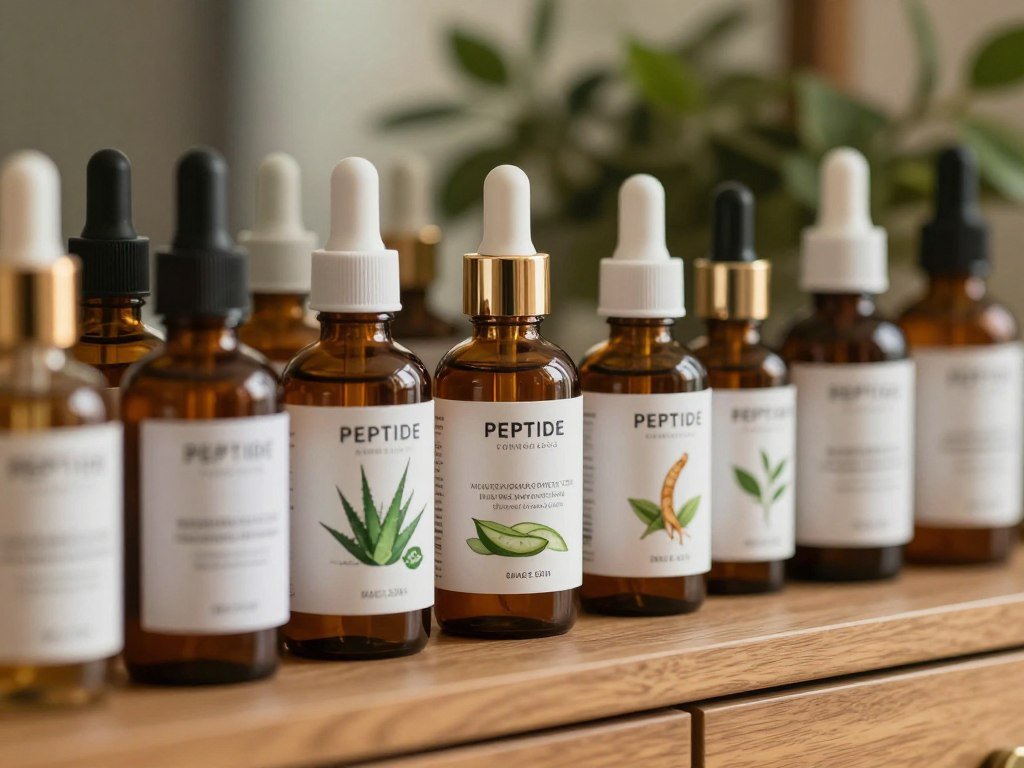
Peptides and amino acids are common in formulas made to condition brow hairs. Other products use biotin, green tea, or botanical extracts. These ingredients can support a healthier look, but they do not guarantee new hair growth.
Prostaglandin-free does not mean allergy-proof. Any ingredient can bother sensitive skin, including plant extracts or preservatives. If you are prone to stinging or dryness, consider the skin barrier and [gentle skin-care choices](https://praviceler.com/best-skincare-products-for-dry-skin/) when comparing formulas.
| Ingredient family | Example ingredients | Intended cosmetic role | Practical caution |
|---|---|---|---|
| Prostaglandin analogues | Isopropyl cloprostenate | Support a fuller-looking brow | Review eye-area risks with a clinician |
| Peptides and amino acids | Biotinoyl Tripeptide-1, amino acids | Condition brow hairs | Skin sensitivity can still occur |
| Conditioning botanicals | Green tea, clover extracts | Condition hairs and skin | Botanical ingredients can cause reactions |
Stop using a product and seek medical advice if you develop persistent redness, swelling, pain or vision changes.
How to choose the best eyebrow growth serum for your needs
If you want a straightforward first try, The Ordinary is the most budget-conscious formula in this shortlist. Start with your priorities: price, prostaglandin-free ingredients, plant extracts, store access, or a premium conditioning blend.
The Ordinary and SOWN Root 2 are the prostaglandin-free choices here. RapidBrow and GrandeBROW contain a prostaglandin analogue, so check their labels if you want to avoid that ingredient family.
The Ordinary Multi-Peptide Lash & Brow Serum for a budget-conscious start
The Ordinary offers a peptide-based starting point for shoppers watching their budget. Its formula includes four peptide complexes, including Myristoyl Pentapeptide-17 and Biotinoyl Tripeptide-1. It also contains caffeine and plant extracts.
This lash brow serum may suit you if you want a simple conditioning approach rather than a prostaglandin analogue. The product name includes lashes, but shoppers considering brow use should follow its current label and avoid getting serum in the eyes.
SOWN Root 2 for a prostaglandin-free option
SOWN Root 2 is a prostaglandin-free brow serum for shoppers who prefer to skip that ingredient family. Its reported 12-week result involved 32 people, so treat the finding as a product claim rather than a promise of eyebrow growth.
It can fit a routine built around a prostaglandin-free formula. Check the full ingredient list if you have known sensitivities, since avoiding one ingredient group does not rule out irritation from another.
Vegamour GRO Brow for a plant-focused formula
Vegamour GRO Brow pairs peptides with plant-based ingredients. Its formula includes Acetyl Tetrapeptide-3, clover and mung-bean sprout extracts, magnolia bark extract, glycerin, curcumin, red clover extract, and butylene glycol.
This plant-focused formula may appeal if you want botanicals alongside peptides. Its brand-reported fuller-looking result followed use by 30 people over 60 days, and the full controlled study report was not reviewed.
RapidBrow for a drugstore option
RapidBrow is a drugstore-accessible choice, but its formula contains isopropyl cloprostenate. It may fit a shopper who values retail access and accepts a prostaglandin analogue in a brow-enhancing product.
Do not assume that a product’s store location says anything about its safety or results. Compare its ingredients with your own comfort level, especially if you have a history of eye-area sensitivity.
RevitaBrow for a premium conditioning formula
RevitaBrow is a premium conditioning formula with biotin, amino acids, and green tea extract. Its ingredients make it distinct from a simple peptide-only approach, though no formula guarantees thicker eyebrow hair.
GrandeBROW is another option if you are comfortable with a prostaglandin analogue. It contains isopropyl cloprostenate, amino acids, and hyaluronic acid. No named product here is claimed to be dermatologist-endorsed; a dermatologist can recommend medical treatment after identifying the cause.
These suggestions apply to adult shoppers of any gender. The cause of thinning and your eye sensitivity matter more than whether you are looking for the best eyebrow growth serum for men or women.
Choose the ingredient profile you are comfortable applying near your eyes, not the most dramatic-sounding label.
What do leading brow serums cost and how often are they used?
A September 2026 US comparison ranged from $14.90 for The Ordinary to $111 for RevitaBrow. The listed routine matters as much as the bottle price when you compare brow serums.
The Ordinary had the lowest listed bottle price, while RevitaBrow had the highest. These are comparison prices from September 2026, not guaranteed current prices.
| Product | Price | Listed application frequency | Distinguishing detail |
|---|---|---|---|
| The Ordinary Multi-Peptide Lash & Brow Serum | $14.90 | Twice daily | Peptide formula |
| RapidBrow | $34.95 | Twice daily | Contains isopropyl cloprostenate |
| SOWN Root 2 | $54 | Twice daily | Brand-described as prostaglandin-free |
| Anastasia Beverly Hills Brow Genius | $65 | Twice daily | Brow serum |
| Vegamour GRO Brow | $68 | Twice daily for 2 months, then daily | Plant-focused formula |
RapidBrow’s drugstore availability makes it an accessible retail option, not a guarantee of the lowest total cost. The lowest bottle price does not always mean the lowest cost over time.
| Product | Listed price | Listed application frequency | Ingredient or bottle-use detail |
|---|---|---|---|
| GrandeBROW | $73 | Once daily | Contains isopropyl cloprostenate |
| RevitaBrow | $111 | Once daily | 3 mL bottle estimated to last 4 months |
| Olaplex Browbond | $68 | Twice daily | Application listed twice daily |
| SOWN Root 2 | Shown in first table | Shown in first table | Brand-described as prostaglandin-free |
Listed directions and bottle duration affect cost over time. RevitaBrow’s 3 mL bottle is estimated to last four months, which gives you a useful detail beyond its upfront price. A routine that asks for more daily use may also be harder to keep.
Check the current label and price before purchasing, because both can change.
How should you apply a brow serum?
Apply serum to clean, dry skin so makeup or oil is not sitting between the formula and the brow area. A light touch keeps the product where you intend it to go.
Follow the product label instead of adding extra serum to speed results. Directions vary, so the right routine depends on the formula you choose.
Prepare the brow area
Set up the brow area before you apply the product. These four steps keep the routine simple and help prevent makeup from mixing with the formula.
- Remove makeup and residue from the brow area.
- Apply serum along the sparse area on clean, dry skin.
- Use a thin amount rather than coating the whole brow.
- Let the serum dry before adding makeup.
Gentle cleansing also helps if your skin gets dry or stings easily. Choose skin-care products that support the skin barrier, and avoid adding harsh scrubs around the eyes before application.
Follow a routine you can maintain
Product directions range from once-daily to twice-daily use. Vegamour GRO Brow begins with twice-daily use for two months, then changes to once daily. Keep the label close so you do not rely on memory.
Take progress photos in the same lighting every two weeks. That spacing makes small changes easier to spot than checking the mirror several times each day.
A routine that matches the label is easier to maintain than an improvised extra application.
What medical treatments can help eyebrow loss?
A diagnosed hair-loss condition may call for medical treatment rather than another cosmetic serum. The diagnosis guides care, since a treatment for one cause may not help another.
For adults with patchy alopecia areata, a clinician may use corticosteroid injections every 4-6 weeks. When effective, regrowth usually appears within three months of the first injection.
- Injections can treat patchy alopecia areata under a clinician’s care.
- Minoxidil may help maintain regrowth in some treatment plans.
- Clinician-directed care can address the underlying condition.
In a study of 127 people with patchy alopecia areata, more than 80% of those treated with corticosteroid injections had at least half their hair regrow within 12 weeks. Those results describe a study group, not a promise for each person.
Minoxidil may help maintain regrowth after alopecia areata treatment. It can be used on eyebrows, with effective use requiring application two to three times a day. Discuss eyebrow use with a clinician because application near the eyes needs care.
The American Academy of Dermatology’s alopecia areata treatment guidance describes injections and minoxidil as options that depend on the person and treatment plan.
Do not start prescription or hair-loss medication on your brows without a clinician’s directions.
How long does eyebrow regrowth take?
Give a brow serum several weeks of consistent use before judging its visible effect. A few days is too soon to tell whether a formula is helping, since brow hairs grow slowly.
Cosmetic claims often use timelines of 4-8 weeks, while fuller results can take longer. Regrowth after a thyroid medication adjustment may take 3-12 months.
Follicles damaged by scarring may not grow hair again. Results from a cosmetic product may also fade after you stop using it, so a change during use may not last.
Compare photos taken in the same lighting rather than relying on day-to-day impressions.
What can you do to make sparse brows look fuller now?
A brow pencil can disguise a sparse patch immediately, even though it does not change the hair-growth cycle. Makeup gives quick coverage while regrowth or treatment takes time.
Choose a tool based on the finish you want: a pencil draws precise gaps, while tinted gel adds quick color and hold.
- A pencil fills small gaps with fine, controlled marks.
- Tinted gel grooms hairs and adds quick color and hold.
- Microblading adds longer-lasting pigment, not new hairs.
A shade close to your natural brow color can keep the result subtle. The Anastasia Beverly Hills MicroStroke Brow Pen makes fine, hair-like marks for sparse areas, while [other makeup picks](https://praviceler.com/best-makeup-products-of-2026/) cover a wider range of looks.
Treat pigment or makeup as camouflage, not proof that the follicles have recovered.
What habits help protect existing brow hairs?
Give sparse areas a break from frequent reshaping before deciding that every short hair needs to be removed. Less grooming can reduce stress on brow hairs as they recover.
Repeated plucking or waxing can damage follicles and slow or prevent regrowth. Remove makeup gently, and avoid rubbing the eye area.
Pause frequent plucking and waxing while sparse areas recover, but remember that habits cannot reverse scarring or treat a medical cause.
Remove only obvious stray hairs outside the natural brow line while the sparse areas recover.
Conclusion
The most sensible serum is the one whose ingredients and directions fit your comfort level and daily routine. A budget-minded start can be a peptide-based formula, while a prostaglandin-free preference means checking the full ingredient list and current label.
Choose one formula that fits your comfort level and routine, then photograph your brows before starting. If eyebrow loss is sudden, patchy or persistent, book a dermatologist visit before relying on a cosmetic product.
FAQ
Does eyebrow growth serum actually work?
What actually works to grow eyebrows?
Can you regrow lost eyebrows?
What is the best eyebrow growth serum in 2026?
What is the highest rated eyebrow growth serum?
What is the best product for sparse eyebrows?
What is best for thin eyebrows over 60?
What is the best product to thicken eyebrows?