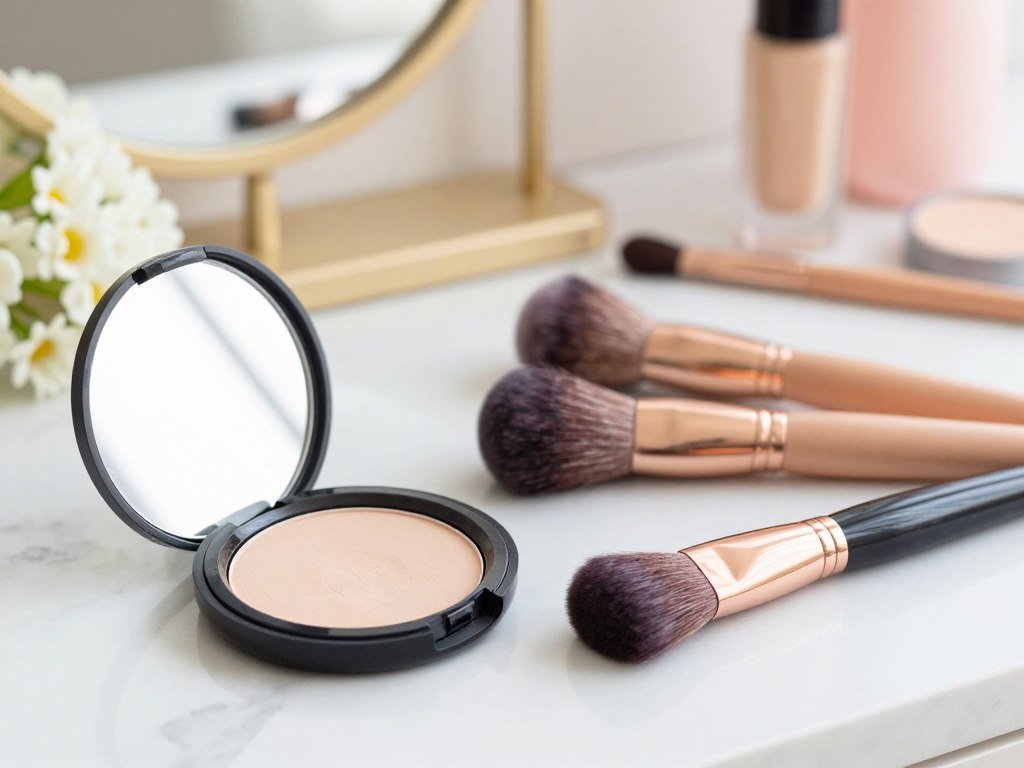
A powder compact can make a quick touch-up easy. The right powder foundation should also suit your skin and the coverage you want. A good match can make makeup feel simple through a busy day, whether you want a quick base or a more polished face.
Your choice depends on coverage, finish, skin needs, and routine. Undertone is the subtle cool, warm, or neutral cast beneath the surface color of skin. The ten picks include loose powder foundation and pressed powder foundation, with choices for sheer, medium, and full coverage.
Some formulas suit an all-over base, while others work well for a quick refresh. Shade range, compact design, and added ingredients can also shape your choice. The best option is the one that feels comfortable and fits how you wear makeup. Start by deciding whether shine control, a softer finish, or more coverage matters most to you.
Key Takeaways
- Match coverage to the look you want.
- Choose a finish you enjoy wearing.
- Consider your skin needs and makeup routine.
- Compare pressed compacts with loose formulas.
- Test a thin layer before choosing all-over coverage.
When Does Powder Foundation Work Best?
Powder foundation works best when you want a quick base that is easy to reapply and can reduce shine. It often suits oilier skin and people who prefer a matte finish, though not every formula looks flat. Fenty Beauty Pro Filt’r Soft Matte Powder Foundation is a strong choice for oily skin.
Powder can cling to dry texture, so the formula and skin prep matter. It contains no water and is made mostly from finely milled pigments and emollients. Some formulas also use talc. Cosmetic chemist Ginger King identifies dimethicone as a common blurring ingredient.
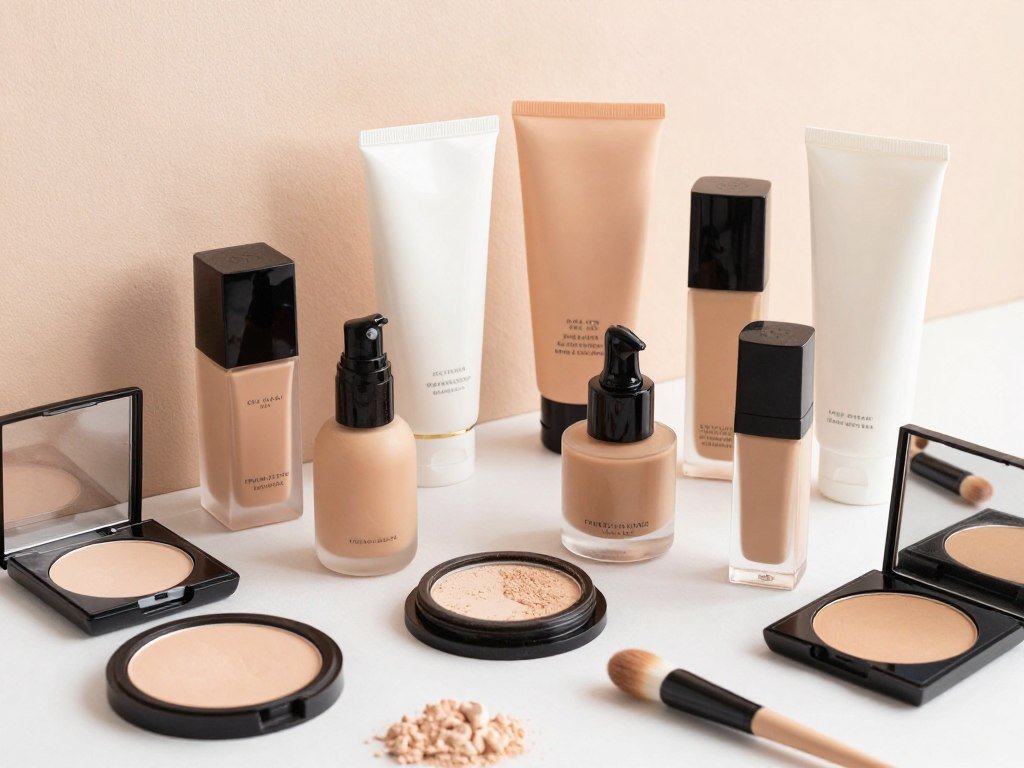
Oily and combination skin
Powder foundations can help manage shine through the day, especially across the forehead, nose, and chin. Combination skin may need powder only in oilier areas, rather than across the whole face. You can also apply powder over liquid or cream makeup to reduce shine during a touch-up.
For dry skin, a richer moisturizer may help the base sit more evenly. See these skincare picks for dry skin for ideas on gentle care and moisture.
Dry and mature skin
Dry or mature skin can show flakes, fine lines, and texture more clearly under powder. A carefully chosen formula may still work, but a heavy layer can make rough areas stand out. Good preparation matters, and a light application gives you more control.
Choose a powder formula with care when your skin feels dry, and avoid treating extra coverage as a fix for texture.
Some people use powder only where they want less shine, leaving the rest of the face bare or using a cream base. If dry patches are your main concern, test a light layer before committing to all-over coverage.
How to Choose the Best Powder Foundation for Your Skin
Decide first whether you want a sheer veil, medium evening coverage, or a fuller base. Those three labels describe how much color the foundation adds, while finish describes how the surface looks. Matte and dewy describe finish, not coverage.
A powder formula is made mostly from finely milled pigments and emollients, with talc in some products. Check the ingredients when a specific skin concern shapes your choice. A broader makeup product guide can help compare complexion products beyond powders.
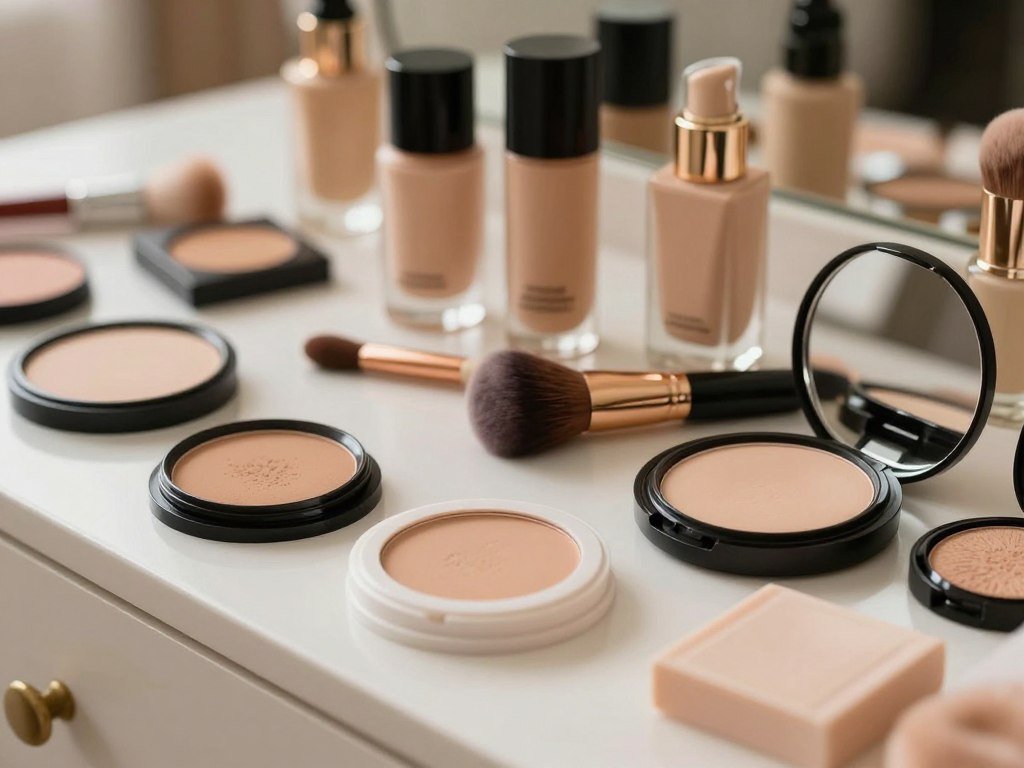
Match coverage to the look you want
Use this short checklist to compare powder foundations before picking a shade:
- Choose sheer, medium, or full coverage.
- Pick a matte, natural, or dewy finish.
- Check for ingredients tied to a specific concern.
- Decide between an all-over base and touch-up use.
Compare finish and formula
Sheer coverage lets more of your natural skin show, while medium coverage can even out more color. Full coverage gives a stronger change in appearance. Some formulas build gradually, so you can start light and add more only where needed.
Finish labels are useful, but they do not tell you how much coverage a product gives. A matte formula can be sheer, and a dewy formula can offer fuller coverage. Read both descriptions before comparing options.
Ingredients can help a formula meet a particular need, but they do not guarantee how it will feel on your skin. Compare the texture and finish with your usual makeup routine. Choose a formula for the finish you actually enjoy wearing, not simply the finish that sounds most smoothing.
Which Powder Foundations Offer Buildable Coverage?
For the widest choice of shades among these five, Fenty Beauty leads with 50 shades and buildable high coverage. The options below range from a light veil to full coverage, with both drugstore and high-end picks. e.l.f. Camo Powder Foundation is the drugstore pick for shoppers who want full coverage.
A top 10 list of the best foundations in the world is more useful when it separates needs than when it names one winner. This selection focuses on powder formulas, including choices for lighter coverage and quick touch-ups.
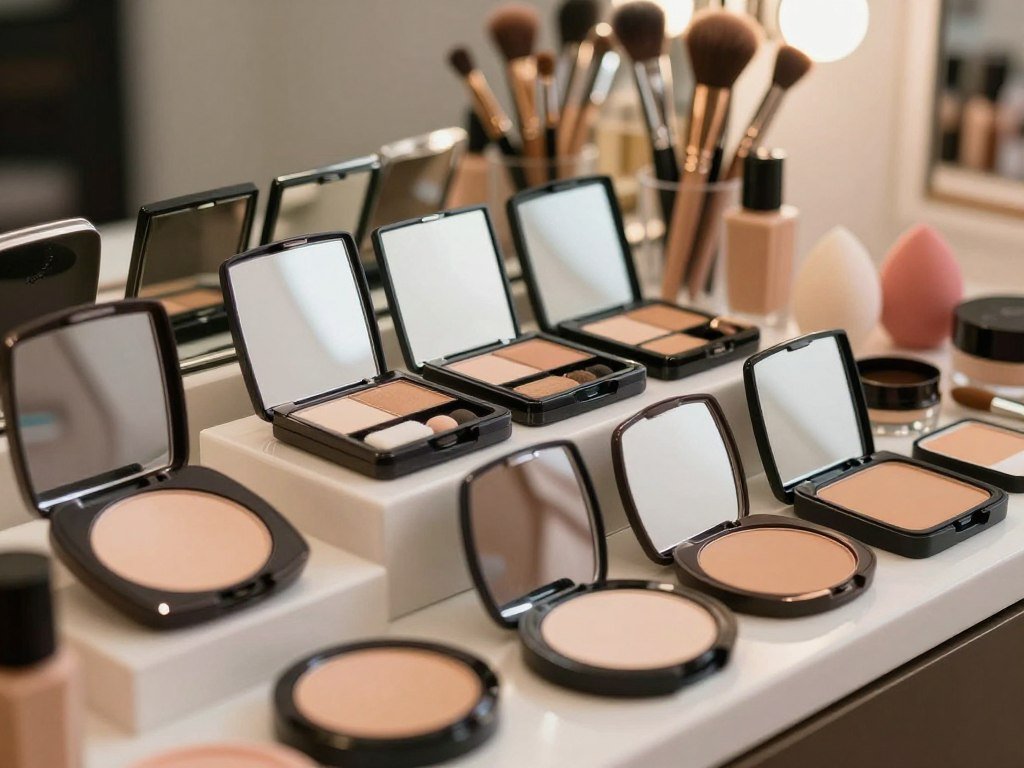
| Product | Shade count | Coverage | Standout feature |
|---|---|---|---|
| Fenty Beauty Pro Filt’r Soft Matte Powder Foundation | 50 | Buildable high coverage | Soft-matte powder |
| e.l.f. Camo Powder Foundation | 24 | Full coverage | Mirrored compact with primer-infused formula |
| bareMinerals Original SPF 15 Foundation | 30 | Light and buildable | Hypoallergenic |
| Dior Forever Natural Velvet Compact Foundation | 16 | Buildable full coverage | Resisted transfer and stayed in place for hours |
| L’Oréal Paris Infallible 24-Hour Fresh Wear Foundation | 6 | Medium-to-full coverage | Soft-matte finish and sponge applicator |
bareMinerals Original SPF 15 Foundation builds from a sheer veil to fuller coverage. Dior Forever Natural Velvet Compact Foundation resisted transfer and stayed in place for hours. e.l.f. pairs its mirrored compact with a primer-infused formula intended to help boost wear time.
L’Oréal Paris includes a sponge applicator for touch-ups, while its soft-matte finish suits a polished look. These differences matter as much as shade count when choosing a product for your routine.
Compare the coverage descriptions against the look you want before narrowing the list to a shade match.
Which Picks Suit Dry or Mature Skin?
Laura Geller and Wander Beauty stand out for readers prioritizing a lighter-feeling, buildable base on mature skin. The best powder foundation for mature skin depends on the finish and feel you prefer, not an age cutoff. These formulas can soften the look of texture, but they cannot erase fine lines.
Laura Geller is the dry-skin option in this group, while Wander Beauty is a pick for mature skin. Laura Geller is also the best foundation for glowing skin when you want a soft, natural sheen instead of a dewy finish.
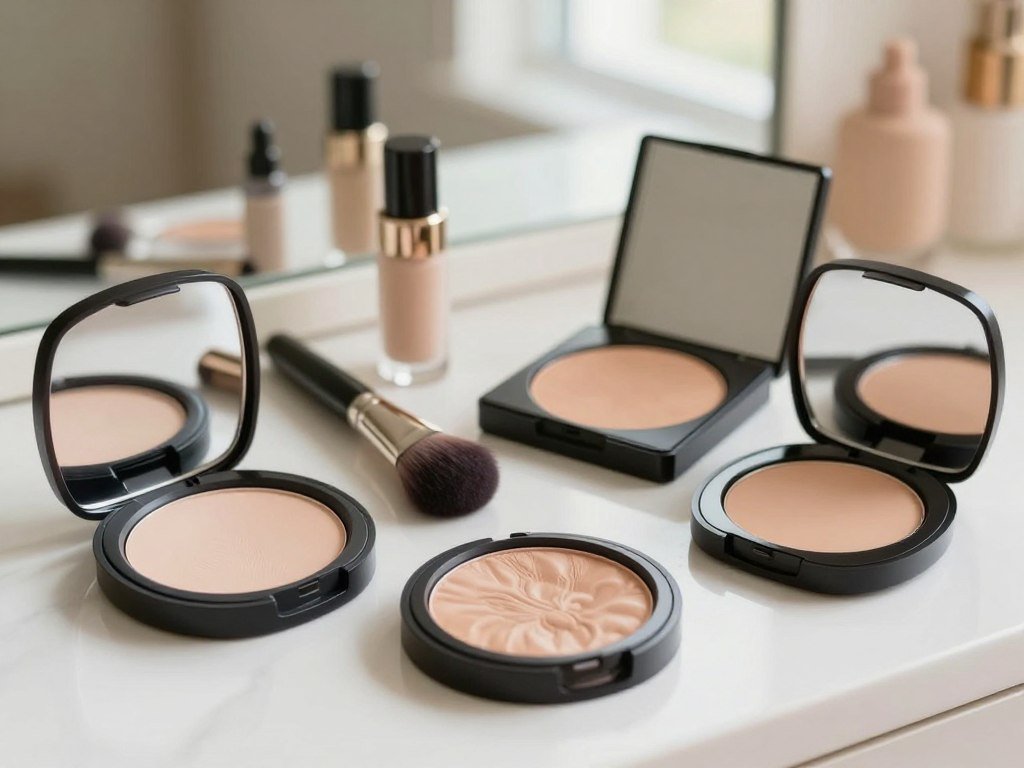
For dry or mature complexions
For dry skin, Laura Geller Baked Balance-n-Brighten offers buildable light-to-medium coverage and a demi-matte natural finish. The formula is baked on terracotta tiles in Italy and contains Centella asiatica and white tea extract. Wander Beauty has a satin finish, with hyaluronic acid and allantoin.
Danessa Myricks Beauty Yummy Skin Blurring Balm Powder is the blurring option. Its balm-to-powder formula blurs the look of pores and discoloration. Upsalite absorbs oil, while squalane adds a moisturizing ingredient to the blend.
For blurring and longer wear
One/Size Turn Up The Base offers buildable medium-to-full coverage and a matte finish. It is described as lasting 12 hours. J. Cat Beauty Aquasurance has buildable medium-to-full coverage, a satin finish, and a waterproof formula.
| Product | Shade count | Coverage and finish | Distinguishing detail |
|---|---|---|---|
| Danessa Myricks Beauty Yummy Skin Blurring Balm Powder | 22 | Blurring balm-to-powder | Upsalite and squalane |
| Laura Geller Baked Balance-n-Brighten | 9 | Buildable light-to-medium, demi-matte | Baked formula with Centella asiatica and white tea extract |
| One/Size Turn Up The Base | 33 | Buildable medium-to-full, matte | 12-hour wear |
| Wander Beauty Wanderlust | 11 | Buildable sheer-to-full, satin | Hyaluronic acid and allantoin |
| J. Cat Beauty Aquasurance | 13 | Buildable medium-to-full, satin | Waterproof formula |
Danessa Myricks costs $39 and comes in 22 shades. Laura Geller has nine shades, while One/Size costs $38 and comes in 33 shades. Wander Beauty costs $42, and J. Cat Beauty Aquasurance costs $15.
Ingredient lists and finish descriptions can narrow the choices, though each complexion may respond differently. If fine lines or dry patches are a concern, check the finish in natural light before choosing an all-over application.
How Do You Apply Powder Foundation Evenly?
Start with clean, moisturized skin, since powder can catch on dry texture. Let moisturizer settle before makeup, and consider a gentle routine for dry areas. These moisturizing product ideas cover different textures and skin needs. Light layers give you more control than applying a large amount at once.
Makeup artist Kasey Spickard recommends a dense flat-top foundation brush or kabuki brush for a full face. Makeup artist Jamie Greenberg says you can use a brush, sponge, or fingers, and one coat can look natural.
- Prepare your skin and let moisturizer settle.
- Pick a brush or sponge for the area.
- Start with a small amount and tap off excess.
- Buff from the center outward, then add coverage only where needed.
A dense brush suits all-over coverage, while a small fluffy brush places less product on targeted spots. A sponge can press powder into areas that need more coverage. Use a light hand around fine lines, where extra product can emphasize texture.
Powder can grab onto uneven skin texture, so removing dead skin before application may help. Keep exfoliation gentle, especially if your skin feels dry or sensitive. For a more focused routine, see these beauty supply essentials for skin care and makeup basics.
Look at the base in natural light after the first pass. Add a second light layer only to areas that still need more coverage.
How Should You Match Shade and Choose a Format?
A shade should blend into your complexion rather than look like a separate patch of color. Check its undertone and test it on your jawline or chest. Natural daylight gives you a clearer shade check than indoor lighting.
Matching on the hand alone is a common mistake because that skin may differ from your face and chest. A visible swatch near the jaw can show how the color meets your complexion.
Find a shade by undertone and swatching
Cool undertones often show blue veins, while green veins can point to warm undertones. Both colors may suggest a neutral undertone. Makeup artist Kasey Spickard uses these vein colors as a cue, not as a final shade test.
Makeup artist Natalie Dresher recommends swatching on the chest. You can also compare a jawline swatch with your neck and chest in daylight. The shade should blend across these areas without looking too pink, yellow, or gray.
Choose pressed or loose for your routine
Pressed powder foundation is bound into a compact, which makes it easier to carry. The pressed format often suits touch-ups because the product stays in its case. Some compacts also include a mirror or applicator.
Loose powder foundation comes in a jar and often offers lighter coverage. The loose format can suit someone who wants a lighter base and does not need a compact for touch-ups. It may be less convenient to carry than a pressed product.
Choose the format that fits how you apply makeup and where you use it. A shade that looks close under bathroom lights may read differently outdoors. Check the shade in daylight before relying on indoor lighting to make the final call.
What Does a Powder Foundation Usually Cost?
Powder foundations typically cost $10-$20 at the drugstore, $30-$40 in the midrange, and $50-$70 at the high end. Your daily foundation should fit your preferred finish, coverage, and touch-up routine. A pressed compact is convenient to carry, especially when you want makeup on hand during the day.
- Drugstore: $10-$20
- Midrange: $30-$40
- High-end: $50-$70
Set your budget before comparing extras such as a mirror, sponge, or refillable compact.
Price alone does not tell you whether a formula will suit your face. A less costly powder may fit your routine, while a higher-priced one may offer a finish you prefer. Set your budget before comparing extras such as a mirror, sponge, or refillable compact.
Conclusion
The best choice is the one that balances your preferred finish with the coverage you will actually wear. A comfortable formula is easier to use through a full day than one that looks good only in its compact. Keep your routine and the areas where you want coverage in mind.
Testing a thin layer in the area that needs the most coverage can show how the powder sits on your skin. Notice whether the finish feels right and whether the shade blends into your complexion. Swatch your leading option in daylight and try a light layer before making it your everyday favorite.
FAQ
Can powder foundation replace sunscreen?
How often should I reapply powder foundation?
Can powder foundation cover dark spots?
Is powder foundation suitable for sensitive skin?
Can I use powder foundation without primer?
Will powder foundation settle into fine lines?