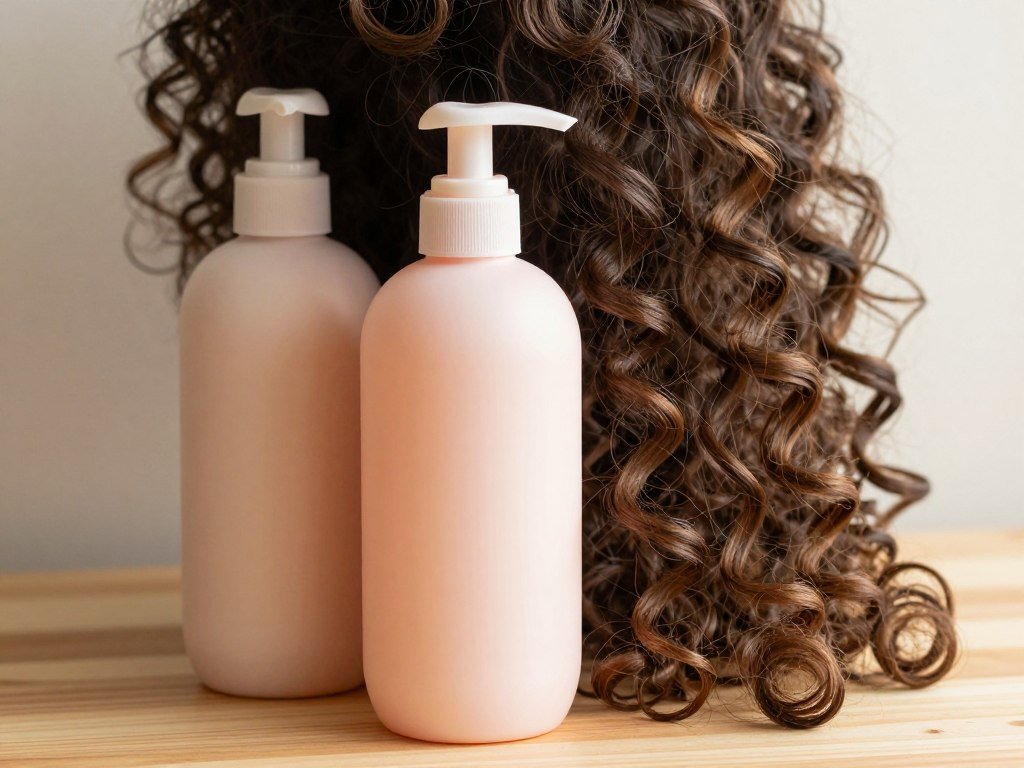
The right wash-day pair leaves your scalp clean while your curls still feel soft, flexible, and like themselves. Your curl pattern describes the natural shape family of your strands, commonly called waves, curls, or coils. The right shampoo and conditioner clean your scalp without leaving your lengths dry or weighed down.
Finding that balance can take a little trial and error. More hydration may help with dryness and frizz, while a heavy formula can leave curls flat. Your budget matters, too, especially when you need both a shampoo and a conditioner. This guide helps you weigh those tradeoffs and choose products that fit your hair and your routine.
Start with how your hair feels after washing, not with a curl-type label alone.
Key Takeaways
- Match formula weight to strand thickness and density, not curl label alone.
- Choose a shampoo and conditioner for your scalp and lengths’ current needs.
- Fine strands may need lighter moisture; thicker strands may prefer richer formulas.
- Use a clarifying shampoo when residue leaves curls limp or the scalp coated.
- Try one product change at a time and watch how your hair responds.
How to Match a Cleanser and Conditioner to Your Curl Pattern
Two people with the same curl pattern can need different formulas if one has fine strands and the other has coarse, dense hair. Hair type alone cannot tell you how much moisture your hair needs or how much weight it can handle.
Match formula weight to strand thickness, density, and hair condition. Type 2 waves, type 3 curls, and type 4 coils describe curl families, while strands can be fine, medium, or coarse.
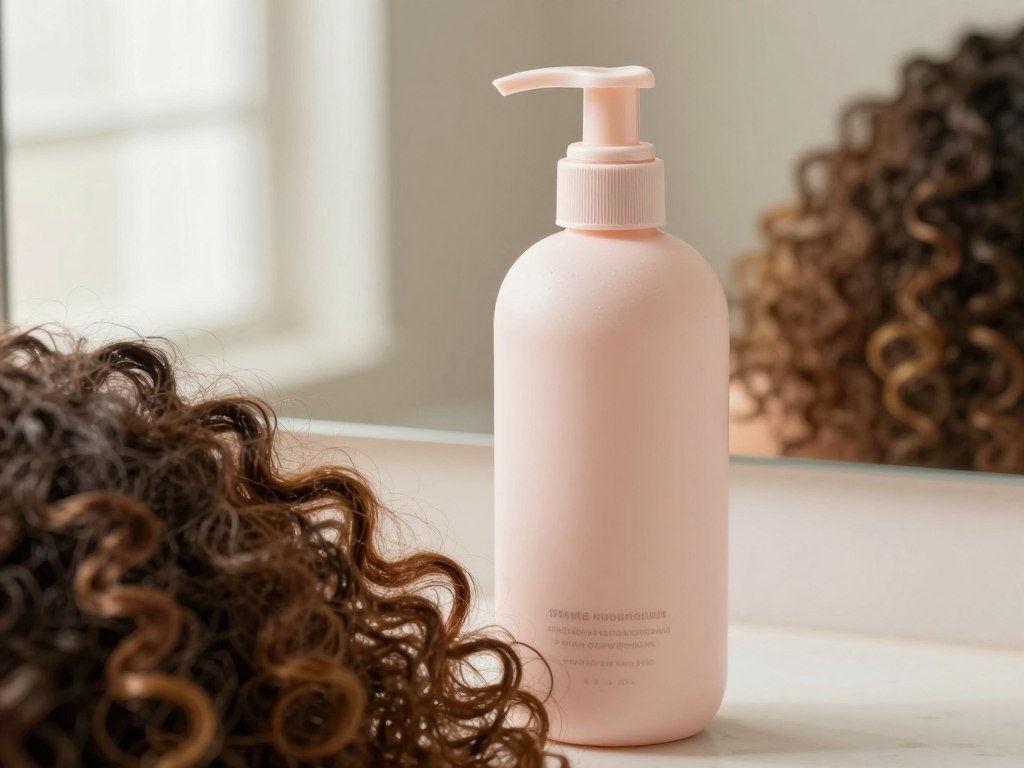
Match formula weight to strand thickness and density
Fine strands can lose volume under rich conditioners, even when they form tight curls. Thicker or coily textures may feel better with more moisture and a richer conditioner. Density matters as well: dense hair can need more product to coat its lengths than sparse hair.
Use these four checks when comparing shampoo and conditioner:
- Curl family: waves, curls, or coils.
- Strand thickness: fine, medium, or coarse.
- Density: how much hair grows across your scalp.
- Condition: whether hair is damaged or color-treated.
Choose for your hair’s condition, not just its curl family
Hair that is damaged or color-treated may need reparative care, even if its curl family has not changed. Davines LOVE CURL Shampoo is intended for wavy and curly hair and includes Noto almond extract. It is one shampoo example, not a complete shampoo-and-conditioner pair.
Race does not determine the best formula. Whether you are looking for products for curly, frizzy hair for white women or Black women, choose by your individual curl pattern, strand thickness, density, scalp needs, and hair condition.
Choose by your own strands and scalp, not by a race or curl label. Formula weight should fit your hair’s thickness and density.
Hydration should leave hair soft, not limp. If conditioner leaves fine strands limp, try a lighter formula before changing your cleansing schedule.
Best Shampoo and Conditioner for Curly Hair: Top Picks for Different Needs
For a ready-made pair, begin with Olaplex; for coily hair, Cécred is the more specifically matched pair. These are fit recommendations, not guarantees for every head of curls.
Olaplex is a broad hydration starting point, while Cécred is listed for coily hair. The other three picks are shampoos only, so pair one with a conditioner that suits your hair.
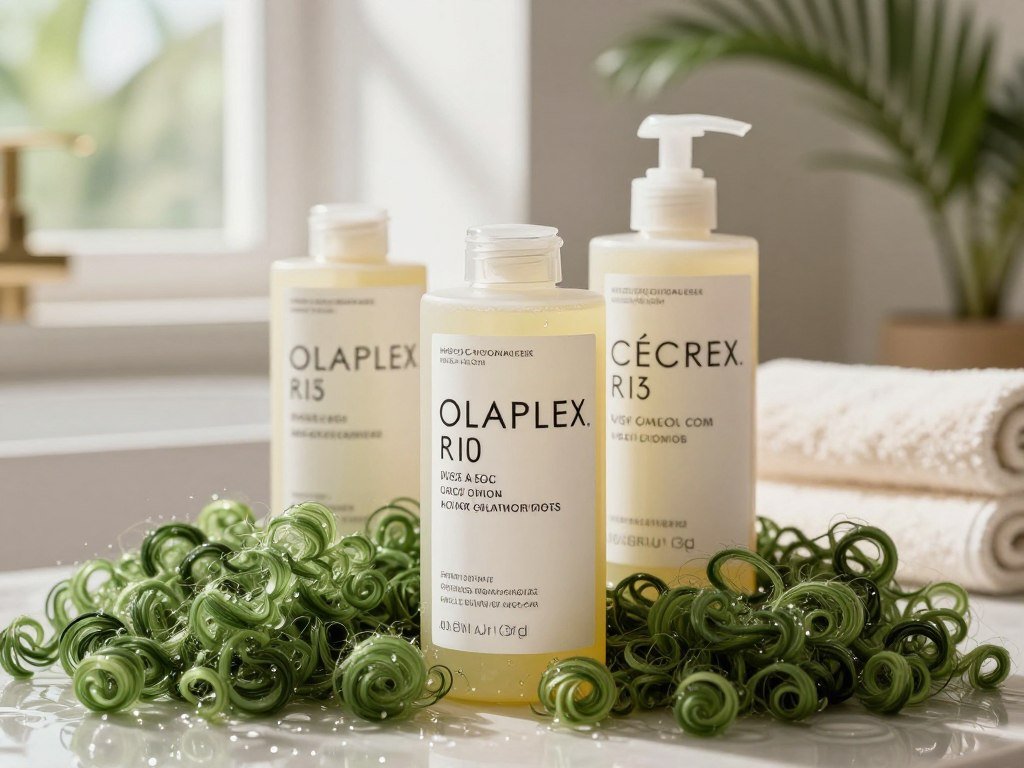
Ready-made shampoo-and-conditioner pairs
Olaplex No. 4Curl Bond Shaper Hydrating Curl Shampoo and No. 5Curl Bond Shaper Hydrating Curl Conditioner are listed together at $34 in 2026. Both product names point to hydration, making the pair a useful place to start if your curls need moisture.
Cécred Hydrating Shampoo and Conditioner are listed together at $32 in 2026 for coily hair. That stated fit makes it a more specific pick than a broad curl option, though your own strand thickness and scalp needs still matter.
Standalone shampoos for a specific need or budget
Camille Rose Curl Love Shampoo costs $13 in 2026. Its sulfate-free formula includes avocado, olive, and macadamia oils. Aveda Be Curly Advanced Shampoo is listed at $36 in 2026 and is marked for curly hair.
OGX Quenching + Coconut Curls Shampoo is listed at $7 on sale and $9 at list price. Prices can make it a lower-cost shampoo choice, but it is not a complete pair. The Camille Rose and Aveda entries are also shampoo-only products.
| Product | Stated fit | Distinguishing detail | Listed price |
|---|---|---|---|
| Olaplex No. 4Curl Shampoo and No. 5Curl Conditioner | Broad hydration needs | Both names describe hydrating curl care | $34 together in 2026 |
| Cécred Hydrating Shampoo and Conditioner | Coily hair | Pair listed for coily hair | $32 together in 2026 |
| Camille Rose Curl Love Shampoo | Shampoo-only pick | Sulfate-free, with avocado, olive, and macadamia oils | $13 in 2026 |
| Aveda Be Curly Advanced Shampoo | Curly hair | Shampoo listed for curly hair | $36 in 2026 |
| OGX Quenching + Coconut Curls Shampoo | Shampoo-only pick | Sale price $7, list price $9 | $7 sale, $9 list |
Men can use the same selection criteria as anyone else with the same curl pattern and hair needs. The best shampoo and conditioner for curly hair for men depends on their strands and scalp, not on a separate rule for men. Before buying a shampoo-only pick, make sure the conditioner you already own suits your strand thickness.
Low-Poo, Co-Wash, and No-Poo: What Changes?
Low-poo reduces detergent exposure but still cleanses with some detergent. No-poo is different: it cleanses without detergent, while low-poo may mean shampooing less often or choosing a milder cleanser.
Low-poo still uses detergent; no-poo uses none. Co-washing means washing with a cleansing conditioner, which may contain milder surfactants than shampoo.
| Method | Detergent use | What changes |
|---|---|---|
| Less-frequent shampooing | Some detergent on wash days | Fewer shampoo washes reduce exposure |
| Milder-detergent shampoo or co-wash | Milder detergent or surfactants | Cleaner may be gentler than regular shampoo |
| No-poo | No detergent | Hair is cleansed without detergent |
Low-poo can also mean coating hair with conditioner or oil before shampooing. That pre-shampoo coating is another low-poo option, not a detergent-free wash.
A cleansing conditioner may leave residue on some scalps. Hair can feel soft while the scalp still feels coated, so co-washing does not replace every shampoo wash for everyone.
The terms describe different ways to reduce detergent exposure, not a ranking from best to worst. A review of hair-care cleansing agents explains how detergents remove oil and residue. Choose a cleansing conditioner only if your scalp still feels clean between shampoo washes.
Set a Wash Schedule Around Scalp and Product Buildup
A useful starting point is every two to three days for curly or wavy hair, with textured hair often going a week or longer between washes. Your scalp sets the pace, along with sweat, oil, styling products, and how dry your lengths feel.
Use clarifying shampoo no more than once a week when activity or styling products call for a deeper cleanse. It removes buildup, but frequent use may leave lengths feeling rough.
Adjust the interval to your scalp and texture
Check four cues before you decide to wash. They can help you tell the difference between roots that need cleansing and lengths that mainly need more conditioning.
- Oily roots that feel slick before wash day.
- A coated or itchy scalp.
- Curls that lose bounce as residue builds.
- Recent heavy use of styling products.
Dry lengths alone do not always mean your scalp needs another shampoo wash. A conditioner may help the ends, while the roots still feel clean. A scalp scrub is a separate exfoliating option, not a required step in every wash.
Use clarifying shampoo as an occasional reset
When several cues appear, a clarifying shampoo can clear product residue and help curls regain their movement. Dae Desert Detox Clarifying Shampoo is one example, listed at $26. It is a product option, not a need for every wash day.
For a closer look at signs of product buildup, compare how your scalp and curls feel after cleansing. If a clarifying wash leaves your lengths rough, reduce how often you use it rather than scrubbing harder.
Which Ingredients Help With Moisture Without Buildup?
Start with how the formula cleanses and feels on your strands, then use the ingredient list to check whether its weight suits your hair. Rich is not always better, especially for fine hair that loses shape under heavy oils or butters.
Sodium lauryl sulfate and sodium laureth sulfate are harsh sulfates to check for if strong cleansing leaves your hair dry. A cleanser still needs to remove oil and residue, so judge the formula by how your scalp and lengths respond.
Aloe vera, jojoba oil, and argan oil are lighter moisturizing ingredients. Shea butter and castor oil are richer options that may suit thicker strands, but can weigh down fine hair.
Silicones are not automatically bad for curly hair. They can smooth strands and reduce frizz, while residue can build up and leave curls flat. An occasional clarifying wash may help if hair feels coated.
Ingredient lists do not predict every result. Two products with similar oils can feel different because their full formulas and amounts differ. If a new conditioner leaves curls limp, use less or choose a lighter option.
Oils can soften hair, but a shampoo cannot promise hair growth simply because it contains oils. For more on choosing by scalp needs and texture, read this shampoo and conditioner checklist. If your curls gradually lose volume, check for residue before adding another moisturizing product.
Wash-Day Steps That Keep Curls Detangled
Thoroughly wet hair first so shampoo spreads more evenly instead of concentrating in one spot. Start with water, then cleanse the scalp and condition the lengths without rushing through knots.
Let water soak through your hair for about one minute before applying shampoo. A thorough rinse also helps remove leftover cleanser and conditioner.
Use these three steps for a simple curl care routine:
- Soak hair thoroughly. Apply shampoo mainly to the scalp and massage gently.
- Rinse, then repeat only if the first pass has not removed noticeable oil or product.
- Apply conditioner from mid-lengths to ends. Detangle gently with fingers or a wide-tooth comb.
The first shampoo pass removes dirt, oil, and product buildup. A second pass allows a deeper cleanse, but it is not needed every time. Let how your scalp feels after the first rinse guide that choice.
A deep conditioner can help when lengths feel persistently dry. You do not need to add one automatically at every wash, especially if regular conditioner leaves hair soft and easy to comb.
To protect hair care from turning into a tug-of-war, detangle while the conditioner gives strands slip. Work conditioner through tangled lengths with your fingers before reaching for a comb.
Drying Curly Hair Without Extra Damage
If you need to cut drying time, diffusing is faster, while air drying avoids dryer heat and usually leaves curls with less shrinkage. Neither method wins every time: your density, schedule, and preferred curl shape all matter.
Diffusing can take 10 minutes to an hour, while air drying may take one to eight hours or longer. The time changes with hair density and method.
| Method and density | Estimated time | Practical tradeoff |
|---|---|---|
| Air drying, low- to medium-density hair | 1-3 hours | No dryer heat, less shrinkage than diffusing |
| Air drying, very thick or high-density hair | 6-8+ hours | Long wait before hair is fully dry |
| Diffusing, low- to high-density hair | As little as 10 minutes to up to 1 hour | Faster drying, more curl shrinkage |
A dryer held at least 15 cm from your hair and kept moving can cause less damage than natural air drying. Excessive dryer heat can cause more surface damage than air drying, so use a careful heat setting.
Diffusing may suit a busy morning, while air drying can work when you have enough time to let curls settle. The choice can also change how much shrinkage you see, which affects the look of your finished style.
Consumer Reports shares dermatologist advice on drying hair, including letting it dry fully before lying down. Keep the dryer moving and at least 15 cm from your hair if you diffuse.
Reduce Frizz and Keep Curl Definition Between Washes
If frizz returns soon after wash day, check whether curls need a light refresh or whether product residue is building up. More product is not always the fix; adding layers can leave curls coated and less defined.
Use conditioner or leave-in products for moisture, then choose a styler for the hold you want. Creams, mousses, and gels shape curls in different ways.
Layer stylers to match your preferred hold
A cream can add softness, while mousse or gel can help curls keep their shape. Rizos Curls Strong Hold Gel and Camille Rose Curl Maker Defining Gel are two curl-styling options, not guaranteed matches for every texture.
Some gels form a firm cast as they dry. Once curls are fully dry, you can scrunch the cast to soften the finish. If the result feels stiff, adjust the amount next time rather than layering on another styler.
Refresh curls without piling on product
Use a small amount of water or curl cream on flattened areas instead of coating your whole head. This can help bring back curl definition without adding a full dose of styling products.
If you swim or spend time in sun and humidity, a braid, bun, or twist can help limit tangles. Rinse hair after swimming and use a leave-in conditioner with UV protection when needed. Keep the rest of your routine simple when curls already feel coated.
Add one styling product at a time so you can tell what improves hold without creating buildup.
Let the cast stay intact overnight if it feels comfortable and your curls are dry. Scrunch out the crunch before bed only if curls are fully dry and the finish feels too stiff; otherwise, leave it until morning.
Should You Wash Curly Hair at Night or in the Morning?
Choose a night wash only if your curls can dry fully before you get into bed. Morning washing suits people who want to style and dry their hair before heading out.
Sleeping on damp hair can flatten your curl pattern and increase tangling. Pick the time that lets your hair dry before you lie down, rather than forcing a wash into a rushed window.
Washing at night
Night washing can work when you have enough time to finish drying before bed. Damp curls pressed against a pillow may lose their shape and tangle, making the next morning harder to manage.
A silk bonnet or silk pillowcase can reduce friction overnight. A Kitsch Satin Pillowcase is listed at $20, but a special pillowcase is not required for a curl routine.
Washing in the morning
Morning washing gives you a chance to style curls while they are freshly clean and let them dry before you leave. It may fit better if your mornings are calm or your evening schedule leaves little time for a full dry.
Think about the next day’s plans as well as your routine. If you want defined curls for work or school, wash when you can give styling and drying enough attention. If morning is your only reliable drying window, wash then rather than sleeping on damp curls.
Conclusion
A good curl-care choice is the one that leaves your scalp comfortable and your lengths manageable. Your own response matters more than a curl label or a popular formula.
Choose for scalp needs, strand thickness, and how your hair feels after washing. Select one shampoo and conditioner that fit those needs, then assess softness, detangling, and scalp comfort over the next few washes.
Start with one well-matched pair and adjust only after you see how your curls respond.
FAQ
What is low poo?
Is it better to air dry or diffuse curly hair?
Are silicones bad for curly hair?
How often should you wash curly hair?
Do and don’ts of curly hair?
What is a good 3-step routine for curly hair?
How to tell when curly hair needs to be washed?
Should I scrunch out the crunch before bed?