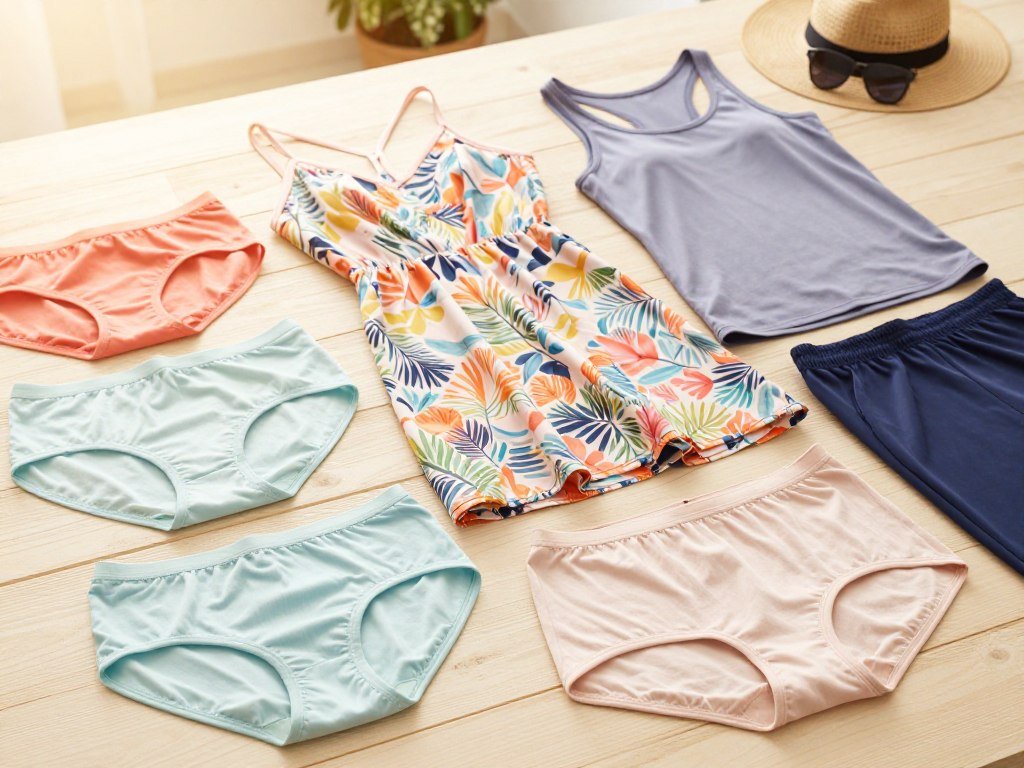
A hot, humid day can make an otherwise comfortable outfit feel damp, clingy or irritating. The best moisture-wicking underwear for summer can help you feel more comfortable, but the right cut depends on what you plan to wear.
This list covers everyday wear, dresses, workouts, travel, hot flashes and sleep. It also accounts for sweat, coverage and how a pair feels against your skin, since good fabric cannot fix a poor fit.
Your comfort matters as much as the label. The right choice depends on where you will wear it and how much coverage feels comfortable.
Key Takeaways
- Wicking and breathability describe different fabric features.
- Construction, fit and activity all affect comfort.
- Merino, cotton, modal and technical fabrics offer different tradeoffs.
- Choose slip shorts for added leg coverage under dresses and skirts.
- Match leakproof absorbency to the amount of moisture you need to manage.
- Check the size chart for the specific style you choose.
What Does Moisture-Wicking Mean, and How Is It Different From Breathability?
A fabric can move sweat away from your skin without allowing much air to pass through it. Breathability measures airflow, while moisture-wicking measures sweat moving away from skin.
Overall Moisture Management Capacity (OMMC) is a test score that measures liquid absorption, spreading and transport through fabric. Neither wicking nor breathability guarantees the other. Fabric structure and finishing can change both results.
| Fabric or structure | What was measured | Condition | Result |
|---|---|---|---|
| Cotton and antistatic polyester knits | Air permeability | Knit pattern and finishing | 77-499 millimeters per second |
| Porous micro-polyester knits | OMMC | Porous structures | 0.59-0.88 |
| Asymmetric cotton-and-PLA bilayer | Evaporation and OMMC | Compared with single-layer cotton | About 27% faster; OMMC about 0.69 |
| Plain single-jersey micro-polyester | Drying, vapor permeability and vertical wicking | Tested combinations | Best among tested combinations |
Loose single-jersey cotton allowed more airflow than tightly knitted cotton rib. Plain single-jersey micro-polyester led the tested combinations for drying rate, water-vapor permeability and vertical wicking.
Look for both moisture movement and airflow rather than treating either as a stand-in for the other.
A fiber name alone cannot predict performance because knit design and finishing matter. The same distinction applies to waterproof layers, which can hold heat and sweat without good ventilation.
For outdoor clothing, vented waterproof hiking pants show why airflow can matter when a fabric blocks rain. That example does not make underwear fabrics directly comparable.
Which Fabrics Help Keep Summer Underwear Cool and Dry?
For summer wear, fiber names are useful clues, but the knit determines how air and moisture move through a pair. Construction matters alongside the materials listed on the label.
Cotton absorbs moisture, but absorption does not always mean fast transport away from skin. Choose by activity and fabric structure, not by natural-versus-synthetic labels alone.
Cotton and Cotton Blends
Cotton underwear can feel familiar and soft, and a cotton gusset may suit people who prefer that feel. A cotton-rich blend can also offer comfort for everyday wear.
Yet cotton can hold moisture rather than move it outward quickly. A dense cotton knit may feel warm during hard activity, while a lighter construction can allow more airflow.
Merino Wool, Modal and Technical Synthetics
Merino wool is breathable, moisture-wicking, temperature-regulating, odor-resistant and naturally elastic. Modal is known for a soft feel, while nylon and polyester technical knits can move moisture and dry quickly.
TENCEL modal, nylon, polyester and merino wool are distinct fiber choices, not interchangeable labels. Knit density and garment construction shape how each one performs on your body.
Merino and synthetic blends can add durability, stretch and shape retention in different ways. For more on choosing wool and synthetic blends by conditions, see these hiking sock material tips.
Use this quick checklist before choosing a pair:
- Check the fiber content.
- Check whether the fabric is a mesh or a dense knit.
- Check the garment’s care label.
Choose based on the activity and feel you want, not on a natural-versus-synthetic rule.
What Fit and Fabric Choices Support Vulvar Comfort?
Underwear should stay comfortably in place without pinching, shifting or rubbing. A secure fit and stable seams can help limit friction during the day.
People with vulvar irritation or a history of infections may prefer cotton underwear. Others can choose the fabric and cut that feel comfortable to them.
Fit, Friction and Sensitive Skin
A pair that stretches out or shifts can rub at the crotch, leg openings or seams. Blended underwear with at least 90% cotton may be preferred for breathability and comfort.
What underwear do urologists recommend? There is no single prescribed cut for everyone. Comfort, breathability and a secure fit are sensible starting points, while ongoing symptoms call for individual medical advice.
Thongs, Cotton and Infection Concerns
Moisture-wicking underwear for yeast infections may move sweat away from skin, but it does not treat or prevent an infection. A 2019 study found no evidence that thongs were associated with urinary tract infections, bacterial vaginosis or yeast vaginitis.
That finding does not mean every thong suits every person. The fabric, seams and fit can still cause discomfort, so choose another cut if a thong rubs.
Cotton underwear may suit people with irritation or past infections, but fabric choice is not medical care. Seek advice from a clinician about symptoms that continue.
Stop wearing a pair that causes persistent irritation and ask a clinician about symptoms that continue.
Which Are the Best Moisture-Wicking Underwear for Summer?
For everyday summer wear, start with the Wool& Roam High-Waist Bikini; switch cuts when your outfit or activity calls for it. It is the everyday starting pick if you want merino performance.
Use the table to match a cut to the day, not just a wicking claim. Product selection should weigh comfort, fit, activity performance, durability and inclusive sizing.
| Need | Pick | Cut | Why it fits |
|---|---|---|---|
| Everyday wear | Wool& Roam High-Waist Bikini | High-waist bikini | Merino performance |
| Dresses and skirts | Wool& Roam Bike Short; Thigh Society Cooling Slip Short | Bike short; slip short | Thigh coverage |
| Low visible lines | Tommy John Air Brief | Brief | Lightweight construction |
| Travel | ExOfficio Give-N-Go 2.0 | Bikini brief | Quick-drying travel use |
| Hot flashes and sleep | ThirdLove TempSync Hipster; Knix Light Leakproof; Huha Boxer | Hipster; leakproof bikini; boxer | Temperature or nighttime needs |
The Wool& Roam High-Waist Bikini is the best moisture-wicking underwear starting point for a merino-focused everyday option. The other styles suit specific clothing, activity or coverage needs.
Comfort during wear matters as much as fiber content. Inclusive sizing and lasting construction also matter, especially if you plan to wear a pair often.
Treat the table as a starting point, then use the fit and coverage that stay comfortable on your body.
What Works Under Dresses and Skirts?
For thigh coverage under dresses and skirts, choose a bike short or slip short with an inseam that suits your outfit. A leg-length layer can reduce bare-skin contact on a long, humid walk.
Thigh-to-thigh contact can bring both chafing and trapped moisture. Quick-drying fabric can help manage dampness, but it cannot prevent every case of chafing.
The Wool& Roam Bike Short costs $64 and comes in sizes XS-3X. Its waistband pocket holds an ID, credit card, cash and a house key.
The Thigh Society Cooling Slip Short costs $44 and comes in lengths from 5 inches to 21 inches. Sizes run from XS/S through 5XL/6XL, with quick-drying performance fabric.
Shorter lengths may suit someone who wants less coverage under a shorter dress. Longer inseams cover more of the leg and may suit a longer skirt.
These styles offer different fabrics and details, so think about the outfit as well as the walk. A pocket may be useful on an outing, while a longer inseam can cover more skin.
Match the inseam to the coverage you want, then check that the waistband and leg openings stay comfortable.
Which Pairs Disappear Under Lightweight Pants?
For thin linen pants, the Tommy John Air Brief is the more minimal option. Its light construction can reduce visible lines beneath lightweight clothing.
The Tommy John Air Brief may stretch as body temperature rises, which can let it shift or roll. The Lululemon UnderEase High-Rise Bikini is an alternative if you prefer a bikini cut that stays in place.
The Tommy John Air Brief costs $22, or $42 for three, and comes in sizes XS-XXL. The fabric can stretch as your body warms during a summer day.
Lululemon UnderEase High-Rise Bikini costs $48 for a three-pack and comes in sizes XS-XXL. Its higher bikini cut offers a different feel from a minimal brief.
A very light pair may be less dependable for a loose outfit or a long, warm day if it shifts. A pair that moves around can show through pants or need adjustment.
Think about how the waistband behaves when you sit, bend and walk. The most discreet cut is useful only if it stays where you want it.
Test the waistband while sitting and walking before relying on a pair for an all-day outfit.
What Makes Underwear Useful for Travel?
For a trip with limited laundry access, a quick-drying pair can make a small travel rotation more workable. Drying time matters when you expect to wash underwear between wears.
Scores describe these specific products, not a universal quality guarantee. Fit and comfort over a full day still matter more than a short air-dry time.
| Model | Fiber content | Overall score | Air-dry time |
|---|---|---|---|
| Woolly Hipster Brief | 95% 17.5-micron merino wool, 5% elastane | 85 | 40 minutes |
| ExOfficio Give-N-Go 2.0 Sport Mesh Bikini Brief | 90% nylon, 10% elastane | 81 | 35 minutes |
| Balanced Tech Moisture Wicking Brief Bikini 3-pack | 92% nylon, 8% elastane | 63 | 48 minutes |
The Woolly Hipster Brief costs $34. The ExOfficio Give-N-Go 2.0 Sport Mesh Bikini Brief costs $29, while the Balanced Tech three-pack costs $18.
The Balanced Tech leg opening may chafe on longer activity days, and the fabric can retain odor. The ExOfficio Sport Mesh fit may run large.
For long walking days, comfortable footwear matters too; these women’s walking shoe picks cover fit and support for travel.
Choose the option whose fit remains comfortable after a full day, not just the one with the shortest drying time.
Which Underwear Works Best for Workouts?
For a hard workout, prioritize a secure gusset and a fit that does not rub as you move. Comfort in motion matters more than a fabric label.
Workout underwear should fit well, wick moisture and avoid chafing. A thong can suit low-profile wear, while a brief offers more coverage.
Thongs for Low-Profile Workout Wear
| Pair | Listed fiber or gusset | Sizes | Workout-specific note |
|---|---|---|---|
| Spanx Fit To You Thong | 77% nylon, 23% elastane; cotton gusset | One size; one size plus | Dries quickly after high-intensity workouts; gusset stays in place |
| ThirdLove ComfortStretch Thong | Nylon and spandex; cotton gusset | XS-3X | Multiple sizes for a closer fit choice |
| Alo Airbrush Invisible Thong | Nylon and elastane | XXS-XL | Narrow gusset may need adjustment during workouts |
The Spanx thong costs $20, and many one-size colors sell out quickly. That is a practical availability limit, not a reason to settle for a poor fit.
ThirdLove ComfortStretch Thong costs $18. Alo Airbrush Invisible Thong costs £18.
More Coverage for Movement and Sweat
Nylon and polyester construction can wick moisture, while a cotton gusset may feel different against skin. A brief with more coverage may suit movements where a thong feels distracting.
If you practice yoga, a mat with grip suited to your class can help; these yoga mat features explain what to compare.
Stop using any cut that shifts or irritates you during exercise, regardless of its fabric label.
When Is Leakproof Underwear the Right Choice?
Leakproof underwear helps when you want backup protection, but the absorbency must match the situation. Light protection has limits and is not meant for every flow.
The Knix Light Leakproof No-Show Bikini holds up to one regular tampon’s worth of blood. It is not suited to heavier flows.
The Knix Super Leakproof Bikini absorbs up to eight teaspoons of blood, urine or sweat. Choose an absorbency level made for the amount you expect to manage.
The Knix Light Leakproof No-Show Mesh High-Rise is a separate style. It costs $29, comes in sizes XS-XXXXL and has a mesh body with a lightweight leakproof liner.
The mesh high-rise’s fabric and cut do not set its absorbency level. Consider these three points before choosing:
- Expected flow or moisture.
- Desired coverage.
- Whether the liner feels comfortable against skin.
The Knix Light Leakproof No-Show Bikini costs $25. The lighter style can suit light protection, but it should not stand in for a higher-capacity option.
For heavier flow, choose a product specifically made for that level of absorbency rather than relying on a light option.
What Can Help With Hot Flashes and Temperature Swings?
If a hot flash makes a lightweight layer feel damp or clingy, choose the cut and fabric for the rest of your day as well as the heat. The daytime pick is the ThirdLove TempSync Hipster.
ThirdLove TempSync Hipster is the named choice for daytime temperature-regulation needs. Its 37.5 Technology is a product feature, not a promise that every wearer will feel cool or dry.
The hipster costs $24 and comes in sizes XS-3X. Its cut gives more coverage than a thong without the longer leg of a short.
Knix Light Leakproof can be an alternative when light protection is also wanted. The absorbency level still needs to match the amount of moisture you expect.
Some people want a simple underwear layer for changing body temperature, while others also want a liner. Those are separate needs, even when one garment addresses both.
Think about your clothing and plans for the day before choosing a cut. A comfortable fit can matter once you have been moving for several hours.
Decide first whether you need temperature comfort alone or light protection too.
What Should You Wear for Warm Nights?
A warm night can make soft, loose coverage more comfortable than a snug daytime cut. For sleep, choose a boxer, shortie or no underwear based on what feels easy.
People prone to vaginal issues may sleep without underwear or choose loose cotton underwear to allow airflow. Comfort and the amount of coverage you want can guide the choice.
The Huha Boxer costs $29 and comes in sizes 2XS-3XL. Its TENCEL modal fabric and boyshort-like coverage offer a soft, longer cut.
The Huha gusset is knitted with zinc oxide. That describes its construction and does not establish a medical effect.
The Wool& Roam Shortie costs $40, comes in sizes XS-3X and uses merino wool. It gives more coverage than a bikini or brief.
Loose cotton can be another option if you prefer a familiar fabric at night. Some people may find no underwear more comfortable under light sleepwear.
Choose the option that lets you sleep comfortably, including no underwear if that suits you.
Which Options Offer More Size and Coverage Choices?
A size range on one cut does not guarantee that another style from the same brand will fit the same way. Check each model’s chart before choosing a size.
Size labels are not interchangeable across brands or cuts. Compare the exact style, its size range and the coverage you prefer.
The Wool& Roam High-Waist Bikini costs $40, comes in sizes XS-3X and uses merino wool. Wool& underwear stood out for fit, comfort and durability, while a previously recommended merino brief developed a hole and lost its shape.
Boody Full Briefs cost $16.95 and come in sizes XS-4XL. The blend combines bamboo viscose with 5% nylon and 6% elastane for stretch.
Bamboo viscose may not dry as quickly as wool or technical fabrics. Fruit of the Loom Fit for Me Breathable Micro-Mesh Brief costs $16.98 for a six-pack and comes in sizes 9-13.
Duluth Trading Armachillo Cooling Brief costs $24.50 and comes in sizes XSM-3X. Fruit of the Loom Hi Cut-Micro Mesh comes in sizes 6-10 and uses polyester and spandex.
Use this three-point fit check:
- Check the garment’s own size chart.
- Compare hip and waist measurements.
- Choose coverage and leg openings that do not dig in.
Use the size chart for the exact model and prioritize a secure, non-digging fit.
What Should Men Look for in Summer Underwear?
For hot-weather wear, men should choose a cut that stays put and a fabric that does not feel damp against the skin. Start with cut and fit, then compare the material.
The best style depends on preferred coverage, activity and fit. Briefs, trunks, boxer briefs and loose boxers each offer a different amount of leg coverage and support.
Breathable Briefs for Men
Briefs use less leg fabric than boxer briefs, while trunks have a short leg. Loose boxers allow more room, but they may bunch under fitted pants.
Cotton can feel familiar and absorb moisture, while modal offers a soft feel. Nylon and polyester performance fabrics can move moisture away from skin.
Moisture-Wicking Boxer Briefs
Boxer briefs cover more of the thigh, which can help reduce thigh friction. Their legs need to stay smooth rather than bunching or rubbing during movement.
What are some good sweat-absorbing underwear for men? A quick-drying, moisture-moving fabric is a better match for sweat than a fabric that simply holds it.
| Style | Coverage | Useful for | Check for |
|---|---|---|---|
| Briefs | Minimal leg coverage | Less fabric under pants | Secure waist and leg openings |
| Trunks | Short leg | Compact thigh coverage | Legs that do not ride up |
| Boxer briefs | Longer leg | More thigh coverage | No bunching or chafing |
| Loose boxers | Loose, extended coverage | Roomier fit | Comfort under clothing |
For pain, irritation or another persistent symptom, ask a clinician rather than relying on a change of underwear alone.
How Can You Keep Underwear Comfortable Through a Hot Day?
Staying comfortable can depend as much on changing out of damp clothing as on the pair you started the day in. A fresh layer can feel better after swimming or a sweaty workout.
Change out of wet underwear or swimwear as soon as practical. Carrying a spare pair can help on a long day away from home.
Change Out of Wet Clothing
After swimming, rain or a sweaty workout, change into dry underwear when you can. Wet fabric can feel clammy under clothing, especially when you keep moving.
Some summer routines include changing into a fresh pair before evening. Pack one for a long outing if you may not get home before then.
- Remove wet layers promptly.
- Pack a spare pair for long outings.
- Follow the garment’s wash and dry instructions.
Wash and Dry Pairs Carefully
Follow the care label for each garment. Wool& care guidance calls for cold machine washing and line drying.
Huha recommends a gentle wash and line drying. Careful washing can help protect stretch and construction over repeated use.
Avoid assuming that every pair can take the same wash cycle. Fabric blends, elastic and garment details can call for different care.
A dry spare pair is a simple backup for long, hot days away from home.
What Should You Check Before Choosing a Pair?
Before choosing a pair, match the label and construction to the way you plan to wear it. Start with the garment itself, not just a product description.
A “moisture-wicking” claim alone does not guarantee airflow or a comfortable fit. Check the fiber content, knit, gusset, seams and size chart for the specific style.
Fiber content can help you compare materials for an intended activity. Construction details can show whether the fabric is mesh, dense knit or a blend.
Look at the gusset and seams, especially if you want a pair for workouts or long walks. A secure fit should not pinch or shift with movement.
Covered textile products generally must identify fiber content, country of origin and the manufacturer or dealer under U.S. textile labeling rules.
Use the size chart for the cut you plan to buy, since one brand can fit differently across styles. The care label also shows what washing and drying the garment needs.
Choose a pair by its label, construction and fit for your planned use, not by a wicking claim alone.
If two options meet the same need, choose the one whose cut and fabric feel comfortable on your body.
Conclusion
A comfortable summer pair should stay in place, suit the activity and feel right against your skin. The best moisture-wicking choice balances moisture movement, airflow, fit and the coverage you need that day.
Think about whether you need a light layer, thigh coverage, workout support or protection. A fabric label can help, but comfort comes from the whole garment.
Check the care label so the fabric and stretch hold up to your routine. Check the size chart for your preferred cut, then choose the pair that best fits your next hot-weather day.
FAQ
What kind of underwear is moisture-wicking?
Which underwear is best for sweating?
What kind of underwear to wear in summer?
What are some good sweat-absorbing underwear for men?
Does sweat wicking underwear work?
What type of underwear is most breathable for men?
Which material underwear is best for men in summer?
Is it healthier for men to wear boxers or briefs?