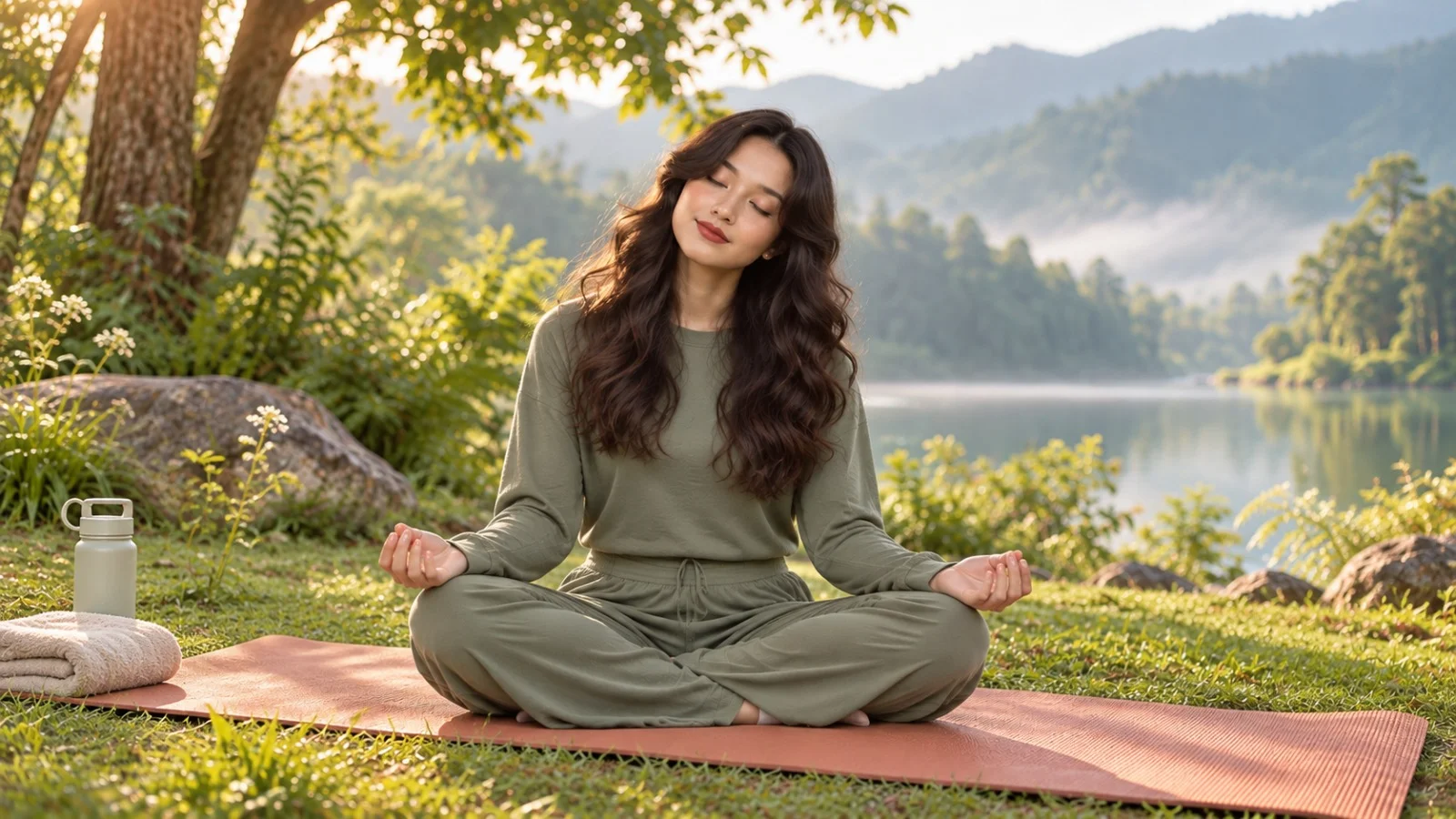
Imagine settling into Downward-Facing Dog, taking a deep breath, and preparing to move into your next pose only to feel your hands slowly sliding forward. Or perhaps you kneel for a stretch and find the hard floor pressing uncomfortably against your knees.
These small distractions can make a yoga session less enjoyable. Often, the solution begins with choosing a mat that suits your body and the way you practice.
The best yoga mats balance grip, cushioning, stability, and durability. You don’t necessarily need a premium model or the thickest mat available. You need one that feels secure beneath your hands and feet, supports your joints, and works for your preferred yoga style. If yoga is part of a wider wellness routine, see our guide to luxury wellness retreats.
Here’s what to check before buying.
1. Grip: The First Thing to Check
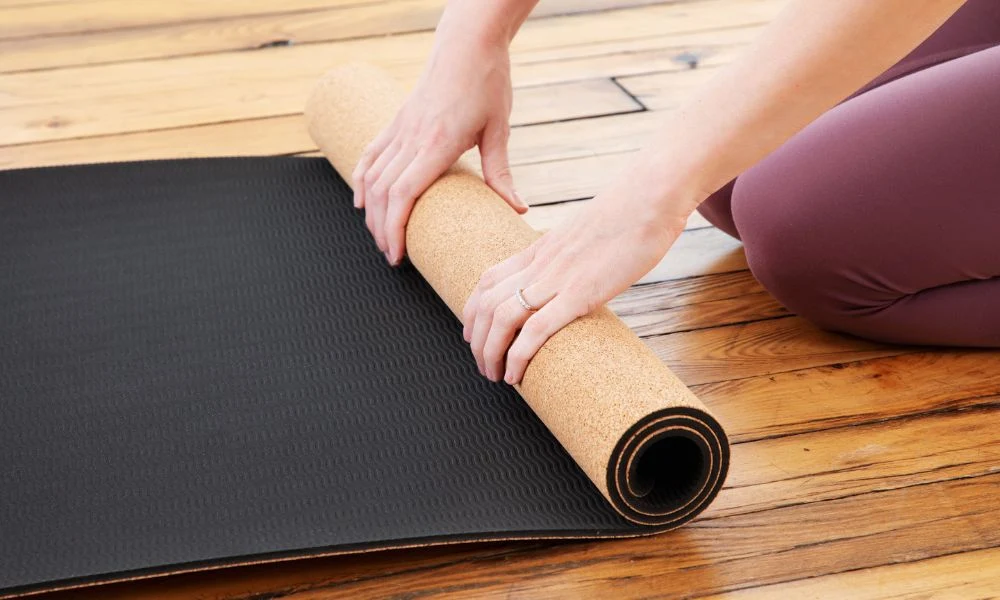
Grip is one of the most important features of a yoga mat. During poses such as Downward-Facing Dog, Plank, and Warrior II, you need your hands and feet to stay in place without constantly readjusting.
Check two types of grip:
- Surface grip: Helps your hands and feet stay steady on the mat.
- Floor grip: Helps prevent the mat itself from sliding across the floor.
If you practice vigorous yoga or sweat heavily, look for a surface designed to maintain traction when damp. Natural rubber and some polyurethane-topped mats are popular choices, while cork surfaces can provide improved grip as moisture increases.
For gentle yoga at home, a well-made mat with reliable dry grip may be sufficient.
Buying tip: If possible, test the mat with your palms and feet. A surface that feels comfortable in a shop should also provide dependable traction during movement.
2. Thickness: How Much Cushioning Do You Need?
A thicker yoga mat can feel more comfortable on hard flooring, especially when your knees, elbows, or hips contact the ground. However, extra padding can make standing balance poses feel less stable.
| Thickness | Best suited for |
| 1–2 mm | Travel and portability |
| 3–4 mm | Balance-focused yoga and a closer connection to the floor |
| 4–6 mm | General yoga practice and a balance of cushioning and stability |
| 6–8 mm | People who prefer extra cushioning for floor-based poses |
These are general guidelines rather than strict rules. Actual firmness varies by material and construction.
For most beginners, a mat around 4–6 mm thick is a sensible starting point. If you have sensitive knees, you might prefer additional padding or a folded blanket under your knees during kneeling poses.
Don’t assume that the thickest mat is automatically the best. Comfort and stability should work together.
3. Material: What Is the Mat Made Of?
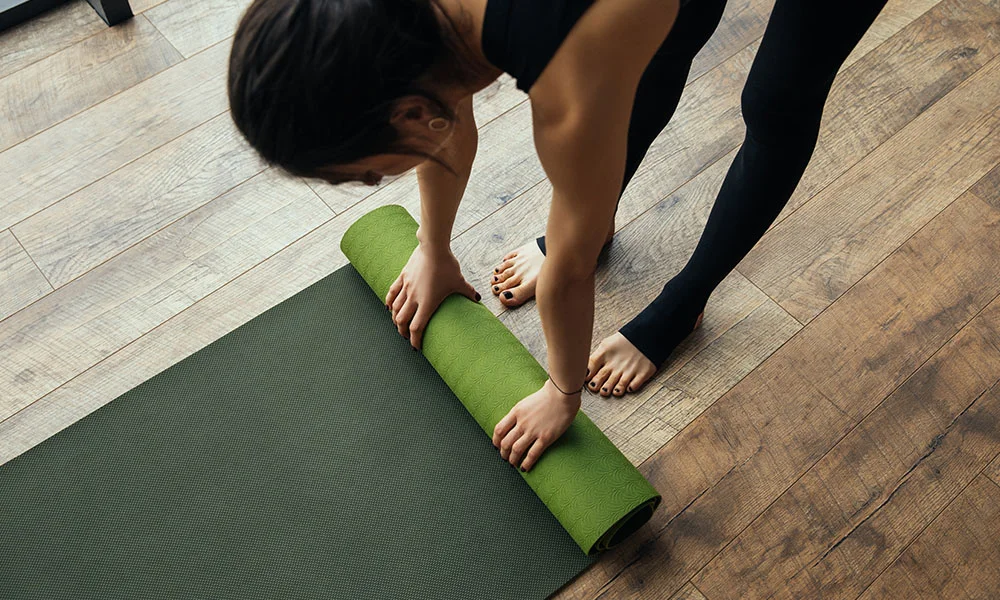
The material affects how the mat feels, how much it weighs, how it grips, and how easily you can clean it.
Natural rubber
Natural rubber mats often offer excellent traction and a firm, supportive feel. They can suit flowing yoga styles where reliable grip matters.
The trade-offs are weight, a possible initial rubber smell, and sensitivity to prolonged sunlight. Natural rubber is also unsuitable for some people with latex allergies.
TPE
Thermoplastic elastomer, or TPE, is commonly used in lightweight mats. It can provide a useful combination of cushioning, portability, and grip.
TPE may be a practical choice for beginners or anyone who wants a mat that’s easy to carry. Quality and durability vary between products.
PVC
PVC mats are widely available and often affordable. They can be durable and provide good grip when dry, depending on the surface design.
Some PVC mats become slippery when damp, so check how the product performs if you sweat during practice.
Cork
Cork mats offer a distinctive natural surface that many people find comfortable under their hands and feet. Grip can improve when the surface becomes slightly damp.
Check the backing material, since cork mats are often paired with rubber or another material. This matters if you have allergies or specific material preferences.
Cotton and jute
Cotton and jute mats offer a different texture and may appeal to people who prefer natural fibers. Their grip and cushioning can differ considerably from conventional rubber or foam mats.
They may be more suitable for certain traditional or gentle practices than for fast, sweaty flows.
4. Size: Make Sure You Have Enough Room
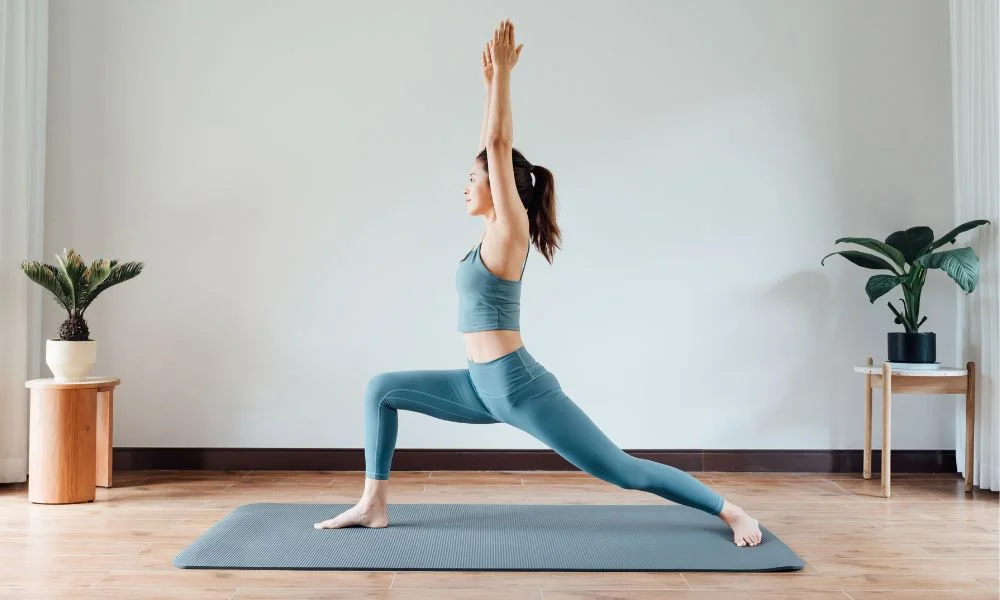
A mat should give you enough space to stretch out without your head, hands, or feet repeatedly extending beyond its edges.
Many standard yoga mats are approximately 173–183 cm long and around 61 cm wide, although sizes vary.
Before purchasing, check:
- Length: Ideally, choose a mat longer than your height so you can lie down comfortably.
- Width: A wider mat can be useful if you have broad shoulders or prefer more room to move.
- Practice space: Make sure the mat fits your available floor area.
- Storage: Consider whether you have enough room to roll it up and store it.
If you’re tall, an extra-long mat may make a noticeable difference during stretching and relaxation poses.
5. Cushioning and Stability
Cushioning and thickness are related, but they aren’t identical. Two mats with the same thickness can feel very different depending on their density and construction.
A soft, squishy mat may feel pleasant when you first stand on it but become less stable during balancing poses. A firmer mat may provide better control but feel uncomfortable during long kneeling sessions.
Consider your usual routine:
- For standing poses and flowing sequences, prioritize stability and grip.
- For restorative yoga and floor-based stretches, consider more cushioning.
- For a mix of yoga styles, look for a balanced, supportive surface.
If you experience persistent wrist, knee, or other joint pain, a mat alone may not solve the problem. Consider modifying poses or seeking advice from a qualified professional. Comfort off the mat matters as well. See our guide to the best mattresses for back pain.
6. Durability: Will It Last?
A yoga mat should withstand regular use without quickly tearing, peeling, or losing its grip.
Check the construction, surface finish, and care instructions before buying. If you’re shopping online, read reviews that discuss performance after several months of use rather than relying only on first impressions.
Look for a mat that:
- Lies flat without curling excessively at the edges.
- Maintains traction with regular use.
- Resists tearing and surface deterioration.
- Can be cleaned without damaging its material.
- Holds up to your typical practice frequency.
A more expensive mat may offer better longevity, but price alone doesn’t guarantee quality. Compare construction and user feedback before paying extra.
7. Weight and Portability
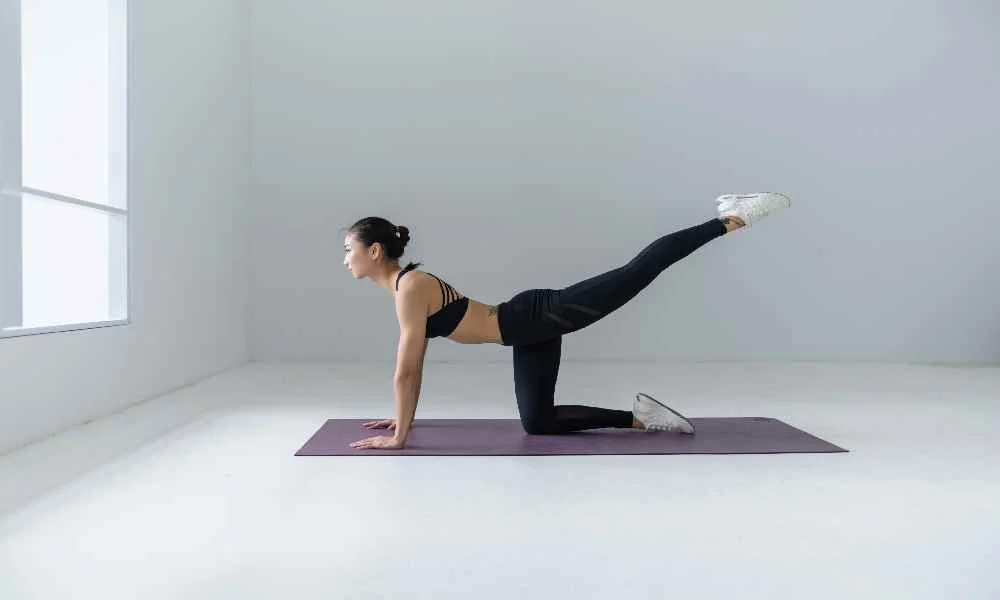
A mat that stays at home can be heavier and more substantial. A mat you carry to classes, the gym, or while travelling should be easy to transport.
Lightweight TPE mats can be convenient for regular commuting. Natural rubber mats may feel more substantial and can weigh considerably more, depending on their size and construction.
If you travel frequently, a thin travel mat may fold or roll more compactly. Keep in mind that travel mats usually provide less cushioning, so you may need to place one over a studio mat or use additional padding for sensitive knees.
8. Ease of Cleaning
Yoga mats collect sweat, dust, skin oils, and residue from the floor. A mat that’s difficult to clean may become unpleasant to use over time.
Before buying, check whether the manufacturer recommends wiping the surface with a damp cloth, using a specific cleaner, or avoiding certain cleaning products.
A few useful habits can help extend your mat’s life:
- Wipe it down after sweaty sessions.
- Allow it to dry completely before rolling it up.
- Avoid harsh chemicals unless the manufacturer confirms they’re suitable.
- Store it away from prolonged direct sunlight and excessive heat.
Some open-cell mats absorb more moisture and require more careful cleaning. Closed-cell surfaces often resist moisture better, although the exact care requirements depend on the product.
9. Check for Allergies and Material Sensitivities
If you have sensitive skin or a known material allergy, review the product specifications carefully.
Natural rubber can be unsuitable for people with latex allergies. Cork mats may also contain rubber backing, so checking only the top surface isn’t enough.
If a new mat causes skin irritation, stop using it until you can determine whether the material or a cleaning product is responsible.
You may also want to air out a new mat according to the manufacturer’s instructions if it has a noticeable manufacturing smell.
10. Price: What Should You Actually Pay For?
A good yoga mat doesn’t have to be expensive. Budget mats can be perfectly suitable for occasional home practice, while frequent practitioners may benefit from investing in a more durable surface.
When comparing prices, focus on:
- Reliable grip.
- Appropriate thickness and firmness.
- Material quality.
- Size and weight.
- Cleaning requirements.
- Expected lifespan.
Decorative patterns, alignment markings, and carrying straps can be useful extras, but they should come after the fundamentals.
If you’re just starting yoga, choose a comfortable, dependable mat before investing in premium features you may not need.
Which Yoga Mat Is Best for Your Practice?
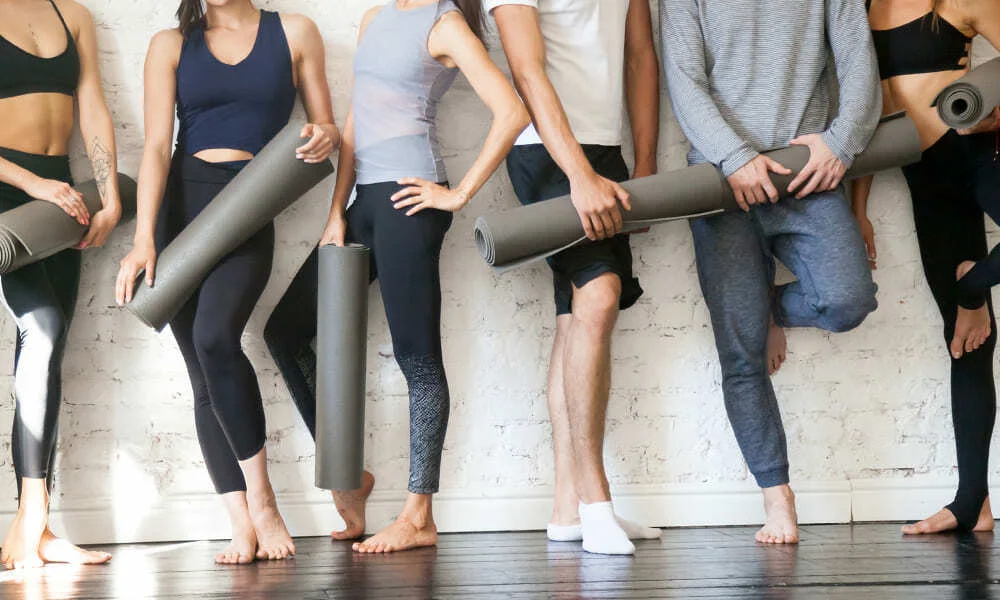
The right mat depends on what you do most often.
| Your practice | Features to prioritize |
| Beginner yoga | Reliable grip, 4–6 mm thickness, easy cleaning |
| Vinyasa or flowing yoga | Strong traction and a stable surface |
| Hot yoga | Grip that handles sweat, plus a suitable yoga towel if needed |
| Restorative yoga | Comfortable cushioning and a supportive surface |
| Balance-focused yoga | A firm mat that doesn’t feel overly soft |
| Travel yoga | Lightweight construction and compact storage |
| Yoga with sensitive knees | Extra cushioning or a suitable knee-supporting accessory |
These recommendations are starting points, not universal rules. Your body, flooring, and personal preferences all affect which mat feels best. For a calm space to practise, see our luxury self-care ideas at home.
Common Mistakes to Avoid When Buying a Yoga Mat
Choosing by appearance alone: A beautiful design won’t help if the mat slips under your hands.
Assuming thicker means better: Too much softness can make standing poses less stable.
Ignoring the underside: A mat with a grippy top can still slide across a smooth floor if its base doesn’t hold securely.
Overlooking sweat: If your hands sweat during practice, a mat that works well when dry may not be the right choice.
Forgetting your height: A mat that’s too short can become frustrating during full-body stretches.
Neglecting cleaning instructions: Incorrect cleaning can damage the surface and affect grip over time.
Frequently Asked Questions
What is the best thickness for a yoga mat?
For general yoga practice, 4–6 mm is a useful starting range. Thinner mats may suit balance-focused practice, while thicker mats can offer more cushioning for floor-based poses.
Is a rubber yoga mat better than a foam mat?
Not always. Rubber mats can provide excellent grip and a firm feel, while foam-based mats may be lighter and more affordable. The best choice depends on your practice style, budget, and material sensitivities.
Which yoga mat is best for beginners?
Beginners should look for a mat with reliable grip, comfortable cushioning, suitable dimensions, and straightforward cleaning instructions. A standard mat around 4–6 mm thick is a reasonable place to start.
Do I need a special mat for hot yoga?
A mat with dependable traction when damp can help during hot yoga. A purpose-made yoga towel may also improve grip and absorb sweat. Follow the mat’s cleaning instructions after each session.
How often should I replace my yoga mat?
There is no fixed replacement schedule. Replace your mat when it develops tears, persistent peeling, significant loss of grip, or damage that affects stability and comfort.
How do I stop my yoga mat from slipping?
Clean the mat according to its care instructions, make sure the floor is dry, and check that the underside grips the surface properly. If sweat makes your hands slippery, consider a mat designed for damp conditions or use a suitable yoga towel.
Final Thoughts
Choosing the best yoga mat starts with understanding how you practise. Grip helps you feel secure, cushioning supports comfort, and the right material affects weight, maintenance, and durability.
For an all-round option, start by comparing mats around 4–6 mm thick, check the grip on both sides, and make sure the length suits your height. Then consider your budget, preferred material, and how often you’ll carry or clean the mat.
The best purchase isn’t necessarily the most expensive one. It’s the mat that lets you focus on your breathing, movement, and poses instead of worrying about slipping or discomfort. To make the most of your practice, pair it with mindfulness journaling.
Disclaimer: This article is intended for informational purposes only.