Fine hair can look noticeably fuller with the right cut and styling, even though a styling trick does not change the thickness of each strand. Hair density is the number of individual hairs growing across a given area of scalp. That count can shape how much coverage you see, while strand diameter affects how each hair feels and behaves.
For many people, a fuller look is a practical styling goal, not a promise of regrowth. The right tips can help you create more volume for the day, save time in your routine, and care for fragile strands. Styling can change the appearance of hair, while treating hair loss may call for a different approach.
We’ll focus on choices you can try at home and explain when a change in fullness deserves more attention. Start by deciding whether the concern is naturally fine strands, a change in fullness, or both.
Key Takeaways
- A lighter cut can help hair hold lift.
- Keep rich conditioner away from roots that flatten easily.
- Change your part or add loose waves for quick visual fullness.
- Use styling products in small amounts to avoid coated roots.
- New shedding or a widening part deserves attention.
Is Fine Hair the Same as Thinning Hair?
A small ponytail can come from fine strands, while a widening part can point to reduced density, and those are not the same thing. Fine hair describes slimmer individual strands; thin hair describes fewer hairs across an area of scalp. A person can have fine strands and plenty of them, or thicker strands with less coverage.
A change in density matters more than ponytail size alone. If your hair has always felt silky and your part has stayed similar, you may have naturally fine hair. If your part is growing wider or your scalp is becoming easier to see, the change may reflect thinning hair.
Treat a new change in density differently from hair that has always been fine, especially if shedding or scalp visibility is increasing.
Inherited traits can affect strand size and the number of follicles that produce hair. Hormonal changes can also contribute to thinning, including changes that happen at different life stages. These are possible factors, not a diagnosis based on appearance alone.
Fine strands can break more easily because each strand has less material to withstand rough handling. Breakage may make the ends look sparse even when the follicles remain active. Short broken hairs near the hairline can look different from full-length hairs shed from the root.
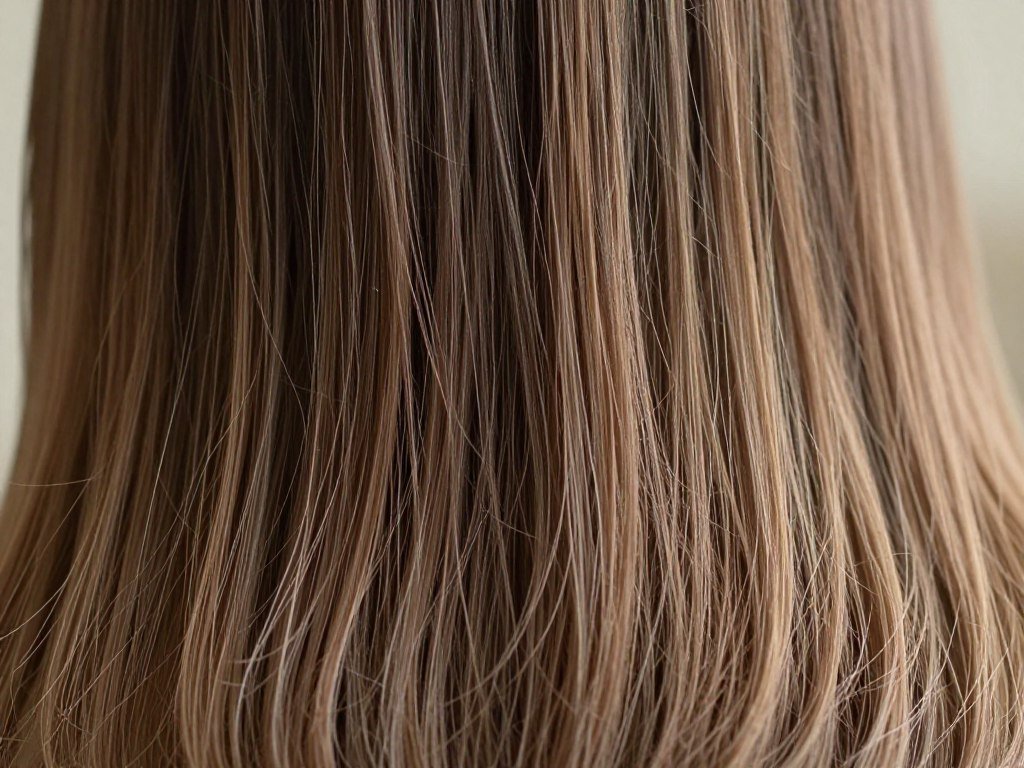
Notice whether the change is gradual or sudden, and whether it affects one area or the whole scalp. A few hairs on a brush do not tell the full story, but ongoing shedding with new scalp visibility deserves attention. Track changes with occasional photos taken in similar light.
Which Shampoo and Conditioner Keep Fine Hair Light?
If fine hair falls flat, start with a lightweight volumizing shampoo and keep conditioner away from the roots. Clean the scalp first, because oil and styling residue can make roots look limp. Choose a formula based on how your scalp feels, not only on the label.
Use conditioner mainly from the midlengths to the ends. That gives dry lengths moisture without adding weight near the roots. A rich mask may suit very dry ends, but frequent use can leave fine strands soft and flat.
Choose a Cleanser for Your Scalp and Hair
A volumizing shampoo is a useful choice when roots fall flat soon after washing. It cleans while aiming to leave strands light, so the top does not feel coated. If your scalp gets oily quickly, a cleansing shampoo may remove oil more effectively.
For the right shampoo, start with your scalp’s needs and adjust if your hair feels dry or heavy. Massage cleanser into the scalp, then rinse well. You can read more about choosing shampoo and conditioner for different scalp and hair needs.
Put Conditioner Where It Helps Most
Lightweight conditioner usually works best on the midlengths and ends, where hair can feel dry or rough. Keep it off the roots if they flatten or become oily soon after washing. Rich masks can help dry lengths, but use them sparingly when volume is a goal.
Repeated styling product use can coat roots and make strands feel heavy. A wash can remove that residue more effectively than adding another layer. A stylist’s example of repeated mousse buildup also shows why more product is not always the answer.
| Product type | Best fit | Where to use | Main drawback |
|---|---|---|---|
| Volumizing shampoo | Flat roots | Scalp | May not suit a dry scalp |
| Cleansing shampoo | Quickly oily scalp | Scalp | Can feel drying if overused |
| Lightweight conditioner | Fine, dry lengths | Midlengths and ends | Can flatten hair if overapplied |
| Rich mask | Very dry ends | Ends | May weigh down fine strands |
If the roots feel coated, cleanse away residue before adding another styling layer.
Which Haircuts Make Fine Hair Look Fuller?
A blunt bob or a textured pixie is often a useful starting point when fine hair loses lift under its own length. Less weight can mean more lift, especially around the crown. Your preferred length and the fullness at the ends should guide the final shape.
A clean perimeter can make the ends appear fuller. Layers can add motion, but too many may leave fine ends looking sparse. Ask a stylist to adapt the cut to your strand texture, density, and preferred length.

Short Cuts and Bobs
A textured pixie removes length that can pull hair down and gives the top room to move. It can work well if you like a short shape and do not mind regular trims. A bob or chin-length cut keeps more length while still reducing some of the weight.
A bob can also give you a clear outline that looks full around the jaw. If you wear a short cut with faded sides, the burst fade haircut guide explains how fade height changes the balance of the top and sides.
Blunt Ends and Strategic Layers
A blunt cut keeps the ends at a similar length, which can make the perimeter look denser. This shape may suit you if fullness at the bottom matters more than lots of movement. Selective layers can lift sections and add movement without thinning every end.
Heavy layering can remove too much visible weight, especially if the ends already look light. Ask your stylist to keep layers focused where you want movement. A few well-placed pieces can change the shape without making the whole cut feel thin.
Bangs and Face-Framing Pieces
Bangs can draw attention to the face and add a strong shape at the front. A soft fringe may blend into the rest of the cut, while a fuller fringe creates a more noticeable edge. Shorter face-framing pieces can add visual interest without changing the back length.
Waves and half-up styles also change how the cut reads from day to day. Bring a photo of the desired outline to a stylist and discuss how much density is available at the ends.
| Cut | Useful for | Fullness effect | Consideration |
|---|---|---|---|
| Textured pixie | Short length and lift | Less weight at the crown | Needs regular shaping |
| Bob | Chin-length fullness | Clear shape around the jaw | Length affects how it sits |
| Blunt cut | Full-looking ends | Strong, even perimeter | Can feel less light and layered |
| Strategic layers | Movement | Lift in selected areas | Too many can thin the ends |
How to Make Your Hair Look Thicker Without Products
Changing a center part to a side or off-center part is a quick way to give the crown a less flat shape. A small shift can change the outline without adding anything to your hair. Try a few positions in the mirror to see which side gives the most lift.
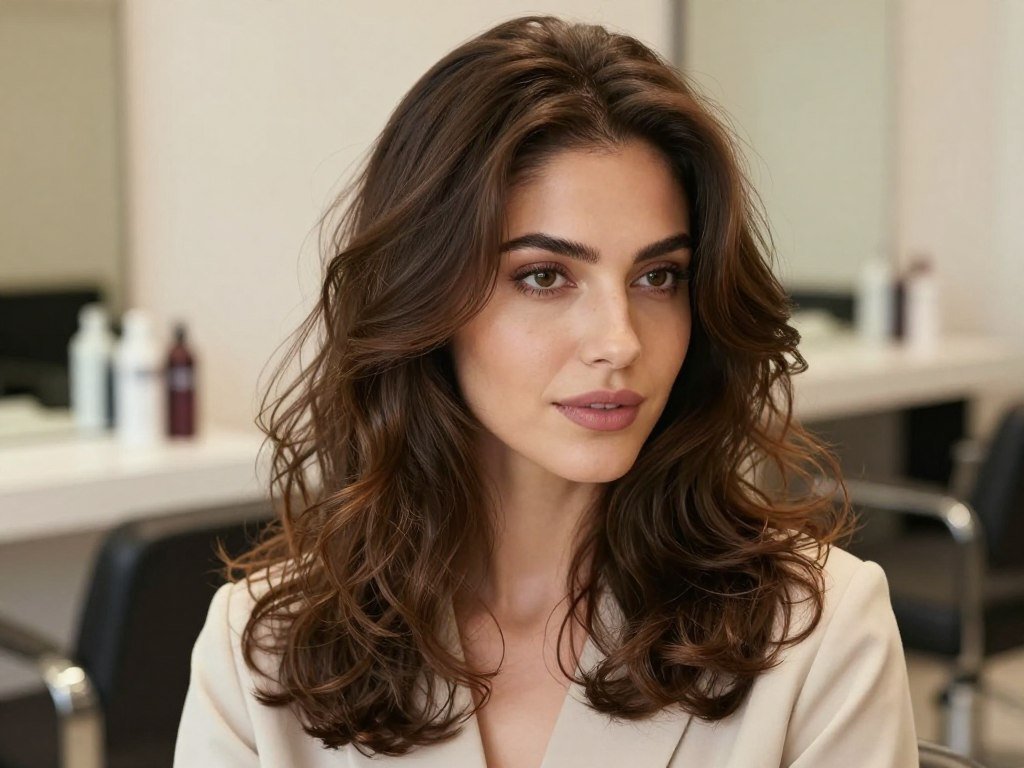
Loose waves add dimension, while a new part can make the crown appear less flat. You can create both effects at home without styling products. Keep any teasing gentle, since hard backcombing can tangle fragile strands.
- Switch to a side or off-center part to change the crown’s shape.
- Make loose waves with an overnight braid or rollers.
- Lift the crown with light backcombing, using only a few gentle strokes.
- Try a half-up style and leave a little looseness at the crown.
An overnight braid gives you a soft wave without a hot tool. Rollers can create more lift near the top, while a braid tends to make waves through the lengths. Keep either style loose to avoid a stiff or overly formal finish.
Light backcombing works by supporting a small section near the roots. Use a gentle hand and avoid repeated passes through the same spot. If backcombing catches or tangles the strands, stop and detangle gently rather than pulling through it.
A half-up style can lift the top while leaving the rest of your hair down. Gather only a small section and loosen the crown slightly with your fingertips. If you want more shape, adjust the part before pinning the hair.
How to Make Fine Hair Look Thicker With Styling Products
For soft lift before styling, start with a small amount of mousse on damp hair rather than spraying hairspray onto wet roots. Mousse works before styling, while hairspray usually finishes the look. The amount and method affect how much body you get.
Start with less product than you think you need. Too much can leave fine roots stiff or heavy, and formulas differ in how they feel. Follow the product directions and add only if the first amount does not give enough hold.
Apply Mousse to Damp Hair
Mousse is a foam styler that you apply before styling. Its polymers can add body, hold, and definition, though results depend on the formula, amount, hair, and method. A light amount focused near the roots can help fine or flat hair.
One hairstylist suggests one pump, combed from roots through the midshaft to the ends, for fine hair. That is an example, not a dose for everyone. Mousse can air-dry, work with a diffuser, or be blow-dried, depending on your style and the directions.
A light root-focused mousse dose can support body without soaking the lengths. Mousse styles hair, but it does not repair damage or change natural strand diameter.
Mousse, Gel, and Hairspray Have Different Jobs
Mousse often gives airy body and flexible definition. Gel often gives a firmer cast and more structured hold, which can help a style keep its shape. Hairspray is usually a finishing mist applied after styling to hold the finished look.
| Product | When to apply | Typical finish | Best use |
|---|---|---|---|
| Mousse | Damp hair, before styling | Airy body | Flexible volume |
| Gel | Damp or wet hair | Firmer cast | Structured hold |
| Hairspray | After styling | Set finish | Hold the completed style |
| Texturizing spray | Usually dry hair | Grip and texture | Piecey, tousled shape |
Use Dry Shampoo and Texture Products Sparingly
Dry shampoo can refresh oily roots between washes and add grip for styling. Texturizing products can create a less polished, more separated finish. Both can help your style hold, but repeated layering may leave roots coated.
Wash when buildup makes roots feel heavy instead of adding more product. If mousse leaves the roots coated or the lengths stiff, wash it out and use less next time.
How Should You Blow-Dry Fine Hair Without Extra Damage?
Start by lifting damp roots as you dry them, and keep the dryer moving instead of concentrating heat on one spot. Airflow can build lift when you direct it underneath the roots and against their usual lay. Finish with a round brush or diffuser, based on your style.
Use a heat protectant and the lowest effective setting. A moving dryer spreads heat across the hair instead of holding it on one area. Air-drying or rollers can work when you do not need a heat-styled finish.
Build Lift at the Roots
Begin by rough-drying the roots, using your fingers to lift sections while air flows underneath. Direct the dryer against the direction your hair normally falls. Once roots are mostly dry, use a round brush for a smooth finish or a diffuser for more texture.
A diffuser can spread airflow across curls or waves, while a round brush helps shape straighter styles. Keep the nozzle moving as you work around the head. A guide to choosing a hair straightener also covers ways to limit heat from other styling tools.
Keep Heat Exposure Controlled
Heat can affect the hair shaft, so avoid directing hot air at one section for a long stretch. A 2025 laboratory study used 30 wet-and-dry blow-dry cycles, defined as equal to daily blow-drying for one month. The tested tresses had lifted cuticles, lower water content, and weaker mechanical properties than untreated hair.
The same 2025 heat-damage model exposed hair tresses to 60°C for 24 hours to simulate one month of daily drying. Those are laboratory conditions, not a personal daily-use threshold. They show why it makes sense to avoid extra heat when a simple air-dry will do.
The 2025 laboratory blow-dry test measured changes after repeated wet-and-dry cycles. Use these four heat-smart steps to keep routine drying more controlled:
- Apply heat protectant as directed.
- Keep the dryer moving across each section.
- Use the lowest effective heat setting.
- Air-dry sometimes or use rollers when heat is not needed.
If you notice new breakage, reduce heated styling and give the hair a break from hot tools.
What Helps When Hair Is Actually Thinning?
Styling can make hair look fuller today, but it cannot promise thicker regrowth within a month. Natural growth takes time; scalp hair grows about one-half inch per month on average, with variation from person to person. Hair care can change appearance, not the natural diameter of each strand.
Sudden or ongoing changes in density deserve a closer look. Hair growth and density can be affected by inherited traits, hormonal changes, health conditions, and some forms of hair loss. A clinician can help sort out the cause rather than relying on a general supplement claim.
What Women Can Expect From Hair Growth in a Month
Women can improve the look of fullness with styling, but natural growth remains gradual. About one-half inch in a month is the average rate for scalp hair, and individual growth can differ. That amount does not promise visibly thicker hair after four weeks.
Hair care and styling can help the existing length look fuller while new growth continues. A change in appearance over a month may come from styling, lighting, or how you part your hair. It does not prove that the follicles have produced denser growth.
What Evidence Supports Hair-Growth Claims?
Cosmetic volume and treatment for hair loss are different goals. Products that make strands look fuller do not treat every cause of reduced density. No single vitamin is the missing nutrient for everyone, so testing and clinician guidance matter before you start supplements.
The American Academy of Dermatology explains that a dermatologist can assess hair loss and may use blood tests or a scalp biopsy to find a cause. Its guidance also recommends biotin, iron, or zinc only when testing shows a deficiency. For female pattern hair loss, the AAD’s guide to female pattern hair loss describes diagnosis and treatment options.
When a Change in Density Needs Assessment
Ask for an assessment if shedding is sudden or persistent, your part is widening, or your scalp has symptoms. A dermatologist can look for signs of female pattern hair loss and other causes. Early assessment may help identify a treatment that fits the cause.
The AAD’s hair loss diagnosis and treatment guide outlines how dermatologists assess changes and choose care. For sudden shedding or a new widening part, ask a dermatologist to assess the change and possible causes.
Which Quick Fixes Can Fill Sparse Areas?
For an immediate change at a visible part or crown, dry-hair fibers or a temporary root concealer can add cosmetic coverage. Coverage is temporary, so these products change what you see rather than create new growth. Pick a shade close to your hair color for a more natural look.
Hair fibers go on dry hair and wash out with shampoo. They can make visible scalp less noticeable along a part or at the crown. Root concealers offer another quick option, often with a spray or powder format.
Instant Ways to Make Hair Look Thicker
Hair fibers cling to existing strands, creating the illusion of more coverage. Apply them over dry hair and keep the product near the sparse area. A root concealer can tint the scalp or roots, which helps reduce contrast around a part.
These camouflage products suit a quick change for a day or an event. They do not treat hair thinning or change hair growth. Use a light hand so the finish does not look heavy, especially where hair separates.
Consider Extensions With Care
Hand-tied, halo, and tape-in extensions can add coverage or length, but they work in different ways. A halo sits around the head, while hand-tied and tape-in options attach to sections of hair. Your own hair needs to support the added weight.
Tension from extensions can stress delicate hair, especially if the fit pulls at the roots. Color dimension can also create a visual impression of depth, but weigh any chemical service against the hair’s condition. Choose the lightest extension option that meets the goal, and stop if it causes pulling or discomfort.
Which Daily Habits Protect Fragile Strands?
A style that repeatedly pulls at the same hairline can create a problem that volume products will not solve. Gentle handling matters when strands break easily or the scalp feels tender. Small daily choices can lower strain before you see visible loss.
Repeated tension can damage follicles and, if it continues, cause lasting hair loss. Tight ponytails, buns, braids, rollers, and long extension wear can contribute to traction alopecia, a form of hair loss caused by pulling. Early habit changes are safer than waiting for visible loss.
Detangle Without Pulling
Work gently through knots instead of yanking fragile strands. Hold a tangled section near the ends, then loosen knots in small steps. Brushing hard through wet or tangled hair can increase breakage, so pause when the brush catches.
Use your fingers or a gentle brush to separate knots a little at a time. If a knot will not loosen, work from its edge rather than pulling from the scalp. A calm detangling routine can prevent a small snag from becoming a painful tug.
Reduce Repeated Tension
Frequently tight ponytails, buns, braids, rollers, and extended extension wear can pull on follicles. Repeating the same tight style can place stress on the same hairline each day. Choose looser styles and change where you place ties or pins.
Use these habit checks to reduce repeated pulling:
- Loosen tight ponytails.
- Vary updos instead of using one style every day.
- Avoid repeated pulling at the same hairline.
- Limit prolonged tension from extensions.
Choose a comfortable style that does not pull, sting, or leave the scalp sore.
A sore scalp is a sign to change the style, not to wait for more volume. Letting the roots rest can reduce repeated strain from your usual routine.
Conclusion
Fuller-looking hair usually comes from matching a few simple choices to what your hair needs. A suitable cut and a lighter styling routine are manageable places to start. You do not need to change every part of your routine at once.
Cosmetic coverage can help for a day, while a new change in density calls for a different response. Pay attention to what is changing, not just what a product promises. That makes it easier to choose an appearance fix or seek help for a health concern.
Try one change this week, and book a dermatologist visit if thinning is new, sudden, or persistent.
FAQ
Is there any way to make fine hair thick?
What vitamin is lacking if your hair is thinning?
Is gel or mousse better for fine, thin hair?
What not to use on fine, thin hair?
What are the downsides of using hair mousse?
What can I use on my hair instead of mousse?
Do I put mousse in wet or dry hair?
What is the most damaging thing for your hair?