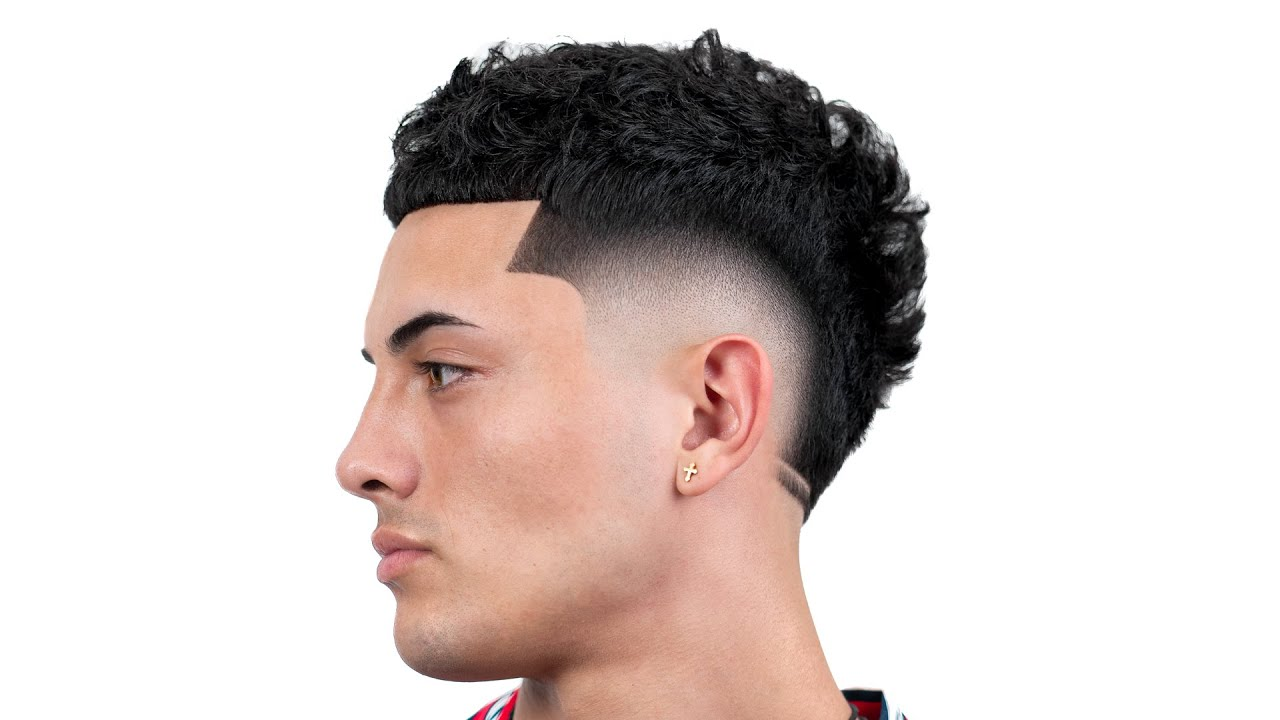
It curves around the ear like no other fade. It works with curls, straight hair, mullets, mohawks, and everything in between. And your barber probably already knows how to cut it you just need to know how to ask for it.
If you’ve been scrolling through Instagram reels or walking past a decent barbershop lately, you’ve seen it. That clean, curved fade that wraps around the ear in a smooth arc not dropping straight down like a regular fade, but bursting outward like a little sunburst carved into the side of the head.
That’s the burst fade. And it’s everywhere right now.
It’s not hard to understand why. The burst fade is one of those rare haircuts that looks equally good on a guy with tight curls and a guy with pin-straight hair. It pairs with mullets, mohawks, textured crops, quiffs, buzz cuts, and pretty much anything you want to do on top. It works for a job interview and a Saturday night.
And unlike some trends that look amazing in photos and terrible in real life, the burst fade actually grows out well which anyone who’s suffered through an awkward two-week-old haircut will appreciate.
This guide covers everything you need to know: what a burst fade actually is, how it differs from the other fades your barber offers, the best variations to try in 2026, how to ask for exactly what you want, which face shapes and hair types it works best with, and how to maintain it between cuts.
Let’s get into it.
What Is a Burst Fade, Exactly?
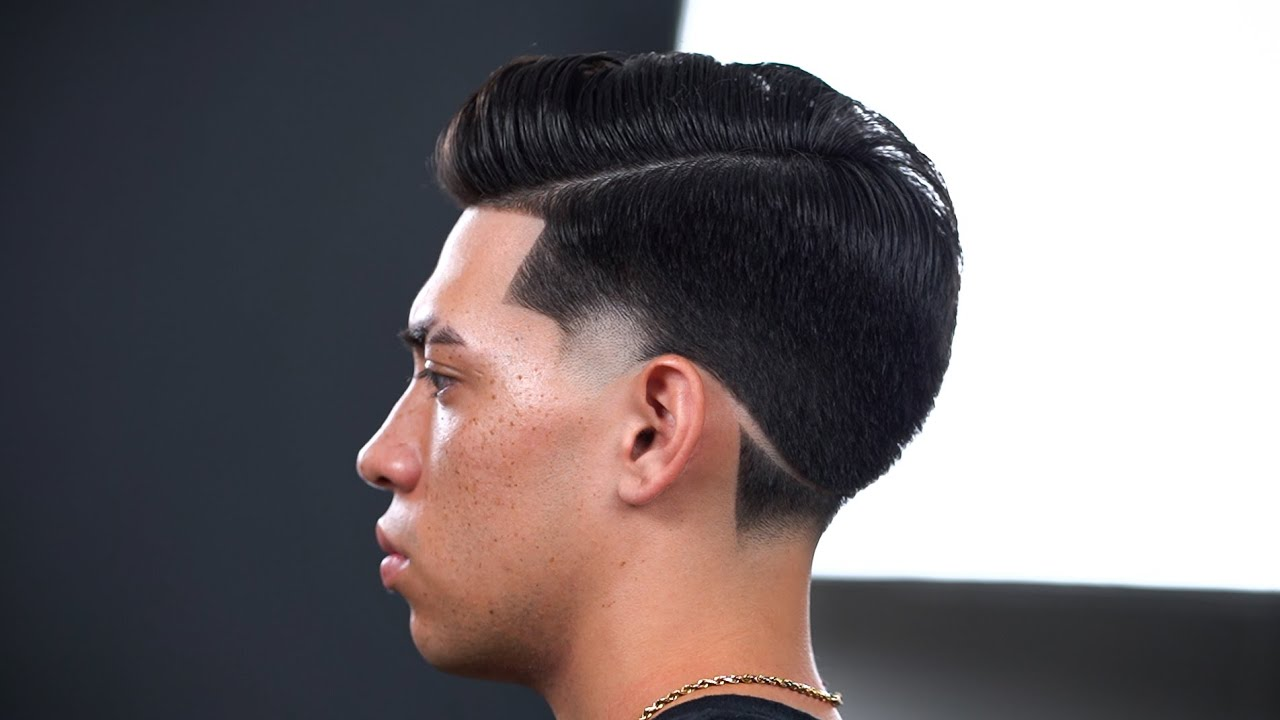
A burst fade is a type of taper where the hair gradually shortens in a curved, semi-circular pattern around the ear rather than following a straight horizontal or vertical line like traditional fades.
Picture it this way. A regular taper fade runs in a relatively straight line from longer to shorter as it moves down the sides of your head. A drop fade does something similar but dips lower behind the ear. A burst fade does something different entirely, it radiates outward from behind the ear in a rounded arc, almost like ripples spreading from a pebble dropped in water.
That curved shape is the signature. It’s what makes the burst fade look distinct from every other fade in the barbershop.
The effect is subtle but noticeable. The area right around your ear is skin-close or very short, and the hair gradually gets longer as it moves away from the ear in every direction upward toward the top, backward toward the nape, and slightly forward toward the temple. The result is a clean, deliberate frame around the ear that draws attention to whatever you’re doing on top.
Burst Fade vs. Drop Fade vs. Taper Fade What’s the Difference?
This is the question that causes the most confusion at the barber’s chair. All three are fades. All three involve gradually shortening the hair on the sides. But they do it in different ways, and the visual result is meaningfully different.
| Burst Fade | Drop Fade | Taper Fade | |
| Fade shape | Curved, semi-circular around the ear | Drops lower behind the ear in a gradual curve | Straight, even gradient from top to bottom |
| Signature look | Rounded “sunburst” around the ear | Low back with gradual transition | Clean, classic, uniform |
| Best paired with | Mohawks, mullets, curly tops, textured crops | Any top style — most versatile fade | Side parts, crew cuts, professional styles |
| Boldness level | Medium to bold | Subtle to medium | Subtle and classic |
| Maintenance | Every 2–3 weeks | Every 2–3 weeks | Every 3–4 weeks |
| Best face shapes | Oval, diamond, heart, round | All face shapes | All face shapes |
The simplest way to remember it: a taper fade goes straight. A drop fade dips. A burst fade curves.
Why the Burst Fade Is the Most Requested Cut in 2026
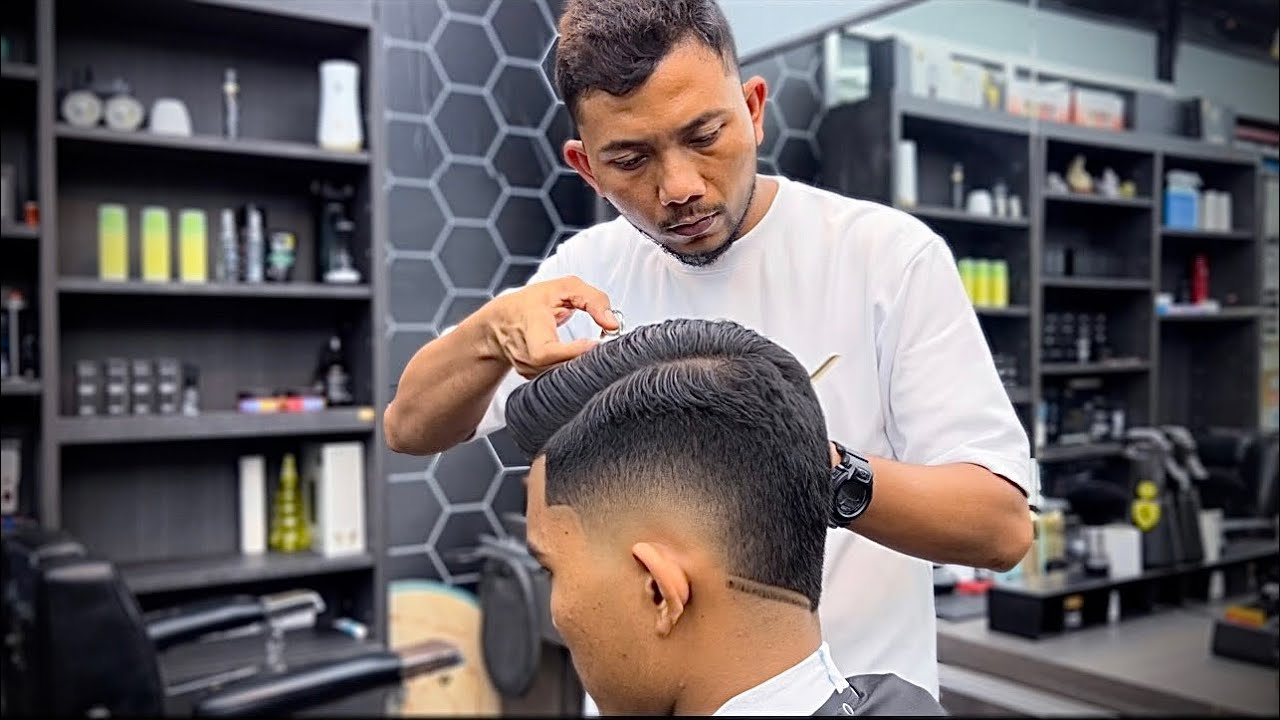
This isn’t just a TikTok moment. The burst fade has been building momentum for years, and 2026 is the year it became the default modern men’s haircut.
A few reasons it’s resonating so strongly right now.
It’s expressive without being extreme. Most men don’t want a haircut that screams for attention. They want one that looks intentional and modern without feeling like a costume. The burst fade hits that sweet spot it’s visually distinctive enough to stand out from a basic taper, but not so bold that it raises eyebrows in a meeting.
It works with literally everything on top. Mullet on top? The burst fade frames it perfectly. Curly afro texture? The burst fade adds structure without fighting the volume. Buzz cut? The burst fade gives it just enough personality. Textured crop? The burst fade provides the contrast that makes the texture pop. No other fade type is this adaptable.
It grows out gracefully. Anyone who’s had a sharp skin fade knows the two-week problem, by day 14, it looks sloppy. The curved shape of the burst fade softens as it grows, which means it looks intentional for longer between barber visits. That’s not a small thing for guys who don’t want to visit the shop every 10 days.
Athletes and influencers normalized it. NBA players, European football stars, and TikTok creators have been wearing burst fades consistently not as a statement, but as a default. When the cut appears on Viktor Gyökeres on the pitch and your favorite creator in a morning routine video, it stops feeling like a trend and starts feeling like the standard.
The Best Burst Fade Styles in 2026
Here are the variations worth knowing about from the subtle to the bold, with honest notes on who each one works best for.
1. Low Burst Fade
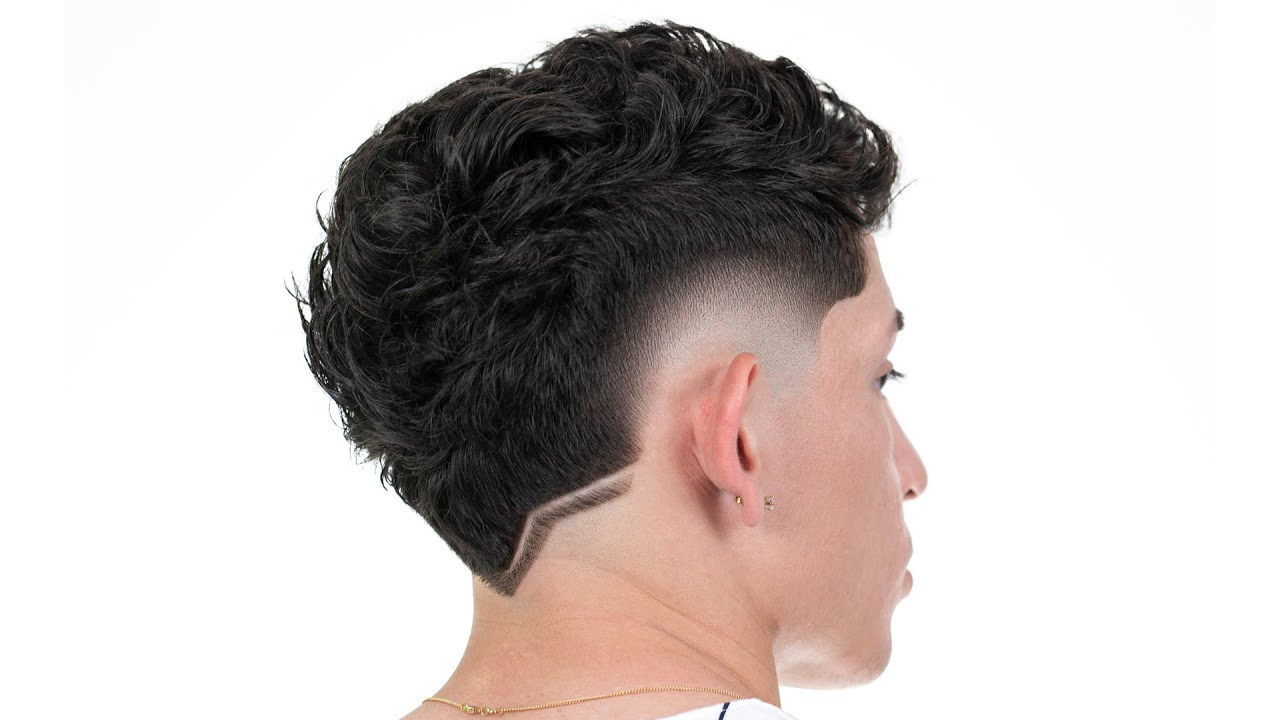
The most subtle version. The fade starts just above the ear and curves gently, leaving most of the side hair intact. It’s barely there and that’s the point.
Best for: First-timers. Professionals. Anyone who wants the burst fade shape without a dramatic contrast. Oval and round face shapes benefit most from the low placement.
Styling tip: A light matte paste and a finger-comb is all you need. The low burst fade is the most effortless version of this haircut.
2. Mid Burst Fade
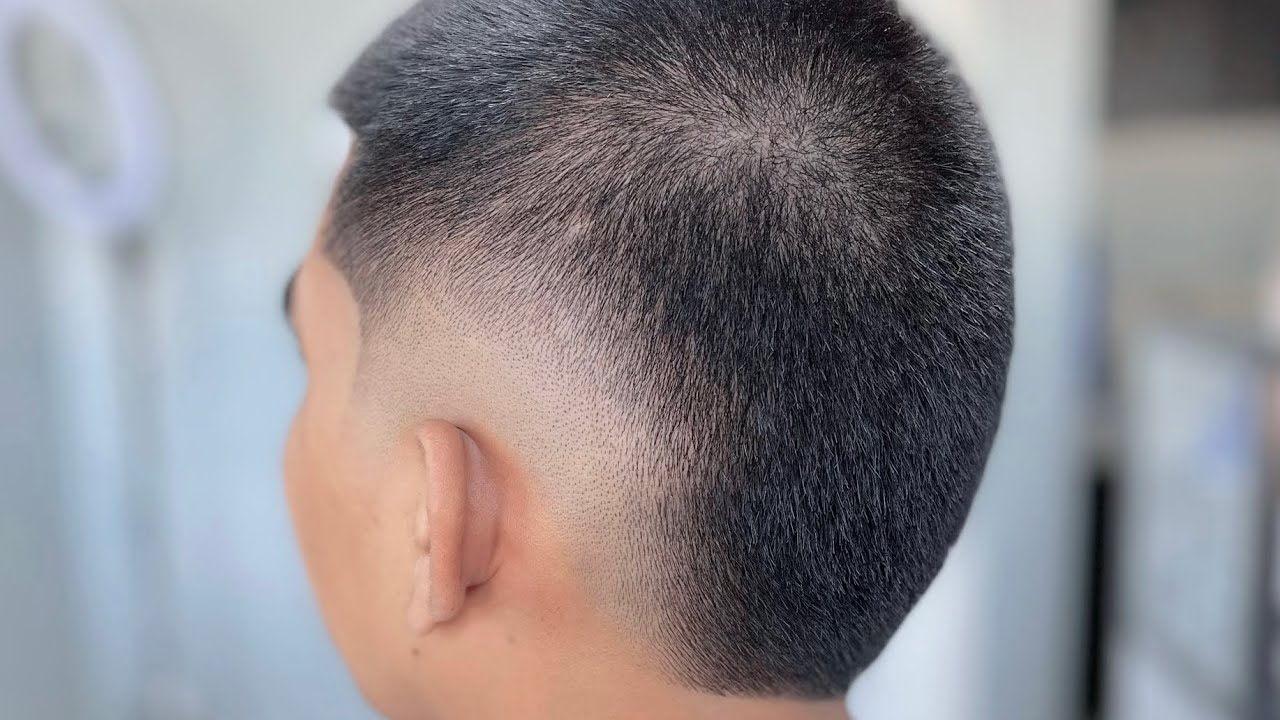
The sweet spot. The fade starts at the mid-point of the sides, creating a noticeable but balanced contrast between the faded area and the hair on top. This is the most popular version in barbershops right now.
Best for: Most men. Seriously the mid burst fade flatters almost every face shape and hair type. It provides enough contrast to look sharp without overwhelming the overall style.
Styling tip: Use texture powder or clay to build volume on top. The mid burst fade looks best when there’s visible contrast between the clean sides and the textured top.
3. High Burst Fade
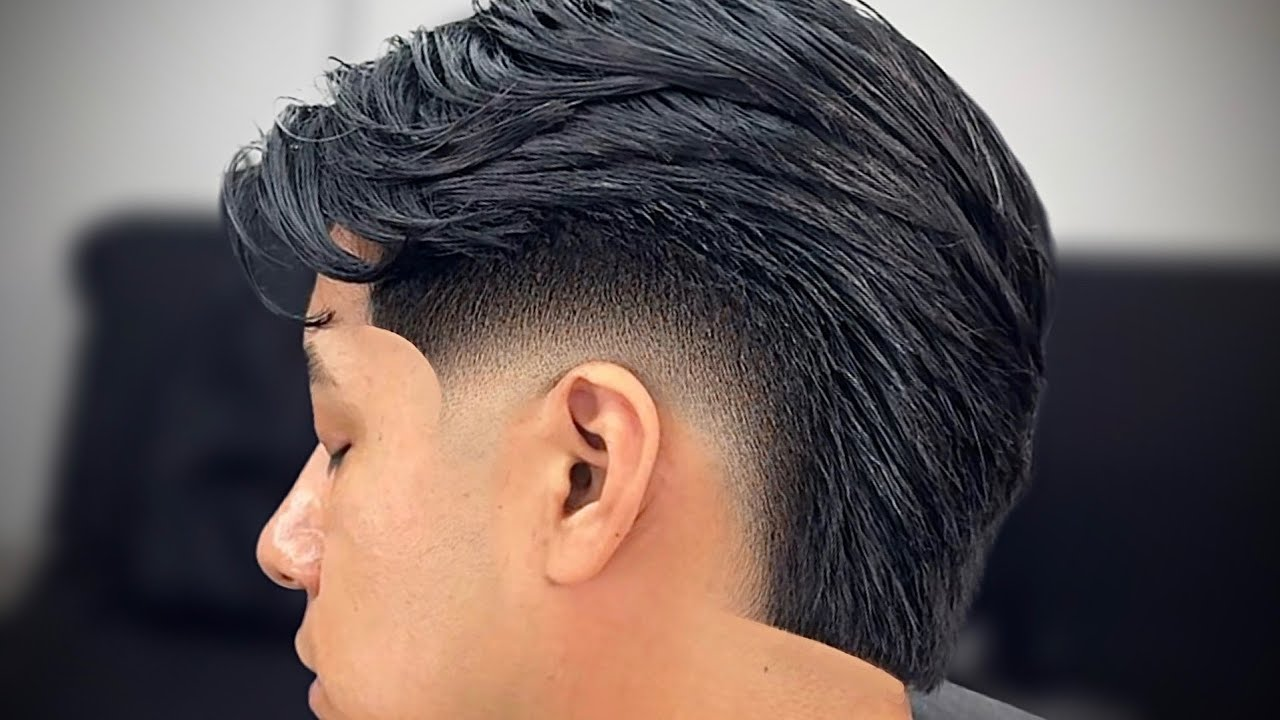
The boldest standard version. The fade starts high on the sides, creating a strong contrast that emphasizes whatever’s happening on top. This is the version you see on athletes and anyone who wants a haircut that makes a statement.
Best for: Men with thick or voluminous hair on top. Oval, diamond, and square face shapes. Works especially well with mohawks, pompadours, and high-volume curly tops.
Styling tip: Blow-dry the top for maximum volume. The high burst fade is designed to create drama lean into it.
4. Burst Fade Mullet
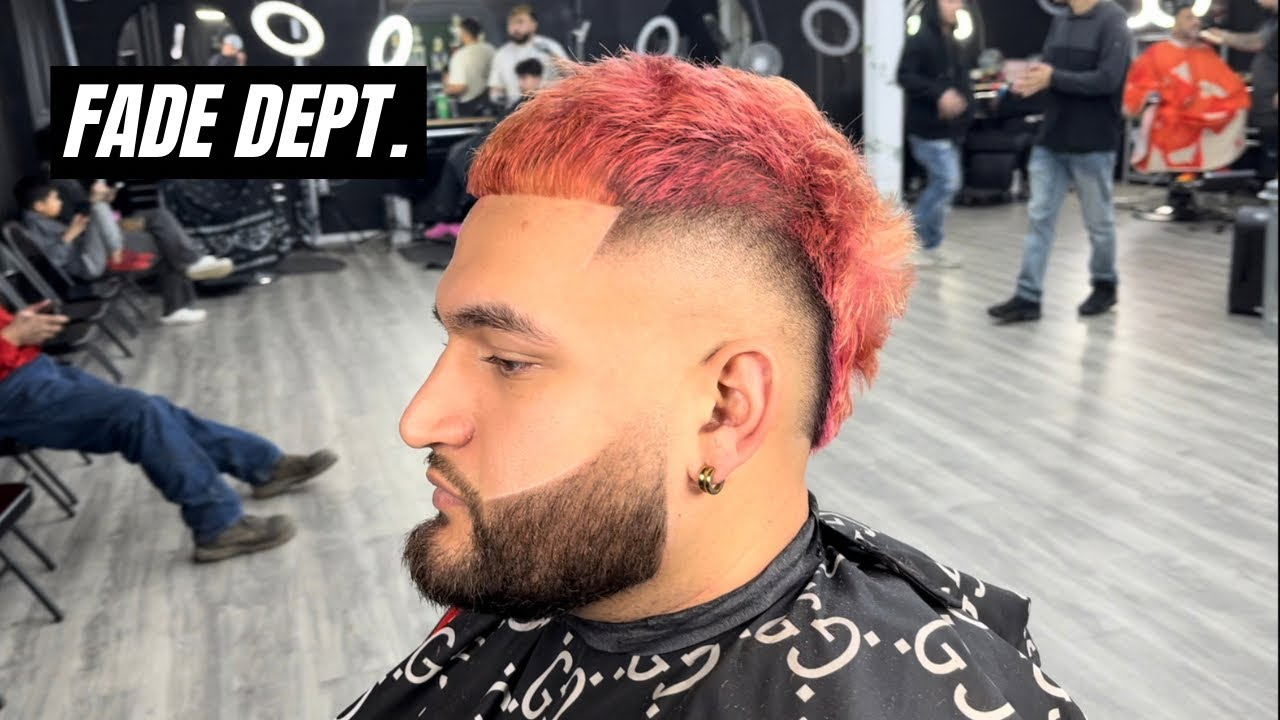
The modern mullet’s best friend. The burst fade cleans up the sides while the mullet length flows at the back, creating a contrast between polished and relaxed that is the defining men’s hairstyle energy of 2026.
Best for: Men who want personality in their haircut. The burst fade mullet works particularly well with wavy or textured hair that has natural movement in the back. Oval, diamond, and heart-shaped faces carry this well.
Styling tip: Blow-dry the back with a round brush for flow, then finish with a lightweight texture spray. The goal is movement, not stiffness.
5. Burst Fade Mohawk (The South of France)
The burst fade mohawk sometimes called the South of France after Usher’s signature cut keeps volume and length down the center while the burst fade curves around both ears. The result is a mohawk shape created by the fade, not by shaving the sides completely.
Best for: Men who want a bold cut without the commitment of a full shaved-sides mohawk. Works across all hair types. Particularly striking with curly or coily textures.
Styling tip: Define the mohawk shape with a blow-dryer and brush, then set with medium-hold clay. The burst fade does most of the work you’re just adding height.
6. Burst Fade with Curly Top
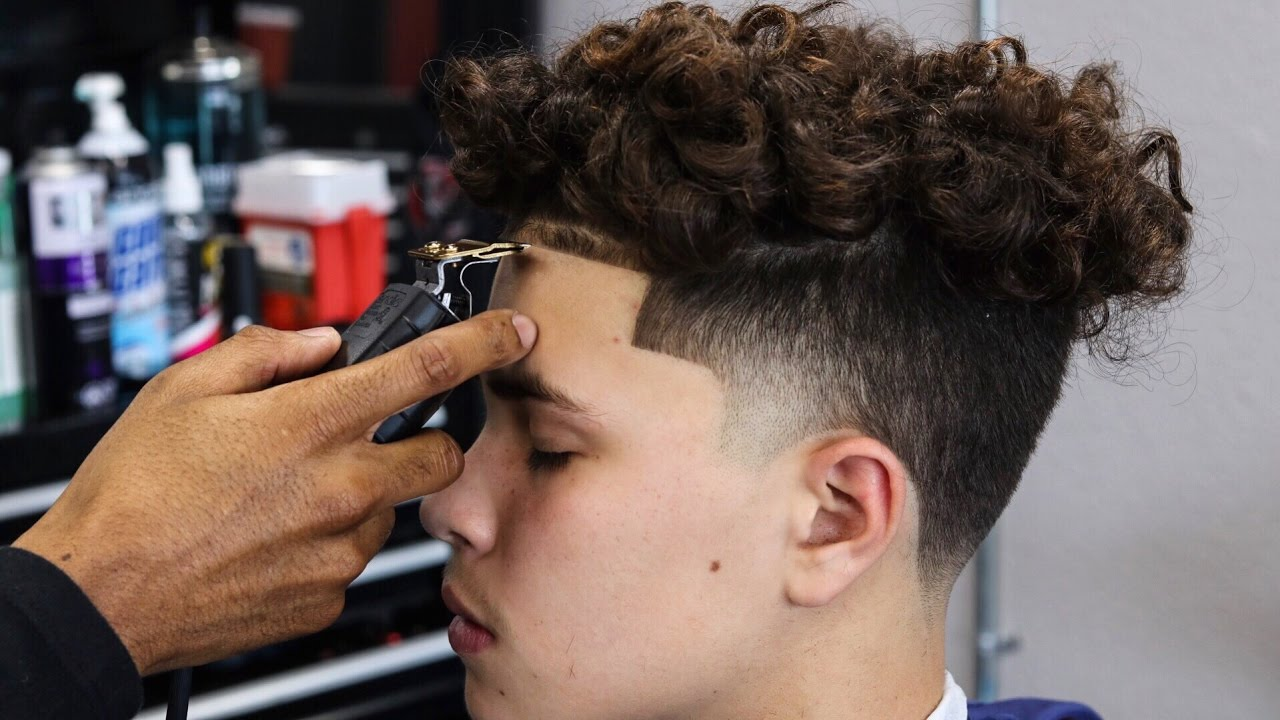
This might be the single most requested burst fade combination in 2026. The burst fade controls the bulk around the ears and sides while the curls on top get full freedom creating a contrast between precision and natural texture that looks effortlessly cool.
Best for: Men with naturally curly or coily hair. The burst fade frames the curls without fighting them. Works across all face shapes.
Styling tip: Apply curl cream to damp hair, scrunch upward, and either air-dry or diffuse. The burst fade handles structure. Your curls handle personality.
7. Burst Fade Buzz Cut
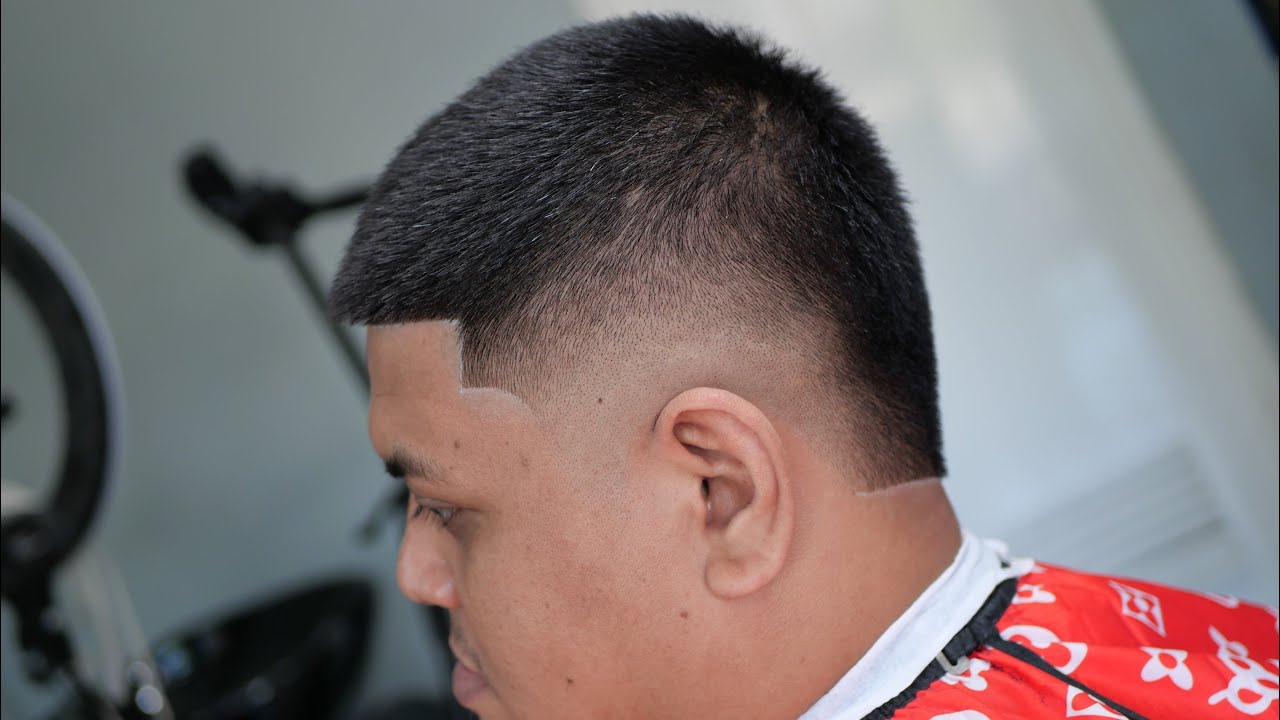
The minimalist’s burst fade. A uniform buzz on top with the curved burst around the ears creating a clean, modern look that requires almost zero daily styling.
Best for: Men who want a sharp look with minimal effort. Works across all face shapes and hair types. The burst adds just enough visual interest to keep a buzz cut from feeling too plain.
Styling tip: None needed. Wash, dry, go. Visit your barber every 2–3 weeks to keep the burst crisp.
8. Burst Fade with Textured Crop
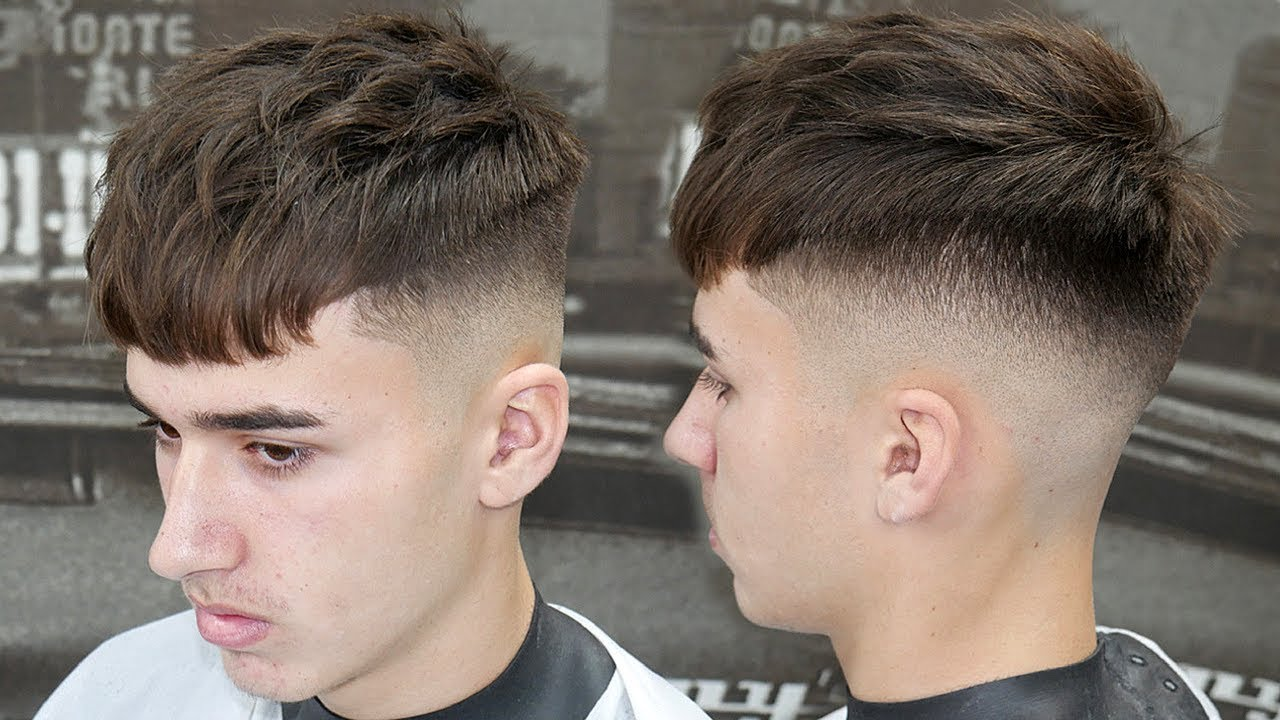
A textured crop adds choppy, layered movement on top while the burst fade provides clean contrast on the sides. This combination is the most versatile option for men who want a modern cut that works in both casual and professional settings.
Best for: Straight, wavy, or slightly curly hair. Oval, square, and oblong face shapes. Anyone who wants a modern haircut that doesn’t require a morning styling routine.
Styling tip: Apply matte clay to towel-dried hair and tousle with your fingers. The texture should look deliberate but not overworked.
9. Burst Fade with Quiff
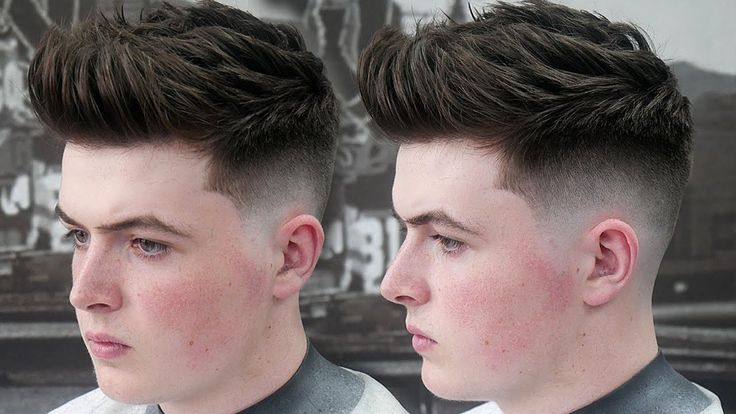
The quiff adds height and volume at the front, while the burst fade keeps the sides sharp and defined. It’s a polished look that reads confident without crossing into flashy territory.
Best for: Oval, oblong, and heart face shapes the volume at the front balances longer faces particularly well. Works best with straight or wavy hair that can hold lift.
Styling tip: Blow-dry forward and upward with a round brush, then use a medium-hold pomade to shape the quiff. Finish with a light hairspray for hold.
10. Burst Fade with Design / Line Art
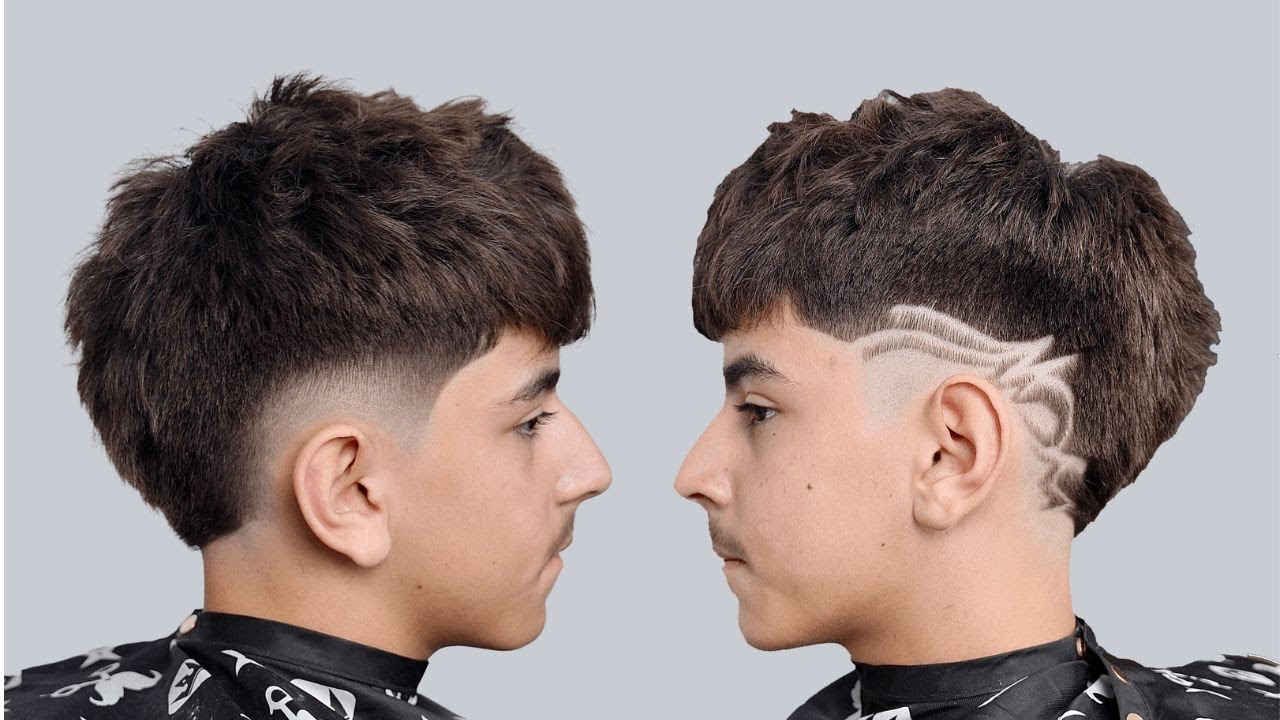
For the guys who want to push it further a burst fade with shaved lines, geometric patterns, or artistic detailing carved into the faded area. This is the boldest version and requires a highly skilled barber.
Best for: Creative types. Anyone who treats their haircut as self-expression rather than maintenance. Looks best with high-contrast burst fades where the design has room to breathe.
Styling tip: The design is the statement. Keep the top simple a textured crop or short curls so the line art doesn’t compete with a busy top style.
Which Face Shape Works Best with a Burst Fade?
The burst fade is more adaptable than most haircuts, but some versions flatter certain face shapes more than others.
| Face Shape | Best Burst Fade Version | Why It Works |
| Oval | Any version you’re lucky | Oval faces are proportional. Everything works. |
| Round | High burst fade with volume on top | Height on top elongates. The high fade slims the sides. |
| Square | Mid burst fade with textured top | Softens the angular jawline without losing structure. |
| Diamond | Low or mid burst fade | The curved shape complements the angular cheekbones. |
| Oblong | Low burst fade with quiff or fringe | Avoids adding too much height. Fringe shortens the face visually. |
| Heart | Mid burst fade with textured crop | Adds width at the sides to balance a narrow chin. |
Which Hair Types Work Best?
Short answer: all of them. But each hair type interacts with the burst fade differently.
Curly / coily hair the burst fade’s best partner. The fade controls bulk around the ears while the curls get freedom on top. Natural texture creates visual contrast without any styling effort. This is the combination driving most of the burst fade’s popularity on social media.
Straight hair — looks clean and sharp. The fade lines are more visible on straight hair, so precision matters. Works best with textured crops, quiffs, and comb-overs where the straight hair can be styled into defined shapes.
Wavy hair — the sweet spot between structure and movement. Wavy hair adds natural visual interest on top while the burst fade provides the clean frame underneath. Minimal styling required — a light cream or salt spray is usually enough.
Thick hair — the burst fade is particularly valuable for thick hair because it removes bulk from the sides without sacrificing length or texture on top. The mid and high versions work best for managing volume.
Thin / fine hair — the burst fade works, but go for a low version. A high burst fade on thin hair can make the top look sparse by contrast. The low version provides the curved shape without exposing too much scalp.
How to Ask Your Barber for a Burst Fade
The difference between a great burst fade and a disappointing one often comes down to communication not skill. Most experienced barbers can cut a burst fade. The challenge is making sure you and your barber are envisioning the same thing.
Step 1: Say “burst fade” specifically. Don’t just say “give me a fade.” There are dozens of fade types. Name the one you want.
Step 2: Specify the height. Low, mid, or high. Each creates a different look. If you’re unsure, mid is the safest starting point.
Step 3: Describe what you want on top. The burst fade is the sides. The top is a separate decision. Textured crop? Curly top? Mullet? Mohawk? Buzz? Tell your barber both parts.
Step 4: Show photos. This is the single most important thing you can do. Find 2–3 photos from different angles of the exact burst fade you want. Show them to your barber before they start cutting. A photo eliminates ambiguity that words can’t.
Step 5: Discuss the neckline. Do you want a tapered neckline (gradually fades into the neck), a blocked neckline (straight line across the bottom), or a rounded neckline (follows the natural hairline)? This is the detail most people forget to specify.
How to Maintain Your Burst Fade Between Cuts
The burst fade looks its sharpest for about 2 weeks after a fresh cut. After that, growth starts softening the lines. Here’s how to keep it looking good for as long as possible.
Visit your barber every 2–3 weeks. This is the honest maintenance schedule. If you stretch to 4 weeks, the burst shape will be mostly gone. Some guys get just the sides cleaned up between full haircuts that’s a smart and cost-effective approach.
Wash with a gentle shampoo. Harsh shampoos strip natural oils and make hair harder to style. A sulfate-free shampoo 2–3 times per week keeps things clean without drying out your hair.
Condition the top. The faded sides don’t need conditioner. The longer hair on top does especially if you have curly or textured hair. Conditioner keeps the hair soft, manageable, and easier to style.
Style with the right product. Match your product to your texture and desired finish:
| Hair Texture | Best Product | Finish |
| Curly / coily | Curl cream or defining gel | Natural, bouncy |
| Straight | Matte clay or pomade | Structured, defined |
| Wavy | Sea salt spray or texture cream | Relaxed, textured |
| Thick | Styling powder + clay | Volume control |
| Fine / thin | Volumizing mousse | Lift without weight |
Don’t touch the fade yourself. Tempting as it might be to clean up the sides with clippers at home, the burst fade’s curved shape requires the skill of a trained barber. A DIY trim almost always results in an uneven or flattened fade that your barber will then need to fix usually by cutting shorter than you originally wanted.
The History: Where Did the Burst Fade Come From?
The burst fade originated in Southern US barbershops during the early 2000s. It grew out of the Black barbering tradition the same community that pioneered skin fades, line-ups, and the technical precision that defines modern men’s grooming.
Initially, the burst fade was most commonly paired with mohawks and naturally curly textures. The term “South of France” used to describe the burst fade mohawk is attributed to Usher, who popularized the combination in the mid-2000s and made it one of the most recognizable men’s hairstyles of that era.
The cut went through cycles of popularity, rising in the late 2000s, quieting down in the mid-2010s as undercuts dominated, and then exploding again in the early 2020s as social media made barbershop culture globally visible.
By 2026, the burst fade has crossed from subculture to mainstream. It’s requested across every demographic, hair type, and age group. And unlike some trends that peak and vanish, the burst fade’s versatility suggests it’s becoming a permanent part of the men’s grooming vocabulary not a seasonal trend.
Common Mistakes to Avoid
Going too high too fast. If you’ve never had a burst fade, start with a low or mid version. You can always go higher next time. But once the hair is cut, you can’t put it back.
Skipping the reference photo. Words mean different things to different barbers. “A burst fade” without a photo leaves too much to interpretation. Always show photos.
Choosing the wrong barber. The burst fade requires genuine skill the curved shape is harder to execute cleanly than a straight taper. If your barber hasn’t done burst fades before, ask to see examples of their work first. Or find a barber who specializes in fades.
Ignoring face shape. A high burst fade on a long, narrow face adds more vertical emphasis the opposite of what that face shape needs. Match the fade height to your face proportions.
Neglecting maintenance. A burst fade that hasn’t been touched up in four weeks doesn’t look like a burst fade anymore. It looks like an unfinished haircut. Budget for regular barber visits or accept that this cut requires upkeep.
What to Expect at the Barbershop
If you’ve never gotten a burst fade before, here’s what the appointment typically looks like.
Your barber will start by understanding what you want this is where your reference photos matter most. They’ll assess your hair type, density, growth patterns, and face shape to determine how to execute the burst fade in a way that works for your specific head.
The cut itself typically takes 30–45 minutes for a skilled barber. The burst fade is more time-consuming than a straight taper because the curved shape requires gradual blending with multiple guard lengths often moving in an arc rather than straight up and down.
Your barber will likely use a combination of clippers (for the fade), scissors (for the top), and possibly a straight razor (for the skin-level detail around the ear and neckline). The detail work around the ear where the burst shape is most visible is where skill matters most.
Expect to pay $30–$60 for a burst fade at a quality barbershop, depending on your location and what you’re doing on top. Some high-end shops charge more. It’s worth paying for a skilled barber a bad burst fade is immediately visible and takes weeks to grow out.
Frequently Asked Questions
What is a burst fade?
A burst fade is a curved taper that wraps around the ear in a semi-circular shape, creating a rounded “sunburst” effect. The hair gradually transitions from skin-close near the ear to longer as it moves away in every direction. It’s distinct from a drop fade (which dips behind the ear) and a taper fade (which follows a straight gradient).
Is the burst fade still trending in 2026?
More than trending it’s become a standard. The burst fade is one of the most requested men’s haircuts in barbershops worldwide. Its versatility across hair types, face shapes, and top styles makes it a permanent addition to modern grooming, not a seasonal trend.
How often should I get my burst fade touched up?
Every 2–3 weeks for a sharp look. The curved shape loses definition faster than a straight taper as the hair grows. Some men get just the sides cleaned up between full haircuts to extend the time between full appointments.
Does a burst fade work with straight hair?
Yes. Straight hair shows the fade lines more crisply, which can look very clean. Pair it with a textured crop, side part, or quiff for the best result. Use matte clay for defined texture.
What’s the difference between a burst fade and a taper fade?
A taper fade follows a straight, even gradient from longer to shorter. A burst fade curves around the ear in a semi-circular arc. The shape is the key difference taper fades are linear, burst fades are rounded.
Can I maintain a burst fade at home?
The top yes. You can style it daily with product. The fade itself no. The curved shape requires the precision of clippers guided by an experienced barber. Home trimming almost always produces uneven results.
How much does a burst fade cost?
Typically $30–$60 at a quality barbershop, depending on location and the complexity of the top style. High-end shops in major cities may charge more. The burst fade takes more time and skill than a basic taper, which is reflected in the price.
Which burst fade is best for beginners?
A low burst fade with a textured crop on top. It’s subtle enough to feel comfortable if you’ve never had a fade before, versatile enough to work in professional settings, and easy to maintain with minimal styling.
Final Thought
The burst fade is popular right now for the same reason the best haircuts are always popular it solves a real problem. Men want a haircut that looks sharp, works with their natural hair, doesn’t require 20 minutes of morning styling, and transitions smoothly between the weekend and the workweek.
The burst fade does all of that. And unlike some trends that require a specific face shape, hair texture, or willingness to stand out, the burst fade adapts to whoever is wearing it. It’s as subtle or as bold as you want it to be. It works with curls, waves, straight hair, thick hair, and fine hair. It pairs with conservative top styles and expressive ones.
That adaptability is why the burst fade isn’t going anywhere. It’s not a trend to ride. It’s a haircut to know.
Save a few photos, find a barber who knows what they’re doing, and ask for exactly what you want.
Your first burst fade won’t be your last.