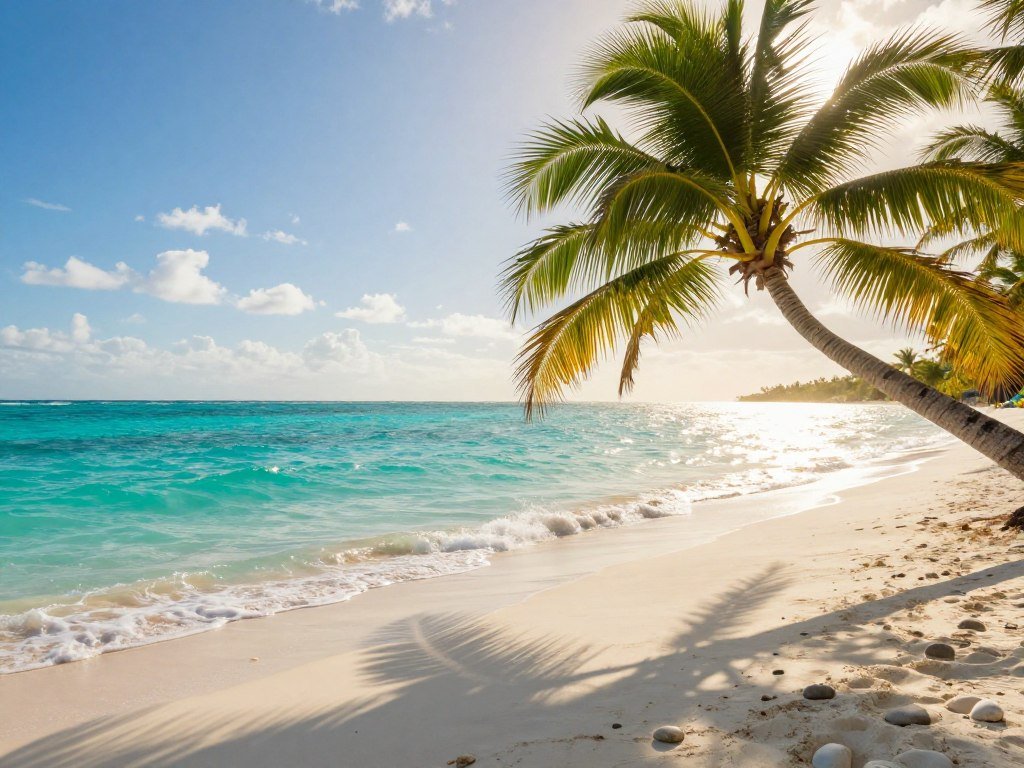
A Caribbean beach trip can mean a calm family swim, a reef-side snorkel or a quiet stretch of sand reached by boat. A reef breakwater is an offshore coral reef that reduces wave energy before it reaches the shore. The best beaches in the Caribbean offer very different days, from bright turquoise shallows to long, open shores backed by palm trees.
This list brings together 15 getaways for different travel styles. Some beaches suit easy swimming, while others draw you to clear water, striking rock formations or a more remote setting. Your best match depends on how much travel effort you welcome, what kind of water you enjoy, and whether you want facilities nearby. Even a beautiful bay beach can feel wrong if it is crowded when you want quiet.
Use these picks to picture the day you want, not to chase one universal winner. Island shape, access and shoreline conditions all change the feel of a beach. Choose the kind of day you want first, then match the island and shoreline to it.
Key Takeaways
- Trunk Bay blends scenic water with a marked snorkel trail.
- Grace Bay is known for gentle surf and a broad shoreline.
- Baradal Beach has calm water sheltered by a reef breakwater.
- The Baths, Rendezvous Beach and Pink Sands Beach stand out for scenery.
- Access, facilities and water conditions can shape the day as much as the sand.
- Plan around current travel guidance, dates and the beach access you prefer.
Best Beaches in the Caribbean for a First Visit
For a first Caribbean beach day, Trunk Bay is the best all-around starting point, while Grace Bay suits gentle swimming and Eagle Beach offers a broad, scenic shoreline. Each gives you an easy way to enjoy a different kind of beach day.
A top-ranked, easy-to-reach beach may feel busier than you want if solitude matters most. Think about your ideal pace before choosing a famous shore.
Trunk Bay, St. John
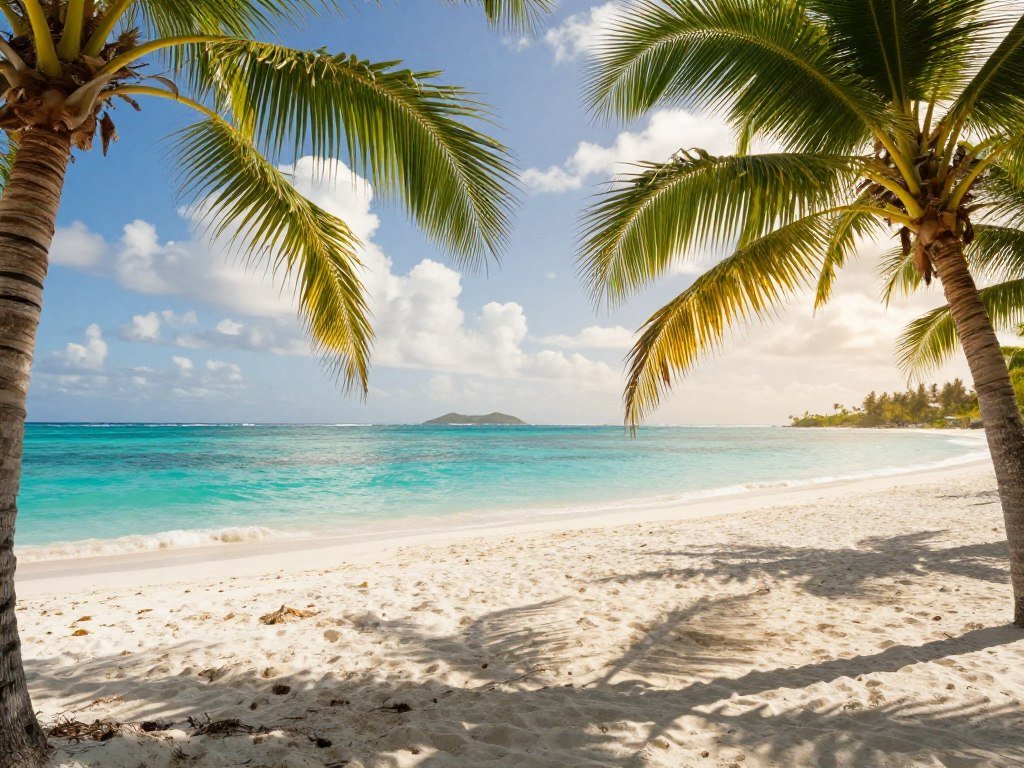
Trunk Bay pairs bright water and soft white sand with a clear snorkeling option. Its 200-metre signposted snorkel trail leads visitors past underwater markers and takes about 30 minutes to an hour. The trail costs $5, so set aside both time and a little cash.
Beach.com ranked Trunk Bay first in its 2026 list of the world’s best beaches. That standing reflects its appeal, though popular shorelines can draw more people than quiet-seeking travelers prefer. For a broad first visit, its mix of scenery and an easy-to-follow water activity makes a strong case.
Grace Bay Beach, Providenciales
Grace Bay is a strong fit when calm swimming matters more than a marked activity. An offshore barrier reef helps protect the bay, and surf is typically calm and gentle for children. Its long stretch of sand also leaves room for a relaxed beach day.
It ranked third in Beach.com’s 2026 list. You can pair its clear waters with a resort stay, boat trip or snorkeling plan. Travelers comparing stays can also read about luxury travel destinations that feature Turks and Caicos.
Eagle Beach, Aruba
Eagle Beach offers a wide shoreline and room to spread out beneath Aruba’s open sky. Its classic island look makes it an easy choice when you want sand, water and space without planning a special excursion.
Beach.com placed Eagle Beach tenth in its 2026 ranking. All three beaches make good first-trip options, but their appeal differs: marked snorkeling at Trunk Bay, gentle surf at Grace Bay, and a roomy shore at Eagle Beach. At Trunk Bay, leave 30 minutes to an hour for the signposted snorkel trail.
A highly ranked, accessible beach can be busier than a traveler seeking solitude wants.
Caribbean Beaches for Reef-Side Snorkeling and Clear Water
Baradal Beach is the pick here for sheltered water, with the reef breakwater around Tobago Cays Marine National Park helping calm the sea. Its protected setting makes it the clearest choice for a calm-water day.
Reef-side beaches also reward you with views beneath the surface, but conditions can change from one day to the next. A calm-looking sea does not replace local swimming guidance.
Flamenco Beach, Culebra
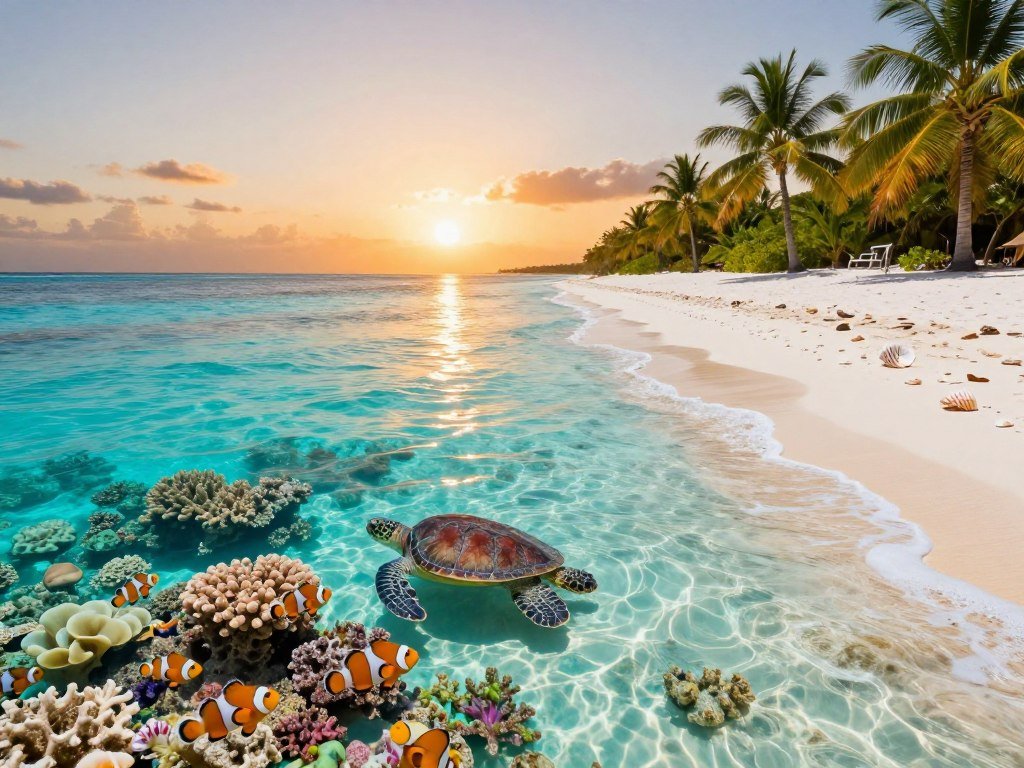
Flamenco Beach combines clear water and a broad arc of sand on Culebra. It works well for a day built around swimming and time near the shore, with the sea itself taking the lead. Its setting has helped make it one of the best-known beaches in the region.
Beach.com ranked Flamenco Beach fourth in its 2026 list of the world’s best beaches. If you want more ideas for reef-side trips, snorkeling destinations around the world include Caribbean reef sites and guided outings.
Baradal Beach, Tobago Cays
Baradal sits within Tobago Cays Marine National Park, where a coral reef breakwater surrounds the park on almost all sides. That reef helps keep water at the beach calm, making this the strongest fit in this group for a sheltered swim.
Reefs give the shoreline a natural shield, but they also make local knowledge useful. Water near a reef edge can feel different from a sandy cove, and wave patterns may shift during the day. Enjoy the view without treating a quiet surface as a promise of safe conditions.
Sugar Beach, St. Lucia
Sugar Beach sits between St. Lucia’s Pitons, with steep green slopes rising behind the shore. The nearby marine reserve adds a water-focused reason to visit, while the setting gives the beach a dramatic frame.
Choose this shore when the view matters as much as time in the sea. Reef edges and changing surf can affect a swim even when the beach looks calm from land. Check local conditions before entering the water, especially where reef edges or changing surf affect the swim.
Where to Find Caribbean Beaches with Unusual Sand and Scenery
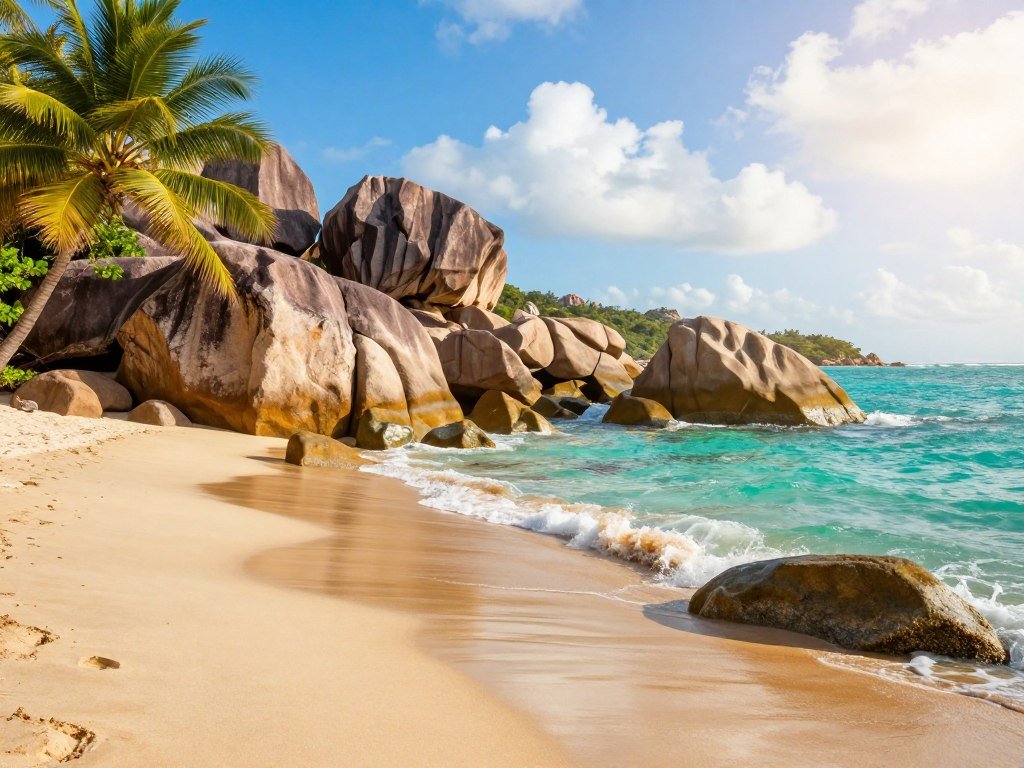
For an unusual natural setting, The Baths on Virgin Gorda pairs beach coves with giant granite boulders and passages through caves. Its rock formations make it the strongest choice for dramatic scenery.
Rendezvous Beach offers a rare white-sand shore on Montserrat, while Pink Sands Beach gives The Bahamas a blush-colored shoreline. Distinctive color adds beauty, but it does not promise ideal swimming conditions.
The Baths, Virgin Gorda
The Baths brings large granite boulders down to the water, where they form shallow pools, caves and narrow passages. You can move between coves and rock spaces for a beach day with more texture than a simple stretch of sand.
The British Virgin Islands National Parks page describes the granite boulders and the trail through caves and water toward Devil’s Bay. The BVI National Parks information also notes a 15-minute hike from the top of The Baths to Devil’s Bay.
Rendezvous Beach, Montserrat
Rendezvous Beach is Montserrat’s only white-sand beach, which makes it unusual on an island better known for volcanic scenery. You can reach it by a short boat ride from Little Bay or a short hike. The approach adds a sense of separation from the island’s busier spots.
Its pale shore gives you a striking contrast with the surrounding landscape. The beach suits visitors who want a distinct shoreline and do not mind planning a little extra effort to get there.
Pink Sands Beach, The Bahamas
Pink Sands Beach takes its name from the soft pink tint in its sand. It offers a very different look from a classic white-sand bay, especially when the color meets clear water and open sky.
Sandy Island in Carriacou is another pink-sand choice, with tide pools and palm trees. For a darker contrast, Coconut Beach in Dominica has black sand and small cabanas where travelers can stay. Color and scenery alone cannot tell you how the water will behave. Choose the shoreline for its scenery, then check the day’s water conditions separately.
Quiet Caribbean Beaches Worth the Extra Effort
Neltjeberg Beach is the strongest pick for a low-facility escape, but reaching it means hiking and going without beach amenities. Bring what you need before you set out.
Île Tintamarre offers an offshore outing with a chance to see sea turtles, while White Bay has a livelier beach-bar feel. Quiet and convenience can pull in different directions.
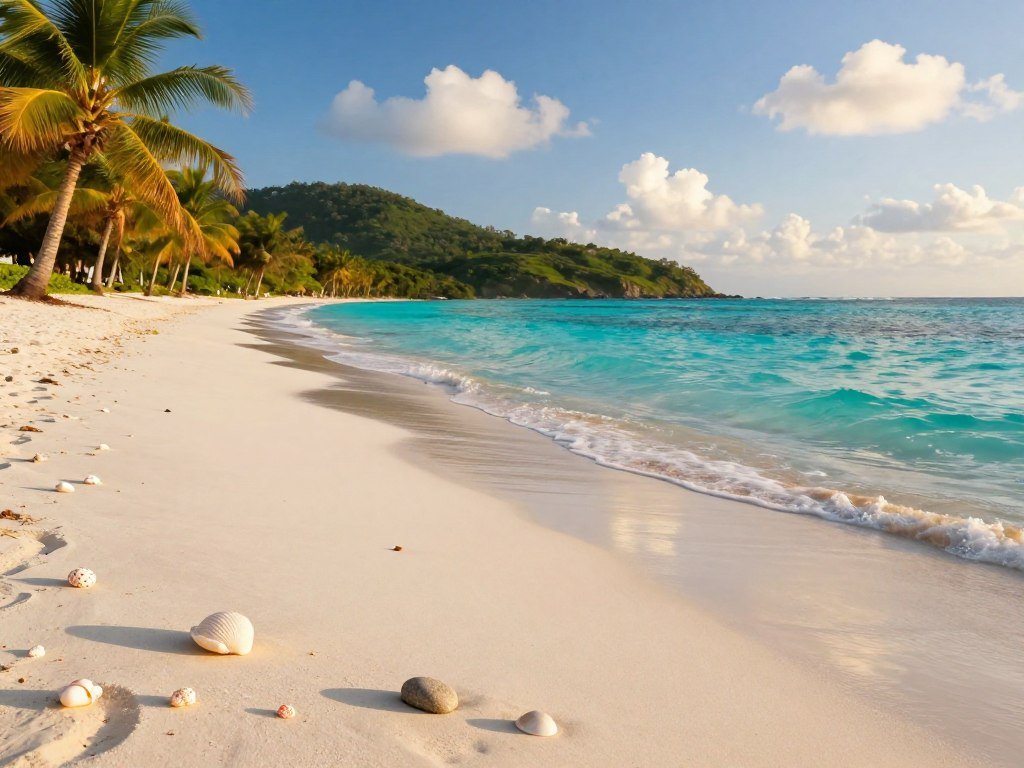
Île Tintamarre, St. Martin
Île Tintamarre lies off the northeast coast of St. Martin, giving the visit a more remote feel than an easy roadside beach. Visitors may see sea turtles in the water, which can make the trip especially appealing to wildlife lovers.
Its appeal is the time spent away from a built-up beach scene. Treat a turtle sighting as a possibility, not a guarantee, and keep wildlife at a respectful distance.
Neltjeberg Beach, St. Thomas
Neltjeberg has no facilities and requires a hike to reach. That combination helps make it a good choice when you want fewer conveniences and a quieter setting. The tradeoff is simple: there is no beach bar or nearby service to fill gaps in your plans.
Consider the effort and the lack of amenities before committing to the day. Bring water and anything else you will need for the day at Neltjeberg.
White Bay, Jost Van Dyke
White Bay has a different kind of draw: a beach-bar atmosphere centered around the well-known Soggy Dollar Bar. It can suit you if a drink or a meal near the sand belongs in your ideal beach day.
The bar adds convenience, but it also means the bay is not the best match for everyone seeking an empty shoreline. Decide whether you want a social stop or a quieter stretch before you choose. A beach can feel peaceful at one end and lively near a bar, so your spot on the sand matters too.
Long Caribbean Shorelines for a Full Beach Day
Seven Mile Beach is the practical pick for a full day on a long, developed shoreline, while Sandy Point and Tropic of Cancer Beach offer different natural settings. Choose Seven Mile Beach for easy access to a built-up shore.
The name does not promise a measured seven-mile walkable stretch. Sandy Point also has seasonal access limits, while Tropic of Cancer Beach sits on Exuma in The Bahamas.
Sandy Point, St. Croix
Sandy Point National Wildlife Refuge ranked seventh in Beach.com’s 2026 list of the world’s best beaches. Its natural setting makes it an appealing choice for a long, scenic day when the beach is open to visitors.
Sandy Point Beach closes to visitors for half the year while leatherback turtles nest. That closure affects when you can build a St. Croix outing around the shore, so plan around access rather than assuming it is open year-round.
Tropic of Cancer Beach, Exuma
Tropic of Cancer Beach sits on Exuma in The Bahamas and ranked twentieth in Beach.com’s 2026 list. Its natural setting offers an alternative to the more developed shoreline of Grand Cayman.
The beach suits travelers who want a scenic stretch of sand and room to spend much of the day outdoors. Keep its location in mind when planning island travel, since a beach choice also shapes how you organize the wider trip.
Seven Mile Beach, Grand Cayman
Seven Mile Beach gives you a long, developed shoreline with services and places to pause. That setup makes it a useful option when you want a full beach day without relying on a remote setting or a special excursion.
Despite its familiar name, do not treat Seven Mile Beach as a guaranteed measurement of the walkable distance. Shorelines and usable stretches can differ from what a name suggests. Check Sandy Point’s seasonal access before building a St. Croix day around it.
How to Match a Caribbean Beach to Your Vacation Style
The best beach vacations in 2026 start with the kind of day you want, not with a single island claiming to suit everyone. Match your preferred water, scenery and access effort before choosing a beach.
That approach works for the best tropical vacations in 2026 as well as shorter island trips. A good choice fits your group’s plans, not simply a list of famous spots.
| Vacation style | Beach match | Reason |
|---|---|---|
| Reef snorkeling | Baradal Beach, Tobago Cays | Reef breakwater helps calm the water |
| Protected family swimming | Grace Bay Beach | Offshore reef helps keep surf gentle |
| Dramatic scenery | The Baths, Virgin Gorda | Granite boulders, caves and pools |
| A quieter escape | Neltjeberg Beach | No facilities and hiking access |
There is no one best beach for every trip. Seven Mile Beach on Grand Cayman suits a developed shoreline day, while remote spots ask more of your time and planning. Tahiti Beach on Elbow Cay in The Bahamas has a peninsula shape, a useful example of how shoreline form can shape a beach day.
If you are weighing beach trips beyond the Caribbean, compare beaches in Greece by their swimming, scenery and access styles. The same questions help you sort options without chasing a single perfect spot.
Use this short list to narrow your choices:
- Decide what water conditions you want.
- Estimate how much travel effort feels right.
- Consider whether you need facilities near the sand.
- Choose how much snorkeling or scenery matters to your group.
Small details can change the mood of a day. A narrow peninsula, a protected bay or a long developed shore can shape where you swim and how you spend time. Narrow your shortlist to two beaches, then compare the access and conditions that matter most to your group.
What Anguilla’s Discount Card Covers
The Anguilla Card costs $55 and can cover up to six people traveling together for one year from purchase. It gives a 10% discount at participating businesses.
The card may help when your group plans to use several local services. The discount applies at participating businesses, not automatically at every business on the island.
For a group of up to six, one card covers the people traveling together under its terms. Its one-year validity gives you time to plan, but it does not mean every visit or purchase receives a lower price.
The discount can apply across several types of travel spending. Look at the businesses you expect to use, then decide whether the card’s price makes sense for your plans.
- Hotels and villas
- Restaurants and beach bars
- Transport providers
- Tour operators
These categories can matter on a trip where meals, local rides and activities add up. A traveler who plans to stay in one place and use few services may find fewer chances to use the card.
Some shops or service providers may not take part, even when they fit one of these categories. The discount depends on each business’s participation, so do not assume a beach bar or hotel accepts it just because similar businesses do.
Compare the card cost with the places on your own itinerary. Check that the businesses you plan to use participate before relying on the discount.
When Should You Plan a Caribbean Beach Trip?
February is a useful beach-planning month in Jamaica and Barbados, where average highs reach 28°C and sunshine averages 9 hours a day. December to April is the Caribbean’s high season, when prices are higher.
Jamaica averages 43 mm of rainfall in February, while Barbados averages 46 mm. The price tradeoff matters too, since high demand can make popular dates more costly.
| Period | Weather or travel pattern | Price or planning implication |
|---|---|---|
| December-April | Caribbean high season | Prices tend to be higher |
| Christmas to Easter | Peak tourist-price period | Expect stronger demand |
| June 1-November 30 | Official Atlantic hurricane season | Plan with weather flexibility |
| Mid-August to early October | Highest hurricane concern in the Caribbean | Use flexible plans and insurance |
For a Caribbean beach vacation in 2025, the same seasonal factors applied: winter high season brought higher prices, and hurricane season ran from June through November. The calendar helps you weigh weather and cost, but February’s climate figures offer a specific comparison for Jamaica and Barbados.
Jamaica’s February average high is 28°C, with 9 hours of sunshine and 43 mm of rainfall. Barbados also averages a 28°C high and 9 hours of sunshine, with 46 mm of rainfall. These figures help set expectations, not promise the exact conditions on a chosen day.
The Atlantic hurricane season officially runs from June 1 to November 30. The period of highest hurricane concern in the Caribbean runs from mid-August to early October. Consider travel insurance and flexible plans when booking within hurricane season.
What U.S. Travelers Should Know About Caribbean Safety
U.S. travelers should check the current advisory for each destination, and Turks and Caicos is listed at Level 2, Exercise Increased Caution, because of crime. A destination advisory is a starting point, not a blanket verdict.
Most reported crime in Turks and Caicos occurs on Providenciales, its most populated island and home to many resorts. Firearms rules are strict, and a forgotten bullet in carry-on or checked luggage can lead to arrest.
Do not label an entire island or country universally unsafe. Current advisories, local conditions and your own needs shape the choice. Use a destination’s specific guidance rather than relying on a broad reputation.
Before a trip to Turks and Caicos, make these checks part of your travel routine:
- Review the current U.S. State Department advisory for your destination.
- Note that most reported crime in Turks and Caicos occurs on Providenciales.
- Inspect every bag for ammunition before flying.
- Do not assume a U.S. firearm permit is valid abroad.
Turks and Caicos strictly enforces its firearms laws. A forgotten bullet in luggage can cause serious trouble, even if you did not intend to bring ammunition. U.S. firearm permits are not valid there.
These rules matter whether you plan to stay at a resort or spend time away from it. Check the details that apply to your own trip, and do not carry a firearm based on a U.S. permit alone. Inspect both carry-on and checked bags for ammunition before leaving for Turks and Caicos.
Which Caribbean Beaches Work Best for Families?
Grace Bay is the strongest family pick here for usually calm, gentle surf, while Doctor’s Cave Beach offers a designated swimming area with lifeguards. Those two choices suit families who value calm water or added swimming support.
Cinnamon Bay is another good option for clear water and calm seas. Conditions still vary, so a beach’s reputation should not replace attention to the day’s water and your child’s comfort.
- Grace Bay Beach, Providenciales: An offshore barrier reef helps keep surf typically calm and gentle for children.
- Doctor’s Cave Beach, Jamaica: A designated swimming area and lifeguards support a more structured swim.
- Cinnamon Bay, St. John: Clear water and calm seas suit a relaxed family beach day.
Families who want a resort base, boat trips or water sports can compare island stays with family amenities. The right mix of beach and lodging can make it easier to balance a swim with meals, rest and activities.
Cow Wreck Beach is another option, with Horseshoe Reef protecting it from Atlantic waves. That reef shelter adds a useful feature, but protection does not replace checking local conditions before anyone enters the water.
Snorkeling, water sports and nearby facilities can all help shape a family day. Still, a child’s comfort in the water and close adult supervision matter more than a beach’s reputation. Confirm the day’s swimming conditions and supervision arrangements before settling in.
How to Find Beach Access, Maps and Adventure Options
Owen Island is the most adventure-focused option here because visitors can reach it only by kayak or paddleboard. Choose it if you are comfortable with a paddle-based approach.
Pine Cay offers a boat-access alternative, while the Exumas add tide-shaped sandbars. A Caribbean beach map helps compare islands and distances, but it cannot replace checking transport and park access details.
| Beach or area | Access or natural feature | Practical planning point |
|---|---|---|
| Owen Island, Little Cayman | Kayak or paddleboard only | Plan for a paddle-based visit |
| Pine Cay | Short boat ride from Providenciales | Arrange boat transport |
| Cinnamon Bay, St. John | Beach with clear water and calm seas | Check local access details |
| Waderick Wells Cay, Exumas | Sandbars change with the tides | Whale Beach recalls a 1995 find |
Waderick Wells Cay’s sandbars appear and disappear with the tides, so the shoreline can look different during the day. Whale Beach takes its name from a sperm whale skeleton preserved in 1995. Those details make timing part of the outing, not just a map point.
Cinnamon Bay offers a different kind of beach plan, centered on clear water and calm seas rather than an unusual route. Use a map to see how far it sits from other stops, then check current park or transport details before setting your schedule.
The best beach adventure vacations fit the way you want to travel, not only the scenery you hope to see. A paddle, boat ride or tide-dependent visit can be rewarding when it suits your skills and plans. Verify transport schedules and tide-dependent access before setting out.
What Else Should You Do Beyond the Sand?
A Caribbean beach day can sit alongside a meal of roti, gungo peas and rice, or crayfish. Make room for one local experience beyond the shore.
Island life includes history, music and food traditions that vary from place to place. Local differences matter, so choose experiences rooted in the island you are visiting rather than expecting the same customs everywhere.
Try one of these ways to spend time away from the sand:
- Try regional dishes such as roti or gungo peas and rice.
- Visit a fort to learn about an island’s history.
- Look for Amerindian village sites or petroglyphs.
- Seek out local music, festivals or carnival when timing allows.
Food can offer a direct taste of local traditions, but dishes differ across the region. A meal that feels familiar on one island may not define the next one. Ask what is local to the place you are visiting and choose from what is actually part of its food culture.
Forts, Amerindian village sites and petroglyphs offer other ways to connect with island history. Music, artistic traditions, festivals and carnival also shape cultural life. A small local event may tell you more about a community than a day spent moving between tourist stops.
Island traditions differ, so choose locally grounded experiences rather than assuming every island offers the same food or events.
Set aside time for one locally rooted meal or cultural stop on every island you visit.
Conclusion
A memorable Caribbean beach day starts with matching the shoreline to your priorities. The right choice depends on the water conditions you prefer, how much access effort you accept and when you can travel.
Some trips call for gentle swimming and a nearby place to pause. Others feel better on a remote shore or beside unusual rock formations. Those preferences can help you narrow the choices without chasing the beach that ranks highest.
Before you book, compare the route and the day you want to spend there. Pick two destinations, check current access and travel guidance, and build the rest of your trip around the one that fits.
FAQ
Which Caribbean island is best for families with children?
What is the safest Caribbean island for US citizens?
What are the top five beaches?
Where not to vacation in the Caribbean?
Is it safe for Americans to go to the Caribbean right now?
Which Caribbean island is the least touristy?
What is the most underrated island in the Caribbean?