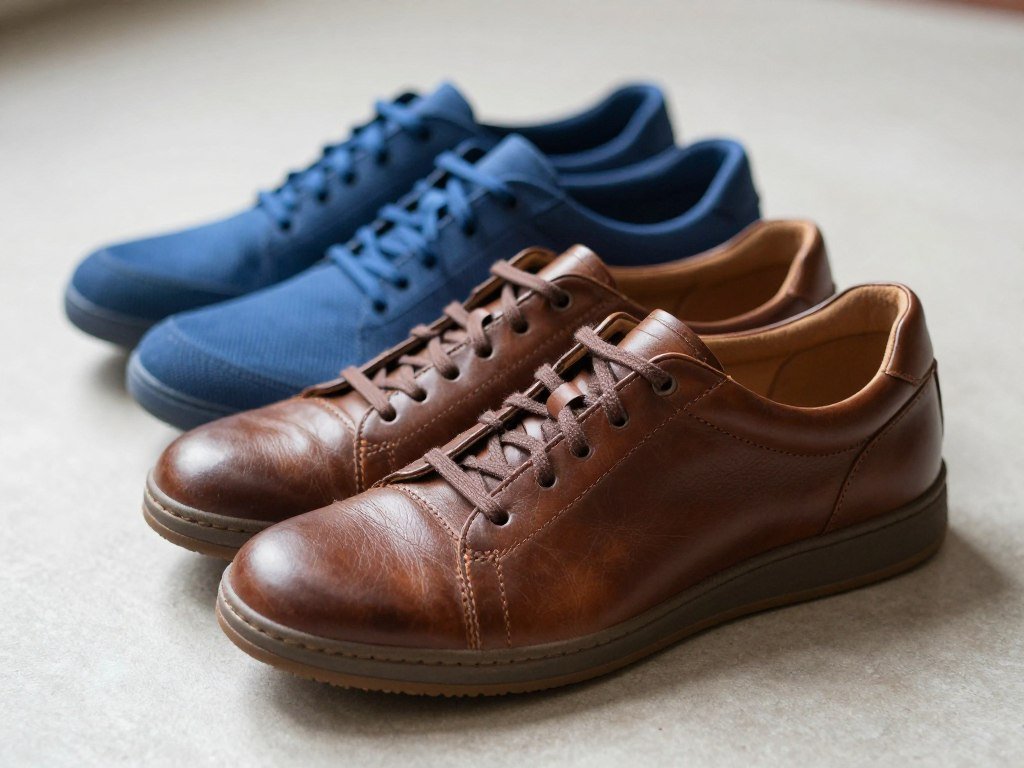
For anyone who wants Birkenstock-style support in a closed-toe everyday shoe, the Bend Low is worth a closer look, with fit and firmness as the key questions. Readers who want supportive everyday footwear with a more polished look than sandals may find this sneaker appealing. The main tradeoff is a firm, structured feel instead of the soft cushioning of an athletic trainer.
This Birkenstock Bend sneaker review helps you weigh the materials, fit, comfort, and reported wear before deciding. It also looks at how the shoe may work for different feet and daily routines. Treat it as a lifestyle sneaker to assess for your own foot shape, not as a guaranteed fix for foot pain.
Key Takeaways
- A leather lifestyle shoe with a firm, structured feel.
- Use the size guide, then check toe room and heel fit.
- The footbed is removable and can accommodate custom orthotics.
- Wearers report different experiences with width, comfort, and durability.
- Better suited to everyday wear than running or sports.
Birkenstock Bend Sneaker Review: What Does $165 Buy?
At $165.00 in the United States in 2026, the Bend Low pairs a leather upper with a cork-and-PU midsole and a natural rubber outsole. Its listed materials describe the build, not a promise of long service. The natural leather upper is 2.8 to 3.2 millimeters thick, and the footbed lining is natural leather.
Leather, lining, and construction
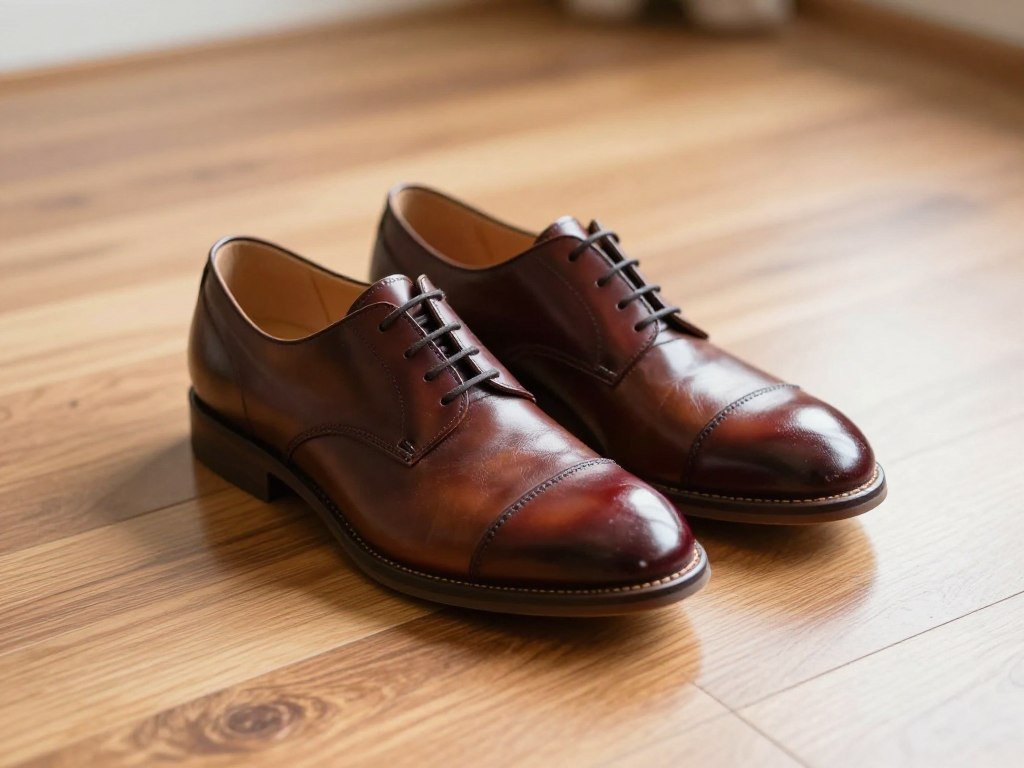
The birkenstock bend is made in Portugal, with a natural rubber outsole beneath the cork-and-PU midsole. Leather gives these shoes a more finished look than many sport sneakers. It can also crease and mark with use, so the surface will not stay pristine forever.
The Bend Low Natural Leather is a unisex style, not a separate women’s construction. A Birkenstock Bend Low sneaker review for women should start with the same model details, then use the size guide to choose an EU size. The fit section explains how to apply that guide.
Price and customer sentiment
The model had a 4.7 rating from 69 reviews, and 94% of customers recommended it. Those figures offer a snapshot of customer sentiment, not a guarantee that each buyer will enjoy the fit. The brand’s leather finish and everyday design may appeal to shoppers looking beyond athletic shoes.
A high customer rating can guide a shortlist, but it cannot tell you whether the shoe will fit your foot.
The leather thickness and Portugal manufacturing detail help set expectations for the build, while the mixed wearer experiences later in the review keep the value judgment grounded.
How Should You Size the Bend Low?
Start with Birkenstock’s conversion formula, then judge the fit by space around the foot rather than by a sandal size alone. Leave about ¼ inch of space around your foot. EU size means European sizing, so an EU 39 is not a U.S. size.
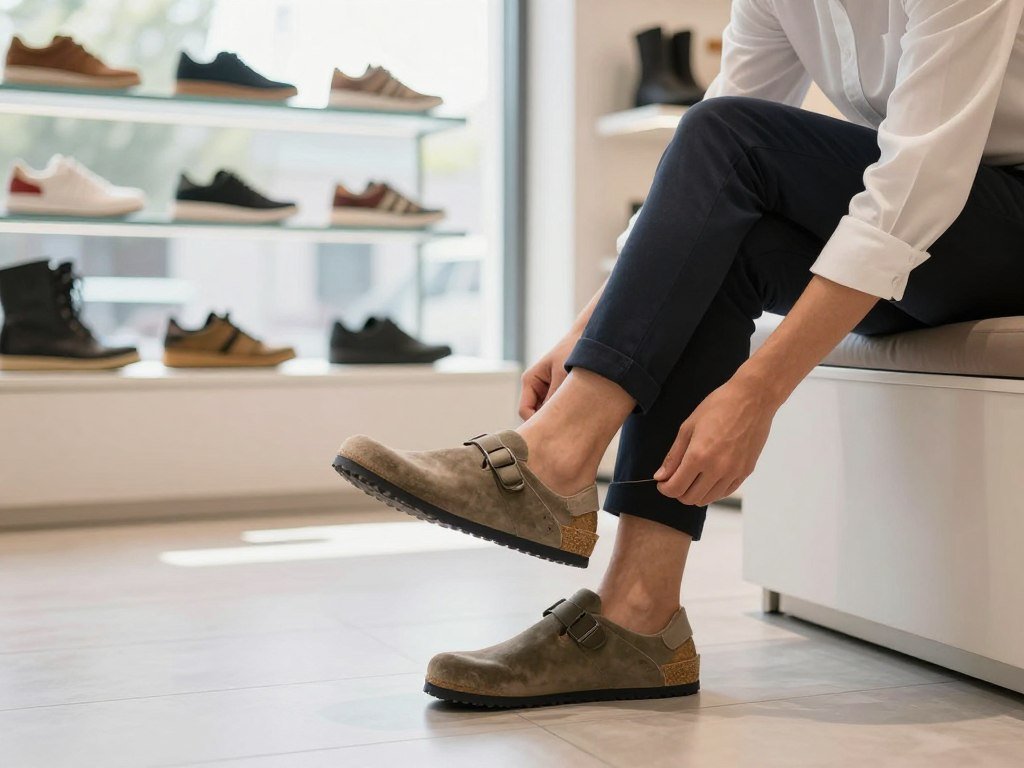
Birkenstock’s U.S. size guide gives women’s and men’s conversion rules. Use the formula for the size category that applies to you, then try the sneakers on. A size chart is a starting point, not a substitute for checking the shoe’s length and fit.
Convert women’s and men’s U.S. sizes
| Guide or check | Rule | What to do |
|---|---|---|
| Women’s U.S. to EU conversion | Add 31 | U.S. size plus 31 gives EU size |
| Men’s U.S. to EU conversion | Add 33 | U.S. size plus 33 gives EU size |
| ¼-inch fit-space check | About ¼ inch | Check space around the foot |
A Birkenstock Bend sneaker review for women or men should account for the unisex sizing guide, not assume separate versions. If you wear a Birkenstock Bend Low size 39, use the relevant U.S.-to-EU formula, then confirm the actual fit. Sandal sizing does not always transfer directly to closed shoes.
Check EU 39 and length in the shoe
One reviewer on June 12, 2024, said the Bend fit a full size longer in length than their other Birkenstock sandals. That is one person’s report, not a general sizing rule. For more fit basics, read this guide to measuring foot length and checking shoe fit.
The American Academy of Podiatric Sports Medicine shares practical walking shoe fit advice, including checks for heel security and toe room. Before keeping a pair, confirm that the toes have room and the heel stays secure when walking.
What Does the Cork-Latex Footbed Feel Like?
The Bend Low’s cork-latex footbed is shaped to support the heel and arches, rather than to feel like a soft foam trainer. A contoured footbed is a shaped insole with raised contours intended to support and cradle parts of the foot. Expect a structured feel, not plush athletic cushioning.
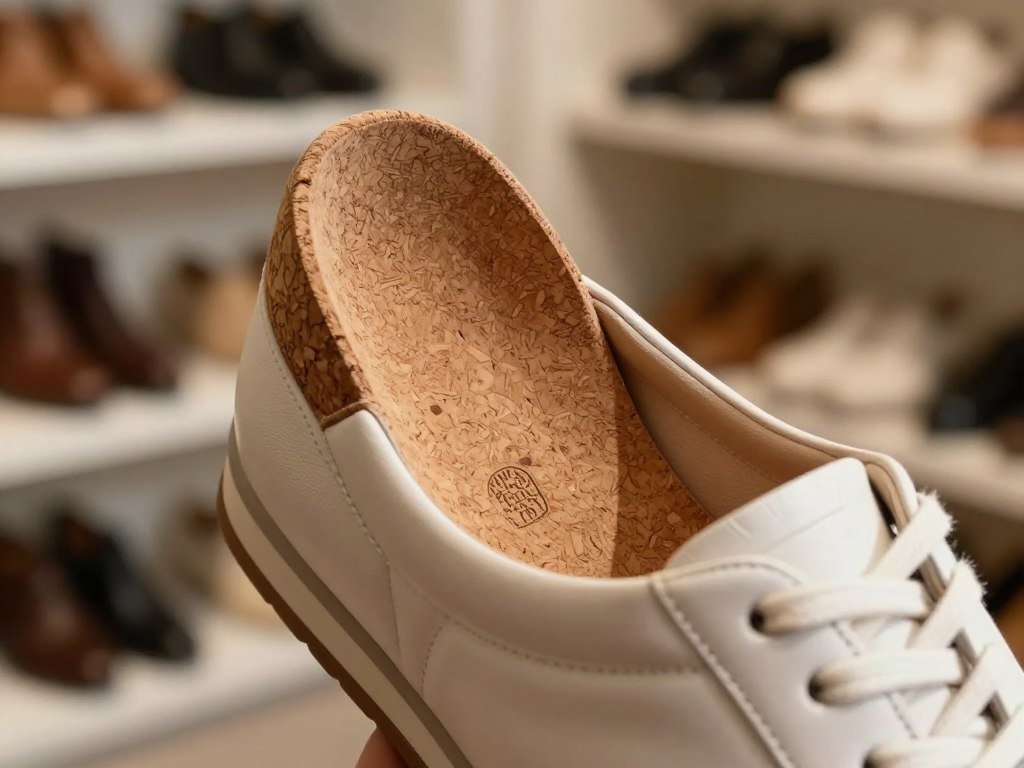
The footbed is designed to shape to the wearer’s feet with use. Its design includes support at the heel and along the arches. How those contours feel depends on where they meet your foot.
The footbed’s support features
| Footbed feature | Design detail | Practical role |
|---|---|---|
| Deep heel cup | Raised sides around the heel | Cradles the heel |
| Longitudinal arch supports | Medial and lateral contours | Supports both long arches |
| Transverse arch support | Contour across the forefoot | Supports the transverse arch |
The heel cup and arch support give the shoe a more defined feel than a flat insole. They may suit people who like a shaped base underfoot. The same contours can feel intrusive if their placement does not match your arches.
Firm support versus soft cushioning
The footbed is removable and can accommodate custom orthotics. Fit with an orthotic depends on your foot and the insert’s shape and thickness. Check that the replacement or custom insert sits flat and leaves enough room inside the shoe.
One reviewer on April 7, 2021, said the arch support felt less substantial than the support in their Birkenstock Arizona and Sydney sandals. That is an individual comparison, not a measure of how every wearer will feel. The Bend’s cork base may feel firm even when its arch contour feels mild.
If the arch contour presses in the wrong place, do not assume that more wear will make the shoe fit your foot.
Does the Bend Low Work for Wide Feet or Bunions?
A roomy toe box can help a wide forefoot, but it cannot guarantee that the upper or footbed will suit a bunion. Check pressure and rubbing while standing and walking. A shoe can feel wide enough yet still cause seam friction or arch discomfort.
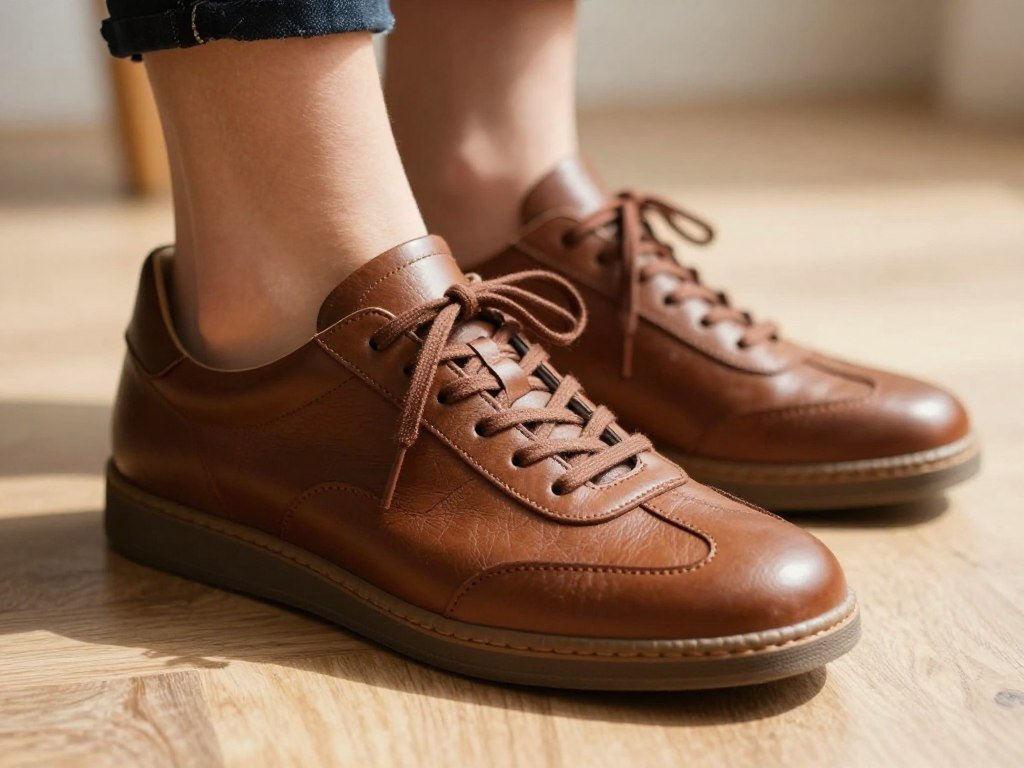
Wearer experiences vary. On September 23, 2022, one reviewer said the shoe accommodated wide feet but found the insole too hard. On February 4, 2021, another reviewer said the width labeled narrow fit like a medium and left room for their toes.
Those reports suggest that the labeled width may not tell the whole story. A narrow-medium fit can feel roomy to one person and tight to another. Foot shape, bunion position, and the upper’s contact points all matter.
For more context on shoe choices and foot issues, this review of comfort, fit, and wearer experiences also shows how reports can differ between people.
Use this checklist during a try-on:
- Notice any pressure directly on the bunion.
- Check for rubbing where the eyelet stitching meets the upper.
- Move your toes freely inside the toe box.
- Try the socks you intend to wear with the shoes.
A little toe room does not rule out discomfort elsewhere. If the eyelet seam presses on a bunion during a try-on, choose a returnable pair or leave that model behind.
How Durable Is the Leather and Outsole?
Wear reports range from a pair used at least three times weekly for a year to individual complaints about early sole separation. Leather can crease and scuff, and white soles may yellow slightly with wear and sun exposure. Check the sole bond and seams while returns are still possible.
Leather creases and white sole discoloration
Creases are a normal change in leather shoes, while scuffs can affect the finish. White rubber may also lose some brightness after exposure to sunlight and regular wear. These changes affect appearance, but they do not alone show that a shoe has failed.
One owner reported wearing the sneakers at least three times a week after one year. That account shows one pair’s use, not a lifespan guarantee. The shoes may age differently with wear frequency, care, and conditions.
Outsole and seam problems reported by wearers
Individual reports also describe more serious problems. On November 20, 2021, one reviewer reported outsole splitting after six months of short neighborhood walks. On June 22, 2022, another said a replacement pair’s sole separated after two weeks of wear.
These accounts do not establish a failure rate or predict what will happen to every pair. A split or separated sole can let water enter through the damaged area. That can make a shoe uncomfortable and may harm its interior.
A reviewer on June 2, 2022, reported mold on the insole and inside the shoe after 18 months. This is one wearer’s experience, not evidence that mold is common. Drying shoes between wears can help limit trapped moisture.
Check the sole bond and seams during the return period, and keep the shoe dry between wears.
Where Does the Bend Low Fit in an Everyday Wardrobe?
The white leather Bend Low is easiest to picture with relaxed denim, simple dresses, or other casual pieces that can balance its substantial profile. Its structured shape suits everyday outfits better than sports gear. The white finish can add a clean note, though its visual weight may stand out.
Outfits that work with the white leather version
Try these pairings to see how the sneaker’s shape works with your clothes:
- Cropped wide-leg jeans or trousers.
- Straight-leg jeans with a simple top.
- A midi dress or skirt.
- Shorts or a casual jumpsuit.
A reviewer on April 18, 2024, described the sneaker as comfortable but heavy and large-looking. If you prefer a very sleek profile, try it on with your usual outfits before buying. For more ideas on pairing shoes with jeans, dresses, and skirts, consider how a shoe’s shape changes an outfit’s balance.
Everyday walking, not athletic training
One reviewer on August 28, 2022, said the shoes worked for walking and everyday wear but were not an athletic shoe. That distinction matters if your routine includes running, sports, or long-distance miles. A structured leather sneaker does not replace footwear made for those activities.
Choose the Bend Low for everyday routines, not workouts that call for an athletic shoe.
The substantial shape may pair well with casual clothes, though it may feel bulky beside slim, sporty pieces. Choose it for the outfits and everyday routines where a structured leather sneaker feels at home, not for workouts that call for an athletic shoe.
Conclusion
The Bend Low is most compelling for buyers who want a structured, leather everyday sneaker and are comfortable with a firm footbed. It may be less appealing if you want a light shoe with soft, plush cushioning. If the fit is uncertain, choose a seller with a clear return policy.
Try it on with the socks you plan to wear and keep it only if the arch, toe room, and heel fit feel right.
FAQ
Can I replace the Bend Low footbed after it wears out?
Can you wear Birkenstock Bend sneakers without socks?
Are Birkenstock Bend sneakers waterproof?
Are Bend Low sneakers comfortable for an eight-hour standing shift?
Do Birkenstock Bend sneakers feel heavy compared with lightweight trainers?