Key Takeaways
-
Centralized, clean customer profiles
-
Real-time marketing data platforms
-
Better personalization and growth
-
Smoother team workflows
Ever feel like your customer information is scattered all over the place? You have data in your email app, more in your website analytics, and some trapped in your sales pipeline. It is a total mess, right?
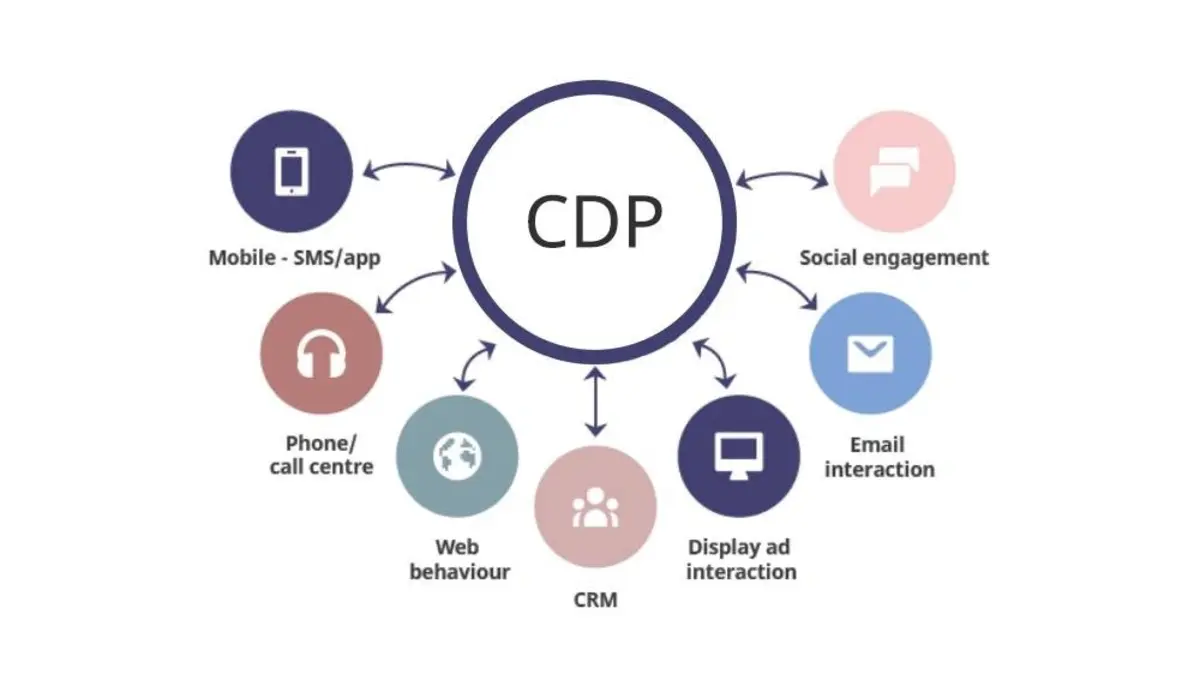
If you are trying to piece everything together, looking into 20 Customer Data Platforms (CDPs) is the best place to start. A CDP acts as a central hub that pulls all your messy data streams into one clear picture.
At Pravi Celer, we know how tough it is to manage messy information. That is why finding the best CDP software is a total game-changer for businesses that want to grow without the constant tech headaches.
AI Overview
Trying to manage disconnected customer records across different apps is a massive headache for growing teams. This guide breaks down 20 Customer Data Platforms (CDPs) to help you find the absolute best CDP software for your business. You will learn how these customer data unification tools differ from a standard CRM. We also look at top marketing data platforms and customer 360 software to help you pick the right system based on available data.
What Exactly is a Customer Data Platform?
Let us keep it simple. A Customer Data Platform is software that grabs data from different places, cleans it up, and builds a single, permanent profile for every single customer.
Think of it as the ultimate organizer for your business relationships. Instead of jumping between five different tools to see what a customer bought or clicked, you just look at one dashboard.
Why Your Business Needs One Now
Without a central hub, your team is basically flying blind. You might send an email offer for a product the customer already bought yesterday. That just feels annoying to them.
Using proper customer data unification tools stops these mistakes. It makes sure your marketing feels personal, timely, and actually helpful.
CDP vs CRM: What is the Big Difference?
This is a question that trips up almost everyone. Aren’t they the exact same thing? Not quite.
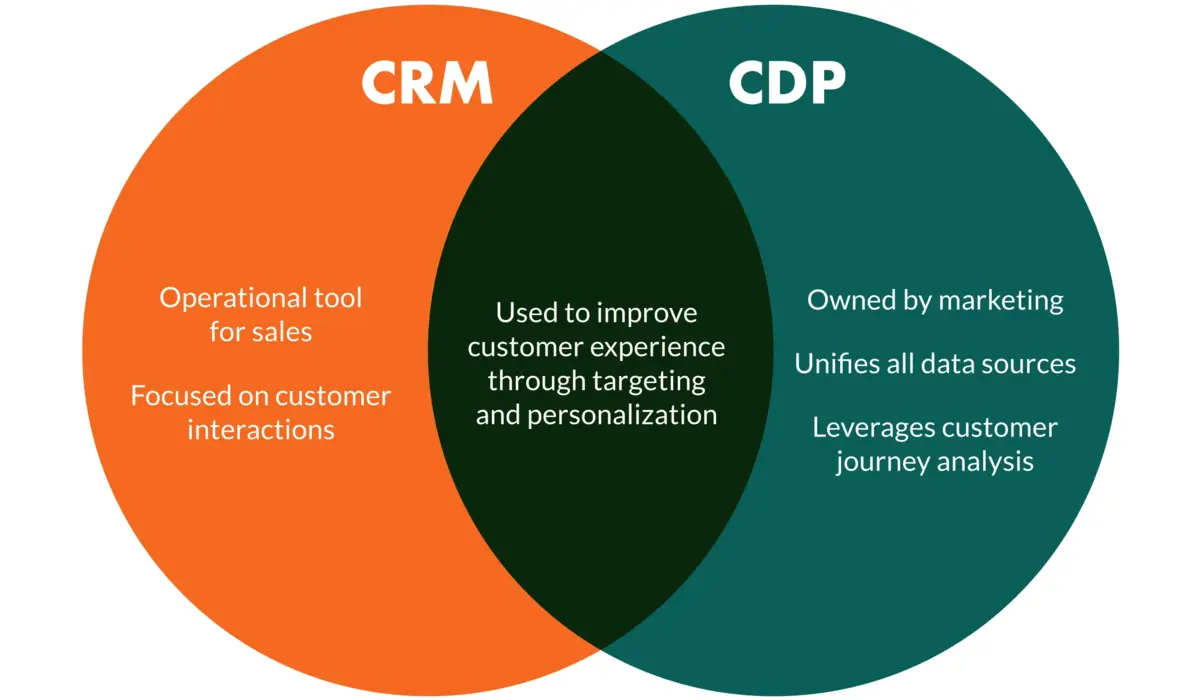
A CRM is mostly for manual tracking. Your sales team types in notes after a call, or logs a deal change. It is great for direct sales relationships, but it does not automatically track billions of live website clicks.
| Feature | CRM (Customer Relationship Management) | CDP (Customer Data Platform) |
| Data Collection | Mostly manual entry and direct sales logs | Automatic, real-time tracking across all apps |
| Primary Goal | Managing sales pipelines and human interactions | Building a unified, automated profile for marketing |
| Data Types | Contact details, phone calls, and sales deals | Web clicks, behavioral data, and offline purchases |
When you look at CDP vs CRM, the winner depends on your daily needs. In most cases, scaling brands end up using both tools together to get the best results.
The Top 20 Customer Data Platforms (CDPs)
Let us dive into the actual tools. Here is an honest, clear breakdown of the top options on the market today.
1. Segment (by Twilio)
Segment is a massive favorite for technical teams. It makes collecting data from your website and sending it to other apps incredibly simple.
If you want clean developer APIs, this is generally considered a top choice for customer data unification tools.
2. Tealium AudienceStream
Tealium is a heavyweight when it comes to enterprise-grade security. It handles massive amounts of live data without breaking a sweat.
It is highly customizable, making it one of the best CDP software choices for large healthcare or finance companies.
3. Adobe Real-Time CDP
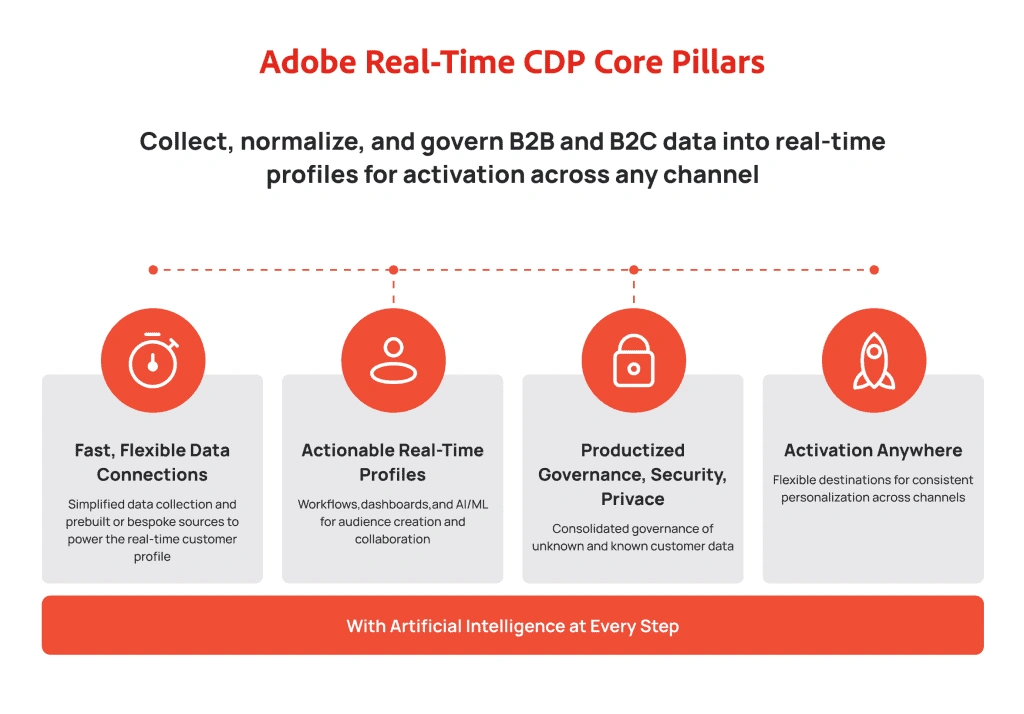
If your company already lives inside the Adobe ecosystem, this tool makes perfect sense. It connects directly with Adobe Analytics and Target.
It is an excellent customer 360 software option for enterprise marketing departments.
4. Salesforce Data Cloud
Salesforce is a monster in the sales space. Their Data Cloud brings all that deep customer history into live marketing streams.
When comparing CDP vs CRM, this tool actually bridges the gap between both worlds beautifully.
5. Optimove
Optimove focuses heavily on relationship marketing. It does not just hold data; it tells you what your next marketing move should be.
It is a smart pick among modern marketing data platforms if you want automated insights.
6. ActionIQ
ActionIQ is built for both business teams and data analysts. It lets marketers run complex audiences without needing to write code.
It helps large corporations build a complete look at their buyers using robust customer 360 software.
7. Amperity
Amperity uses clever machine learning to fix messy, inaccurate data. It figures out if “Jon Doe” and “Jonathan Doe” are actually the same person.
Based on available data, its identity resolution is some of the finest on the market.
8. Treasure Data
Treasure Data is incredibly scalable. It can handle billions of data points from web, mobile, and even IoT devices.
It is a powerhouse best CDP software choice for global enterprises.
9. BlueConic
BlueConic is built specifically for regular marketing teams. You do not need a computer science degree to build custom segments or launch pop-ups.
It is a highly practical option for teams exploring marketing data platforms for the first time.
10. Lytics
Lytics uses behavioral data to predict what your users will do next. It looks at how content is consumed to score user interest.
It stands out as a smart, data-driven piece of customer 360 software.
11. Bloomreach
Bloomreach mixes deep commerce data with automated email and web personalization. It is tailor-made for online stores.
For retail brands, it is an exceptional choice among customer data unification tools.
12. Insider
Insider helps you connect data across web, mobile apps, WhatsApp, and SMS. It is all about multi-channel journeys.
It ranks highly among marketing data platforms for customer acquisition.
13. Simon Data
Simon Data plugs directly into your existing data warehouse. It allows you to use your data without moving it around.
It simplifies the process of launching smart campaigns with your best CDP software.
14. Klaviyo (with CDP features)
While known for email, Klaviyo now offers robust data platform tools for e-commerce. It keeps your store data incredibly organized.
It makes managing a retail brand simple without complex setup steps.
15. Redpoint Global

Redpoint provides intense data management accuracy. It cleans up data at lightning speed for real-time activation.
It is an enterprise-favorite tool for total data clarity.
16. mParticle
mParticle is heavily focused on mobile apps. If your business depends on iOS and Android performance, this is for you.
It keeps your mobile analytics perfectly synced with your backend systems.
17. Hightouch (Reverse ETL)
Hightouch takes data from your warehouse and sends it to your tools. Many teams call this a “composable CDP.”
It is changing how people view the classic CDP vs CRM debate by utilizing existing databases.
18. Census
Similar to Hightouch, Census moves your central database info into operational marketing tools.
It acts as an amazing connector among modern customer data unification tools.
19. CaliberMind
CaliberMind is built explicitly for B2B marketing teams. It tracks long sales cycles and multiple stakeholders in a single company.
It provides deep pipeline clarity that standard marketing data platforms often miss.
20. Dynamics 365 Customer Insights
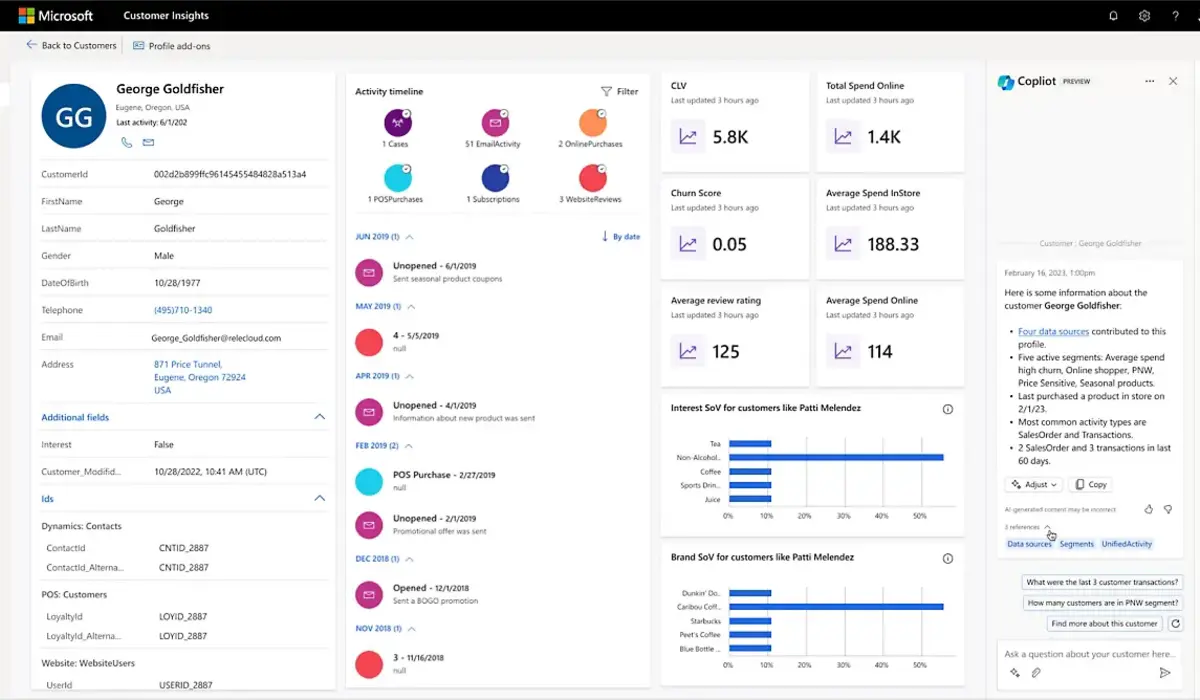
Microsoft’s entry offers deep analytical power for teams tied into the Azure ecosystem.
It provides an estimated complete view of your audience using enterprise customer 360 software.
How to Choose the Best CDP Software for Your Team
Choosing from 20 Customer Data Platforms (CDPs) can feel overwhelming. Do not just buy the biggest, most expensive tool on the list.
First, look at your actual team size. If you do not have dedicated data engineers, you need a visual tool like BlueConic or Klaviyo. If you have a massive engineering team, Segment or Hightouch might be better.
At PraviCeler, we always tell our friends to map out their data sources before spending a single dollar. Know exactly what apps you need to connect first.
Key Benefits of Marketing Data Platforms
Why go through all this trouble? Because the rewards are massive for your daily workflow.
The Major Perks
-
No more data silos: Your support team and sales team see the exact same customer details.
-
Wasted ad spend goes down: You can stop showing ads to people who already bought your product.
-
Real-time updates: You can react instantly when a user abandons their online shopping cart.
-
Better privacy compliance: It is much easier to manage data deletion requests from one central hub.
Common Mistakes When Deploying Customer 360 Software
Buying the software is only half the battle. Many companies buy a platform and expect it to magically fix their bad data habits.
If you put messy, unorganized data into a brand-new platform, you will just get messy results faster. Clean up your naming conventions before you sync your tools.
Another issue is ignoring team training. Make sure your marketing team actually knows how to build audiences inside the new system.
Future Trends in Customer Data Unification Tools
The data world moves fast. We are starting to see artificial intelligence do most of the heavy lifting when it comes to matching customer profiles.
In the future, you won’t need to manually create rules to link accounts. Smart systems will handle it automatically in the background.
There is also a huge shift toward composable setups. Brands are keeping their data inside central warehouses and using lightweight tools to sync it out.
Finding What Works Best For You
At the end of the day, managing your records shouldn’t feel like rocket science. The goal is simply to treat your customers like real people by remembering their preferences.
Whether you need a massive enterprise setup or a simple e-commerce tool, there is something on this list of 20 Customer Data Platforms (CDPs) for you. Take your time, look at your tech stack, and choose the option that makes your life easier.
Frequently Asked Questions
What is the best CDP software for small businesses?
For smaller companies, easy-to-use marketing data platforms like Klaviyo or BlueConic are generally best because they don’t require heavy engineering support to set up.
How does a CDP improve my daily marketing campaigns?
It collects live web actions into clean profiles, letting you send highly personalized messages instead of generic blasts.
Is a CDP hard to connect to my existing CRM?
Most modern customer data unification tools offer built-in, one-click integrations to sync directly with major CRM tools.
Can a CDP help my business with user data privacy laws?
Yes, it creates a single source of truth, making it simple to manage user consent preferences securely.