Key Takeaways
-
Groundwork establishes mental focus before mounting.
-
Half-halts balance energy rather than pulling back.
-
Bending and circles release physical tension naturally.
-
Consistency calms a hot or anxious mind.
How to Keep Your Horse Slow and Relaxed
Ever felt like you are sitting on a tiny rocket during a simple afternoon ride?
You just wanted a relaxed walk down the barn path, but your horse has other plans.
If you are struggling to keep your horse slow and calm, you are definitely not alone.
Teaching a fast horse to chill out comes down to resetting their balance and shifting their mindset.
You must communicate clearly without constantly pulling back on the reins.
At PraviCeler, we see this all the time with horses that lean into the bit out of pure habit.
Quick AI Overview
To keep a horse slow and relaxed, you must replace anxiety with physical balance. Focus on calm groundwork, soft seat aids, and frequent transitions. Avoid constant rein pulling, which only causes resistance. Clear communication builds long-term confidence and calm movement.
Why Do Some Horses Always Want to Rush?
Ever wonder why your horse seems to have only one speed?
It is rarely just about bad behavior or stubbornness.
Most rushing comes from excitement, physical tension, or confusion about what you want.
When a horse loses physical balance, they speed up to keep from falling forward.
It is like walking down a steep hill.
If you lose your footing, you naturally start running to stay upright.
Understanding this balance shift helps you solve the root issue rather than fighting the reins.
| Cause of Rushing | What Is Actually Happening | Solution Strategy |
| Lack of Physical Balance | The horse falls forward on its forehand and rushes. | Shift weight backward using seat and transitions. |
| Tension or Anxiety | Nervous energy makes the horse move faster. | Use calm breathing and relaxed groundwork routines. |
| Rider Hand Tension | Bracing against the bit causes the horse to pull. | Give soft, immediate rein releases on every response. |
Understanding Horse Psychology and Speed Habits
Horses are prey animals by nature.
When they feel unsure, anxious, or unbalanced, their instinct tells them to move faster.
Speed feels safe to a nervous horse.
If you pull harder on the reins, you create a feeling of trapped pressure.
This pressure often makes them panic and rush even faster.
Breaking this cycle means teaching your horse that slow movement is safe and rewarding.
Groundwork: The Foundation for Relaxation
Before you even step into the stirrup, your horse needs to be mentally present.
If they are bouncing around on the lead line, riding will not go smoothly.
Doing proper horse ground work for relaxation sets the tone for the entire ride.
Start with simple yield exercises in a quiet arena.
Ask your horse to yield their hindquarters until they drop their head and take a deep breath.
If you are retraining an off-track horse, these routines serve as crucial ex-racehorse training tips to reset their nervous system.
At PraviCeler, we always recommend getting their brain calm on the ground before mounting.
Preparing Your Horse on the Ground Step-by-Step
Effective groundwork prepares your horse physically and mentally for quiet riding.
Taking ten minutes on the ground saves hours of frustration under saddle.
Essential Groundwork Steps for Slowing Down:
-
Walk on a loose lead line and stop whenever your feet stop.
-
Ask for lateral flexion to soften the neck muscles.
-
Back up gently off soft halter pressure to shift weight backward.
-
Use deep exhales to signal that work time is relaxed and calm.
When your horse lowers their nose below their chest, their body releases natural calming hormones.
Never rush through these steps.
A calm horse on the ground becomes a balanced, safe ride under saddle.
Using horse ground work for relaxation creates a solid foundation of trust.
The Art of the Half-Halt Technique
Pulling back constantly on both reins never works.
It just turns your ride into an exhausting tug-of-war match.
And guess what? The horse always wins a strength contest.
Learning the proper horse riding half-halt technique is the real game-changer here.
A half-halt is essentially a quick, gentle conversation between your seat, leg, and hands.
It tells your horse, “Hey, focus back on me and balance yourself.”
How to Execute a Clear Half-Halt Step-by-Step
A correct half-halt lasts only a couple of seconds.
It balances the horse without stopping their forward rhythm.
First, deepen your seat and engage your core muscles firmly.
Second, lightly squeeze your fingers on the reins for just one stride.
Third, release the rein pressure completely the moment you feel them soften.
Mastering the horse riding half-halt technique requires practice, but it prevents pulling contests completely.
If you keep holding rein pressure, your horse will simply lean on the bit and run faster.
The real secret to success is always in the quick release.
Calming a Hot Horse Under Saddle
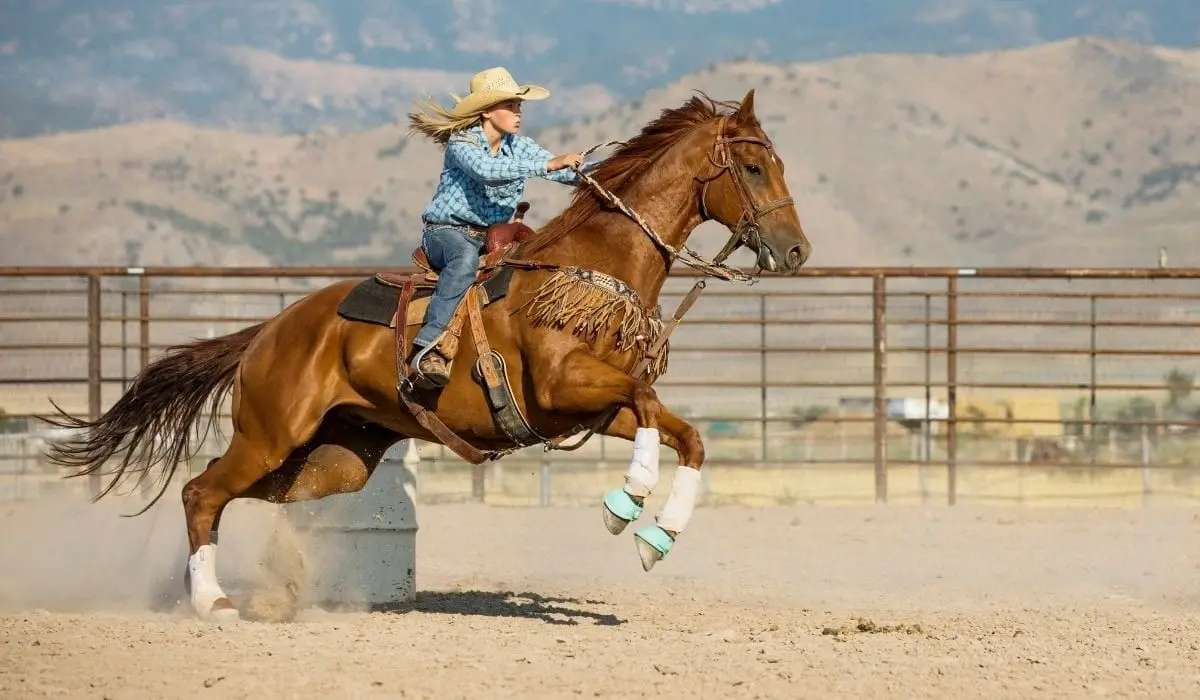
Riding a high-energy horse can feel intimidating if you do not have a clear plan.
When learning how to slow down a rushing horse, giving them mental tasks is essential.
Straight lines invite fast horses to build up speed and lean forward.
So, when your horse starts speeding up, put them on a large circle right away.
Bending their body forces them to engage their hind legs and slow down naturally.
Use frequent changes of direction and gentle serpentines to keep their brain focused on you.
This approach works wonders for calming a hot horse under saddle without creating unnecessary argument.
| Exercise | Purpose | Key Benefit |
| 20-Meter Circles | Encourages lateral bend and balance. | Slows down stride rate naturally. |
| Serpentines | Forces quick weight shifts side to side. | Keeps the horse thinking and listening. |
| Transition Intervals | Walk-trot-walk transitions every 10 strides. | Builds rear-end engagement and control. |
Addressing Special Cases: Retraining the Ex-Racehorse
Ex-racehorses are conditioned to run when they feel bit contact and open space.
For them, taking a firm rein contact usually means “go faster!”
Applying practical ex-racehorse training tips helps recondition these ingrained instincts gently.
Focus on long-rein walking and quiet leg yields.
Avoid holding tight rein pressure, which can trigger their racing reflex.
Instead, rely on seat weight and verbal cues to request slower speeds.
With steady routine and soft hands, these sensitive horses learn to enjoy a relaxed pace.
Consistently utilizing proven ex-racehorse training tips turns nervous energy into relaxed athleticism.
How Rider Energy Impacts Horse Speed
Horses pick up on your body energy instantly.
If you hold your breath or tense your shoulders, your horse senses danger nearby.
They think, “My rider is worried, so I should probably run away!”
To make a horse slow and rhythmic, you must master your own physical tension first.
Take slow, deep breaths that expand your belly, not just your chest.
Drop your weight down into your heels and loosen your hip joints completely.
When your body relaxes, your horse receives a clear physical signal that everything is safe.
A horse slow in movement is always a reflection of a quiet, patient rider.
Practical Exercises to Slow Down a Rushing Horse
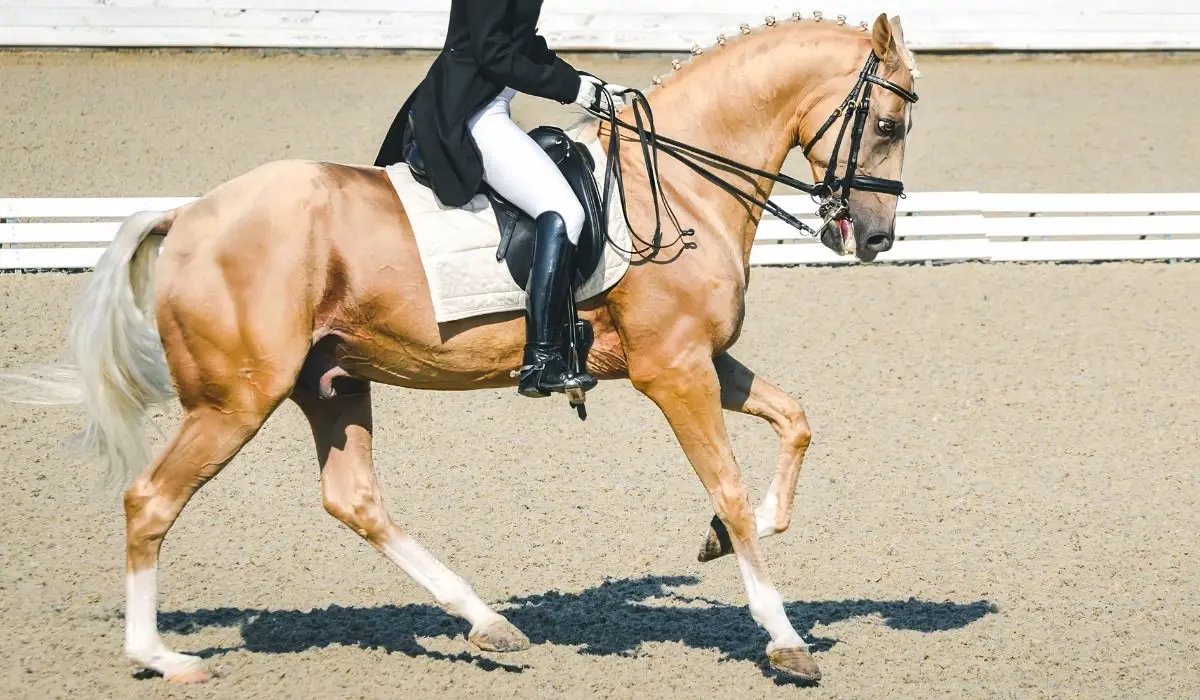
When you need active exercises in the arena, keep your routines varied and interesting.
Bored horses often become anxious or speed up out of frustration.
Doing consistent horse ground work for relaxation before these ridden drills creates the best results.
Here is a simple structure you can follow during your ridden sessions:
| Session Phase | Activity | Goal |
| Warm-Up (10 mins) | Relaxed walk on a long rein with deep breathing. | Establish physical relaxation and low head carriage. |
| Main Work (15 mins) | Circles, leg yields, and soft half-halts. | Re-balance weight and encourage listening. |
| Cool-Down (10 mins) | Gentle stretching walk with loose rein connection. | Reward quiet effort and lower heart rate. |
When learning how to slow down a rushing horse, structured sessions prevent confusion.
Knowing what comes next reduces anxiety for both you and your horse.
The Role of Proper Equipment and Bit Selection
Sometimes gear issues contribute directly to a horse rushing.
An uncomfortable bit or a poorly fitting saddle can cause pain that leads to fast movement.
Check your saddle fit regularly to ensure it is not pinching behind the shoulders.
Using harsh bits to force a horse slow often backfires completely.
Severe bits create mouth pain, causing the horse to fight back or run from the discomfort.
A mild snaffle combined with proper training aids yields far better long-term results.
At PraviCeler, we always prioritize rider education and gentle equipment over harsh control devices.
Managing Feeding and Stabling Routines
A horse’s diet directly influences their energy levels in the arena.
High-starch feeds can make a horse overly energetic and difficult to manage under saddle.
Evaluating feed intake is vital when learning how to slow down a rushing horse safely.
Ensure your horse gets plenty of high-quality forage like grass or hay.
Maximize turnout time so they can burn off excess energy with herd mates naturally.
A horse that spends all day in a stall is naturally going to feel explosive when brought out to work.
Combining turn-out with proper horse ground work for relaxation creates long-term mental balance.
Refining Communication with Seat and Leg Aids
Relying solely on your hands creates a heavy, resistant mouth over time.
Your seat and legs should do eighty percent of the steering and speed control.
To slow your horse, deepen your pelvis and slow down the rhythm of your posts in the trot.
Your horse will naturally try to match the rhythm of your body.
If you move slowly and quietly in the saddle, your horse will adjust their stride to match.
This technique is essential for calming a hot horse under saddle smoothly.
Practice walking and stopping using only your seat and breath to test your progress.
Consistency: The Key to Retraining Fast Horses
Retraining a habitual rusher does not happen overnight.
It requires patience, clear boundary setting, and consistent daily practice.
Never celebrate quick fixes that rely on force or heavy hand pressure.
Every small victory counts when retraining a hot horse.
If your horse walks five calm strides on a relaxed rein, offer immediate praise and take a short pause.
Rewarding quiet behavior teaches the horse that calm movement brings comfort.
Over time, quiet habits replace the impulse to rush ahead.
Applying these ex-racehorse training tips consistently will reshape their daily habits.
Common Mistakes to Avoid When Slowing Your Horse
Many well-meaning riders accidentally teach their horse to move faster.
Recognizing these habits helps you break the pattern quickly.
Key Mistakes to Avoid:
-
Pulling continuously on both reins without ever offering a release.
-
Gripping tightly with your legs when you feel nervous.
-
Forgetting to breathe and tensing your upper body.
-
Practicing long straight lines on open fields before mastering control in an arena.
By eliminating these small mistakes, you create a peaceful environment for learning.
Understanding how to slow down a rushing horse requires removing these common friction points.
Your horse will reward your patience with smooth, controllable gaits.
Advanced Techniques for Calming a Hot Horse Under Saddle
Once your basic circles and half-halts are working well, introduce lateral work.
Lateral exercises like shoulder-in and leg-yield force the horse to cross their legs.
Crossing the legs requires focus, coordination, and physical effort.
It is almost impossible for a horse to rush blindly while performing a correct shoulder-in.
Using lateral work provides an effective tool for calming a hot horse under saddle during tense moments.
It redirects nervous energy into productive, athletic muscle building.
Mastering the horse riding half-halt technique during lateral work gives you ultimate control.
Building Confidence in Open Spaces
Fast horses often get extra excited when taken out of the arena onto open trails.
Open fields stimulate their natural herd instincts to run free.
Before heading out on long trails, practice your groundwork and circles near the trail entrance.
If your horse begins to rush on the trail, use large circles or serpentine patterns along the path.
Never pull straight back on both reins when a horse gets anxious in open spaces.
Instead, stay calm, use soft half-halts, and keep their attention focused on your riding cues.
Building confidence step-by-step ensures safety and relaxation everywhere you ride.
Final Thoughts
Teaching your horse to slow down and stay relaxed takes time, consistency, and a calm approach.
Focus on physical balance, use gentle half-halts, and keep your own body completely relaxed in the saddle.
With patient groundwork and clear riding aids, you will transform tense, rushed rides into smooth, calm, and enjoyable outings.
Frequently Asked Questions
Why does my horse speed up when I take rein contact?
Your horse may be using the bit for balance or reacting to hand tension. Try using soft half-halts instead of steady pulling.
How do I stop a horse from rushing toward home or the barn?
Turn away from the barn whenever they speed up. Work near the barn exit until they relax completely before walking home.
Can groundwork really help a fast horse calm down under saddle?
Yes, groundwork establishes trust, clear communication, and physical softness on the ground, which translates directly to your rides under saddle.
How long does it take to retrain an ex-racehorse to walk calmly?
Retraining usually takes several weeks or months of consistent, patient practice depending on the horse’s age, background, and riding routine.