Some gym days go exactly as planned. You finish your workout, head home, and sit down to a proper meal. Other days, you’re rushing between work, errands, and training, and suddenly the only thing in your bag is a water bottle and a pair of headphones.
That’s where a good protein bar can come in handy.
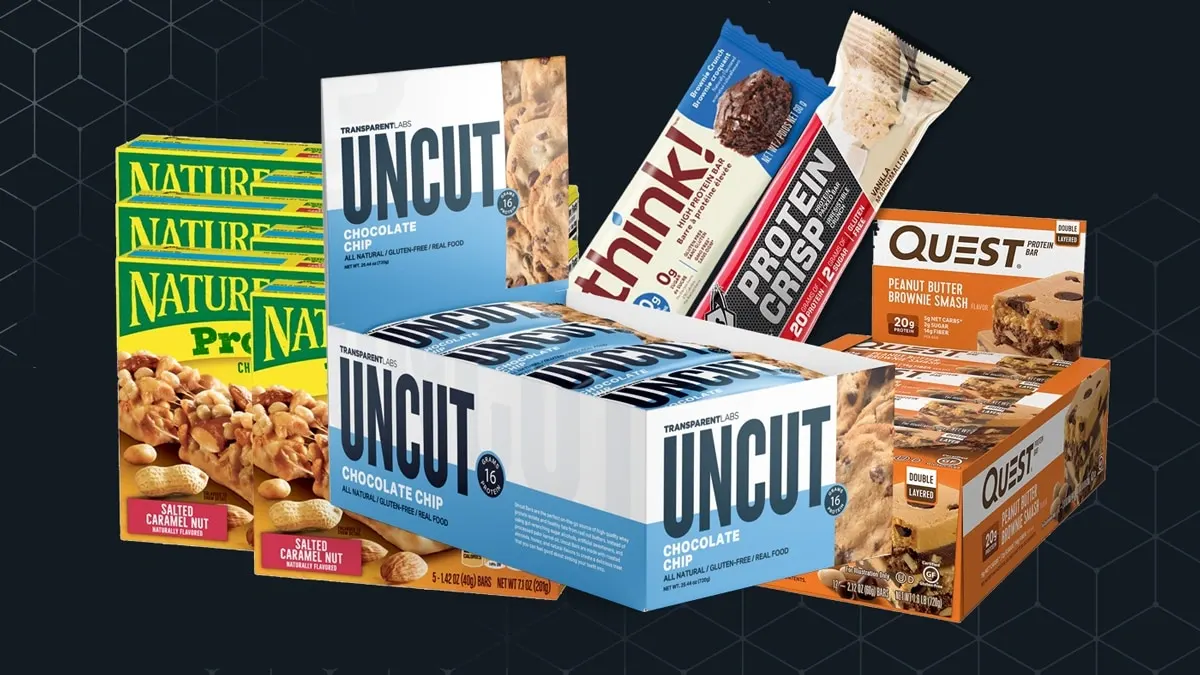
The best protein bars offer a convenient way to add protein to your day without preparing a full meal. Some are designed for muscle-building goals, others are made with simple ingredients, and some taste so much like dessert that they can satisfy a chocolate craving, too.
But not every bar deserves a place in your gym bag. Protein content, calories, sugar, ingredients, taste, and price all matter. The best choice depends on whether you’re trying to build muscle, manage your calorie intake, fuel a workout, or simply find a satisfying snack.
The Best Protein Bars at a Glance
- Best overall for protein-focused snacking: Quest Protein Bar
- Best for a dessert-like texture: Barebells Protein Bar
- Best for simple, recognizable ingredients: RXBAR
- Best plant-based option: ALOHA Organic Protein Bar
- Best for a substantial post-workout snack: CLIF Builders Protein Bar
- Best for everyday convenience: Pure Protein Bar
These are options to compare, not a universal ranking. Recipes and nutrition facts vary by flavor, and availability differs by country.
1. Quest Protein Bar: Best for Protein-Focused Snacking
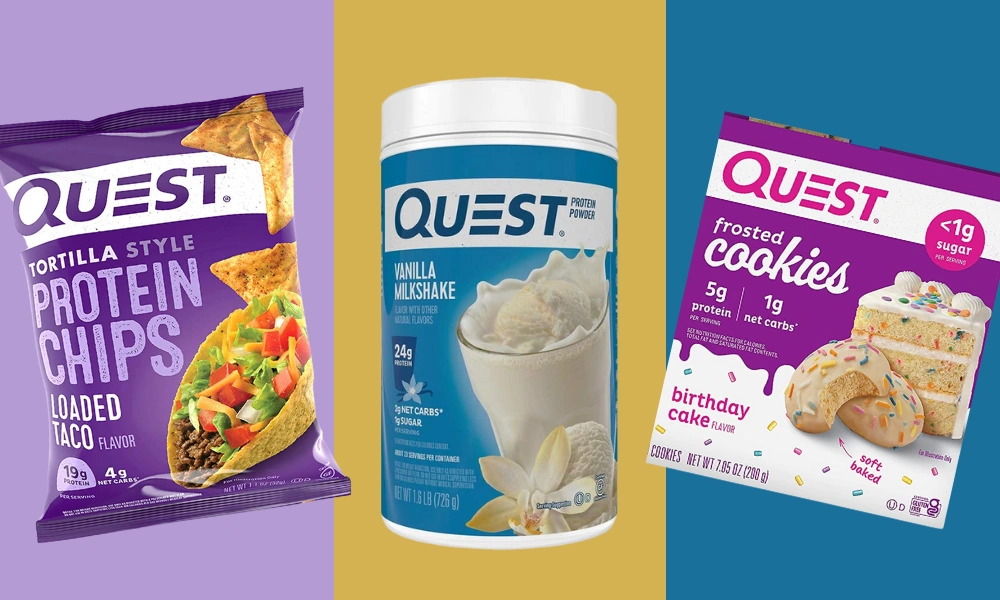
When your main goal is adding a meaningful amount of protein without eating a full meal, Quest is a useful option to consider.
Many Quest Protein Bar varieties provide around 20 grams of protein per bar, although the exact amount depends on the flavor. They also offer a wide selection of flavors, from chocolate-based options to cookies-and-cream styles.
Why consider it?
- A substantial protein serving in a portable package
- A wide variety of flavors
- Convenient for busy days and post-workout snacking
- Several varieties are relatively low in sugar
What to check: Some varieties contain sugar alcohols and added fibers that can cause bloating or digestive discomfort in sensitive people. Check the ingredient list if you have a sensitive stomach.
Quest is worth considering if you want a convenient, protein-focused snack and enjoy a denser, chewy bar.
2. Barebells Protein Bar: Best for a Dessert-Like Treat
Sometimes, the biggest challenge with healthy eating isn’t knowing what to eat. It’s finding options you actually look forward to eating.
Barebells protein bars appeal to people who enjoy sweet, chocolatey snacks. Many varieties provide approximately 20 grams of protein and have a soft, confectionery-style texture.
Why consider it?
- A dessert-like eating experience
- A convenient protein serving
- Several chocolate and caramel-inspired flavors
- Easy to carry in a gym bag or backpack
What to check: Ingredients, calories, and sweeteners vary by variety. Some versions use sugar alcohols, which may not agree with everyone.
If you tend to reach for a chocolate bar in the afternoon, a protein bar may be a useful alternative when its nutrition fits your needs. If you would rather bake your own treat, try our best chocolate chip cookie recipe.
3. RXBAR: Best for Recognizable Ingredients
Not everyone wants a protein bar that tastes like a chocolate dessert. Some people prefer a shorter ingredient list featuring foods they recognize.
RXBARs commonly use ingredients such as dates, egg whites, nuts, and flavorings such as cocoa. Their protein content is often lower than that of bars specifically formulated to deliver 20–30 grams of protein.
Why consider it?
- Ingredients that are easy to recognize
- A chewy, fruit-and-nut-based texture
- No need to prepare or refrigerate the bar
- A convenient option for travel and everyday snacking
What to check: Dates contribute natural sugars, so the total sugar content can be higher than in some low-sugar protein bars. Nuts and egg whites may also be unsuitable for people with certain allergies.
RXBAR is a good option to compare if you prioritize recognizable ingredients over maximizing protein per serving.
4. ALOHA Organic Protein Bar: Best Plant-Based Option
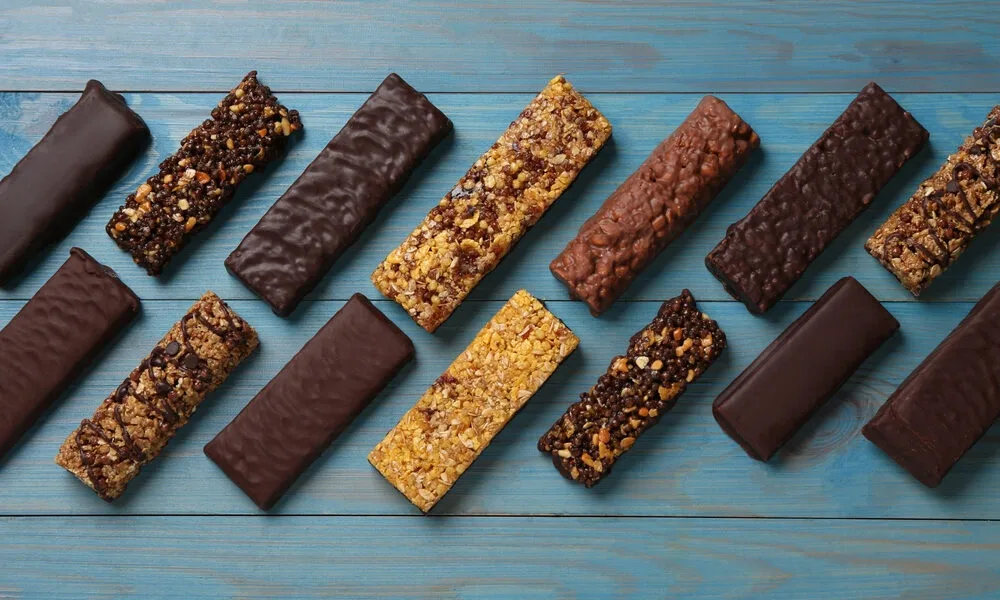
You don’t need to eat dairy or animal products to enjoy a convenient protein snack.
ALOHA offers plant-based protein bars made with ingredients that can include plant proteins, nuts, and other organic ingredients. The exact protein amount and nutrition profile depend on the variety.
Why consider it?
- A plant-based option for vegan diets
- Convenient for work, travel, and gym bags
- Flavors that suit people who enjoy nutty or chocolatey snacks
- A way to add protein without relying on whey
What to check: Confirm the protein amount on the package, especially if you’re using bars to help meet a specific daily target. Plant-based products can differ considerably in protein content, fiber, and calories.
If you follow a vegan diet, ALOHA is one brand worth exploring alongside other plant-based options.
5. CLIF Builders Protein Bar: Best for a More Substantial Snack
After a demanding workout, you may want more than a small snack. CLIF Builders bars are formulated to provide a relatively substantial amount of protein, with many varieties offering around 20 grams per bar.
They can be useful when you need something portable and won’t be able to prepare a meal immediately.
Why consider it?
- A substantial protein serving
- A convenient option for active days
- Flavors inspired by familiar sweet treats
- Easy to keep available for busy schedules
What to check: Some varieties contain considerable calories and added sugar compared with smaller snack bars. That may suit someone who needs more energy, but it might not be ideal for everyone.
Think about the whole nutrition label rather than focusing on protein alone.
6. Pure Protein Bar: Best for Everyday Convenience
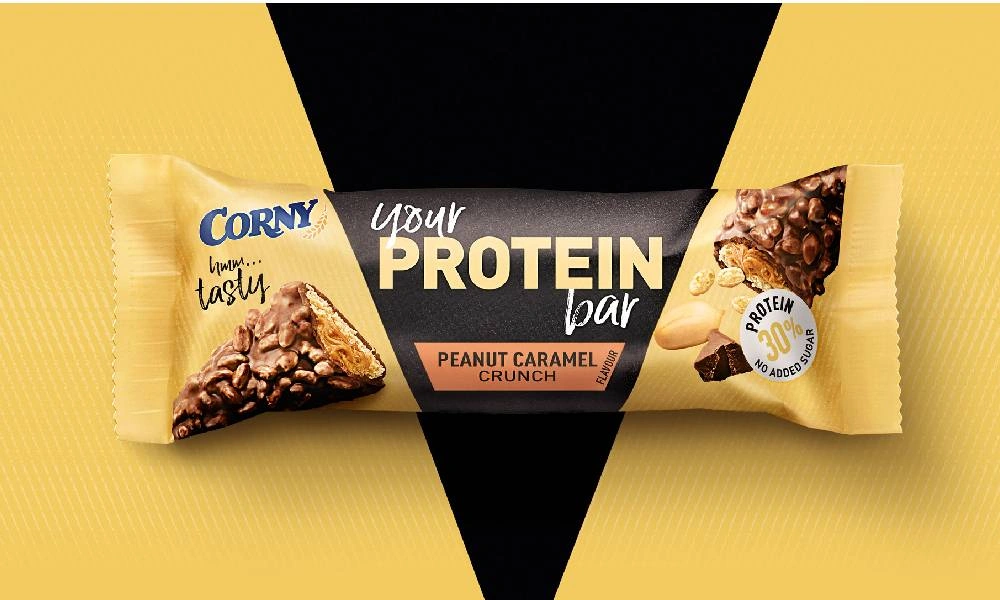
Pure Protein bars are another option for people who want a portable snack with a relatively high protein content.
Many varieties provide around 20 grams of protein, but exact amounts, calories, sweeteners, and ingredients differ by product.
Why consider it?
- Convenient packaging
- A protein-focused snack option
- A range of familiar flavors
- Useful when preparing a fresh snack isn’t practical
What to check: Compare the label with other bars in the same price range. A product with more protein isn’t automatically the better value if it contains far more calories or doesn’t suit your taste.
Pure Protein is worth comparing when you want a straightforward, portable option for your routine.
How to Choose the Best Protein Bar for Your Fitness Goal
A protein bar should fit your routine, not dictate it. Before choosing one, think about what you need the snack to do.
For muscle gain
Look for a bar that provides a meaningful amount of protein, often around 15–25 grams, and enough calories to fit your overall energy needs.
Your total daily protein intake matters more than choosing a particular brand. A protein bar can help fill a gap, but regular meals containing foods such as eggs, dairy, beans, lentils, fish, chicken, tofu, and other protein sources are important too.
For weight management
Choose a bar that fits your calorie needs and leaves you satisfied. Protein and fiber can help with fullness, but the total serving size and calorie content still matter.
A lower-sugar bar is not automatically lower in calories. Compare the full nutrition label rather than relying on the front-of-package claims.
For pre-workout energy
If you’re eating shortly before exercise, a snack containing carbohydrates can provide useful fuel. A bar that is very high in fat or fiber may feel heavy for some people, especially before intense training.
Try different options on ordinary training days to see what your stomach tolerates comfortably.
For post-workout recovery
Protein helps support muscle repair and growth, while carbohydrates help replenish energy stores after demanding exercise.
A protein bar can be convenient after training, particularly if a proper meal is some time away. You don’t need to eat one immediately after your final set, though; your overall daily intake and regular meals matter most. Recovery goes beyond food, so explore these luxury wellness retreats.
What to Look for on a Protein Bar Label
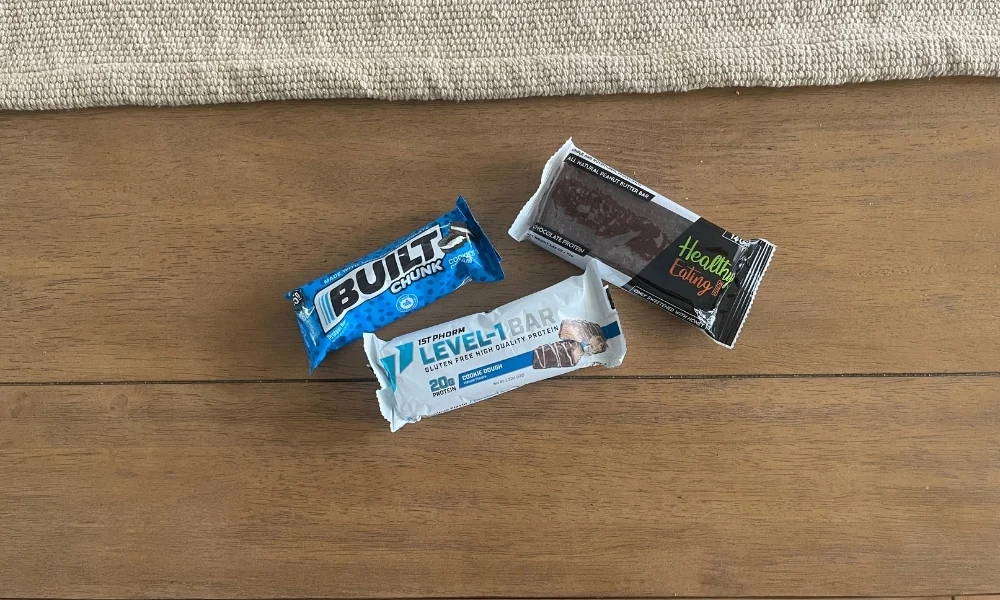
Before you buy a box of bars, take a moment to read the nutrition panel.
| What to check | Why it matters |
| Protein per serving | Helps you judge how much protein the bar contributes |
| Calories | Shows how the bar fits your daily energy needs |
| Added sugar | Helps you compare sweetness and added-sugar content |
| Fiber | May support fullness, but high amounts can bother sensitive stomachs |
| Protein source | Helps you identify dairy, egg, soy, or plant-based ingredients |
| Allergens | Important if you need to avoid milk, nuts, soy, gluten, or other ingredients |
| Price per bar | Helps you compare options for regular use |
Also check whether the bar is suitable for your dietary requirements. If halal certification matters to you, look for certification that applies to the specific product rather than assuming every flavor or imported version has the same status.
Are Protein Bars Better Than Protein Shakes?
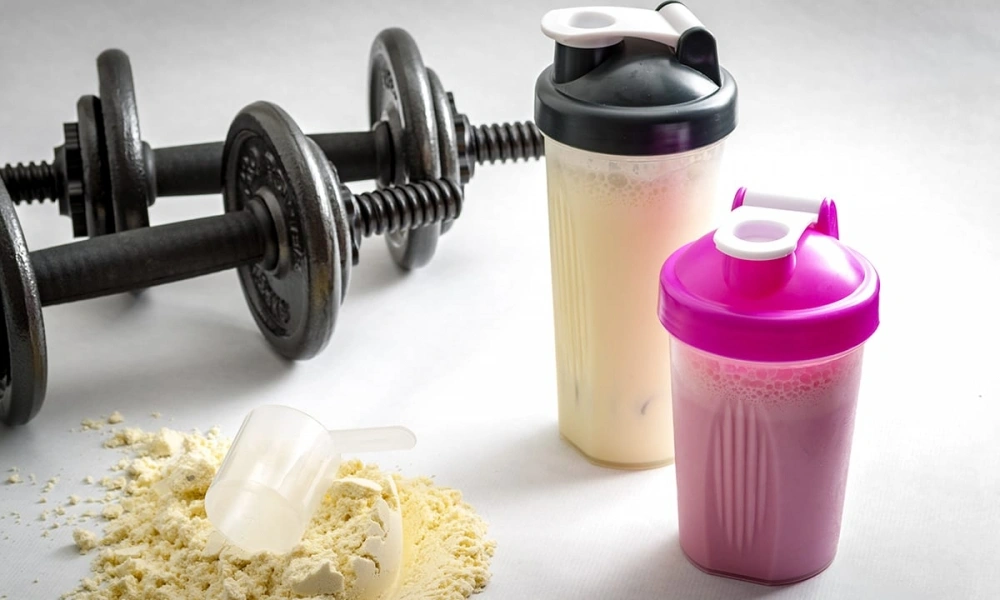
Neither is automatically better. They serve slightly different purposes.
Protein bars are convenient when you want something solid that requires no preparation. Protein shakes can be useful when you prefer a drink, want to adjust your protein serving, or find a bar too filling.
A shake may also be less expensive per gram of protein, depending on the powder and how you prepare it. On the other hand, a bar is easy to carry without needing a shaker or mixing water.
Choose the option that fits your budget, appetite, and routine. You don’t need both if ordinary meals already provide enough protein.
Gym Snacks You Can Eat Instead of Protein Bars
Protein bars are handy, but they aren’t the only practical choice. Some everyday foods can provide protein, carbohydrates, or both.
- Greek yogurt: A convenient source of protein; choose a version that suits your dietary needs and keep it refrigerated.
- Boiled eggs: A simple source of protein for a snack box.
- Banana with peanut butter: Provides carbohydrates and fats, with some protein.
- Milk or a fortified soy drink: An easy option for adding protein between meals.
- Roasted chickpeas: Provide plant protein, carbohydrates, and fiber.
- Cottage cheese: A protein-rich choice when refrigeration is available.
- Fruit and nuts: Convenient for everyday energy, although the protein content depends on the portion and nut variety.
For a pre-workout snack, fruit with yogurt or a banana with a little peanut butter may work well. After training, yogurt with fruit or eggs with toast can offer a combination of protein and carbohydrates. For a bigger protein-rich meal, see our medium-rare steak guide.
The best snack is one that suits your appetite, training, and schedule. Yogurt, eggs and cottage cheese keep best in a good fridge, so see our guide to the best high-end refrigerators.
Common Protein Bar Mistakes to Avoid
Choosing by protein number alone. A bar with more protein may also contain more calories or ingredients that don’t agree with you.
Assuming every low-sugar bar is healthy. Sugar is only one part of the nutrition picture. Look at calories, fats, fiber, ingredients, and serving size.
Eating bars instead of balanced meals all day. Protein bars are convenient snacks, but they don’t consistently provide the range of nutrients found in varied meals.
Ignoring digestive comfort. Sugar alcohols and added fibers can cause gas, bloating, or discomfort for some people. Try a small amount first if you’re unsure how you’ll respond.
Buying a large box before trying the flavor. Texture matters. A bar that looks perfect on paper is not useful if you dislike eating it.
Frequently Asked Questions
What is the best protein bar for the gym?
Quest and Barebells are useful options to compare if you want a relatively high-protein bar. RXBAR may suit people who prefer recognizable ingredients, while ALOHA is worth exploring for plant-based options. Your best choice depends on your nutrition goals, taste preferences, and budget.
How much protein should a gym protein bar contain?
Many people look for approximately 15–25 grams per bar, but there is no single amount everyone needs. A smaller bar can still be useful as a snack, especially if you get protein from other foods throughout the day.
Should I eat a protein bar before or after the gym?
Either can work. Before exercise, choose something you can digest comfortably and consider whether you need carbohydrates for energy. After exercise, a protein bar can help you get protein when a meal isn’t available.
Can I eat a protein bar every day?
For most healthy adults, a protein bar can fit into a balanced diet when its ingredients and nutrition suit their needs. It doesn’t need to be a daily habit, and it shouldn’t replace a varied diet.
Are protein bars good for weight loss?
They may help you meet your protein needs or replace a less satisfying snack, but they don’t directly cause weight loss. Your overall food intake, activity, and energy balance matter more than any individual bar.
Are vegan protein bars effective for muscle building?
Yes. Plant-based protein bars can contribute to muscle-building nutrition when they provide adequate protein and fit into a diet with sufficient total protein and energy. Check the ingredients and protein amount because formulations vary.
Final Thoughts
The best protein bar isn’t necessarily the one with the biggest number on its wrapper or the most impressive marketing. It’s the one that fits your goals, tastes good to you, and makes your routine a little easier.
If you want a protein-focused snack, compare Quest, Barebells, and Pure Protein. If recognizable ingredients matter more, explore RXBAR. For a plant-based option, consider ALOHA. And if a fresh snack like yogurt, eggs, or fruit works better for your day, there’s no need to force a protein bar into the plan.
Your progress comes from the bigger picture: consistent training, enough food, sufficient protein, recovery, and habits you can maintain. Consistency is a theme in the luxury lifestyle habits of successful people.
Disclaimer: This article is intended for informational purposes only.