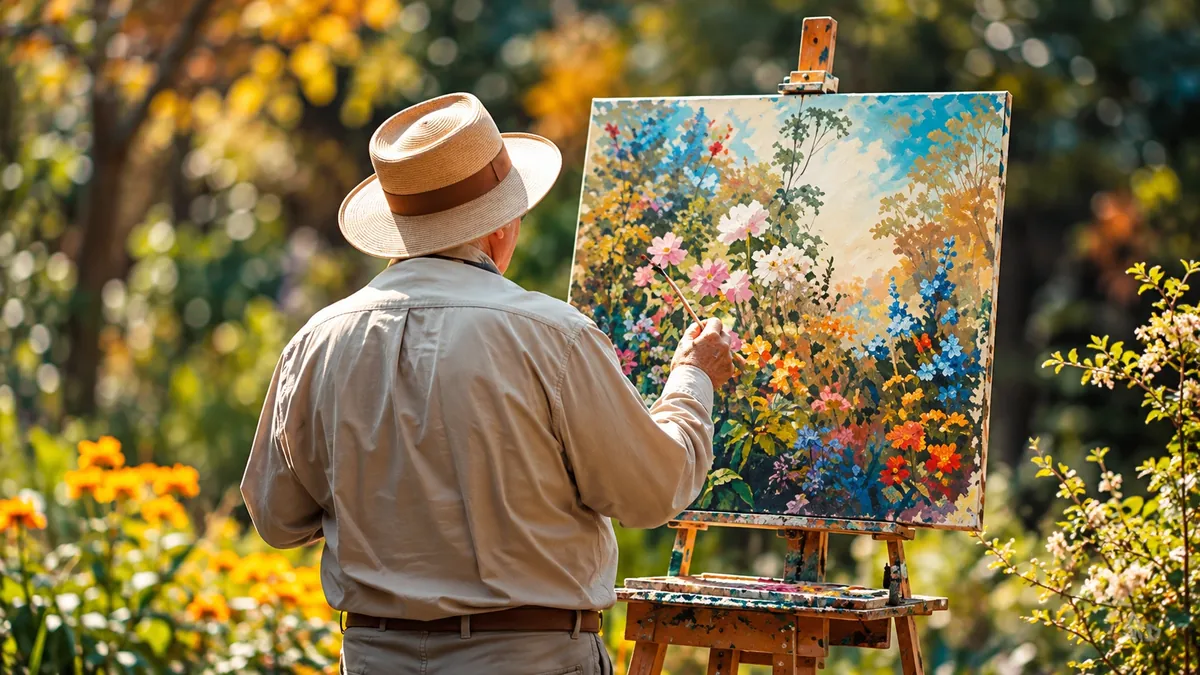
What makes a painter truly great? Is it a masterpiece that people recognize instantly, a technique that changes how artists work, or an idea so powerful that it reshapes the direction of art itself?
The greatest painters in history did more than create beautiful pictures. They changed how people understood perspective, light, emotion, religion, identity, and the world around them. Their work inspired generations of artists, challenged established traditions, and helped define entire artistic movements.
Ranking them is inevitably subjective. Artistic influence is not a measurable score, and different cultures have developed their own rich painting traditions. This list focuses on painters whose innovations, artistic legacies, and influence on later generations have been particularly significant in the history of global art, with greater emphasis on documented influence within the Western art tradition.
Art remains part of a wider appreciation for art and design, craftsmanship, and the ideas that shape modern culture.
Here are 15 painters whose work continues to shape how we see and understand art.
1. Leonardo da Vinci (1452–1519)
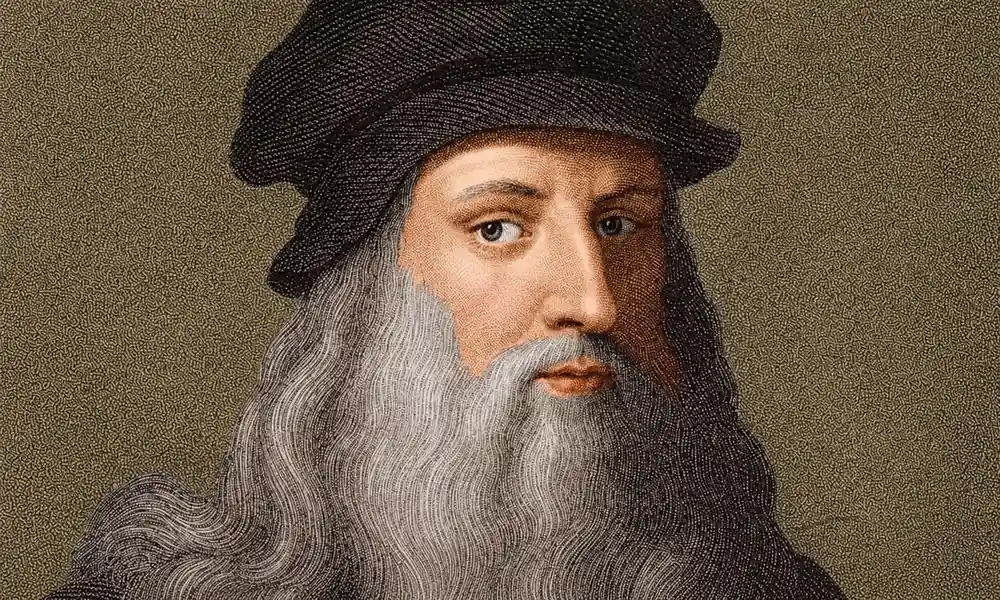
Few artists represent the Renaissance imagination as completely as Leonardo da Vinci. Painter, inventor, observer of nature, and student of human anatomy, he approached art as a way to understand the world rather than simply reproduce its appearance.
His paintings reveal an extraordinary interest in how light falls across a face, how bodies move, and how subtle expressions communicate emotion. Techniques such as sfumato, which creates soft transitions between tones and colors, helped give his figures an unusually lifelike presence.
The Mona Lisa remains one of the most recognizable paintings in the world, while The Last Supper transformed the traditional religious scene into a dramatic study of human reactions and relationships.
Leonardo’s surviving body of paintings is relatively small, but his influence reaches far beyond the number of works he completed. His integration of observation, composition, and psychological subtlety became an enduring reference point for artists and art historians.
Why he ranks first: Leonardo represents the powerful connection between scientific observation and artistic innovation that helped define the Renaissance ideal.
Most famous works: Mona Lisa, The Last Supper, Lady with an Ermine.
2. Michelangelo (1475–1564)
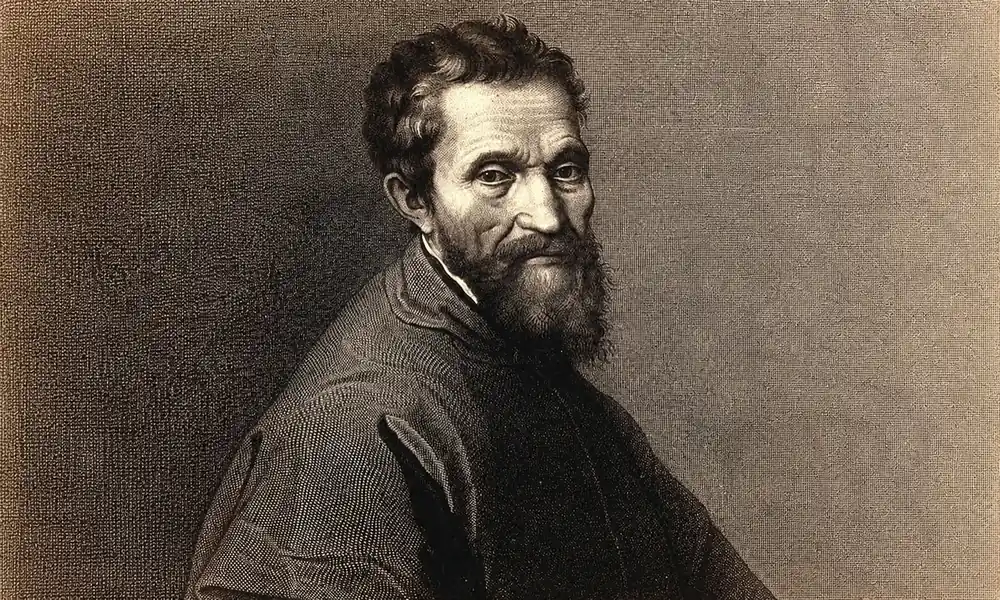
Michelangelo is often remembered first as a sculptor, but his achievements as a painter were equally transformative.
The ceiling of the Sistine Chapel in Vatican City remains one of the most ambitious artistic projects ever undertaken. Its monumental figures, complex compositions, and dramatic representation of biblical stories changed expectations about what painting could achieve on a grand scale.
The famous Creation of Adam, in which the hands of God and Adam nearly touch, has become one of the most recognizable images in Western art.
Michelangelo’s figures possess extraordinary physical presence. Even in painted form, their bodies seem to carry weight, tension, and emotional force. His influence on later artists extended through the study of anatomy, monumental composition, and the expressive possibilities of the human figure.
Why he ranks second: His monumental approach to the human body and dramatic composition influenced generations of painters, particularly those working in the Mannerist and Baroque traditions.
Most famous works: The Creation of Adam, The Last Judgment, the Sistine Chapel ceiling.
3. Pablo Picasso (1881–1973)
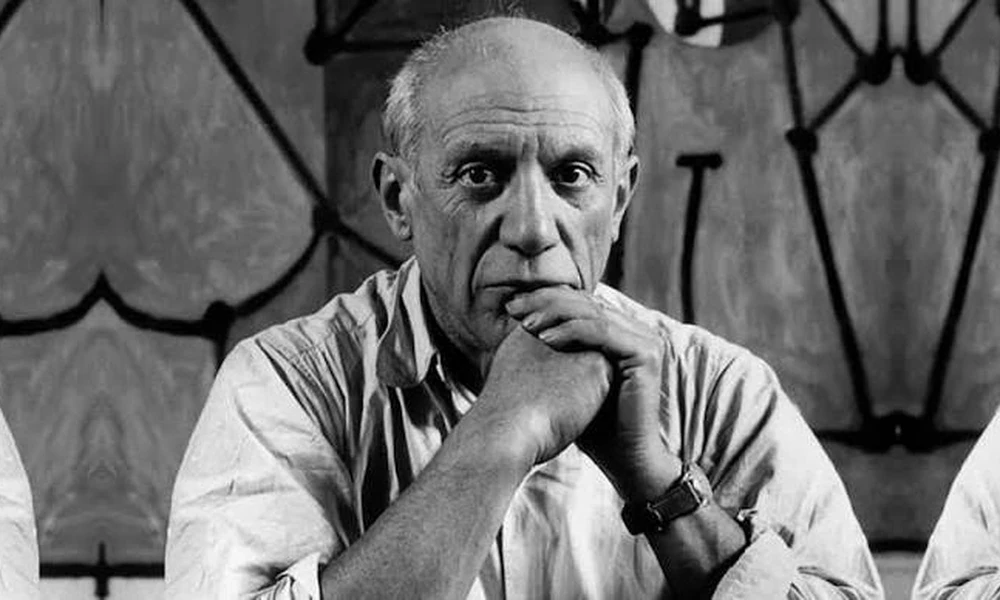
Pablo Picasso helped change the basic language of painting in the twentieth century.
Rather than treating a painting as a window onto a single, stable viewpoint, Picasso and Georges Braque developed Cubism, a movement that presented subjects through fragmented forms and multiple perspectives. Objects and figures could be broken apart, reorganized, and represented in ways that challenged traditional realism.
Picasso’s career also moved through distinct periods, including his Blue and Rose periods, before his experiments with Cubism and later styles. His ability to change direction repeatedly made him a defining figure in modern art.
Les Demoiselles d’Avignon challenged conventional representations of the human figure, while Guernica transformed the horrors of war into an immense visual statement.
His influence extended across painting, sculpture, printmaking, and the wider culture of modernism. The relationship between artistic expression and fashion continues today, with modern couture exploring the idea that fashion is art.
Why he ranks third: Picasso fundamentally challenged traditional representation and helped open the door to multiple directions in modern art.
Most famous works: Guernica, Les Demoiselles d’Avignon, Girl before a Mirror.
4. Rembrandt van Rijn (1606–1669)
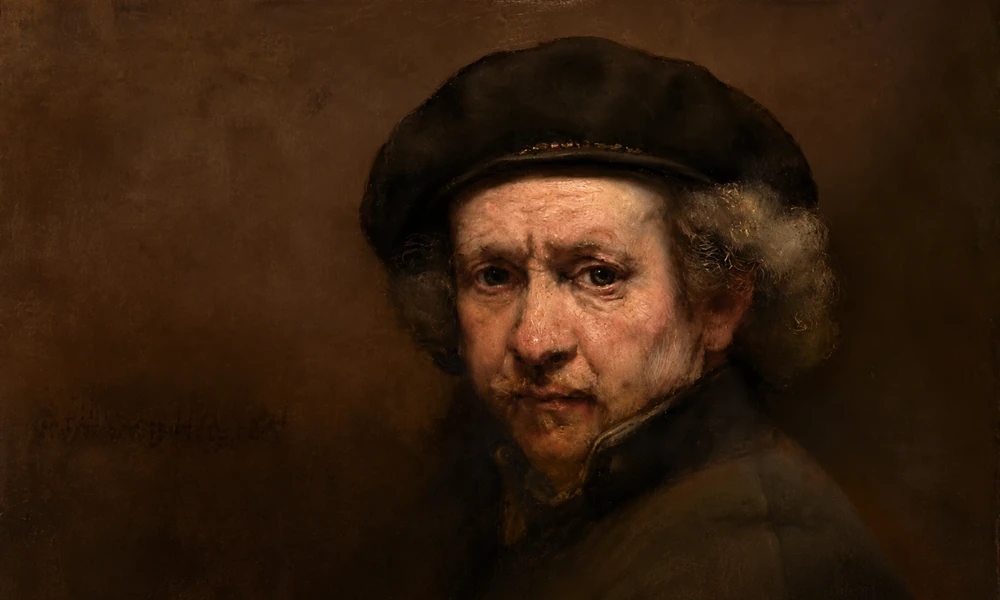
Rembrandt understood that a face could tell a story without saying a word.
One of the most important painters of the Dutch Golden Age, he became celebrated for his portraits, self-portraits, biblical scenes, and dramatic handling of light. His paintings often combine deep shadows with carefully illuminated faces and hands, guiding the viewer toward the emotional center of a scene.
His work is especially notable for its psychological depth. Rather than presenting people as flawless figures, Rembrandt frequently conveyed vulnerability, uncertainty, age, and the complicated realities of human experience.
The Night Watch demonstrates his ability to organize a large group of figures into a dynamic composition, while his numerous self-portraits document an unusually sustained exploration of identity and aging.
Rembrandt’s influence on portraiture, lighting, and expressive realism has continued well beyond his lifetime.
Why he ranks fourth: He expanded the expressive possibilities of portraiture and demonstrated how light, texture, and human psychology could work together.
Most famous works: The Night Watch, The Anatomy Lesson of Dr. Nicolaes Tulp, The Jewish Bride.
5. Vincent van Gogh (1853–1890)
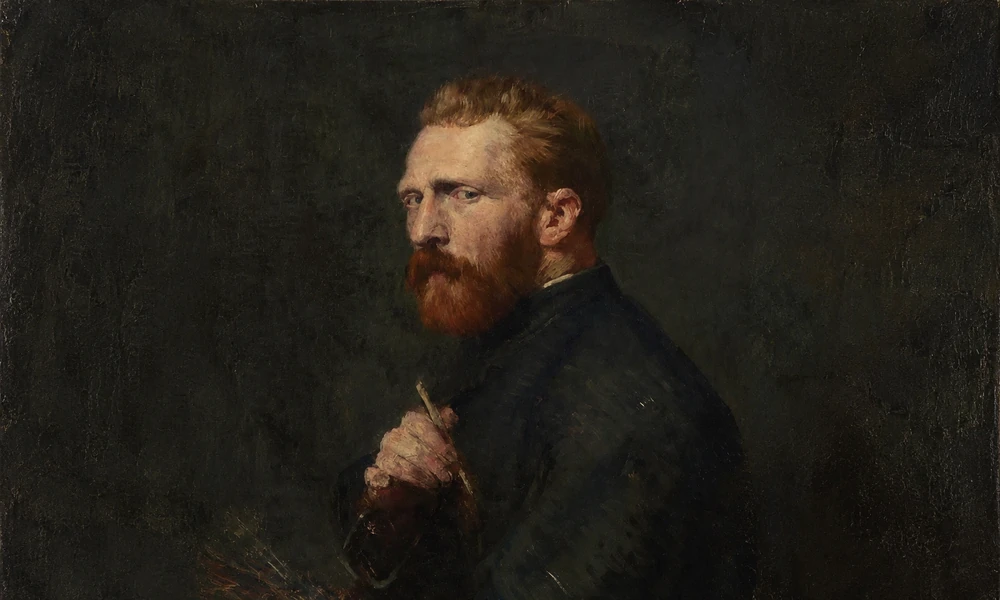
Vincent van Gogh’s paintings are instantly recognizable for their expressive brushwork, vivid colors, and intense emotional energy.
During a relatively short career, he developed a distinctive approach to color and form. His paintings often move beyond realistic description, using swirling lines, exaggerated color, and rhythmic brushstrokes to communicate how a landscape or room felt to him.
The Starry Night turns the night sky into a dynamic field of movement, while his sunflower paintings explore how a familiar subject can become a powerful study of color and texture.
Van Gogh received limited commercial recognition during his lifetime compared with the reputation he acquired after his death. His later influence on Expressionism and other modern movements demonstrates how profoundly an artist’s reputation can change over time.
Why he ranks fifth: His expressive use of color and brushwork helped establish new possibilities for emotionally charged modern painting.
Most famous works: The Starry Night, Sunflowers, Bedroom in Arles.
6. Claude Monet (1840–1926)
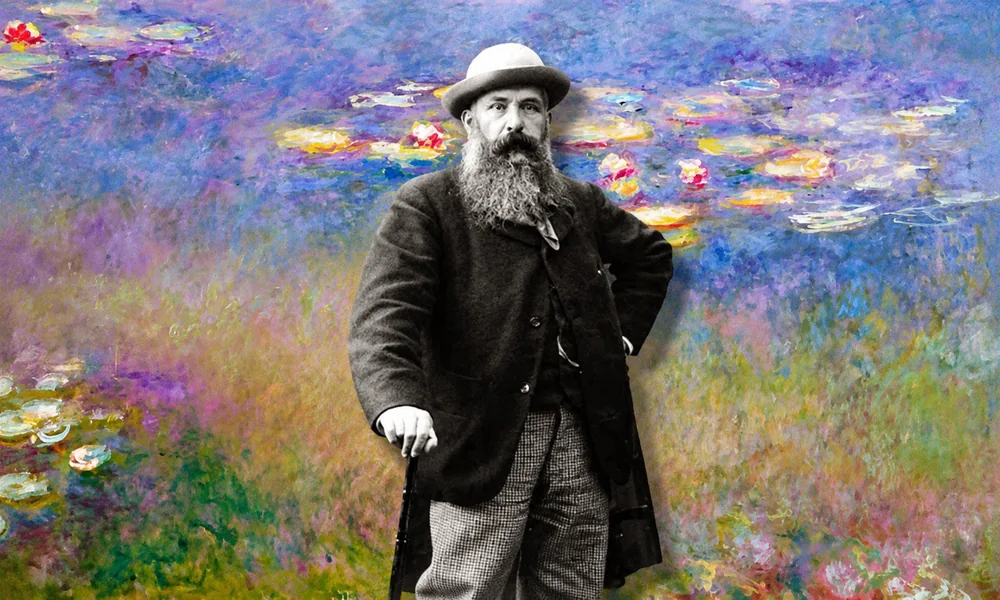
Claude Monet helped change the way artists represented light, atmosphere, and the passage of time.
A leading figure in Impressionism, Monet frequently painted outdoors and returned to the same subjects under different conditions. Rather than emphasizing every detail, he used color and brushwork to capture the changing appearance of a scene.
His paintings of haystacks, Rouen Cathedral, and the water lilies in his garden at Giverny reveal how light can transform an apparently familiar subject from one moment to the next.
The term Impressionism itself is associated with Monet’s painting Impression, Sunrise. The movement challenged established academic expectations and helped establish a new direction for modern painting.
His later water-lily paintings also anticipated aspects of the expansive, immersive experience associated with modern abstract art.
Why he ranks sixth: Monet helped legitimize a new approach to painting based on perception, changing light, and visible brushwork.
Most famous works: Impression, Sunrise, Water Lilies, Haystacks series.
7. Raphael (1483–1520)
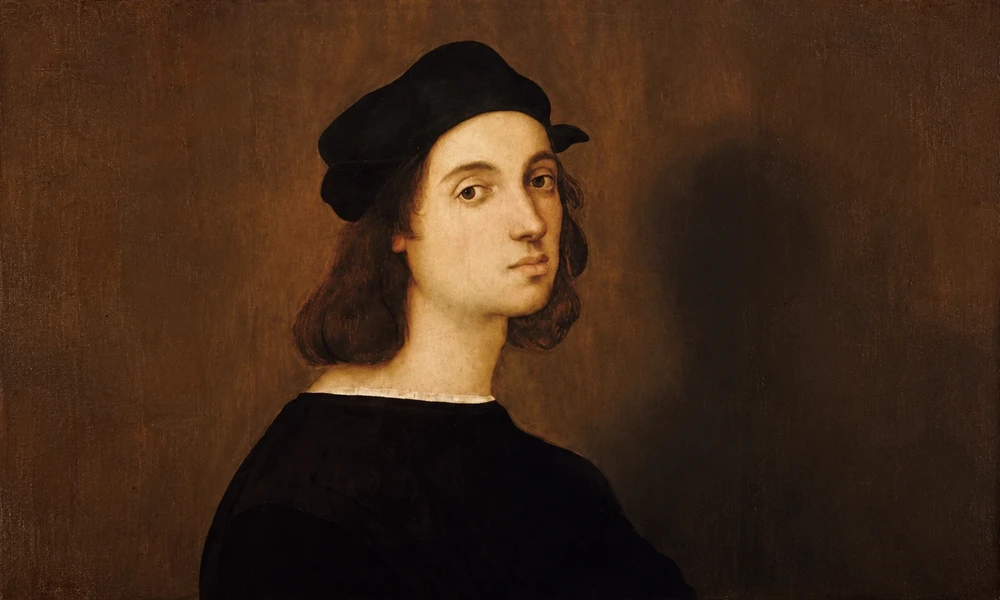
Raphael’s influence rests on his extraordinary ability to combine clarity, balance, and elegance.
Working during the High Renaissance, he developed compositions in which figures, architecture, and gestures feel carefully coordinated without appearing forced. His paintings often communicate complex ideas through a sense of visual harmony.
The School of Athens, painted in the Vatican, brings together philosophers in an idealized architectural setting. Its carefully organized space and gathering of figures became a lasting example of Renaissance composition.
Raphael’s Madonnas also helped establish influential ideals of grace and tenderness in religious painting. His work was admired during his lifetime and remained a model for academic art for centuries.
Why he ranks seventh: His compositions became enduring standards of balance and idealized beauty, shaping artistic education and taste for generations.
Most famous works: The School of Athens, Sistine Madonna, The Transfiguration.
8. Caravaggio (1571–1610)
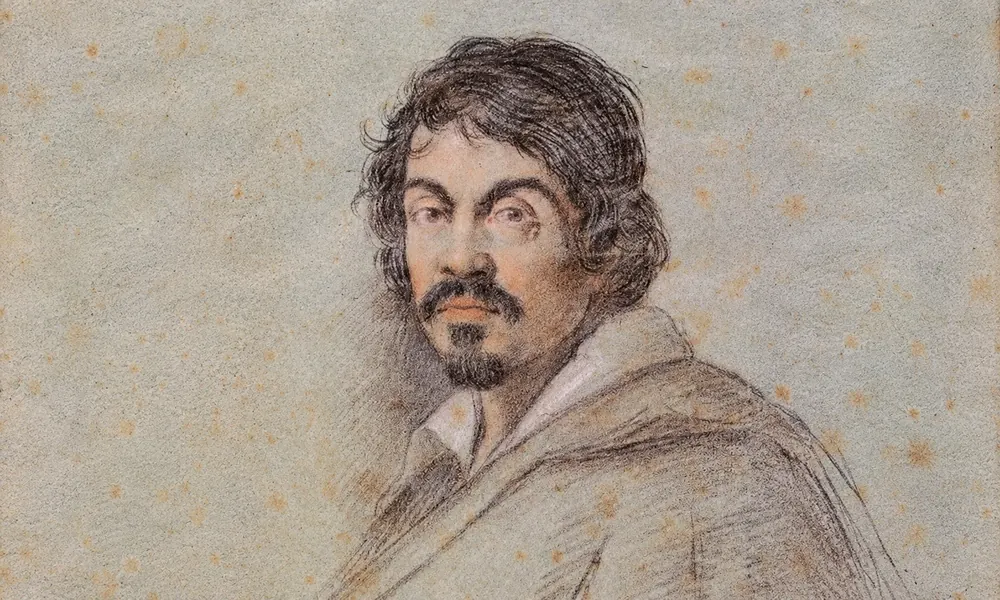
Caravaggio brought an intense sense of immediacy to religious and historical painting.
His dramatic use of light and darkness, often called chiaroscuro and, in its especially forceful form, tenebrism, made scenes appear to emerge from surrounding shadow. His figures frequently resemble ordinary people rather than distant, idealized heroes.
In paintings such as The Calling of Saint Matthew, the direction of light helps guide the viewer through the scene, turning a religious subject into a moment of human drama.
Caravaggio’s approach was influential across Europe. Artists associated with the Caravaggisti movement adapted his lighting, naturalism, and theatrical compositions, helping shape the development of Baroque painting.
Why he ranks eighth: He transformed religious painting through dramatic lighting, physical realism, and compositions that brought viewers close to the action.
Most famous works: The Calling of Saint Matthew, Judith Beheading Holofernes, The Supper at Emmaus.
9. Jan van Eyck (c. 1390–1441)
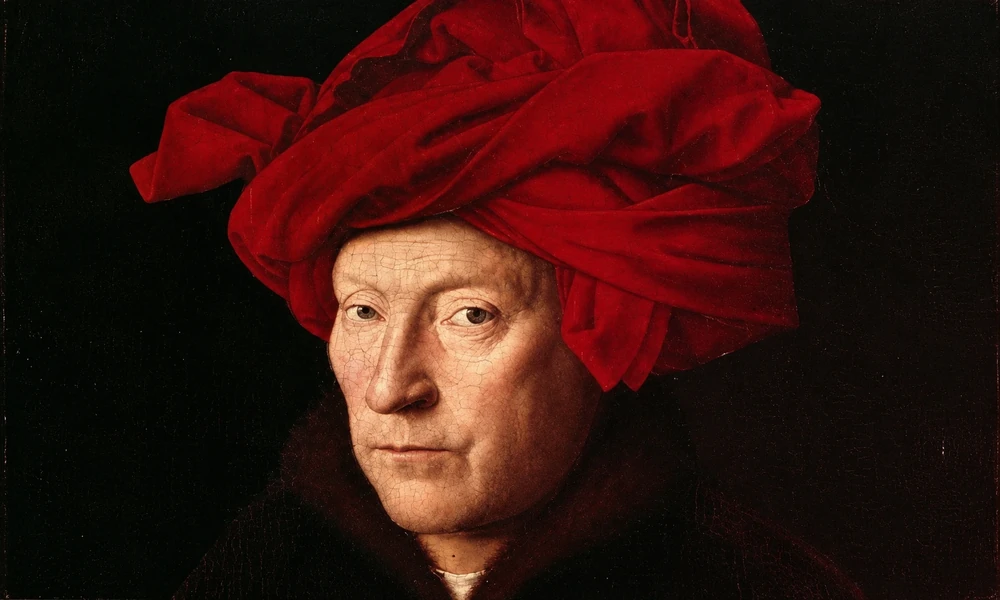
Jan van Eyck was one of the most important painters of the early Northern Renaissance.
He is celebrated for his extraordinary attention to detail, his treatment of light, and his ability to represent materials such as metal, glass, fabric, and skin with remarkable precision. His paintings invite viewers to look closely, revealing details that can initially escape notice.
The Arnolfini Portrait is famous for its carefully rendered interior and its many visual details. The Ghent Altarpiece, created with his brother Hubert and other workshop contributions, is a landmark of early Netherlandish painting.
Van Eyck’s achievement helped demonstrate the expressive and descriptive possibilities of oil painting. The broader development of oil techniques was gradual, however, and should not be attributed to a single inventor.
Why he ranks ninth: His refinement of oil-painting practice and meticulous naturalism profoundly influenced Northern European painting.
Most famous works: The Arnolfini Portrait, Ghent Altarpiece, Madonna of Chancellor Rolin.
10. Titian (c. 1488–1576)
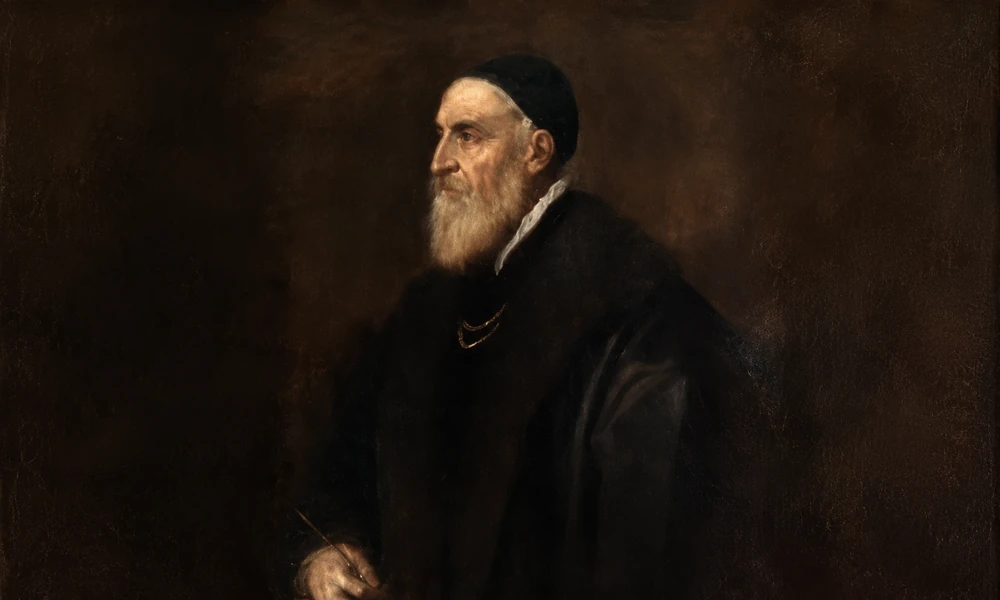
Titian was one of the leading painters of the Venetian Renaissance, celebrated for his rich colors, expressive brushwork, and versatility.
Where some Renaissance painters emphasized precise outlines and carefully controlled forms, Titian often used color and the handling of paint to create depth, atmosphere, and emotional intensity.
His portraits conveyed status and personality, while his mythological and religious scenes explored dramatic gestures, movement, and the human figure.
Titian influenced later European painters, including artists who admired the expressive power of his color and increasingly loose brushwork. His approach helped establish a tradition in which the physical handling of paint could become central to a painting’s meaning.
Why he ranks tenth: He expanded the expressive power of color and brushwork, influencing major painters for centuries.
Most famous works: Venus of Urbino, Bacchus and Ariadne, Assumption of the Virgin.
11. Diego Velázquez (1599–1660)
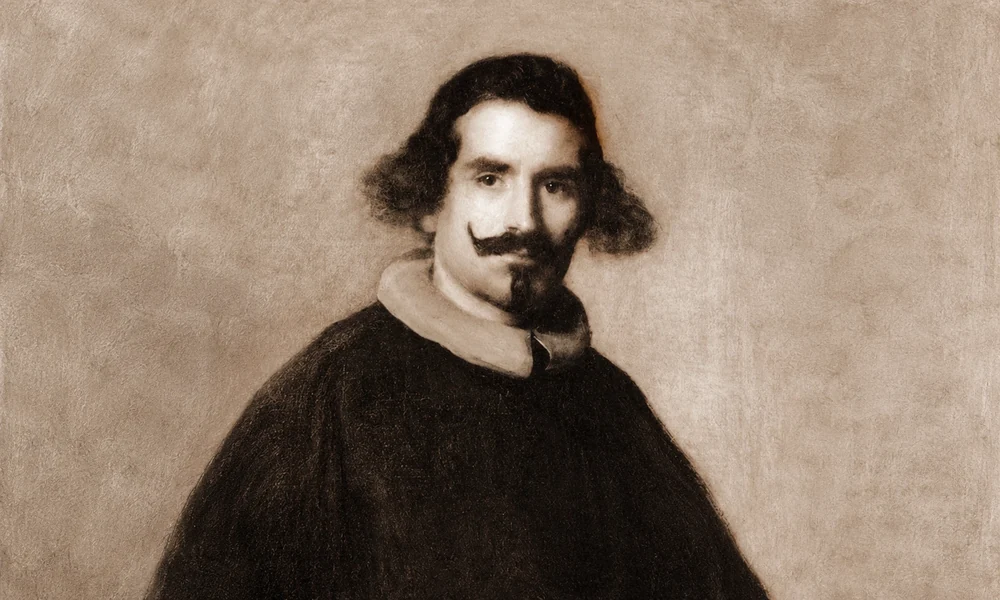
Diego Velázquez was a master of observation whose paintings combined technical sophistication with an extraordinary sense of presence.
Working primarily at the Spanish royal court, he painted portraits, historical scenes, and everyday subjects. His figures often seem to exist naturally within their surroundings, with light and brushwork creating a convincing sense of space.
Las Meninas is his best-known work. It complicates the relationship between painter, subject, and viewer, inviting questions about who is looking at whom and what exactly a painting represents.
Velázquez influenced later artists through his loose yet controlled brushwork and his ability to suggest form without describing every detail. Édouard Manet, among others, admired his work, helping connect the Spanish master to the development of modern painting.
Why he ranks eleventh: He redefined the possibilities of portraiture and visual perspective, influencing later European and modern artists.
Most famous works: Las Meninas, The Surrender of Breda, Portrait of Pope Innocent X.
12. Paul Cézanne (1839–1906)
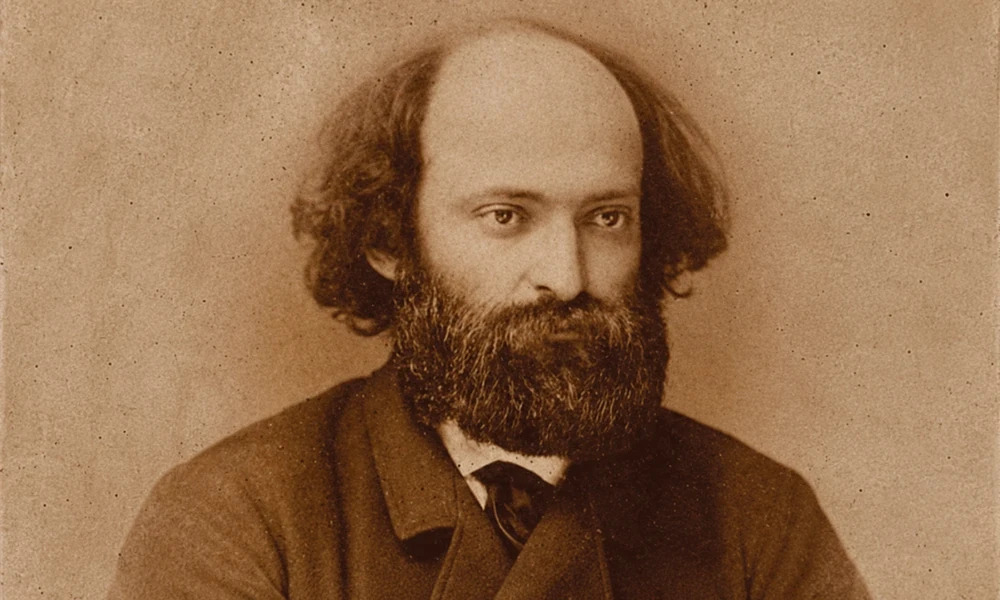
Paul Cézanne helped create a bridge between Impressionism and modern art.
He repeatedly painted landscapes, still lifes, and portraits, exploring how forms could be organized through color and structure. Instead of treating objects as isolated subjects, he built compositions through relationships between shapes, tones, and planes.
His paintings of Mont Sainte-Victoire reveal an ongoing investigation into the structure of the landscape. His still lifes demonstrate how ordinary objects can become complex arrangements of color and geometry.
Cézanne’s approach was particularly important to the development of Cubism. Pablo Picasso and Georges Braque drew on his experiments with form and spatial organization as they moved away from traditional single-point perspective.
Why he ranks twelfth: He helped prepare the ground for Cubism and other modern movements by rethinking how painting could represent three-dimensional form.
Most famous works: Mont Sainte-Victoire series, The Basket of Apples, The Card Players.
13. Wassily Kandinsky (1866–1944)
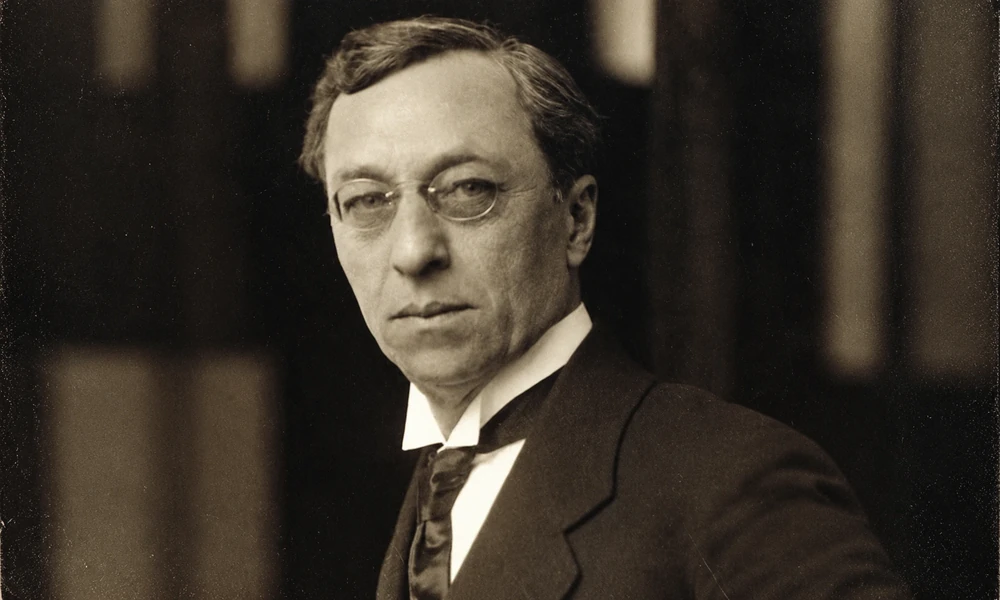
Wassily Kandinsky was a central pioneer of abstraction, helping establish the idea that painting did not always need to represent recognizable objects.
His work explored relationships between color, line, rhythm, and emotional experience. Influenced by music and spiritual ideas, he sought forms of visual expression that could communicate beyond literal representation.
Kandinsky’s paintings became increasingly abstract, using color and geometry to create compositions that operate through visual relationships rather than conventional storytelling.
His theoretical writing also helped shape modern discussions about what painting could be and how abstract art might communicate meaning.
Why he ranks thirteenth: He helped legitimize abstraction as a major artistic direction and influenced generations of modern painters.
Most famous works: Composition VII, Composition VIII, Yellow-Red-Blue.
14. Frida Kahlo (1907–1954)
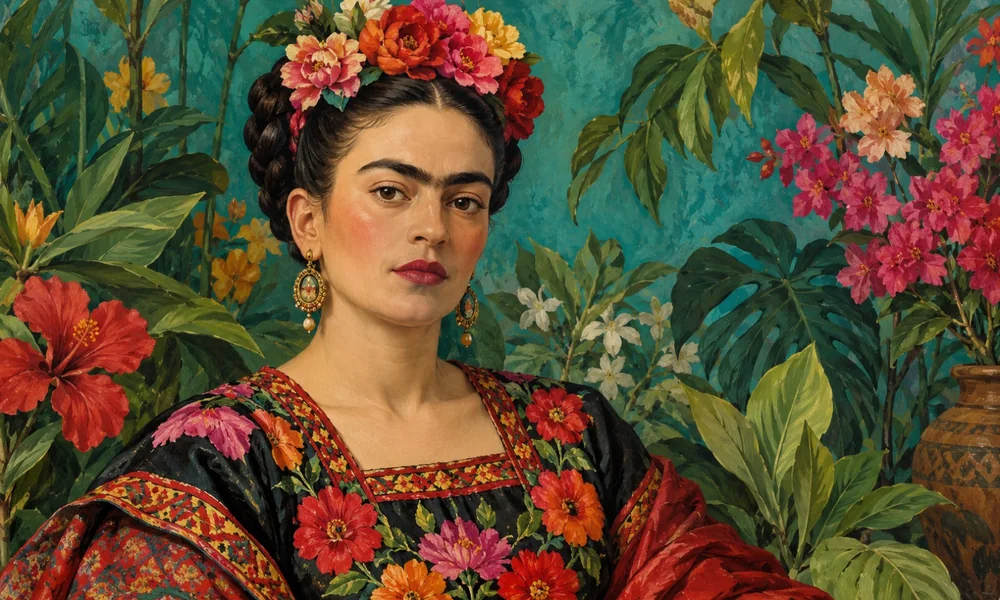
Frida Kahlo transformed personal experience into some of the most recognizable paintings of the twentieth century.
Her self-portraits explore identity, physical suffering, relationships, cultural heritage, and the complex relationship between the body and the self. Through direct gazes, symbolic imagery, and carefully composed scenes, she created a visual language that remains deeply personal while inviting broader interpretation.
Similar explorations of identity and human expression can also be seen in the work of photographer Diane Arbus, whose portraits captured distinctive aspects of human individuality.
Kahlo’s Mexican identity and engagement with Mexican cultural traditions were important to her work. Although she is often grouped with Surrealism, she resisted the idea that her paintings were simply expressions of an imagined dream world, emphasizing their connection to her lived experience.
Her influence has grown enormously in contemporary culture, where her work is discussed in relation to gender, identity, disability, politics, and representation.
Why she ranks fourteenth: Her distinctive self-portraiture and personal symbolism helped expand the cultural and critical conversations surrounding modern art.
Most famous works: The Two Fridas, Self-Portrait with Thorn Necklace and Hummingbird, The Broken Column.
15. Jackson Pollock (1912–1956)
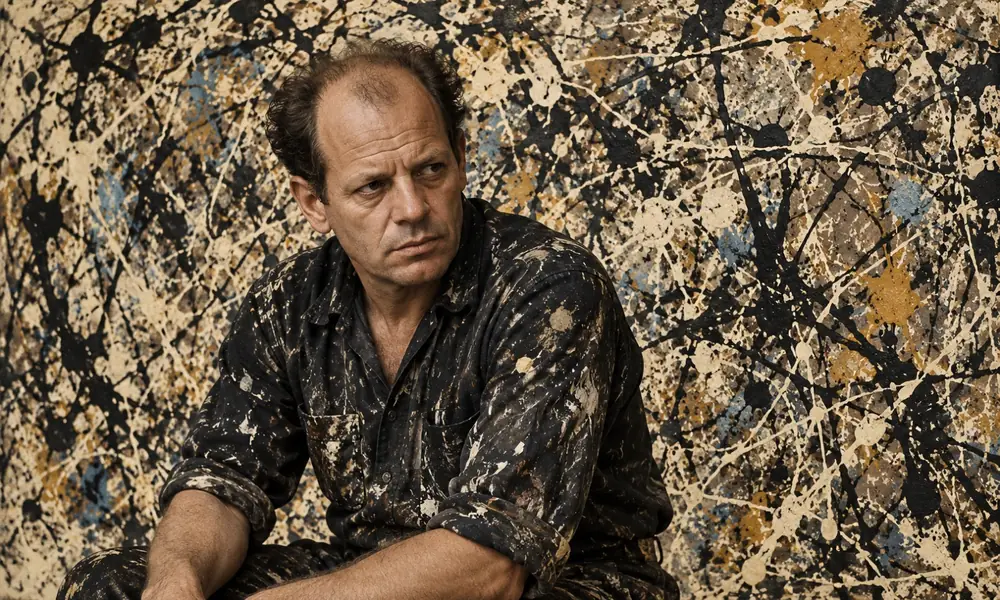
Jackson Pollock helped redefine the act of painting in the mid-twentieth century.
Associated with Abstract Expressionism, Pollock became known for his poured and dripped paintings, in which paint was applied across large canvases through sweeping, rhythmic movements. The resulting compositions do not depict conventional scenes. Instead, they emphasize gesture, material, movement, and the physical process of making art.
His work challenged traditional expectations about composition and technique. The canvas became a space for action, with the artist’s movements forming part of the finished image.
Pollock’s influence extended beyond his own paintings. His methods helped shape debates about abstraction, artistic freedom, and the role of process in modern art.
His legacy should also be understood alongside the work of other Abstract Expressionists, including Lee Krasner, whose own artistic contributions deserve recognition in their own right.
Why he ranks fifteenth: He became a defining figure in postwar abstraction and helped shift the center of the modern art world toward the United States.
Most famous works: No. 5, 1948, Autumn Rhythm (Number 30), One: Number 31, 1950.
What Makes These Painters So Influential?
The artists on this list did not all pursue the same goals. Their influence comes from different kinds of achievement.
- Changing technique: Leonardo, Jan van Eyck, Titian, and Caravaggio expanded how painters used light, color, materials, and realism.
- Redefining the human figure: Michelangelo and Raphael established influential approaches to anatomy, movement, and composition.
- Transforming modern painting: Cézanne, Monet, Picasso, Kandinsky, and Pollock helped break away from established conventions.
- Expanding emotional expression: Rembrandt, Van Gogh, Velázquez, and Kahlo showed how painting could communicate psychological depth, identity, and personal experience.
Influence also depends on historical circumstances. Patronage, institutions, exhibitions, art education, publishing, and access to collections all helped certain painters become central to the accepted history of art. Just as painters reshape visual expression, fashion designers leave a lasting legacy through their own creative influence.
No ranking can fully capture the many artistic traditions that developed beyond this selection. Painters from South Asia, East Asia, Africa, the Americas, and other regions have shaped rich visual histories of their own, and a broader global ranking would need to give those traditions greater representation.
Frequently Asked Questions
Who is the most influential painter of all time?
Leonardo da Vinci is a strong candidate because of his innovations in painting, his studies of nature and anatomy, and his enduring cultural legacy. Michelangelo and Pablo Picasso are also among the strongest contenders, depending on whether influence is judged by Renaissance achievement or modern artistic change.
Who changed the history of painting the most?
Several artists transformed painting in different ways. Leonardo and Michelangelo helped define the High Renaissance, Caravaggio reshaped Baroque painting, Monet helped establish Impressionism, and Picasso played a major role in the development of Cubism.
Is Vincent van Gogh one of the greatest painters ever?
Yes. Van Gogh is widely regarded as one of the most important painters in modern art. His expressive brushwork, intense colors, and emotional approach influenced later generations, although his reputation grew substantially after his death.
Why is Pablo Picasso ranked so highly?
Picasso helped develop Cubism, a movement that challenged traditional perspective and representation. His sustained experimentation across several artistic periods made him one of the most influential figures in modern art.
Are the greatest painters necessarily the most famous?
No. Fame and influence overlap, but they are not identical. Some artists are widely recognized because of iconic images, while others have had a major impact on technique, artistic education, or later movements without enjoying the same level of public recognition.
Final Thoughts
The greatest painters do more than leave behind beautiful images. They change what later artists believe painting can accomplish.
Leonardo explored the relationship between art and observation. Michelangelo gave the human body monumental expressive power. Rembrandt found psychological depth in faces, while Monet transformed changing light into a subject of its own. Picasso, Kandinsky, and Pollock challenged the very assumptions that had governed painting for centuries.
Their achievements remind us that art history is not simply a procession of famous names. It is an ongoing conversation in which every generation inherits ideas, questions them, and discovers new ways to see.
And perhaps that is the most remarkable thing about these painters: centuries after some of them lived, their work can still make us pause, look closer, and see the world differently.
Disclaimer: This article is intended for informational purposes only.