Sensory interior design for apartments means shaping light, sound, texture, scent, temperature, and layout around the people who live there. Start by identifying what feels uncomfortable, then make small, adjustable changes: reposition a glaring lamp, choose comfortable upholstery, reduce unnecessary noise, or simplify a crowded route.
The goal is personal comfort. It does not require a beige palette, complete silence, or expensive equipment.
Imagine coming home to an apartment that looks beautiful but feels tiring. The ceiling light reflects across the table. A chair scrapes against the floor. A diffuser fills the entire studio.
Sensory design starts by noticing those details and deciding which ones you want to change.
What Is Sensory Interior Design?
Sensory interior design considers how an environment is experienced through the body, alongside how it looks.
In an apartment, that includes the fabric against your skin, light at your desk, appliance noise, cooking smells, and how easily you move between furniture.
Personalisation Comes First
People respond differently to sensory input. The National Autistic Society explains that sensory experiences can involve heightened sensitivity, reduced sensitivity, or a mixture that varies with circumstances. That makes a universal “calming room” formula unhelpful. One person may enjoy a textured blanket and music; another may prefer smooth fabric and quiet.
Sensory Apartment Design at a Glance
| Element | What to notice | A simple starting change |
| Light | Glare, shadows, uncomfortable brightness | Reposition a lamp or adjust window coverings |
| Sound | Echo, scraping furniture, appliance noise | Identify the source before buying treatment |
| Touch | Scratchy fabrics, hard edges, uncomfortable seats | Test materials you touch frequently |
| Scent | Overlapping fragrances and lingering odours | Remove unnecessary scented products |
| Temperature | Drafts, direct sun, uncomfortable seating spots | Test a different furniture position |
| Layout | Narrow routes and difficult-to-reach storage | Move one obstructing item |
| Visual detail | Busy surfaces or hard-to-find objects | Give frequently used items a clear home |
1. Make a Sensory Map Before Shopping
Walk through the apartment at different times of day.
Record what you notice from your usual positions: sitting on the sofa, preparing food, working, and getting ready for bed.
Use specific observations:
- “The bare bulb is visible from the armchair.”
- “I can hear the refrigerator from my desk.”
- “The sofa fabric scratches my arms.”
- “My keys disappear against the dark shelf.”
Choose One Problem to Solve First
Pick the issue that affects daily life most.
Change one thing, then use the space before making another adjustment. This makes it easier to tell what helped.
For a shared apartment, ask each person separately. An arrangement that suits one household member may need an alternative for another.
2. Make Lighting Adjustable and Comfortable
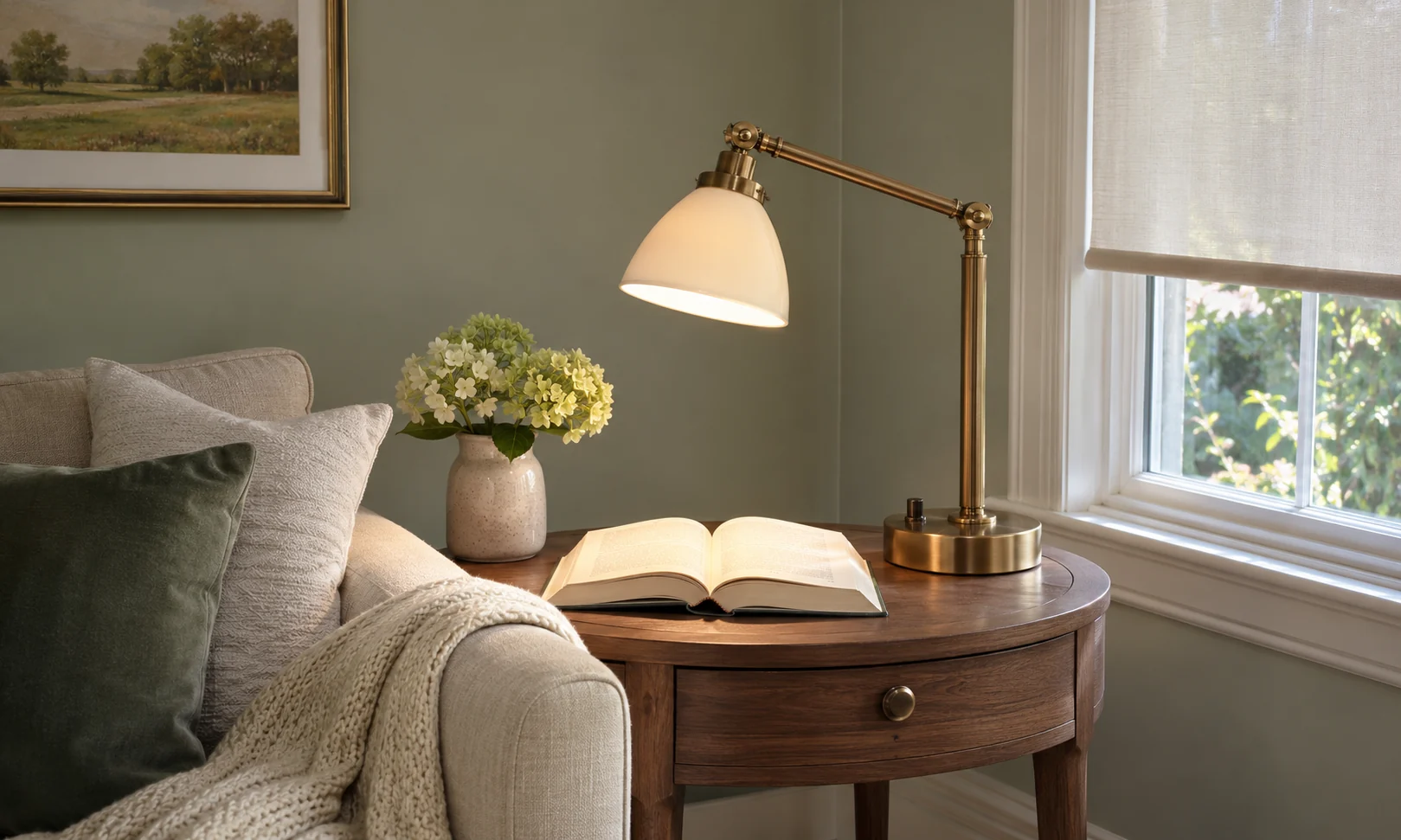
Good lighting begins with the activity and the person.
You may need brighter light for preparing food and a different arrangement for an evening conversation.
RNIB identifies glare as lighting that causes discomfort or makes seeing more difficult. The source’s brightness, position, and type can all contribute.
Apartment-Friendly Changes
Try:
- Moving a lamp so the bulb is outside your direct view.
- Using an appropriate shade to diffuse exposed light.
- Adjusting blinds when sunlight strikes a work surface.
- Adding task lighting where you read or prepare food.
- Choosing compatible dimmable equipment where useful.
Dimmer is not automatically better. Keep enough light to see comfortably and move through the apartment.
3. Choose Colour for Visibility as Well as Atmosphere
Begin with colours you enjoy, then consider how they work in the room.
A restrained palette can create a visually cohesive space, but making every surface the same shade may make some objects harder to distinguish.
RNIB’s guidance for people with sight loss highlights the importance of contrast alongside appropriate lighting.
Make Everyday Objects Easy to Find
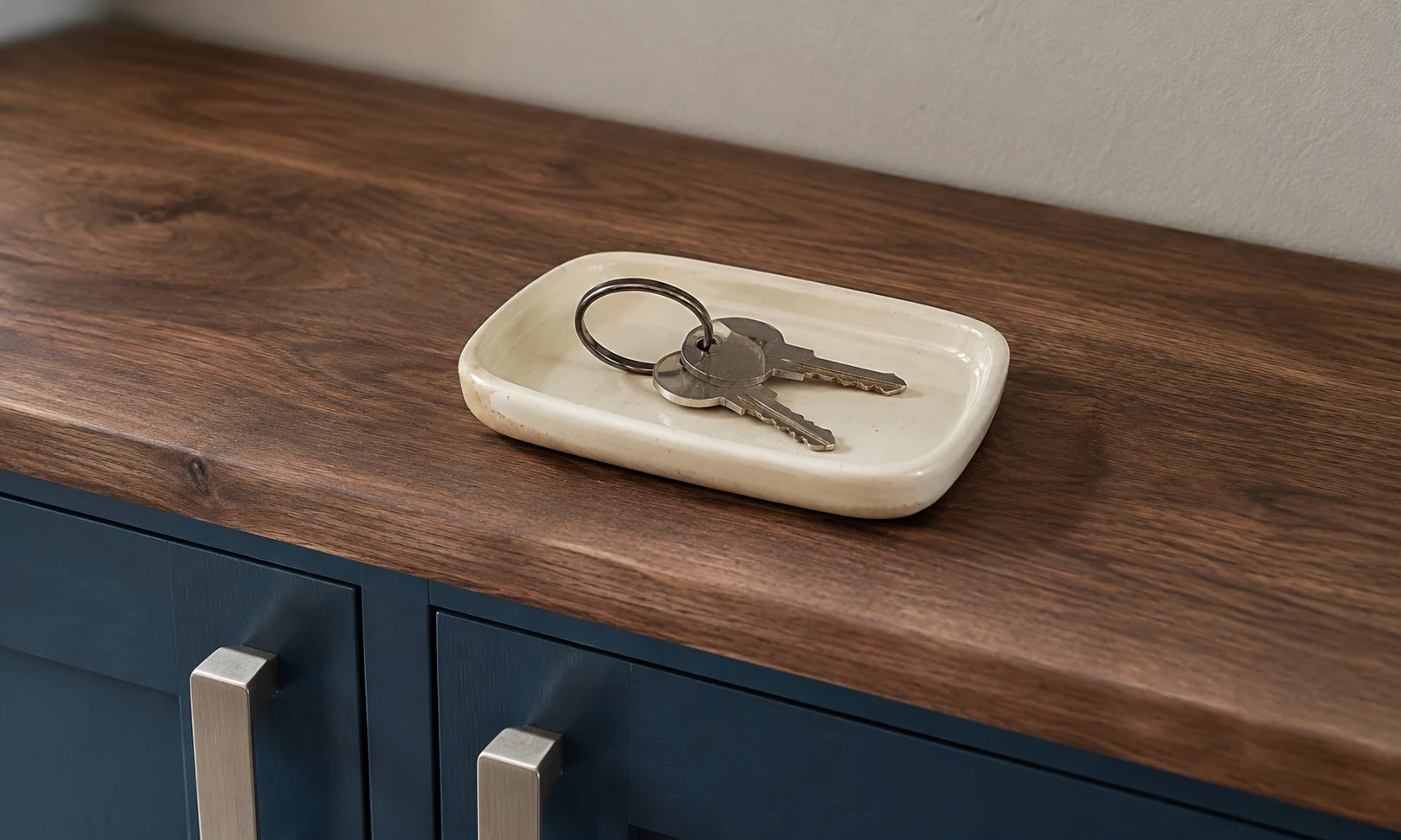
Consider a light tray for dark keys, distinguishable handles on cabinetry, or a chair that is easy to see against the floor.
Test paint samples in the actual room before committing. Notice them in daylight and under your evening lighting.
For a softer, cohesive decorating approach, explore our warm minimalism interior design ideas.
4. Identify the Noise Before Choosing a Solution
Apartment noise can come from several places: conversations reflecting around a room, furniture movement, appliances, or neighbouring properties.
These are different problems.
Acoustic Treatment Is Different From Soundproofing
Acoustic treatment changes how sound behaves inside a room. Soundproofing addresses sound passing between spaces.
GIK Acoustics distinguishes these functions. Decorative foam or acoustic panels should not be assumed to block a neighbour’s music or structural noise.
Start With the Source You Can Control
Check whether a chair needs suitable floor protectors, equipment is vibrating against furniture, or several devices are playing simultaneously.
If the problem involves building services or sound transmission, discuss it with the property manager before buying products intended for a different purpose.
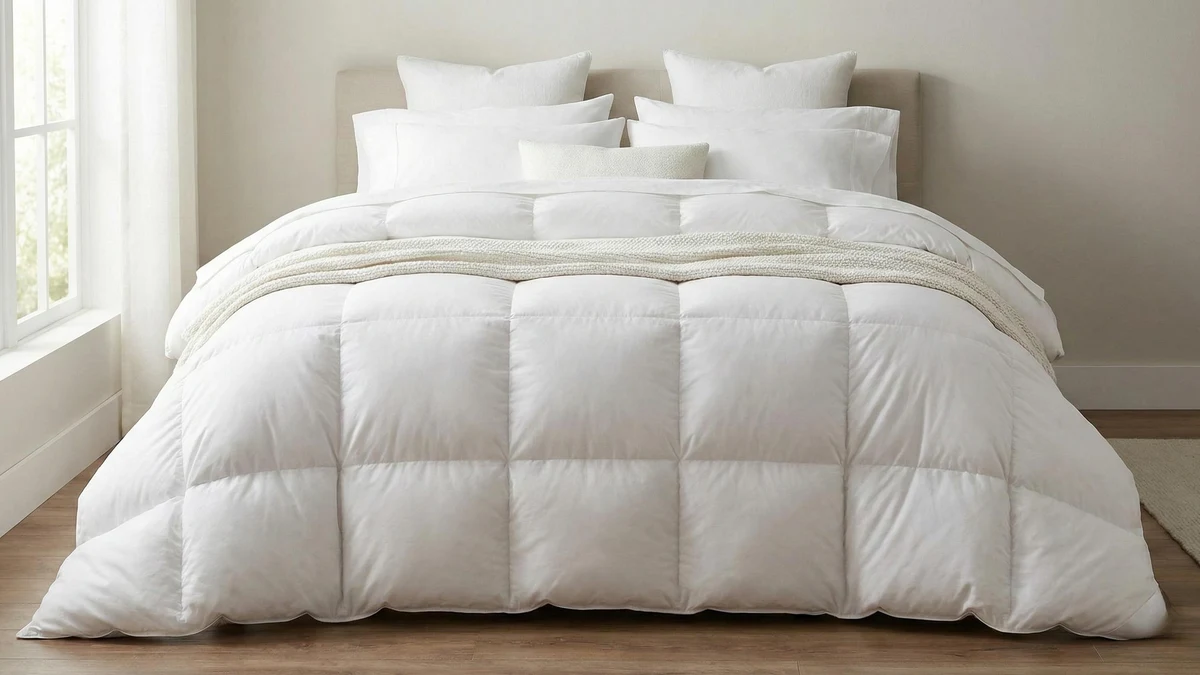
5. Test Fabrics With Your Hands and Your Body
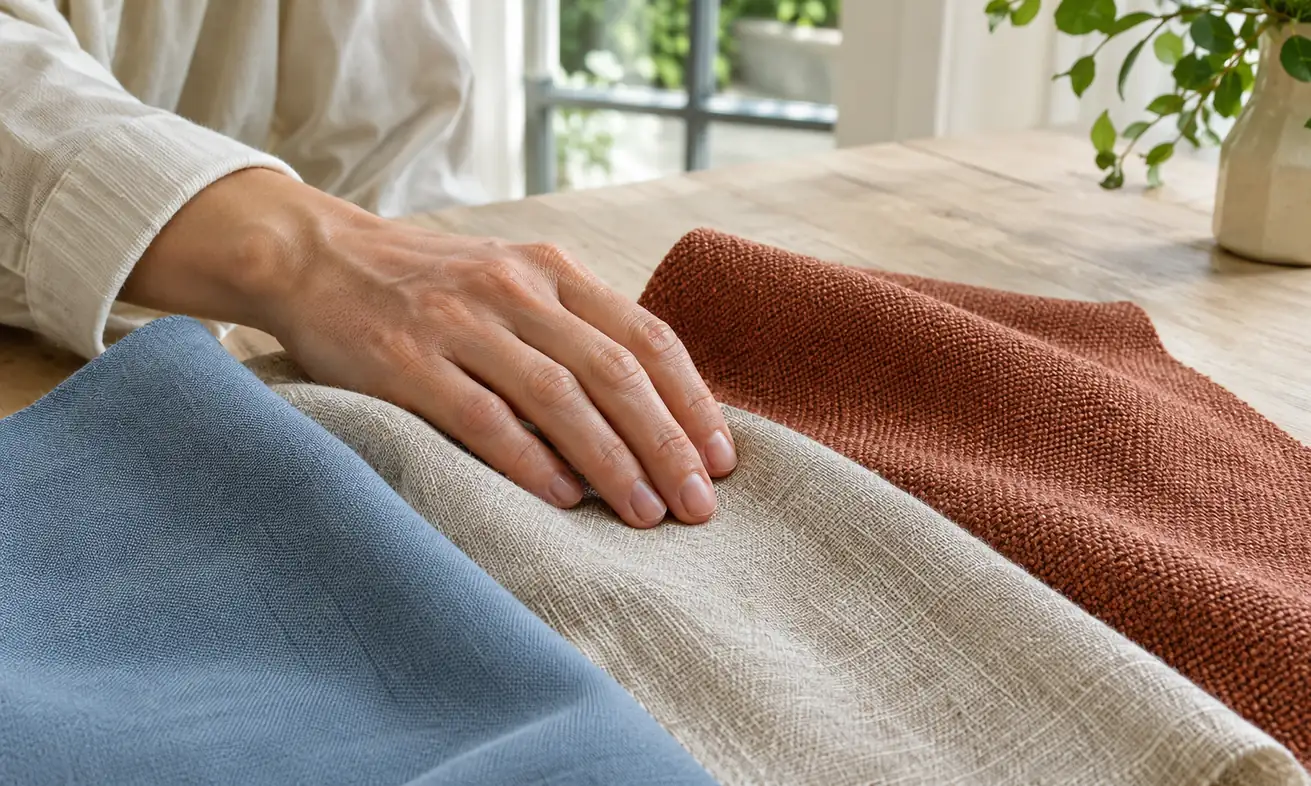
A fabric can look inviting and feel unpleasant after ten minutes.
Before buying upholstery, cushions, or bedding, test the surfaces you will actually touch. Pay attention to seams, piping, loose fibres, and how warm the material feels.
Prioritise Frequent Contact
Start with:
- Sofa and chair upholstery.
- Bedding and pillowcases.
- Throws used against bare skin.
- Desk-chair arms.
- Rugs where you walk without shoes.
Keep a sample at home where possible. Comfort during a brief showroom visit may differ from comfort through an entire evening.
Choose materials that suit your maintenance routine as well as your preferences.
6. Treat Fragrance as Optional
A sensory-conscious apartment does not need scented candles, essential oils, or diffusers.
Ask whether household members enjoy fragrance before adding it. The EPA notes that fragrance exposure can cause adverse effects in some sensitive individuals.
Start With the Existing Smells
Notice cleaning products, laundry products, cooking, bins, and air fresheners.
Address unwanted odours at their source rather than adding another fragrance over them. Follow product instructions and use available ventilation appropriately.
In a studio apartment, scent placed near the entrance may reach the sleeping area. A fragrance-free home is a complete design choice, not an unfinished one.
7. Create Clear Routes Through the Apartment
Furniture placement affects how the apartment feels to use.
Walk your ordinary routes: entrance to kitchen, sofa to bathroom, bed to wardrobe. Notice anything you repeatedly step around, brush against, or move.
Remove Everyday Friction
Try repositioning:
- A side table that narrows a doorway.
- A floor lamp whose cable crosses a route.
- A storage basket that blocks a cupboard.
- A chair that prevents a door opening comfortably.
Measure for the people, mobility equipment, and activities the home needs to accommodate. Avoid relying on one generic clearance measurement.
Our guide to luxury tiny-home design explores practical ways to give limited space a clear purpose.
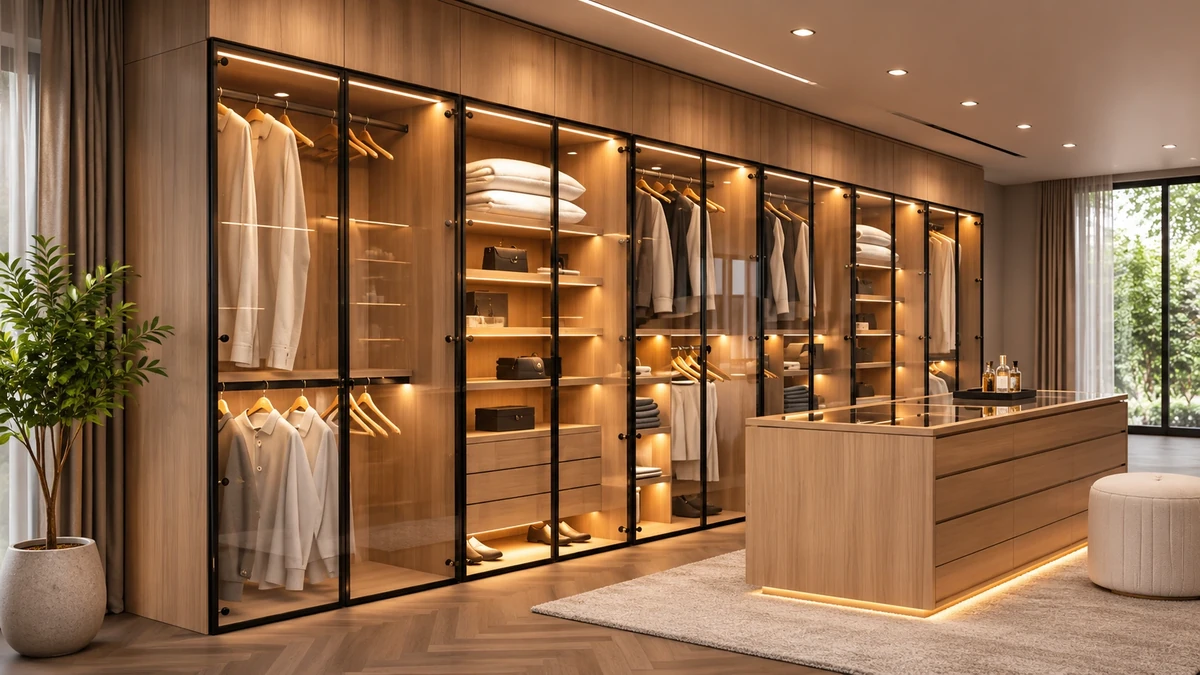
8. Balance Display With Predictable Storage
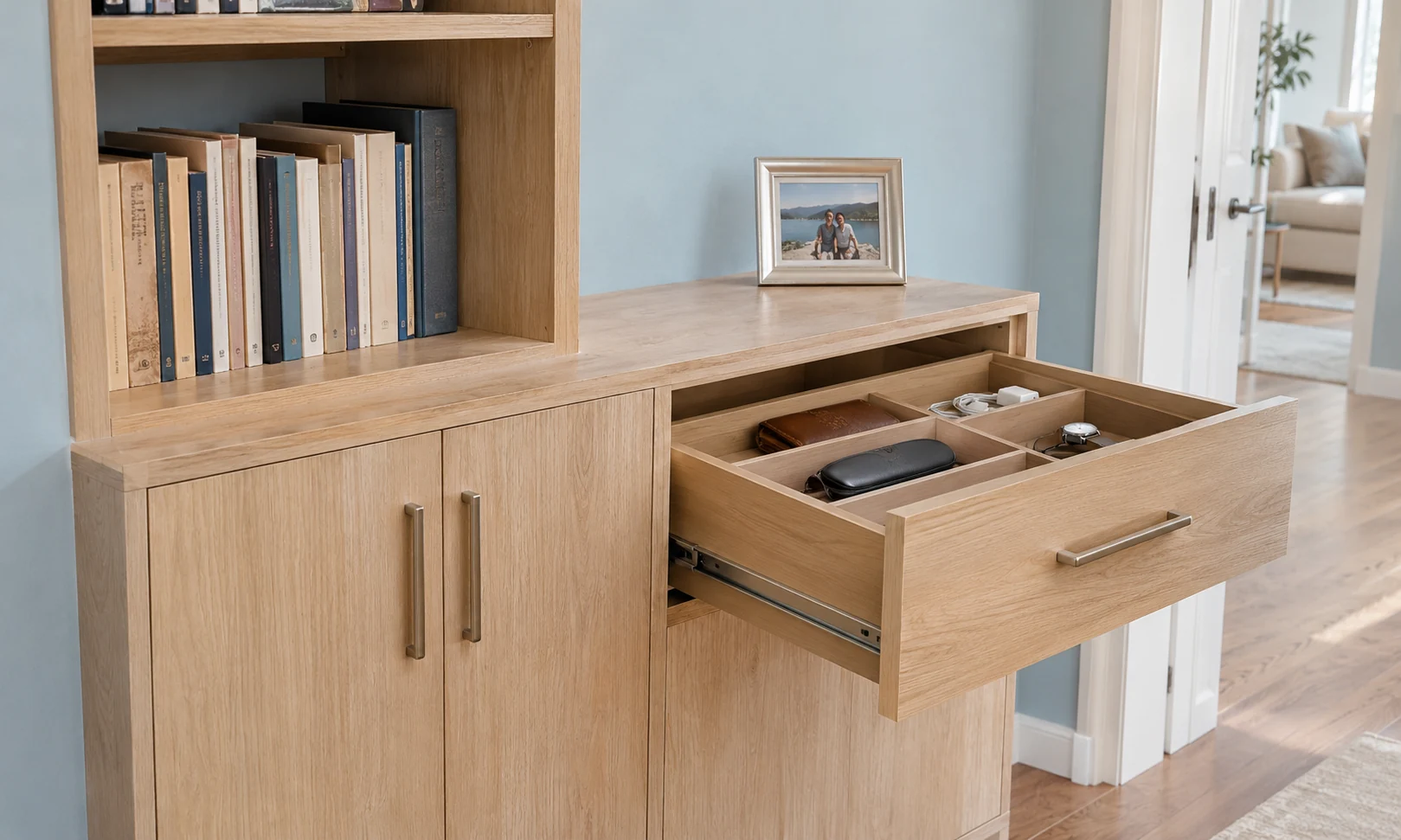
The aim is to make the apartment understandable and manageable.
Some people prefer belongings behind doors. Others find visible storage easier because it helps them remember where things are.
Use Storage According to the Item
| Item | Possible storage approach |
| Keys and daily essentials | A consistent, easy-to-see landing place |
| Frequently used books | An accessible open shelf |
| Small mixed accessories | A divided drawer or labelled box |
| Current hobby project | A portable tray or basket |
| Rarely used equipment | Closed storage that remains accessible |
Keep meaningful objects on display where you enjoy them. Reduce what gets in the way rather than removing everything personal.
9. Make One Adjustable Retreat
You do not need a dedicated sensory room.
A familiar chair, comfortable light, and reachable controls can create a place to pause within a larger room.
Decide What Belongs There
Depending on your preferences, that might include a smooth cushion, textured throw, book, music, or no additional stimulation.
Give the person using the space control over its features. Avoid assuming that a glowing lamp, background soundtrack, or particular texture will suit everyone.
A screen-free corner may be useful, but necessary communication and assistive devices should remain accessible.
10. Build Flexibility Into Shared Spaces
In a small apartment, one room may support work, meals, conversation, and rest.
Instead of expecting one setting to work for everything, create a few straightforward adjustments.
For example:
- A task lamp for work and a separate lamp for evening use.
- Headphones when one person wants music.
- A portable box for desk materials.
- Window coverings that can be adjusted independently.
- A clear agreement about fragrance in shared areas.
For a wider approach to fitting design around daily routines, read our guide to designing a luxury home around comfort and function.
Renter-Friendly Sensory Design Ideas
Begin with changes that require little or no alteration.
| Concern | Reversible option to explore |
| Uncomfortable overhead light | A suitable plug-in lamp |
| Afternoon glare | Adjustable window coverings permitted by the lease |
| Scratchy seating | A comfortable, securely fitted cover |
| Hard-to-find belongings | A designated tray or labelled storage |
| Furniture scraping | Floor protectors suited to the flooring |
| Crowded layout | Rearranging existing furniture |
| Conflicting activities | Separate controls, headphones, or portable storage |
Check permission and mounting requirements before installing fittings. Keep ventilation openings, exits, and essential access clear.
A Simple One-Week Plan
Day 1: Record three uncomfortable details.
Days 2–3: Change the most disruptive one using what you already own.
Days 4–5: Observe the result during normal routines.
Day 6: Ask other household members what they notice.
Day 7: Keep, adjust, or reverse the change before choosing the next priority.
This is an editorial planning exercise, not a clinical assessment.
FAQs About Sensory Interior Design for Apartments
Is Sensory Design Only for Autistic People?
No. Considering lighting, noise, textures, and layout can be useful in any home. People with particular sensory or accessibility needs may require more individualised adjustments.
What Colours Are Best for a Sensory-Friendly Apartment?
There is no universally best palette. Choose colours the residents enjoy, consider visual contrast, and test them under the apartment’s lighting.
Do I Need to Make the Apartment Quiet and Dim?
No. Some people want more light, sound, or tactile input. The useful goal is comfortable, adjustable conditions rather than a fixed low-stimulation formula.
Can Sensory Design Work in a Studio Apartment?
Yes. Focus on controllable lighting, clear routes, practical storage, and a comfortable place to sit. Use portable arrangements where separate rooms are unavailable.
What Should I Change First?
Start with the issue that most consistently interferes with an everyday activity. A repositioned lamp or a more comfortable seat may matter more than a complete decorative makeover.
Let Daily Experience Guide the Design
Begin with what the apartment feels like to the people living there.
Keep the changes that make ordinary activities easier and more comfortable. Over time, those decisions can create a home with a personal, coherent design—and fewer details you have to work around.