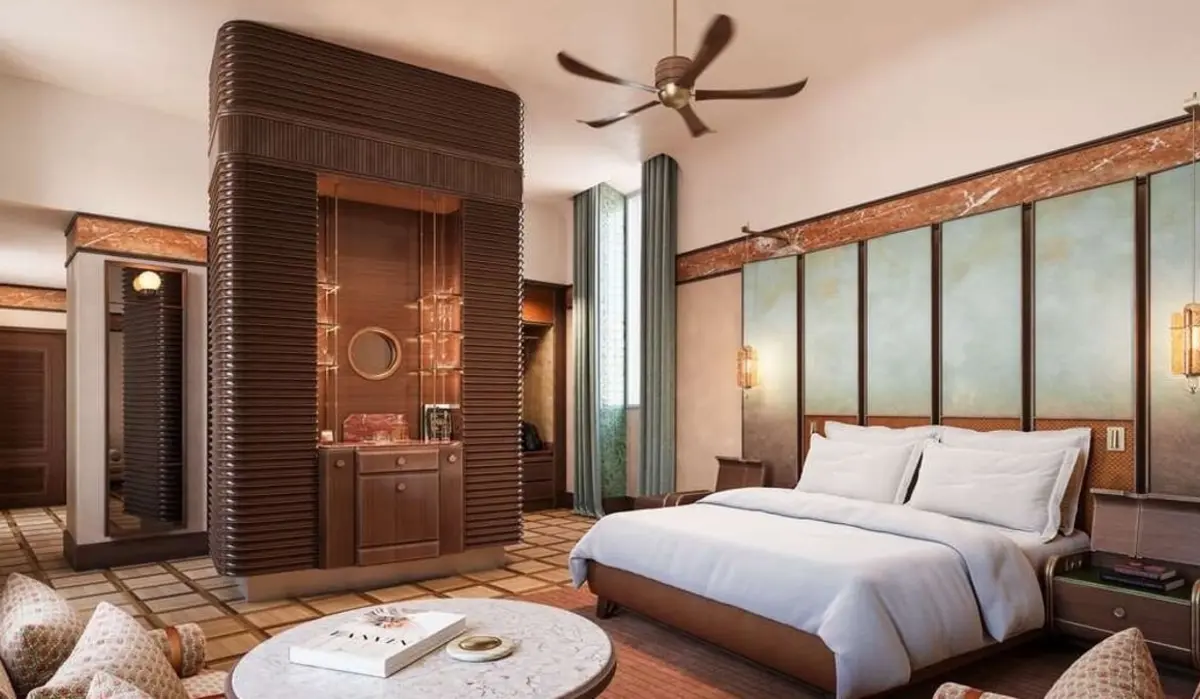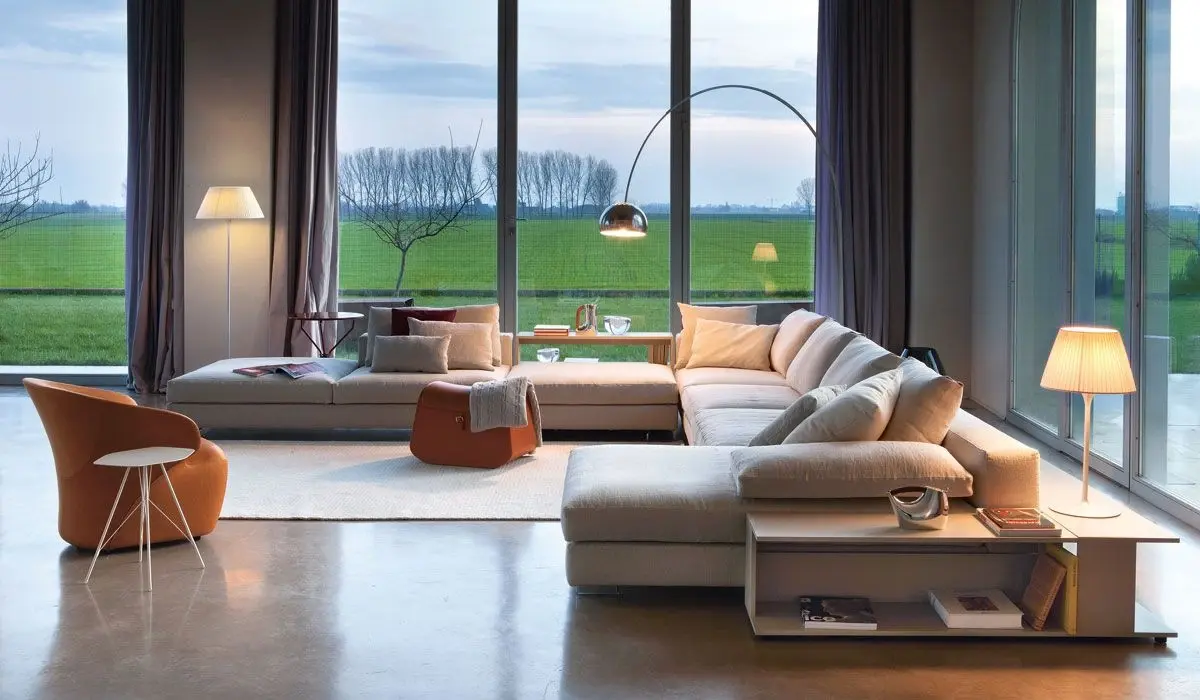
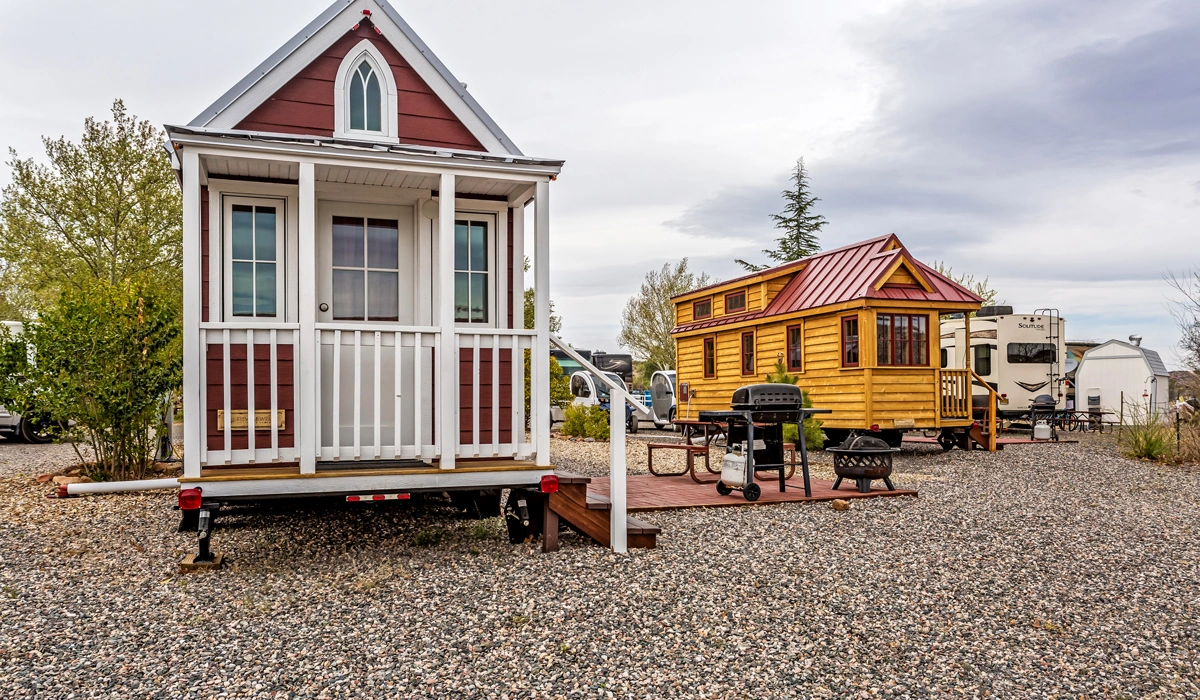
Luxury tiny homes prove that a sophisticated home does not need hundreds or thousands of square feet.
The best luxury tiny homes focus on what matters most: thoughtful architecture, quality materials, intelligent storage, natural light, comfortable interiors, and technology that makes everyday living easier.
Rather than trying to make a small house look like a miniature mansion, successful designs embrace the advantages of limited space. Every room has a purpose, every material is carefully selected, and unnecessary visual clutter is removed.
What Are Luxury Tiny Homes?
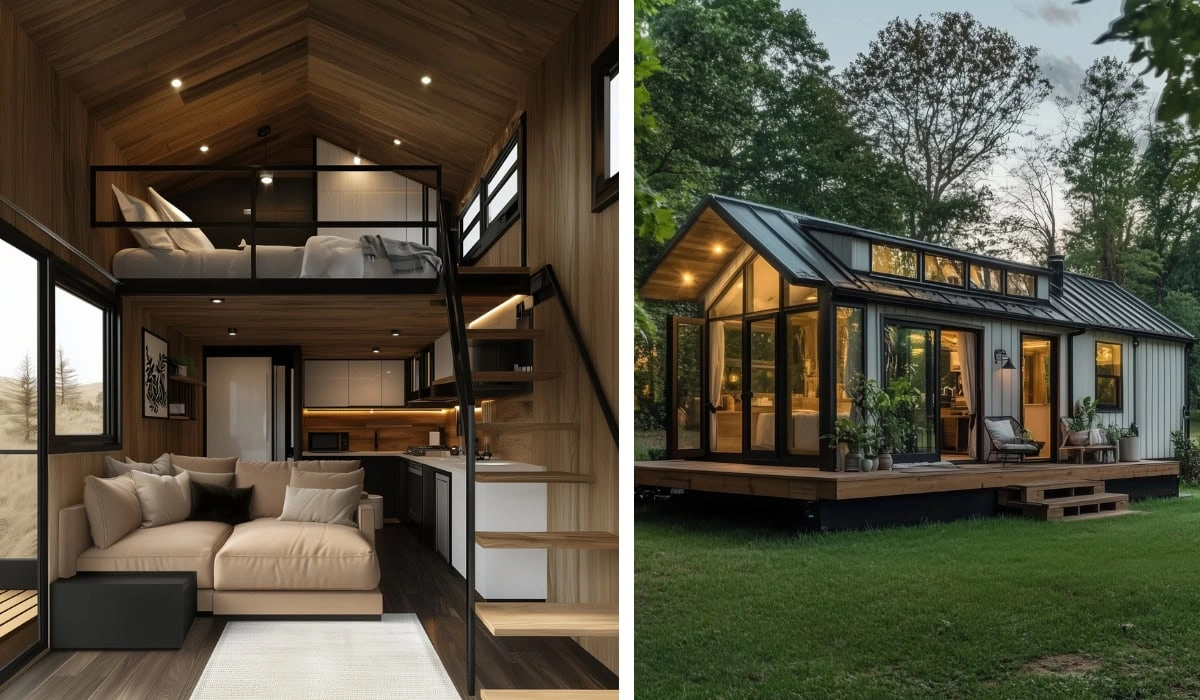
Luxury tiny homes are compact residences designed with premium materials, refined interiors, advanced technology, and carefully planned layouts.
There is no single size that makes a tiny home luxurious. The defining factor is the quality of the design and living experience.
A well-designed luxury tiny home may include:
- Custom cabinetry
- Premium hardwood flooring
- Natural stone or quartz surfaces
- High-end appliances
- Large windows
- Skylights
- Designer lighting
- Spa-style bathrooms
- Smart-home controls
- Hidden storage
- Energy-efficient systems
- Outdoor living areas
- High-quality insulation
- Custom furniture
The emphasis is on quality over quantity.
A smaller footprint can actually make luxury easier to define because poor design decisions become immediately visible.
Why Are Luxury Tiny Homes Becoming More Popular?
Tiny homes originally became associated with affordability and minimalism. The premium segment has developed differently.
Many buyers are now interested in smaller homes because they want a simpler lifestyle without giving up comfort or design quality.
The appeal can include:
- Lower maintenance
- Greater flexibility
- Reduced clutter
- Connection with nature
- More efficient use of space
- Vacation-home potential
- Guest accommodation
- A private retreat
- More intentional living
This reflects a broader shift toward thoughtful, experience-focused luxury rather than simply having more space.
What Makes a Tiny Home Feel Luxurious?
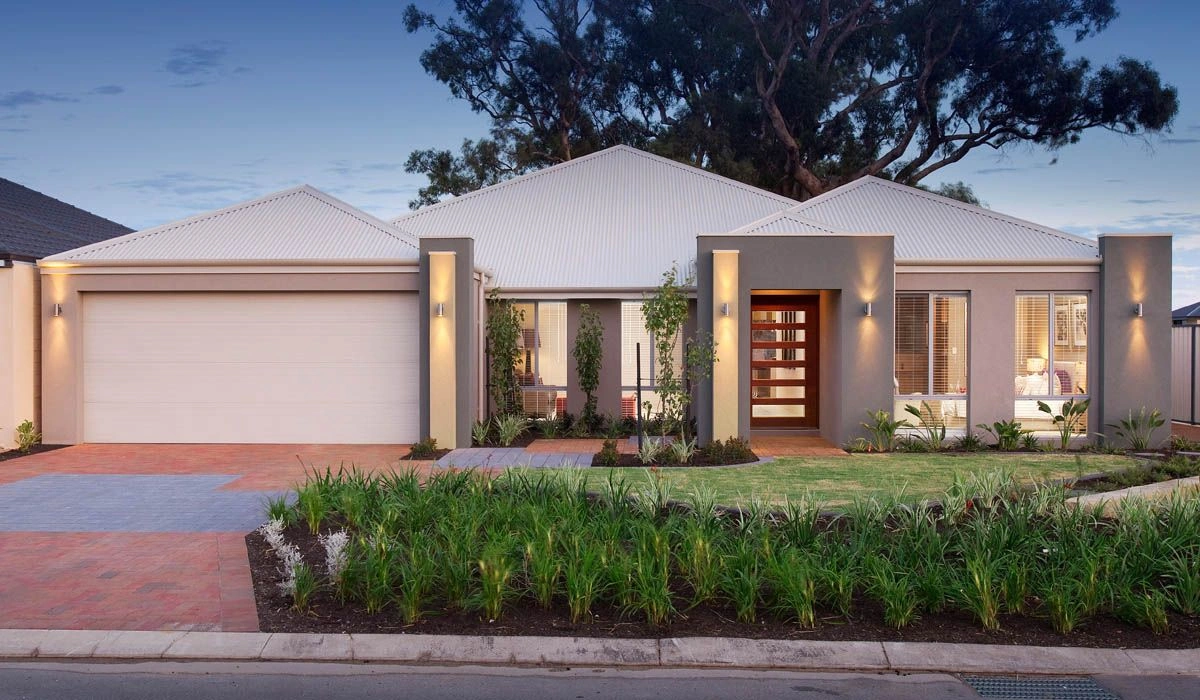
Luxury in a small home comes from a combination of details rather than one expensive feature.
1. Intelligent Architecture
The floor plan should be designed around movement, light, views, storage, and everyday activities.
Instead of creating many small rooms, designers often use fewer spaces with multiple functions.
For example, one open area might combine:
- Kitchen
- Dining
- Lounge
- Workspace
The result can feel substantially larger than the actual floor area.
If you’re planning a larger residential project, the same principles apply to luxury home design: proportion, circulation, lighting, materials, and functionality should be considered together.
2. Natural Light
Natural light is one of the most powerful tools for making a small home feel spacious.
Large windows, skylights, glass doors, and carefully positioned openings can bring daylight deep into the interior.
Where the property allows it, panoramic glazing can also connect the home with its surroundings.
The view becomes part of the interior design.
3. High Ceilings
Ceiling height can dramatically change the perception of a compact space.
Vaulted or raised ceilings can create vertical volume without adding much additional floor area.
This is particularly useful in living rooms and kitchens.
A compact room with generous vertical space can feel much more open than a larger room with a low ceiling.
Luxury Tiny Home Interior Design
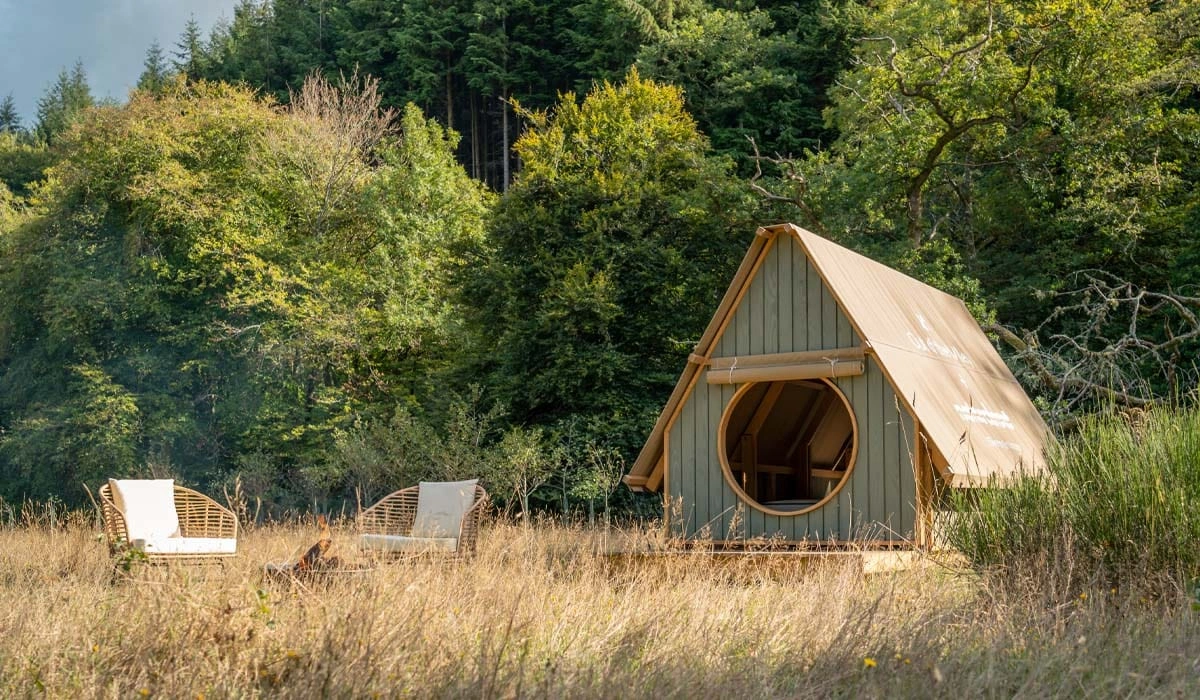
Interior design becomes especially important when every square foot is visible.
The strongest interiors usually rely on restraint rather than decoration.
Choose a Consistent Material Palette
Using too many materials can make a tiny interior feel chaotic.
Instead, select a small number of complementary finishes.
For example:
- Natural oak
- Warm stone
- Soft plaster
- Brushed metal
- Neutral textiles
The same flooring can continue through multiple spaces to create visual continuity.
Use Texture Instead of Excess Decoration
Texture adds depth without taking up much physical space.
Consider:
- Natural wood grain
- Stone
- Linen
- Wool
- Textured plaster
- Ribbed glass
- Matte metals
This can create a sophisticated interior without filling every surface with decorative objects.
Keep the Color Palette Controlled
Neutral colors are popular in compact luxury interiors because they help maintain visual continuity.
Warm whites, beige, soft gray, natural wood, charcoal, and muted earth tones can all work well.
A darker accent can then be introduced through furniture, lighting, cabinetry, or artwork.
Custom Storage Is Essential
Storage is one of the most important elements of luxury tiny-home design.
Clutter can make a compact home feel significantly smaller.
Custom storage can hide everyday objects while keeping the interior visually calm.
Useful solutions include:
- Full-height cabinetry
- Under-bed drawers
- Built-in wardrobes
- Hidden kitchen appliances
- Bench storage
- Staircase drawers
- Recessed shelving
- Concealed laundry areas
- Integrated media storage
The best storage is often the storage you do not notice.
Luxury Tiny Home Kitchens
A small kitchen does not have to feel basic.
Compact luxury kitchens can incorporate many of the features found in larger homes while using space more efficiently.
Consider:
- Custom cabinetry
- Integrated appliances
- Stone countertops
- Induction cooking
- Under-cabinet lighting
- Pull-out pantry systems
- Deep drawers
- Built-in refrigeration
- Compact wine storage
A single material carried from the countertop into the backsplash can also make the kitchen appear larger and more cohesive.
Designing a Luxury Tiny Home Bathroom
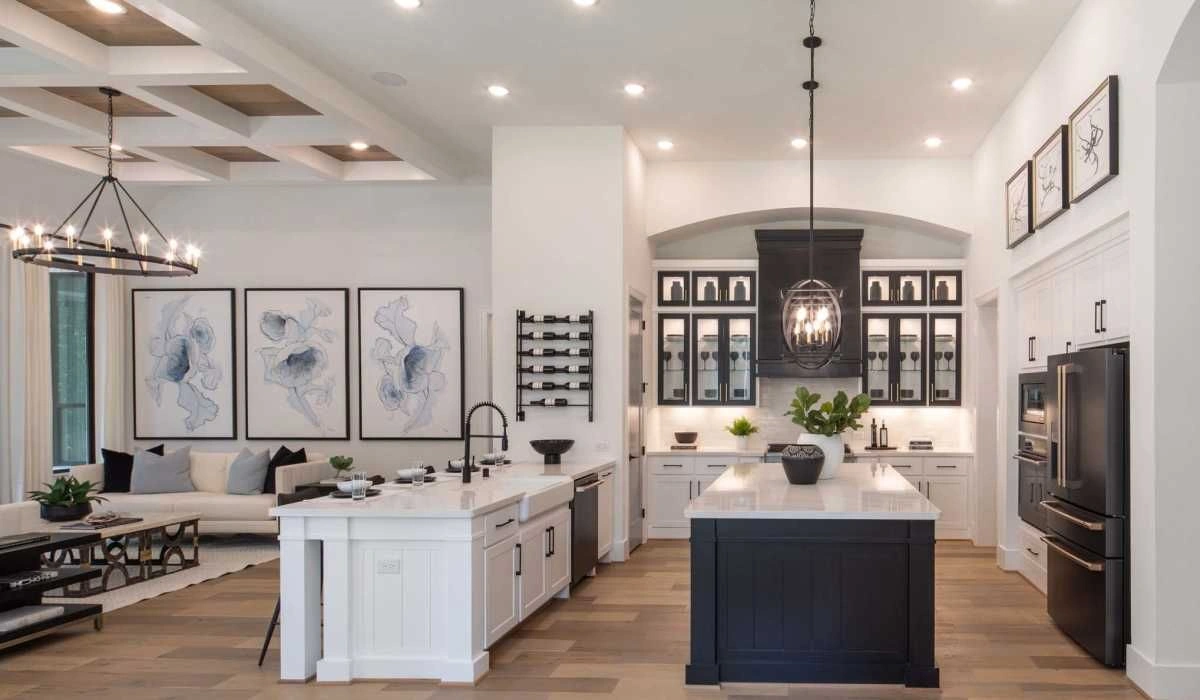
Bathrooms offer an opportunity to create a boutique-hotel atmosphere in a very small footprint.
A premium compact bathroom might include:
- Walk-in shower
- Rainfall showerhead
- Frameless glass
- Wall-mounted vanity
- Backlit mirror
- Heated flooring
- Natural stone
- High-quality fixtures
- Concealed storage
Large-format tiles can reduce visual interruptions and make the space feel more continuous.
A limited material palette can have the same effect.
Indoor-Outdoor Living
One of the most effective ways to make a luxury tiny home feel larger is to extend the living area outside.
Depending on the location and climate, this could include:
- A deck
- Covered terrace
- Outdoor dining area
- Fire pit
- Small outdoor kitchen
- Lounge area
- Rooftop terrace
- Garden
- Private courtyard
Large sliding or folding glass doors can visually merge the interior and exterior.
This approach is especially effective when the home is located near mountains, forests, lakes, beaches, or other scenic environments.
Luxury Tiny Homes and Nature
Small homes can have a particularly strong relationship with nature because their compact scale makes outdoor spaces feel like an extension of the interior.
Positioning becomes important.
A home might be oriented toward:
- A mountain view
- A forest
- A lake
- A garden
- A coastline
- A private landscape
Instead of spending heavily on interior decoration, designers can use the surrounding environment as one of the home’s most valuable visual elements.
Smart Technology in Luxury Tiny Homes
Technology can improve compact living when it is integrated carefully.
Smart systems can control:
- Lighting
- Heating and cooling
- Window coverings
- Security
- Audio
- Appliances
- Energy consumption
- Water systems
The goal should not be to fill the home with gadgets.
Technology should reduce friction.
Automated lighting scenes, smart climate controls, integrated security, and energy monitoring can improve comfort while keeping the interior visually clean.
Wellness Features for Compact Homes
Wellness does not require a large room.
A luxury tiny home can incorporate small-scale wellness features such as:
- A compact sauna
- A soaking tub
- A meditation corner
- A yoga area
- Air purification
- Circadian lighting
- A private outdoor shower
- A quiet reading space
The broader concept of modern luxury increasingly connects the home with wellness, comfort, travel, design, and personal experiences.
Multi-Functional Furniture
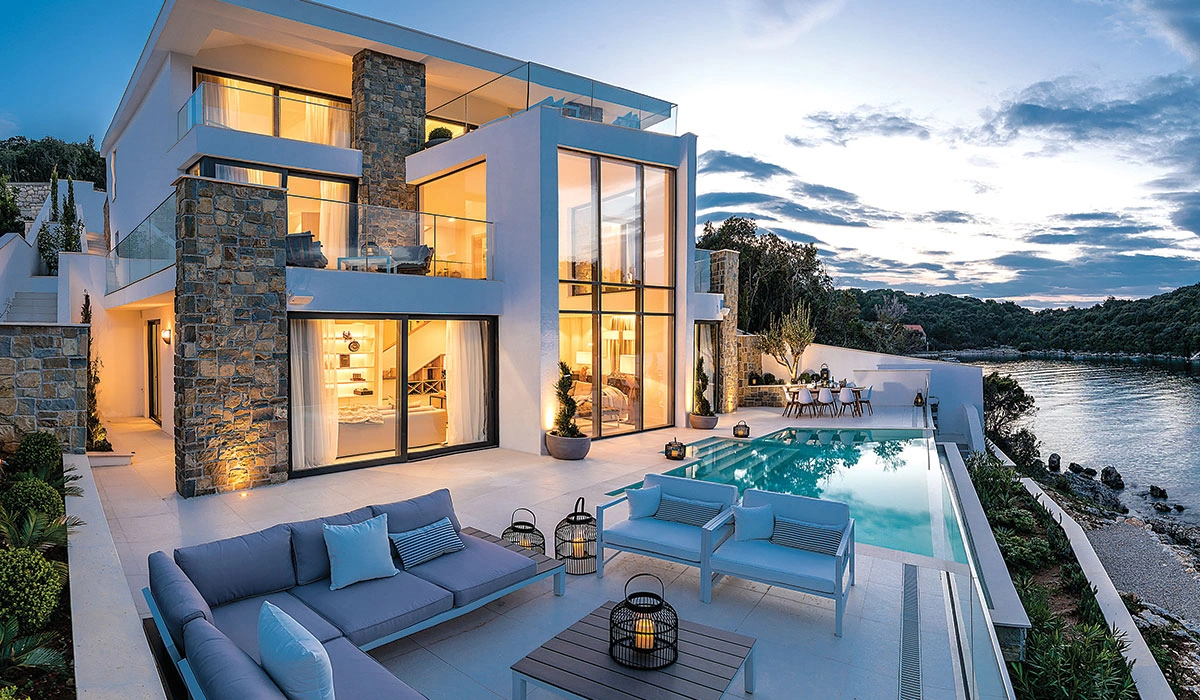
Furniture should work harder in a tiny home.
A dining table might become a workspace.
A sofa might include storage.
A staircase might contain drawers.
A guest bed might fold into cabinetry.
A kitchen island might provide cooking space, dining space, and additional storage.
The key is to make these transformations simple.
If furniture requires complicated mechanisms every time it is used, the feature may become more frustrating than useful.
Luxury Tiny Home Bedrooms
The bedroom should prioritize comfort rather than trying to imitate the scale of a conventional master suite.
Good design can include:
- Custom wardrobes
- Built-in bedside storage
- Reading lights
- Upholstered headboards
- Blackout curtains
- High-quality bedding
- Integrated lighting
- Carefully positioned windows
If the bedroom is located in a loft, headroom and access should be carefully considered.
A beautiful loft is not successful if it is difficult to use every day.
Luxury Tiny Home Outdoor Spaces
Outdoor space can compensate for the limited interior footprint.
A well-designed terrace can become an additional living room during suitable weather.
Consider adding:
- Comfortable outdoor seating
- Dining furniture
- Shade
- Outdoor lighting
- Fire features
- Planters
- Privacy screening
- A compact grill or outdoor kitchen
The outdoor space should feel like an intentional part of the architecture rather than an afterthought.
Materials That Work Well in Luxury Tiny Homes
Material selection should balance appearance, durability, weight, maintenance, and cost.
Natural Wood
Wood introduces warmth and texture.
Oak, walnut, ash, and other carefully selected timbers can work particularly well in modern interiors.
Stone
Stone can create a strong luxury statement in kitchens, bathrooms, and feature walls.
Because tiny homes have limited space, a small amount of distinctive stone can have significant visual impact.
Metal
Brushed brass, bronze, stainless steel, and blackened metal can add contrast.
Glass
Glass helps preserve visual openness and maximize daylight.
Textiles
Soft fabrics help prevent minimalist interiors from becoming cold.
The objective is not to use the most expensive material available. It is to choose materials that work together.
Sustainability and Luxury Tiny Homes
Luxury and sustainability do not necessarily conflict.
A smaller home naturally requires fewer resources than a much larger residence, while efficient systems can further reduce energy and water consumption.
Possible features include:
- Solar panels
- High-performance insulation
- Energy-efficient windows
- Efficient appliances
- Low-flow fixtures
- Reclaimed timber
- Low-VOC finishes
- Rainwater systems
- Efficient heating and cooling
Sustainable materials should still be evaluated for durability, maintenance, sourcing, and overall performance rather than selected solely because they carry an environmental label.
Luxury Tiny Homes as Vacation Retreats
A luxury tiny home does not necessarily have to be a primary residence.
It can work exceptionally well as a private retreat.
A compact property in a scenic location can provide:
- Privacy
- A connection with nature
- Lower maintenance
- A dedicated escape
- A distinctive guest experience
The concept overlaps naturally with luxury travel, particularly when the home is located in a destination where the landscape is part of the experience.
Luxury Tiny Homes and Design Style
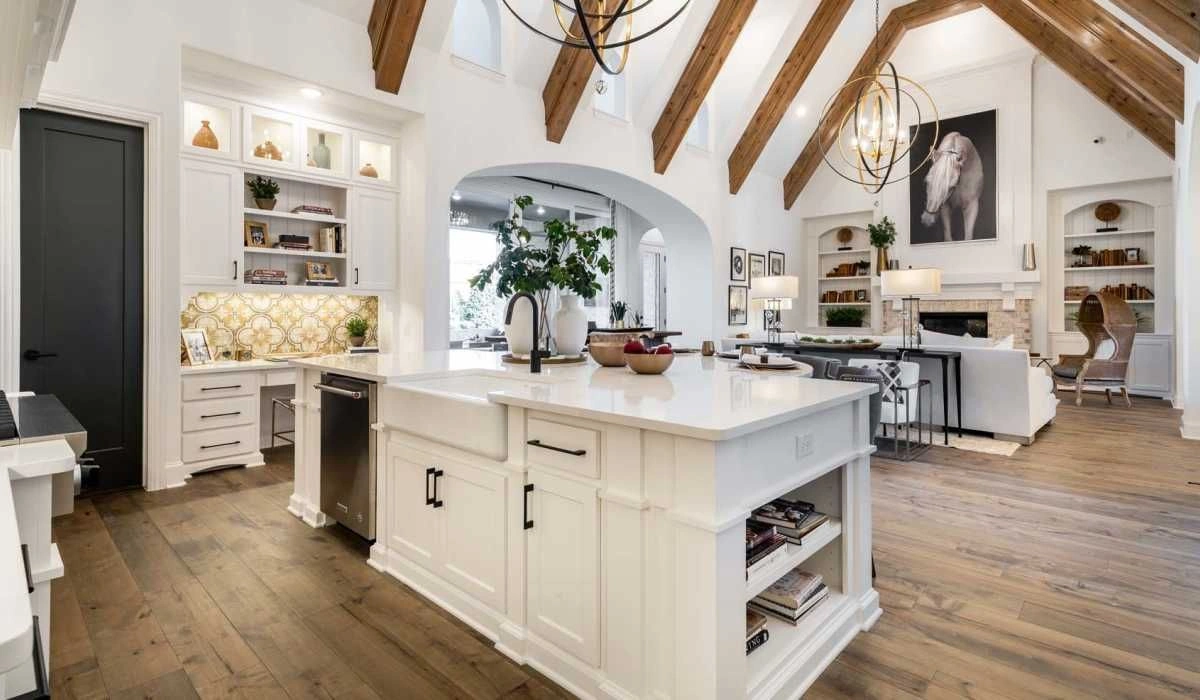
There is no single aesthetic that defines luxury tiny homes.
Modern Minimalist
Clean lines, neutral colors, concealed storage, and large windows.
Scandinavian
Natural wood, soft colors, functional furniture, and warm lighting.
Japandi
A combination of Japanese restraint and Scandinavian warmth.
Rustic Luxury
Natural stone, timber, textured fabrics, and a strong connection to the surrounding landscape.
Contemporary
Bold architecture, dramatic glazing, sculptural furniture, and sophisticated materials.
Organic Modern
Natural textures, curved forms, earthy colors, and indoor-outdoor connections.
The best style depends on the location and the owner’s lifestyle.
Luxury Tiny Homes and Premium Brands
Furniture, lighting, appliances, textiles, and fixtures can all influence the character of a compact interior.
However, selecting premium products simply because of their name can make a small home feel visually crowded.
Instead, focus on how individual pieces contribute to the overall design.
For readers exploring the companies shaping this wider category, luxury lifestyle brands can provide useful context on how craftsmanship, design, heritage, and experience influence modern luxury.
How Much Do Luxury Tiny Homes Cost?
The cost varies significantly depending on size, construction method, location, materials, customization, transportation, utilities, and site preparation.
A customized luxury tiny home can cost considerably more than a basic compact dwelling because premium materials, architectural work, advanced systems, and bespoke interiors add to the overall project.
The advertised price of the home may also exclude:
- Land
- Site preparation
- Foundations
- Utility connections
- Transportation
- Permits
- Landscaping
- Decks
- Solar systems
- Water systems
- Interior customization
Always evaluate the complete project cost rather than the base price alone.
What to Look for When Buying a Luxury Tiny Home
If you are considering purchasing one, examine more than photographs.
Construction Quality
Ask about the structural system, insulation, windows, roofing, plumbing, and electrical installation.
Materials
Find out exactly which materials are being used.
“Luxury finishes” can mean very different things from one builder to another.
Storage
A beautiful interior becomes difficult to live in without adequate storage.
Maintenance
Ask how difficult specialized materials and systems will be to maintain.
Energy Performance
Look at insulation, windows, heating, cooling, appliances, and renewable-energy options.
Transportation
If the home is mobile, understand its transportation requirements and limitations.
Local Regulations
Zoning, building codes, utility requirements, and placement rules vary significantly by location.
How to Make a Small Home Feel More Luxurious
You do not need an unlimited budget.
Focus on the elements that have the greatest impact.
Prioritize Light
Improve windows, skylights, and lighting before buying decorative items.
Reduce Visual Clutter
Keep surfaces intentionally clear.
Invest in Touch Points
Door handles, faucets, cabinetry, lighting controls, and other frequently touched elements are worth careful consideration.
Use Fewer Materials
A restrained palette can look more sophisticated than a collection of unrelated expensive finishes.
Customize Storage
Built-in storage often provides more value than decorative furniture.
Create One Strong Feature
A beautiful stone wall, dramatic window, sculptural light, or distinctive staircase can give a compact home a memorable focal point.
Common Luxury Tiny Home Design Mistakes
Making Everything White
An entirely white interior can sometimes feel sterile rather than luxurious. Texture and warmth are important.
Overusing Premium Materials
Too many competing luxury finishes can make a small space feel busy.
Ignoring Proportions
Oversized furniture can overwhelm a compact room.
Forgetting Storage
Insufficient storage quickly destroys the clean appearance of a minimalist interior.
Overcomplicating Technology
Technology should simplify life rather than create another system that needs constant management.
Treating Outdoor Space as Secondary
When interior square footage is limited, outdoor areas can be extremely valuable.
Copying Large Homes
A tiny home should not simply imitate the layout of a 3,000-square-foot residence.
Its design should respond to its own scale.
Luxury Tiny Homes and Modern Luxury Living
The appeal of luxury tiny homes reflects a wider change in how luxury is understood.
Luxury is increasingly associated with:
- Time
- Privacy
- Comfort
- Quality
- Nature
- Personalization
- Design
- Experiences
A smaller home can therefore feel luxurious not because it contains more things, but because the things it does contain have been chosen deliberately.
That philosophy also appears across other areas of luxury living, from luxury cars and yachts to travel, fashion, hospitality, and residential design.
Frequently Asked Questions
What are luxury tiny homes?
Luxury tiny homes are compact residences that combine space-efficient architecture with premium materials, refined interiors, advanced technology, and high-quality amenities.
What makes a tiny home luxurious?
Quality materials, custom design, natural light, smart storage, high-end fixtures, advanced technology, comfortable furniture, and thoughtful architecture can make a tiny home feel luxurious.
Can a tiny home have a luxury kitchen?
Yes. Compact luxury kitchens can include custom cabinetry, stone countertops, integrated appliances, premium fixtures, efficient storage, and architectural lighting.
Are luxury tiny homes expensive?
They can be. Costs vary substantially depending on construction quality, customization, materials, location, transportation, site work, and utilities.
Can luxury tiny homes be sustainable?
Yes. Smaller footprints can be combined with efficient insulation, solar power, energy-efficient appliances, low-flow fixtures, sustainable materials, and other systems designed to reduce resource consumption.
Are tiny homes suitable as vacation homes?
Yes. Their compact size and relatively simple maintenance can make them suitable for private retreats and vacation properties, subject to local regulations.
How do you make a tiny home feel bigger?
Natural light, large windows, open layouts, consistent flooring, higher ceilings, concealed storage, multifunctional furniture, and strong indoor-outdoor connections can make a compact home feel considerably more spacious.
What interior style works best for a luxury tiny home?
There is no single style. Modern minimalism, Scandinavian, Japandi, rustic luxury, contemporary, and organic-modern approaches can all work when carefully adapted to the home’s scale.