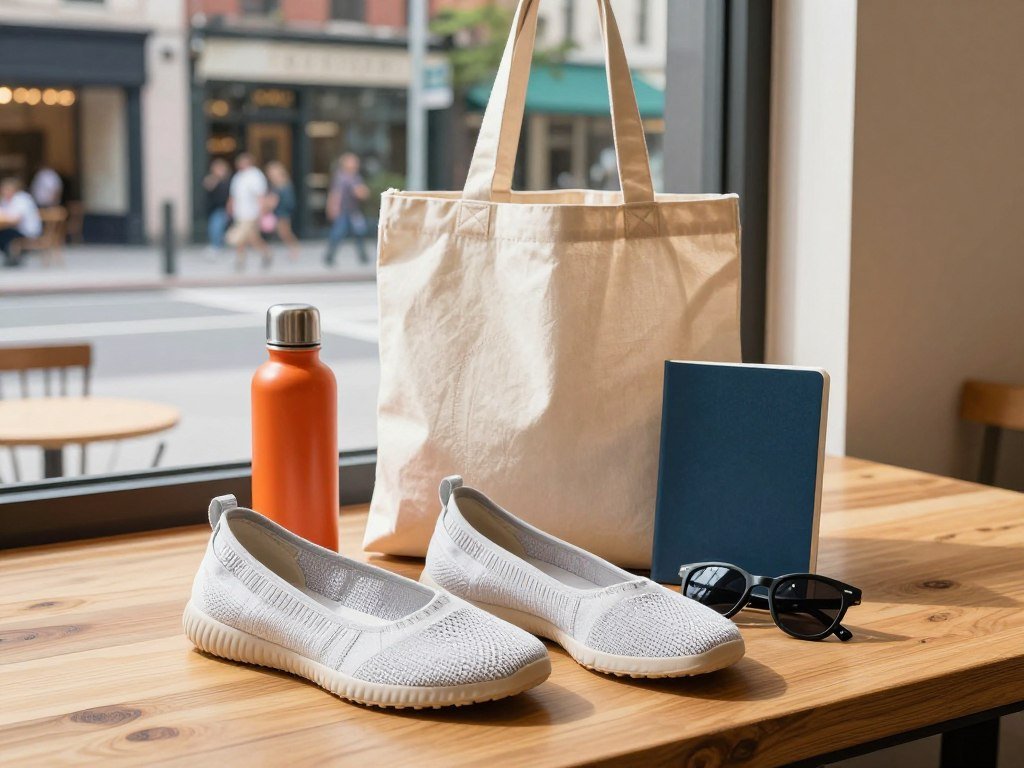
Rothy’s washable knit flats can suit people who want a light, easy-to-clean shoe, but they are not a substitute for a supportive walking sneaker. The knit-to-shape technique makes an upper by knitting it in its intended shape instead of cutting it from flat material. That process helps create a tidy look, while the washable knit offers a practical way to handle everyday mess.
This review weighs convenience against support, comfort, fit, care, durability, materials, and likely value over time. The right choice depends on the style and the reason for wearing it: a polished office flat has a different job from a walking shoe. Fit notes and care rules also vary across materials and styles.
Key Takeaways
- These flats offer washable knit convenience for selected everyday uses.
- They provide less cushioning and support than walking sneakers.
- Fit notes differ by style, so the exact model matters.
- Most flats need cold-water washing and air-drying without heat.
- Some styles suit travel and city errands better than long walks.
- Check the fit note and materials for the chosen style before deciding.
Rothy’s Flats Review: Who Are They Right For?
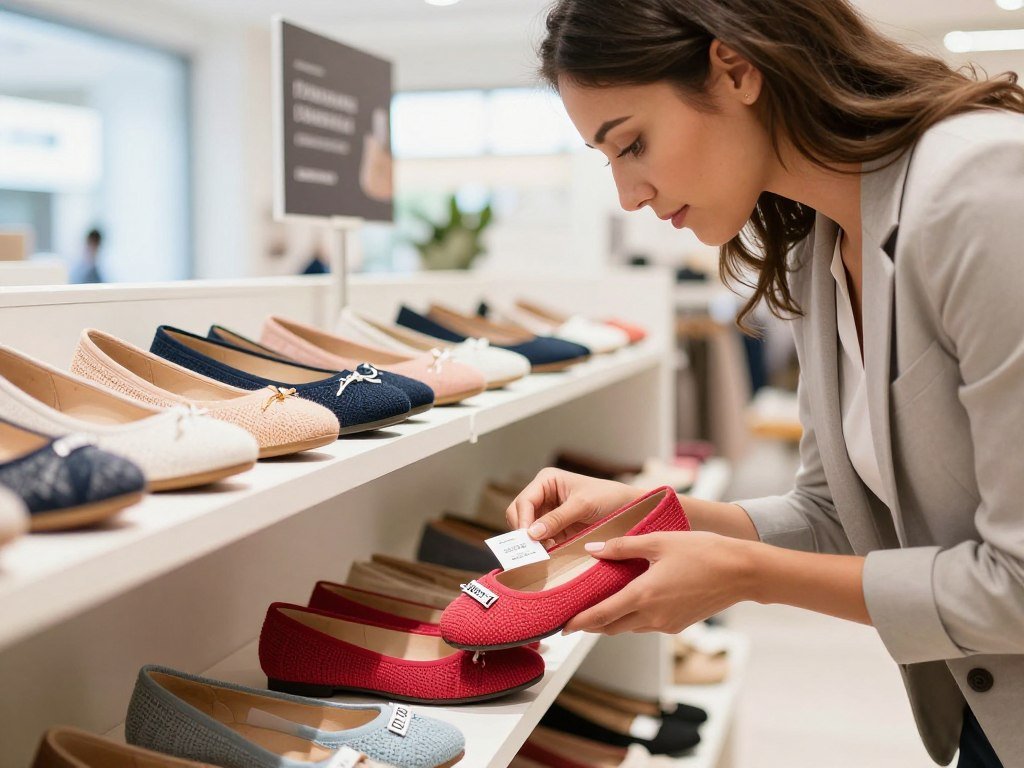
A washable flat is most appealing when easy care matters more than sneaker-level cushioning. For selected days, Rothy’s shoes can suit office wear, travel, or city errands, especially for someone who wants a light pair that packs easily. They make the most sense when a secure fit and simple care outweigh limited support.
The knit flats are machine-washable, which can help people who wear the same shoes often. A flat still has less cushioning and support than a sneaker, so it may not feel good during long shifts or extended walks. A buyer seeking a highly cushioned shoe, winter warmth, or a bargain may prefer another kind of footwear.
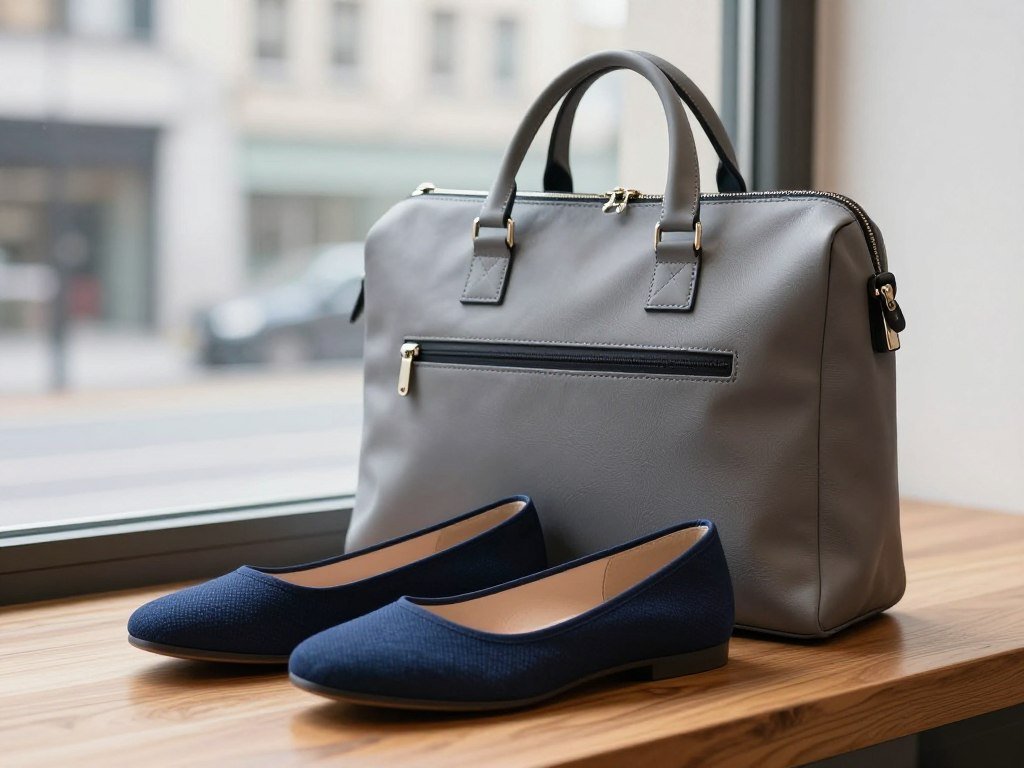
Treat Rothy’s as a versatile flat for selected days, not the only shoe for every long-distance walk.
Their best role is often as an easy-care option for shorter outings or days when a polished look matters. That does not make them right for every foot or routine. The value of the pair rests on whether its fit and intended use match the wearer’s real schedule.
Think about where the shoes will spend most of their time. An office commute with short walks places different demands on a flat than a full day spent standing. A travel shoe may also need to fit into a bag without taking much space.
Fit remains the deciding factor. A buyer who likes the look but cannot get a secure hold may find the convenience less useful. Treat them as a versatile flat for selected days, not the only shoe for every long-distance walk.
Which Rothy’s Flat Style Fits Your Wardrobe?
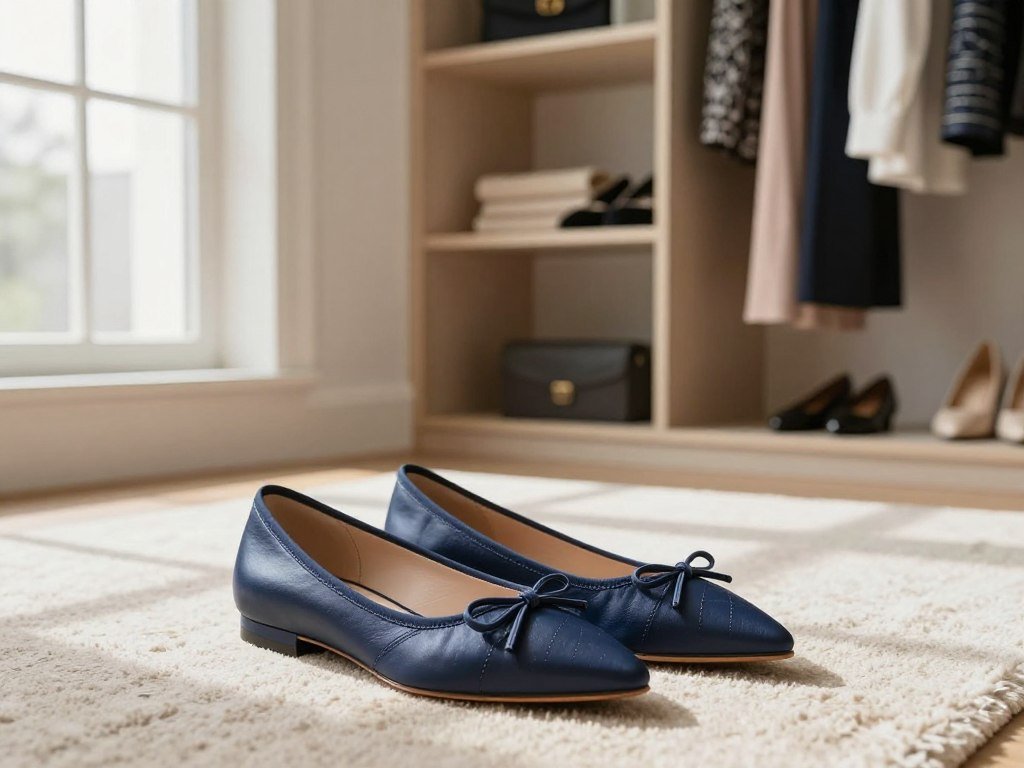
The key choice among these three flats is whether the reader prefers a pointed silhouette or a ballet-style look. The Point II has the lowest listed US price of the three, while The Point III costs the most. The listed prices range from $125 to $165.
The Almond Ballet offers a rounded ballet-style shape. The Point II and Point III have pointed silhouettes, but shoppers should not assume identical construction or fit. The original Point has been replaced by The Point II and The Point III.
| Style | Listed US price | Price position among these three |
|---|---|---|
| The Point II | $125 | Lowest |
| The Almond Ballet | $155 | Middle |
| The Point III | $165 | Highest |
Those prices show the difference among these three models, not the cost of every shoe in the range. Rothy’s also sells loafers, sneakers, Mary Janes, clogs, and bags. That broader selection gives shoppers more shapes to compare if a flat does not match their wardrobe.
Style names matter because one flat’s shape and construction may differ from another’s. A pointed toe may suit tailored pants or dresses, while a ballet style may feel more familiar with casual outfits. Wardrobe photos and product details can help clarify the look.
Price alone cannot show which pair will get more use. A shopper may prefer the silhouette that works with more outfits, even if it is not the least expensive option. Compare the exact silhouette and product-page details, not just the model name.
How Do Rothy’s Flats Fit?
Start with the product’s exact style name because fit guidance is not uniform across the range. Named styles have their own notes, and one flat’s size advice should not be applied to every pair. Use the guidance for the specific shoe rather than assuming all Rothy’s shoes fit true size.
Some styles fit true size, while others have a different recommendation. The distinction matters for shoppers who usually buy a half size or whose feet need more room. These fit notes apply only to the named styles below.
Sizing notes for individual styles
Use these checks before choosing a size:
- Confirm the exact style name on the product page.
- Compare that style’s fit note with the size usually worn.
- Notice whether the advice is for a roomier fit or wide feet.
The Almond Ballet fits true to size. The Almond Demi runs big, with a half size down recommended. The Almond Mary Jane, Ballet Flat, Ballet Mary Jane, D’Orsay Point, Emblem Ballet Flat, and Point II fit true to size.
The Bow Point II Medium is a true B width. The Emblem Point II fits true to size, with a half size up recommended for a roomier fit or wider feet. Those details describe named models, not every shoe in the line.
Choosing between medium and wide widths
The Bow Point II Medium uses a true B width, while the Bow Point II Wide uses a true D width. A wide fit is recommended for wider feet or for a roomier feel in that style. Medium is recommended for medium or narrow feet in the Wide version.
A width label can help narrow the choice, but it does not replace the style’s full fit note. Foot shape and preferred toe room can change how a shoe feels. If a style’s note calls for a half-size change, use that note rather than assuming every flat runs small.
Are Rothy’s Comfortable for Walking?
Rothy’s can feel comfortable for walking when the shape holds the foot securely, but one wearer’s good day is not a fit guarantee. Fit makes the difference on ordinary city outings, and experiences change with foot shape and style. One tester wore The Cruiser Mary Jane for more than 10,000 steps without blisters.
That result is encouraging, but other reports show how quickly comfort can change. A narrow-footed tester found The Daily Flat too wide. Another tester reported heel cuts in The Max Buckle Mary Jane after more than 5,000 steps.
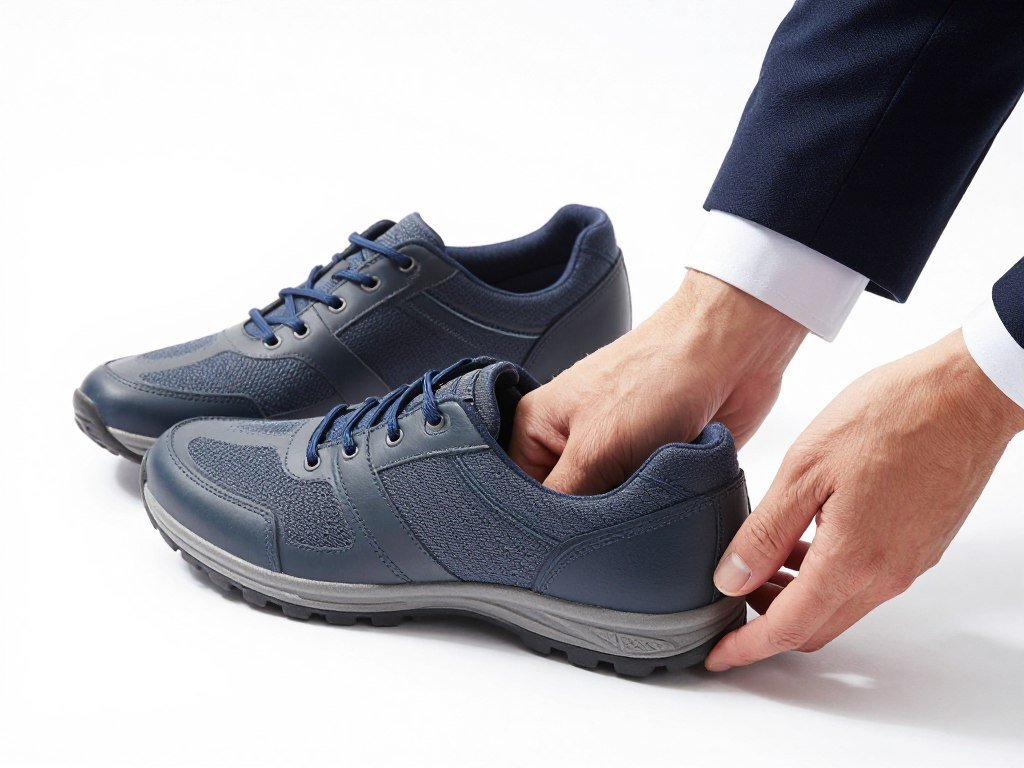
These accounts are individual wear experiences, not a promise about how every pair will feel. The same shoe can feel different on two people, and a strap or heel may create pressure even when the toe has room. A secure fit is the first thing to check when trying shoes for walking around.
During an indoor try-on, pay attention to three points:
- Heel movement as the foot lifts and steps forward.
- Side gaping around the widest part of the foot.
- Pressure at the toe or beneath a strap.
Notice whether the shoes stay in place during a few turns and changes of pace. A flat that slips at the heel may rub later, while a tight toe can feel worse after more time on the feet. Try the shoes indoors long enough to notice heel movement before wearing them outside.
How Much Support Do They Offer, and Who Should Skip Them?
Cushioning and arch support appear in some newer styles, but they do not make every flat equivalent to a sneaker. Support varies by model, and a flat still may not suit extended standing or demanding walks. The Point II has a cushioned In Love insole and added arch support.
The Point III also has extra arch support. The Point II adds elastic and a sculpted outsole. Those features may change how the shoe feels, but they do not turn every pair into a high-support walking shoe.
Comfort and support are related, but they are not the same. A soft feel underfoot can help during a short outing without providing enough support for a full day on hard floors. People who need substantial support should try the shoes in their usual setting and compare them with a supportive alternative.
The best choice depends on how the feet respond during the activities that matter most. A flat may work for an office day with breaks and short walks, but feel tiring on a long shift. Some wearers may want a second shoe ready for longer routes.
A shoe’s appearance cannot tell a shopper how much support it will provide. Try the style for the task it needs to handle, and notice how the feet feel afterward. Choose a different shoe for long standing shifts if a flat leaves the feet tired or sore.
How Well Do Rothy’s Flats Hold Up?
The reported durability picture is mixed: an original Point handled varied travel surfaces, while one knit sneaker began unraveling after a few months. Use and model matter when judging how long shoes will last. One wear account is not a durability guarantee for every pair.
An original Point in Chili Red, size 6, was worn on gravel, cobblestones, rocky waterfront paths, and two days of festival dancing. That pair’s experience suggests it handled a varied trip, but it cannot predict how another pair will fare under similar wear.
A different report described a men’s knit sneaker that began unraveling after a few months. That failure does not mean all knit shoes will come apart, just as the Point account does not promise that all flats will hold up on rough ground.
High-friction areas may face more wear than parts of the shoe that rarely rub against a surface. Regular use, the specific material, and the type of shoe can all affect what damage appears. A pair worn for city errands may face different stress than one used on rocky paths.
Careful inspection can catch loose or frayed knit before it spreads. Wear can differ by style and use, so consider the shoe’s actual condition rather than assuming every model lasts the same length of time. Inspect high-friction knit areas periodically and stop wearing a pair if damage is spreading.
How Do You Wash Rothy’s Flats?
Most Rothy’s flats can go in a cold-water wash after their insoles are removed. Care depends on material, so the machine-washable label does not cover every shoe the same way. Machine-washable does not mean dryer-safe.
For most flats, the washing machine can clean the shoes and insoles together. A gentle cycle and mild detergent help keep the routine simple. Air-drying without heat is part of the care process.
Cold-water machine washing
For most flats, follow these steps:
- Remove the insoles from the shoes.
- Place the shoes and insoles in a cold-water machine wash.
- Use a delicate cycle with mild detergent.
- Air-dry the shoes and insoles without heat.
Cold water is the key temperature for the usual wash routine. Do not move the shoes into a dryer to speed things up. Direct heat can also come from other sources, so keep the drying process simple.
Materials that need gentler care
Merino-wool shoes with a water-resistant treatment should be spot-cleaned. The treatment fades with each wash, so a full machine wash can reduce that finish over time. Check the material before using the usual routine.
Hemp shoes may lose some color vibrancy with each wash. That change can be small, but repeated washing may affect how bright the color looks. Machine-washable does not mean every material will keep its original finish forever.
Use the care method that matches the shoe’s material, not just the broader product label. A cold-water wash suits most flats, while treated merino wool calls for spot cleaning. Keep the dryer and other heat sources out of the care routine.
What Are Rothy’s Flats Made Of, and How Sustainable Are They?
Recycled-plastic thread is the main material feature, while end-of-life recycling depends on separating the shoe’s parts. The knit upper uses thread spun from recycled plastic bottles. The knit-to-shape technique creates less than 1% upper-material waste.
Typical shoe and bag manufacturing creates 25%-50% material waste, compared with that upper-material figure. The comparison describes waste from making the upper, not the full environmental impact of a shoe. It does not measure every material, factory step, shipment, or use.
A profile of Rothy’s manufacturing describes the knit-to-shape process and its use of recycled materials, mostly recovered plastic water bottles. The profile also reports that Rothy’s had upcycled more than 52 million water bottles since 2016. That is a historical company-profile figure, not a full independent environmental assessment. The Rothy’s manufacturing profile gives more detail on the process.
| Material or part | Where it appears | Material or recycling note |
|---|---|---|
| Recycled-plastic thread | Knit uppers | Uppers can be recycled into thread |
| Foam | Insoles and midsoles | Can be ground for carpet backing or insulation |
| TPU or rubber | Outsoles | Can be ground for athletic flooring |
Returned shoes are separated into uppers, insoles, and outsoles for recycling. Uppers can become thread again, while foam insoles and midsoles can be ground for carpet backing or insulation. TPU or rubber outsoles can be ground for athletic flooring.
These options depend on taking apart the shoe and sorting its parts. Recycling details offer one way to consider the material, but they cannot stand in for a full life-cycle measure. Treat material inputs and recycling options as useful considerations, not a complete environmental score.
Is the Price Worth It Over Time?
The value case is strongest when a buyer expects to wear the same pair regularly across work, travel, or errands. Cost per wear gives a simple way to weigh the upfront price against use. Compare what the pair costs with how often it will be worn and how long it stays usable.
One wearer reported using a pair about 10 hours a day, five days a week. The same wearer said the pair was washed weekly for six months without visible deterioration. That is one person’s experience, not a promise about lifespan or performance.
A regular work shoe may collect many wears in a year, while a pair saved for occasional outings may see far fewer. The difference matters when deciding what a purchase is worth to one person. Weekly washing also reflects that wearer’s routine, not a required schedule for every pair.
A simple estimate can help: divide the price by the number of wears expected during a chosen period. The result is not a forecast of how long the shoes will last. It is a way to compare likely use with the amount spent.
Personal value also depends on whether the pair remains comfortable and useful for the wearer’s routine. A shoe that sits in a closet will not deliver the same value as one used often. Estimate a realistic number of wears for the coming year before treating the purchase as a long-term saving.
What Alternatives Should You Compare With Rothy’s?
A useful alternative depends on whether the shopper prefers leather, wool, or vegan footwear rather than knit flats. Material preference can narrow the choices before a buyer compares shape and fit. Compare each specific model by its material and intended use.
| Brand | Material or range detail | What to compare |
|---|---|---|
| Tieks | Italian leather flats | Leather feel with knit |
| Allbirds | Wool and vegan options | Material and intended use |
| Will’s Vegan Store | Vegan shoes | Wardrobe and fit needs |
Tieks makes Italian leather flats, which gives shoppers a different feel and material from knit. Allbirds offers wool and vegan shoe options. Will’s Vegan Store offers vegan shoes for shoppers who want that material choice.
Each brand has its own range, so a name alone cannot tell a buyer whether a shoe fits a particular day. A leather flat may suit someone who prefers that feel, while a vegan style may better match a shopper’s material needs. For a broader view of how fashion shoes can differ by design, see this review of Michael Kors shoes.
Compare the actual shape, fit, and purpose of the model under consideration. A flat for office wear may not suit long walks, regardless of its brand or material. Compare the fit and intended use of each specific model before choosing by brand alone.
What Should You Check Before Ordering?
Check the size and width options for the exact style before placing an order. Availability differs across the range, so a size or width offered in one model may not appear in another. Rothy’s US size range runs from 5 to 13, including half sizes.
Wide widths are available in some styles, not across the entire line. The return terms also matter during a try-on, since unworn and unwashed shoes can be returned within 30 days. Read those terms before testing the pair at home.
Before ordering, use this checklist:
- Verify the exact style and its fit note.
- Confirm the size and width offered for that style.
- Read the return terms before trying the shoes.
- Try them indoors and keep them unworn and unwashed while deciding.
A product page can show which sizes and widths are listed for a particular pair. Do not assume a wide option appears across every style. A half size may also be available without matching the fit advice for a given model.
Trying shoes indoors helps keep the decision within the stated return condition. The 30-day window applies to unworn and unwashed shoes. Keep the pair unworn and unwashed until the fit decision is final.
Check the exact style’s size and width options, then keep the shoes unworn and unwashed while deciding.
Conclusion
Rothy’s make the most sense when easy care and a polished flat matter more than sneaker-level support. A secure fit can make the shoes useful for office days, travel, and everyday errands. People who need substantial support should put another shoe first.
The main question is whether the pair fits the wearer’s routine, not just the wardrobe. A washable flat can be handy, but it cannot fill every role in a shoe closet. Choose one style, check its fit guidance, and confirm the return terms before ordering.
FAQ
Are Rothy’s good for wide feet?
Do Rothy’s flats have arch support?
Can I put Rothy’s in the dryer?
Are Rothy’s shoes good for travel?
Should I size up if I’m between sizes?
Can merino Rothy’s be machine-washed?