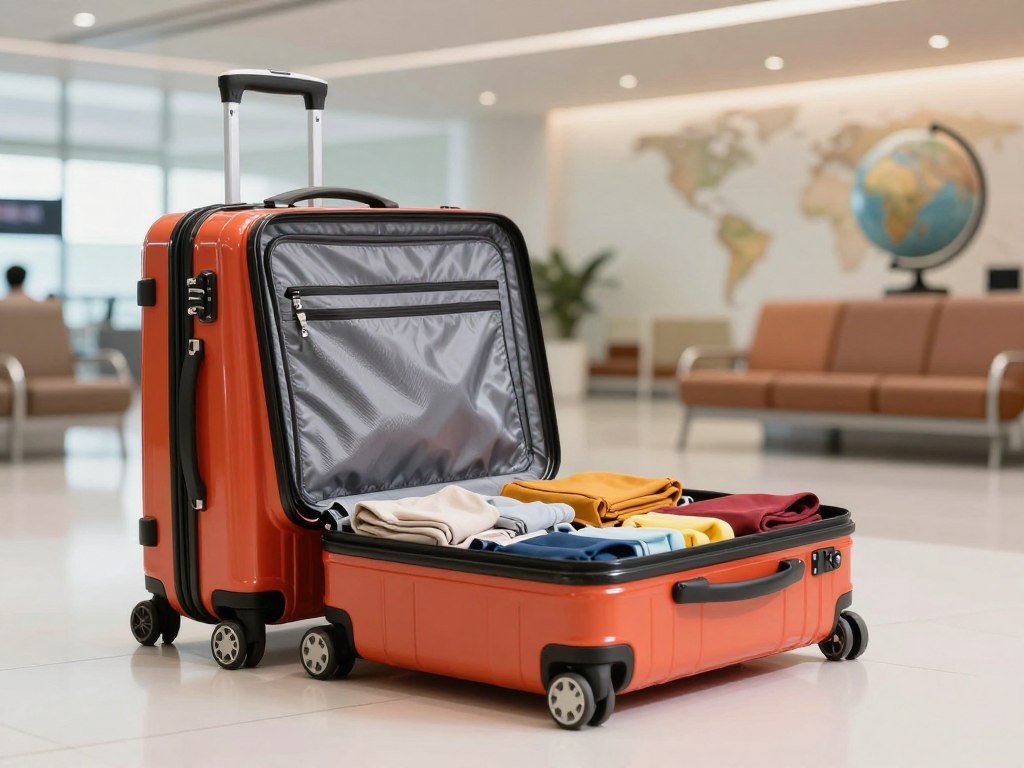
Quince hard-shell luggage is worth a look for travelers who want practical organization and easy rolling without paying for luxury branding. For a trip where every pound and pocket matters, its lightweight design and value-oriented price make a good first impression. The tradeoffs are real: reports note scuffs, drag on carpet, and a handle that can resist adjustment when the case is overpacked.
This Quince suitcase review considers the listed features and reported use, not personal testing. The best size depends on how long you travel, how much you pack, and whether you plan to check a bag. A carry-on can suit a short trip, while check-in sizes leave more room for longer travel or extra purchases. Think about your usual packing habits as well as the price.
Treat the current listed price as one part of the decision, alongside size, return eligibility and how the bag will be used.
Key Takeaways
- Polycarbonate shell with a water-resistant polyester interior lining.
- Standard 21-inch carry-on weighs 6.7 pounds.
- Interior pockets and a compression system help organize clothing.
- Reports mention scuffs, carpet drag, and handle difficulty when overpacked.
- Four sizes serve carry-on and check-in needs.
- Return eligibility depends on condition and required luggage tags.
What Does a Quince Suitcase Review Reveal About Its Build?
The standard 21-inch carry-on pairs a polycarbonate shell with a 6.7-pound weight and a TSA-approved combination lock. Spinner wheels rotate 360 degrees, so the suitcase can roll in multiple directions. The shell keeps weight low, while the water-resistant lining protects the interior fabric from some moisture.
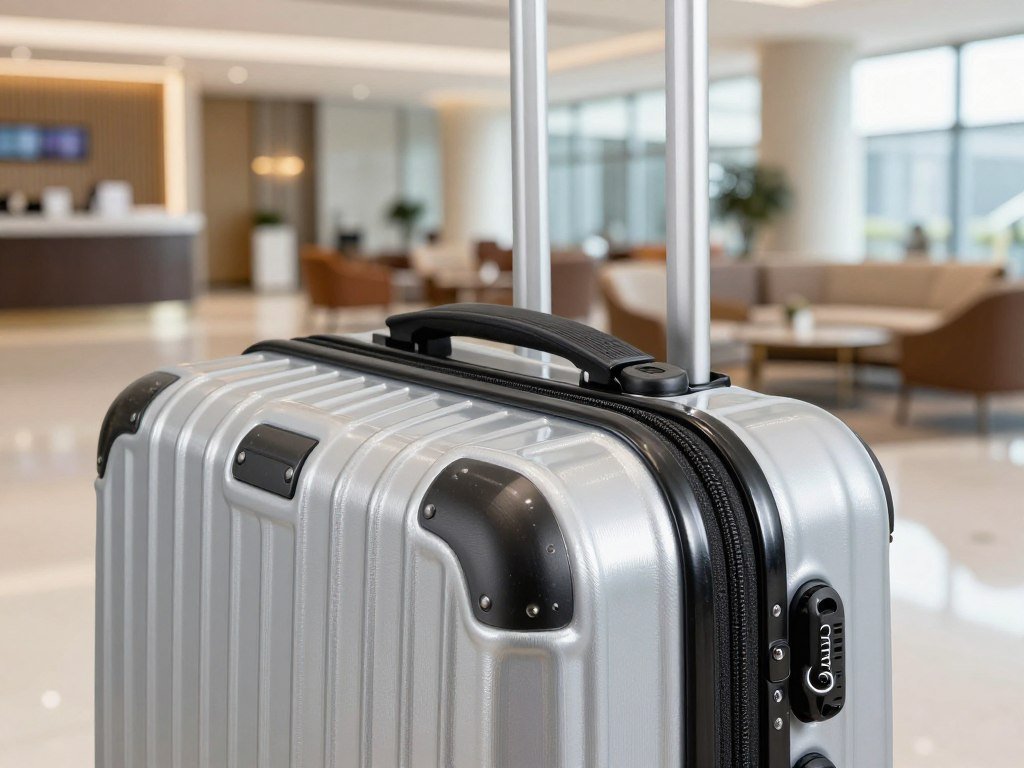
Polycarbonate shell and interior lining
Polycarbonate is a light plastic used in many hard shell suitcase designs. It gives this hard shell suitcase a firm exterior without making the case especially heavy. Quince pairs that shell with a water-resistant polyester lining inside.
Water resistance applies to the lining, not the shell or the closed suitcase. That distinction matters when rain hits the bag on a curb or airport ramp. The lining is not a reason to treat the case as waterproof.
YKK zippers close the compartments, and the TSA-approved combination lock adds a way to secure them. Four 360 spinner wheels help the carry-on turn easily through busy terminals. The removable laundry bag gives worn clothes a separate place.
What the standard 21-inch carry-on includes
The standard carry-on has 48 liters of capacity, with an interior pocket and compression system for packing. Its full exterior dimensions include wheels, so they are larger than the interior measurements.
| Specification | Value | Measurement or scope |
|---|---|---|
| Weight | 6.7 pounds | Standard 21-inch carry-on |
| Exterior dimensions | 22.8 × 15.6 × 9.8 inches | Height × width × depth, including wheels |
| Interior dimensions | 20.9 × 14.6 inches | Interior measurements |
| Pocket dimensions | 18 × 12.5 inches | Interior pocket |
Compare the full exterior dimensions, including wheels, with the airline’s current carry-on rules before flying.
The dimensions help show how much room the case offers, but airline limits can differ. Check the carrier’s size rules and any aircraft-specific restrictions before your flight.
How Durable Is Quince Luggage in Everyday Travel?
Quince’s expandable carry-on and check-in models are tested with loads up to 50 pounds, but those procedures cannot promise a suitcase will avoid every travel mishap. The tests cover repeated handling, while daily travel brings varied floors, drops, and packing loads. A test procedure is not a guarantee against damage.

What the lift, tumble and stair tests involve
The listed tests use set loads and counts to check how the luggage responds to repeated handling:
- Lift test: up to 50 pounds, with 2,000 lifts by the carry handle and 300 by the telescoping trolley handle.
- Tumble test: each model goes through 50 cycles in a rotating chamber.
- Stair test: each suitcase carries up to 50 pounds up 500 stairs.
These procedures put stress on handles, wheels, and the case body. They cannot recreate every baggage belt, rough sidewalk, or tight overhead bin. A suitcase can still pick up wear during an ordinary trip.
Where everyday use can expose weak spots
Reported use points to carpet as one place where rolling may feel less smooth. Spinner wheels can move freely on hard floors yet drag on carpet, which can make a loaded bag harder to pull. That difference matters most in hotels or homes with long carpeted halls.
Visible scuffs are another reported drawback. They may show after handling even when the suitcase still works as intended. An included sponge can help remove some scuffs, but it will not erase every mark.
An overpacked case can also make the telescoping trolley handle difficult to adjust. Contents may press against its mechanism, so forcing the handle can add strain. Leave room inside instead of packing until the case bulges.
If the telescoping handle binds under a heavy load, ease the pressure by laying the case on its side before adjusting it.
How Well Does the Interior Organize Packing?
The clamshell layout separates clothing into a mesh-covered side and a second side with a compression panel. That split gives each side a clear job: one holds loose items, while the other keeps clothing in place. Pockets help keep small things from disappearing among larger items.
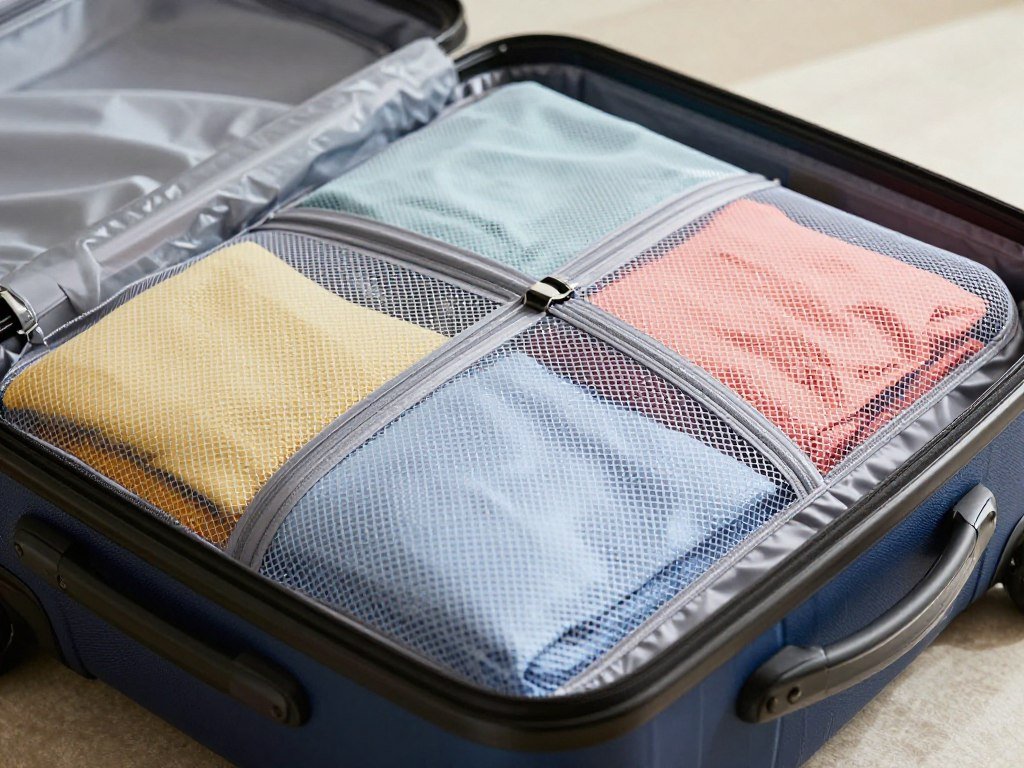
Open the case flat, then use the mesh-covered compartment for items that benefit from a separate space. The compression panel covers the other side and helps hold folded clothes steady. It is useful when a bag shifts during a flight or car ride.
Extra pockets can keep chargers, socks, or travel-size toiletries apart from clothes. Their value depends on what you carry; small items are easier to find when they have a regular place. The removable laundry bag also separates worn clothes from clean packing.
That laundry bag adds separation, not extra suitcase capacity. It takes up some room when packed, so travelers who already use packing cubes may prefer to leave it at home. The luggage also has YKK zippers, spinner wheels, a TSA-approved combination lock, and an interior compression system.
For travelers who also carry a personal bag, organized travel totes with interior pockets can keep everyday essentials close at hand.
Expandable models add extra pockets alongside their compression systems and aluminum telescopic trolley handles with multiple height levels. These shared features make it easier to sort clothing and small items without relying on one large open space.
Pack the items needed during the trip in an easy-to-reach pocket, rather than burying them beneath the compression panel.
Which Quince Suitcase Size Fits Your Trip?
The 21-inch carry-on is the more spacious carry-on option, while the 24-inch expandable check-in case is a practical middle ground for travelers who need checked-bag capacity. Choose by trip length and packing style, then compare the exterior size with your airline’s rules. No carry-on size is guaranteed to fit every airline or aircraft.
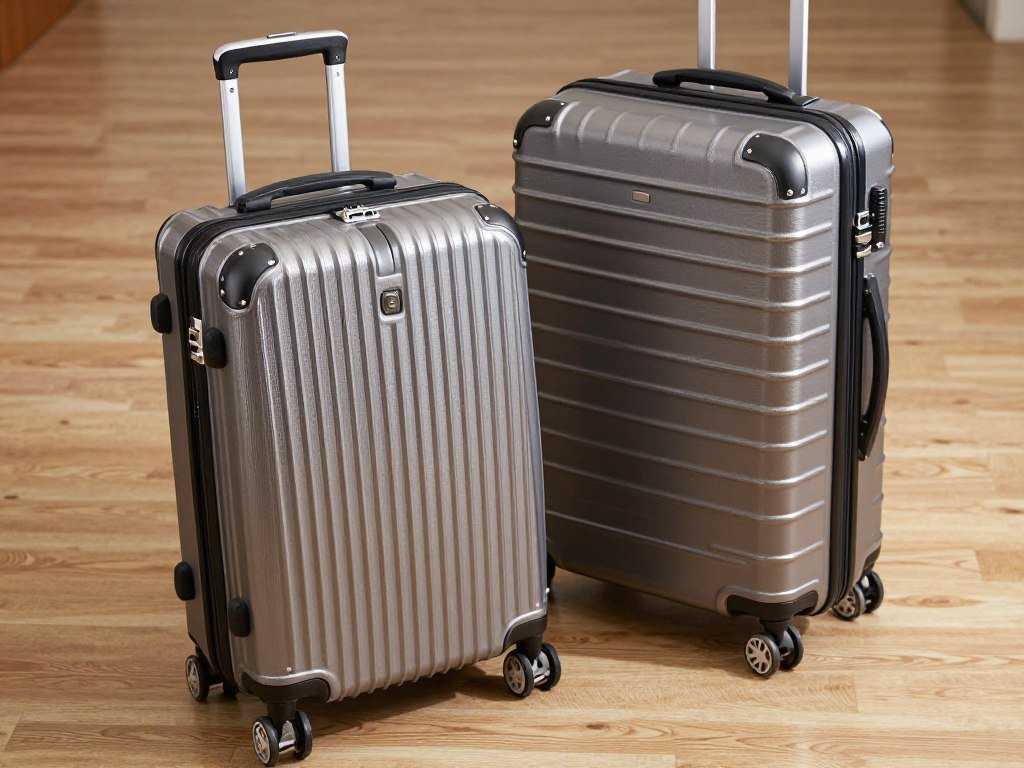
Quince offers 20-inch and 21-inch carry-on sizes, plus 24-inch and 27-inch check-in sizes. The 20-inch carry-on holds 40 liters and weighs 6.2 pounds. The 21-inch carry-on holds 48 liters, with a stated estimate of 6-9 outfits.
Carry-on sizes for shorter trips
The 20-inch case offers less space and lower weight, which may suit lighter packers or shorter trips. The 21-inch Quince carry-on gives you more room, though its exterior dimensions still need to match the carrier’s current limits. Aircraft bin space can also affect what fits overhead.
Both carry-on sizes have expandable options. The zipper adds about 1 inch of space, which can change how deep the case is when packed. Expansion may make the bag too large for some carry-on rules.
Check-in sizes for more packing room
The 24-inch expandable check-in case works as a middle ground for a full trip. Travelers comparing a Quince Large Check-In suitcase review with the smaller model may prefer the 27-inch case when packing heavily or bringing purchases home. Its larger space can help, though it takes up more room.
A Quince Expandable Medium Check-In suitcase review points toward the 24-inch option for people who need checked-bag capacity without the largest case. The expandable large check-in suitcase suits heavy packers and shopping-focused trips. Its zipper adds about 1 inch to the packing space.
Smaller carry-on luggage can nest inside a larger check-in case for storage. For example, a 21-inch carry-on can fit inside a 24-inch check-in case. That can help keep the suitcases together when they are not in use.
| Size | Use | Expandable option |
|---|---|---|
| 20-inch | Carry-on | Available |
| 21-inch | Carry-on | Available |
| 24-inch | Check-in | Available |
| 27-inch | Check-in | Available |
Choose the 27-inch expandable case when bringing back extra purchases matters more than keeping checked luggage compact.
What Should You Know About Returns and Warranty?
Most Quince items have a 365-day return window from delivery, but luggage must retain its original product tags and Return Tag to qualify for a refund. That tag rule matters even when the bag remains in good shape. The return period and warranty cover different kinds of problems.
Return window and luggage requirements
In 2026, most Quince items can be returned free for a refund or exchange within 365 days of delivery. The policy has condition requirements, and luggage needs its original product tags and Return Tag for a refund. A free return or exchange does not remove those requirements.
Use this checklist before sending a suitcase back:
- Check that the return is within 365 days of delivery.
- Keep the original product tags and Return Tag with the luggage.
- Allow about 7 business days for a refund after the item reaches the warehouse.
Refunds to the original payment method are typically processed within 7 business days after warehouse delivery. The return window gives time to assess the bag, but its condition and tags still affect refund eligibility.
Defects covered by the carry-on warranty
The carry-on warranty covers functional defects such as a cracked shell, broken wheels or handles, and zippers that no longer work. These are failures that affect use, rather than changes in appearance. A combination lock is a separate feature, so check its operation before travel.
The warranty excludes cosmetic damage, loss, theft, and damage caused by tampering.
That limit means a scratch alone does not qualify as a covered defect. Nor does a suitcase that goes missing or suffers damage from someone tampering with it. Keep the warranty terms in mind when weighing the price against your expected use.
Keep the tags and Return Tag with the suitcase until you are sure you will keep it.
Conclusion
Quince luggage is a strong value candidate for travelers who prioritize light weight and useful packing features over a premium-brand name. Its organized interior can suit frequent trips, while reports of carpet drag and handle resistance matter for people who often overpack or roll across carpet.
Start by choosing a size that matches your usual trip, then compare the listed price with the return terms that apply to luggage. A compact carry-on may save space, while a check-in case can better suit a longer trip or extra shopping. Check the current product listing, size and return conditions before placing an order.
FAQ
Can a 21-inch Quince carry-on fit in every overhead bin?
Does the water-resistant lining make a Quince suitcase waterproof?
Can an overpacked Quince suitcase make its handle hard to adjust?
Can a Quince carry-on fit inside a larger check-in suitcase for storage?
How much extra room does an expandable Quince suitcase add?