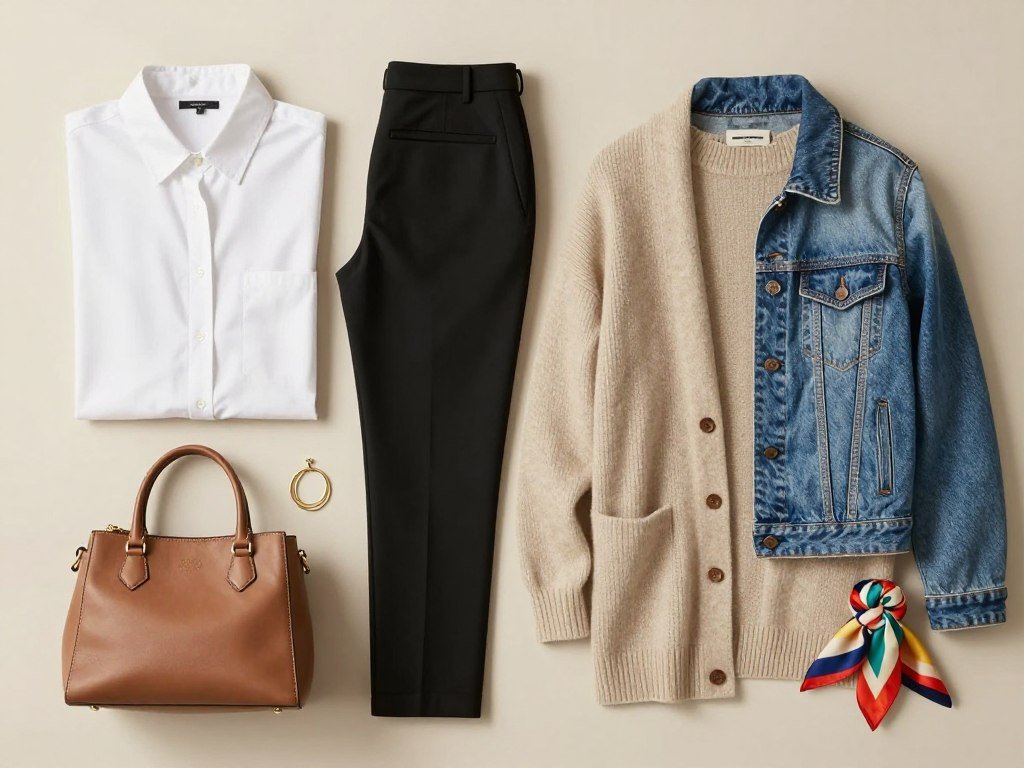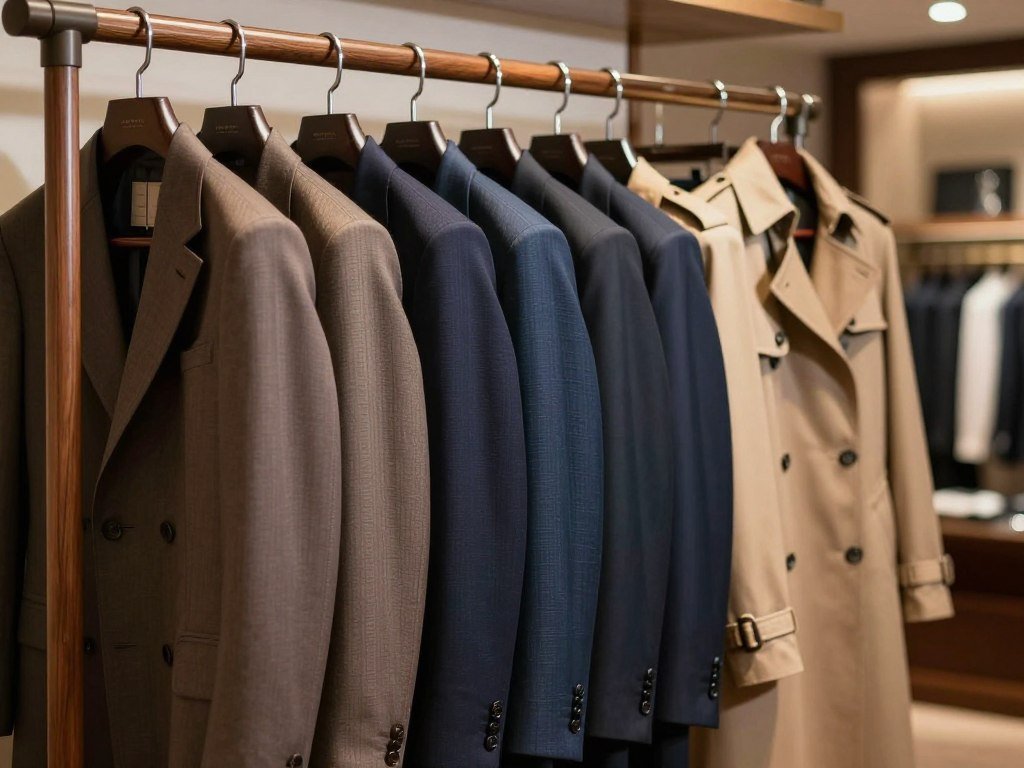
A luxury purchase makes the most sense when you can picture wearing it often and caring for it well. A high price alone does not make a garment a sound investment. It may reflect a famous label, costly materials, skilled work, or all three, but none guarantees lasting value.
For U.S. shoppers, the useful question is whether a piece suits real days, not just a fitting-room mirror. We look at heritage houses and newer labels through comfort, construction, repeat wear, and possible resale interest. Cost per wear = the purchase price divided by the number of times you wear an item. That simple measure can help put a big price in perspective.
The ten picks below offer different strengths, from polished tailoring to practical outerwear and casual staples. Treat them as starting points, not a promise of financial return. A garment earns its place when it works with what you own and stays useful through changing trends. The best choice is the one that fits your wardrobe and your budget, not just the one with the biggest name.
Key Takeaways
- Judge a garment by its fabric, fit, construction, and care needs.
- Estimate cost per wear using a realistic number of wears.
- Brand attention does not guarantee resale value.
- Buy designs that work with clothes already in your closet.
- Set a spending limit before browsing new or pre-owned pieces.
What Makes Luxury Clothing Brands Worth the Investment?
A worthwhile luxury garment combines a wearable design, sound construction and enough expected use to justify its price. Quality matters, but so does the chance that you will reach for the piece often.
Judge the garment in front of you, not the logo or a resale promise. Chanel and Burberry can suit shoppers seeking tailored or outerwear staples. Ralph Lauren and Saint Laurent offer classic separates or outerwear for men’s wardrobes. These are options, not automatic bargains; fit and use still decide the value.
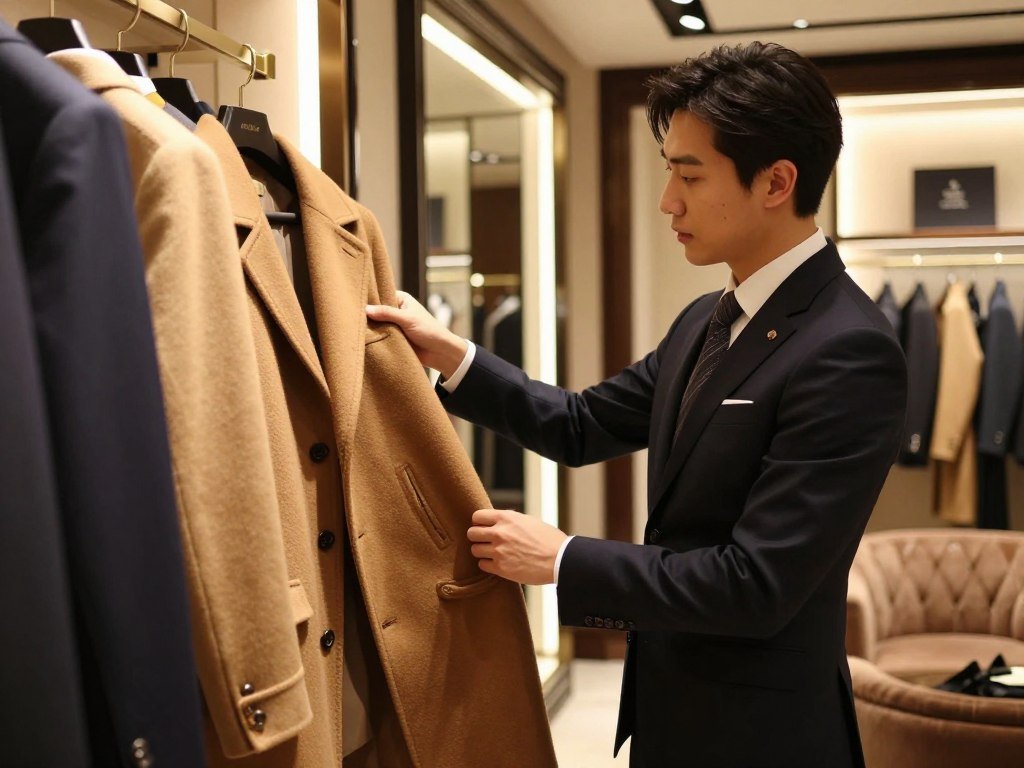
Judge the garment, not only its resale story
Women’s luxury clothing brands worth the investment can include Chanel for tailoring and Burberry for outerwear. Men’s luxury clothing brands worth the investment can include Ralph Lauren for classic separates and Saint Laurent for sharper outerwear. A list of high-end designer brands may help you explore, but it cannot tell you whether a certain sleeve, fabric, or cut suits your life.
Use this quick checklist before buying:
- Fabric: Check how it feels, drapes, and handles regular use.
- Seams and finishing: Look for even stitching and neat edges.
- Fit: Sit, reach, and walk in the garment.
- Care needs: Match the label’s instructions to your routine.
A garment with delicate trim may need more care than a plain knit. Consider whether that extra work fits your week. One survey found that 47% of shoppers assess resale value before buying an item new. That interest can inform a choice, but it cannot predict what your garment will sell for later.
Use wear cost and textile tests
Cost per wear means the purchase price divided by the number of times you wear the item. A $1,000 coat worn 200 times over five winters costs $5 per wear. That estimate changes if the coat stays in the closet, needs costly care, or wears out sooner.
Choose a garment for the wears you can picture, not the resale price you hope to get.
Textile standards can help explain how fabric is tested. ISO 5077 assesses dimensional change after washing when used with the ISO 6330 domestic wash procedure. Martindale equipment commonly measures fabric abrasion resistance, or how well it withstands rubbing.
| Test or standard | What it measures | How it is assessed |
|---|---|---|
| ISO 5077 | Dimensional change | Measured after washing |
| ISO 6330 | Domestic wash procedure | Used with ISO 5077 |
| Martindale abrasion testing | Fabric abrasion resistance | Rubbing with test equipment |
These tests do not decide whether a style belongs in your closet. The 3-3-3 rule in fashion is a capsule-wardrobe exercise, commonly framed as three tops, three bottoms, and three pairs of shoes. It is a styling tool, not a test of garment quality or investment value.
Compare the care label with the time and effort you can realistically give the garment.
1. Chanel: Are Its Tweed Jackets Built to Last?
Chanel’s tweed jacket stands out because its construction involves far more than a recognizable label. Its appeal comes from layered details that can make the jacket feel special and shape how it wears.
A Chanel jacket takes an average of 130 hours to construct and may combine tweed, silk, and alpaca wool. The jacket often has a lining, multi-paneled pockets, buttons, and trim. Those details call for close inspection, since intricate work does not make every jacket a sound buy.
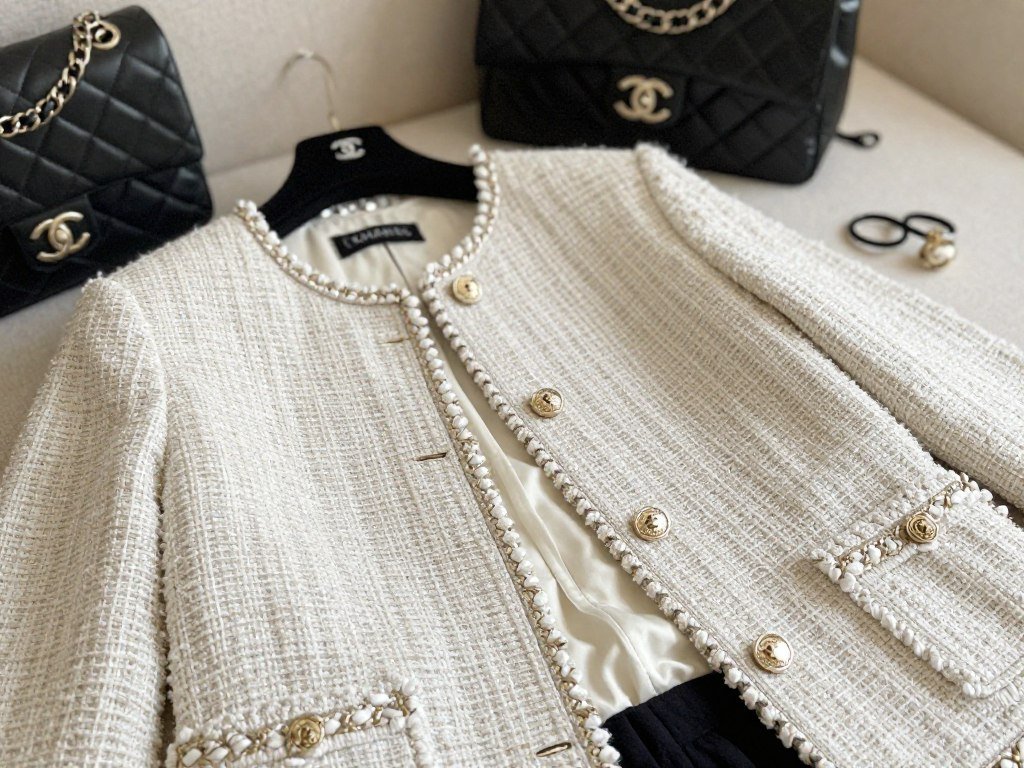
The conversation about the top 10 expensive clothing brands often includes Chanel. Price alone cannot establish whether an individual garment is worth buying. Chanel was The RealReal’s most-searched brand in 2026, and searches for Matthieu Blazy’s collections rose 10,967% that year. Search activity shows attention, not clothing resale performance. A 2026 brand search ranking is not a promise of future prices.
Inspect these four details before you decide:
- Examine the tweed surface for snags or uneven wear.
- Check the lining and seams for pulls or loose spots.
- Inspect button attachment and the condition around each button.
- Confirm the jacket allows comfortable movement across the shoulders.
| Garment detail | What to inspect | Why it matters |
|---|---|---|
| Tweed | Snags and surface wear | Shows visible damage |
| Lining | Seams and loose threads | Affects comfort and finish |
| Buttons | Attachment and surrounding fabric | Shows whether details feel secure |
The jacket may pair well with simple trousers, jeans, or a skirt, but consider the closet you already have. A formal version can be hard to wear if most of your days call for casual layers. Try it with the shoes and tops you own, rather than judging it alone under store lights.
Try the jacket while seated and standing so its tailored shape does not compromise movement.
2. Hermès: Does Saddle-Making Heritage Translate to Clothing?
Hermès brings a saddlery heritage to apparel, but a clothing purchase still needs to succeed as a garment. That history helps explain the house’s attention to materials and finish, not how every item will fit your life.
Craft traditions can inform your expectations, but they do not make each piece equally practical. Check the apparel’s shape, cloth, stitching, and role in your wardrobe before paying a premium.
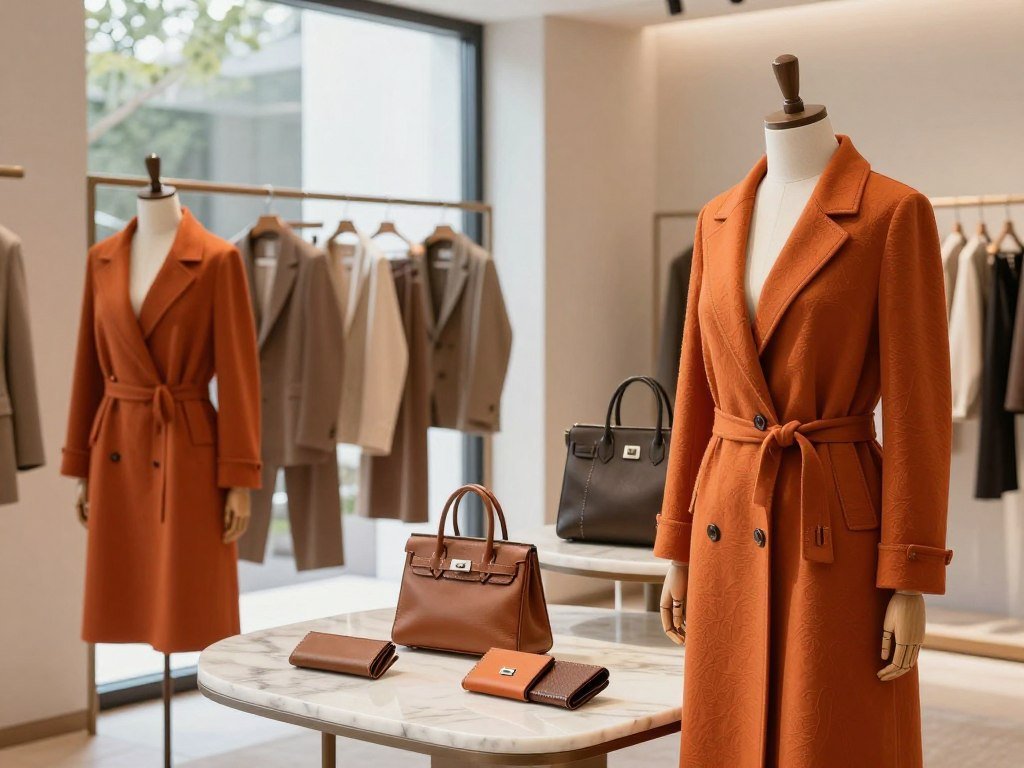
From horse tack to apparel
Hermès began in 1837 as a maker of horse tack and saddlery. The house entered clothing in 1918, building on skills developed around leather goods and accessories. That background forms part of the brand’s identity, but a riding craft and a wool jacket face different daily demands.
The Birkin and Kelly are famous leather-goods examples, not evidence that Hermès clothing will rise in value. A handbag’s demand does not settle the value of a shirt, coat, or dress. Treat each category on its own terms.
How to judge the clothing separately
Start with fit: a beautiful fabric still needs to sit well at the shoulders, waist, and hem. Then look at the material and stitching, and ask whether the garment fills a real gap. A formal jacket that rarely leaves your closet may offer less value than a simpler piece worn every week.
Consider how the item works with your normal shoes, bags, and layers. A refined finish may look appealing in a store, yet feel out of place during your usual routine. Comfort is practical evidence, not a minor detail.
Hermès can be a strong choice when the clothing feels well made and useful to you. Its heritage should raise your interest, not replace an honest try-on. Choose the piece whose fit and function work without relying on the house name.
3. Burberry: Is a Trench Coat a Long-Term Wardrobe Buy?
A Burberry trench is most compelling when the wearer needs a versatile outer layer, not simply an iconic coat. Its usefulness depends on whether it suits your weather and the clothes you wear beneath it.
A classic shape earns repeat wear only when its weight and cut suit your routine. Burberry was founded in 1856, and its gabardine and trench-coat history connects with outerwear worn by officers during World War I.
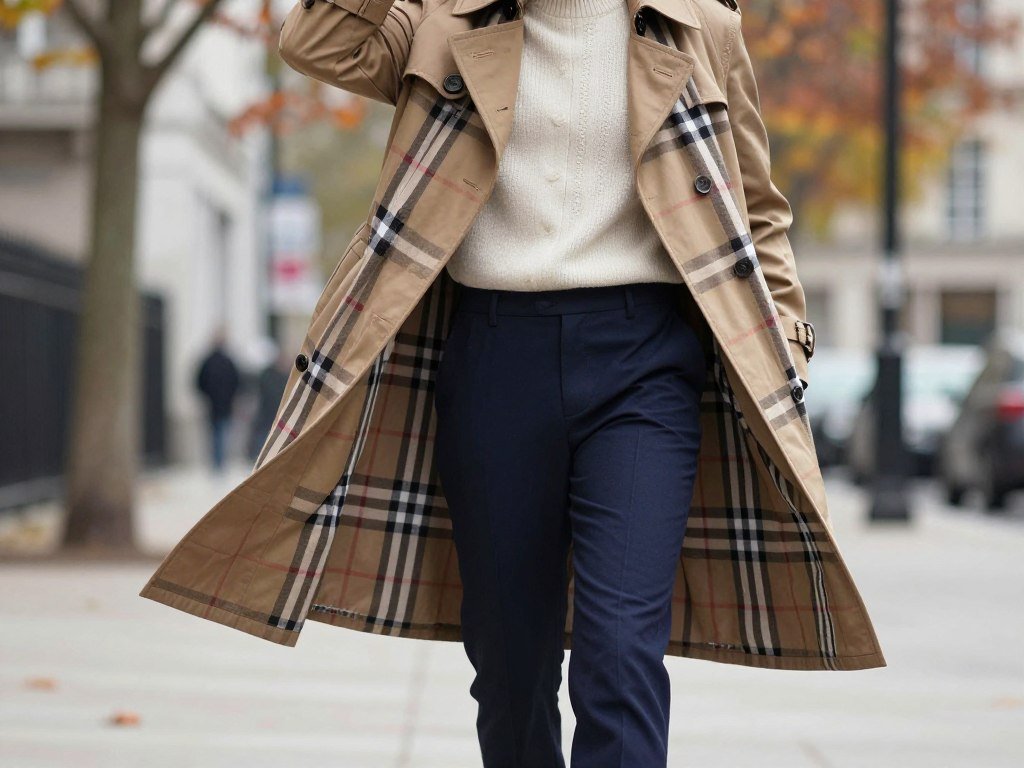
A trench can shield everyday clothing and add a neat outer layer for work or errands. Gabardine is part of the coat’s history, but the specific fabric and lining affect how the garment feels. Consider whether the coat works for your local climate, including rainy days, cold mornings, and warmer afternoons.
Length changes how a trench moves and what it covers. A longer cut can feel awkward when you drive, climb stairs, or walk through crowded spaces. A shorter one may work better for a commute, but offer less coverage over a dress or suit.
Look at the lining before deciding how many months you can wear the coat. A heavier lining may suit cold weather but feel stifling in a mild region. A lighter version may be easier to layer, yet too thin for the days when you need warmth.
Closure details affect both comfort and use. Buttons, belt, and collar should work with the way you dress, rather than adding fuss each time you leave home. Think about whether you will wear the belt tied, buckled, or not at all.
A coat can be famous and still sit unused if its shape does not suit your body. Try the trench with a sweater and a lighter top. That gives you a better sense of its range than testing it over a thin fitting-room shirt.
Check sleeve length and room for the layers you expect to wear underneath.
4. The Row: Does Quiet Design Outlast a Trend?
The Row suits shoppers who want the cut and material to carry the look rather than a prominent logo. That restraint can make a garment easier to pair, though it does not prove that the fabric will last.
A low-logo style is not a quality test. Inspect the fabric, finishing, and fit in person, then decide whether the piece works with the clothes you wear most.
The Olsen-founded house is known for a quiet aesthetic. Its bags include named styles such as the Margaux, Marlo, 90’s, India, and Half Moon. Those accessories are distinct from clothing choices such as refined basics and tailoring.
For clothing, look at the small things that shape how a garment feels: fabric weight, seams, hems, and how the shoulders sit. A clean design can leave little room to hide a poor fit. Try the piece from the side and back, not just in a mirror from the front.
Neutral colors can make outfits easier to build, but not every neutral earns regular use. A beige jacket may clash with your usual palette, while a dark knit may work with most of your trousers. Picture outfits from your own week instead of an imagined wardrobe.
Tailoring can also be less flexible than a soft sweater. A well-cut blazer may feel polished at work but too formal on weekends. If you need one item for both settings, check whether its structure feels comfortable with casual clothes.
The Row can suit a shopper who prefers subtle design and has room in the budget for careful construction. The name alone cannot tell you whether a fabric will pill or a hem will hold. Judge what you can touch and try on.
Buy a quiet staple only when its shape and fabric feel right in your everyday wardrobe.
5. Prada: Can Technical Nylon Become a Wardrobe Staple?
Prada makes the most sense for a shopper who wants technical materials to serve a clear everyday purpose. Useful innovation should make a garment easier to wear, not simply give it a new label.
Prada suits shoppers who value technical materials and repeatable daily wear, not everyone. The house began in 1913, and Prada Re-Nylon launched in 2019 with Aquafil, using recycled plastic as its starting material.
Technical fabric can make sense in outerwear or daily accessories, where weather and movement matter. Ask whether the item fills a need you already have. A material story has less use if the garment stays folded away because it does not suit your routine.
Prada is one of the best designer clothing brands to consider if you want a mix of fashion and practical materials. It is not a universal winner. A shopper who prefers natural fibers or formal tailoring may get more use from another label.
These options show different ways to bring the brand into daily life:
- Re-Nylon outerwear for a light, practical layer.
- A Galleria everyday bag for regular errands or work.
- A skirt or other ready-to-wear piece for a more dressed look.
For clothing, judge the fabric by how it feels against your skin and how it moves. A stiff jacket can limit use, even if its material seems suited to active days. The garment should fit your local weather and the layers you normally wear.
Think about where you will store and clean the piece, too. Some technical fabrics may have care limits that do not match frequent use. A daily garment needs instructions you can follow without turning laundry into a special project.
Prada’s materials may add a useful twist to a wardrobe when the shape still feels familiar. Choose the item for its job first, then decide whether its design earns a place among your usual clothes. Check the garment’s care instructions before choosing a technical fabric for frequent wear.
6. Bottega Veneta: Is Intrecciato Craftsmanship Worth Paying For?
Bottega Veneta’s Intrecciato gives its leatherwork a recognizable texture without relying on a large logo. The woven surface is a clear part of the house’s design identity.
A distinctive technique is worth paying for only when you enjoy wearing it. Intrecciato is woven leather, a tactile finish tied to Bottega Veneta’s polished accessories and clothing.
The house’s logo-free identity puts attention on material and craft. Vogue explains Bottega Veneta’s woven-leather technique and its early use for durable leather goods. That history helps explain why the weave remains recognizable, but it does not guarantee a specific item’s lifespan.
The texture also informs the ready-to-wear range. Named skirt styles include the Broderie Anglaise Skirt, Intrecciato Leather Skirt, and Pleated Twill Midi Skirt. They represent different clothing directions, not proof of future resale value.
A woven leather piece may feel striking beside plain clothes. It can also be hard to style if your closet already has busy patterns or few neutral layers. Before buying, picture the item with clothes you own, rather than building a new wardrobe around it.
Think about comfort as well as appearance. A leather skirt may feel different from a soft fabric skirt when you sit, walk, or travel. A pleated twill style may work in more settings, but its cut still needs to suit your body.
Bottega Veneta may appeal to shoppers who value texture and a quieter label. The same surface that makes a piece stand out can narrow its use. Make sure a statement texture works with at least two outfits you already wear.
7. Saint Laurent: Is a Leather Jacket Its Best Wardrobe Investment?
Saint Laurent’s leather jacket works best for someone who will wear its confident silhouette repeatedly. That strong shape can anchor an outfit, but it needs to fit your climate and everyday style.
A leather jacket is a poor buy when your weather, care routine, or closet makes frequent use unlikely. Saint Laurent was founded in 1961 and has a history that includes both ready-to-wear and tailoring.
Leather jackets, including bomber styles, are a signature shopping direction for the house. Their impact comes from a clean shape and firm material. Yet a jacket that feels too warm for most of the year may not earn enough use to justify its cost.
The Rive Gauche ready-to-wear line launched in 1966. Le Smoking is another named design associated with the house. These examples point to a fashion history that extends beyond leather goods and includes tailored clothing.
For a jacket, focus on how the shoulders, sleeves, and body fit when you move. Leather can feel restrictive if the cut leaves little room for a sweater. Try the jacket over the thickest layer you expect to wear beneath it.
Consider care before buying. Leather may need a different routine from the cotton or wool pieces you wash at home. If you dislike special care or have no suitable storage space, the jacket may not be an easy regular choice.
Also consider the colors and shapes already hanging in your closet. A black jacket may pair with many outfits, but its style can still feel too bold for your usual clothes. The best version is one you can wear without planning an entirely new look.
Consider whether the jacket layers comfortably over the clothes you already own.
8. Ralph Lauren: Which Classics Have Staying Power?
Ralph Lauren is a practical pick for shoppers who want familiar casual pieces that can move across seasons. Its classic sportswear can work well when it fits the way you dress most days.
Choose a piece for repeat use, not for the logo alone. Ralph Lauren began selling ties under Polo in 1967, then introduced the Polo shirt in 1972.
Those early products helped frame a recognizable mix of sportswear and classic separates. A Polo shirt may work with jeans, chinos, or a skirt. Knitwear and jackets can add useful layers when their colors suit your closet.
Classic casual clothes often feel easier to wear than pieces built around a short trend. Still, familiar design does not mean every item earns regular use. A bright sweater or sharply branded polo may be less flexible than a plain knit.
Check the fabric and fit rather than assuming the house name settles quality. A cotton shirt should feel comfortable through a full day, while a jacket should sit neatly over the clothes beneath it. The right fit can make a familiar design feel fresh for years.
Think about the settings where you will wear it. A polished polo may work for casual offices, meals, and weekends, while a formal jacket may have fewer chances to leave the closet. Choose the item that crosses into the most parts of your routine.
Logo-heavy clothing can be fun, but recognition does not make a garment more versatile. If you prefer subtle pieces, a smaller mark or plain design may be easier to pair. A brand can offer several versions of the same classic, so choose by comfort and use.
Choose the version you will reach for often, rather than buying a logo only for recognition.
9. Miu Miu: Can Trend-Forward Knitwear Earn Repeat Wear?
Miu Miu knitwear is a strong candidate when a playful design still fits the wearer’s everyday rotation. Its personality can make a simple outfit feel more distinct, but repeated use depends on fit and comfort.
A bold knit is a poor investment for someone who prefers neutral, low-maintenance basics. The Layered Wool and Cashmere Polo and Striped Cashmere and Silk Polo show two directions in the brand’s knitwear.
Check the fiber content and feel the knit against your skin. Wool, cashmere, and silk can each feel different, and the blend affects how a garment drapes. A soft knit still needs a shape you enjoy wearing for several hours.
Layering can help a distinctive top work in more seasons. Try it over a shirt or under a coat, and see whether the sleeves and collar sit comfortably. A layered design may look finished on its own, but feel bulky beneath outerwear.
Ease of care matters when you expect frequent wear. If the label calls for careful washing or storage, consider whether you will follow those steps. A favorite sweater that needs special handling may still be worth it, but the effort should fit your habits.
Miu Miu’s playful design can bring a fresh note to plain trousers or a simple skirt. The Guardian described the house’s mix of everyday clothing and high fashion in 2026. Its report on Miu Miu’s real-clothes approach offers context on the brand’s style, not proof of garment resale value.
Check whether the knit works with the colors and shapes you already own. A striking top can become a favorite when it fits your routine, but a closet mismatch can leave it unworn. Try the knit with the trousers or skirt you already own before deciding it is versatile.
10. Fendi: Does Its Craftsmanship Extend Beyond Bags?
Fendi’s Baguette may be its best-known reference point, but clothing buyers should judge the garment separately. Apparel has its own fit, fabric, and use questions, apart from a house’s leather goods.
Attention paid to a bag does not establish the resale outlook of Fendi apparel. Fendi was founded in 1925, and the Baguette is a well-known bag style.
A famous handbag can make a fashion house easy to recognize. That attention belongs to a different product category, though. A coat, dress, or pair of trousers should work as clothing before its label becomes part of the decision.
Start with the fabric and how it feels against your skin. Then check the fit while sitting and walking, since a garment may behave differently once you move. Pay attention to the parts that affect comfort, such as the shoulder line, waist, and hem.
Next, picture the item with clothes already in your wardrobe. A patterned jacket may be appealing, but hard to pair with your usual colors. A simple knit may offer more use if you need an easy layer for work and weekends.
Fendi clothing can suit shoppers drawn to its design and finishing. Still, do not treat a bag’s reputation as a shortcut for judging apparel. The category, condition, and wear you expect all shape whether the price makes sense.
A piece that fits your life can be a better wardrobe choice than a more famous item that stays in its garment bag. Try the clothing on and notice how it feels through an ordinary range of movement. Pick the Fendi piece that works as clothing first, with house recognition as a bonus.
How to Buy Luxury Clothing Without Treating Resale as Guaranteed
Resale data can help identify buyer interest, but it cannot promise what a specific garment will sell for later. Interest is a signal, not a price forecast.
Search growth and strong demand do not guarantee that your clothing will rise in value. A resale market reflects changing tastes, item condition, price, and supply.
What resale interest can and cannot tell you
In a 2026 report, 58% of consumers preferred resale over buying new. Vintage clothing, defined as at least 15 years old, had 432% higher demand on The RealReal from 2020 to 2026. Searches for 1990s pieces rose 63% year over year from 2025 to 2026, while early-2000s searches rose 93%.
| Search category | Period | Change |
|---|---|---|
| Vintage clothing | 2020-2026 | 432% higher demand |
| 1990s pieces | 2025-2026 | 63% more searches |
| Early-2000s pieces | 2025-2026 | 93% more searches |
Searches for “Phoebe Philo Celine” rose 650% from 2025 to 2026. Searches for “Nicolas Ghesquière Balenciaga” rose 400%, and “Marc Jacobs Louis Vuitton” rose 375%. Those jumps show interest in designers’ past work, not a broad ranking of clothing sales.
| Designer search | Period | Year-over-year change |
|---|---|---|
| Phoebe Philo Celine | 2025-2026 | 650% |
| Nicolas Ghesquière Balenciaga | 2025-2026 | 400% |
| Marc Jacobs Louis Vuitton | 2025-2026 | 375% |
Bag searches offer another example of how attention can shift. The Chanel Cerf ranked fourth among six most-searched bags, with interest up 46% year over year. Its interest rose 176% from January-March to April-June 2026.
The Celine Halfmoon ranked third among six, also with a 46% year-over-year rise. Its interest rose 175% between those same quarters. Saint Laurent’s Y tote ranked sixth, with searches up 5% year over year.
| Bag | Rank among six | Year-over-year interest change |
|---|---|---|
| Chanel Cerf | Fourth | 46% |
| Celine Halfmoon | Third | 46% |
| Saint Laurent Y tote | Sixth | 5% |
Selected Fendi Baguette and Louis Vuitton Mini Speedy bags had not lost resale value over the preceding 10 years. That finding applies to those bags, not to Fendi clothing or Louis Vuitton apparel. Treat every item as its own case.
Some newer names also drew attention from 2025 to 2026. Ssstein demand rose 361%, while its supply rose 10%. Colleen Allen demand rose 289%, and supply rose 166%. Zankov had 175 obsessions per item from 11,226 total obsessions across 64 items; its item count rose 79% year over year in 2026.
Consumer age also shapes the market. Gen Z shoppers were reported to buy their first luxury products at age 15, three to five years earlier than millennials. Customers under 40 make up 40% of the luxury consumer base, and about 30% of Gen Z shoppers buy secondhand to access higher-end brands.
A top 50 luxury clothing brands list or top 100 luxury fashion brands list covers far more labels than this top 10. This selection gives ten examples and their wardrobe strengths, rather than a full ranking of luxury goods, retail, accessories, bags, and shoes.
Make a secondhand purchase carefully
Use these four steps when shopping for pre-owned luxury fashion:
- Check condition, including wear, stains, repairs, and missing details.
- Verify authenticity independently, rather than relying on one seller claim.
- Compare completed resale listings for similar items and condition.
- Retain purchase and care records for your own reference.
Independent checks matter because photos can hide wear or repairs. Completed sales give a more grounded comparison than asking prices, which may never become a sale. Keep any care details with your purchase records.
Emerging labels and current buyer interest
Newer clothing-focused labels can offer strong design, but their current prices are snapshots, not resale recommendations. Fforme was four years old in 2025, and Frances Howie had served as creative director for two seasons.
For spring 2026, Fforme listed the Lennox Pleated Trench Coat at $3,595, the Mila Bias Cut Gown at $1,895, and the Dakota Crepe Blazer at $2,495. These prices show the range of the label’s clothing, not what a later buyer might pay.
Kallmeyer’s 2025 Eve Checked Dress cost $895, the Tabitha Draped Blouse cost $720, and Farah Straight-Leg Jeans cost $395. Heirlome, founded in 2022, was a 2025 CFDA/Vogue Fashion Fund finalist.
Maria McManus listed its 2025 Draped Satin Blazer at $1,490 and Pleated Pants at $750. These labels are worth exploring if their design suits your wardrobe. Interest in a designer does not erase the risk of paying more than you can comfortably afford.
Set a firm budget before browsing resale listings so a strong trend signal does not become pressure to overspend.
Conclusion
A smart luxury purchase starts with the wardrobe you have, not a trend you have just noticed. Repeat wear and suitable construction matter more than a label’s current popularity. Resale interest can add context, but it cannot promise a return.
Choose a garment that fills a real gap, then estimate its cost per wear before you shop. Be honest about how often you will wear it and how much care it needs. Write down the piece you need and the maximum you can spend before you shop.
FAQ
What is the 3 3 3 rule in fashion?
What are the best clothing brands to invest in?
Which luxury brands increase in value?
What brands do wealthy people buy?
What designers are hot right now?
What is the hottest clothing brand right now?
What are some emerging luxury brands?
What brands is Gen Z obsessed with?