After five articles arguing about whether Michael Kors is luxury, it’s a relief to arrive at the question with a genuinely calm answer. Nobody fights about this one at dinner parties. There is no scorecard drama, no defensive tote owners, no fashion editors raising an eyebrow.
Is Michael Kors a premium brand? Yes. Plainly, comfortably, yes.
In fact, if you forced the entire fashion industry to describe Michael Kors in a single word, premium is the word most insiders would reach for. It sits exactly where the brand was built to sit: above the high street, below the luxury houses, selling better materials and better design than standard brands at prices that still let ordinary people walk out of the store smiling. Premium isn’t a consolation prize here. It’s a bullseye.
Let me show you why the word fits so well, because once you see the structure underneath it, you’ll never be confused by a brand label again.
The Three Tiers Nobody Bothers to Explain
Walk through any department store and you’re walking through a ladder. The brands on each floor aren’t arranged by accident. The whole industry runs on three tiers, and almost every argument about labels is really an argument about which rung a brand stands on.
Standard. Zara, H&M, Mango, the better end of the high street. Design follows trends, materials are chosen to hit a price, and nothing is expected to survive a decade. You know this tier. Your closet is full of it, and there’s no shame in that.
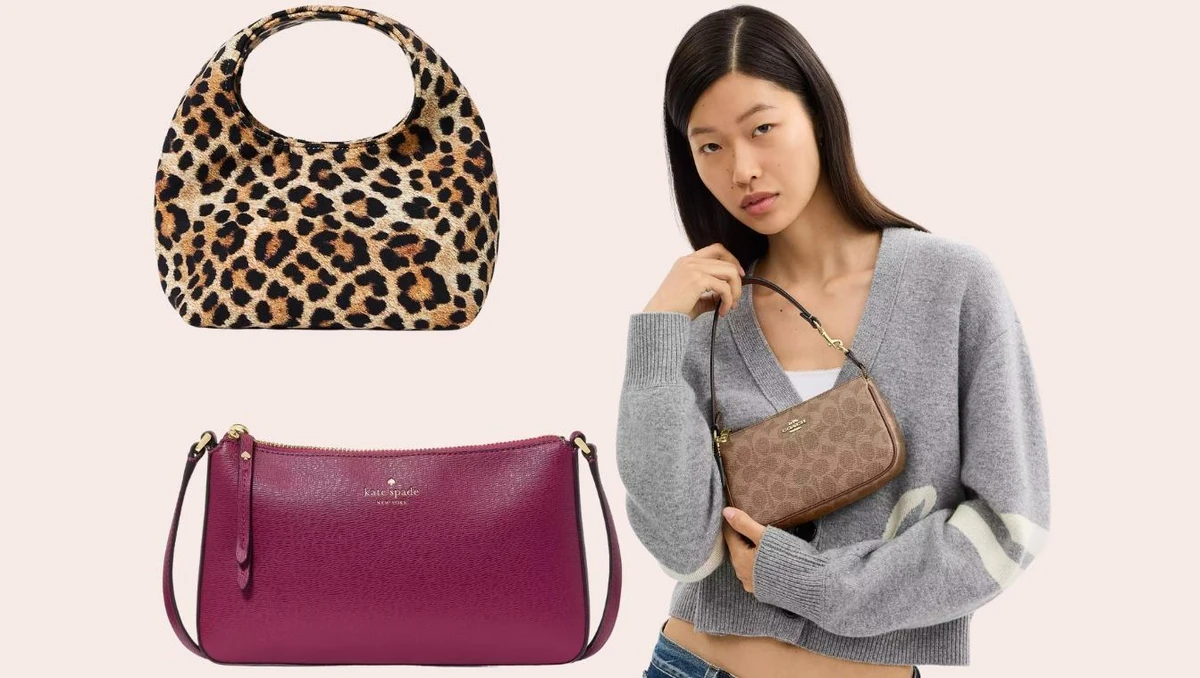
Premium. Michael Kors, Coach, Kate Spade, Tory Burch, Furla, Longchamp. Real leather, real designers, real quality control, prices roughly between $150 and $600. This tier promises something specific: a meaningful step up in materials, construction and design that you can feel every day, without demanding luxury money.
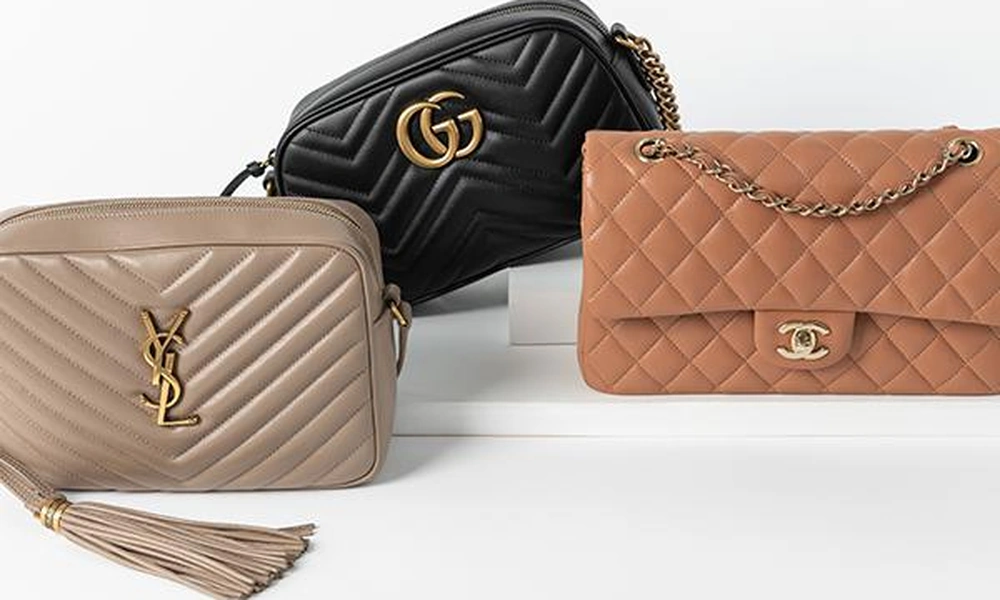
Luxury. Gucci and Prada on the lower steps, Hermès and Chanel at the top. Hand craftsmanship, heritage, scarcity, and prices designed to keep most people out. We’ve mapped the whole climb in our guide to affordable luxury brands and its companion on entry level luxury brands, which shows where the premium tier hands over to the one above it.
Notice where Michael Kors lands. Squarely, undeniably, in the middle rung. Premium is not the vague compliment people throw around when they can’t say luxury. It’s an actual tier with actual rules, and Michael Kors follows every one of them.
Why Premium Fits Michael Kors Like a Glove
Run the brand against the four markers of the premium tier and it checks every box.
Price. The main line sells bags mostly between $150 and $500. That’s the textbook premium band: high enough to fund real materials, low enough to stay within reach of a normal salary.
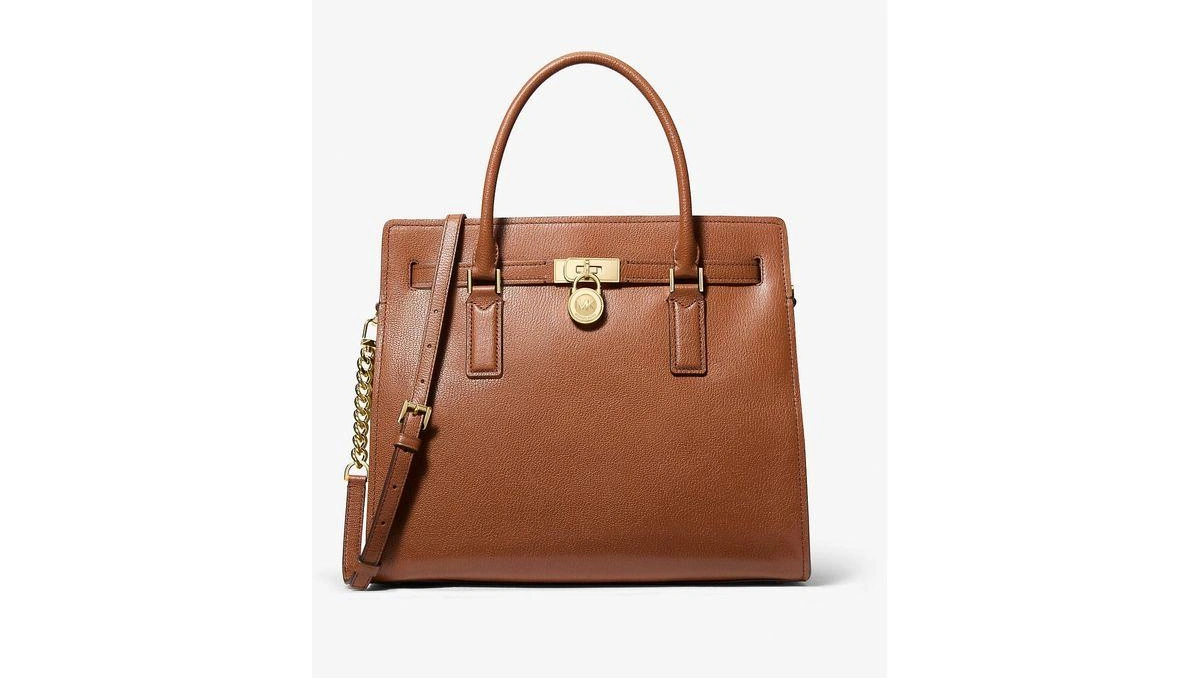
Materials. Genuine Saffiano and pebbled leather, proper lining, hardware that survives years of zippers and door handles. A clear step above high street polyurethane, a clear step below the hand finished hides of a luxury atelier. Exactly what premium promises.
Distribution. Sold in its own boutiques and in department stores like Macy’s, Nordstrom and Selfridges. That’s the premium pattern. Luxury houses guard their distribution like state secrets; premium brands meet you where you already shop.
The customer. The professional who wants something better, not the collector who wants something rare. Michael Kors has always designed for the woman catching a flight on Monday and presenting in a meeting on Tuesday. Premium customers buy upgrades, not artifacts.
Four markers, four matches. As we showed in the scorecard in our piece on whether Michael Kors is luxury or not, the brand misses the tests for luxury. But premium was never a test. It was the description all along.
The Complication: Michael Kors Is Three Brands Wearing One Name
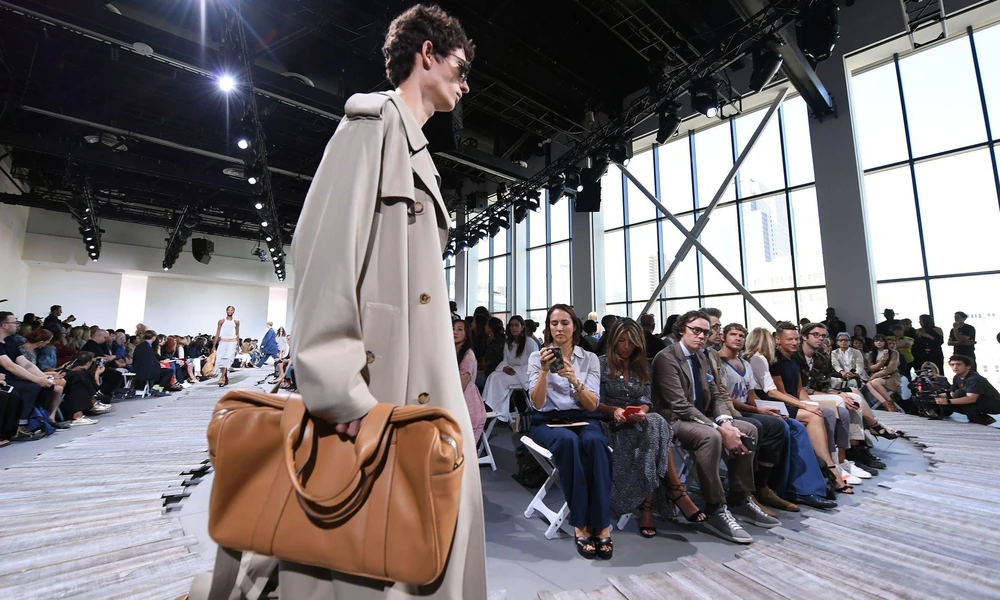
Here’s the part most articles skip, and it’s the only nuance this question needs. When you ask whether Michael Kors is premium, the honest follow up is: which Michael Kors?
Michael Kors Collection is the runway line, the one shown at New York Fashion Week, with pieces reaching well past $1,000. This line reaches toward luxury and borrows its language: finer materials, limited distribution, the designer’s personal hand.
MICHAEL Michael Kors is the main line you see in boutiques and department stores. This is the premium core, the bags and watches and wallets that built the empire. When people say “Michael Kors”, nine times out of ten they mean this.
The outlet line is where the word premium gets stretched thin. As we detailed in our guide to whether a Michael Kors bag is luxury, most outlet stock is manufactured specifically for outlets, designed to a price with simpler materials. It isn’t bad. It just isn’t premium in the same sense, and the tag comparing it to a fictional “original price” is doing a lot of quiet work.
So the complete answer: the Collection line flirts with luxury, the main line is premium through and through, and the outlet line dips toward the top of standard. When someone tells you Michael Kors isn’t premium, ask them which label they’re holding. It usually turns out they’re holding the outlet one.
Premium vs Luxury: What You Actually Give Up
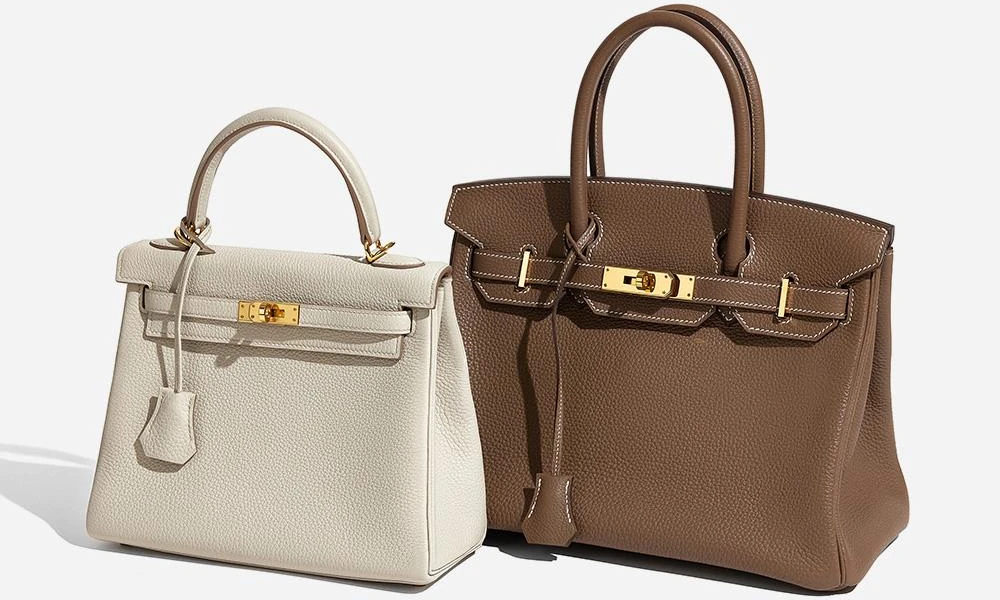
People use premium and luxury as if they were the same compliment with different spellings. They’re not. They’re different products sold to different people for different reasons. Here’s the honest comparison:
| Premium (Michael Kors, Coach) | Luxury (Gucci, Hermès) | |
| Making | Machine produced at scale | Significant hand work, ateliers |
| Availability | Everywhere, always in stock | Controlled, sometimes waitlisted |
| Price logic | Buy it this season | Save for it, maybe inherit it |
| Resale | Fraction of retail | Can hold or grow in value |
| What you’re buying | A better everyday object | An object, plus admission to a story |
Read the last row twice, because it’s the one that matters. Premium sells you a better version of the thing you needed anyway. Luxury sells you the thing plus membership in a narrative about craft and rarity. Neither is a scam. They’re just different deals, and our piece on luxury vs fast fashion brands shows what happens one rung further down, where the deal changes again.
What “Premium” Means for You in Real Life
Enough taxonomy. What does the word actually buy you on a Tuesday morning?
A real quality promise. A main line Michael Kors bag in genuine leather will survive four to seven years of daily use. Straps, zippers, corners, the works. That’s the premium contract: not perfection, but a long, dependable working life.
A status that works in the real world. To fashion insiders, an MK bag reads as premium contemporary. To literally everyone else, your colleagues, your family, the stranger on the train, it reads as a proper designer bag. Premium status is the only kind that functions at scale, because luxury status requires an audience that can spot it.
Possibly the best value in fashion. Bought at the realistic sale price, and Michael Kors is reliably on sale, premium is where your money works hardest. You get 80 percent of the luxury look and 90 percent of the durability for about 10 percent of the luxury price. The head to head numbers are in our Michael Kors vs Coach breakdown, and they’re kinder to premium brands than the snobs would like.
Frequently Asked Questions
Is Michael Kors a premium brand?
Yes, Michael Kors is a premium brand, and premium is the most accurate single label for it. The main line offers genuine leather, real design credibility and prices between $150 and $500: every marker of the premium tier, sitting clearly above high street brands and clearly below true luxury houses.
What is the difference between a premium brand and a luxury brand?
Premium brands offer better materials, design and construction than standard brands at accessible prices, produced at scale and sold widely. Luxury brands add hand craftsmanship, heritage, controlled scarcity and prices that exclude most buyers. Premium upgrades your everyday; luxury sells rarity and story.
Is Michael Kors better quality than Zara or H&M?
Yes, significantly. Michael Kors main line bags use genuine leather, stronger hardware and better construction than high street brands, and typically last four to seven years of daily use. That durability gap is precisely what defines the premium tier versus standard fashion.
Is Michael Kors Collection premium or luxury?
Michael Kors Collection, the runway line, sits between premium and luxury. It uses finer materials, limited distribution and prices above $1,000, borrowing luxury’s language. Most analysts still classify it as high end premium or accessible luxury rather than true luxury alongside Hermès or Chanel.
Are premium brands worth the money?
Premium brands are worth the money when you buy genuine materials at realistic sale prices and plan to use the item for years. A $200 leather bag lasting five years outperforms five $60 bags lasting one year each. Premium is arguably fashion’s best value tier for everyday use.
The Bottom Line
Is Michael Kors a premium brand? Yes, and it’s one of the few questions in fashion where the obvious answer is also the correct one.
Premium isn’t the polite word you use when luxury feels too generous. It’s a real tier with real rules, and Michael Kors doesn’t squeeze into it; the tier was practically designed around brands like it. Better materials than the high street, better prices than the luxury houses, and a promise it actually keeps: your daily life, upgraded.
So the next time someone asks, you can skip the argument entirely. It’s premium. It was always premium. And honestly, premium done well is a harder trick than luxury, because you have to impress people without a $4,000 price tag doing the talking.