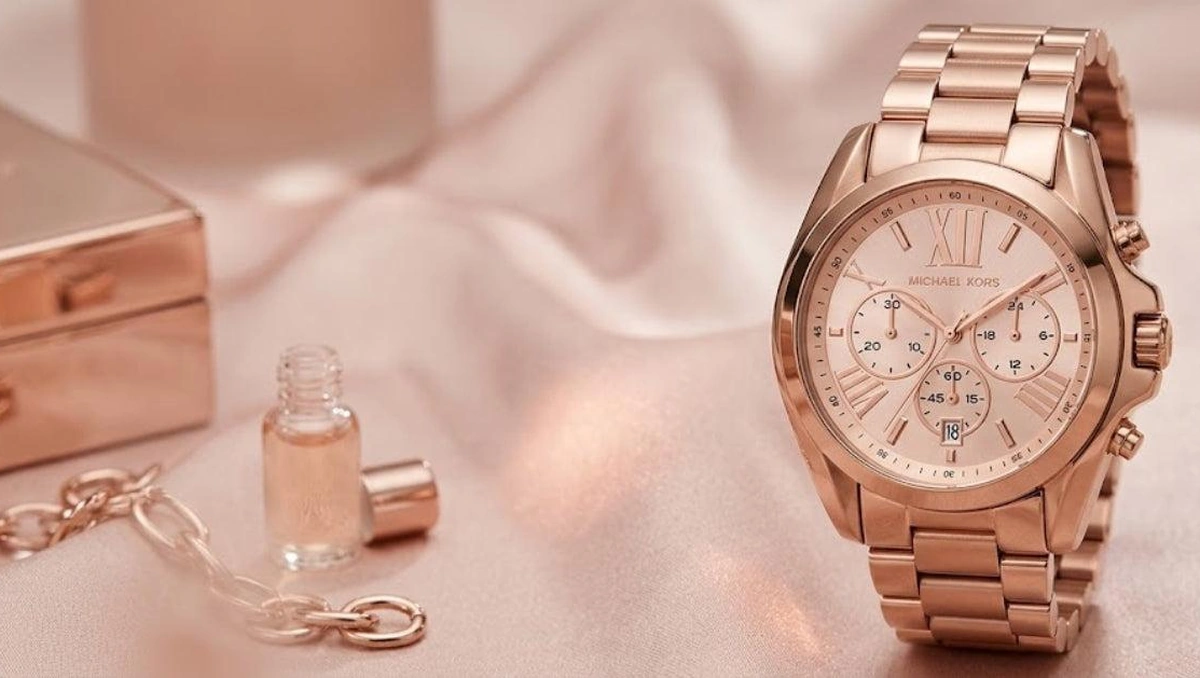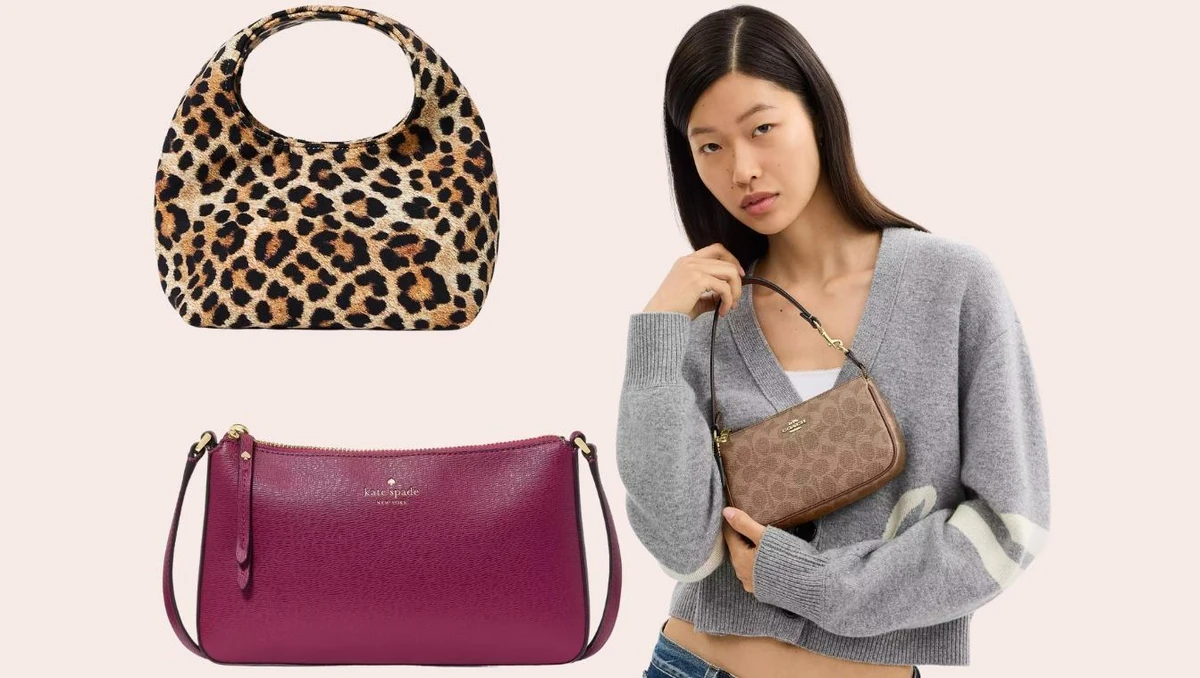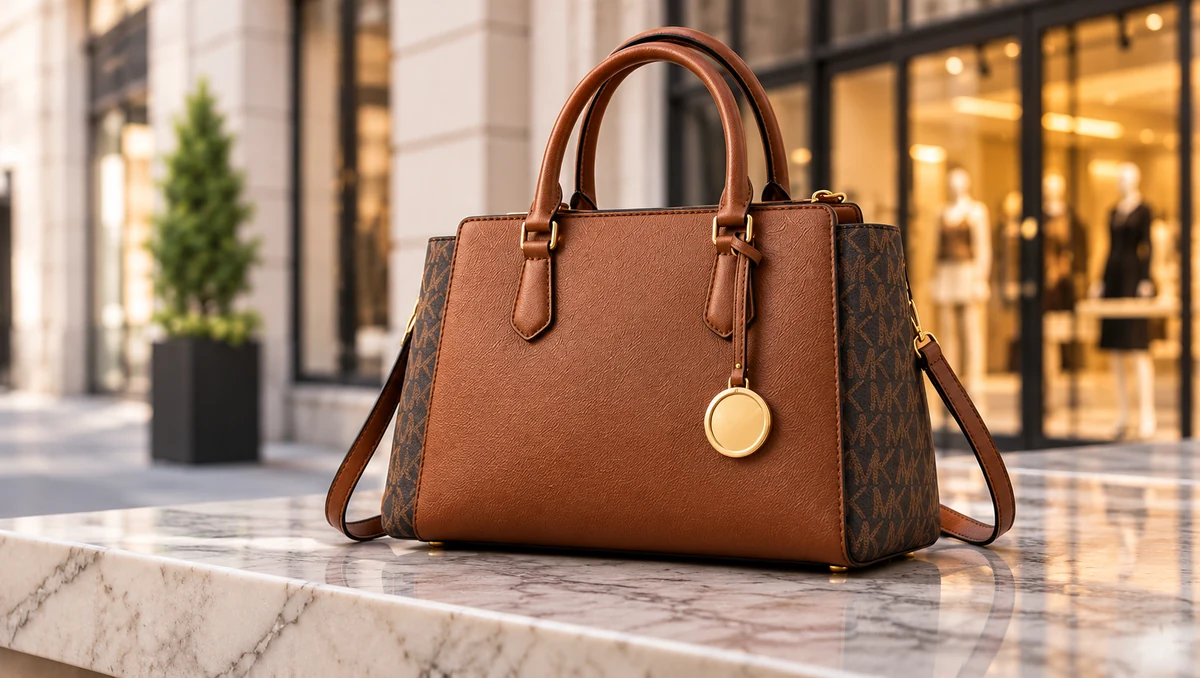
Some questions follow you around the internet, and this is one of them. Ask ten people whether Michael Kors is luxury and you’ll get ten confident answers split right down the middle, usually delivered with surprising passion for a conversation about handbags.
You’ve probably noticed both versions yourself. The woman at work who calls her MK tote “my luxury bag”. The fashion friend who winces at the phrase. So who’s right?
Both are, sort of. Here’s the verdict in one paragraph, because you deserve the answer before the analysis.
Michael Kors is not true luxury. It’s accessible luxury: a genuine designer brand with real leather, real design credibility and fashion week pedigree, sold at prices and volumes that true luxury never touches. If luxury means Hermès and Chanel, Michael Kors doesn’t qualify. If luxury means “a significant upgrade from the high street”, it absolutely does. The fight is about definitions, and now you’ll win it every time.
The Scorecard: Five Tests, One Answer
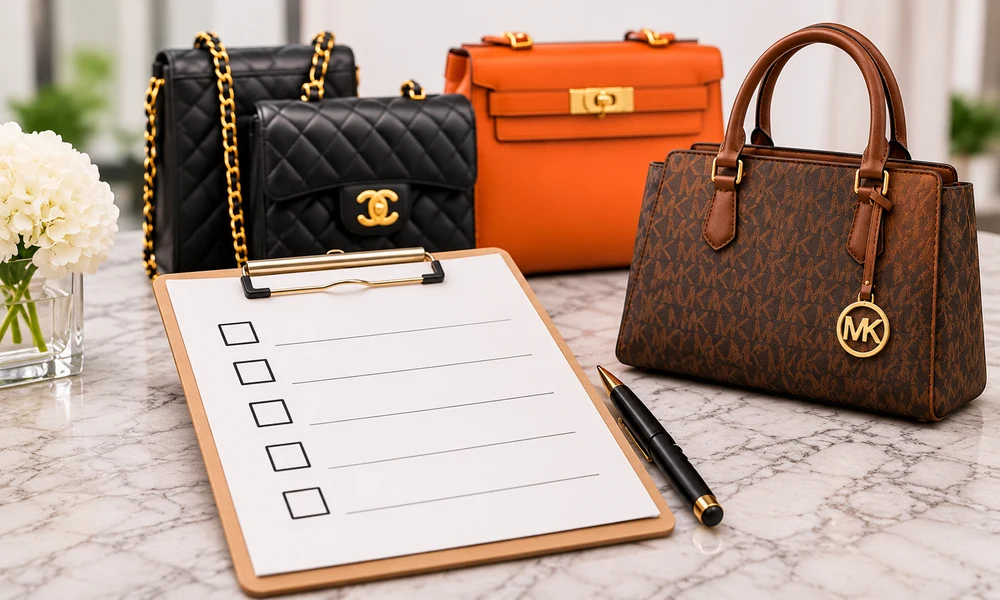
When luxury insiders judge a brand, they run it through five tests. Here’s how Michael Kors scores on each, honestly.
| Test | What True Luxury Looks Like | Michael Kors | Score |
| Heritage | A century of history | Founded 1981, solid but young | ⚠️ Partial |
| Craftsmanship | Handwork, ateliers, artisan training | Machine made at volume | ❌ No |
| Exclusivity | Limited distribution, waiting lists | Sold everywhere, always in stock | ❌ No |
| Price barrier | Entry points most can’t pay | $150 to $500 bags | ❌ No |
| Design authority | Sets trends, critical respect | Fashion week shows, real pedigree | ✅ Yes |
One clean pass, one partial, three misses. That’s not a luxury brand. But look closer at that table and notice something: the one test Michael Kors passes is the one about taste. This isn’t a knockoff label pretending. It’s a real designer brand that chose a different business model.
Why Smart People Genuinely Disagree About This

The confusion isn’t stupid. It’s structural, and it comes from three places.
The brand straddles the line on purpose. Michael Kors built its empire in the gap between luxury and mass market, selling the aesthetics of the first at the prices of the second. When a brand deliberately lives on a border, people on either side will describe it differently.
“Luxury” means different things in different rooms. In a fashion editor’s office, luxury means craft, scarcity and heritage. In most of America, it means “nicer than what I usually buy”. Neither group is wrong; they’re just using different dictionaries. Our guide to whether Michael Kors is a luxury brand unpacks the industry definition in full.
The brand’s own history muddies it. Michael Kors really did sit closer to luxury in the early 2010s, before the outlet explosion and the permanent discount cycle pulled it downmarket. People’s opinions often date from different eras of the same brand.
What the Experts Actually Call It
When analysts and fashion press need a precise label, they land on three terms, all meaning roughly the same thing:
- Accessible luxury (the polite term)
- Premium contemporary (the retail buyer’s term)
- Masstige (the consultant’s term: mass market plus prestige)
All three put Michael Kors in the same neighborhood as Coach, Kate Spade and Tory Burch: real designer brands serving the $150 to $600 customer, one full tier below Gucci and Prada, two below Hermès and Chanel. If you want the whole map, our affordable luxury brands guide shows every brand in this tier and our luxury vs fast fashion piece explains why the tier above it plays by completely different rules.
So Should the Label Matter to You?
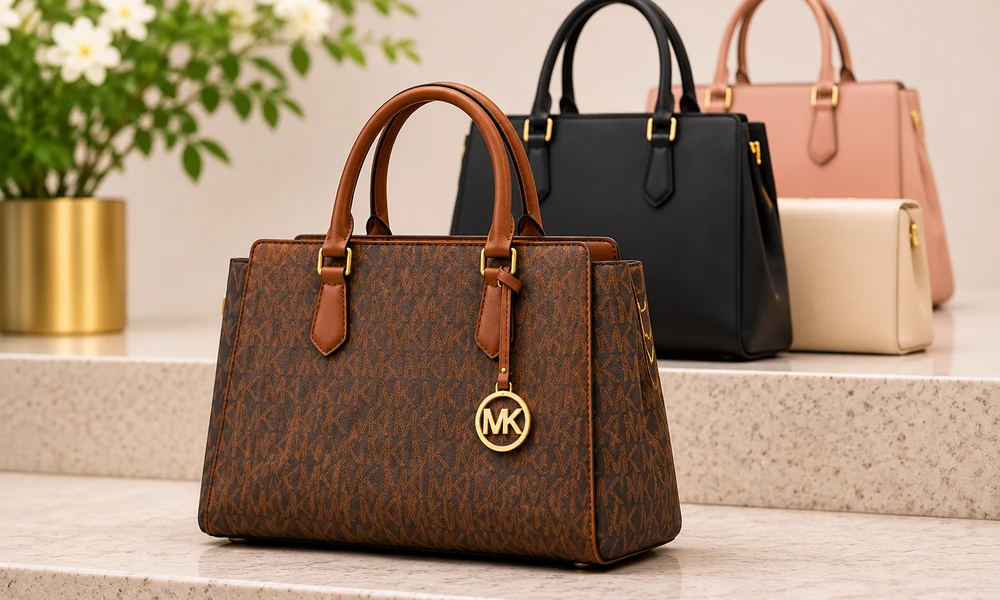
Honest question back at you: why are you asking?
If you’re asking “will people be impressed?” Depends on the people. Fashion insiders won’t read an MK logo as luxury. Most of the world will read it as a nice designer bag. Decide which room you’re dressing for.
If you’re asking “is the quality good?” Yes, for the price. Real leather, durable construction, four to seven years of daily use. The bag level details are in our companion piece on whether a Michael Kors bag is luxury.
If you’re asking “will it hold value?” No. Buy it to use it, not to sell it.
If you’re asking “should I buy it?” That’s the only question that matters, and the label doesn’t answer it. The right question is whether you love the bag and the price is fair. Everything else is dinner party trivia.
Frequently Asked Questions
Is Michael Kors a luxury brand or not?
Michael Kors is not a true luxury brand; it is classified as accessible luxury or masstige. It is a genuine designer brand with fashion week credibility and real leather products, but it lacks the hand craftsmanship, exclusivity, heritage depth and price barriers that define true luxury houses like Hermès or Chanel.
Why do some people say Michael Kors is luxury?
Because “luxury” has two meanings. To the general public it means premium and aspirational, which Michael Kors is. To the fashion industry it means exclusivity, craft and heritage, which Michael Kors is not. Both groups are using the same word for different standards.
Is Michael Kors higher end than Coach?
No, they sit in the same accessible luxury tier. Coach has older heritage (1941 vs 1981), somewhat better leather and hardware, and stronger resale values. Michael Kors offers broader style variety. Neither qualifies as true luxury; the choice between them comes down to taste, not status.
Did Michael Kors used to be more luxurious?
Yes. In the early 2010s Michael Kors had more prestige and tighter distribution. Rapid outlet expansion and constant discounting from around 2014 onward pulled the brand downmarket, eroding the exclusivity it once had. Today’s brand is broader and more accessible than the 2012 version.
What tier is Michael Kors in 2026?
In 2026 Michael Kors sits in the accessible luxury or masstige tier, alongside Coach, Kate Spade and Tory Burch. It is one level below Gucci and Prada and two below Hermès and Chanel, serving the $150 to $600 customer through boutiques, department stores, outlets and Amazon.
The Bottom Line
Is Michael Kors luxury or not? Not, if you’re using the fashion industry’s ruler. Yes, if you’re using the everyday one. The moment you stop needing the label, you’ve understood the brand better than most people arguing about it online.
Buy the bag because you love it and the price makes sense. Let the internet keep fighting about what to call it.