Somewhere in America right now, a mother is handing her daughter a Coach bag from 1998. The leather has gone soft and dark, the brass has mellowed, and the daughter, who just bought a Tabby with her first paycheck, slings it over her shoulder like it walked off a runway. Same brand. Same closet. Twenty eight years apart.
That little scene is why the question “is Coach considered a luxury brand?” is harder to answer today than at any point in the brand’s 85 year history. So let’s answer it properly.
By the strict industry test, no: Coach is not true luxury. It is accessible luxury, the tier below the European houses. But here’s the twist that makes Coach different from every other brand in that tier: it is the only one actively climbing toward luxury right now. Prices are rising, margins are at record highs, and the fashion world that dismissed Coach as a mall brand fifteen years ago is quietly revising its opinion. The verdict isn’t just a label. It’s a direction.
The Scorecard: Coach Runs the Same Five Tests as Everyone Else
We use the same five tests luxury insiders apply to every brand. If you’ve read our verdict on whether Michael Kors is luxury or not, you’ll remember Michael Kors passed one test and failed three. Watch Coach do noticeably better:
| Test | What True Luxury Requires | Coach | Score |
| Heritage | Decades of real history | Founded 1941, 85 years of leather craft | ✅ Yes |
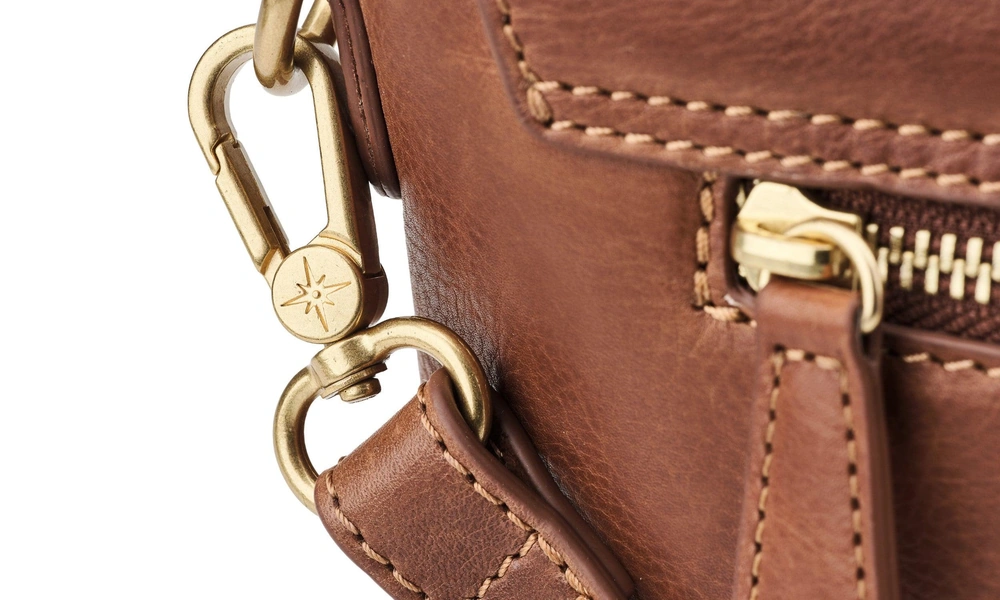
| Craftsmanship | Serious materials and construction | Glove tanned leather, repair service, but machine made at scale | ⚠️ Partial |
| Exclusivity | Controlled distribution | Outlets still exist, but discounting has been deliberately pulled back | ⚠️ Partial |
| Price barrier | Prices that exclude most buyers | Rising fast, but still $250 to $600 for core bags | ❌ No |
| Design authority | Industry respect, trend power | Lyst ranked bags, NYFW shows, fashion press attention | ✅ Yes |
Two clean passes, two partials, one miss. Compare that to every rival in the tier and a pattern emerges: Coach scores the highest of any accessible luxury brand, and it’s not close. Our piece on where Coach ranks among luxury brands puts the full ladder in order if you want the wider map.
The Part Everyone Misses: Direction Matters More Than Position
Here’s what almost every article on this topic gets wrong. They treat the question like a photograph: where does Coach sit right now? But brands are movies, not photos, and Coach’s last fifteen years are the most instructive story in American fashion.
Around 2010 to 2016, Coach made the exact mistake that hollowed out Michael Kors permanently: too many stores, too many outlets, too many discounts. The logo got loud, the cachet drained away, and the fashion world wrote the brand off as your mother’s mall bag.
Then Coach did something almost no tarnished brand manages. It came back. Under creative director Stuart Vevers, who joined from Loewe in 2013, the company cut the clutter, restored discipline to pricing, leaned into its 1941 leather heritage instead of running from it, and rebuilt the product around a handful of icons: the Tabby, the Brooklyn, the Rogue. Bernstein analyst Aneesha Sherman summed up how rare this is: it’s “really rare to take a kind of mediocre mall brand that has been tarnished and then elevate it to be a credible luxury contender.”
Credible luxury contender. Read that phrase again. That’s a Wall Street luxury analyst describing a brand your aunt bought at an outlet in 2009. Meanwhile the full comparison against its biggest rival is in our Michael Kors vs Coach breakdown, and the trajectory gap is the whole story: one brand is still managing its discount problem, the other solved its own.
“Expressive Luxury”: The Label Coach Chose for Itself
In May 2026, on Tapestry’s earnings call, Coach CEO Todd Kahn finally named what the brand has become: “expressive luxury“. His reasoning is worth quoting, because it’s the smartest positioning in the industry right now. On one hand, Coach is “aspirational in design, fashion, and quality”. On the other, it’s “extremely approachable in price positioning”. He calls it the Goldilocks of brand positioning, and the numbers agree with him.
The proof is in a rare combination analysts almost never see together: in the most recent reported quarter, Coach sold over 20 percent more bags than the year before while also charging low double digit percentage more per bag. Volume up and price up at the same time is the signature of genuine brand power. Usually a brand gets one or the other. Coach is getting both, which is exactly what a brand on its way up the ladder looks like.
The Gen Z Receipts
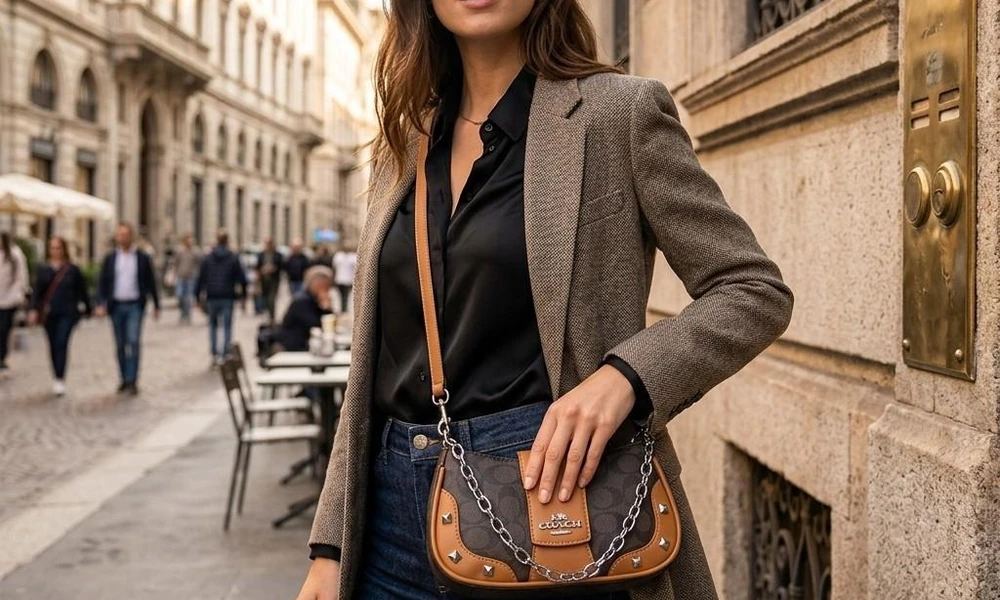
If you want to know where a brand is heading, don’t ask the critics. Ask the nineteen year olds.
- The Tabby bag doubled its sales year over year, and the Brooklyn was named the hottest fashion product on earth by the Lyst Index, with demand for Coach products on the platform up 332 percent.
- In a single quarter, more than two thirds of Coach’s nearly 900,000 new North American customers were Gen Z and millennials, and Tapestry says Gen Z customers have the highest retention rate of any group.
- Investment bank Piper Sandler’s teen survey has ranked Coach the number one handbag brand among American teenage girls since 2022.
- The $95 cherry bag charm became a genuine phenomenon, riding a trend Pinterest measured growing by over 10,000 percent in a year.
This matters for the luxury question because luxury status, in the end, is conferred by the next generation of customers, not by committees. The generation now entering its earning years has decided Coach is their first serious bag. As Tapestry’s CEO puts it, the goal is to “earn the right to be her first luxury bag purchase”. Notice the words she used. Not premium. Not accessible. Luxury bag purchase.
What Still Keeps Coach Out of the True Luxury Club
Honesty cuts both ways, so here’s the case for “not yet”.
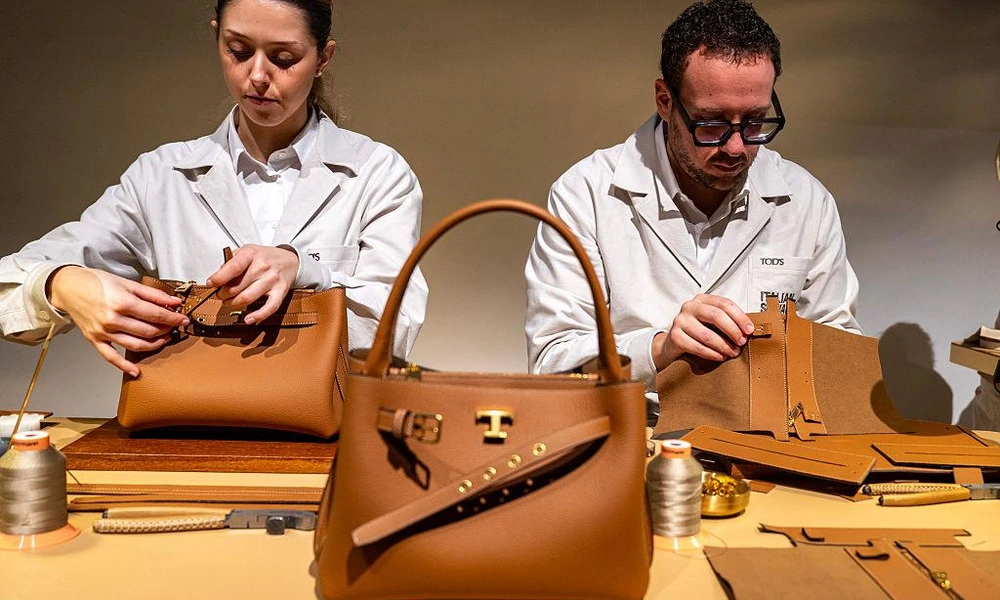
Coach bags are machine made at scale in factories across Asia, not hand built in European ateliers. The outlet channel, though disciplined now, still exists and still sells made for outlet product. The price ceiling is real: a $550 Tabby is a considered purchase, not an exclusionary one. And the brand itself doesn’t claim otherwise. Nobody at Coach is pretending to be Hermès; the entire “expressive luxury” strategy is a bet that the future of luxury is approachability rather than gates.
There’s also a fair question about how far the climb can go. Every step up in price risks losing exactly the young customers who powered the comeback, which is why the latest price increases have been measured in tens of dollars, not hundreds. Coach is walking a ridge line, and both sides are cliffs.
So What Does the Label Mean for Your Money?
Strip the debate down to what actually reaches your closet.
You get the best materials in the tier. Coach’s glove tanned leather and hardware are a class above its direct rivals, which is why those 1990s bags are still in service. Our vintage shopping guide shows what to hunt for.
You get the strongest resale in the tier. Gently used Coach typically retains around 30 to 50 percent of retail, and the vintage market is rising as the brand heats up. We covered the full value math in Kate Spade vs Coach.
You get luxury’s emotional payoff at an accessible price. The unboxing, the compliments, the decade of use, the bag that outlives the job you bought it for. That’s most of what people actually want from luxury, and Coach delivers it for a tenth of the price of the houses that gate it. If you’re building out from here, our guide to affordable luxury brands maps the rest of the tier.
Frequently Asked Questions
Is Coach considered a luxury brand?
Coach is officially classified as accessible luxury, one tier below true luxury houses like Hermès or Chanel. It offers real leather heritage, 85 years of history and genuine design authority, but lacks the hand craftsmanship, exclusivity and price barriers of true luxury. Coach’s own positioning is “expressive luxury”.
Is Coach more luxurious than Michael Kors?
Yes, on most measures. Coach has deeper heritage (1941 versus 1981), better leather and hardware, stronger resale value, tighter discount discipline and current fashion momentum. Both are accessible luxury, but Coach sits higher within the tier and is actively climbing, while Michael Kors remains discount driven.
Why is Coach called “expressive luxury”?
Coach CEO Todd Kahn coined “expressive luxury” in 2026 to describe the brand’s positioning: aspirational in design, fashion and quality, yet approachable in price. He calls it the Goldilocks of the industry, meaning Coach is just luxurious enough to feel special while staying reachable for younger buyers.
Will Coach ever become a true luxury brand?
Possibly, but not soon. Coach is moving upmarket with rising prices and record margins, yet true luxury requires hand craftsmanship, tightly controlled distribution and exclusionary pricing. Coach’s own strategy deliberately avoids that model, betting instead that approachability is the future of luxury.
Is Coach 1941 different from regular Coach?
Coach 1941, named for the brand’s founding year, was the runway and premium line showcasing Stuart Vevers’ highest level designs. The branding has since been folded back into the main Coach label, so today’s runway and heritage pieces simply carry the Coach name at the top of its range.
The Bottom Line
Is Coach considered a luxury brand? Officially, no. Directionally, it’s the most interesting “no” in fashion.
True luxury is a door most people can’t walk through, and Coach isn’t trying to build that door. It’s building something arguably harder: a brand with 85 years of leather in its bones that a nineteen year old and her mother both genuinely want, at prices that don’t require a trust fund. Accessible luxury today, credible luxury contender tomorrow, and the only brand in its tier whose answer to this question improves every single year.