A life that feels luxurious does not have to begin with a designer label or a bigger bank account. You can make your days feel more comfortable through small, thoughtful choices and experiences that matter to you. Money limits still count, and spending beyond your means can add stress rather than comfort.
Social media can make luxury look like a stream of pricey purchases, but a good life does not need to match anyone else’s feed. You might value a quiet start to the day, a well-made meal, or time with people you love. The best choices are the ones that fit your life and your budget.
This article offers ten practical ways to make daily life feel more considered. You’ll find small home comforts, ideas for choosing clothes and meals, and ways to enjoy time away or local experiences. Start with what you already have, then decide which extras are worth paying for.
Pick the small comforts and experiences that matter to you before spending to impress anyone else.
Key Takeaways
- Define what feeling well means to you before spending.
- Cover essential bills and debt payments before setting a luxury fund.
- Small daily rituals can add comfort without a shopping haul.
- Choose clothes and experiences based on real use, not status.
- Compare a car’s full costs with the comfort it adds.
What Does a Luxurious Life Mean to You?
A luxurious life gives you comforts and experiences you personally value, whether or not they impress other people. The words “luxury life” and “luxurious life” both make sense, though luxurious life sounds more natural for a life that feels special. Your definition can be modest, rich, or somewhere in between.
A luxurious lifestyle is about what improves your days, not a fixed set of possessions. For Karen Civil, it can mean feeling relaxed, happy, and peaceful rather than collecting material items. Michelin-starred dining can feel luxurious, but it is one example, not a requirement.
Choose comforts for how they make your life feel, not for how they look to other people.
Comfort and time can count as luxury
Unhurried time can feel precious when your week is full. So can a quiet home, a long walk, or a meal out with a friend. These experiences do not need an impressive price tag to feel meaningful.
A luxurious life might include a slow breakfast on a day off, a favorite song on the drive home, or an hour without alerts. For someone else, it could mean seeing a play or taking an afternoon to read. Your own choices do not have to match what social media calls special.
Choose personal examples, not status symbols
People often use visible goods as shorthand for success, but a status symbol may not improve your daily life. Ask what you hope an item or outing will give you. If the answer is comfort, ease, or a happy memory, you have a clearer reason to choose it.
Try making a short list of moments that feel good, then look for the common thread. Maybe they involve quiet, good company, or having time to focus. Write down three moments that already make an ordinary day feel more like your own.

How to Live a Luxury Lifestyle Without Overspending
A useful luxury budget starts with your essentials, then gives one or two chosen pleasures a defined place. A luxury fund is a separate budget category for planned nonessential spending and experiences. Set its limit only after covering essentials and avoiding new debt.
That limit should reflect your actual bank balance, not an ideal lifestyle from social media. A luxury lifestyle without money means choosing no-cost comforts and experiences, not spending without resources. You can still make deliberate choices when you have little room for extras.
Set priorities before you spend
Start with the pleasure that matters most right now. A fund with one clear purpose is easier to manage than a vague pool for every tempting deal. Use these steps to give your money a job:
- Name one priority, such as a concert or a special meal.
- Set a monthly cap that fits after bills and debt payments.
- Save over time for larger treats instead of borrowing.
- Wait 24-48 hours before buying a nonessential item.
Give discretionary spending a clear limit
Planning makes luxury spending less likely to crowd out rent, groceries, or savings. Lower the fund’s cap if your income changes or an essential bill rises. A pause also helps you tell a real priority from a short-lived urge.
High income does not guarantee a luxurious life. In the 2026 salary guide’s BLS figures, personal financial advisors in the United States had a median annual wage of $105,070. That example describes one occupation’s pay, not a sure path to wealth or comfort.
The 2026 Forbes World’s Billionaires list ranked Elon Musk first, with estimated net worth of $839 billion. It included 3,428 people with combined estimated wealth of $20.1 trillion. Those figures describe extreme fortunes, not a practical target for daily life.
The median advisor wage of $105,070 can add context, but one job cannot guarantee a luxurious lifestyle. Lower the luxury fund’s limit whenever essentials or debt payments are at risk.

Which Small Home Upgrades Make Everyday Life Feel Better?
A clean counter and a favorite mug can make an ordinary morning feel more cared for without changing the whole room. Small habits can add comfort without filling your home with new items. Try a few practical touches before buying anything to manage clutter.
A thoughtful reset is different from shopping for more storage or decor. Put things back where they belong, clear one surface, and let the room breathe. For more low-cost ideas, try these simple upgrades to your daily routine.
Turn routines into comforting rituals
A familiar routine can make an ordinary day feel more yours. Choose one small action that you can repeat without much time or planning. These five touches can help:
- Use a favorite mug for your morning drink.
- Clear the kitchen counter after dinner.
- Prepare a shower that feels calm and relaxing.
- Soften the room’s lighting with a warm lamp.
- Make a small reading nook with a chair and book.
Even applying lipstick can become a quick confidence boost. The act takes 10 seconds, yet a familiar ritual can help you feel ready to face the day. The point is not the product; it is the moment you take for yourself.
Make one corner feel like a retreat
A comfortable chair beside a lamp can turn an unused corner into a place to read or pause. A clear kitchen counter can make food prep feel easier. You do not need a full redesign to change how a room feels.
Pick the spot you see first when you get home, then remove what does not belong there. Leave room for the things you use. Choose one surface to reset tonight so it looks calm when you walk in tomorrow.

How Can You Build a Timeless Wardrobe With Fewer Items?
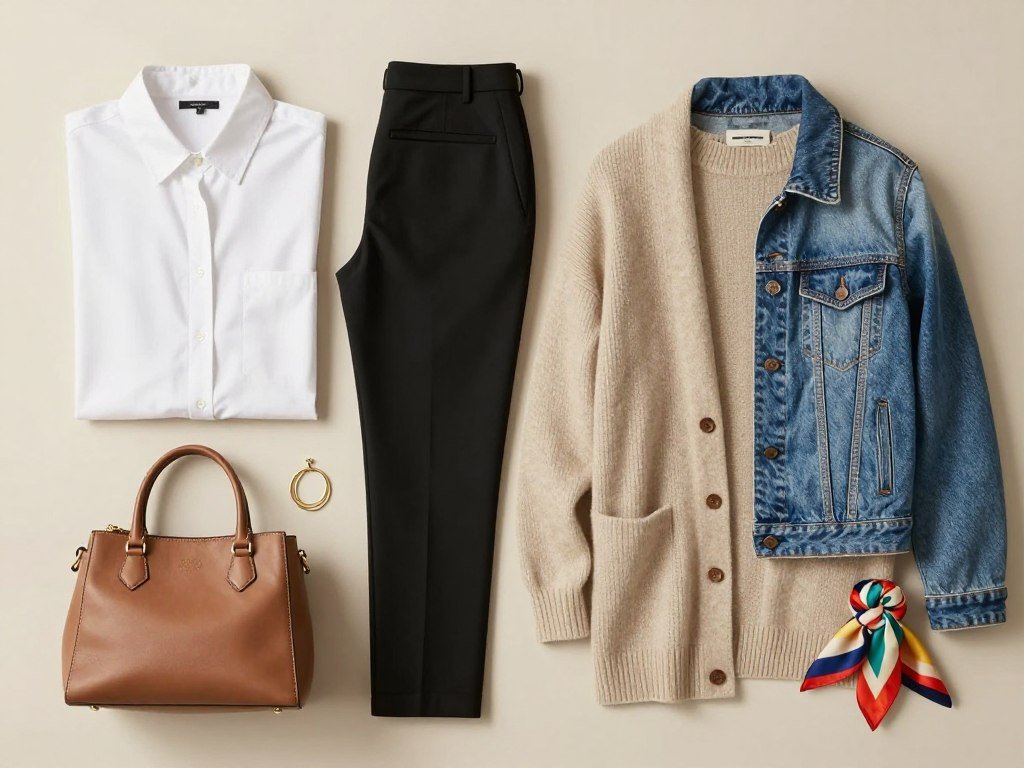
A well-fitting piece you reach for often can feel more luxurious than a trend item left in the closet. Choose clothes for fit and use, rather than a logo or a short-lived trend. Cost per wear means an item’s price divided by the number of times you wear it.
For example, a $300 coat worn 100 times costs $3 per wear. That calculation can help you compare a durable coat with a cheaper one you may replace sooner. It does not help much for a piece you will rarely wear.
Look for fabric that feels good and suits the weather you face. Check seams, buttons, and other details that affect how well an item can be repaired. Quality is not the same as a designer label, and visible brands do not guarantee a good fit.
Regular care can help clothes last longer. Read the care label before washing, drying, or pressing a garment. The Drycleaning & Laundry Institute’s care-label guide explains common symbols and safe cleaning methods. A professional cleaner can help when a label is missing or unclear.
Shoes deserve the same thought. A cobbler can repair suitable shoes, which may keep a comfortable pair in use longer. Buy fewer pieces when you know how they fit your routine and what upkeep they need.
Before buying, name three occasions when you will genuinely wear the item.

Should You Rent, Buy Secondhand, or Shop Outlets?
Renting makes sense for an outfit you expect to wear once, while a well-checked secondhand piece may suit repeated use. Choose the option that matches how often you will use the item. A low price is no bargain if the item will sit unused.
Designer clothing rental periods can range from a few days to several weeks. Consignment shops may offer like-new or unworn goods, sometimes with original packaging. Outlet discounts can reach 70% off retail, though prices and deals vary.
| Option | Best suited to | Check before committing |
|---|---|---|
| Rental | A one-time event outfit | Rental period and return terms |
| Consignment | A piece for repeated use | Condition and authenticity |
| Outlet shopping | A planned item at a lower price | Fit, use, and actual discount |
For secondhand designer pieces, examine wear and details that help confirm authenticity. Packaging can be useful, but it does not replace a careful check. A good price matters only if the item suits your needs.
Product testing, mystery shopping, and beauty samples can offer other ways to try goods. Testers may receive products at no cost and often keep them. Mystery shoppers are paid to assess restaurants, hotels, or entertainment venues, while beauty samples may cover up to a week.
These options are not guaranteed, and offers can come with limits. Check the terms before signing up or making plans around them. Inspect the condition and return terms before paying for any pre-owned or rented item.
How Can You Eat Well Without Overspending?
The USDA Thrifty Food Plan is a home-preparation benchmark, not a promise that every household will spend the same amount. In September 2026, its monthly cost for adults ages 20-50 was $253.90 for a female and $319.00 for a male. These figures are reference points, not personal spending targets.
The plan assumes all meals and snacks are prepared at home. For a reference family of two adults ages 20-50 and children ages 6-8 and 9-11, the monthly cost was $1,024.00. The USDA updates all four food plans monthly for food-price inflation using the Consumer Price Index for All Urban Consumers.
| Household reference | September 2026 monthly Thrifty Food Plan cost | Plan assumption |
|---|---|---|
| Female, ages 20-50 | $253.90 | All meals and snacks prepared at home |
| Male, ages 20-50 | $319.00 | All meals and snacks prepared at home |
| Reference family | $1,024.00 | All meals and snacks prepared at home |
The family figure covers two adults ages 20-50 and two children, one ages 6-8 and one ages 9-11. Your own household may have different needs, prices, and schedules. A benchmark helps with context, but it cannot set a fair target for every home.
Restaurants can still fit a plan when you decide what matters before you go. A prix fixe menu usually offers three or four courses for one set price. Lunch or happy hour may cost less than dinner, and sharing an entrée can suit some groups.
You can also look through social media for free tastings or sponsored food meetups. Menus and events may not fit your dietary needs or schedule, so treat them as options rather than a sure plan. The September 2026 USDA food-plan figures offer a home-cooking benchmark, not a restaurant budget.
Set a restaurant limit before you arrive so one special meal does not displace groceries for the week.
Where Can You Find Memorable Experiences for Less?
A local museum, library event, or park can turn an ordinary afternoon into an outing without a premium ticket. Shared attention can make simple experiences feel special. Look for events that fit your interests and offer time together.
Local calendars can reveal free events that are easy to miss. Try one of these five ideas:
- Attend a library talk, workshop, or reading.
- Visit a museum on a free-admission day.
- Spend an afternoon at a public park.
- Listen to a community concert outdoors.
- Pack a picnic and invite friends to join you.
Look for local culture and free events
Local museums and community groups often post event dates online. In 2026, Blue Star Museums offered free admission to eligible active-duty military personnel and their families, including National Guard and Reserve. The program ran from Armed Forces Day in May through Labor Day in September.
The 2026 Blue Star Museums season has ended, so that offer is not currently available. Check current eligibility and dates before making plans. A future season may have different details.
Make shared time part of the experience
A park walk can leave room for an unhurried talk. A community concert gives you something to enjoy together, even when the setting is simple. The memory may come from the company as much as the event.
Choose an outing that gives you time with someone you enjoy, not just something impressive to photograph.
How Can You Travel Comfortably on a Smaller Budget?
A comfortable trip can cost less when you choose the dates and lodging around how you actually travel. Off-season trips and kitchen access can ease pressure on your vacation budget. Plan around comfort, not the cheapest nightly price alone.
Travel writer Michelle Jackson travels solo off-season, uses hostels or rentals with kitchens, and asks locals for recommendations. Traveling with family or friends can also let you share lodging and activity costs. Use these four checks before you book:
- Compare dates to see how the trip cost changes.
- Share lodging only with compatible companions.
- Choose a stay with kitchen access when useful.
- Ask locals about neighborhoods and activities.
Traveling off-season can reduce costs, but savings depend on the destination and dates. Cooking some meals may leave more room for other parts of the trip. Kitchen access helps most when you will use it, not when every day is already booked.
Sharing can make a group trip more affordable, but it is not worth privacy or scheduling problems. Agree on sleep times, plans, and shared costs before booking. A lower per-person rate may feel less comfortable if everyone wants a different pace.
Think about how you want the days to feel. A quiet room may matter more than a central address, or a kitchen may matter more than extra space. Compare the full lodging and meal plan, not only the nightly rate, before booking.
What Wellness Choices Feel Luxurious Without Becoming Expensive?
A restorative routine does not have to begin with a spa appointment; it can start with protected time to move or rest. A quiet walk, soothing shower, or regular fitness class can support well-being. Rest and movement both have a place in a healthy lifestyle.
U.S. adults should aim for at least 150 minutes of moderate-intensity physical activity each week. That could mean brisk walks or other movement that raises your breathing while still letting you talk. Choose an activity you can fit into your week.
Build recovery into ordinary routines
Downtime can be part of wellness, especially when your schedule leaves little space to pause. A few quiet minutes after work may help you shift into your evening. A soothing shower or a walk around the block can feel like a treat without a large cost.
It can help to choose a routine that asks little of you. Set aside time for a walk, stretch, or rest before your day fills up. If a plan feels too hard to repeat, make it smaller.
Find lower-cost ways to move and unwind
Some local spas offer introductory discounts, and some cities hold spa weeks or months. Cities and nonprofits may also sponsor complimentary exercise classes. These deals can make a new experience easier to try, but they may not last.
Introductory discounts can apply only to first-time customers or specific treatments. Read the terms so a low first price does not surprise you later. Check the treatment or class terms before building a recurring wellness expense into your budget.
Which Car Choices Add Comfort Without Buying a Status Symbol?
The right car is the one whose comfort and practical features fit your driving, not the one with the most recognizable badge. Compare real use, such as your daily route and passenger needs. A starting price does not show the full cost of owning a vehicle.
These 2026 models show different choices in fuel use and electric range. The Genesis GV80 starts at $59,195 and has a 9.5/10 Car and Driver rating. Its mid-size luxury SUV rankings use roughly 200 data points, including acceleration, handling, comfort, cargo space, fuel efficiency, value, and driving enjoyment.
| 2026 model | Starting price | EPA-estimated range or combined fuel economy |
|---|---|---|
| Genesis GV80 | $59,195 | Not listed here |
| Lucid Gravity | $81,550 | 337-450 miles per charge |
| Volvo XC90 | $62,445 | 23-24 mpg combined |
| Cadillac Lyriq | $60,995 | 285-326 miles per charge |
| Lexus GX | $68,335 | 17 mpg combined |
The Lucid Gravity’s estimated range of 337-450 miles per charge may matter on longer drives. The Volvo XC90 and Lexus GX list combined fuel economy, while the Gravity and Cadillac Lyriq use electric range. Match those details to how you drive.
A starting price leaves out ongoing expenses, such as fuel or charging, insurance, and upkeep. The right comparison weighs those costs against comfort and utility. A highly rated vehicle may still be the wrong fit for your daily needs.
Compare a vehicle’s everyday comfort and full ownership costs before treating its badge as a measure of success.
Compare your daily needs with a vehicle’s full ownership costs before treating an upgrade as a measure of success.
Conclusion
A more luxurious-feeling life starts with deciding what you want to feel more often, not with proving anything to anyone. Deliberate choices can bring comfort, time, and meaningful experiences without turning status spending into a goal.
Pick one affordable comfort or experience, then place its cost inside your existing budget before you commit. That might mean setting aside money for a class, planning a simple outing, or making room for a small daily treat. Choose one small upgrade for the coming week, set its limit first, and enjoy it without guilt.
FAQ
How to live on a minimum budget?
What does "luxurious life" mean?
What are 5 luxuries in life?
Which job is best for luxury life?
How much money do you need to live a luxurious life?
Can free experiences feel luxurious?