A hoodie might look like a simple piece of clothing, but creating one that feels warm, holds its shape, and works well outdoors takes considerably more thought than sewing together a few pieces of fabric.
That becomes especially clear when looking at the premium outdoor hoodie commonly known as the BÆRSkin Tactical Hoodie. Its design combines fleece construction with practical details such as adjustable cuffs, multiple pockets, a shaped hood, and an optional attachable rain jacket.
One thing is worth clarifying from the beginning: a BÆRSkin hoodie is not made from actual bear skin. The name belongs to a branded outdoor garment built around specialized microfleece fabric.
So, how do manufacturers turn textile materials into a premium bear skin hoodie? The process involves fabric development, garment engineering, precision cutting, careful stitching, practical detailing, and quality checks.
Here is how those elements come together.
1. It Starts With the Right Fabric
The foundation of a premium hoodie is the material. Even an attractive design can feel disappointing when the fabric is uncomfortable, loses its shape, or provides less warmth than expected.
Ordinary hoodies often use cotton fleece, polyester fleece, French terry, or fabric blends. Technical outdoor garments may use more specialized textiles designed around particular performance needs.
BÆRSkin markets its main tactical hoodie with a proprietary bonded microfleece rated at 340 grams per square meter (GSM). GSM measures fabric weight per unit area; it does not, by itself, prove that a garment will be warmer, more durable, or more comfortable than every lighter fabric.
The important part is how a textile performs in combination with its construction. Manufacturers consider its thickness, flexibility, surface texture, resistance to wear, and suitability for the intended garment.
For a premium hoodie, fabric selection should balance comfort with enough structure to support zippers, pockets, cuffs, and repeated everyday use. Want to know more about what makes clothing feel high quality? Read our guide to luxury fabrics that make every outfit look expensive.
2. The Fabric Is Prepared for Construction
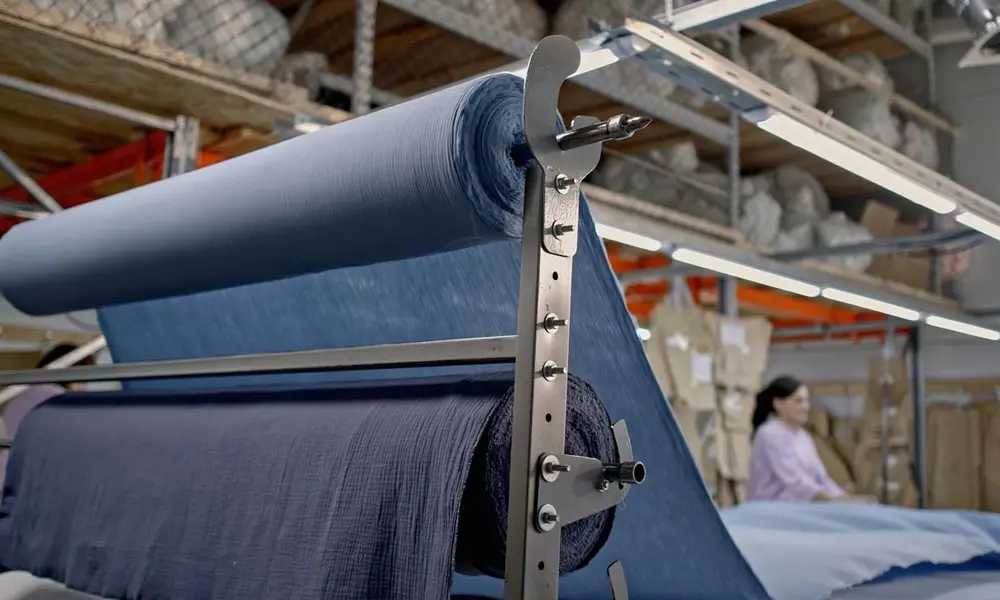
Before the garment is assembled, textile material must be prepared for cutting and sewing.
Depending on the fabric, this stage can involve inspecting rolls for defects, checking color consistency, confirming measurements, and allowing the material to relax after production or storage.
Some fabrics may also undergo finishing treatments intended to influence their surface feel, appearance, or performance.
For bonded textiles, the material’s layered construction is important. Bonding joins textile layers or components to produce a particular combination of structure and feel. The exact bonding method depends on the textile system.
These preparation steps matter because a small inconsistency in the fabric can become a much more visible problem after a garment is cut and assembled.
Premium quality begins before the first stitch. Careful preparation helps manufacturers work with consistent materials and identify problems before they become finished-product defects.
3. Designers Create a Pattern That Fits the Body
The next stage is pattern development.
A technical hoodie needs more than a basic outline for the front and back. Its pattern must accommodate the sleeves, hood, collar, cuffs, hem, pockets, and any adjustment features.
Designers must consider how the garment moves when someone reaches forward, bends, lifts their arms, or wears another layer underneath.
For an outdoor hoodie, fit also influences practicality. A garment that is too loose may allow cold air to circulate, while one that is too tight can restrict movement or make layering uncomfortable.
BÆRSkin describes its hoodie with a shaped silhouette, adjustable waist, adjustable hood, and a longer back section intended to improve coverage.
Those features require thoughtful pattern design. The components must work together so that adjustments do not interfere unnecessarily with comfort or movement.
Before full production, clothing manufacturers commonly develop samples and test the fit. Adjustments can then be made to the measurements, seams, and positioning of individual components.
4. Fabric Panels Are Cut With Precision
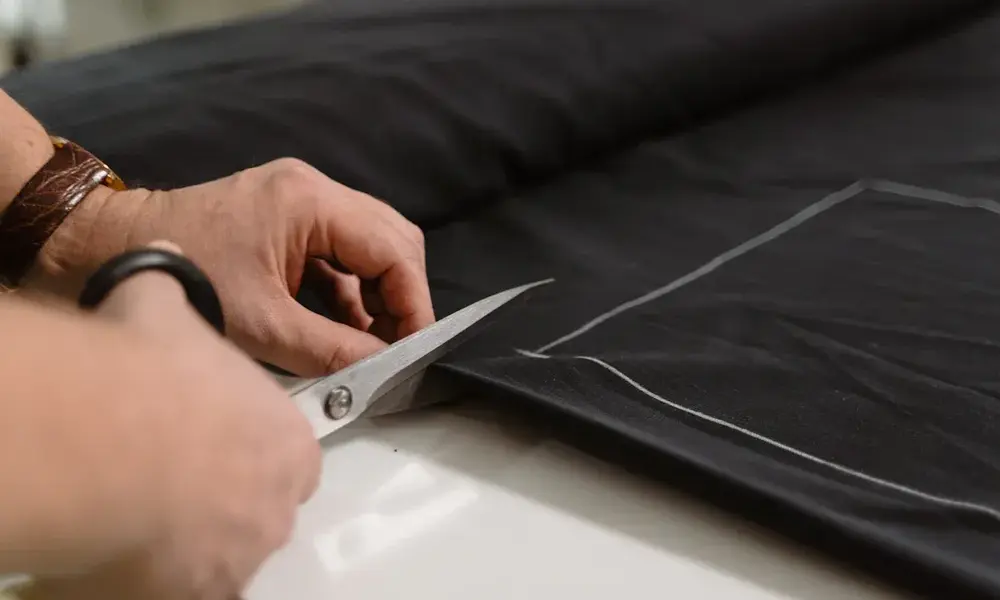
Once the pattern is approved, the fabric can be cut into the pieces needed for the garment.
A full-zip technical hoodie may require separate panels for the front, back, sleeves, hood, collar, cuffs, and pocket sections. Additional pieces may be needed for pocket linings, reinforcements, and adjustment features.
In a production environment, pattern pieces are arranged to use the fabric efficiently while respecting its direction, surface, and any design requirements.
The layers of material are then cut according to the production plan. Depending on the manufacturer and order size, cutting may be performed using specialized mechanical or automated equipment.
Precision is essential. If a sleeve panel is cut incorrectly or matching components differ in size, the problem can affect how the garment fits and how easily the pieces come together during sewing.
For a premium bear skin hoodie, accurate cutting helps create a consistent shape and gives the sewing team properly matched components.
5. The Hoodie Is Sewn Together
The cut pieces are assembled using industrial sewing machines suited to the fabric and seam type.
The main body panels are joined, sleeves are attached, and the hood and collar are assembled. The zipper is installed, followed by the cuffs, hem, and other components.
Different seams serve different purposes. Some connect structural panels, while others finish fabric edges or provide flexibility in areas that experience movement.
Areas under repeated stress may need suitable reinforcement. Pocket openings, zipper ends, and attachment points are examples of places where seam quality and construction deserve particular attention.
However, more stitching is not automatically better. The seam must be appropriate for the material, construction, and intended use.
A well-made garment should have consistent seams, secure attachments, and no obvious signs of skipped stitches, loose threads, or misaligned panels.
This stage is where a stack of textile pieces starts to become a recognizable hoodie.
6. Practical Pockets Are Planned Into the Design
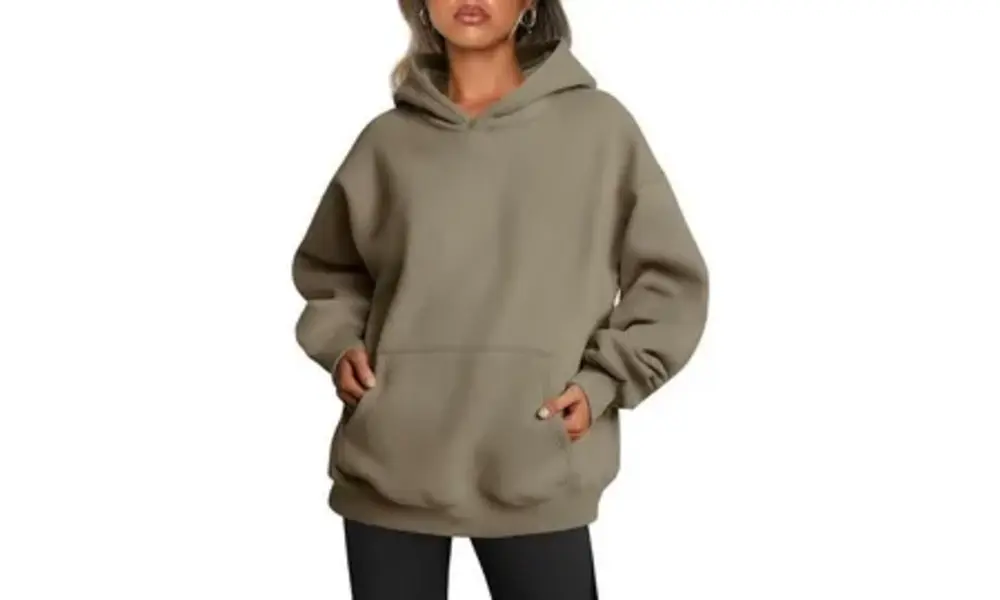
One of the features that distinguishes a tactical hoodie from a basic sweatshirt is its storage system.
BÆRSkin advertises its standard tactical hoodie with ten pockets: five external zippered pockets, two internal zippered pockets, and three internal drop pockets.
These compartments are not simply decorative additions. They require planning because each pocket affects the garment’s pattern, weight, appearance, and construction.
A zippered pocket needs an opening, a suitable zipper, and a pocket bag that is large enough for its intended contents. An internal pocket also needs to sit comfortably against the wearer without making the garment unnecessarily bulky.
Pocket placement matters just as much as pocket quantity. A pocket should be accessible without pulling awkwardly on the fabric or interfering with another feature.
Extra compartments can be useful for carrying everyday essentials, but their practical value depends on their position, capacity, closure, and the overall comfort of the garment.
For a premium hoodie, functional storage should feel like part of the original design rather than something added as an afterthought.
7. Zippers, Cuffs, and Adjustments Complete the Construction
Small components often have a major influence on how an outdoor garment feels in everyday use.
A zipper must move smoothly and align correctly. Adjustable cuffs should secure comfortably around the wrists. Drawcords and toggles need to be accessible, and the hood should remain comfortable when adjusted.
BÆRSkin’s published product details describe adjustable hook-and-loop cuffs, hood and waist adjustments, and a storm flap behind the front zipper intended to help reduce wind entering through the closure.
These components add complexity compared with a traditional pullover hoodie, but they also make fit and coverage more adjustable.
The manufacturer’s choice of hardware matters. Poorly attached fasteners or badly aligned zippers can frustrate the wearer even when the underlying fabric is good.
A careful construction process therefore includes checking that each adjustment works properly and that the hardware remains secure during normal use.
8. The Optional Rain Jacket Is a Separate Engineering Challenge
Some BÆRSkin configurations can be paired with an attachable rain jacket, creating a modular clothing system rather than a single insulated garment.
The brand describes its compatible Heavy-Storm Rain Jacket as using 100% polyester ripstop fabric with a water-resistant coating and a stated 20,000 mm waterproof rating.
These specifications belong to the rain jacket, not automatically to the fleece hoodie underneath.
A rain shell needs its own construction considerations, including the outer fabric, protective finish, closure system, hood design, and the management of seams and openings.
In the compatible system, an inner zipper connects the rain jacket to the hoodie, while another zipper secures the combined layers.
The purpose of this approach is versatility: the wearer can use the fleece hoodie alone or add the rain layer when conditions require it.
As with any technical clothing, real-world performance depends on the garment’s design, condition, fit, and correct use. A fleece hoodie on its own should not be assumed to provide the same weather protection as a properly specified waterproof shell.
9. Quality Checks Help Catch Manufacturing Problems
Before a finished hoodie is packaged, it should be inspected for issues that could affect appearance, fit, comfort, or function.
Typical garment quality checks may include examining seam consistency, checking measurements, testing zippers and adjustment features, and looking for stains, holes, damaged fabric, or loose threads.
The garment may also be checked against an approved sample or specification so that production units remain reasonably consistent.
For a multi-pocket hoodie, inspectors may need to verify that pocket openings are correctly positioned and that the closures work as intended.
The exact inspection process varies by manufacturer. The full factory procedure used for a specific BÆRSkin model is not publicly detailed in the product information available, so it would not be accurate to claim that the brand follows a particular undisclosed testing sequence.
The general principle, however, remains the same: final inspection is intended to identify faults before the garment reaches the customer.
10. Finishing, Folding, and Packaging Prepare the Hoodie for Delivery
After assembly and inspection, garments move through final finishing.
Depending on the manufacturing process, this can involve trimming loose threads, removing minor production marks, checking the garment’s appearance, confirming labels, and folding it for packaging.
Care and sizing information should be presented in a way that helps buyers understand how to wear and maintain the garment.
The product must then be packed to protect it during storage and transport. Packaging requirements depend on the retailer, distribution system, and garment design.
At this point, the hoodie has moved through the main stages of garment production: fabric preparation, pattern development, cutting, sewing, component installation, inspection, and finishing.
What makes the finished product feel premium is not any single one of these stages. It is the way materials, fit, construction, and functional features work together.
What Makes a Premium Bear Skin Hoodie Different From an Ordinary Hoodie?
An ordinary hoodie and a technical outdoor hoodie may share the same basic silhouette, but their design priorities can be quite different.
| Feature | Basic hoodie | Technical outdoor hoodie |
| Fabric | Often cotton fleece or a blend | May use specialized or bonded fleece |
| Storage | Usually one front pocket or simple side pockets | May include several external and internal compartments |
| Fit adjustments | Often limited | May include adjustable cuffs, hood, or waist |
| Closures | Commonly a pullover opening or standard zipper | May include a storm flap or modular attachments |
| Intended use | Everyday casual wear | Everyday wear plus selected outdoor activities |
| Construction priorities | Comfort, appearance, and basic durability | Comfort, storage, movement, and practical functionality |
These are general comparisons, not rules for every garment. A basic hoodie can be very well made, while a technical garment is not automatically superior simply because it has more features. Technical outdoor clothing is also part of a bigger style trend, which we cover in our guide to luxury gorpcore fashion.
The best choice depends on what the wearer needs.
Frequently Asked Questions
Is a bear skin hoodie made from real bear skin?
No. The BÆRSkin Tactical Hoodie is a branded garment made using specialized microfleece. Its name does not mean that actual bear skin is used.
What fabric does the BÆRSkin hoodie use?
The brand describes its standard tactical hoodie as using proprietary bonded BÆRSkin MicroFleece, with a stated weight of 340 GSM. It also lists a lighter 210 GSM version for its Backpack Hoodie. Exact material details should be checked for the particular model being purchased.
Why are some premium hoodies heavier than regular hoodies?
Fabric weight is one way to describe a textile, and a heavier fabric can offer a more substantial feel. However, GSM alone does not determine warmth, durability, breathability, or comfort. Fiber type, construction, fit, and finishing also matter.
Are all BÆRSkin hoodies waterproof?
No. The fleece hoodie should not automatically be considered waterproof. The brand offers a separate compatible rain jacket described as waterproof-rated. Buyers should check the specifications of the exact product and configuration.
How long does it take to manufacture a premium hoodie?
Production time varies according to sample approval, material availability, design complexity, order size, sewing capacity, and inspection requirements. A standard hoodie is generally simpler to assemble than a technical model with multiple pockets, adjustable components, and compatible outer layers.
How should I care for a technical fleece hoodie?
Follow the care label and instructions supplied for the exact model. Use the recommended washing method and avoid assuming that the hoodie and an attached rain shell have identical care requirements.
Final Thoughts
A premium bear skin hoodie is the result of much more than thick fabric and a recognizable name. Its design brings together textile selection, pattern engineering, accurate cutting, dependable stitching, useful storage, adjustable features, and careful finishing.
In the case of BÆRSkin, the distinguishing idea is a technical fleece hoodie designed around practical outdoor use, with multiple pockets and an optional compatible rain layer.
The details matter because a garment should do more than look impressive in a product photograph. It should fit comfortably, allow natural movement, keep its functional components working, and suit the activities for which it was designed.
Understanding how these garments are constructed makes it easier to look beyond marketing language and judge a hoodie by what it actually offers.
Disclaimer: This article is intended for informational purposes only.