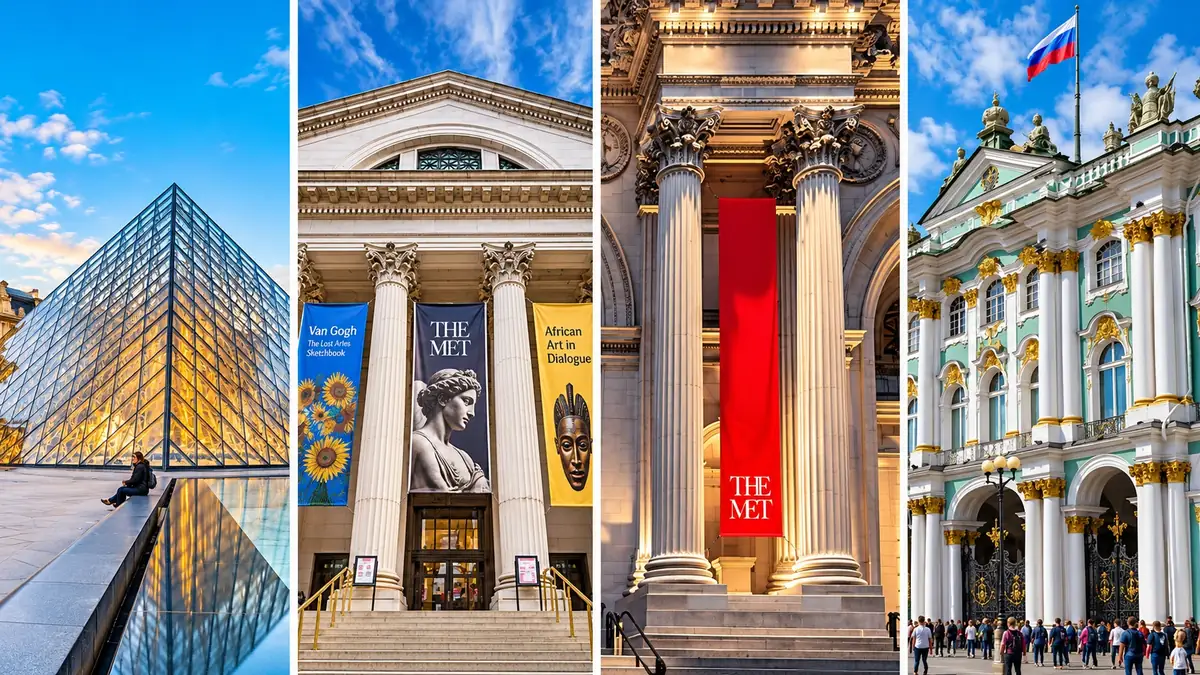
Some places make you stop and look. Others make you forget everything around you for a moment.
The world’s greatest museums do both. You can stand before a painting you’ve seen a hundred times in books and suddenly notice something you never understood before. A sculpture can feel almost alive. An ancient object can reveal how people loved, worked, worshipped, and imagined the world thousands of years ago.
For art lovers, visiting a great museum isn’t simply about ticking a famous attraction off a travel list. It’s about being in the presence of human creativity, history, and ideas that have survived generations.
From the grand galleries of Paris to the artistic treasures of Florence and the remarkable collections of New York, these 15 museums deserve a place on your travel wish list, especially for travelers interested in cultural luxury travel.
1. The Louvre Museum, Paris, France
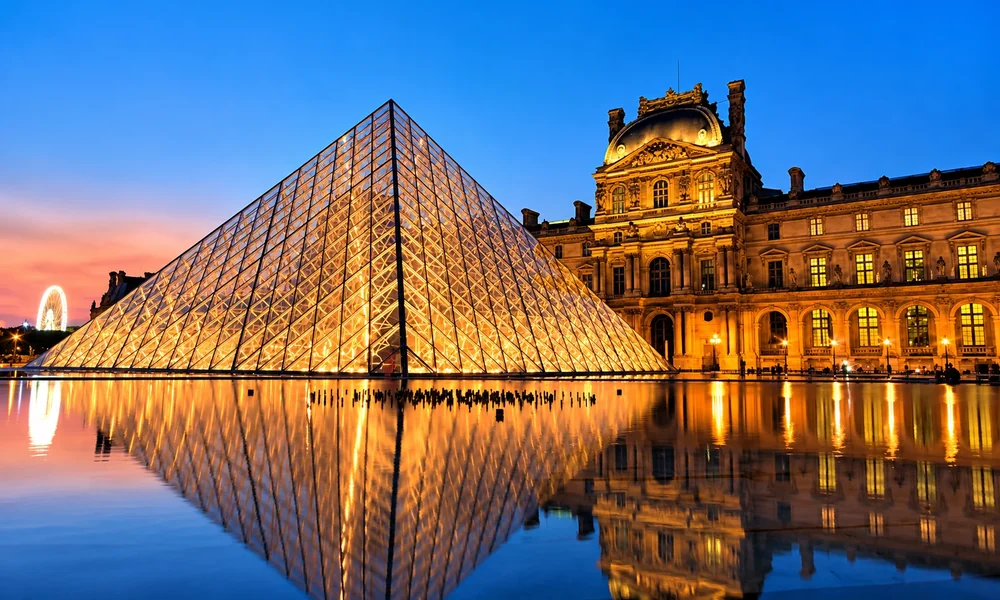
The Louvre is one of those places that feels almost impossible to take in during a single visit. Housed in a former royal palace, it brings together extraordinary collections spanning ancient civilizations, European painting, sculpture, decorative arts, and much more.
Its most famous resident is Leonardo da Vinci’s Mona Lisa, but the museum’s appeal reaches far beyond one celebrated portrait. Visitors can explore the ancient Greek sculpture Venus de Milo, the monumental Winged Victory of Samothrace, and galleries filled with works that reveal how artistic traditions developed across centuries.
The building itself is part of the experience. Grand halls, historic interiors, and the glass pyramid in the courtyard create a meeting point between classical architecture and modern design.
Why visit: For an extraordinary breadth of art and history under one roof.
Don’t miss: The Mona Lisa, Venus de Milo, and Winged Victory of Samothrace.
2. The Vatican Museums, Vatican City
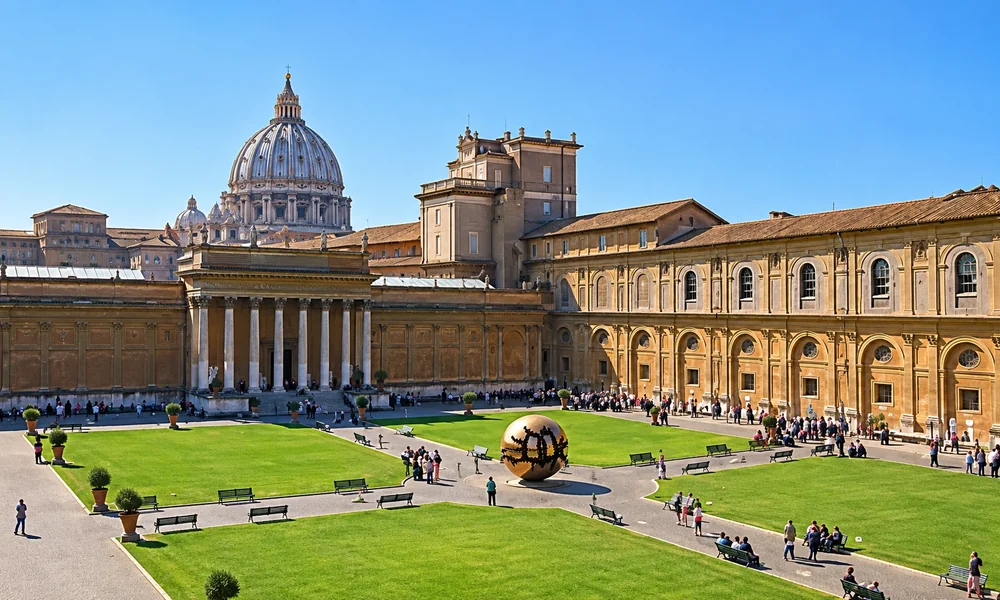
The Vatican Museums offer an artistic journey through centuries of religious, cultural, and political history. Their collections include classical sculpture, Renaissance masterpieces, decorative arts, and remarkable rooms commissioned by popes.
The highlight for many visitors is the Sistine Chapel, where Michelangelo’s ceiling and The Last Judgment transform the space into one of the most celebrated artistic environments in the world.
The museums also contain the Raphael Rooms, where frescoes by Raphael and his workshop demonstrate the ambition and elegance of Renaissance art.
A visit here is about more than viewing individual masterpieces. The architecture, painted ceilings, corridors, and carefully decorated rooms reveal how art once expressed power, faith, scholarship, and prestige.
Why visit: To experience some of the most influential works of Renaissance art in their historic setting.
Don’t miss: The Sistine Chapel and the Raphael Rooms.
3. The Metropolitan Museum of Art, New York City, USA
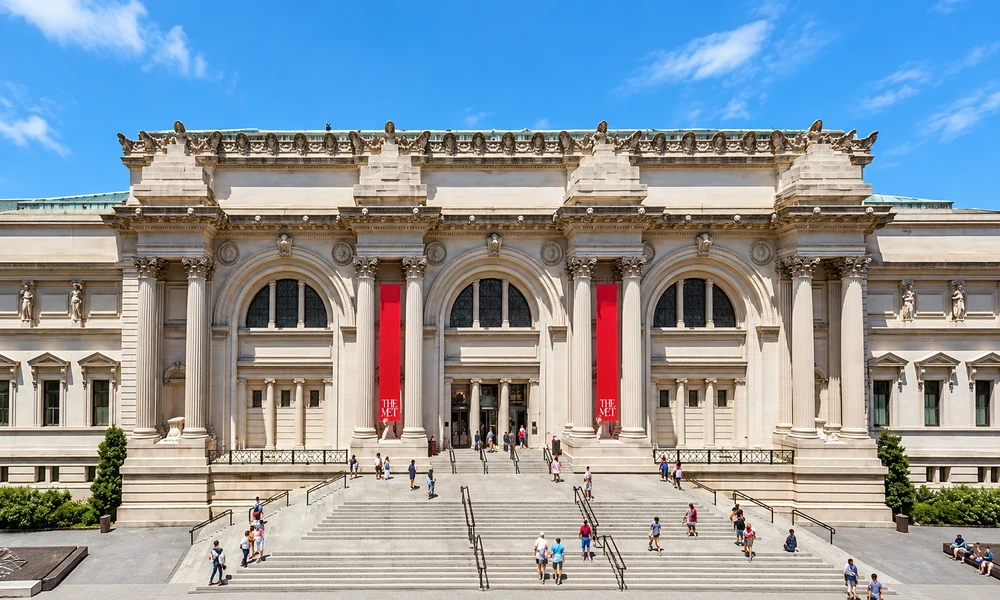
Known affectionately as the Met, the Metropolitan Museum of Art is a destination where you can move between continents and centuries without leaving the building.
Its collections span ancient Egypt, classical antiquity, European painting, Asian art, Islamic art, musical instruments, arms and armor, and fashion. The famous Temple of Dendur, an ancient Egyptian temple reconstructed inside the museum, offers a particularly memorable encounter with history.
European art lovers can explore works by celebrated painters, while the museum’s galleries devoted to other cultures provide a much broader picture of artistic achievement than a European-only collection could offer.
The Met also rewards visitors who enjoy exploring slowly. A quiet gallery or an unexpected object can become the most memorable part of the day.
Why visit: For exceptional variety and a truly global view of art.
Don’t miss: The Temple of Dendur and the European painting galleries.
4. The Uffizi Gallery, Florence, Italy
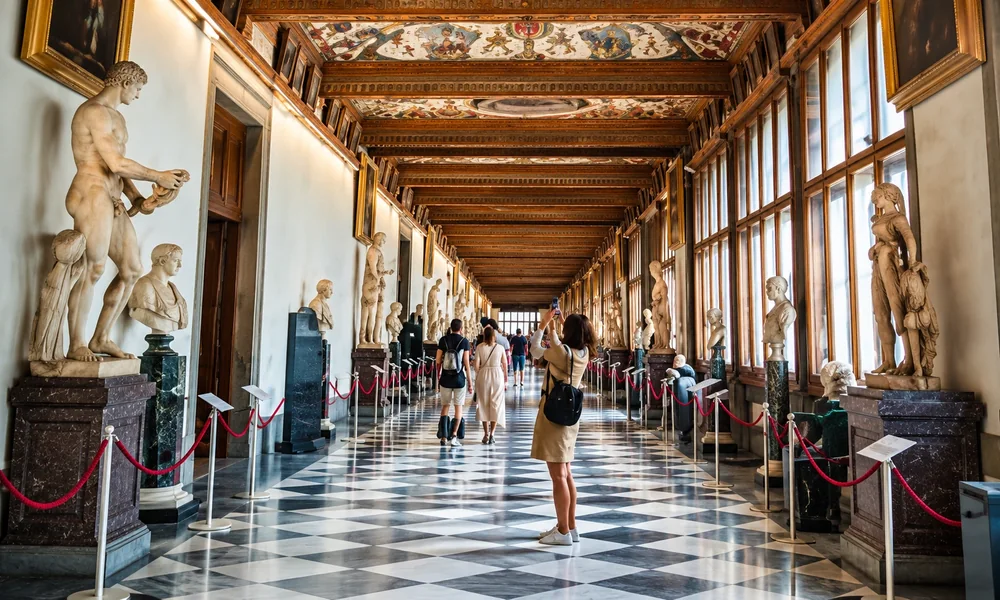
Florence is inseparable from the Italian Renaissance, and the Uffizi Gallery is one of the best places to understand why.
Its collection includes masterpieces by Sandro Botticelli, Leonardo da Vinci, Michelangelo, Raphael, and other artists who helped reshape European painting. Botticelli’s The Birth of Venus and Primavera are among its most famous works.
The museum’s rooms trace changing approaches to composition, perspective, anatomy, mythology, and religious storytelling. Instead of seeing Renaissance art as a collection of isolated masterpieces, visitors can follow the artistic ideas that connected generations of painters.
Set beside the Arno River, the Uffizi also places visitors within Florence’s remarkable historic landscape.
Why visit: To understand the artistic revolution that helped define the Renaissance.
Don’t miss: Botticelli’s The Birth of Venus and Primavera.
5. The British Museum, London, England
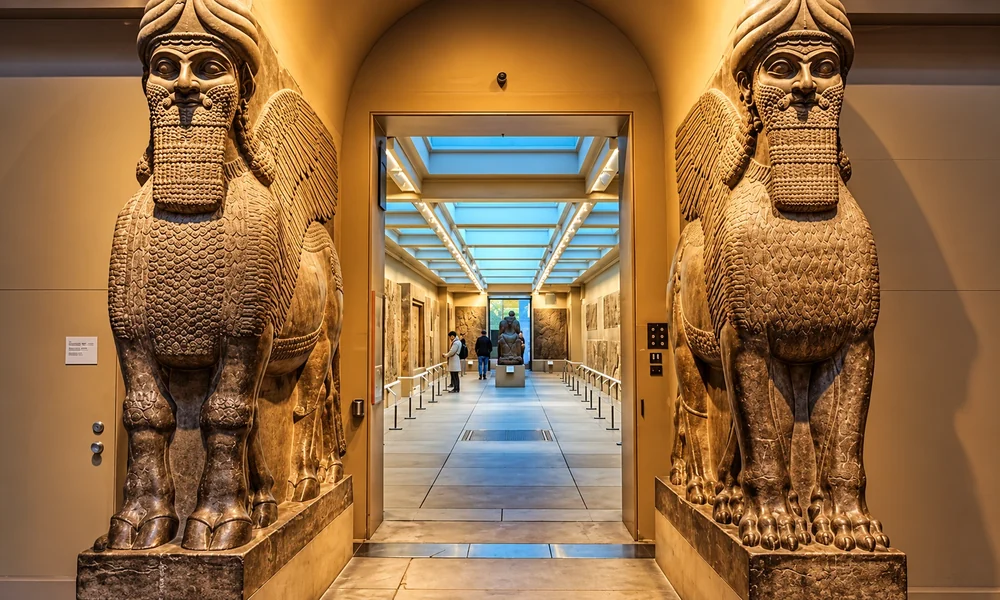
The British Museum is particularly rewarding for anyone whose curiosity extends beyond paintings and sculpture. Its collections explore human history through objects created across thousands of years and throughout the world.
The Rosetta Stone is among its best-known exhibits, while the museum’s Egyptian galleries, Greek and Roman collections, and objects from ancient Mesopotamia offer fascinating insights into the development of early civilizations.
Here, art and archaeology come together. A carved relief, ceremonial object, or everyday artifact can reveal as much about a society as a famous painting reveals about its artist.
The museum also raises important questions about colonial history, ownership, and the return of cultural objects—issues that form part of contemporary discussions about how museums should care for global heritage.
Why visit: For a deeper understanding of the objects, beliefs, and civilizations that shaped human history.
Don’t miss: The Rosetta Stone and the ancient Egyptian galleries.
6. The Prado Museum, Madrid, Spain

The Prado is one of Europe’s most important destinations for lovers of Spanish painting. Its collection includes exceptional works by Diego Velázquez, Francisco Goya, El Greco, and other major European artists.
Velázquez’s Las Meninas is a particular highlight. The painting plays with perspective, observation, and the relationship between the viewer and the people represented. Even after learning about its artistic importance, it remains a work that rewards simply standing in front of it.
Goya’s paintings offer a very different experience, exploring the darker sides of war, power, superstition, and human behavior.
Together, these works demonstrate that great art does not always aim to make us comfortable. Sometimes it asks us to question what we see and how we understand the world.
Why visit: For extraordinary Spanish masters and influential European painting.
Don’t miss: Velázquez’s Las Meninas and works by Goya.
7. The Rijksmuseum, Amsterdam, Netherlands
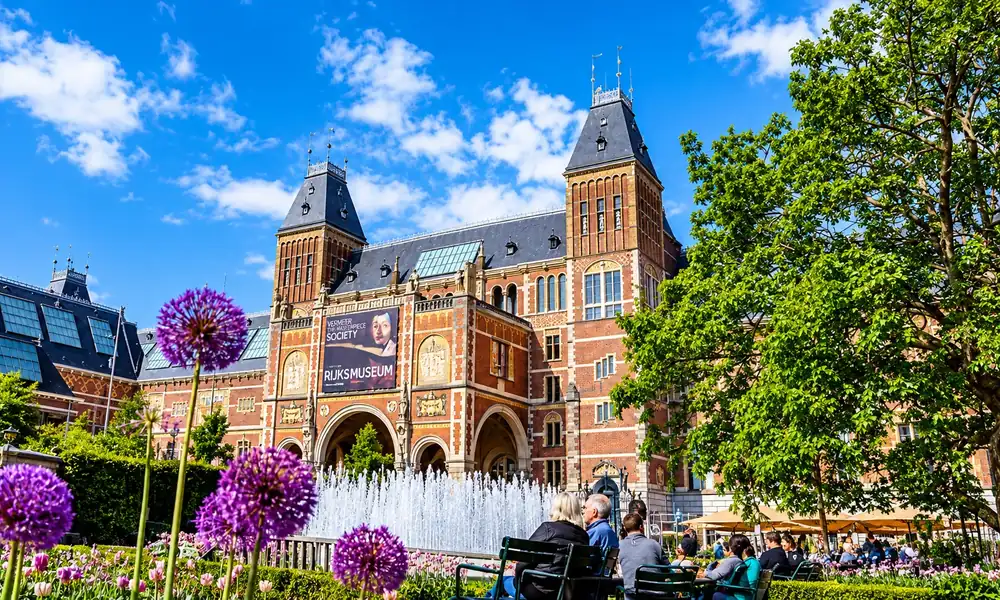
The Rijksmuseum tells the story of Dutch art and history through a collection that includes paintings, decorative arts, historical objects, and other cultural treasures.
Its most famous work is Rembrandt’s The Night Watch, a monumental painting celebrated for its dramatic composition and use of light. The museum also houses important works by Johannes Vermeer, including The Milkmaid.
What makes the Rijksmuseum especially compelling is its ability to connect intimate scenes of daily life with larger stories about trade, society, wealth, and the Dutch Golden Age.
A quiet domestic interior can reveal an artist’s extraordinary skill, while a large civic painting can illuminate how a community wished to represent itself.
Why visit: To discover the extraordinary detail and storytelling of Dutch Golden Age art.
Don’t miss: Rembrandt’s The Night Watch and Vermeer’s The Milkmaid.
8. The Museum of Modern Art (MoMA), New York City, USA
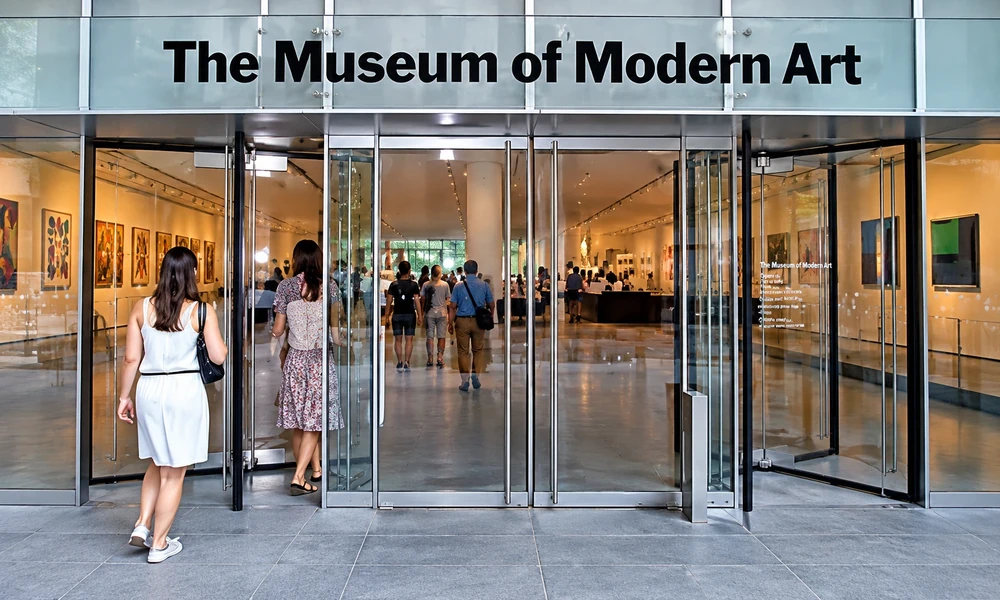
For anyone who wants to understand how art changed during the modern era, MoMA is an essential stop.
Its collection includes painting, sculpture, photography, film, architecture, design, and other forms of creative expression. Works by Vincent van Gogh, Pablo Picasso, Salvador Dalí, and many other influential artists help tell the story of modernism and the movements that followed.
Van Gogh’s The Starry Night is one of its most recognizable paintings. Its swirling sky and expressive brushwork offer a striking example of how artists moved beyond straightforward representation to communicate feeling and perception.
MoMA is also valuable because it places fine art alongside design, photography, film, and new artistic approaches. It shows that creativity has never belonged to painting alone.
Why visit: To explore the movements and ideas that transformed modern and contemporary art.
Don’t miss: Van Gogh’s The Starry Night and the museum’s modern art galleries.
9. The Hermitage Museum, St. Petersburg, Russia
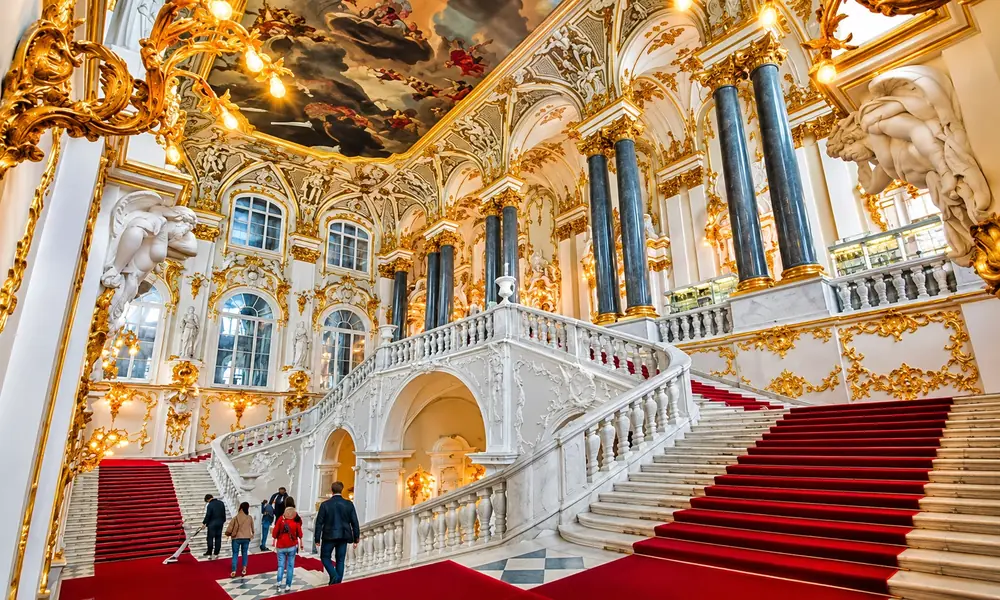
The State Hermitage Museum is celebrated for both the scale of its collection and the extraordinary surroundings in which much of it is displayed.
Its main museum complex includes the Winter Palace, once a principal residence of Russian emperors. Inside, visitors encounter European paintings, classical antiquities, decorative arts, and objects from numerous cultures.
The interiors themselves are a major attraction, with elaborate halls, grand staircases, and richly decorated rooms that reflect the history of the Russian imperial court.
The Hermitage is especially appealing to visitors who enjoy the relationship between art and architecture. The setting adds another dimension to the experience, showing how collections once reflected the ambitions, tastes, and influence of their owners.
Why visit: For its extensive collections and spectacular historic palace interiors.
Don’t miss: The Winter Palace interiors and the European painting collection.
10. The Art Institute of Chicago, Chicago, USA
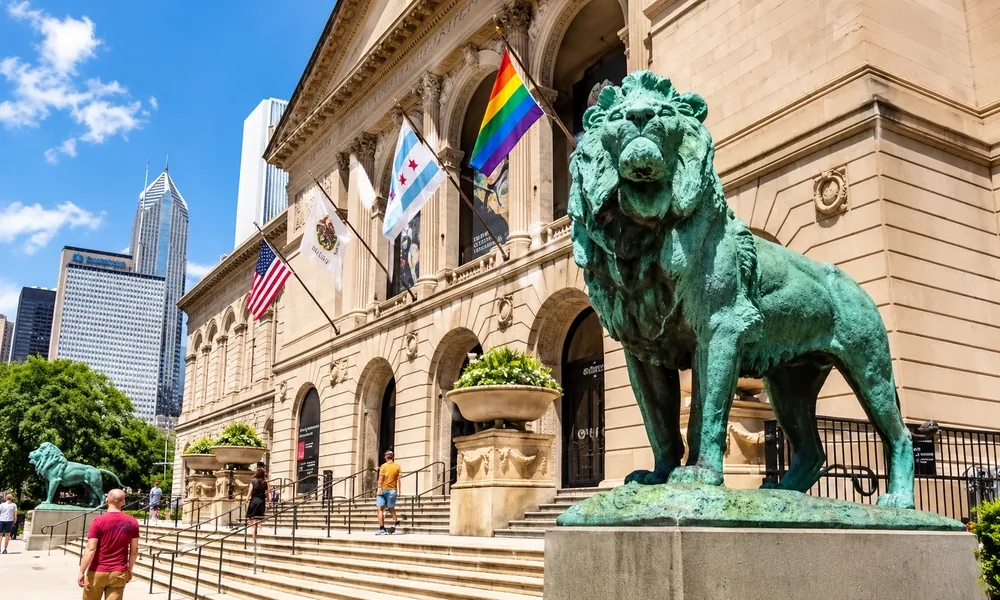
The Art Institute of Chicago is one of the United States’ most respected art museums, with a collection covering ancient objects, European masterpieces, modern art, photography, and decorative arts.
Its most famous painting is Georges Seurat’s A Sunday on La Grande Jatte, an extraordinary example of pointillism. Claude Monet’s paintings, Vincent van Gogh’s works, and Grant Wood’s American Gothic are other highlights.
The collection makes it possible to explore very different approaches to art in one visit. You can move from Impressionist color and light to the precision of pointillism, then consider how American artists represented identity and everyday life.
For many visitors, the museum’s strength lies in the balance between familiar masterpieces and discoveries that come from wandering beyond the most famous galleries.
Why visit: For an excellent mix of European, American, modern, and contemporary art.
Don’t miss: Seurat’s A Sunday on La Grande Jatte and Wood’s American Gothic.
11. The National Gallery, London, England
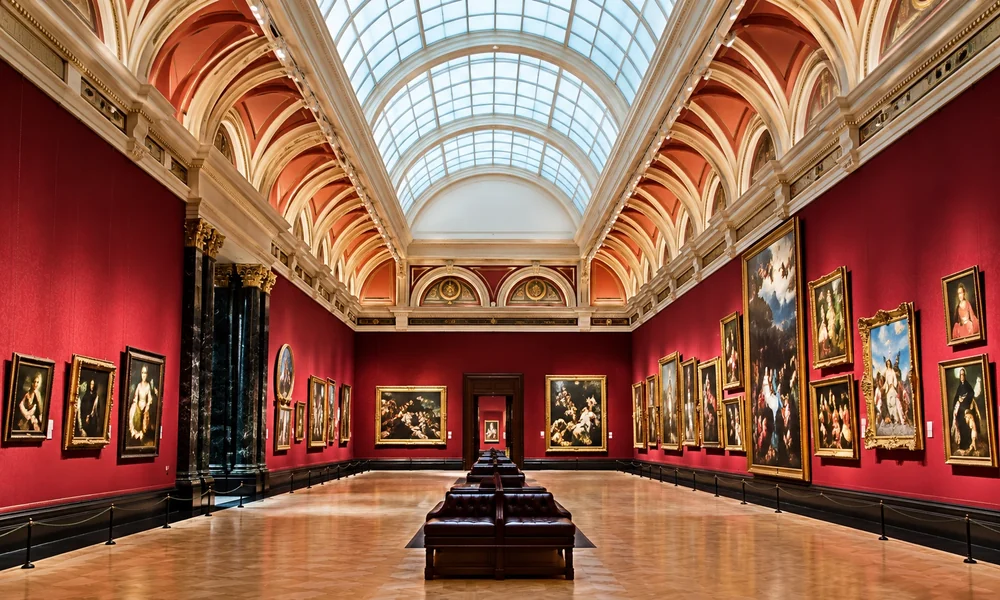
Located in Trafalgar Square, the National Gallery offers a remarkable introduction to the history of Western European painting.
Its collection covers centuries of artistic development, from early Renaissance works to paintings from the nineteenth century. Visitors can encounter works by Leonardo da Vinci, Jan van Eyck, Rembrandt, Claude Monet, and Vincent van Gogh.
Van Gogh’s Sunflowers is among the gallery’s most recognizable works. Its vivid colors and expressive brushwork show how a familiar subject can become an intense study of mood, light, and form.
The gallery is also appealing because its collection can be explored without the overwhelming scale of some of the world’s largest museums.
Why visit: For a focused journey through major traditions in European painting.
Don’t miss: Van Gogh’s Sunflowers and works by Leonardo da Vinci.
12. Musée d’Orsay, Paris, France
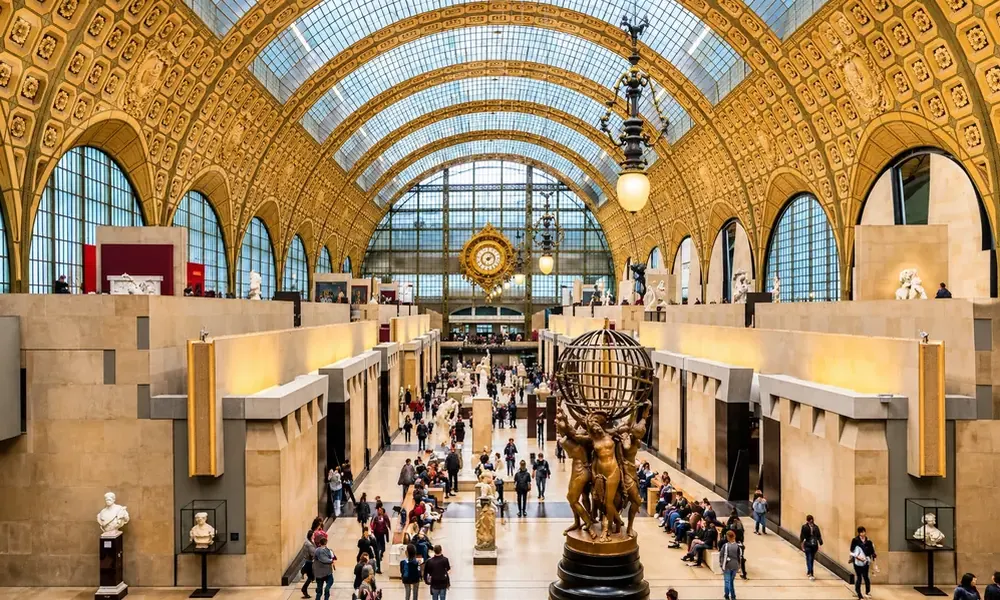
Housed in a former railway station, the Musée d’Orsay is a beautiful example of a historic building finding a new cultural purpose.
The museum is particularly known for its collections of Impressionist and Post-Impressionist art. Paintings by Claude Monet, Pierre-Auguste Renoir, Edgar Degas, Paul Cézanne, and Vincent van Gogh reveal how artists experimented with color, light, movement, and everyday subjects.
The building adds to the experience. Its vast interior and famous clock windows create a distinctive atmosphere that feels different from the formal galleries of many traditional museums.
If you enjoy paintings that capture changing light, fleeting moments, and the rhythms of modern life, the Musée d’Orsay is especially rewarding.
Why visit: For an exceptional collection of Impressionist and Post-Impressionist masterpieces.
Don’t miss: Works by Monet, Renoir, Degas, and Van Gogh.
13. Acropolis Museum, Athens, Greece
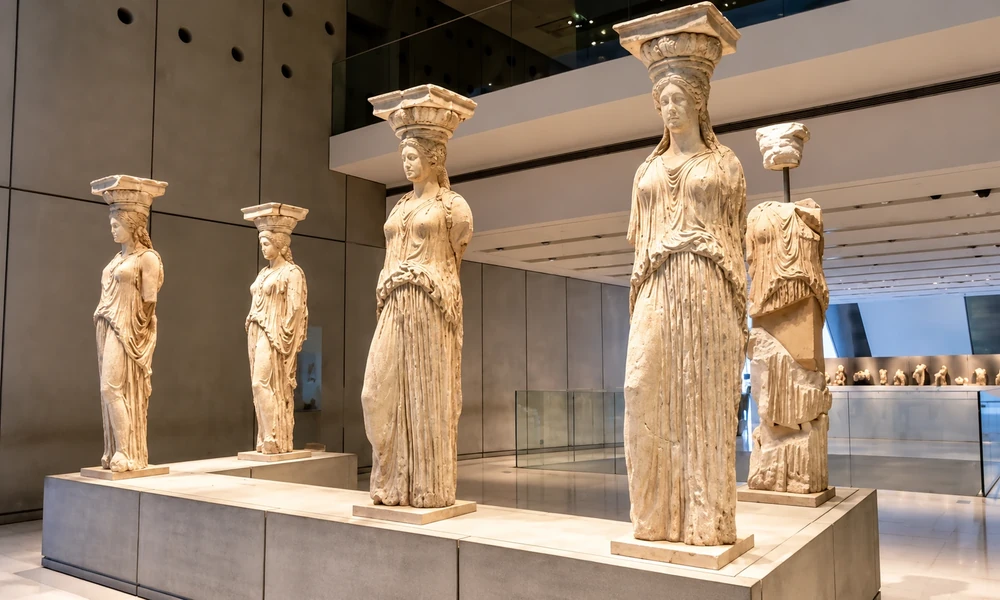
The Acropolis Museum connects visitors with the art and architecture of ancient Athens, offering a close look at objects associated with one of the most influential civilizations in history.
Its galleries contain sculptures, architectural fragments, and archaeological finds connected to the Acropolis. The museum’s displays help visitors understand how the buildings and artworks of ancient Athens were created, used, and transformed over time.
The Parthenon Gallery is particularly important. Its design relates the displayed sculptures to the dimensions and orientation of the Parthenon, while offering views toward the ancient monument itself.
This connection between the museum and the archaeological site makes the visit feel like a continuation of the historical landscape rather than an entirely separate experience.
Why visit: To understand ancient Greek art in direct connection with the Acropolis.
Don’t miss: The Parthenon Gallery and sculptures from the Acropolis.
14. Tokyo National Museum, Tokyo, Japan
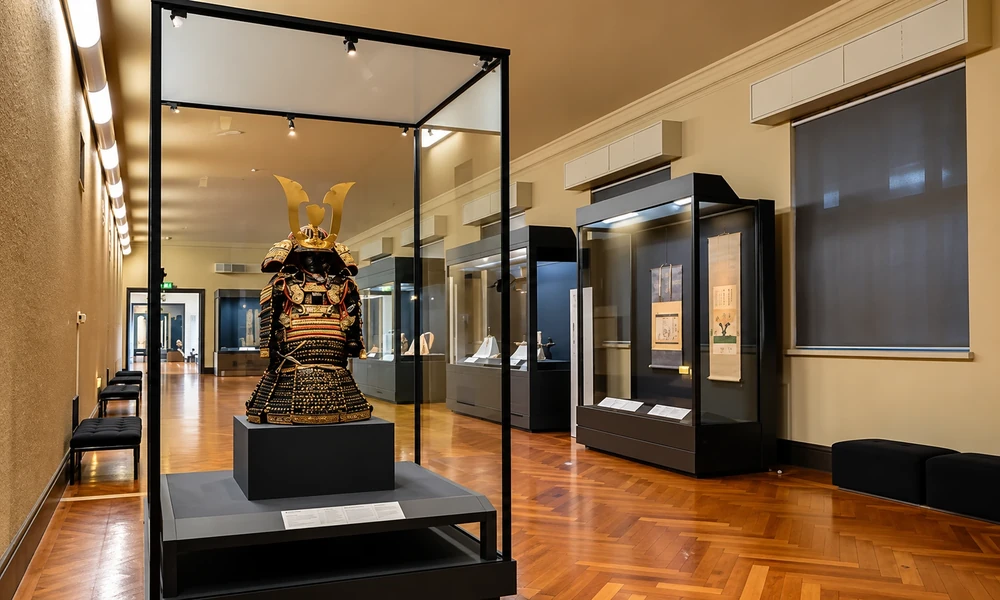
The Tokyo National Museum is an excellent introduction to Japanese art and material culture, with collections that also explore wider Asian artistic traditions. Visitors planning a broader trip can also explore this Japan luxury travel destination guide for more ideas.
Visitors can discover Japanese paintings, Buddhist sculpture, ceramics, calligraphy, textiles, armor, and other objects that reveal the depth and variety of the country’s artistic heritage.
The museum is especially valuable for travelers who want to understand Japanese aesthetics beyond the country’s contemporary design and pop culture. Traditional works reveal different relationships with nature, spirituality, craftsmanship, and the passage of time.
Collections and exhibitions change, so a visit can offer different discoveries depending on when you arrive.
Why visit: For a deeper understanding of Japanese art, history, and craftsmanship.
Don’t miss: The Japanese art galleries, Buddhist sculpture, and traditional ceramics.
15. National Palace Museum, Taipei, Taiwan

The National Palace Museum is one of the world’s major destinations for Chinese art and cultural history. Its collections include ceramics, paintings, calligraphy, jade, bronze objects, and other works created across many centuries.
Rather than focusing on one artistic movement, the museum offers a broad view of changing tastes, technical achievements, court culture, and intellectual traditions in Chinese history.
Some objects are remarkable for their visual beauty, while others reveal extraordinary craftsmanship or the cultural significance attached to everyday materials. Together, they demonstrate how artistic traditions can preserve knowledge, identity, and ways of seeing the world.
Because selected objects and exhibitions rotate, it’s worth checking the current displays before visiting.
Why visit: To explore the richness and longevity of Chinese art and craftsmanship.
Don’t miss: The Chinese painting, calligraphy, jade, and ceramics collections.
How to Plan a Memorable Museum Visit
Visiting a world-famous museum can be wonderful, but it can also become exhausting if you try to see everything at once. A little planning can make the experience much more enjoyable, particularly when you combine cultural attractions with experience-driven luxury travel.
Choose a few must-see works
Before arriving, select two or three artworks or collections you genuinely want to see. This gives your visit a purpose without turning it into a race through the galleries.
Check tickets and opening hours
Popular museums may require timed entry, and opening days can change because of holidays, special events, or temporary closures. Check the official visitor information before making plans.
Give yourself enough time
Large museums often deserve several hours, and some are better explored across multiple visits. If you’re traveling with limited time, a focused visit is usually more rewarding than trying to cover every floor.
Leave room for unexpected discoveries
Don’t spend the entire visit following a checklist. Some of the most meaningful encounters happen when you pause in a gallery you hadn’t planned to visit.
Be considerate inside the galleries
Follow photography rules, keep a respectful distance from artworks, and avoid touching objects unless the museum specifically invites interaction. These small habits help preserve the collection for future visitors.
Frequently Asked Questions
What is the greatest art museum in the world?
There is no single answer for every visitor. The Louvre is famous for its breadth and iconic masterpieces, the Uffizi is essential for Renaissance art, and MoMA is a major destination for modern and contemporary art. The best museum depends on your interests.
Which museum should a first-time art lover visit?
The Louvre is a compelling starting point because of its vast and varied collection. The National Gallery in London and the Musée d’Orsay in Paris are also excellent choices for visitors who want to focus more closely on European painting.
Which museums are best for Renaissance art?
The Uffizi Gallery in Florence, the Vatican Museums, and the Louvre are especially important for exploring Renaissance art and the artists who helped shape it.
How many hours should you spend in a major museum?
Two to four hours can provide a satisfying introduction, but larger institutions may require a full day or more. Choose a manageable selection of galleries rather than trying to see everything.
Should I book museum tickets in advance?
For popular museums, advance booking can help you secure your preferred entry time and avoid some queues. Always check the museum’s official visitor information for current ticket requirements.
Final Thoughts
The greatest museums in the world are more than beautiful buildings filled with priceless objects. They are places where different cultures, generations, and ways of thinking meet.
You might visit the Louvre for the Mona Lisa, travel to Florence for Botticelli, or stand beneath the Sistine Chapel ceiling in quiet amazement. But the work you remember most may be something you never expected to find.
That’s the pleasure of exploring art. It leaves room for surprise, curiosity, and a different perspective on the world.
If you have the opportunity to visit even one of these museums, give yourself time to look closely. You don’t need to understand every painting or know the history behind every sculpture. Sometimes, being present with a remarkable work of art is enough to make the journey worthwhile.
Disclaimer: This article is intended for informational purposes only.