
Some meals are good because they are quick. Others become favorites because of the way they make the whole kitchen smell, how they bring everyone to the table, and how satisfying they feel after a long day. Homemade chili belongs in the second category.
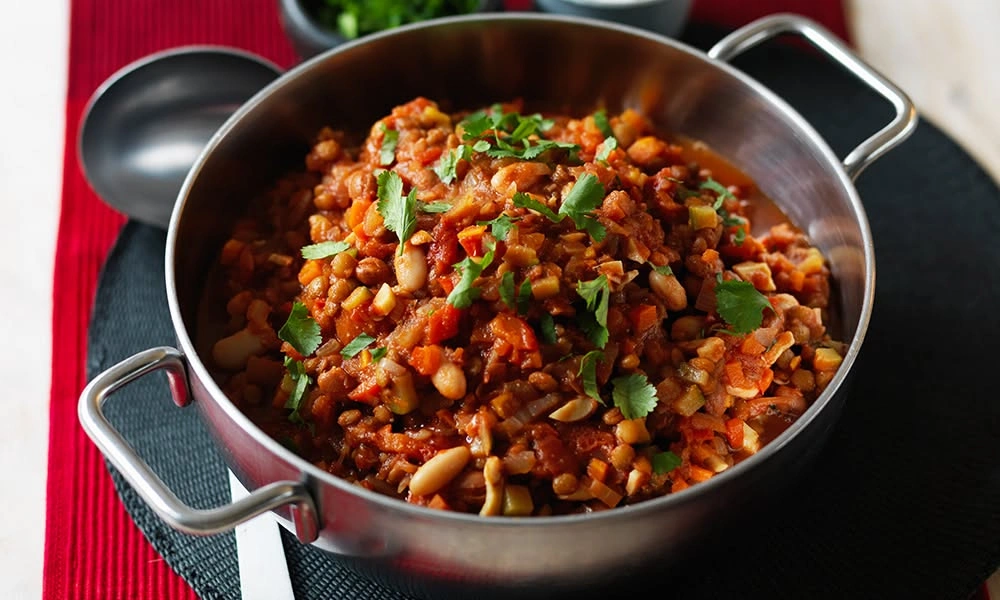
The best chili is rich, savory, gently smoky, and full of tender beef and beans in a thick tomato-based sauce. It should have enough spice to keep every spoonful interesting without making the heat overpower the flavor. Add a little shredded cheese, a spoonful of sour cream, and warm cornbread on the side, and you have the kind of dinner people look forward to eating again.
This easy homemade chili recipe uses everyday ingredients and one pot. It is ideal for family dinners, relaxed weekends, game-day gatherings, or meal prep when you want something comforting waiting in the fridge.
Ingredients for the Best Homemade Chili
- 1½ pounds ground beef
- 1 medium yellow onion, diced
- 1 green bell pepper, diced
- 4 cloves garlic, minced
- 2 tablespoons tomato paste
- 1 can (28 ounces) crushed tomatoes
- 1 can (15 ounces) kidney beans, drained and rinsed
- 1 can (15 ounces) black beans, drained and rinsed
- 1 cup beef broth
- 2 tablespoons chili powder
- 2 teaspoons ground cumin
- 1 teaspoon smoked paprika
- 1 teaspoon dried oregano
- ½ teaspoon ground black pepper
- ½–1 teaspoon salt, adjusted to taste
- ¼ teaspoon cayenne pepper, optional
- 1 tablespoon olive oil, if needed
- 1 teaspoon brown sugar, optional
- 1 tablespoon apple cider vinegar, optional
For serving, consider shredded cheddar cheese, sour cream, sliced green onions, fresh cilantro, diced avocado, or cornbread.
How to Make the Best Chili

1. Brown the Beef
Place a large, heavy pot or Dutch oven over medium-high heat. Add the ground beef and cook for 6–8 minutes, breaking it into small pieces as it browns.
If the beef releases a lot of excess fat, drain some away, leaving a little behind for flavor. Browning the meat properly gives the chili a deeper, richer taste.
2. Cook the Vegetables
Add the diced onion and green bell pepper. Cook for about 4–5 minutes, stirring occasionally, until the vegetables begin to soften.
Stir in the garlic and cook for another 30 seconds. Keep the garlic moving so it becomes fragrant without burning.
3. Toast the Spices
Add the tomato paste, chili powder, cumin, smoked paprika, oregano, black pepper, salt, and cayenne pepper if using.
Stir everything together for about one minute. Toasting the spices briefly helps release their aroma, while cooking the tomato paste deepens its flavor.
This is an important step: a good chili should taste layered and savory rather than simply like tomatoes mixed with chili powder.
4. Add the Tomatoes, Beans, and Broth
Pour in the crushed tomatoes and beef broth. Add the kidney beans and black beans, then stir thoroughly to combine.
Bring the mixture to a gentle simmer. Once bubbles begin to appear, reduce the heat to low.
5. Let the Chili Simmer

Cover the pot partially and cook for 45–60 minutes, stirring every 10–15 minutes to prevent sticking.
As the chili simmers, the flavors meld together and the sauce thickens. If it becomes thicker than you like, add a little more broth or water. If it looks too thin, continue simmering uncovered for a few minutes.
For a thicker texture, gently mash a small portion of the beans against the side of the pot and stir them back in.
6. Taste and Finish
Taste the chili before serving. Add more salt, pepper, or chili powder if needed.
If the tomatoes taste particularly sharp, a small amount of brown sugar can help balance them. A splash of apple cider vinegar at the end can brighten the overall flavor.
Neither is essential. Let the taste of your chili guide you.
7. Add Your Favorite Toppings
Ladle the hot chili into bowls and finish with shredded cheddar, sour cream, sliced green onions, or cilantro.
Serve it with cornbread, rice, baked potatoes, tortilla chips, or warm crusty bread. The contrast between the thick chili and a crisp or fluffy side makes the meal even more satisfying.
What Makes This Chili Recipe So Good?
Browning creates depth. Letting the beef develop a little color adds savory flavor that you cannot get by simply boiling the meat in the sauce.
The spices work together. Chili powder brings warmth, cumin adds earthiness, smoked paprika contributes a smoky note, and oregano rounds everything out.
A longer simmer improves the flavor. The ingredients have time to blend, and the sauce becomes richer and more cohesive.
Beans add texture and substance. Kidney beans and black beans give the chili a hearty consistency. You can use just one variety if that is what you have available.
The finishing touches matter. A little acidity can brighten a rich sauce, while creamy toppings and fresh herbs create contrast.
What You’ll Love About This Chili
The best part of this recipe is how easily it fits into real life.
- One pot, less cleanup: Everything cooks together, making this an approachable dinner even on busy evenings.
- Easy to customize: Make it milder for the family or add cayenne and jalapeños for extra heat.
- Perfect for leftovers: The flavor often develops further after the chili rests overnight in the refrigerator.
- Freezer-friendly: Make a larger batch and freeze individual portions for future meals.
- Flexible serving options: Enjoy it in a bowl, over rice, on a baked potato, or spooned over nachos.
It is also a useful recipe to keep in your rotation because the ingredients are easy to adjust. Use extra beans for a more bean-forward chili, add diced jalapeños for heat, or stir in a little cocoa powder for a subtle, deeper flavor.
Easy Ways to Customize Your Chili

Make It Spicier
Add diced jalapeños with the onions, increase the cayenne pepper, or finish each bowl with hot sauce. Add heat gradually so the other flavors remain noticeable.
Make It Without Beans
For a Texas-inspired, bean-free version, leave out both cans of beans and add a little extra beef or adjust the broth to achieve your preferred consistency. Regional chili traditions vary, and there is no single version everyone agrees on.
Make It With Turkey
Replace the ground beef with ground turkey. Because turkey is leaner, you may want a little olive oil to help cook the vegetables and develop flavor. Cook ground turkey to an internal temperature of 165°F (74°C).
Make It Vegetarian
Skip the beef and use extra beans, chopped mushrooms, and diced vegetables. Replace the beef broth with vegetable broth. Mushrooms add a savory quality that works particularly well with cumin and smoked paprika.
Make It in a Slow Cooker
Brown the beef with the onions, pepper, and garlic first, then transfer them to a slow cooker with the remaining ingredients. Cook until the flavors have developed and the vegetables are tender, following your appliance’s instructions. Browning first adds flavor, even when the chili finishes cooking in the slow cooker. Not sure which appliances are worth buying? See our guide to essential kitchen appliances for new homes.
What to Serve With Chili
A bowl of chili can be a complete meal, but the right side dish makes it feel even more special.
- Cornbread: Slightly sweet, tender cornbread is excellent for soaking up the sauce.
- Steamed rice: A simple option that stretches the meal and balances the spice.
- Baked potatoes: Spoon chili over a fluffy baked potato and finish with cheese.
- Tortilla chips: Add crunch or use them for scooping.
- Fresh salad: A crisp salad with a tangy dressing offers a refreshing contrast.
- Garlic bread: Great for anyone who loves a hearty, bread-and-sauce combination.
Storage and Reheating
Let leftover chili cool promptly and transfer it to shallow, airtight containers. Refrigerate within two hours of cooking and use within 3–4 days.
For longer storage, freeze it in suitable airtight containers for around 2–3 months for best quality. Thaw in the refrigerator when possible, then reheat on the stove or in the microwave until it reaches 165°F (74°C), stirring as needed for even heating.
If the chili becomes too thick after refrigeration, add a small splash of water or broth while reheating.
Frequently Asked Questions
How long should chili simmer?
Around 45–60 minutes is a good starting point for this recipe. A longer, gentle simmer can develop the flavor further, provided you stir occasionally and add liquid if needed.
What is the secret ingredient for great chili?
There is no single secret ingredient. Properly browned beef, toasted spices, and enough simmering time make a major difference. A small splash of vinegar at the end can also brighten the finished dish.
Is chili better the next day?
Many people prefer chili after it has rested overnight because the flavors have more time to blend. Refrigerate it safely and reheat thoroughly before serving.
Can I make chili without tomato paste?
Yes. You can omit it, although the finished chili may have a slightly less concentrated flavor. Allowing the mixture to simmer uncovered for a little longer can help thicken the sauce.
How do I make chili thicker?
Simmer it uncovered to reduce excess liquid, or mash a few beans and stir them into the sauce. Avoid adding too much liquid at the beginning if you prefer a thick consistency.
What toppings go best with chili?
Shredded cheddar, sour cream, green onions, cilantro, avocado, and sliced jalapeños are all popular choices. Choose toppings that complement your preferred level of heat.
Final Thoughts
A great bowl of chili does not need complicated ingredients or an entire afternoon in the kitchen. Give the beef time to brown, let the spices become fragrant, and allow the pot to simmer until the sauce turns rich and the flavors come together.
Then make it your own. Add more heat, try a different bean, pile on your favorite toppings, or serve it with a slice of warm cornbread.
This is the kind of comforting, flexible recipe worth keeping close because when you find a chili that everyone enjoys, you will want to make it again.
Disclaimer: This article is intended for informational purposes only.